In
some rural areas, mythological creatures - the duwende, nuno, kapre,
tikbalang - reign supreme, too often contributing to the conundrums
of disease etiologies and pathologies. Lamang-lupa or earth dwellers
are believed to inhabit the mounds of earth and the underground, and
accidentally disturbing these places, not obtaining leave or failing
to apologize may cause a gamut of complaints ranging from abdominal
distress, headaches, body pains, even insanity. Other earth creatures
believed to cause illness are the dwarfs and elves (duwendeng itim)
- na-nuno, na-duwende. Illnesses are also often attributed to sorcery
(kulam, pang-kukulam), in its many forms, varying from region to region.
Many of these creatures' boundaries of habitation are so geographically
and ethnically defined, so that the Southern Luzon's kapre,
tikbalang, nuno-sa-punso, and duwendeng itim are
looked upon by the Northerners with amused incredulity as creatures
of the Tagalog imagination, while the Southerners are as amused listening
to the Northerners ways in driving away their evil spirits and other
unwelcome supernatural beings with their bloodletting "kanyaw"
ritual—the sacrificial chicken spurting and dripping blood from
its gashed neck as it circles the grounds of the haunting habitues,
and later to be shared as a poultry dish.
In
some rural areas, mythological creatures - the duwende, nuno, kapre,
tikbalang - reign supreme, too often contributing to the conundrums
of disease etiologies and pathologies. Lamang-lupa or earth dwellers
are believed to inhabit the mounds of earth and the underground, and
accidentally disturbing these places, not obtaining leave or failing
to apologize may cause a gamut of complaints ranging from abdominal
distress, headaches, body pains, even insanity. Other earth creatures
believed to cause illness are the dwarfs and elves (duwendeng itim)
- na-nuno, na-duwende. Illnesses are also often attributed to sorcery
(kulam, pang-kukulam), in its many forms, varying from region to region.
Many of these creatures' boundaries of habitation are so geographically
and ethnically defined, so that the Southern Luzon's kapre,
tikbalang, nuno-sa-punso, and duwendeng itim are
looked upon by the Northerners with amused incredulity as creatures
of the Tagalog imagination, while the Southerners are as amused listening
to the Northerners ways in driving away their evil spirits and other
unwelcome supernatural beings with their bloodletting "kanyaw"
ritual—the sacrificial chicken spurting and dripping blood from
its gashed neck as it circles the grounds of the haunting habitues,
and later to be shared as a poultry dish.
 In
some areas, the initial approach to therapy is directed towards the
creature-induced maladies. Many believe that many of these illnesses
are in the purview of the albularyo or the alternative specialists.
Some believe that certain diseases, especially those caused by sorcery
(kulam), can only be treated by an albularyo
with an expertise in countering such illnesses, often compounded by
a belief that also seeking traditional therapeutic interventions from
a physician will make the alternative therapy fail, make the condition
worsen or cause death.
In
some areas, the initial approach to therapy is directed towards the
creature-induced maladies. Many believe that many of these illnesses
are in the purview of the albularyo or the alternative specialists.
Some believe that certain diseases, especially those caused by sorcery
(kulam), can only be treated by an albularyo
with an expertise in countering such illnesses, often compounded by
a belief that also seeking traditional therapeutic interventions from
a physician will make the alternative therapy fail, make the condition
worsen or cause death.
 Therapeutic
approaches draw from a very varied bag of Philippine alternative treatment
modalities: herbal-infused, prayer-based, from way-out fringe to near-mainstream,
colored by rural mythologies and a profusion of indigenous rituals.
Some are in sole purview of the village healers, the albularyos and
the specialists.
Therapeutic
approaches draw from a very varied bag of Philippine alternative treatment
modalities: herbal-infused, prayer-based, from way-out fringe to near-mainstream,
colored by rural mythologies and a profusion of indigenous rituals.
Some are in sole purview of the village healers, the albularyos and
the specialists.
There is a sundry of day-to-day
complaints that rarely warrants a consultation with the village
healers. There is an accumulation of folkloric therapeutics,
hand-me-down remedies and rituals, and a basic herbology that
is utilized by parents or a knowledgeable kin. Many have "libretos"
- a collection of prayers for use with bulongs
and orasyons - for use in countering the common maladies
caused by bad winds, spirits and earth-dwellers.
Some treatments, dispensed
or advised, are so absurd, way-out total-fringe, that it might
even merit a bemused and amused frown, but at the end, there
is tthe sheepish confession that "i tried it anyway."
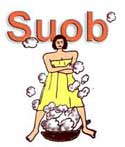 Suob,
ministered by the hilot-midwife, is a ritual of rural post-partum
care that incorporates modalities of herbs, prayer, smoke, heat and
massage. Although traditionally rural, it has been occasionally used
by the urban-burgis in a modified new-age form.
Suob,
ministered by the hilot-midwife, is a ritual of rural post-partum
care that incorporates modalities of herbs, prayer, smoke, heat and
massage. Although traditionally rural, it has been occasionally used
by the urban-burgis in a modified new-age form.
The treatments for rabies and asthma,
although quite fringe, are still utilized in some rural areas. Kudlit
continues to be a mainstay in the rural management of of rabies
and other 'poisonous' bites.
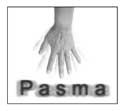
Pasma, is
a common rural malady attributed to the exposure to cold water, manifesting
in a sundry of ways: tremors, numbness, and various rheumatic manifestations.
 Despite new science for this sleep disorder associated with sudden nocturnal deaths, bangungot continues to be thickly wrapped in folklore. Both urban and rural belief systems still attribute these nighttime sleep deaths to excesses of alcohol and eating, and pancreatitis is still held on to as the familiar medical diagnosis. In the Ilocandia, the fat and vengeful batibat continues to threaten to sleep on the victims' faces.
There are, too often,
tragic stories; too late, realizing that the healers' treatment is
not working, and too late, the harried effort to borrow money for
the cost of the trip to the provincial hospital. And alas, in countless
impoverished rural communities, there is no choice. For much of the
marginalized poor, health care is not a right; it is lottery, healthcare-pachamba.
Yet, bereft of health prevention, eking existences in the fringes
of malnutrition, they survive.
Perhaps, in the end,
the bad-winds, the black elves, the earth-dwellers serve a purpose.
They allow for the therapeutic mechanisms of placebo, tincture of
time, and prayers. And when all else fails, the loss may be accepted
as the doings of a spirit, more powerful than the healers' therapeutic
modalities, beyond the ministrations of prayers, orasyons and rituals,
and the last minute efforts of traditional medicine. And all else
having failed, in the search for a final consolation, drawing on a
matyrdom of faith, invariably: It was God's will.