Gen info
- Paederia foetida belongs to the Rubiaceae family and is one among the 30 species in the Paederia genus.
- Paederia is a genus of flowering plants in the madder family, Rubiaceae. They are commonly known as sewer vines because of the strong odor when leaves or stems are crushed or bruised.
-
The genus name Paederia derives from the Greek word "paederos" meaning "opals."The species name "foetida" derives from Latin, meaning "stinky" or "foul smelling."
- Kantutan, a Filipino local name for the plant,
is likely a ribald sexual reference to the smell that the leaves or stems exude when crushed.
 Botany Botany
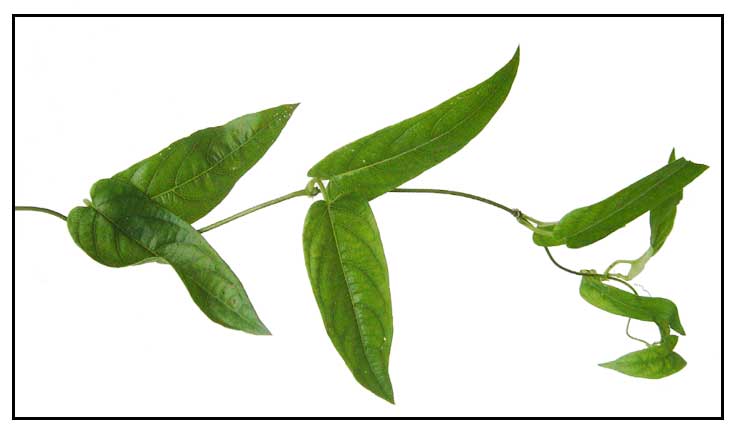
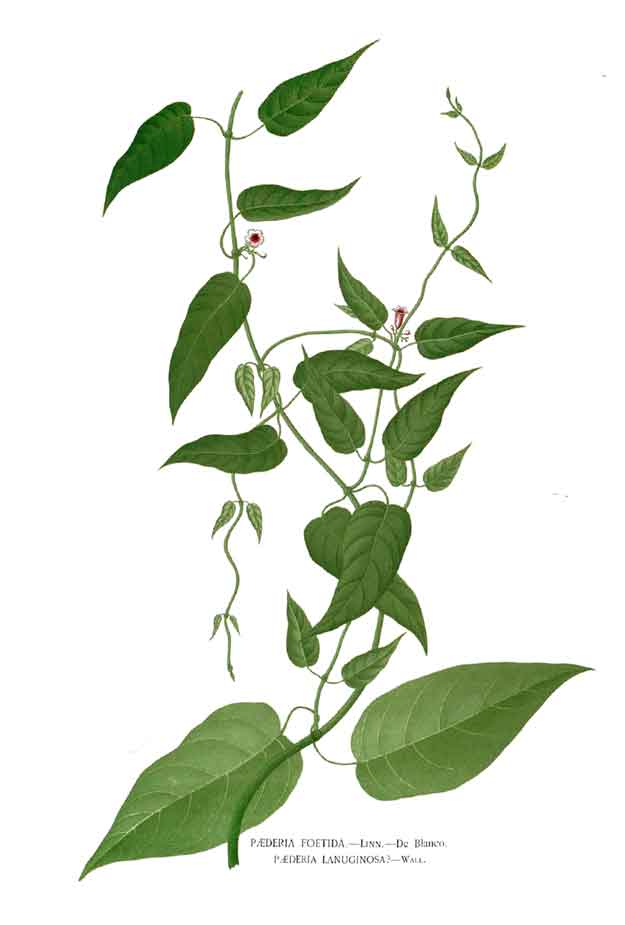
Kantutan is a climbing, herbaceous.
hairy or smooth slender vine. Leaves are ovate to
oblong-ovate, 6 to 10 centimeters long, 3.5 to 5 centimeters wide, pointed at the tip, rounded
or slightly heart-shaped at the base, emitting a distinct foetid odor when crushed. Flowers are stalkless, borne in axillary,
lax, peduncled inflorescences. Calyx is small and 5-toothed. Corolla is about 1 to 3 centimeters long, somewhat cylindrical,
pale purple to nearly white outside, deep purple and villous inside; limb is
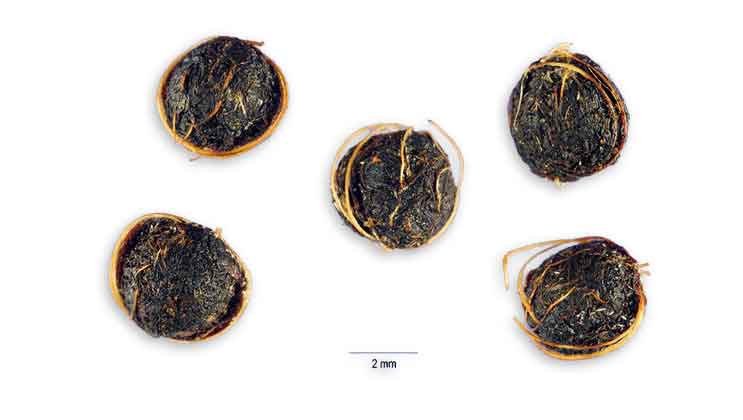
spreading with 5 undulate lobes. Fruit is somewhat rounded, about 5 millimeters in diameter.
Distribution
- Native to the Philippines.
-
Throughout the Philippines
in thickets at low and medium
altitudes, ascending to 1,500 meters.
- Also native to Andaman Is., Assam, Bangladesh. Borneo, Cambodia, China, Hainan, Himalaya, India, Japan, Jawa, Korea, Laos, Lesser Sunda Is., Malaya, Maluku, Myanmar, Nansei-shoto, Nepal, Nicobar Is., Sri Lanka, Sulawesi, Sumatera, Taiwan, Thailand, Tibet, Vietnam. (19)
Properties
- The name derives from the distinct stinky odor
of carbon bisulphide when the leaves are crushed.
-
In Ayurveda, considered alterative, antiarthritic, antispasmodic, cardiac, diaphoretic. expectorant and stomachic.
- Considered anodyne, aphrodisiac, emollient, carminative, diuretic, tonic, stomachic, vermifuge.
- Juice of leaves considered astringent.
- Studies have suggested antidiarrheal, anthelmintic, anti-inflammatory, antitussive, anticancer, cytotoxic,
antithrombolytic, antidiabetic, antihyperlipidemic, antioxidant, antiulcer, cardiotonic, cardioprotective, hepatoprotective, aphrodisiac, antianxiety properties.
 Constituents Constituents
- Phytochemical analysis yielded alkaloids, flavonoids, phenols, physterols and terpenoids, sugar.
-
Upon distillation, a
volatile oil is obtained with the offensive odor of the fresh crushed
leaves.
- Two alkaloids are obtained: α- and ß-Paederine.
- The leaves yield an indole.
- Yields iridoid monoterpenes, fatty acids, embelin, and friedelanol.
- Yields hentriacontane, hentriacontanol, ceryl alcohol, sitosterol, stigmasterol, campesterol, urosolic acid, and epifriedelinol.
- Leaves are rich in carotene and vitamin C.
- Plant yields friedelan-3-1, beta-sitosterol and epifriedelinol.
- Leaves yield iridoid glycosides, asperuloside, paederoside and scandoside;
sitosterol, stigmasterol, campesterol, ursolic acid, palmitic acid and
methyl mercaptan. The methyl mercaptan is responsible for the foetid odor
of the plant.
- Study on fatty acid methyl ester (FAME) composition of seed oil yielded 15.35 wt.% of methyl palmitate (C16:0), 47.70 wt.% of methyl linoleate (C18:2), 30.54 wt.% of methyl oleate (18:1) and 6.40 wt.% of methyl stearate (C18:0).
(22)
- Study on nutritional components yielded proximate composition (g/100 g): moisture 82.55±0.12, ash 4.68±0.13, crude protein 2.57±0.07, crude fat 0.60±0.09, carbohydrate 9.60±0.10; dietary fiber:
TDF 8.47 ±0.00, SDF 1.01±0.69, IDF 7.46±0.34; mineral (mg/100g) calcium 200.40±5.63, natrium 27.431±0.50, potassium 844.39±17.62, iron 4.67±0.0g; vitamin C 271.40±42.65 mg/100g; and total phenol 3.15±0.23 mgGAE/g. (see study below) (24)
- Study on volatile oils isolated by steam distillation from leaves, stems, and flowers of P. foetida
yielded oxygen-containing monoterpenes as the main constituent in the three oils, all containing linalool as major component. Dominant components were sulphur-containing compounds, especially in the leaf oil, most abundant of which was dimethly disulphite. (25)
- Ethanol and hydroalcoholic leaf extracts yielded cardiac glycosides, iridoid glycosides, alkaloids, flavonoids, tannins, phytosterols, and amino acids. (see study below) (32)
- GC-MS study of twigs yielded 12 bioactive compounds, namely: dl-α-tocophenorl, n-hexadecanoic acid, 2-hexyl-1-decanol, stigmastanol, 2-nonadecanone, choles-8-(14)-en-3-ol, 4,4-dimethyl-, (3ß,5α)-, stigmast-4-en-3-one, stigmasterol, 1-ethyl-1-tetradecyloxy-1-silacyclohexane, γ-sitosterol, stigmast-7-en-3-ol, (3ß,5α.24S)-, and α-monostearin. (see study below) (42)
- Phytochemical screening of aerial parts yielded carbohydrate, glycosides, tannins, alkaloids, acidic compounds, steroids, terpenoids, and flavonoids. (see study below) (44)
Parts utilized
- Leaves, bark, roots.
Uses
Edibility
- In Malaya, leaves are eaten raw or steamed.
- Cooking significantly diminishes the odor, but a mild bitterness persists.
- In northeastern India, the tender leaves are boiled and eaten with chili and salt. The Tripura tribes of India prepare "Berma batui" or "Gudak" using dry fish and leaves of P. foetida. (27)
- In Hainanese cuisine, leaves are ground into flour and mixed with rice to form noodles used in a sweet soup.
Folkloric
- Used for rheumatism.
- The leaves, boiled and mashed, applied to the abdomen for urinary retention.
- Decoction of leaves also used for urinary retention and for urinary bladder
stones.
- Decoction-soaked cloths applied to the forehead for fevers and decoction taken internally
at the same time.
- Bark decoction used as emetic.
- Decoction of leaves used for antirheumatic baths.
- Pounded leaves applied to the abdomen for flatulence.
- Decoction of roots for expelling gas.
- Leaves mixed in omelets or "tortilla," reported to be effective for intestinal catarrh.
- Hindus use the root as an emetic.
- Juice of leaves considered astringent; used for diarrhea in children.
- Hot aqueous extract of aerial parts used for treating liver diseases.
- Poultice of leaves used for herpes.
- Leaves and twigs used as diuretic for inflammation of the urethra.
- Lepchas and Pharias reported to use the fruit to blacken the teeth, and consider it specific for toothache.
- Roots also used as emollient and carminative; used for colic, spasms, rheumatism, and gout.
- Fruit used for toothaches and to blacken the teeth.
- Decoction of whole plant used for abdominal pain, abscesses, arthritis.
- In many Asia traditional
therapies, used for diarrhea, dysentery, and ulcers.
- In Malaya, leaves used as emulsion for flatulence and rheumatism.
- In Bengal, decoction of leaves used as nutritive for the sick and convalescent.
- In Bangladesh, used for
diarrhea. Poultice of leaves used to relieve distention and flatulence. Use in fractures, rheumatism, pain, piles, and constipation.
- Garo tribes of Tangail district of Bangladesh eat cooked leaves as vegetable for stomach ailments. (31)
- Roots and bark used as emetic, and in the treatment of piles and liver
inflammation.
- Fruit used for toothache.
- In India used for rheumatism
and stiffness of the joints. Poultice of leaves applied to abdomen to
relieve distention and flatulence. Juice of the root is used for piles,
liver and spleen ailments.
- In Ayurveda, used for asthma, bowel problems, diarrhea, diabetes, rheumatism and seminal weakness.
- Used for the treatment of gout, vesical calculi, piles. Bark decoction used as emetic.
- Tribal people of Chittagong hill tracts of Bangladesh and the Aka tribe of Arunachal Pradesh use the leaf juice to treat diarrhea and dysentery, and to treat scalding and burns. Ethnic communities of Orissa, India use cooked leaves with rice to treat rheumatic joint diseases and gout. (27)
- In Assam, India, shoots used to relieve post-delivery body pains. (37)
- In Meghalaya, India, paste of leaves of P. foetida and whole plant of A. wightiana, H. laxum, and L. ciliata used as antidote for snake bites. (39)
Others
- Teeth blackening: Tribal use of every part of the plant, from root to fruit, for teeth blackening. (26)
Studies
• Antidiarrheal:
Study showed P. foetida reduced the purging index in a dose-dependent manner in magnesium sulfate-induced diarrhea, reducing gastrointestinal motility and enhanced morphine-induced reduction of motility. Results showed PF has antidiarrheal activity by inhibiting intestinal
motility supporting its use in traditional medicine. (1)
• Anti-Inflammatory / Leaves:
Study of the butanol fraction of a methanol extract of the defatted leaves of P. foetida showed significant inhibition of granulation tissue formation in cotton-pellet implanted rats, decreased liver aspartate transaminase activity and presence of disease-modifying antirheumatic activity. Results showed some rationale for its ethnomedical anti-inflammatory use.(2)
• Anthelmintic / Leaves:
Juice of leaves showed potent anthelmintic effect against bovine
helminths–Strongyloides spp, Trichostrongylus and Haemonchus spp. (•) Study evaluated a methanolic extract of leaves for anthelmintic activity against Pheretima posthuma and Tubifex tubifex. Results showed significant anthelmintic activity at highest concentration of 100 mg/ml compared with piperazine citrate (10mg/ml) as standard reference. (27)
• Antitussive
Activity : Study showed the ethanolic extract of P foetida
had a cough suppressant effect, with decrease in cough intensity and frequency.
The effect was less than codeine but similar to non-narcotic dropropizine.
The effect could be related to its demonstrated anti-inflammatory activity. (3)
• Antioxidant
Activity : Study showed that P. foetida had high antioxidant
activity, with fresh samples having higher phenolic contents and better
antioxidant activity than the dried samples. It suggests PF could be a
significant source of natural antioxidant compounds. (4)
• Anticancer
Activity: Study showed the 50% ethanolic extract to
have anticancer activity against human nasopharyngeal epidermoid carcinoma
in tissue culture.
• Antithrombolytic /
Antidiabetic / Whole Plant / Leaves: Study of methanolic extracts of whole plant of P. foetida in alloxan-induced male Sprague Dawley rats showed moderate antidiabetic activity. An extract also exhibited thrombolytic activity. (8)
• Antibacterial: Study showed antibacterial activity. Extract showed significant activity against S. flexneri, S. aureus, E coli, and E. faecalis. (9)
• Antiulcer / Roots / Leaves: Study of the roots of P. foetida showed anti-ulcer activity possibly through the inhibition of H2 receptors resulting in inhibition of gastric acid secretion elicited by histamine and gastrin. (10)
• Antihyperlipidemic / Antidiabetic / Antioxidant / Toxicity Study / Leaves: Study evaluated the antidiabetic, antioxidant, and antihyperlipidemic activity of a methanolic extract of P. foetida leaves in STZ-induced diabetic rats. Results showed remarkable antihyperglycemic activity possibly through both pancreatic and extra-pancreatic mechanisms. Study also showed antihyperlipidemic activity and antioxidant activity attributed to inhibition of lipid peroxidation and increased SOD, GPx, and CAT. Oral toxicity studies showed no toxic effect until a dose of 2000 mg/kg. (11)
• Thrombolytic / Cytotoxic / Antidiabetic / Leaves: Study of methanol leaf extract in alloxan induced diabetic rats exhibited moderate thrombolytic, cytotoxic, and dose-dependent antidiabetic effect comparable to metformin. (12)
• Free Radical Scavenging / Membrane Stabilizing Activities: Study evaluated P. foetida using various antioxidant assay systems. Results showed dose dependent scavenging of DPPH radical and moderate reducing power and potent membrane stabilizing activity of RBC membrane in hypotonic medium. Results suggest a potential natural healing source for oxidative stress and inflammatory diseases. (13)
• Anthelmintic: Methanolic extract of leaves showed significant anthelmintic activity against Pheretima posthuma and Tubifex tubifex, with piperazine titrate as reference. (14)
• Vitamin C Content of Leaves: Study showed leaves contained considerably high amounts of vitamin C, higher in mature leaves (66 ppm) than young leaves (64 ppm). (15)
• Anti-Inflammatory in Experimentally Induced Colitis: Study evaluated ethanolic extract of leaves of P. foetida on acetic acid induced colitis in albino rats. Results showed amelioration of experimentally induced colitis, which was attributed to its anti-inflammatory and antioxidant property. (16)
• Analgesic / Acute Anti-Inflammatory Effect: Study of ethanolic extract of leaves on experimental animal models showed significant anti-inflammatory and analgesic activity. (17)
• Increased Testosterone Level / Aphrodisiac Effect: Study evaluated the effects of an ethanolic extract on sexual behavior and testosterone level in male rats. Results showed a dose-dependent influence on serum testosterone level, with pronounced anabolic and spermatogenic effects. Results support use as aphrodisiac in traditional medicine. (18)
• Comparative Cytotoxicity: In a study on comparative cytotoxic potential using Brine Shrimp lethality assay, Paederia foetida leaves showed an LC50 of 42.57µg/ml compared to Citrus limetta (74.18 µg/ml) and Cuscuta reflexa (24.013 µg/ml). (20)
• Antihepatotoxic /
Antioxidative Activity / Leaves: Study of an ethanol extract of P. foetida showed significant dose dependent protective and antioxidant effect in CCl4-induced hepatic damage in Sprague-Dawley rats. (21)
• Antipyretic / Neuropharmacologic / Antimotility / Leaves: Study of leaf extract in animal models showed remarkable gut antimotiity effect. Methanol and chloroform extract showed significant antipyretic effect in Brewer's yeast induced fever, attributed to a possible inhibition of prostaglandin synthesis. Study also showed CNS depressant effects in the Open Field Test and Forced Swimming Test. (23)
• Nutritional Composition / Radical Scavenging: In a study of nutritional composition and radical scavenging, wild Paederia foetida showed higher capacity to scavenge DPPH radicals than Erechtites hieracifolia. (see constituents above) (24)
• Gastroprotective / Antioxidant / Leaves: Study of a methanolic extract of P. foetida leaves showed gastroprotective effect in indomethacin-pylorus ligation, alcohol induced and water immersion stress induced ulcer models in rats. HPTLC analysis of the ME confirmed the presence of ß-sitosterol. The ME also showed DPPH radical scavenging activity with IC50 of 43.52 µg/ml. The gastroprotective effect may be via Nrf2 mediated antioxidant and antisecretory effects. (28)
•
Anti-Motility / Spasmolytic / Antipyretic / Neuropharmacological Effect / Leaves: Study evaluated various leaf extracts of P. foetida for antipyretic, neuropharmacological, and gastrointestinal motility effects in Swiss albino mice. Results showed significant increase in gastrointestinal motility and significant in-vivo antipyretic effect in mice. In forced swimming test, the ME shorted the immobility period and showed dose-dependent antidepressant activity. (29)
• Antioxidant / Phenolic and Flavonoid Contents / Leaves: Study evaluated the efficient extraction of phenolic compounds from P. foetida fresh and dried leaves extracts. The phenolic content correlated with total antioxidant activity (TAA). The methanol extract exhibited the highest extraction ability for TPC (total phenolic content), TFC (total flavonoid content), and TAA (total antioxidant activity) while aqueous extracts were superior for TTC (total tannin content). The ME also showed higher antioxidant activity with DPPH, ABTS, SO and FRAP. (30)
• Analgesic / Sedative / Leaves: Study evaluated various leaf extracts of P. foetida for analgesic and neuropharmacologic potential. Ethanolic extracts significantly inhibited nociceptive response in both acetic acid and formalin tests on mice. Aqueous extracts exhibited mild sedative effect while ethanol and EA extracts showed little sedative anxiolytic effect in hole cross, open field, and elevated plus maze tests on mice. (31)
• Cardiotonic / Cardioprotective / Leaves: Study evaluated P. foetida ethanol and hydroalcoholic leaf extracts for cardiotonic activity by Isolated Frog Heart Perfusion Technique and protective effects using Isoproterenol induced cardiotoxicity in Wistar albino rats. Results showed significant positive inotropic and negative chronotropic effect similar to standard drug digoxin. Cardiotonic activity was further confirmed by a significant (p<0.05) decrease in membrane Na+K+ATPase and Mg++ATPase and increase in Ca++ATPase. The extracts also significant restored (p<0.05) levels altered by isoproterenol. Activities may be attributed to cardiac and iridoid glycosides. (see constituents above) (32)
• Systemic and Topical Anti-Inflammatory Effect: Study evaluated the systemic and topical anti-inflammatory effect of methanol extract of P. foetida and its mechanism of action. Results confirmed the presence of total phenolic phytoconstituents and in vitro antioxidant studies confirmed free radical scavenging in various models (DPPH, NO, and superoxide). The PF extract significantly reduced carrageenan-induced inflammation by inhibiting the synthesis of PGE2 and egg-albumin induced inflammation by reduction in secretion of serotonin and histamine. Topical inflammation induced by xylene, TPA and AA was significantly decreased (p<0.001) in a dose-dependent manner via inhibition of PGE2, 5-lipoxygenase and cyclo-oxygenase. (33)
• Thrombolytic / Cytotoxic / Antidiabetic / Leaves: Study evaluated a methanolic leaf extract for thrombolytic, cytotoxic, and antidiabetic effects. In in-vitro thrombolysis, PF leaf extract showed moderate thrombolytic effect by clot lysis values, cytotoxicity by brine shrimp bioassay, and significant and dose-dependent decrease in blood glucose in alloxan induced diabetic mice. (34)
• Hepatoprotective / CCl4 Intoxication: Study evaluated the hepatoprotective effect of methanolic extract of P. foetida against freshly isolated rat hepatocytes and on animals with CCl4 intoxication. Results showed potent hepatoprotection in a dose dependent manner. The dose of 400 mg/kg showed potency comparable to standard drug Silymarin (100 mg/kbw). (35)
• Cytotoxic / Antidiabetic / Leaves: Study evaluated various leaf extracts of P. foetida for cytotoxic activity using Brine shrimp lethality bioassay and antidiabetic effect by α-glucosidase and α-amylase inhibition activity. Cytotoxic activity was highest in the acetone extract (64%) at 200 mcg/ml dose, while the hexane extract was totally devoid of any cytotoxic activity. Of four plant extracts, methanol and acetone extracts showed maximum α-amylase and α-glucosidase inhibitory activity. (36)
• Silver Nanoparticles / Antimicrobial / Leaves: Study reported on on the reliable, eco-friendly, and simple green synthesis of silver nanoparticles using P. foetida leaf extract as a reducing cum stabilizing agent. The nanoparticles exhibited excellent antibacterial activity against different classes of bacteria. Results suggest potential for pharmaceutical, biomedical, and environmental applications. (38)
• Biomarker Scopoletin / Twigs: Study has previously reported on scopoletin as a biomarker for the standardization of Paederia foetida twigs. Study reports on the determination and quantification of scopoletin using qNMR in different extracts of P. foetida twigs. The qNMR method was deemed accurate and reliable for quality control of P. foetida and other medicinal plants without extensive sample preparation. (40)
• Antihyhyperglycemic / Stems: Study evaluated the crude methanolic extracts of leaves of Madhuca indica and stems of Paederia foetida. Crude methanol extract of stems of Paederia foetida exhibited significant and dose dependent reductions in serum glucose levels when administered to glucose-loaded mice. The extract at doses of 50, 100, 250, and 500 mg/kbw reduced serum glucose levels by 7.7, 25.3, 31.0 and 31.2%, respectively. (41)
• Enzymatic Activity / Antidiabetic Inhibitors / Twigs: Study evaluated the α-amylase and α-glucosidase enzymatic inhibition activity of Paederia foetida twigs extract and identified the metabolites responsible for the bioactivity by GC-MS metabolomics profiling. Results revealed the presence of 12 bioactive compounds. α-Amylase-n-hexadecanoic acid exhibited the lowest binding energy of -2.28 kcal/mol with two hydrogen bonds residue. The binding interactions of α-glucosidase-n-hexadecanoic acid complex ligand also showed the lowest binding energy among 5 major compounds with energy value of -4.04 kcal/mol. Study provides informative data on potential antidiabetic inhibitors identified in Paederia foetida twigs, indicating the plant's therapeutic effect properties to manage diabetes. (see constituents above) (42)
• Renoprotective Activity / Antioxidative / Leaves: Study evaluated the effect of methanolic leaf extract of P. foetida on alloxan-induced diabetic renal oxidative stress and NF-kB dependent reno-inflammatory events in rat. MEPF treatment significantly reduced hyperglycemia, serum creatinine, BUN, bilirubin, AST, ALT, triglycerides and total cholesterol in diabetic rats and significantly restored GFR and serum albumin level, along with significant augmentation of enzymatic and non-enzymatic antioxidant machineries. It also significantly lowered lipid peroxidation evidenced by decreased concentration of thiobarbituric reactive substances (malondialdehyde, MDA) in the renal tissue of treated diabetic groups. MEPF treated animals exhibited low serum concentrations of IL-6, IL-1ß, and TNF-α. There was dose dependent inhibition of NF-kB activation in the diabetic kidney, more prominent at a dose of 500 mg/kg. Histopathological examinations confirmed the nephroprotective action. (43)
• Antioxidant / Analgesic / Antimicrobial / Anthelmintic / Aerial Parts: Study evaluated the antioxidant, analgesic, antimicrobial, and anthelmintic activities of ethanol extract of aerial parts of P. foetida. The extract showed free radical scavenging properties, which on DPPH assay showed IC50 of approximately 75.52 µg/mL, compared to vitamin C at 15.78 µg/mL. Total phenolic content and total tannin content were 55.36 mg and 36 mg GAE/gm of dried plant extract. Total flavonoid content was 60 mg QE/gm dried extract. The extract showed antibacterial activity against S. aureus, V. cholerae, and P. aeruginosa species. Extract showed significant (p<0.01) acute peripheral analgesic activity at doses of 250 mg/kg (34.66% writhing inhibition) and 500 mg/kg (65.91% writhing inhibition) by acetic acid induced writhing reflex in mice compared to Diclofenac sodium (79.55%). Extract showed anthelmintic activity with dose dependent decrease in paralysis and death time of parasites (Trematode and Nematode). (44)
• Gold and Silver Nanoparticles / Photocatalytic / Antimicrobial: Study reports on the facile biogenic synthesis of gold and silver nanoparticles using aqueous extracts of P. foetida as reducing as well as stabilizing agent. Biogenic silver NPs showed strong antimicrobial activity against B. cereus, E. coli and A. niger. Biogenic gold nanoparticles did not show any antimicrobial activity. (45)
• Antibacterial / Antibiofilm Potential / Leaves: Study evaluated the antibacterial and antibiofilm properties of P. foetida. The methanolic extract of dried leaves showed antibacterial activity against E. coli and Mycobacterium smegmatis. Of six fractions tested, two showed antibacterial properties against two tested bacteria. More than 50% of M. smegmatis biofilm and 30% of E. coli biofilm formation were inhibited by the extract and active fractions. Two MIC of the extract and fractions destroyed the established biofilm mass of the tested bacteria. Linolenic acid, carotenoid, and icosanamide were detected in F5 fraction. Phaeophytin A was detected in F6 fraction. (46)
• Amelioration of Lead Toxicity: Study evaluated the protective effects of P. foetida extract on the hematological system and renal and liver function in male Wistar rats exposed to lead poisoning. The PF extract at 100, 500, and 1,000 mg/kg significantly (p<0.05) improved the harmful effects of lead administration on body weight, liver, and kidney, as well as hematological indices. Results showed potent protective effect against lead-induced toxicity. Since lead exposure causes oxidative stress, an exogenous chelator with antioxidant activity, such as the low cost PF extract, could be a promising agent for amelioration of lead toxicity. (47)
• Antidiarrheal / Leaves: Study evaluated the antidiarrheal mode of action of extracts of leaves of Paederia foetida using castor oil-induced diarrhea, castor oil-induced enteropooling and gastrointestinal motility test in Swiss albino mice. Loperamide was used as standard. While both extracts showed potential antidiarrheal activity, the ethyl acetate extract showed more significant activity than the aqueous extract. Mode of activity was attributed to both inhibition of gastrointestinal motility and enteropooling activities. (48)
• Skin Wound Healing / Leaves: Study evaluated the effect of P. foetida flower absolute (PFFA) on skin wound healing and skin barrier-linked responses in human epidermal keratinocytes (HaCaT cells). PFFA contained 23 components and increased the proliferation and sprout outgrowth of HaCaT cells and modestly increased migration. Results suggests PFFA may promote skin wound repair by stimulating migratory and proliferative activity (probably through the AKT/MAPK pathway), collagen synthesis, and skin barrier repair by upregulating the expressions of filaggrin in epidermal keratinocytes. Results suggest PFFA may be useful for developing agents that enhance skin wound and barrier-repair functions. (49)
• Antibacterial Endophytic Fungi / Leaves: Endophytic fungi that live in plant tissue produces secondary metabolites that potentially act as an antibacterial compound. Study sought to obtain endophytic fungi isolates from P. foetida capable of producing secondary antibacterial metabolites. Results showed SL1, SL4, and SL6 secondary metabolites showed moderate to strong antibacterial activities against S. aureus ATCC6 538 and E. coli ATCC8739. The secondary metabolites extract of SL1 isolate were alkaloid and tannin. SL4 were phenolic and alkaloid while SL6 isolate were alkaloid and terpenoid. The endophytic fungi SLI isolate was identified as Fusarium sp., SL4 as Dematophora sp., and SL6 isolate as Acremonium sp. (50)
• Antimelanogenic Effect / Skin Whitening Effect: Study evaluated the anti-melanogenic effect of P. foetida extract. B16F10 cells, which are murine melanoma cells, were stimulated with alpha-melanocyte-stimulating hormone (α-MSH) for an in vitro experiment. Extract treatment in B16F10 cells with activated malanogenesis due to stimulants showed PFE significantly inhibits melanin content and intracellular tyrosinase activity within a range that does not cause cytotoxicity. Mechanism studies showed PFE processing inhibited the activation of melanin production by regulating phosphorylation of each mitogen-activated protein kinase (MAPK) family in the MAPK signaling pathway. The PFE did not have any side effects on human skin. Results suggest PFE has great potential as a skin whitening agent and in the prevention of hyperpigmentation disorders. (51)
• Antibacterial Effect on E. coli Growth / Leaves: Study evaluated the effect of ethanol extract of P. foetida on the growth of E. coli using serial disc diffusion method. Results showed inhibition of bacterial growth, and the higher the concentration, the greater the inhibition zone. (52)
• Antidiabetic / Antioxidative / Leaves: Study evaluated methanolic extracts of different plant parts.
Availability
Wildcrafted. |