|
 Gen info Gen info
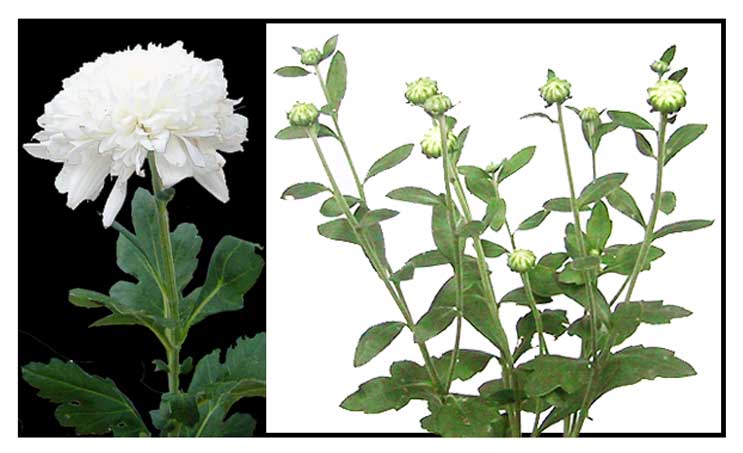
- Chrysanthemum indicum is a plant used in Chinese traditional medicine for more than 2000 years.
Botany
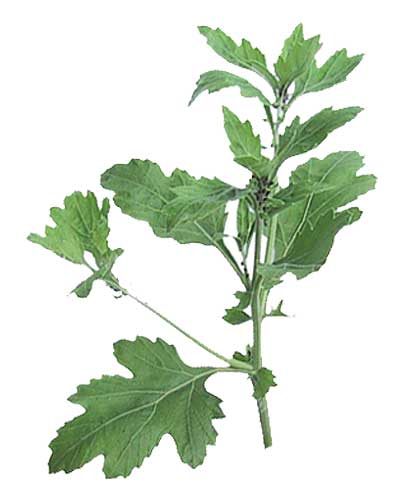
Manzanilla is an erect
or ascending, aromatic,
somewhat hairy herb, 30 to 60 centimeters in height. Leaves are thin, pinnately lobed, ovate to oblong-ovate,
and 4 to 6 centimeters long. Lobes 2 to 3 on each side, ovate or oblong-ovate,
and sharply toothed. Upper surface of the leaves deep green while
the under surface gray-green. Flowering heads are yellow, peduncled, corymbosely
panicled, and 1.5 to 2.5 centimeters in diameter. Involucre bracts are oblong
or elliptic, as large as the achenes. Receptacle is smooth or
pitted, not paleaceous. Ray flowers are 1-seriate, female, ligule
spreading, disc flowers numerous, perfect, limb 4- to 5-fid. Fruits are achenes, very small, cuneate-oblong, somewhat
compressed and grooved.
 Distribution Distribution
- Introduced.
-
Widely scattered in cultivation, esteemed for ornamental
and medicinal purposes.
- Established in Benguet at 1,800 meters altitude.
- A native of China and Japan, now cultivated in most warm countries.
Constituents
- Leaves and flowers of C. japonicum yielded a volatile oil (kiku oil),
0.16%; glucoside; chrysanthemin, 7%; anthocyanin.
- The active ingredient is chrysanthemin.
- Essential oil contains chrysanthenone.
- A glucoside, chrysanthemin, an isomer of asterin, has been isolated from the flowers of the red variety.
-From the "Ruby King" variety, a glucoside has been isolated, monoglucoside of cyanidine, 7 per cent.
- Study of methanolic extract of flowers yielded flavone and flavone glycosides together with three new eudesmane-type sesquiterpenes, kikkanols A, B, and C. (see study below) (27)
- Ethanol extract of flowers yielded seven compounds: acacetin, acacetin-7-O-(6"-O-acetyl) beta-D-glucopyranoside, linarin, apigenin-7-O-beta-D-glucopyranoside, chlorogenic acid, vanillic acid, and sucrose. (13)
- Flower oil yields 1,8-cineole, germacrene D, camphor, α-cadinol, camphene, pinocarvone, β-caryophyllene, 3-cyclohexen-1-ol, and γ-curcumene.
(see study below) (22)
-
GC-MS and HPLC analysis of flowers yielded 63 volatiles with an abundance of 2,6,6-trimethyl-bicyclo[3.1.1]hept-2-en-4-ol, 2-(2,4-hexadiynylidene)-1,6-dioxaspiro[4.4]non-3-ene, germacrene D, á-neoclovene, eucalyptol, α-pinene. Ten flavonoids were identified, with quercitrin, myricetin, and luteolin-7-glucoside as dominant flavonoids. (28)
- The methylene chloride fraction of C. indicum yielded major components of sudachitin, hesperetin, chrysoeriol, and acacetin. (see study below) (45)
- Study of flower oil for volatile aroma compounds yielded 2.9% flower oil (w/w) if light golden yellow color. with 63 volatile flavor compounds, making up 89.27% making up 89.28% of the total aroma compounds. The essential oil contained 35 hydrocarbons (48.75%), 12 alcohols (19.92%), 6 ketones (15.31%), 3 esters (4.61%), 5 aldehydes (0.43%), 1 oxide (0.22%), and 1 miscellaneous component (0.04%). α-Pinene (14.63%), 1,8-cineol (10.71%) and chrysanthenone (10.01%) were the predominant volatile components in Chrysanthemum indicum L. (49)
Properties
- Considered antifungal, antiviral, anti-inflammatory, analgesic, antipyretic, bactericidal, febrifuge, vulnerary, depurative and tonic.
- Glycoside chrysanthemin considered antibacterial.
- Studies have shown antimicrobial, immunomodulatory, anti-inflammatory, anticancer, hepatoprotective, anti-diabetic, anti-dermatitis, antioxidant, acetylcholinesterase inhibitory properties.
 Parts utilized Parts utilized
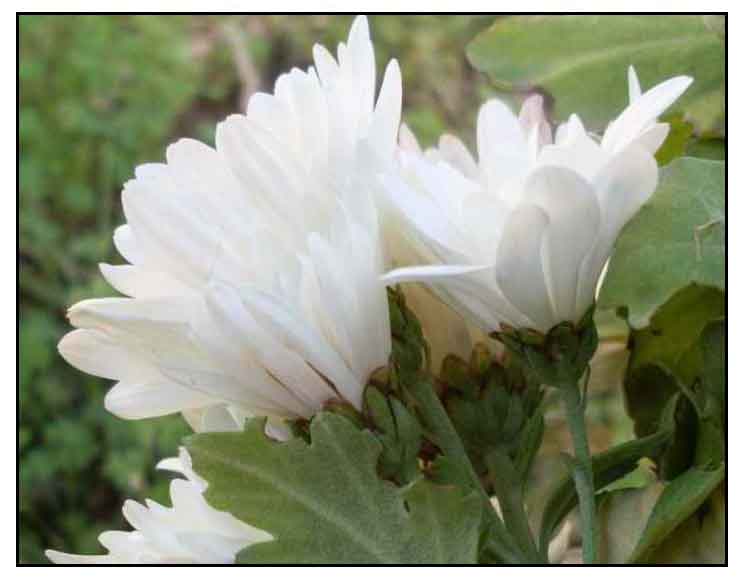
· Flowering heads.
· Entire plant also used.
Uses
Culinary / Edibility
· Seeds,
flowers, leaves are edible.
· Dried flowers used in making clear yellow tea with a delicate floral aroma.
Folkloric
· Preventive
for cough, flu, epidemic meningitis.
· Entire plant or flower used for whooping cough.
· For gas pains -- warm oil, add and mix the flower heads, let stand
for 30 minutes and strain. Then apply the warm oily solution to abdomen.
· Used for eczema, poisonous snake bites, sprains and bruises. Also used for mammary carbuncles.
· Flowers used for hypertension.
· Emulsion of flowers used for infections of the cervix .
· Flowers are burned for use as Insect repellent.
· Tea used as a wash for sore eyes, open sores, and wounds.
· Infusion of flowering heads used as carminative.
· In Deccan, plant used in conjunction with black pepper for treatment of gonorrhea.
· Combined with bitter sweet as ointment, used for bruises, sprains,
calluses.
· In China, used
for migraines, hypertension, inflammation, respiratory problems. Also, flowering heads are made into tonic and sedative preparations. Infusions are used as collyrium in eye affections.
· In Malaya flowers are used for sore eyes and to promote longevity.
· The Hindus consider the plant heating and aperient; used for affections of the brain, calculus, as well as antidote to mental depression.
· In Indo-China leaves are used as depurant and prescribed for migraine. Also, flowers are used for sore eyes and inflammation of the abdomen.
· In Guam infusion of flowers are used as remedy for intermittent fevers; also, used by women as remedy for hysteria and monthly irregularities.
Studies
· Antimicrobial / Essential Oils: Study
yielded three essential oils with major constituents of 1,8-cineole, camphor, borneol and bornyl acetate. Results showed both essential oils from air-dried and processed flowers possessed significant antimicrobial effect. With higher camphor percentage, the oil of processed flowers greater bacteriostatic activity than air-dried ones. (1)
• Anti-Inflammatory / Immunomodulatory:
Anti-inflammatory and immunomodulatory activities of the extracts from
the inflorescence of Chrysanthemum indicum Linné: Study showed
CI possesses anti-inflammatory, humoral and cellular immunomodulatory
and phagocytic activity probably from its flavonoid contents. (2)
• Anti-Inflammatory: Study showed C indicum extract to be an effective anti-inflammatory agent in murine phorbol ester-induced dermatitis and suggests a potential for treatment of immune-related cutaneous diseases.
• Anti-Cancer: Study of C indicum extract showed a significant apoptotic effect through a mitochondrial pathway and arrested cell cycle by regulation of cell cycle-related proteins in MHCC97H cells lines without effect on normal cells. The cancer-specific selectivity suggests the plant extract could be a potential new treatment for human cancer. (4)
• Anti-Cancer / Hepatocellular Carcinoma: Study documents anti-metastatic effect through a decrease of MMP expression, simultaneous increase of TIMP expression. Results suggest CI is a potential novel medicinal plant for treatment of hepatocellular carcinoma or cancer invasion and metastasis. (6)
• Anti-Cancer / Antiproliferative In Human Hepatocellular Cells: Study performed in rats with human cells showed CI extract inhibited proliferation of human hepatocellular cells in a time- and dose-dependent manner without cytotoxicity.
• Flavonoids / Anti-Arthritis: Study showed the total flavonoids of C indicum, extracted from the dried buds could induce synoviocytes apoptosis and suppress proliferation of synoviocytes in adjuvant-induced arthritis rats. (7)
• Flowers / Chemical Composition: Study of C. indicum flowers yielded 63 volatiles which included eucalyptol, α-pinene, α-neoclovene among others. Ten flavonoids were identified, including quercitrin, myricetin and luteolin-7-glucoside. It suggests C indicum flower is a good source of natural quercitrin and myricetin for the development of potential pharmaceuticals. (8)
• Aldose Reductase Inhibitory Activity: Study has shown inhibitory activity against rat lens aldose reductase and nitric oxide (NO) production in lipopolysaccharide-activated macrophages.
• Anti-Inflammatory: Study suggest the anti-inflammatory properties of CIE might results from the inhibition of inflammatory mediators, such as NO, PGE2, TNF-alpha and IL01beta, via suppression of MAPKs and NF-kappaB-dependent pathways. (9)
• Flavanone Glycosides / Rat Lens Aldose Reductase Inhibition: Study isolated two flavanone glycosides and a new phenylbutanoid glycoside from the flowers of Chrysanthemum indicum together with eight flavonoids. Both of the new flavanone glycosides showed inhibitory activity for rat lens aldose reductase. (10)
• Aldose Reductase Inhibitors: Methanol extract of flowers yielded flavone and flavone glycosides, together with three new eudesmane-type sesquiterpenes, kikkanols A, B, C. (12)
• Hepatoprotective / Flowers: Study evaluated the hepatoprotective effect of a hot water extract of CI flowers in in vitro and in vivo systems using normal human hepatocytes and hepatocellular carcinoma cells against CCl4-induced hepatotoxicity. Results showed HCIF inhibited bioactivation of CCl4-induced hepatotoxicity and down-regulated CYP2E1 expression in vitro and in vivo. (14)
• Topical Application Attenuates Atopic Dermatitis: Study evaluated the effect of topically applied C. indicum in mice with atopic dermatitis-like symptoms. CIL treatment dose-dependently reduced severity of clinical symptoms of dorsal skin, ear thickness, and number of mast cells and eosinophils. Improvement with CIL-high was similar to hydrocortisone but without skin atrophy and secondary infection. Study concludes CIL may be an alternative substance for management of atopic dermatitis. (15)
• Teratogenicity Study / Safety: Under experimental conditions, C. indicum extract did not show any significant effects in SD pregnant rats, with no apparent teratogenicity and embryotoxicity. (16)
• Apoptosis in Human Hepatocellular Carcinoma: CI extract exerted a significant apoptotic effect through a mitochondrial pathway and arrested the cell cycle by regulation of cell-cycle related proteins. A cancer-specific selectivity suggests a promising novel treatment for human cancer. (17)
• Antioxidant / Prevention of Radical-Induced DNA Damage / Flowers: Ethanol-based extract of flowers prevented free radical-induced DNA damage and did not show any cytotoxicity. Antioxidant activity was highly correlated with phenolic and flavonoid contents. (18)
• Silver Nanoparticles from C. indicum / Antibacterial: The antimicrobial effect of synthesized AgNPs from C. indicum revealed a significant effect against K. pneumonia, E. coli, and P. aeruginosa, with no toxicity toward mouse embryo fibroblast cells. (19)
• Acetylcholinesterase Inhibitors / Flowers / Alzheimer's Disease: Ethanol extract of flowers markedly decreased AChE activity. Study yielded acaciin and acacetin-7-O-ß-D-galactopyranoside as active compounds responsible for the AChE inhibition which present as potential therapeutic agents for Alzheimer's disease. (20)
• Safety and Mutagenicity Evaluation of Flower Oil: Acute oral toxicity evaluation of flower oil showed no mortality or clinical signs of toxicity at 2,000 mg/kg body weight per day. Levels of 15.63-500 µg C. indicum flower oil/plate did not induce mutagenicity in S. typhimurium and E. coli. Results showed the flower oil produced no bone marrow micronucleus abnormalities, mutagenicity, or chromosomal aberrations, and can be considered a functional food or medicinal ingredient. (see constituents above) (22)
• Anti-Tyrosinasec/ Skin Whitening: Study evaluated the ability of C. indicum extracts to inhibit in vitro tyrosinase activity and skin care effects of cosmetic formulations containing 0.5% water extracts in human volunteers. Methanol and water extracts dose dependently inhibited mushroom tyrosinase activity. Methanol extract effect was similar to kojic acid, a known tyrosinase inhibitor. Water extract also reduced melanin levels. Luteolin and acacetin-7-O-rutinoside were the major flavonoid compounds in the water extract. Results suggest the water extract has potential as a natural skin-whitening agent for functional cosmetic uses, due to its melanin-reducing efficacy. (23)
• Attenuation of Atopic Dermatitis: Study evaluated the effect of topically applied C. indicum in mice with atopic dermatitis (AD)-like symptoms. CIL treatment dose-dependently reduced severity of clinical symptoms of dorsal skin, ear thickness, and number of mast cells and eosinophils, together with significantly reduced IgE, IgG1, IL-4, and IFN-γ levels and reduced mRNA levels of IFN-γ, IL-4, and IL-13 in dorsal skin lesion. Results suggest a potential alternative for the treatment of AD. (24)
• Linarin / Inhibition of Proliferation of A549 Cells / Lung Cancer / Flowers: Study reported on the anti-proliferative and molecular mechanism of C. indicum on A549 human alveolar basal epithelial cells. Results showed linarin-mediated inhibition of cell proliferation is associated with suppression of Akt activation and induction of cyclin-dependent kinase inhibitory p27. Findings suggest a further evaluation and a potential for linarin for the treatment and prevention of lung cancer. (25)
• Enhancement of Osteoblast Function / Prevention of Osteoporosis: Study evaluated the protective effects of Chrysanthemum indicum extract on response of osteoblasts to oxidative stress. Results showed CIE significantly increase cell survival, ALP activity, and calcium deposition, and decreased the production of Reactive Oxygen Species (ROS) and Tumor Necrosis Factor-α (TNF-α) in osteoblasts. The enhancement of osteoblast function by CI extract may prevent osteoporosis and inflammatory bone disease. (26)
• Aldose Reductase Inhibitors / Flowers: A methanolic extract from flowers of C. indicum was shown to have inhibitory activity against rat lens aldose reductase. Bioassay guided separation yielded flavone and flavone glycosides and three new eudesman-type
sesquiterpenes. (see constituents above) (27)
• Anti-Inflammatory / Effect on Oxidative Stress: Study evaluated the antioxidant impacts of C. indicum extract on oxidative stress and inflammatory responses in adjuvant-induced arthritis in rats. Treatment with extract delayed the onset of time of arthritis and decreased clinical arthritis severity score (p<0.05). Results suggest CIE alleviated oxidative stress and inflammatory responses and presents a potential for clinical treatments of rheumatoid arthritis. (29)
• Antioxidant / Prevention of DNA Damage / Flowers: Study evaluated the antioxidant properties of flower extracts on DPPH, hydroxyl and superoxide radicals and nitrite scavenging, reducing Fe power, linoleic acid oxidation as well as free radical induced DNA damage prevention activity. The ethanol based extract prevented free radical induced DNA damage. There was no cytotoxicity on chang normal liver cell. The antioxidant activity was highly correlated with phenolic and flavonoid contents. (30)
• Biosorption / Nickel: Study evaluated the biosorption capability of C. indicum to remove nickel ions from aqueous solution in a fixed-bed column. Results implied and affirmed the suitability of the biosorbents for nickel ion biosorption being favorable, efficient, and environment friendly. (31)
• No Antifungal Activity / Flower: Study evaluated the antifungal effect of Chrysanthemum flower decoction against Candida albicans. In this study, the flower decoction did not inhibit the growth of C. albicans. (32)
• Anxiolytic
/ Flowers: Study evaluated the anxiolytic activity of ethanolic and chloroform extracts of Chrysanthemum indicum flowers using elevated plus-maze (EPM) and open field tests. The ethanolic extract showed anxiolytic activity in dosages around 250 and 500 mg/kg. (33)
• Comparative Study of Flower Phytoconstituents: Study evaluated phytocompounds from methanolic and chloroformic flower extracts of Wedelia trilobata, Achyranthes aspera and Chrysanthemum. Of the three, Chrysanthemum flowers were the richest sources of bioactive compounds. Chrysanthemum flower extract yielded cardiac glycosides, flavonoids, tannins, terpenoids, and alkaloids were present in bulk and steroids and saponins in lesser amounts. (34)
• Anti-Inflammatory Effects in RAW 264.7 Macrophage Cell: Study evaluated the anti-inflammatory effects of C. indicum water extract in lipopolysaccharides (LPS)-induced RAW 264.7 macrophage cells. CHI extract significantly suppressed LPS-induced NO production and decreased the level of iNOS, IL-iß, COX-2 mRNA expression and down-regulated PGE2 expression in a dose-dependent manner. (35)
• Insecticidal / Leaves: Study evaluated methanol and ethyl acetate extract of leaves of C. indicum for insecticidal activity against red cotton bug, Dysdercus cingulatus. The EA solvent extract showed more insecticidal activity than the methanol extract. Mortality increased with concentration of the plant extract. (36)
• Anti-Browning Agent / Preventing of Fruit and Vegetable Discoloration: Patent was applied for a composition containing Chrysanthemum indicum extract to prevent discoloration. The extracts of C. indicum have shown good inhibitory effects on polyphenol oxidase activity to prevent the browning of fruits and vegetables. According to the invention, extracts of CI may be obtained from flowers, leaves, stems, roots, or all bodies of C. indicum, but most preferably flowers or leaves. Extracts are preferable hot water extraction or ethanol solvent extraction. (37)
• Mosquito Control / Larvicidal: Study evaluated crude aqueous extracts of 36 plants for larvicidal properties. Leaves of Chrysanthemum indicum showed 100% mortality at 2 ml at 72 hours for Aedes mosquito genera. (38)
• Anxiolytic / Flowers: Study investigated the anxiolytic-like effects of water extract from dried flowers of C. indicum using elevated plus-maze test in mice. Results showed anxiolytic effect which may be mediated by the GABAA and the 5-HT1A receptors. (39)
• Neuroprotective Against Cerebral Ischemia/Reperfusion Injury:Study evaluated the neuroprotective effect of C. indicum extract in a cerebral ischemia/reperfusion model in gerbils. Study suggests the C. indicum extracts protected pyramidal neurons in the hippocampal CA1 region from ischemic changes. Results suggest pretreatment can attenuate neuronal damage/death in the brain after cerebral ischemia/reperfusion via an anti-inflammatory approach. (40)
• 2,5-Diarylpyrazole Derivative / Flavonoid / Potential for Alzheimer's Disease: Study isolated four new 3,5-diarylpyrazole analogues (1-4) from a flower extract of C. indicum. All four compounds showed moderate to potent activity against Aß-aggregation with EC50s of 4.3, 15.8, 1.3 and 2.9 µM, respectively. Compound 3 showed no cytotoxicity and significant neuroprotective activity against Aß-induced cytotoxicity in SH-SY5T cell line. Results suggest a potential for the treatment of Alzheimer's disease. (41)
• Luteolin / Hypouricemic / Potential for Gout Prevention: Study evaluated a Chrysanthemum flower extract rich in luteolin for its effect of serum uric acid in Japanese men. Ingestion of the luteolin rich flower extract for 4 weeks reduced serum uric acid level. Results suggest luteolin may help prevent gout by controlling uric acid. (42)
• Total Flavonoids / Potential Benefit in Rheumatoid Arthritis: Study evaluated the effect of extracts of total flavonoids of Chrysanthemum indicum on adjuvant arthritis synovial cells. Results showed dose-dependent inhibition in the proliferation of synovial cells and induction of apoptosis of synovium and synoviocytes in vivo. Study suggests potential therapeutic effect for rheumatoid arthritis. (43)
• Comparative Antioxidant Activities of Flowers: Study evaluated the antioxidant activities of aqueous extracts of 12 Chinese edible flowers in four different antioxidant models. The highest activities by TAC, ORAC, SHRC, and SSARC were seen in L. japonica, R. rugosa, and Chrysanthemum indicum. (44)
• Potential for Prostate Cancer / Suppression of STAT3 Activation: Study evaluated the potential effects of C. indicum on signal transducer and activator of transcription 3 (STAT3) signaling pathway in different tumor cells. The methylene chloride fraction of C. indicum yielded major components of sudachitin, hesperetin, chrysoeriol, and acacetin. Of these, sudachitin, chrysoeriol and acacetin exerted significant cytotoxicity and clearly suppressed constitutive STAT3 activation, and induced apoptosis. Results suggest MCI could induce apoptosis through inhibition of the JAK1/2 and STAT3 signaling pathways. (45)
• Lead Phytoremediation: Study evaluated the natural potential of Chrysanthemum indicum for clean-up of lead-contaminated soil in a pot experiment. Combinatorial treatments (sulphur and vermicompost) under lead-contaminated (10-50 mg/kg) soils showed higher remediation efficiency indicating enhanced clean-up of the soil through C. indicum.
• Nephroprotective / Cisplatin-Induced Toxicity / : Study evaluated the protective effect of C. indicum ethanol extract against cisplatin-induced nephrotoxicity using both in vitro (porcine kidney cell; PK15 cell) and in vivo (Sprague Dawley rat) experiments. In vivo, there was enhanced PK15 cell viability after cisplatin treatment with recovered antioxidant status. In vivo, treated rats showed recovered serum renal function index with ameliorated oxidative stress, with decreased histopathological alterations and apoptosis in the kidney.. Results showed the extract can attenuate cisplatin-induced nephrotoxicity and may have benefits in treatment of acute renal failure. (47)
• Effect on Bone Metabolism / Antiosteoporotic / Flower Oil: Study evaluated the effect of essential oil on the function of osteoblastic MC3T3-E1 cells. GC-MS analysis showed α-pinene, 1,7-cineol, and chrysanthenone were the predominant aroma constituents. Results showed increase in collagen, alkaline phosphatase activity, and mineralization of osteoblasts significantly (p<0.05), suggesting an antiosteoporosis effect. (48)
• Inhibition of Adipogenesis: Study investigated the mechanism for the anti-adipogenesis effect of ethyl acetate fraction of C. indicum in in vivo and in vitro models. Results showed the extract reduced HFD-induced body weight gain, epididymal white adipose tissue and liver weight. The extract significantly decreased serum lipid profiles, including total cholesterol, triglycerides, and LDL cholesterol and increased HFL cholesterol levels. It also reduced leptin levels and increased adiponectin levels in serum, and significantly decreased peroxisome proliferator-activated receptor y (PPARy) and CCAT/enhance-binding protein (C/EPBs) levels, but increased PPARα level and phosphotylation of AMP-activated protein kinase iAMPK) in eWATS and and in liver tissue of HFD-fed obese mice. Results suggest the CIEA extract may be beneficial for preventing obesity. (50)
• Gene Mining and Metabolic Engineering / Flavone Synthase II: Chrysanthemum indicum's bioactivities have been associated with flavonoids such as apigenin, luteolin, and linarin. However, the biosynthesis pathway has not been investigated. Using transcriptomic analysis and targeted metabolic profiling from five different tissues, the levels of flavonoids were characterized and genes involved in flavonoid biosynthesis were mined. A linarin biosynthesis pathway was proposed. Study provides insight into the potential application of molecular breeding and metabolic engineering for improving the quality of cultivated Chrysanthemum indicum. (51)
• DKB114 / Herbal Synergism on Hyperuricemia: Study evaluated the antihyperuricemic effect and the underlying mechanisms in vivo and in vitro of DKB114, a mixture of Chrysanthemum indicum flowers (CF) and Cinnamomum cassia bark (CB). DKB114 markedly reduced serum uric acid levels in normal rats and rats with PO-induced hyperuricemia, while increasing renal uric acid excretion. It also inhibited the activity of xanthine oxidase (XOD) in vitro and in the liver, and also reduced hepatic uric acid production. DKB114 exerts antihyperuricemic effects and uricosuric effects, which are accompanied, partially, by a reduction in the production of uric acid and promotion of uric acid excretion via inhibition of XOD activity and reabsorption of uric acid. Study suggest DKB114 may have potential as a treatment for hyperuricemia and gout. (52) (Related article 57)
• Protective in Cadmium Induced Ototoxicity: Study evaluated Chungshinchongyitang (CSCYT), an herbal drug formulation containing Chrysanthemum indicum and 13 other herbs, for protective effect against cadmium-induced ototoxicity in vitro and ex vivo. Results show CSCYT can prevent destruction of hair cell arrays induced by Cd2+ in rat organ of Corti primary explants. It inhibited cell death and release of cytochrome c and generation of reactive oxygen species induced by Cd2+ in HEI-OCI auditory cell line. It also modulated apoptosis via caspase-2 activation and extracellular signal-regulated kinase activation. Results may aid in the understanding of the pharmacological mechanisms of CSCYT and its potential for therapeutic strategy against ototoxicity. (53)
• Effect on Lipid Accumulation and Adipogenesis in HFD-Fed Mice: Study evaluated the obesity-inhibitory effect of C. indicum treated with enzymes such as viscozyme and tannase, which are highly efficient in converting glycosides to aglycones. Enzyme-treated CI ethanol extract reduced the production of aglycones for potentially suppressing the adipogenesis and lipid accumulation in HFD-fed mice. It suggests CIVT might be an effective candidate for attentuating the over-weight and other related diseases. (54)
• Biological and Haematological Effects / Toxicity Study: Study evaluated the acute and sub-acute toxicity of C. indicum on albino rats. The aqueous extract of C. indicum was found to be safe at 4000 mg/kbw in the acute toxicity study. However, in the sub-acute toxicity study, the therapeutic and herbal tea use is not safe especially when taken in high doses for a prolonged period of time. (55)
Availability
- Wild-crafted.
- Cultivated for ornamental use.
- Herbs, granules, extracts in the cybermarket.
- Chrysanthemum tea from flowers.
|