Botanical snippets
- Ancient history reports of its use by Hippocrates as an antiseptic. Aristotle considered it an anti-poison. (38)
- Introduced in the middle ages in Europe and Greece. (38)
- The ancient Greeks referred to it as 'amarakos', a symbol of love, honor, and happiness. (38)
- Marjoram derives from the Latin word amaracum or Greek amarakos. Its reputation as an aphrodisiac in Roman literature may be due to its unrelated similarity to the Latin "amor." The Greeks and Romans dedicated it to Aphrodite, the goddess of love, fertility and beauty. In weddings, it is used as garlands to symbolize love and honor; in death, it is a funerary herb used to promote restful peace.
- Name marjoram also derives from the Arabic marjamie, meaning incomparable.
Botany
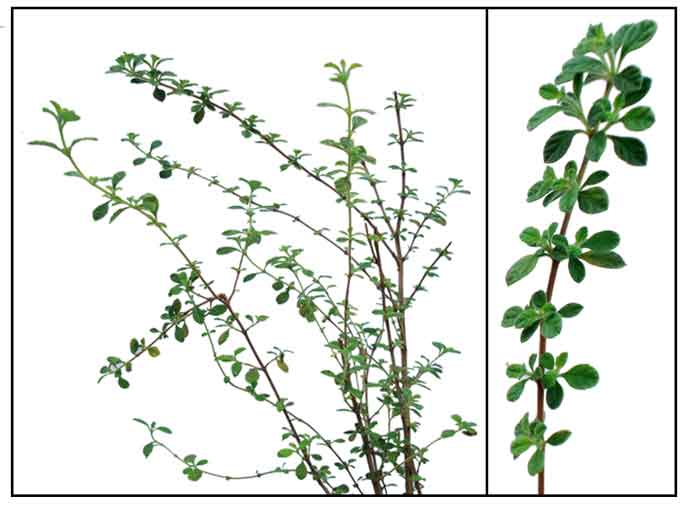
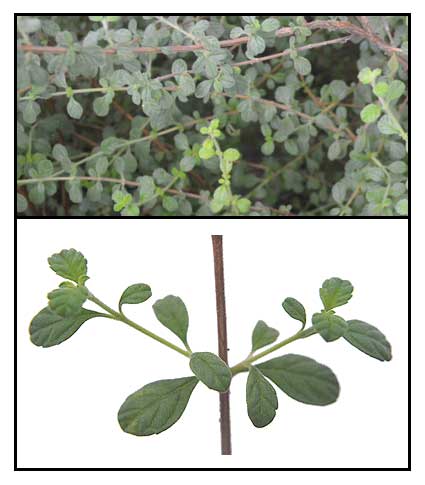
Marjoram is a bushy half-hardy perennial sub-shrub, growing to a height of 1 to 2 feet, with descending, multibranched stems, the stems taking root as they touch the ground. Leaves are simple, opposite and stalked, elliptic, 10 to 13 millimeters long, exuding a fragrance when bruised. Flowers are small, purple or white, few to many, arranged in spikelets; Inflorescences with enlarged overlapping bracts.
 Distribution Distribution
- Cultivated in the Baguio area.
- Native to Cyperus; naturalized in the Mediterranean regions.
- In the temperate regions of the Himalayas.
Constituents
- Plant yields an essential oil, between 0.7 to 3.5 %.
- Aroma components from a bicyclic monoterpene alcohol, cis-sabinene hydrate, a-terpinene, 4-terpineol, a-terpineol, terpinenyl-4-acetate, and 1,8-cineol.
- Yields the compound eugenol, used as flavoring agent.
- Aerial parts yielded the presence of volatile oil, flavonoids, tannins, sterols and/or triterpenes. (19)
- Nutritive analysis of dried leaves per 100 g yields: (Principle) energy 271 cal, carbohydrates 60.56 g, total fat 7.04 g, cholesterol 0 mg, dietary fiber 40.3 g; (Vitamins) folate 274 µg, niacin 0.902 mg, pantothenic acid 0.209 mg, pyridoxine 1.190 mg, riboflavin 0.316 mg, thiamin 0.289 mg, vitamin A 8058 IU, vitamin C 51.4 mg, vitamin E 1.69 mg, vitamin K 621.7 µg; (Electrolytes) sodium 77 mg, potassium 1522 mg; (Minerals) calcium 1990 mg, copper 1.133 mg, iron 82.71 mg, magnesium 346 mg, manganese 5.433 mg, zinc 3.60 mg; (Phytonutrients) carotene-ß 4806 µg, cryptoxanthin-ß 70 µg, lutein-zeaxanthin 1895 µg. (31)
- CG-MS analysis of essential oil of leaves showed the most abundant compounds were y-terpinene (25.73%), a-terpinene (17..35%), terpinen-4-ol (17,24%), and sabinene (10.8%).
(see study below) (36)
- GC-MS study for essential oil of aerial parts yielded 44 compounds, with 31 major compounds (over 0.2%) comprising over 97% of total compounds. Main chemotypes were lynalyl acetate 17.40%, y-terpinene 14.16%, benzene 13.33%, germacrene-D 9.20%, trans-caryophyllene 7.44%.
(see study below) (45)
Properties
- Considered antiseptic, antidote, antispasmodic, digestive, decongestant, febrifuge, galactagogue, emmenagogue, sedating, stimulant, sudorific.
- Studies have suggested antimicrobial, antioxidant, antidiabetic, antihyperlipidemic, nephroprotective, hepatoprotective, anxiolytic, sedative, insecticidal, apoptotic, antiproliferative, antiulcerogenic, antiprotozoal, antigout, antineurodegenerative properties.
Parts used
Leaves, oil.
Uses
Culinary
- A condiment, popular for flavoring heavy vegetables like legumes and cabbage, eggplant, pumpkin and zucchini.
- Leaves, flowers and stems used as essences for dressings, liquers, sauces, and vinegar.
- Used to flavor salads and meat dishes.
- Used for delicate fish dishes.
- In ancient Egypt, used to disinfect and preserve food. (38)
- Dried marjoram, its volatile oil, and extracts used as flavoring for foods, soups, meats, sauces, liquers, vermouths, and bitters. (38)
Folkloric
- No known folkloric medicinal use in the Philippines.
-
Elsewhere, traditionally used to relieve muscle spasms, alleviate insomnia, nausea and headaches.
- Used as external application for sprains and bruises.
- Also used as emmenagogue.
- Leaf extract used to loosen phlegm.
- Oil used as toothache drops.
- Used in mouthwashes for oral hygiene; applied topically for relieve of colds and nasal congestion. (38)
- Applied externally in bags as hot fomentation for painful swelling and rheumatism. (38)
- In Jordan, unsweetened tea is used as mouthwash or gargle. Poultice of leaves used for rheumatic pains and sprains. Leaf oil used for toothaches. (47)
Other
- Aromatherapy: The oil used for its soothing relief of muscle aches and pains and joint maladies.
- Cosmetics: Marjoram is an ingredient in skin creams, body lotions, gels and soaps.
- Perfumery: In ancient Greece, women added the essential oil to perfume mixtures; also applied to perfume eyebrows and hair.
- Furniture polish: In Europe, once used to rub leaves on oak pieces of furnish to achieve a fragrant glow. (38)
 Studies Studies
• Antimicrobial: Study tested the in-vitro microbicidal activity of the methanol extract of Origanum majorana tested against seven fungi and six bacteria. Results showed OM can be used as an effective herbal protectant against pathogenic bacteria and fungi. A high toxicity against the growth of Aspergillus niger was found. (1)
• Fumigant / Anti-Cockroach: Study was done comparing the toxicity of O majorana oil, its 41 monoterpenoids and 2 sesquiterpenoids compared to four commonly used insecticides against adult females of German cockroach Blattella germanica. The adulticidal activities of pulegone, camphor and verbenone were comparable to permethrin, greater than that of propoxur, less than deltamethrin and dichlorvos. Results suggest marjoram oil and the monoterpenoids merit further study as potential fumigants. (3)
• Increased Basal Gastric Acid and Pepsin Secretion: Study shows the marjoram contains some components that activate chief and parietal cells and increase basal acid and pepsin secretion. (4)
• Ovicidal / Adulticidal: Study evaluated the toxicity of essential oil from marjoran to eggs and adult females of susceptible KR-HL and dual malathion- and permethrin-resistant BR-HL strains of human head louse. Results showed certain monoterpenoids of the essential oil, particularly linalool, (-)-terpinen-4-ol and alpha--terpineol, merit further study as potential pediculicides and ovicides as fumigant with contact action. (5)
• Essential Oil / Antimicrobial: Study evaluated the antibacterial activity of essential oils of O. vulgare and O. majorana. Both essential oils showed prominent inhibitory effect on all bacterial strains tested. (6)
• Apoptotic / Anti-Proliferative: The anti-proliferative activity of extracts was tested on human lymphoblastic leukemia cell line jurkat. A dose-dependent anti-proliferative effect was found. There was induction of apoptosis from an up-regulation of p53 protein levels and down-regulation of Bcl-2alpha. Results showed anti-proliferative effect and high antioxidant activity. (7)
• Benefits on Hormonal Profile of Women: Study evaluated the effects of marjoram tea on the hormonal profile of women with polycystic ovary syndrome (PCOS) in a randomized, double-blind, placebo controlled trial. Results showed beneficial effects of marjoram tea on the hormonal profile of PCOS women evidenced by improvement in insulin sensitivity and reduction of levels of adrenal androgens. (10)
• Essential Oil / SFE Extracts in Food Preservation: Study investigated O. majorana essential oil obtained by hydrodistillation and extracts obtained by solvent extraction with ethyl alcohol and supercritical fluid extract (SFE). SFE extracts showed significantly stronger antimicrobial activity against food borne fungi and bacteria compared to ethanolic extract. Extracts by SFE may be a role as flavoring and natural colorants as well as use as food preservatives and in cosmetic systems. (11)
• Beneficial Effects on Ethanol Toxicity: Study in male rats evaluated the effect of majoram volatile oil or grape seed extract on oral administration of ethanol for 10 weeks. Repeated intake of great amount of ethanol (10 cc/kbw, 25% v/v) caused fertility disturbances with low sperm count, impaired sperm motility and decreased serum testosterone level, together with histological alterations in the testis, liver, and grain. Co-administration of the extracts resulted in minimizing the effects of ethanol toxicity on male fertility, liver and brain tissues. The extracts showed potential use as herbal remedies for controlling oxidative damage. (14)
• Acetylcholinesterase Inhibition: Study screened 139 herbal spices in search of acetylcholinesterase (AChE) inhibition. Acetylcholinesterase inhibitors, which enhance cholinergic transmission through reduction of enzymatic degradation of ACh, are the only compounds approved for the treatment of Alzheimer's diseases (AD). Of the edible plants and spices, an ethanol extract of Origanum majorana showed the highest inhibitory effect on AChE in vitro. The urosolic acid of Origanum majorana inhibited AChE activity in a dose dependent and competitive/non-competitive type. Results demonstrated the urosolic acid of O. majorana is a potent AChE inhibitor in Alzheimer's Disease. (15)
• Inhibition of Platelet Adhesion, Aggregation and Secretion: Study investigated the inhibitory effects of methanol extracts of three herb spices on adhesion of activated platelet to laminin-coated plates, aggregation and protein secretion. Origanum majorana methanol extract at 200 mcg/ml demonstrated 40% inhibition of platelet adhesion and also affected self aggregation and protein secretion. (16)
• Antiproliferative / Apoptotic / Leukemia Cell Line / Antioxidant: Extracts from Origanum majorana were evaluated for antiproliferative activity on human lymphoblastic leukemia cell line Jurkat. Results showed dose-dependent anti-proliferative effect. There was induced of apoptosis via an up-regulation of p53 protein levels and down-regulation of Bcl-2alpha. Marjoram exhibited strong scavenging activity (SC50=0.03 mg dry weight). (17)
• Insecticidal / Essential Oil / Pediculus Humanus Capitis: Study evaluated the insecticidal activity of 54 plant essential oils against female Pediculus humanus capitis using direct contact and fumigation methods, compared with two commonly used pediculicides delta-phenothrin and pyrethrum. In fumigation tests at 0.25 mg/cm2, marjoram, together with three other herbs, were more effective in closed containers. Neither delta-phenothrin nor pyrethrum exhibited fumigant toxicity. (18)
• Antiulcerogenic: Study evaluated the antiulcerogenic activity of ethanol extract in hypothermic restrained-stress-, indomethacin-, necrotizing agents-induced ulcers and basal gastric acid secretion in pylorus ligated Shay rat model. Results showed significantly decreased incidence of ulcers, basal gastric secretion and acid output. Extract also replenished depleted gastric wall mucus and lowered the increase in malondialdehyde. Acute toxicity testing showed a large margin of safety. (19)
• Drug/Herb Interactions: Review reports on studies on marjoram (Origanum marjorana) on various drug and herb/supplement interactions. (13)
• Antibacterial / Essential Oils: Study evaluated the antibacterial activity of Origanum majorana and O. vulgare essential oils against Staphylococcus aureus, S. coagulase negative, Enterobacter spp., Proteus spp., Acinetobacter spp., and Klebsiella spp. isolated from patients with conjunctivitis. Results showed prominent inhibitory effect of both essential oils on all bacterial strains. (20)
• Modulatory Against Cisplatin-Induced Dyslipidemia: Study evaluated the curative effect of Origanum majorana ethanolic extract on the lipid profile abnormalities induced by cisplatin in a male Wistar rat model. There was a decrease in total lipid, triglycerides, and LDL cholesterol together with an increase in HDL. Results showed a hypolipidemic potential against cisplatin induced dyslipidemia and suggests that Origanum majorana might serve as a novel adjuvant therapy with cisplatin. (21)
• Anti-Diabetic / Hypolipidemic / Oil and Leaves: Study in streptozotocin-induced diabetic rats showed the volatile oil and methanolic extract of leaves of Origanum majorana could be beneficial in the management of NIDDM and its associated lipid imbalance. (22)
• Sedative and Anti-Anxiety Effects: Study evaluated the sedative, pre-anesthetic, and anti-anxiety effects of Origanum majorana with diazepam in different groups of male Wistar rats. Results showed sedative and anti-anxiety effects possibly due to the flavonoids present in the extract with its effect on benzodiazepine receptor binding to GABA-A receptors. Origanum majorana extract at dose of 200 mg/kbw was significant compared to diazepam at does of 1.2 mg/kg. (23)
• Antispasmodic / Myorelaxant: Study evaluated the pharmacodynamic effects of Origanum majorana on isolated smooth muscles preparations of guinea pig's ileum and rat's colon. Results showed significant antispasmodic effect with a potential benefit for the treatment of colic in gastrointestinal disorders. (24) Study confirmed the antispasmodic and myorelaxant activity of organic fractions of Origanum majorana in rat and rabbit jejunum. Results showed that adrenergic receptors, NO, guanylate cyclase or muscarinic receptor pathways were not involved in relaxation induced by DFOM suggesting the antispasmodic effect on intestinal smooth muscle was non-competitive antaganism towards voltage-dependent calcium channels. (50)
• Cytotoxic / Membrane and DNA Damaging Effects / Human Cancer Cell Line / Essential Oil: Study of essential oil from Origanum majorana and its oxygenated monoterpene component linalool was tested on parental and epirubicin-resistant (drug resistant) human lung cancer cell lines (H1299). Results showed MO essential oil and linalool exhibited cytotoxic, membrane and DNA damaging effects. Results suggest further studies for its potential therapeutic application for human lung cancer. (25)
• Hepatoprotective / Essential Oil / Prellethrin-Induced Hepatotoxicity: Synthetic pyrethroids are a new major class of broad-spectrum insecticides. Pyrethroid insecticides are acute neutoxicants and prallethrein is the most popular Type 1 synthetic pyrethroid used for household insect pests such as mosquitoes, houseflies, and cockroaches. Prallethrin has been shown to cause oxidative damage and liver injury in male rats. Study evaluated the protective role of Origanum majorana essential oil against the adverse effects of exposure to prallethrine on oxidant/antioxidant status and liver dysfunction biomarkers in a rat model. Results showed co-administration of essential oil attenuated the toxic effect of prallethrin. (26)
• Renal Protective / Attenuation of Oxidative Stress in Diabetic Rats: Study in a diabetic rat model showed long term treatment of diabetic rats with Origanum majorana can partially protect the renal tissue via attenuation of oxidative stress and glomerular expansion. (27)
• Renal Protective / Leaves: Study evaluated the potential of Doash (Origanum majorana) leaf water extracts for antimutagenic and anticarcinogenic effects against known classes of mutagens. Results showed the tea extract can affect the mutagenicity of various structurally diverse promutagens including food borne carcinogen by decreasing P450-mediated activation. Daily intake of doash tea may protect against the conversion of promutagene to mutagene and scavenging carcinogen from environmental contact. (28)
• Anti-Colon Cancer: Study evaluated a O. majorana plant extract for anti-cancer effect on in vitro proliferation and DNA damage on human colon cancer HT-29 cell line. Results showed O. majorana inhibited growth of DT-29 cells by affecting cell viability. Extract also showed ability to cause DNA damage, cell cycle arrest and apoptotic death through activation of caspase 8 and 3 pathways. Results showed MO is an effective inhibitor of colon cancer progression. (29)
• Anti-Breast Cancer and Metastasis: Study has reported the anticancer activity of O. majorana by promoting cell cycle arrest and apoptosis of metastatic MDA-MB-231 breast cancer cell line. This study demonstrated that non-cytotoxic concentrations of O. majorana significantly inhibited the migration and invasion of MDA-MB-231 cells as shown by wound healing and matrigel invasion assay. On chick embryo tumor growth assay, Origanum majorana was shown to promote inhibition of tumor growth and metastasis in vivo. Findings suggest a promising chemopreventive and therapeutic candidate that modulate breast cancer growth and metastasis. (30)
• Antiglycation / Antioxidant Properties / Antidiabetic: The development of AGE (advanced glycation end products) inhibitors is considered to have therapeutic potential in diabetic patients. Study investigated the effect of methanoic extract of leaves of O. majorana on AGEs formation. Treatment of STZ-induced diabetic mice with OM and glibenclamide for 28 days showed beneficial effects on renal metabolic abnormalities including glucose level and AGEs formation. OM alleviated oxidative stress under diabetic conditions through inhibition of lipid peroxidation, preventing and/or delaying the onset of renal damage. (32)
• Antimicrobial / Antiprotozoal: Study evaluated the antimicrobial activity of sweet marjoram fractions of in vitro activity against 20 gram-negative and gram-positive bacteria, six candida species and a singe protozoan species Pentatrichomonas hominis. An n-hexane contract showed highest antibacterial activity, inhibiting eight out of nine S. aureus strains. The isolates were also active against three out of six Candida sp. strains used, and the ethanolic ammonia extract reduced the number of viable P. hominis trophozoites. (33)
• Anticonvulsant: Study of aerial parts of Origanum majorana showed anticonvulsant activity using pentylentetrazole (PTZ) and maximal electroshock (MES) models. It is possible ursolic acid may be responsible for the anticonvulsant activity. (34)
• Effect on Cytological and Biochemical Changes Induced by Cyclophosphamide: Study evaluated the protective effect against side effects of cyclophosphamide, an anticancer drug. In combined treatment, Marjoram was shown to protect against changes occurring in RNA, DNA, and protein contents in the liver and kidney of treated mice. Marjoran did not interfere with the desired cytotoxic activity of CP. (35)
• Non-Mutagenic in Salmonella Microsome and Micronucelus Assay / Essential Oil / Leaves: Study evaluated the in vitro mutagenic activity of O. majaorana essential oil. CG-MS analysis showed the most abundant compounds were y-terpinene (25.73%), a-terpinene (17..35%), terpinen-4-ol (17,24%), and sabinene (10.8%). Mutagenic evaluation using Salmonella/Microsome and Micronucleus assays, O. marjoram EO is not mutagenic at concentrations tested. (36)
• Anxiolytic: Study evaluated the anti-stress effect of the various doses of extract (100, 200, 400 mg/kg,ip)on male wistar rats and compared it to diazepam. Results showed significant anxiolytic and sedative effects at dose of 200 mg.kbw compared to diazepam at dose of 1.2 mg/kbw. (37)
• Antioxidant / Leaves, Stems, Roots: Study of ethanol extract of leaves showed antioxidant and marked free radical-scavenging activity using DPPH assay. Ethanol extracts of both stem and root showed in vitro antioxidant activity using DPPH, H2O2 free radical scavenging assay, metal chelating, and ferric reducing power assay. IC50s were comparable to ascorbic acid. (38)
• Herb-Drug Interactions / Lithium: Has potential moderate interactions in combination with lithium. Marjoram may decrease the excretion of lithium, increase its body level, and result in serious side effects. (39)
• Antifungal: Study evaluated of infusions, decoction, and hydroalcoholic extracts of marjoram (Origanum majorana) and rosemary (Rosmarinus officinalis). Dominant phenolic compounds in all extracts were 4-hydroxybenzoic acid and caffeic acid and chlorogenic acid. Luteolin was a predominant compound, but was found only in HAE of majoram. The HAE of majoram showed fungistatic activity against Sporothrix brasiliensis with MIC50 of 40 mg/ml, including all itraconazole-resistant isolates. (40)
• Antineurodegenerative / Antioxidant / Antibacterial: HPLC analysis showed high amount of rosmarinic acid, especially in the ethanolic extract. In this study, the water and ethanolic extract showed promising natural sources of bioactive compounds. The aqueous extract showed better antioxidant, antimicrobial, and antineurodegenerative activity than ethanolic extracts. (41)
•
Antibacterial / E. Coli / Essential Oil: Study of essential oil of aerial parts yielded 44 compounds. GC-MS analysis showed main component of thymol (18.58%). Other major compounds were p-cymene (14.34%), 4-terpineol (13.25%), y-terpineol (10.88%), a-terpinel (5.63%), linaleol (4.98%), and E-caryophyllene (3.53%). Antibacterial study showed profound activity against E. coli, which might be attributable to thymol. Results suggest the essential oil has potential as treatment of UTI. (42)
• Cytotoxic /
AMN-3 Cancer Cell Line: Study evaluated the potential anticancer activity of Origanum majorana aqueous extract from air-dried plant materials on cancer cell lines AMN-3. Results showed growth inhibition of AMN-3 cell line that increased with plant extract concentration. The aqueous extract showed significant cytotoxic effect (p<0.05) with 66% at 100 mg/mL, 53,3% at 50 mg/mL, 40% at 25 mg/mL and decreasing to 0.8% at 0.04 mg/mL concentration. (43)
• Hormonal Benefits for Women with PCOS / Clinical Trial: A randomized, double-blind, placebo- controlled trial evaluated the effect of marjoram tea on hormonal profile of women with polycystic ovary syndrome measuring parameters of FSH, LH, progesterone, estradiol, total testosterone, DHEA-S, fasting insulin and glucose, and homeostasis model assessment for insulin resistance (NOMA-IR) and glucose to insulin ratio. Results showed beneficial effects of majoram tea on hormonal profile of PCOS women as suggested by improved insulin sensitivity and reduced levels of adrenal androgens. (44)
• Fungistatic / Fungicidal / Essential Oil / Aerial Parts: GC-MS study for essential oil yielded 44 compounds, with 31 major compounds (over 0.2%) comprising over 97% of total compounds. Main chemotypes were lynalyl acetate 17.40%, y-terpinene 14.16%, benzene 13.33%, germacrene-D 9.20%, trans-caryophyllene 7.44%. The EO showed high anti-fungal capacity and potential as ecological fungicide against pathogenic fungi or spoilage fungi like Verticillium dahliae and Penicillium aurantiogriseum. (45)
•
Majorana Oil In Lung Cancer Therapy: Study evaluated the use of Origanum Majorana 100% pure essential oil in lung cancer therapy using two major human cancer cell, i.e., A549 and LNM35. Results showed concentration- and time-dependent decrease in viability of lung cancer cells and their related colonies growth in vitro. Treatment also significantly decreased the growth on LNM35 and A549 xenografts in chick embryo and in nude mice models in vivo without significant side effects. Study showed major oil constituents that mediate ant-cancer effects. (46)
• Antinociceptive / Leaves: Study evaluated the antinociceptive effect of methanol extract of O. majorana leaves in rat models using tail immersion, hot plate, and writhing tests. Results showed antinociceptive effects at both peripheral and central levels. Morphine sulfate and diclofenac were used as reference analgesic agents. (47)
• Silver Nanoparticles
/ Leaves: Study reports on the eco-friendly biosynthesis of silver nanoparticles using aqueous leaf extract of O. majorana plant and silver nitrate solution. The nanoparticles showed potential for industrial and medical applications. (48)
• Hepatoprotective / Carbon Tetrachloride Toxicity
/ Essential Oil: Study evaluated the hepatoprotective effect of marjoram essential oil against carbon tetrachloride intoxication in albino rats. Results showed treatment with spices or EO reduced histopathological abnormalities in the liver, kidney, heart, and spleen induced by CCl4. (49)
• Essential Oil Inhalation / Reduction of Saliva Myeloperoxidase Activity in Bruxistic Patients: Bruxism affects teeth and provokes sleep alterations. Study evaluated whether saliva myeloperoxidase (MPO) activity could be reduced after 21 neurofeedback training (NO) sessions in bruxistic OM-treated patients. Results showed MPO activity could predict stress level in bruxistic patients and repeated NO reduced their stress level. OM essential oil enhanced these anxiolytic effects. (51)
• Treatment of Dental Apical Abscess: In dentistry, acute apical abscess in a prevalent root canal infection. This study reports on a 28-year old female who presented with a preapical abscess which resolved after two days of an herbal preparation of O. majorana, without surgical intervention or post-treatment complication. Results suggest potential for a complementary or alternative non-invasive treatment for dental problems. (52)
• Antiproliferative / MDA-MB-231 / Breast Cancer Cell Line: Study evaluated the effect of O. majorana ethanol extract on survival of highly proliferative and invasive triple-negative p53 mutant breast cancer cell line MDA-MB-231. Results showed OME was able to inhibit the viability of MDA-MB-231 cells in a time- and concentration-dependent manner. Results suggest a promising chemopreventive and therapeutic candidate against cancer especially against highly invasive triple negative p53 mutant breast cancer. (53)
• Insecticidal / Essential Oil / Pediculus Humanus Capitis: Study evaluated the in vitro insecticidal activity of various sweet marjoram extracts against head lice, Pediculus humanus capitis. On the basis of LT50s, marjoram oils were more toxic than either &phenothrin and pyrethrum. In fumigation tests, marjoram oils were more effective in closed containers than in open ones, suggesting the effect was the result of action in the vapor phase. Neither &phenothrin nor pyrethrum exhibited fumigant toxicity. (see also study:18) (54)
• Antifungal / Candida albicans / Synergism
with Origanum vulgare / Leaf Essential Oil: Study evaluated the antifungal activity of essentials oils of Origanum majorana and Origanum vulgare against Candida albicans. Yield of essential oils from the leaves of marjoram and oregano were 2.50% and 2.34%, respectively. The EO showed strong antifungal activity against C. albicans. O. vulgare showed largest zone of inhibition. The MFC (minimum fungicidal concentration) for EO of oregano was 1/50, marjoram 1/10, and synergy of the two oil 1/50. (55)
• Antigout / Antioxidant / Stem and Root: Study investigated ethanol extracts of stem and root of O. majorana for antigout and antioxidant activity in rat models. Both ethanol extracts showed potent antioxidant activity in all models (DPPH, H2O2 radical scavenging, metal chelating). In vitro xanthine oxidase inhibitory activity was significant for both stem and root extracts with IC50s of 59.21 and 148 µg/ml, respectively. The extracts showed significant decrease in uric acid, creatinine, ESR, and MDA in the gouty rats. Results showed significant antigout activity associated with both antioxidant and anti-inflammatory effects which may be due to the presence of flavonoids, phenolics, saponins, and triterpenoidal compounds. (56)
• Protective Effects of Triterpenoids Against Formation of Advanced Glycation End Products: Hyperglycemia in diabetes can increase the production of free radicals and ROS, and is associated with increased formation of AGE (advanced glycation end products). Increased oxidative stress and GES can induced cellular changes associated with diabetes, atherosclerosis, retinopathy, neuropathy and nephropathy. Study of Origanum majorana leaves extract yielded various triterpenoids which showed excellent anti-glycation effects and effective inhibition of cellular oxidations. In particular, 2α,3β,21β,22α,29α-pentahydroxyolean-12-en-28-oic acid (2) exhibited potent activity when compared to aminoguanidin, a known glycation agent. (57)
Availability
- Cultivated.
- Essential oils, tinctures, and other marjoram products in the cybermarkets.
|