|  Botanical snippet Botanical snippet
- A tree belonging to
the mahogany family known as the "free tree" because of its
ability to "free the soil." - Popular in the Philippines, more
for its insecticidal properties (pang-lamok) than for its medicinal
applications.
-
In India, it is considered the most useful traditional
medicinal plant, and commercially beneficial as each part of the tree
has some medicinal property.
- The United Nations has declared Neem (Azadirachta indica) as the "Tree of the 21st Century." (73)
Etymology
- Latinized name Azadirachta indica is derived from the Persian. Azad means "free" and dirakht means "tree," and i-Hind means "Indian origin"--together meaning "the free tree of India." (73)
 Botany Botany
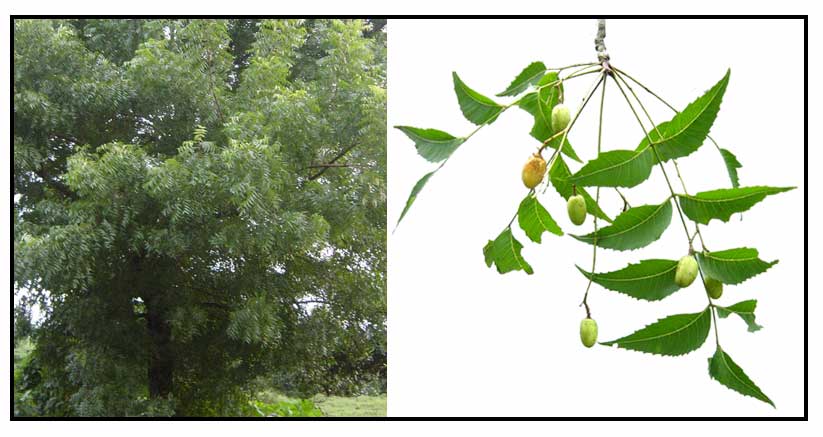
Neem is a medium-sized tree
growing to 15 meters high, with wide spreading branches forming an
oval crown. Leaves are pinnately compound. The drooping leaflets are
1 centimeter long, paired, lanceolate, acuminate with serrated margins. The
blade is shiny dark green on the upper surface and pale green on the
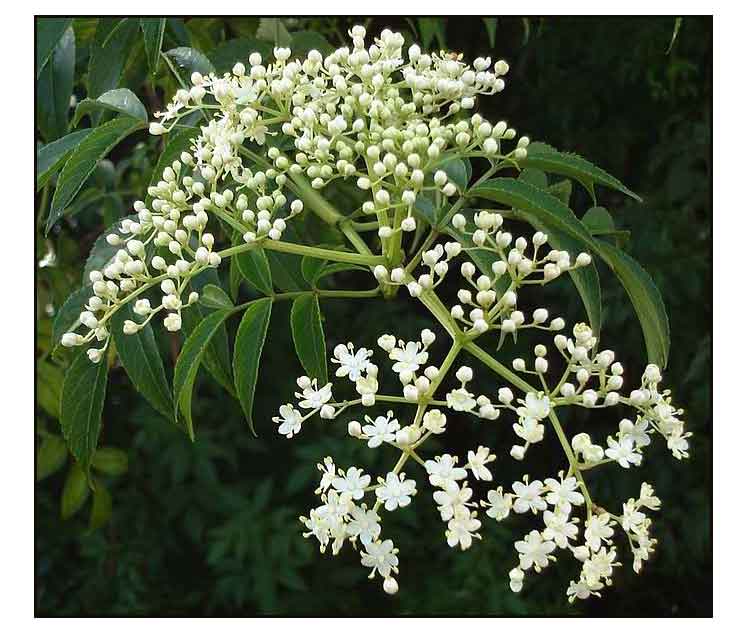
underside. Flowers are numerous, small, white and fragrant.
Distribution
- Not widespread in
the Philippines.
- A good shade tree.
- Propagated by seeds
- Spread by bats.
- Probably a native of Burma.
- Cultivated from India to Indonesia.
Constituents
• Over 300 compounds have been isolated from various parts of neem. There are two types of metabolites viz., primary including protein, fatty substances, carbohydrate or sugar derivatives, and secondary metabolites like alkaloids, steroids, flavonoids, saponins, among others. (74)
•
Seed yields a bitter fixed oil, nimbidin, known as
"Oil of Margosa" or neem oil.
• Seeds yield a fix oil of glycerides and bitter compounds
including nimbin, nimbinin and nimbidol.
• Bark and leaves contain tannin and oil.
• Seed, leaves, bark and root yield varying amounts of alkaloid (L>B>S>R), flavonoid (LBSR), saponin (LSBR), phenols (BRSL), Mg (SBLR), phytate (SLBR) and tannin (LBSR). (38)
• Various extracts of seeds yielded alkaloid, amino acid, carbohydrate, glycoside, inulin, mucilage, tannin, steroid, triterpenoid, flavonoid. (39)
• Study evaluated the essential oil of leaves by GC/MS. Hydrocarbon constituted 85.36% of leaves oil with major compounds of β-elemene (33.39%), γ- elemene (9.89%), germacrene D (9.72%), caryophyllene (6.8%) and bicyclogermacrene (5.23%). Oxygenated compounds were (5.04%), mainly sesquiterpene oxide. (see study below) (49)
• Study evaluated the essential oil of flowers by GC/MS. Hydrocarbons constituted 63.22% with major compounds of pentacosane (18.58%), tetracosane (10.65%), β-germacrene (9.73%), β- caryophyllene (5.84%) and dodecene (4.54%). Oxygenated compounds were 28.3% mainly attributed to octadecanol (16.7%), verdiflorol (5.32%), farnesol (1.63%) and α– terpineol (1.51%). (see study below) (49)
- Proximate analysis of leaves yielded 84.50 ± 0.1 moisture, 2.52 ± 0.02 ash, 4.61 ± o.o1 protein, 0.062 ± 0.02 fat, s.64 ± 0.01 fiber, 89.53 ± 0.02 carbohydrate. Bark yielded 49.50 ± 0.1 moisture, 7.10 ± 0.1 ash, 3.30 ± 0.01 protein, 0.81 ± 0.01 fat, 6.65 ± 0.02 fiber, and 81.9 ± o.01 carbohydrate. (52)
- Phytochemical screening of
aqueous and ethanol extract of leaves yielded strong presence of alkaloids, glycosides, flavonoids, reducing compounds and polyphenol while the aqueous and ethanol extracts of bark showed appreciable amounts of alkaloids. reducing compounds, and polyphenols. (52)
- Study of fresh, undried, ripe fruits of A. indica isolated a new liminoid, nimbocinol, along with known components, azadirone, epoxyazadiradione, azadiradione, gedunin, 17-hydroxyazadiradione and cholesterol. (69)
- Study showed both fresh and dried leaves contain reducing sugars, flavonoids (quercetin, 3-rutinoside, 3-rhamnoside), saponins, anthraquinone, tannins, steroidal aglycone, cardiac glycosides, cyanogenic glycosides, terpenoids, and sugars (fructose, rhamnose, xylose, and mannose). (see study below) (78)
Properties
• Considered antibacterial, hypoglycemic, antiulcer, antifertility, spermicidal, anti-malarial, antitumor, immunomodulatory, hepatoprotective, antioxidant, antifungal, anti-inflammatory, spermicidal, antifungal, insecticidal.
Parts
used
Whole plant.
Uses
Edibility
- Leaves and flowers are edible.
- Leaves used for making tea.
Folkloric
- Poultice of leaves for
swollen glands, bruises and sprains.
- Decoction of leaves used for arthritis.
- Fresh leaf-tea used for malaria.
- Bark used for malaria.
- Tree and root barks have been used for malaria, jaundice, and for intestinal
parasitism.
- Edible pulp of the fruit used for hemorrhoids, intestinal worms, wounds, diabetes, and leprosy.
- Flower used for controlling phlegm and treatment of intestinal worms.
- Used for scabies and many other skin diseases.
- Applied directly for treatment of head lice, wounds, skin ulcers.
- When soaked in water, used for bathing and as postcoital contraceptive.
- Spermicide made from plant sold in India.
Ayurvedic medicine
• Leaf- leprosy, intestinal parasites, eye problems, skin ulcers
• Bark - pain and fever.
• Flower - bile suppression, intestinal worms and phlegm.
• Fruit - piles, intestinal worms, urinary disorder, nose bleeding , phlegm,
eye problem, diabetes, wounds and leprosy.
• Twig - cough, asthma, piles, intestinal worms, spermatorrhoea, urinary
disorders, diabetes.
• Gum - ringworm, scabies, wounds and ulcers.
• Seed pulp and oil- leprosy and intestinal worms.
• Neem oil may be useful for gingivitis.
• Oil used intravaginally for spermicidal and contraceptive properties.
Others
- Toothbrush: Young tender branches
are chewed for toothbrushing use.
- Oral / Dental: Twigs used as oral deodorant, to relieve toothache, and for cleaning the teeth. (80)
- Toothpaste: Extracts used in the manufacture of toothpaste for its antibacterial property.
- Insecticide: Leaves and seeds are sources of powerful insecticide Azadirachtin. Leaf's oil is used as a local antiseptic and insecticide.(•)
- Repellent: In the rural areas, burning of leaves and seeds used as mosquito repellent. Fresh seed oil has a strong garlic odor and used as ingredient for insect sprays.
- Dog ticks: Bathing dogs with plant decoction found effective for treating and preventing ticks.
- Timber: Wood used as mahogany substitute.
Studies
• Lipid
Effects / Antiviral: Effect of Supplemental Garlic and
Neem Leaves in Broiler Feeds on Blood Cholesterol, Triglycerides and
Antibody Titer: Study showed
neem had greater potential than garlic in reducing cholesterol, triglycerides
and increasing the antibody titers against viruses.
• Antibacterial / Anticariogenic: Study showed Neem bark constituents have the ability to suppress growth of cariogenic bacteria (Streptococcus sobrinus).
• Anti-ulcer Effect: Neem leaf extract showed dose-dependent inhibition of gastric lesions induced by restraint-cold stress, indomethacin and ethanol. The antiulcer
activity was probably achieved by blocking acid secretion through inhibition
of H+K+ATPase and preventing oxidative damage and apoptosis.(5)
• Anti-ulcer Effect / Cimetidine Synergism: Study of A indica in albino rats showed significant inhibition of basal and histamine-induced gastric acid secretion. Cimetidine seemed to augment AI inhibition of gastric acid secretion.
• Anti-ulcer Effect / Control of Gastric Hypersecretion: Study of neem bark extract showed therapeutic potential in controlling gastric hypersecretion and gastroesophageal and gastroduodenal ulcers. (11)
• Anti-ulcer Effect / Regenerative Potential: Study showed neem extract to have a regenerative potential in ethanol-induced mucosal damage in the stomach and ileum and may be adopted in the management of gastrointestinal ulcer disorders.
• Anti-candidal:
Study of hexane
and alcoholic extracts of Azadirachta indica suggested anticandidal potential. (6) Study evaluated the antimicrobial activity of neem leaf extract, 3% sodium hypochlorite (NaOCl) and 2% chlorhexidine (CHX) against Candida albicans. Results showed efficacy of neem extract is comparable to 3% NaOCl against C. albicans and significantly better than 2% CHX. (68)
• Antiplaque Activity: A study was done on the effectiveness of neem leaf extract against plaque formation. Results showed the dental gel containing neem extract significantly reduced the plaque index and bacterial count of S mutans and Lactobacillus species compared with commercial chlorhexidine gluconate mouthwash as control. (7)
• Antidermatophytic Activity: A study showed the neem seed extract has high antidermatophytic properties and supports the alternative use of neem oil in the treatment of various skin infections. (8)
• Biosorbent Activity: A study showed the effectiveness of the Neem leaf powder as a biosorbent for removing dyes like Congo Red from water. (9)
• Hypoglycemic / Antidiabetic Activity: In a study of 30 known or less known hypoglycemic medicinal plants in folk medicine, Azadirachta indica was one of 24 samples (18th or 24) that was observed to have significant blood glucose lowering activities. (10)
• Antidiabetic Activity: Study on the aqueous extracts of C roseus, Azadirachta indica and A sativum indicated significant antidiabetic activity, supporting its traditional use in Ayurveda for therapy of diabetes. (12)
• Hepatoprotective / Paracetamol Induced Toxicity: A study showed A indica leaf extract showed hepatoprotective effects against paracetamol-induced hepatic damage probably through its antioxidant activity. (13) Leaf extract inhibited paracetamol induced damage. Results show A. indica offer protection to hepatocytes against paracetamol-induced hepatotoxicity in wistar rats. (25)
• Anti-Fertility Activity / Rodent Control: A study showed Neem seed extract can be used as an anti-fertility agent on baits to control harmful agricultural rodents.
• Hypoglycemic: Study of leaf extract and seed oil showed a hypoglycemic effect in alloxan-induced diabetic rabbits. Pretreatment with A. indica leaf extract or seed oil partially prevented the blood glucose rise. (20)
• Chemopreventive: In a study evaluating the anticarcinogenic potential of A. indica against N-nitrosodiethylamine (NDEA)-induced hepatocarcinogenesis. Results showed A. indica may have anticancer potential against NDEA-induced hepatic cancer. There was significant reduction in tumor incidence, tumor multiplicity, and increase in survival. (21)
• Apoptosis Induction: Induction of apoptosis if one of the active strategies to arrest cancer cell proliferation. Study of an ethanolic leaf extract showed chemopreventive effects probably mediated by induction of apoptosis. (22)
• Larvicidal / Antimalarial: Study showed neem oil has good larvicidal properties for Anopheles gambiae and suppresses adult emergence. It presents as a readily available and inexpensive alternative to conventional larvicides. (23)
• Antifungal / Postharvest Fruit Disease: Study showed neem seed kernel extract on post harvest diseases showed significant reduction of four pathogens. (24)
• Natural Insecticide / Leaves / Azadirachtin: Azadirachtin, a liminoid from the Neem tree, has long been known for its strong antifeedant, insect growth regulatory and reproductive effects. Antifeedancy varies and mosquitoes are particularly sensitive. Study provides a detailed overview on azadirachtin. A prepared neem insecticide recorded mosquito bites after an hour, an efficiency of 100%. The efficiency decreased to 84.5% to 85% after one and a half to two hours.
• Hypolipidemic Effects: Study in streptozotocin-induced diabetic rats showed A. indica leaf extract significant reduced the total cholesterol, LDL, and VLDL cholesterol, and triglycerides. HDL-cholesterol remained unchanged. (26)
• Quinone Reductase Inhibitor / Nimbolide: Nimbolide, a limonoid, and chlorophylls isolated from a chloroform extract showed the strongest QR inducing capacity among 4 extracts of neem flowers. Results suggest nimbolide and chlorophylls may be chemopreventive potential. (27)
• Chemoprevention / Favorable Hematologic Parameters: Study in benzo(a)pyrene-induced murine forestomach tumorigenesis bioassay protocol showed favorable effects on hematological parameters with significant effect on overall well being, tumorigenesis and chemoprevention.
• Antifungal Against Plant Disease: Study evaluated the growth of plant pathogenic fungi under the influence of aqueous and ethanolic extracts of leaves and seeds of A. indica. Results showed the ethanolic seed extract to be the more effective in retarding the growth of pathologic fungi than the seed water and leaf ethanolic extracts. (28)
• Antimicrobial Against Dental Pathogens / Anti-Dental Caries: Study evaluated the antimicrobial properties of various extracts of A. indica leaves against certain bacterial strains causing dental caries. All the leaf extracts exhibited significant dose-dependent inhibition, with the chloroform extract showing better activity. (29) Extracts from Neem sticks or bark have been shown to inhibit growth of Streptococcus mutans and significantly reduce bacterial adhesion in vitro, suggesting an ability to reduce the ability of some streptococci to colonize tooth surfaces. Neem extracts also inhibited other Streptococcus species involved in the development of dental caries such as S. salivarius, S. mitis and S. sanguis. (74)
• Antimicrobial / Endodontic Irrigants: Study evaluated the antimicrobial effects of five irrigants formulated from different parts of the tree of A. indica compared with Na hypochlorite and chlorhexidine gluconate. Results showed two neem irrigants—the leaf extract and mixture of the seed-bark powder —displayed antimicrobial activity against against Candida albicans and Enterococcus faecalis. (30) Study of A. indica, O. sanctum, M. elengi, T. cardifolia and chlorhexidine gluconate (CHX) showed considerable antimicrobial activity on common endodontic pathogens such as Strep. mutans, E. faecalis, and S. aureus. (67)
• Antibacterial / Leaves / Resistant Staphylococcus: Study evaluated the antibacterial properties of leaf extract of A. indica against Methicillin-sensitive and Methicillin-resistant Staphylococcus aureus. Results showed an ethanol extract of leaves exhibited in vitro antibacterial activity against both Staphylococcus aureus and MRSA with greater zones of inhibition at 100% concentration. (31)
• Chemopreventive / Potentiation of Cisplatin: Study evaluated the antiproliferative activity of ethanolic extract of leaves alone or in combination with cisplatin on human breast cancer (MCF-7) and cervical (HeLa) cancer cells. The leaf extract of neem exhibited chemopreventive ability alone or in combination with chemotherapy to reduce the cytotoxic effects on normal cells, while potentiating efficacy at lower dose. (32)
• Antibacterial / Bark and Leaves / Urinary Tract Bacterial Isolates: Study evaluated the antimicrobial activity of leaves and bark extracts of Azadirachta indica on human urinary tract bacteria isolates. Results showed antibacterial potential against gram positive and negative bacteria. (33)
• Inhibition of Folliculogenesis / Anti-Conceptional Agent: Study showed the administration of polar and non polar fractions of A. indica and M. azedarach seed extracts significantly reduced the number of normal follicles in female albino rats, consistent with its use in folk medicine as an anti-conceptional agent. Results suggest a potential for ecologically safe and biologically active botanical for rodent population control. (34)
• Hepatoprotective / CCl4-Induced Toxicity / Leaves / Seed Oil: Study investigated the effect of A. indica leaves powder against CCl4-nduced liver damage. Results showed significant recovery of all markers to normal levels with histological regeneration of liver parenchyma. Silymarin was used as standard. (35) Study of ethanol and aqueous extract of leaves showed hepatoprotective activity against carbon tetrachloride induced liver damage in mice using silymarin as control. (53) Study of seed oil in CCl4-induced toxiciity on Wistar rats showed dose dependent hepatoprotective effects. (76)
• Proteolytic Activity of Neem Gum: Study established for the first time the presence of proteolytic activity in neem exudate gum. (36)
• Antioxidant and Apoptotic Effect in Cervical Cancer: Study evaluated the antioxidant property of A. indica in inducing apoptosis of cervical cancer cells. Results showed neem-treated monocytes from cervical cancer patients showed high activity of caspase 3, 8, and 9; a decrease in TNF-α, and increased apoptosis in cyto- and histomorphology of treated cervical cancer cells. (37)
• Melatonin and AI on Pancreatic Tissue of STZ-Induced Diabetic Rats: Study evaluated the histological effects of melatonin and AI leaves ethanolic extract on pancreatic tissue of STZ-induced diabetic wistar rats. Results showed the administration of AI ethanolic leaf extracts and melatonin separately or combined showed pancreatic-protective effects as evidenced by pancreatic tissue regeneration and significant increase in islet cell mass. (40)
• Anti-Malarial / Artemisinin: Study evaluated the potential roles of Neem tree extract in the prevention of malaria in Africa and Asia. It discusses the successful transformation of artemisinin from traditional Chinese medicine to mainstream anti-malaria therapy. (41)
• Hepatoprotective / DMBA-induced Injury: Study showed hepatoprotective potential of aqueous leaf extract of A. indica against DMBA (7,12-dimethylbenz[a] anthracene)-induced hepatotoxicity in male Balb/c mice. (42)
• Sterility and Abortive Effects: Study evaluated the abortive and infertility effects of A. indica. Results showed infertility and abortive effects which could be due to an effect on the immune system. A direct effect of the extract on the uterus by blocking the receptor for progesterone was also speculated. Results suggest a potential use for neem extract as infertility agent to control harmful agricultural rodents without the use of harmful pesticides. (43)
• Effect on Tumor Suppressor Genes: Study showed an ethanolic neem leaf extract enhanced the expression of proapoptotic genes, such as caspase-8 and caspase-3, and suppressed expression of Bcl-2 and mutant p53 in 7,12-DMBA-induced cancer cells. (46)
• Drug Interactions: Neem may increase blood lithium levels by decreasing the body's ability to get rid of lithium. Neem may decrease blood sugar, interacting with diabetic medications to lower blood sugar further. Neem may also increase the immune system, and, thus, may decrease the effectiveness of medications designed to decrease the immune system such as azathioprine (imuran), cyclosporine (Neoral), prednisone, corticosteroids, among others. (47)
• Fractionated Neem Leaf Extract / Anti-HIV / Anti-Malarial: A fractionated neem-leaf extract (IRAB) marketed as IRACAP® in Nigeria has been reported to have activities against malaria, HIV/AIDS and cancer. In-vivo studies have substantiated earlier in-vitro reports of pharmacological properties. Drug is reportedly safe, and further studies are suggested to further investigated the findings. (48)
• Essential Oil / Antioxidant / Leaves and Flowers: Study evaluated the composition of essential oil of leaves and flowers. The essential oil of flowers showed higher free radical scavenging activity (79.89±0.22%) compared to leaves essential oil (31.23 ± 0.41%) at 35 µg/ml. Flower essential oil was more active as radical scavenger against DPPH (IC50 of 19.4 µg/ml vs the weak activity of leaves (IC50 54.2µg/ml). Antioxidant capacity correlated with total phenolic and/or oxygenated compounds. (see constituents above) (49)
• Essential Oil / Antioxidant / Antibacterial / Leaves and Flowers: Essential oil of flowers showed broad spectrum antibacterial and antifungal activities. In general, flower essential oil showed more superior antimicrobial activity compared to leaves. The higher activity of flowers EO may be attributed to higher oxygenated compound compared to leaves. (see constituents above) (49)
• Anti-Inflammatory / Neem Oil: Study evaluated the anti-inflammatory activity of A. indica in rats. The neem oil showed significant anti-inflammatory effect in both acute (carrageenan induced paw edema inhibition method) and chronic (cotton pellet granulation method) inflammation. It also showed low ulcerogenic potential compared to indomethacin. (50) Study evaluated the anti-inflammatory effect of neem seed oil on albino rats using carrageenan-induced hind paw edema. Results showed significant anti-inflammatory activity with increasing inhibition of paw edema with progressive increase in dose. (65)
• Antidiabetic / Anti-Dyslipidemic / Leaves: Study evaluated leaf extract of A. indica for its role in diabetes and effect on lipid profile in a normoglycemic and STZ-hyperglycemic rat model. Results showed hypoglycemic and antihyperglycemic activities together with a beneficial effect on hyperlipidemia induced by STZ. (51)
• Antibacterial / Anticandidal / Leaves: Study evaluated the antimicrobial potential of Neem leaf aqueous and alcohol extracts against Streptococcus mutans, Enterococcus faecalis and Candida albicans. The minimum inhibitory concentration (MIC) of the aqueous neem extract to all organisms was 7.5%; the alcoholic extract showed MICs of 1.88% (E. faecalis), 7.5% (S. mutans) and 3-75% (C. albicans). (54)
• Treatment of Acne Vulgaris: A prospective, non-randomized open-label interventional study evaluated the usefulness of A. indica in the treatment of acne vulgaris. Results suggest Azadirachta indica has a role in early and recovery phase of acne when inflammatory changes are least. (55)
• Antibacterial / Alternative Anti-Typhoid Treatment: Study evaluated the in-vitro antibacterial activity of methanolic extract of Glycyrrhiza glabra and Azadirachta indica. The methanolic extracts of both plants showed broad spectrum antibacterial activity against gram-positive and gram-negative bacteria. The anti-typhoid activity of the plants presents potential as natural plant source for the treatment of typhoid fever. (56)
• Antibacterial Potential in Oral/Periodontal Diseases / Anti-Plaque Activity: Review reports on the antibacterial therapeutic effects of Neem in oral diseases. Neem extract has shown significant reduction in plaque index and bacterial count of S. mutans and lactobacilli species. A study showed excellent efficacy of neem in inhibiting most resistant species of E. faecalis and candida in root canal infection and reducing cariogenic disease. Study suggests a potential for the incorporation of the extract of neem twig in oral care products. (57)
• Analgesic / Leaves and Bark: Study evaluated the analgesic properties of leaf and bark extracts of A. indica in mice using the hot plate method. The extract was administered intraperitoneally. Results showed dose dependent analgesic activity with the leaf extract showing more activity than the bark extract. The extract worked through opioid receptors. (58)
• Anthelmintic / Leaves: Study evaluated the anthelmintic efficacy of crude neem leaf powder against strongyle infections in cattle. Results showed significant decrease (p<0.05) in EPG (eggs per gram). (60)
• Antiulcer Activity / LD50 / Leaves: Study evaluated aqueous extract of A. indica leaves for antiulcer activity in gastric ulcerations induced by pyloric ligation, aspirin, and cold restraint stress in a Wistar rat model. Results showed significant anti-ulcer activity with dose-dependent and significant (p<0.05) decrease in ulcer index (UI) and increase in pH, with a dose dependent decrease in gastric content volume, free acidity, and total acidity. Acute toxicity study of leaves showed an LD50 of 4,800 mg/kg. (61)
• Wound Healing Activity / Leaves: Study evaluated the wound healing effect of aqueous extract of leaves on adult male wistar rats. Results showed significant wound contraction. Azadirachta indica significantly increased (p<0.05) the day of complete wound closure. Wound healing activity was probably through increased inflammatory response and neovascularization. (62)
• CNS Depressant Activity / Leaves: Study evaluated the an acetone extract of A. indica for central nervous system depressant activity in mice using analgesic activity and sedative-hypnotic activity testing. Results showed significant (p<0.001) potentiation of reaction time to thermal stimulus and significant (p<0.01) potentiation of phenobarbitone induced sleeping time. (63)
• Antibacterial and Anti-Inflammatory Against Bovine Mastitis: Study evaluated a hydroalcoholic extract of Azadirachta indica against bovine mastitis. Results showed antibacterial and anti-inflammatory potential of the herb which could be due to presence of bioactive principles. Study suggests benefit in intramammary infection (IMI) and a potential alternative therapy against bovine mastitis. (64)
• Effect
on Growth of Aspergillus parasiticus and Aflatoxin Production / Leaves: Aflatoxin are secondary metabolites produced by toxigenic strains of some Aspergillus species on food. Study evaluated the effects of leaf extract on fungal growth and aflatoxin production by A. parasiticus. There was no obvious effect on fungal growth. Inhibition of aflatoxin was found to be time- and dose-dependent. (66)
• Antimicrobial / Cytotoxic / Analgesic / Anti-Inflammatory: Study of ethanol extract, n-hexane extract and chloroform extracts of Azadirachta indica yielded secondary metabolites such as flavonoids, terpenoids, steroids, and tannins. The extracts showed potential antimicrobial activities against 13 different strains of microorganisms. On in vitro cytotoxicity testing by brine shrimp lethality bioassay, the extracts showed significant (p<0.05) cytotoxicity against Artemia salina. The ethanol extract showed analgesic properties on hot plate and acetic acid induced writhing methods on Swiss albino mice. On carrageenan induced paw edema testing, results showed remarkable anti-inflammatory activity. (70)
• Deterioration of Oocyte Quality by ROS-Mediated Apoptosis: Based on animal studies, neem leaf extract induces generation of ROS and mitochondria-mediated apoptosis both in granulosa cells as well as in follicular oocyte. The induction of apoptosis deteriorates oocyte quality and limits reproductive outcome in mammals. (71)
•
Neem Oil Limonoids / Bioactive Seed Oil Components / Cosmetic Potential: Review reports on the use of neem seed oil in the medical and cosmetic industry. Neem is a source of several bioactive triterpenoids such as azadirachtins, salanin and nimbin. Nimbidin has been used in the treatment of skin diseases such as eczema, furunculosis, scabies, arsenical dermatitis, and seborrheic dermatitis. A Nigerian variety of Neem seed oil was reported utilizable for soap making with properties suitable for commercial production. Neem oil was also reported for use as biodegradable detergent. A shampoo based on neem was shown highly effected against head lice in vitro. (75)
• Green Corrosion Inhibitor / Leaves: Study reports on Neem leaves extract as a green inhibitor of zinc corrosion in H2SO4 using the gravimetric method. Inhibition efficiency of the extract varied with concentration and temperature. (77)
• Effect of Drying on
Phytochemical Composition / Leaves: Study showed both fresh and dried leaves contains reducing sugars, flavonoids (quercetin, 3-rutinoside, 3-rhamnoside), saponins, anthraquinone, tannins, steroidal aglycone, cardiac glycosides, cyanogenic glycosides, terpenoids, and sugars (fructose, rhamnose, xylose, and mannose). Vitamin C in fresh leaves decoction was not detected in dry leaves extracts. Study suggests drying and other processing methods affect phytochemical contents and suggests the used of fresh leaves in the preparation of herbal medicine. (78)
• Insignificant Effect on Acne / Leaves and Bark: Study explored the potential of leaves and bark of A. indica in the treatment of acne. The extracts were tested against acne-causing bacteria viz., S. aureus, S. epidermis and Proprionibacterium acnes. The dichormethane and methanolic extracts showed very little activity against S. aureus and S. epidermis and no activity against P. acnes. (79) (see study: 55)
• Use in Dentistry: Review reports on the various uses of Neem in dentistry. From mimbidin, a major active principle isolated from seed kernels, other active constituents with various biologic activities are isolated viz., nimbin, nimbinin, nimbidinin, nimboide and nimbidic acid. Neem is a natural antibacterial agent with reported activity against periodontal pathogens such as S. mutans, S. salivarius, S. mitis and S. sanguis. Studies have shown anti-candidal, anti-cariogenic, and anti-plaque activity and efficacy against acidogenic oral bacterial in fixed orthodontic appliance patients. Neem has been used as root canal irrigant and has been shown to be effective in preventing dental cavities and gum disease. (80)
Toxicity Studies
• Acute Toxicity Study of Neem Oil: Study of neem oil by oral route in rats and rabbits showed dose-related pharmacotoxic symptoms along with biochemical and histopathological indices of toxicity, with the changes in the lungs and CNS as target organs of toxicity. (14)
• 90-Day Subchronic Toxicity Study of Neem Oil: Subchronic toxicity study on Neem oil evaluated the NOAEL (no-observed-adverse-effect-level) of exposure and target organs to establish safety criteria for human exposure. Mice were given doses of 0 (control), 177, 533, 1600 mgKgD for 90 days. At 90 days, histopath exam showed the 1600 dose of neem oil showed varying degrees of organ damage to the testicle, liver, and kidneys. The NOAEL of neem oil was 177 mg/kg/day for mice. (14)
Availability
Wildcrafted.
Available in cybermarkets as supplements, oil, cakes, extracts, and
organic manure. |