Gen info Gen info
- Mucuna pruriens is one of the most popular drug in Ayurveda system of medicine.
Botany
Nipai is a climbing or spreading, annual, hairy vine reaching a length of several meters. Leaflets are thin, ovate to oblong-ovate, 5 to 12 centimeters long, the lateral ones oblique. Racemes are pendulous, 10 to 25 centimeters long, with many flowers. Calyx is gray-hairy with intermixed brown, stinging hairs. Corolla is dark purple, almost black, about 4 centimeters long. Pods are stout, compressed, slightly curved near the apex, 6 to 11 centimeters long, 2 centimeters wide, densely covered with stiff, somewhat appressed, brown, very irritating, stinging hairs. Seeds are ovoid, about 12 millimeters long, compressed, brownish, and mottled with black.
Distribution
- In dry thickets and secondary forests at low altitudes in the Rizal and Laguna Provinces.
- Also occurs in India to Malaya.
Constituents
- Seeds contain are high in protein, carbohydrates, lipids, fiber and minerals.
- Seeds contain a high concentration of L-dopa; in velvet bean, 7-10%.
- Serotonin has also been found in the pod, leaf and fruit.
- Yields ß-sitosterol, glutathione, lecithin, venolic acid, and gallic acid.
- Bioactive compounds include mucunadine, mucunine, mucunainine, prurienine, purienidine.
- Stinging hairs contain the mucunain, responsible for the skin itch and irritation.
- Plant also yields alkaloids, alkyamines, arachidic acid, behenic acid, beta-sitosterol, dopamine, flavones, mucunain, mucunine, mucunadine, trypsin, tryptamine, among many others.
- Silage yields 11-23% crude protein, 35-40% crude fiber, and dried beans 20-35% crude protein.
- Nutritional composition analysis (% concentration) yielded moisture 8.30 ± 0.02, crude protein 34.16 ± 0.02, crude fat 2.30 ± 0.05, ash 5.80 ± 0.03, carbohydrate 16.94 ± 0.04, crude fiber 32.50 ± 0.13, and calorific value
of 224.86 Kcal/100g. (25)
-
Mineral and vitamin analysis (mg/100g) yielded iron 8.10 ± 0.12, zinc 5.10 ± 0.05, vitamin A 0.05 ± 0.01, vitamin C 82.50 ± 0.43, and vitamin E 40.00 ± 0.23. (25)
- Phytochemical composition (mg/100g) yielded phytate 1.00 ± 0.17, oxalate 5.00 ± 0.05, tannin 3.25 ± 0.06, saponin 3.50 ± 0.30, alkaloid 2.67 ± 0.01, cyanogenic glycosides 0.02 ± 0.06, and flavonoids 2.86 ± 0.02. (25)
- Phytochemical screening of ethanol extract of leaves yielded the presence of flavonoids, saponin, tannins, cardiac glycosides, triterpenes, and reducing sugars. (see study below) (34)
- Qualitative phytochemical analysis of seeds showed glycosides ++. flavonoids +++, saponins ++,
steroids ++, phenols ++,, alkaloids ++, Molish's test +++, Fehling's test +++, oil test +, ferric chloride test ++, potassium dichromate +++. FTIR spectrum of seeds showed 05.60 total phenol (gallic acid equivalent), 12.30 total tannin (tannic acid equivalent), 36.78 total flavonoids (quercetin equivalent), 42.30 saponins, and 1.89 alkaloids. (38)
- GC-MS analysis of methanol extract of seeds yielded five major compounds: pentadecanoic acid, 14-methyl-, methyl ester; dodecanoic acid; 9-12-octadecadienoic acid (Z,Z)-, methyl ester;
9,12-octadecadienoic acid; and 2-myristynoyl-glycinamide. (see study below) (48)
- GC-FI and GC-MS study of leaves for essential oil yielded 0.2% (v/w) on a dry weight basis. and identified 36 compounds representing 94.8% of the oil contents, with a high content of (E)-2-hexanal (19.0%), linalool (8.9%), 1-hexanol (6.6%), and trans-dehydroxylinalool oxide (5.2%). (see study below) (69)
- Study of roots isolated three new isoflavanones (1-3) and thirteen known compounds (4-16), some namely parvisoflavanone (4), lespedeol C (5), uncinanone C (6), medicarpin (7) and parvisoflavone B (9). (see study below) (70)
Mucuna / L-Dopa
- In 1937 it became known that the seeds of Mucuna contains L-Dopa - about 250 mg per 7.5 gm of seed powder. In the 70s, studies were done to compare the seeds' dopamine activity with other dopamine-like substances. In 1978, clinical findings on the use of the plant for Parkinson's disease was reported. Finally, in 2004, a double-blind study reported its efficacy, tolerability and absence of dyskinesias.
- Studies have further suggested that Mucuna contains additional substances which could be neuroprotective against L-Dopa toxicity.
 Properties Properties
- Itching: Hairs lining the pods contain serotonin and the protein mucanain, which are very irritating and can cause severe itching. The calyx below the flowers is also a source of itchy spicules. The effect is purely mechanical. Itching easily spreads to other areas touched. Irritation is often so intense, it is regarded as poisonous. The hairs produce an intolerable itching, followed by pain, redness, swelling and an eruption. Hairs from dried herbarium specimens are as irritating as the fresh plants.
- Seeds regarded as a nervine tonic, aphrodisiac and astringent.
- Considered diuretic, blood purifier, aphrodisiac, uterine stimulant, tonic.
- Studies have suggest antioxidant, anxiolytic, antibacterial, wound healing, antidiabetic, hypolipidemic, anti-fertility, anti-parkinsonism, nephroprotective, antitussive, antitumor, fertility-enhancing, anti-inflammatory, diuretic, anti-venom, antidepressant, anti-obesity. aphrodisiac, membrane stabilizing, neuroprotective, neurorestorative properties.
Parts used
Roots, pod hairs, seeds.
Uses
Edibility
In India, young and tender pods are cooked and eaten.
In Brazil, toasted ground seeds used as coffee substitute.
Folkloric
- Roots used for paralysis and affections of the nervous system.
- In India, roots used as tonic.
- Infusion of root mixed with honey prescribed for cholera.
- In the West Indies, decoction of root used as powerful diuretic and kidney cleanser. Also, an ointment from the roots used for elephantiasis.
- Used for treatment of high blood pressure.
- In Suriname traditional medicine, ointment used for swollen glands.
- Vinous infusion of pods used as remedy for dropsy.
- Hairs of the pod used as anthelmintic, for expulsion of intestinal worms, especially Ascaris lumbricoides and A. vermicularis. Also, mixed with syrup or honey to make an electuary. This treatment is deemed dangerous as strong doses of hairs have been reported to cause bowel diseases and even death.
- In Ayurveda, used for worms, dysentery, diarrhea, snakebites, sexual debility, tuberculosis, rheumatic disorders, diabetes, cancer, sterility, gout, parkinsonism.
- In Brazil, seed used internally for Parkinson's disease, edema, impotence, intestinal gas and worms.
- In India and Brazil, used as an aphrodisiac.
- In Nigeria, seeds used as snake bite remedy.
- In Bangladesh, traditional medicinal practitioners of Tangail District use leaves in treatment of decreased sperm count or passing of semen with urine. Leaves of MP are mixed with stems of Phyllanthus emblica, fruits of Terminalis chebula, roots of Bombax ceiba and Asparagus racemosa. Leave juice of MP mixed with macerated fruits of P. embelica, T. belerica and T. chebula drunk for dysentery, cholera, and gastric problems. (64)
- In Thailand, seeds used to treat male dysuria and to enhance fertility/ (65)
Others
- Fodder: Used as fodder, fallow or manure crop. (•) Whole plant is fed to animals as silage, dried hay or seeds. Silage contains 11-23% crude protein, 35-40% crude fiber; the dried beans, 20-35% crude protein. (36)
- New age: Recently touted for aphrodisiac, testosterone boosting and libido benefits.
Toxicity concerns
- Although cooked fresh shoots and beans are eaten, there are toxicity concerns. Leaching out of phytochemical compounds such as levodopa is accomplished by soaking for 30 minutes to 48 hours prior to cooking and changing the water several times during cooking. Consumed unprocessed in large quantities, it is toxic to non-ruminant mammals including humans.
S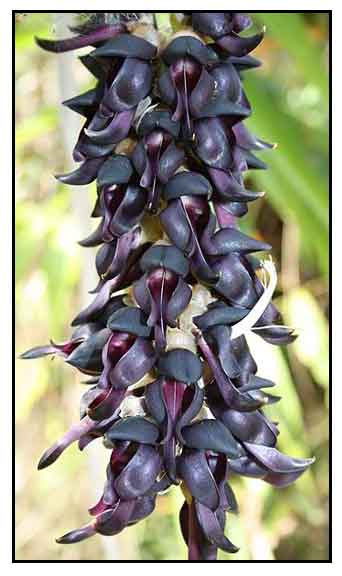 tudies tudies
• Parkinson's Disease / Natural L-Dopa Source: In a double-blind study comparing two different doses of mucuna preparation and the standard L-dopa/carbidopa (LD/CD), the 30 gm mucuna preparation led to a considerably faster onset of effect, with no significant differences in dyskinesias or tolerability. Results suggest this natural source of L-dopa might possess advantages over conventional L-dopa preparations in the long term management of PD. (2)
• Fertility & Semen Benefits / Anxiolytic: Treatment with M. pruriens significantly ameliorated psychological stress, seminal plasma lipid peroxidase levels along with improved sperm count and motility, and restored levels of SOD, catalase, GSH and ascorbic acid in seminal plasma of infertile men. (4)
• Antioxidant: Study of a methanol extract of Mucuna pruriens showed significant antioxidant activity. In addition the MEMP yielded a noticeable amount of total phenols. (5) Study evaluated the antioxidant activity of mucuna in three assays: DPPH, ABTS, and reduction of phosphomolybdenium complex. Results showed M. pruriens possess high antioxidant capacity. However, it was not superior to isolated levodopa. (17)
• Hypoglycemic / Hypolipidemic / Leaves: Study showed ethanol extract of leaves of M pruriens has beneficial effects on blood glucose levels as well as improving hyperlipidemia and other metabolic aberrations. (6)
• Anti-Snake Venom / Seeds: Recent studies have shown pretreatment with M pruriens seed extract in mice conferred protection against the lethal effects of Echis carinatus and cobra venom. Gene expression studies together with pharmacologic studies support the possibility that the protective effect of the extract of MP against snake venom might involve a direct action on the heart. (7) Study evaluated the protective effects of MP seed extract against histopathological changes induced by intravenous injection of Naja sputatrix (Malayan cobra) venom in rats pretreated with seed extract. Histopathological changes induced by venom on rat heart, liver, and blood vessels were prevented by pretreatment of rats with MPE. (65)
• Antioxidant / Antimicrobial: Study showed the methanol extract of Mucuna pruriens had significant in vitro lipid peroxidation and antimicrobial activity. It showed broad-spectrum antimicrobial activity against all tested organisms except Staph aureus and Vibrio cholera. (8)
• Improved Male Fertility/ Hypothalamus-Pituitary-Gonadal Axis: Study investigated the mechanism of action of M. pruriens in the treatment of male infertility. Results showed treatment with M. pruriens regulates steroidogenesis and improves semen quality in infertile men. Treatment with MP significantly improved T, LH, dopamine, adrenaline, and noradrenaline levels in infertile men and reduced levels of FSH and PRL, with increase sperm count and motility. (11)
• Anti-Parkinsonism / Antidyskinetic Mechanisms: Chronic levodopa (LD) therapy in Parkinson's disease can cause drug induced dyskinesias. Study in monkeys evaluated if the natural LD in MP endocarp powder does not cause drug-induced dyskinesias. A water extract of Mucuna pruriens ameliorated parkinsonism without causing drug-induced dyskinesias suggesting M. pruriens acts through a novel mechanisms different from that of LD. (12)
• Neuroprotective / Neurorestorative: M. pruriens exhibited significant antiparkinson activity in a 6-OHDA lesioned rat model of Parkinson's disease. Study evaluated the neurorestorative effect of cotyledon powder on the rat model. Results significantly increased the brain mitochondrial complex-l activity, and significantly restored endogenous levodopa, dopamine, norepinephrine and serotonin content in the substantia nigra. (13)
• Antibacterial / Roots and Seeds: Study of methanol extract of roots and seeds yielded alkaloids, anthraquinones, flavonoids, phenols, tannins, terpenoids, and xanthoprotein. The hexane, PE, benzene, methanol and aqueous extracts of root and seeds showed various degrees of significant inhibitory effect against the tested organisms (S aureus, K pneumonia, B subtilis, P aeruginosa, S typhi and E coli). (14)
• Drug Interactions: Major (1) Antidepressants (MAOIs): Taking cowhage with antidepressant might cause serious side effects such as fast heart rate, high blood pressure, seizures, anxiety, etc. Antidepressant examples are phenelzine (Nardil) and tranylcypromine (Parnate). (2) Methyldopa: Methyldopa (Aldomet) is taken as an antihypertensive. Taking cowhage with methyldopa may cause excessive lowering of blood pressure. Minor (1) Synergistic lowering of blood pressure with guanethidine (Ismelin). (2) Increase decrease of blood sugar in patients taking antidiabetic medications. (3) Cowhage increases brain dopamine and may counter the effects of medications used to decrease dopamine ( Thorazine, Clozaril, Prolixin, Haldol, Zyprexa, etc.) (4) Cowhage may interact with surgical anesthesia because of its levodopa contents. Cowhage should be discontinued two weeks prior to surgery. (16)
• Acute Oral Toxicity / Seed: Study assessed acute oral toxicity of seed extract in Wistar albino rats with a single high extract dose of 2000 mg/kg body weight. Results showed seed extract was non toxic and helped with weight gain, with an LD50>2000 mg/kbw. Also, it acted as a neurosuppresant with potential use in the treatment of neurological disorders associated with neuronal hyperactivity. (18)
• Antioxidant / Seeds: In vitro and in vivo studies evaluated the alcoholic extract of seeds of M. pruriens for antioxidant property. Results suggest the extract of seeds possess antilipid peroxidation property, which is mediated through the removal of superoxides and hydroxyl radicals. (19)
• Safety Concern / Precipitation of Manic Symptoms / Case Report: Study reports on a case of an adolescent male presenting with acute manic excitement after consumption of an ayurvedic preparation containing "kochbeej" (Mucuna pruriens) which is rich in I-3,4 dihydroxyphenyl alanine, a precursor of dopamine. (20) (also see: interactions:16)
• Hypotensive / Antihypertensive / Hydrosylates: Study evaluated the hypotensive and antihypertensive potential of M. pruriens protein hydrolysates in in vitro and in vivo models. Biological potential was measured in vitro based on IC50 value and in vivo effect measure systolic and diastolic blood pressure in Wistar-Kyoto rats. Results showed antihypertensive effects and suggests the protein hydrolysates has potential as functional ingredient to prevent blood pressure increase. (21)
• Parkinson Disease / Double-blind, Randomized, Controlled, Crossover Study: Study evaluated M. pruriens, a levodopa-containing leguminous plant as an alternative source of levodopa for indigent patients with Parkinson disease (PD) who cannot afford long-term therapy with marketed levodopa preparations. Compared to LD+DDCI (dopa-decarboxylase inhibitor bensarazide), patients treated with MP-Ld showed similar motor response with fewer dyskinesias and adverse events, changes in blood pressure and heart rate. MP-Hd (high dose) induced less adverse events than LD+DDCI and LD-DDCI. Single-dose MP met all efficacy and safety outcome measures compared to dispersible LD/benserazie. Clinical effects of high dose MP were similar to LD alone at high dose, with more favorable tolerability profile. (22) (read also: 2)
• Antitumor / Antioxidant
/ Ehrlich Ascites Carcinoma: Study evaluated the antitumor effect and antioxidant role of M. pruriens methanol extract against EAC bearing Swiss albino mice. Results showed decrease in tumor volume and viable cell count. The ME also decreased the levels of lipid peroxidation and increased the levels of GSH, SOD, and CAT. Study suggests significant antitumor and antioxidant effects in EAC bearing mice. (23)
• Phytochemical Constituent Concerns: Oxalic acid is an anti-nutrient that may interfere with mineral availability, especially calcium. M. pruriens contains appreciable level of oxalate and saponins than alkaloids and flavonoids. Although some levels may be high, hazard concerns are decreased by the various processing methods the vegetable may undergo before eating. (see constituents above) (25)
• Renal Toxicity / Seed Extract: Study evaluated the deleterious effect of M. pruriens seed extract on Sprague-Dawley rat. Results showed significantly increased lipid peroxidation along with significant decrease in SOD and glutathione. Renal histological exam showed degenerative changes and tubular necrosis at higher doses, associated with reduced urea clearance possibly attributable to an oxidative stress mechanism. (26)
• Fertility Enhancing / Increase Female Hormones / Seeds: Study evaluated the effect of oral administration of methanolic seed extract of M. pruriens on oestrous cycle, ovulation, reproductive hormones, and oxidative stress in the ovary of cyclic Sprague-Dawley rats. Results showed a dose dependent increase in FSH and LH (p<0.05 at 200 mg/kg) along with an increase in number of oocytes released at ovulation. Results suggest a potential for the seed extract to enhance fertility, possibly attributable to its antioxidant properties. (27)
• Effect on Biochemical Liver Indices / Leaves: Study on Wistar albino rats evaluated the effect of an aqueous leaf extract of Mucuna pruriens on selected biochemical parameters i.e., AST, ALT, and some trace elements. Results showed the aqueous leaf extract to be rich in iron and copper and may be dangerous to the liver as shown by elevated levels of AST and ALT liver markers. (28)
• Antitussive Effect / Seed: Study evaluated the antitussive effect of a seed extract of M pruriens by inducing cough using sulfur dioxide gas compared to centrally acting cough suppressant (codeine phosphate). The seed extract exhibited highly significant antitussive effect (p<0.005). Activity may be related to an inhibitory action on opioid receptor located in the airway passage. (29)
• Efficiency of Various Methods
for Extraction of L-DOPA: Study evaluated various optimization methods for maximum extraction of L-DOPA from M. pruriens seed powder. Results showed cold maceration yielded highest extraction. Further studies were suggested for extraction for industrial applications. (30)
• Anti-Inflammatory / Diuretic / Antibacterial / Aerial Parts: Study evaluated an ethanolic extract of dried aerial parts for possible anti-inflammatory, diuretic and antibacterial activities in animal models. The EE showed significant (p<0.001) reduction in carrageenan induced paw edema in rats. Diuretic activity was evidenced by increased electrolyte loss. The EE showed antibacterial activity against eight species of bacteria i.e., S. saprophyticus, S. sonnie, S. typhi, V. cholera, S. epidermis, S. flexneri, and S. aureus clinical isolates. (31)
• Effect on Semen Count and Biochemical Parameters of Infertile Men: Study evaluated the effect of M. pruriens seeds on semen profiles and biochemical parameters in seminal plasma of infertile men. Results showed significant inhibition of lipid peroxidation, elevated spermatogenesis, and improved sperm motility. The seminal plasma of all infertile groups showed improvement in lipid levels, antioxidant vitamins, and corrected fructose. Results suggest a potential role for MP seed powder as a restorative and invigorating agent for infertile men. (32)
• Wound Healing / Seeds: Study evaluated the wound healing efficiency of a methanolic extract of seeds in 1% and 2% hydrogel formulations of carbapol 974 NF on wounds induced in Swiss albino mice. On the 8th day, study showed a significant increase in percentage wound contraction suggesting an ability to induce cellular proliferation. Increase in tensile strength in the incision wound model suggested a promotion of collagen fibers. (33)
• Neuroprotective / Oxidative and Inflammatory Stress / Human Neuroblastoma Cells / Seeds: Study evaluated a Mucuna pruriens seed extract for neuroprotective effects using in vitro assays. The MPE extract significantly reduced lipopolysaccharide (LPS) induced NO production and decreased H2O2-induced ROS. In neuroprotective study, the MPE showed neuroprotective effects in human neuroblastoma SH-SY5Y cells. Results suggest a potential in the dietary management of neurodegenerative disease, particularly PD. (34)
• Antidiabetic / Leaves: Study evaluated the anti-diabetic activity of M. pruriens leaf extract on blood glucose levels and histopathology of pancreas in alloxan induced diabetic Wistar rats. Metformin was used as standard. The LD50 of the extract was 2154 mg/kg. Study showed significant reduction (p<0.05) in fasting blood sugar levels. Histopathological studies of diabetic animals showed degeneration of pancreatic islet cells, with restoration of pancreatic islet cells in the extract-treated diabetic group. (35)
• Pro-Spermatogenic Properties / L-DOPA: In the Ayurvedic medical system, Mucuna pruriens is believed to have pro-male fertility, aphrodisiac and adaptogenic properties. Study evaluated the spermatogenic restorative efficacy of MP and its major constituent L-DOPA in a rat model. Ethinyl estradiol (EE) generated compromised spermatogenesis in the rat model. M. pruriens efficiently recovered the spermatogenic loss induced by EE. The recovery was mediated by reduction in ROS level, restoration of MMP, regulation of apoptosis and increase in the number of germ cells and regulation of apoptosis. Study provided insight into MP/LD mediated correction of spermatogenic impairment caused by estrogen exposure. (37)
• Antimicrobial Activity of Leaf Extracts: Study evaluated the antimicrobial activity of hexane, chloroform, and methanol extracts of Mucuna pruriens leaves in vitro against Xanthomonas compestris, Agrobacterium rhizogenes, Pseudomonas aeruginosa, Alternaria solani, Cikketitrucum capsici, Rhizoctonia solani, Penicillium expansium, Fusarium oxysporum, Ustilago maydis and Curvalaria lunata. The methanol extract showed highest antimicrobial activity against all tested bacteria and fungi. (39)
• Anti-Mycobacterium tuberculosis / L-DOPA: In Ayurvedic medicine, M. pruriens has been used for the treatment of tuberculosis. Mycobacterium tuberculosis (MTB) contains 3-hydroxyacyl-CoA dehydrogenase enzyme, which is reported to be crucial to the survival of the organism. Molecular docking studies evaluated the molecular interactions occurring between plant phytochemical and bacterial enzyme. Of the different phytochemicals present in M. pruriens, L-Dopa can effectively deactivate the enzymatic metabolic activity by interrupting ß-oxidation of fatty acid in the microbial cell which causes termination of the life cycle of MTB. (40)
• Aphrodisiac Activity / Dose- and Time-Dependent Effects on Sexual Behavior / Seed: In Indian Systems of Medicine, Mucuna puriens has been used since ancient times for treating male sexual disorders. Study evaluated the effects of ethanolic extracts of M. puriens seeds on general mating behavior, libido, and potency of normal male Wister albino rats and compared with standard Sildenafil citrate. Results showed the extract significantly increased mounting frequency and ejaculation latency, decreased mounting latency, intromission latency, post-ejaculatory interval and inter-intromission interval. Potency test significantly increased erections, quick flips, long flips and total reflex. The aphrodisiac activity supports the traditional use for treatment of sexual disorders. (41)
• Levodopa in M. pruriens and Its Degradation: Mucuna pruriens is the best known natural source of L-dopa, the gold standard for treatment of Parkinsonism. Study reports on L-dopa contents in seeds of 56 accessions from four varieties. An average of 52.1% degradation of L-dopa was found in seeds of the varieties. Used for the treatment of Parkinsonism and as aphrodisiac, the finding of high level of degradation into damaging quinones and ROS is very significant. (42)
• Effect on Sexual Behavior and Sperm Parameters in STZ-Diabetic Rat: Sexual dysfunction is one of the major secondary complications in the diabetic. Study evaluated the efficacy of M. pruriens on male sexual behavior and sperm parameters in long-term hyperglycemic male rats. Results showed significant improvement in sexual behavior, libido, potency, sperm parameters, DSP and hormonal levels. (43)
• Antioxidant / Metal Chelating: Antioxidant activity was demonstrated by ability to scavenge DPPH radicals, ABTS radicals, and ROS. M. pruriens significantly inhibited the oxidation of lipids and deoxyribose sugar. It exhibited divalent iron chelating activity and did not show any genotoxic/mutagenic effect on plasmid DNA. Results suggest neuroprotective and neurorestorative effect which may be related to its antioxidant activity. (44)
• Effect on Hematological and Biochemical Parameters / Seeds: Study evaluated the effects of shade-dried pulverized seeds of M. pruriens on some hematological and biochemical parameters in Wistar albino rats. Results showed the seeds improved hematological and biochemical parameters in a dose-dependent manner. The seeds lowered blood cholesterol, BUN and creatinine. It reduced bleeding time and increased platelet count (p<0.05). Shade dried seeds were not poisonous compared to raw seeds. (45) Study evaluated the effects of hydroethanolic extract of Mp on hematological profile in normal and haloperidol treated rats. The MP caused as significant increase in hemoglobin concentration. The iron content of the Mp was found to be 61.20 mg/100g. The extract contained alkaloids, cardiac glycosides, saponins, and tannins. Doses up to 10 g/kg p.o. resulted in no deaths or visible signs of toxicity. The LD 50 for the i.p. route was estimated at 1509.46 mg/kg. Results suggest the extract probably possess beneficial effects in anemic conditions associated with iron deficiency. (62)
• Antidiabetic / Seeds: Study evaluated the antidiabetic properties of crude ethanolic extract of M. pruriens seeds in alloxan induced diabetic Wistar albino rats. Results showed reduction in blood glucose levels, with 55.4% reduction at 100 mg/kg compared to 59.7% reduction with glibenclamide 5 mg/kg/day. Chronic administration resulted in significant dose dependent reduction in blood glucose level (p<>0.001). The antidiabetic activity of seeds was seen in the methanolic and ethanolic fractions. Acute toxicity study showed safety at low doses, while some adverse reactions were observed at higher doses (8-32 mg/kbw). Results suggest a potential source of a potent antidiabetic drug. (46)
• Anti-Snake Venom / Seeds: Study evaluated the protective effects of M. pruriens seed extract against lethalities of various snake venoms. Rats were pre-treated with M. pruriens seeds extract and challenged with various snake venoms. MPE pre-treatment conferred effective protection against lethality of Naja sputatrix venom and moderate protection against Calloselasma rhodostoma venom. Indirect ELISA and immunoblotting studies showed extensive cross-reactions between anti-MPE IgG and venoms from different genera of poisonous snakes, suggesting immunological neutralization with protective pre-treatment with MPE. In vitro neutralization tests showed the anti-MPE antibodies effectively neutralized lethalities of Asiatic cobra (Naja) venoms, tho no very effective against other venoms tested. Study suggests anti-MPE antibodies can be used in the antiserum therapy of Asiatic cobra (Naja) bites. (47)
• Bioactive Compounds / Seeds: GC-MS analysis of methanol extract of seeds yielded five major compounds: pentadecanoic acid, 14-methyl-, methyl ester; dodecanoic acid; 9-12-octadecadienoic acid (Z,Z)-, methyl ester;
9,12-octadecadienoic acid; and 2-myristynoyl-glycinamide. References from earlier studies suggest these compounds played a major role in its neuroprotective, antioxidant, anti-inflammatory, anticancer, hepatoprotective, and antimicrobial effects. These compounds may authenticate the scientific evidences for the potentiality of the seeds of M. pruriens. (48)
• Antidiabetic Oligocyclitols / Seeds: Chromatographic and NMR studies of Mucuna pruriens seeds isolated p-chiroinositol and its two galacto-derivatives in quantities that explained the well-established antiglycemic effect of M. pruriens seeds. (49)
• Effect on Activation of Prothrombin by Snake Venom: A study demonstrated the antisnake properties of seed extracts in vivo. Echus carinatus venom (EV) contains a mixture of proteins that affect coagulative cascade, causing severe bleeding and hemorrhage. Study evaluated the extract MP191UJ in prothrombin activation by EV in vitro by clotting and chromogenic assay. Results showed increase in procoagulant activity, which may explain its in-vivo protective effect. (50)
• Gold Nanoparticles / Seeds: Study reports on a reliable and eco-friendly synthesis of gold nanoparticles using Mucuna pruriens seed extract. (51)
• Effect on Oxidative Stress Induced Penile Tissue Alterations / Preservation of Penile Histoarchitecture: Study analyzed the efficacy of M. pruriens on free radicals-mediated penile tissue alterations in hyperglycemic male rats. High levels of oxidative stress and low antioxidants in penile tissue may contribute to increased collagen deposition and fibrosis of erectile tissue in STZ rats. Results showed the ethanolic extract of seeds significantly protected erectile tissue from oxidative stress-induced degeneration by its antioxidant potential. (52)
• Effect on Ageing Induced Damage to Dorsal Nerve of the Penis / Erectile Function / Seeds: Study evaluated the effect of ethanolic seed extract on damaged dorsal nerve of the penis (DNP) in aged rat in relation to penile erection. Significant disturbance in the hypophysial-gonadal-axis was noted in aged rat, with reduced myelinated fibers, diameter, vacuolization, indentation of myelin sheath and degeneration. Pathological changes were remarkably reduced or recovered in M. pruriens treated aged rats. Results suggest multifactorial therapeutic activity in penile innervations sustaining penile erection in the presence of extract treatment in ages rats. (53)
• Anti-Inflammatory / Seeds: Study evaluated the anti-inflammatory activity of M. pruriens seed powder using carrageenan induced paw edema model in albino mice. Results showed significant anti-inflammatory activity with activity increasing with the dose of seed powder.(54)
• Antioxidant / Membrane Stabilization Effects / Sickle Cell Diseases / Leaves: Study evaluated the antioxidant and membrane stabilization effects of M. pruriens leaves on sickle erythrocytes. Blood samples were obtained from volunteer sickle cell patients and healthy individuals. Water induced hemolysis of human RBC was used to assess membrane stabilization. Phytochemical screening yielded alkaloids, flavonoids, tannins, proteins, terpenoids, saponins, cardiac glycosides, and anthraquinones. There was significant % scavenging activity of DPPH and hydroxyl radical. Extract exhibited membrane stabilization on both normal and sickle erythrocytes. The % inhibition of hemolysis in both normal and sickle erythrocytes were significant and concentration dependent. Results suggest potential for use in the management of patients with sickle cell anemia. (55)
• Angiotensin Converting Enzyme (ACE) Inhibitory Activity / Seeds: Study evaluated the ACE inhibitory potential of standardized extract of M. pruriens seeds. The methanol extract and aqueous fraction showed maximum activity with IC50s of 38.44 ± 0.90 and 57.07 ± 2.90 µg/mL (RP-HPLC), and 52.68 ± 2.02 and 67.65 ± 2.40 µg/mL (spectrophotometry), respectively. The aqueous extract yielded the highest amount of levodopa. The ME showed highest ACE inhibition activity except levodopa alone. Results suggest the levodopa may be responsible for the ACE inhibition activity of M. pruriens seeds. The MP seed extract is a potential ACE inhibitor and can be explored as an antihypertensive agent. (56)
• Dopamine Mediated Antidepressant Effect / Seeds: Studies have explored the role of dopaminergic systems in mental depression. Study evaluated the anti-depressant profile and possible dopaminergic modulating action of M. pruriens seeds in various experimental models of depression. A hydroalcoholic extract of seeds (MPE) was evaluated using Forced Swimming Test (FST), Tail Suspension Test (TST), and Chronic Unpredictable Mild Stress (CUMS) test in mice. The MPE produced significant reduction of immobility time in the FST and TST. MPE was significantly inhibited by haloperidol and potentiated by bromocriptine in the FST and TST. Results indicate the MPE have antidepressant action, which may be mediated by an interaction with the dopaminergic system. (57)
• Antiproliferative / Hepatic Carcinoma Cells / Isoquinoline Alkaloid / Seeds: Study evaluated the antiproliferative activity of isolated M1 (6,7-dimethoxy-1,2,3,4-tetrahydroisoquinoline-3-carboxylic acid) from M. pruriens seeds using human hepatic carcinoma cell line (Huh=7 cells). Results showed M1 possessed antiproliferative activity on Huh-7 cells and inhibited the action of caspase-8 enzyme, signifying apoptosis. Study suggests potential for future hepatic cancer treatment. (58)
• Immunomodulation of Parkinson's Disease: Review explores the immunomodulatory activity of Mucuna pruriens in Parkinson's disease. Studies have shown that Mp modulate the immune components like TNF-α. IL-6, IFN, Il-1ß, iNOS, and IL-2 in the CNS. It also modulates activity of the transcription factor NF-kB which plays an important role in the progression of PD. By altering these cytokines or transcription factors, Mp protects or prevents progression of PD. (59)
• Greater Efficacy than L-DOPA in PD Animal Model: Study showed that dose for dose, MPE showed twice the antiparkinsonian activity compared with synthetic L-DOPA in inducing CLR in the parkinsonian animal model. MPE may contain unidentified antiparkinsonian compounds in addition to L-DOPA, or many have adjuvants that enhance the efficacy of L-DOPA. (60)
• Neuroprotective in Parkinson's Disease / Seeds: While Mp is a well known source of levodopa, studies have suggested that other bioactive compounds may also be responsible for its anti-PD effects. Study evaluated M. pruriens seed extract for anti-PD effects in cellular (murine BV-2 microglia and human SH-SY5Y neuroblastoma cells), Caenorrhabditis elegans, and Drosophila melanogaster models. Results suggest the presence of bioactive compounds in the MPE, beyond L-dopa, which may impart neuroprotective effects against PD. (61)
• Acute Oral Toxicity / Phytotoxicity / Seeds: Study evaluated the phytoconstituents and acute oral toxicity of methanolic extract of seeds of M. pruriens. Fresh mature seeds were shade dried, coarse powdered, and extracted with methanol. Preliminary phytochemical screening yielded steroids, alkaloids, tannins, carbohydrates, amino acids, resins and starch. Acute toxicity study at dose of 2000 mg/kg did not cause any mortality in test animals. (63)
• Reproductive Effects / Antioxidant / Seeds: Study evaluated the antioxidant capacity and subacute toxicity of MP in the reproductive system. The MP seed extract contained phenolic compounds with high antioxidant capacity with no toxicity at tested doses. It did not affect liver and kidney function parameters in male rats, but increased estradiol, AST and ALT levels in females. It decreased serum progesterone and alkaline phosphatase in female rats. Serum and intratesticular testosterone levels were significantly lower in male rats at high dosage of MP. Histopathological changes were not observed in any tissue. The MPE also increase sperm concentration and enhanced testicular TyrPho protein and androgen receptor and expression of AKAP4 in sperms. Results showed the seed extract had antioxidant capacity and was not harmful to reproductive tissues. It exhibited phytoestrogenic effect on females and increased expression of testicular and sperm markers of male fertility. (66)
• Hepatoprotective in Antitubercular Drugs and Alcohol Models / Leaves: Study evaluated the hepatoprotective and in vivo antioxidant activities of hydroalcoholic extract of MP leaves in antitubercular (isoniazid, rifampin, INH) and alcohol-induced hepatotoxicity in rats. MP significantly reversed (p<0.05-0.001) the ALT, AST, ALP, and bilirubin elevations caused by the hepatotoxicants The hepatoprotective activity of the leaf extract was attributed possibly to enhancement of invivo antioxidants. (67)
• M. pruriens with Carbidopa / Alternative for Parkinson's Disease / A Case Report: Study reports on a case of Parkinson;s disease in a 48 year old woman treated with carbidopa and M. pruriens, resulting in marked motor improvement. The case report suggested that adding a dopa-decarboxylase inhibitor (DDCI) to Mucuna pruriens may be an alternative personalized option for patients reluctant to start levodopa. Larger trials with longer follow-up to evaluated true effects and tolerability of Mucuna pruriens plus a DDCI. (68)
• Analgesic / Anti-Inflammatory / Essential Oil / Leaves: Study of leaves for essential oil by GC-flame ionization detector and GC-MS yielded 36 compounds representing 94.8% of oil contents identified. The EO showed antinociceptive and anti-inflammatory activities by hot plate, formalin, and carrageenan-induced edema assays, respectively. Results show that the EO from MP leaves can be used to modulate various inflammatory mediators such as cytokines, prostaglandins, NO, histamine, and serotonin. Further studies are suggested to evaluated for in-vitro molecular mechanism of inflammation. (see constituents above) (69)
• α-Glucosidase Inhibitory Activity / Isoflavanones, Isoflavones, Pterocarpans / Roots: Study of roots isolated three new isoflavanones and thirteen known compounds. Isoflavanones, isoflavones, and pterocarpans were found to be α-glucosidase inhibitors. Medicarpin (7) and parvisoflavone B (9) were potent α-glucosidase inhibitors (twofold less active than standard drug acarbose). The production of bioactive metabolites in M. pruriens seems season-dependent. (see constituents above) (70)
• Antivenom / Protective against Cardio-Respiratory Depressant Effects / Seed: Study evaluated the protective effects of M. pruriens seed extract against cardio-respiratory and neuromuscular paralytic effects induced by injection of Calloselasma rhodostoma (Malayan pit viper) venom in anesthetized rats. MPE significantly attenuated the venom-induced cardio-respiratory depressant effects (p<0.05), possibly through an immunological mechanism as suggested by the presence of several proteins in the venom that are immunoreactive against anti-MPE. Also, pre-treatment may have a direct, non-immunological protective against against the venom. (71)
• Anticataleptic / Antiepileptic / Leaves: Study evaluated the anticataleptic and antiepileptic activity of leavers of Mucuna pruriens in albino rat using models of Haloperidol-induced catalepsy (HIC), maximum electro-shock (MES) method, pilocarpine-induced status epilepticus (PISE), and single dose effect. Results showed significant anticataleptic and antiepileptic activity. Dopamine and 5-HT may have a role in the activity. (73)
• Anti-Obesity Effect: Study evaluated the anti-obesity effect and intestinal health of obese rats treated with MP, focusing on food consumption and somatic, biochemical, and histological parameters in Wistar rats. MP treatment demonstrated an anti-obesity effect, with improvement in body composition, biochemical profile, and intestinal health of obese rats. (74)
• Anxiolytic Effect: Study evaluated the anxiolytic activity of M. pruriens in a murine model of Wistar albino rats. Elevated plus maze, bright and dark arena, and open field test were used. Results showed anxiolytic activity with chronic administration in doses of 250, 500 and 750 mg/kg day. (75)
• Scratching on Itch and Sympathetic Reflexes / Cowhage vs Histamine: Cowhage and histamine were applied via spicules to induce itch, and quality and intensity of itch, axon reflex flare, sympathetic skin vasoconstrictions and interference of scratching with itch processing were studied. The histamine itch produced an axon reflex flare, increased faster, and recovered more slowly after scratching Cowhage induced a sharper itch sensation and stronger vasoconstrictor reflexes. Results suggest that both agents activate different pathways and differential central nervous processing. (76)
• Effect on Pancreas and Liver of Diabetic Rats / Seeds: Study evaluated the remedial effect of alcohol extract of M. pruriens seeds on pancreas and liver of streptozotocin induced diabetic rats. The extract effectively controlled blood glucose levels. Serum insulin and cholesterol levels were significantly improved. Pancreatic islets showed increase in beta cell mass and reduced necrotic changes. Liver functions were partially restored and hepatocytes showed minimal necrotic changes. The positive structural changes in the pancreas and liver were attributed to antioxidant and diabetic properties. (77)
Availability
Wild-crafted.
Supplements, extract capsules, seed powder, and Mucuna formulations in the cybermarket.
|