 |

Family •
Schizaeceae / Lygodiaceae
Nito
Lygodium circinnatum (Burm.f) Swartz
RED FINGER FERN
Hai nan hai jin sha
|
Family •
Schizaeceae / Lygodiaceae
Nito
Lygodium circinnatum (Burm.f) Swartz
RED FINGER FERN
Hai nan hai jin sha
| Scientific names | Common names |
| Hydroglossum circinnatum (Burm.f) Willd. | Agsam (Bik.) |
| Lygodium circinnatum (Burm.f) Swartz | Nitong-puti (Bik., Bis., Tag.) |
| Ophioglossum circinnatum Burm.f. | Nauli (Mind.) |
| Nito (Bis., Sub.,Tag.) | |
| Nitoan (Sub.) | |
| Red finger fern (Engl.) | |
| Nito's varieties of common names is confusingly shared among four species of plants belonging to the Family Schizaeceae / Gemus Lygodium: (1) Nito, Lygodium circinnatum, nitong puti, nitoan (2) Nitong puti, Lygodium flexuosum, nito nga purao (3) Nitong-pula, Lygodium japonicum, nito, nito-a-purao (4) Nito-nitoan, Lygodium scandens, nitong parang, nito. | |
| Lygodium circinatum (Burm. f.) Sw. is an accepted name. The Plant List | |
| Other vernacular names |
| CHINESE: Hai nan hai jin sha. |
| MALAYSIA: Ribu-ribu duduk. |
|
Distribution Constituents Properties Parts utilized
Studies |
Updated March 2019 / April 2017 / June 2016

 |
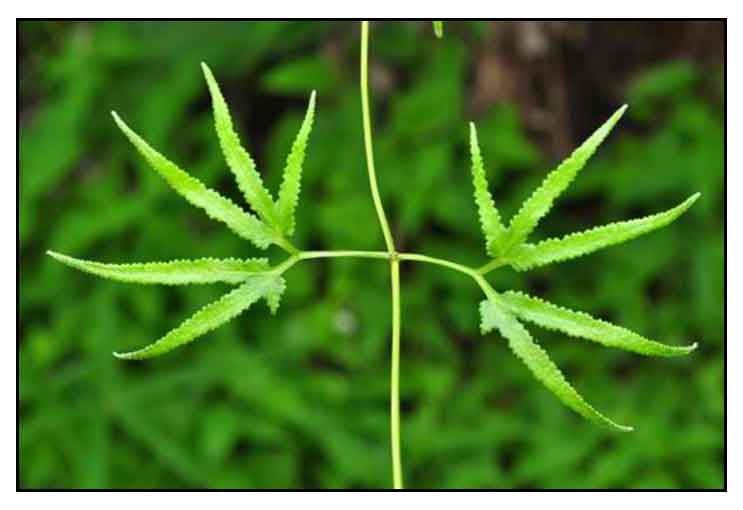
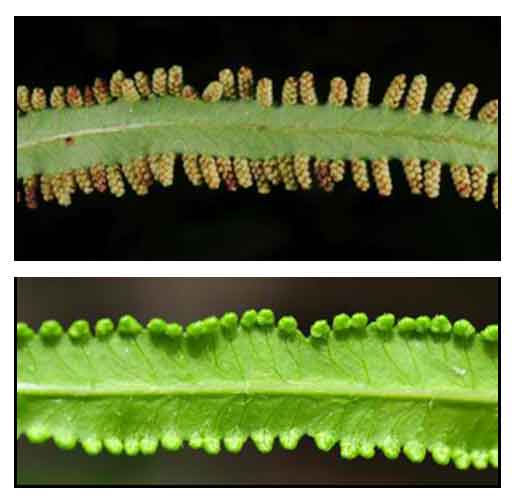
| IMAGE SOURCE: Photos / © T. Phutthai / Ferns of Thailand, Laos, and Cambodia / Lindsay, S. & Middleton, D.J. / Click on photos to go to source page / Ferns of Thailand, Laos, and Cambodia |
Additional
Sources and Suggested Readings |
| It is not uncommon for links on studies/sources to change. Copying and pasting the information on the search window or using the DOI (if available) will often redirect to the new link page. |
• |
 |
• |
|