Botany
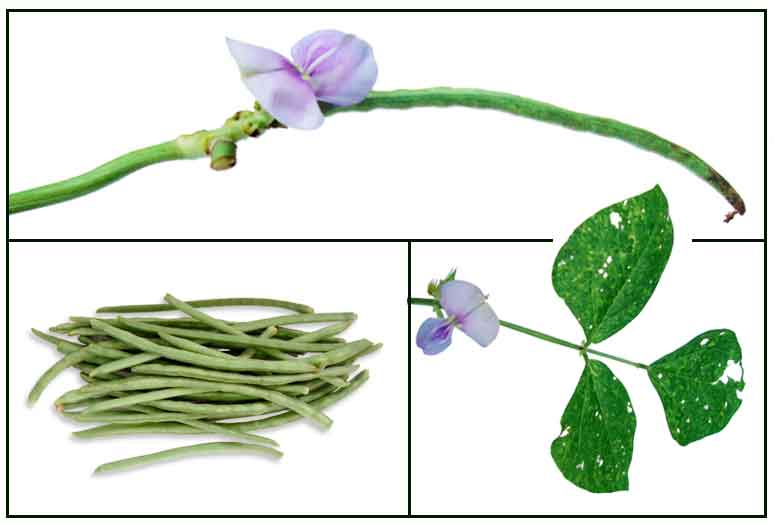
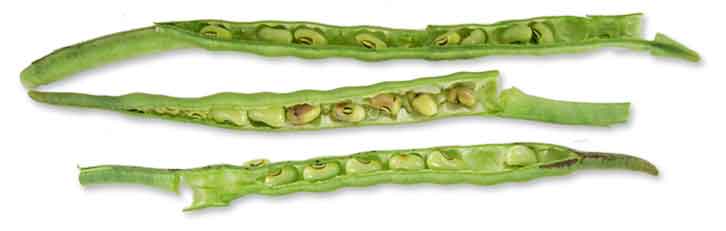
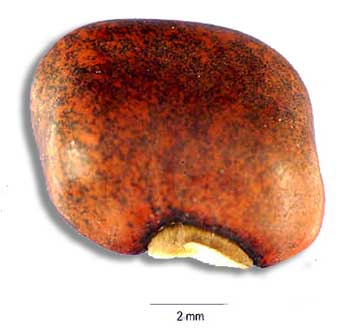
Paayap is an leguminous herbaceous annual with twining stems. Upright stems are hollow and hairless, about 1 centimeter wide. Leaves are trifoliate, 2.5 to 12.5 centimeters long. Two lateral leaves are asymmetrical. Central leaflet is hastate, symmetrical, smooth, with the lateral surfaces irregular. Flowers are in axillary racemes on stalks 15 to 30 centimeters long. Pods are pendulous, smooth, 10 to 22 centimeters long with a thick decurved beak and 10- to 15-seeded. Seeds are 4 to 8 millimeters long, 3 to 4 millimeters wide, variable in size and color.
Distribution
- Cultivated.
- Native to East Asia.
Constituents
• Study on chemical
constituents isolated one new saponin, vignalin, the aglycone part of
which belongs to the oleanane series of triterpenoids identified as
soyasapogenol B. Besides saponin, cycloartenol, stigmasterol and oleanolic
acid acetate and sitosterol ß-D-glycoside were isolated for the
first time.
• Study of dried edible seeds of V. unguiculata were: moisture,
6.20-8.92%; protein, 20.5-31.7%; fat 1.14-3.03%; fiver 1.70-4.5%; carbohydrate
56-65.7%, with varying amounts of cyanide, tannin, total oxalate and
phytate.
• Nutrient composition of leaves on a dry weight basis ranged from 9.4 to 13.0% moisture, 303.8 to 468.9 mg/100 g phosphorus, 33.5 to 148.o mg/100 g ascorbic acid, and 27.1 to 34.7% protein. (20)
• Phytochemical screening of seeds yielded glycosides, tannins, flavonoids, saponin glycosides, and sterols. (see study below) (23)
• Raw mature seeds yield (per 100 g): 11.4% moisture, 338 calories, 22.5 g protein, 1.4 g fat, 61.0 g total carbohydrate, 5.4 g fiber, 3.7 g ash, 104 g Ca, 416 g P, 0.08 mg thiamine, 0.09 g riboflavin, 4.0 g niacin and 2 mg ascorbic acid. (27)
• Seeds yield amino acids (mg/g N): isoleucine 239, leucine 440, lysine 427, methionine 73, cystine 68, phenylalanine 323, tyrosine 163, threonine 225, tryptophan 68, valine 283, arginine 400, histidine 204, alanine 257, aspartic acid 689, glutamic acid 1027, glycine 237, proline 244, and serine 268.
(27)
• Immature pods contain per 100g: 85.3% moisture, 47 calories, 3.6 g protein, 0.3 g fat, 10.0 g total carbohydrate, 1.8 g fiber, 0.8 g ash, 45 mg Ca, 52 mg P, 1.2 mg Fe, 170 µg vitamin A, 0.13 mg thiamine, 0.10 mg niacin, and 22 mg ascorbic acid. (27)
- Study of ethanolic leaf extract yielded 15 chemical constituents. Major constituents were oct-2-ene (24.68%), nona-3,5-diene (18.86%), non-4-ene (14.02%), octadecanoic acid (12.93%) and hexadecanoic acid (11.45%) as the major chemical constituents.
(32)
- Phytochemical screening of aqueous extract of seeds yielded
flavonoids, alkaloids, and proteins. (see study below) (34)
- In a study of Vigna unguiculata for seed proteins, globulins constituted over 51% of total seed protein. Fractionation yielded three main components, in decreased order of anodic mobility, α-virnin, ß-bignin, and y-vignin. (40)
- Study showed cowpea to be an excellent source of protein (23.83%), good source of fiber (3.15%), calcium (67.70 mg/100g) and iron (6.76 mg/100g). Vitamin C and ß-carotene were not present in appreciable amounts. Cowpea contains phenols (TFC) and flavonoids (TFC) in good amounts, 135.33 mg GAE/100g and 109.14 mg CE/100g, respectively. Study demonstrated significant antioxidant activity by DPPH, ABTS, and FRAP assays at 600.87 mg TE/100g, 660.12 mg TE/100g, and 480 mg FeSO4/100g, respectively. (see study below) (44)
 Properties Properties
• Studies suggest antifungal, antiviral, anti-inflammatory, anti-sickling, cardioprotective, thrombolytic, antidiabetic, hypolipidemic, diuretic, anti-atherosclerotic, anthelmintic, antimicrobial, membrane stabilizing , antiobesity, anticancer, antidepressant properties.
Parts
utilized
Roots, leaves, seeds.
Uses
Edibility / Culinary / Nutrition
- Young leaves, pods and pea are edible.
Consumed as vegetable
- Gabi-Paayap Instant Baby Food:
A nutritious baby food from a blend of gabi powder, roasted paayap grits
processed by extrusion cooking, with a 100-gram pack providing 394 kcal
and 19.4 g protein. source
- Kamote-Paayap Weaning / Baby Food:
A rootcrop-legume combo of dried kamote cubes and paayap girts containing
376 kcal and 12.5 g of protein per 100 g.
- Rice-Paayap Sesame Powder:
A blend of 3/4 cup of roasted rice flour and two tablespoons each of
roasted paayap flour and roasted sesame flour, provides 424 Kcal and
14 grams protein per 100 grams. source
- In Nigeria, roots are eaten and scorched seeds are occasionally used as coffee substitute. Nigeria is reputed to be the highest producer of cowpea in the world. (11)
Folkloric
- No reported
folkloric medicinal use in the Philippines.
- In Africa, the seeds of
V. unguiculata are cook with T. sericea as a soup against schistosomiasis.
In other folkloric medicinal systems, various parts of the cowpea plants
(roots, leaves, and seeds) are used for a variety of medical ailments
including dysmenorrhea, epilepsy, headaches, constipation, chest pains
and bilharzia.
- In Nigerian folk medicine used to inhibit sickling and management of sickle cell disease and other manifestations.
- In India, seed decoction taken orally for kidney stones. (22)
-
The Hausa and Edo tribes used ground seeds mixed with soil or oil to treat stubborn boils. (27)
- In Nigeria, seeds from the plant used with other plant materials, such as akata, to form a paste used in the preparation of meals for the insane. (30)
Others
- Forage: Can be used as forage, hay, and silage. As silage, mixed with sorghum, maize, or molasses.
- Ritual: Cowpeas are sacred to Hausa and Yoruba tribes; prescribed to counter evil and pacify the spirits of sickly children. (27)
 Studies Studies
• Report on Flatulence
and Abdominal Discomfort on Ingestion: 1989 report on
abdominal discomfort associated with ingestion of cowpea and the decreased
incidence of side effects with pressure cooking and dehulling.
• Antifungal / Antiviral:
Study presents evidence of multiple proteins with antifungal and antiviral
potency in cowpea seeds. The two proteins, designated alpha-antifungal
and beta-antifungal, were capable of inhibiting HIV reverse transcriptase
and one glycohydrolases associated with HIV infection. The proteins
also retarded the mycelial growth of a variety of fungi, with the alpha-protein
more potent in most cases.
• Protein Source/ Anti-Nutrient
Factors : Study suggests cowpea as a valuable protein
source with the predicted protein deficit in Southern Africa. Unlike
other legumes, VU contain anti-nutritional factors (ANF) as trypsin inhibitors,
tannins and phytates.
• Anti-Inflammatory:
Study on the anti – inflammatory activity of Vigna unguiculata
seed extract..
• Anti-Bleeding:
Rats on boiled white rice diet developed symptoms of severe vitamin K
deficiency and the addition of autoclaved beans of V. unguiculata in
the diet prevented the bleeding syndrome.
• Antifungal / Antibacterial:
Results have indicated antifungal and some antibacterial activity by
cowpea leaf extracts.
• Lipids / Constituents: Dried edible seeds of V unguiculata and P vulgaris grown in Northern Nigeria were studied for its chemical constituents. Iodine values were higher in vigna. Overall, potassium was the most abundant element in the seeds.16 amino acids were identified. Study highlights the safety and high nutritive values of the studied varieties.
• Seed Oil Constituents: Study of seed oil constituents from 4 cultivars showed the oil content range from 2.71-2.96% with triglycerides the highest amount. Among sterols, stigmasterol was highest, followed by ß-sitosterol and campesterol. Among tocopherols, α-tocopherol was highest, and ß-tocopherol the lowest.(12)
• Antioxidant / Antimicrobial: Callus culture of V. unguiculata showed to be a potential source of flavonoids and phenolics, and an antimicrobial agent. (13)
• Antisickling Potential / Seeds and Leaves: Study evaluated the anti-sickling potential of ethanol seed extracts of Vigna unguiculata and V. subterranean. Results showed both extracts showed antisickling effect suggesting potential benefit in the management of sickle cell disease. (14) Study evaluated ethanolic and aqueous extracts of leaves of V. unguiculata for antisickling activity . The ethanolic extract was found to be more active than the aqueous extract. The activity was attributed to anthocyanins in the extract. (31)
• Cardioprotective / Leaves: Study evaluated the cardioprotective effect of VU in cholesterol fed rabbits. Results showed a cardioprotective nature in preventing cardioprotective diseases. The effect was attributed to the presence of antioxidants and antihyperlipidemic properties of the flavonoid fraction of leaves. (15)
• Antidiabetic / Lipid Benefits / Seed Oil: Study evaluated the antidiabetic effects of Vigna unguiculata seed oil in alloxan induced diabetic rats. Results showed decrease in blood glucose, total cholesterol, TG, LDL, ALT, AST and increase in HDL. (17)
• Antibacterial / Seeds: Study evaluated ethanol and aqueous extracts of seeds for antibacterial activity against gram positive bacteria (B. subtilis) and gram negative bacteria (E. coli). While both extracts showed concentration dependent activity against the microorganisms tested, the aqueous extract exhibited greater antibacterial activity. (18)
• Thrombolytic / Seeds: In vitro study of methanolic extract of Vigna unguiculata seeds showed significant thrombolytic activity compared with standard streptokinase. The clot lysis activity may be due to the tannin and alkaloid content. (19)
• Peptides / Influence on Insulin Resistance: Study showed cowpea peptides can induce Akt phosphorylation in cell culture. Administering cowpea peptides can probably mimic the action of insulin by activation of the insulin signaling cascade. (21)
• Anthelmintic / Seeds: Study evaluated powdered extracts of seeds of Vigna unguiculata for anthelmintic activity against Eudrilus euginiae earthworms. Results showed paralysis and death of worms in a concentration dependent manner. The alcoholic extract showed more significant activity than the aqueous extract. (see constituents above) (23)
• Decreased Cardiac Oxidative Stress: Study showed Vigna unguiculata has potential as alternative therapy in decreasing cardiac oxidative stress in ovariectomized rats. Furthermore, high doses can increase aorta estrogen receptor-ß expression in ovariectomized rats. (24)
• Endothelial Cell Benefits / Antiatherosclerosis: Study in ovariectomized rats showed Vigna unguiculata has alternative potential for increasing endothelial cell number, endothelial nitric oxide synthase (eNOS) expression and can also act as an anti-atherosclerotic agent by normalizing serum lipid profiles. (25)
• Fatty Acid Composition / Cultivars Seed Oil: Study of seed oil from 4 cowpea cultivars grown in Pakistan showed an oil content range from 2.71-2.96%. Despite variations, unsaturated fatty acids were present in high concentrations in all cultivars. Among sterols, stigmasterol was present in highest amount followed by ß-sitosterol and campesterol. (28)
• Antimicrobial / Leaves: Study investigated ethanol and acetone extracts of leaves of Bechwana White/BW and Kpodjiguegue/Kpod cultivars for antimicrobial activity against bacterial and fungal pathogens.
With the exception of Fusarium equisetii, all cultivars inhibited growth of fungal pathogens. BW acetone extracts inhibited the growth of of S. aureus, E. faecalis, B. cereus, B. subtilis and E. cloacae. This is the first report on the inhibitory effects of cowpea leaf extracts on bacterial and fungal pathogens. (29)
• Membrane Stabilizing Potential / Anti-Inflammatory / Seeds: Study evaluated different concentrations of methanolic extracts of seeds for membrane stabilizing activity via inhibition of hemolysis of erythrocyte membrane in hypotonic solution and heat-induced conditions. All the methanol extracts can significantly and dose-dependently inhibit HRBC hemolysis. (33)
• Acute Toxicity Study / Seeds: Acute oral toxicity study was done on a seed extract based on OECD guideline 423 with a test dose limit of 2000 mg/kbw in female wistar rats. Results suggest the aqueous extract is not acutely toxic to rats. The LD50 was found to be higher than 2000 mg/kg. (see constituents above) (34)
• Decreased Aortic Intima-Media Thickness / Promotion of Angiogenesis: Study evaluated the ability of V. unguiculata in affecting aortic intima media thickness, aortic diameters and aortic VEGF expression among ovariectomized rats. Results showed V. unguiculata extract elevated the decreased angiogenesis and aortic diameter. It also decreased aortic-intima-media thickness. Results suggest a potential alternative natural therapy for vascular pathology. (35)
• Effect on Atherosclerosis and Lipid Profile: Study evaluated the effect of V. unguiculata on its ability to increase endothelial cell number, endothelial nitric oxide synthase (eNOS) expression, and to inhibit atherosclerosis in ovariectomized (OVX) mice. Results suggest V. unguiculata is a good alternative to increase endothelial cell number and eNOS expression. Its antiatherosclerotic activity was evidenced by normalization of serum lipid profiles. (36)
• Diuretic Activity / Leaves: Study evaluated the diuretic effects of dried leaf powder extracts of V. unguiculata in normal wistar rats. An ethanolic extract produced significant diuretic effect as evidenced by increase in total urine volume and levels of sodium, potassium, and chloride in the urine when compared to standard drug furosemide. (37)
• Synergistic Effect Against Candida albicans Biofilm: Biofilms are structures that protect C. albicans from antifungal treatments. Candidiasis is an opportunistic infection common in immunodeficiency states, leucopenia, radiation therapy, and organ transplantation. Study evaluated the combination of Cinnamomum burmannii, Vigna unguiculata, and papain extracts from Carica papaya for inhibitory effects against C. albicans biofilms. Results showed the combination showed optimum synergic inhibition for C. albicans biofilms. (38)
• Hypolipidemic / Seeds and Leaves: Study investigated the lipid profile effect of V. unguiculata leaf and seed extracts in Wistar rats. Atorvastatin was used as standard. Lipid profile parameters measured were TC, TG, LDL, and HDL. Results showed the seed extract exhibited more hypolipidemic activity than the leaf extract as evidenced by by reductions of total cholesterol and LDL. Both extracts yielded flavonoids, alkaloids, tannins, and reducing sugar; sterols and terpenoids were only present in the leaves. (39)
• Nutritional Quality of Protein Isolate: Study evaluated the true digestibility of protein from cowpea and of its protein isolate, and their nutritional values after correcting for amino acid score. Estimated nutritive values for whole bean and protein isolate were 38% and 58%, respectively. Results suggest that by having higher digestibility and increasing bioavailability of essential amino acids, cowpea protein isolate has potential for inclusion in food products, especially cereal-based products, which contain lysine as a limiting amino acid, which would promote an increase in nutritive value. (41)
• Flavonoid Composition of Seven Varieties / Therapeutic Value: Leaves, stems, roots, and seeds of seven varieties of V. unguiculata were evaluated for flavonoid compositions. All parts contained flavonoids in varying percentages. Findings suggest V. unguiculata is a good source of flavonoid and is useful as dietary food and in ethnomedicine for the manufacture of drugs. (42)
• Seed Extract / Cosmetic Application / Invention: The invention relates to a V. unguiculata seed extract composition deemed to have cosmetic, pharmaceutical, dermatological and nutraceutical applications. The potential of the invention is based on anti-inflammatory activity, modulation of release of inflammatory cytokines on keratinocytes, induction of gene expression of HSP27 in reconstructed epidermises. (43)
• Nutritional, Phytochemical and Antioxidant Properties: Cowpea is highly recommended as a dietary repository of protein, dietary fiber, iron, phenols, and flavonoids and has great potential to mitigate diseases associated with oxidative stress. (see constituents above) (44)
• Source of Angiotensin Coverting Enzyme Inhibitor: Study sought to modify enzymatically protein concentrates and evaluate the ACE-1 inhibitory and antioxidant potential of the hydrolyzates and relate the biological activity to their amino acid compositions. After enzyme modification, VU proteins showed to be a source of bioactive peptides with ACE-1 inhibitory and antioxidant activity. Fractionation of their enzymatic hydrolyzates enhanced the ACE-1 inhibitory and antioxidant activity, with the <kDa fraction showing highest biological activity. (45)
• Titanium Nanoparticles / Antimicrobial / Cytotoxic / Seeds: Study reports on the easy and cost effective synthesis of titanium dioxide nanoparticles using V. unguiculata seeds extracts. The synthesized NPs were effective against most of the test clinical pathogens. The NPs were highly antioxidant in nature and cytotoxic on MG63 osteosarcoma cell lines. (46)
• Cardioprotective / Doxorubicin-Induced Cardiotoxicity / Seedlings: Doxorubicin, an anthracycline anticancer drug, is believed to cause immediate damage to myocardial cells by free radical generation. Study evaluated the effects of an aqueous extract of V. unguiculata seedlings on the heart, kidney, and lipid disorders caused by doxorubicin on female Wistar albino rats. Results showed the sprout extracts produced a restoration of abnormalities to control levels. (47)
• Anticancer / L-Asparaginase: Purified L-asparaginase produced from Vigna unguiculata, was evaluated for in vitro cytotoxic activity against four cancer cell lines. L-asparaginase showed higher effect on growth inhibition against HepG2 and HCT-116, with higher percentage of cell death and direct effect on cancer cell proliferation. It showed less activity against HeLa and MCF7 carcinoma cell lines. Results suggest potential for use in cancer drug chemotherapy. (48)
• Antidepressant / Aerial Parts: Study evaluated the antidepressant-like effects of an aqueous fraction of dried aerial parts. in mice using forced swimming test (FST), tail suspension test (TST), and locomotor activity in open field test (OFT). Results showed antidepressant effects, which may be mediated through multiple receptor pathways. (49)
• Antiobesity / Leaves: Study evaluated the antiobesity activity of methanolic leaf extracts of Amaranthus dubius, Cucurbita pepo, and Vigna unguiculata in progesterone-induced obese mice. The leaf extracts at dose dependent concentrations of 200 mg/kbw and 400 mg/kbw showed significant effects on body mass index (p<0.05). The extracts contained various phytochemicals such as saponins, flavonoids, alkaloids, and steroids and validates use of the plants in the suppression and management of obesity. (50)
Availability
- Wild-crafted.
- Cultivated.
|