
|

Family
• Leguminosae
Sitaw
Vigna unguiculata (L.)
Walpers subsp. sesquipedalis (L.) Verdc.
LONG BEAN
Dou jiao
| Scientific name | Common names |
| Dolichos sesquipedalis Linn. | Sitaw (Tag.) |
| Vigna sesquipedalis (L.) Fruwirth | Sitao (Tag.) |
| Vigna sesquipedalis (L.) Agcaoili | Hamtak (Bis.) |
| Vigna sinensis subsp. sesquipedalis (L.) Van Eselt. | Banor (Bis.) |
| Vigna sinensis var. sesquipedalis (L.) Asch. & Schweinf. | Asparagus bean (Engl.) |
| Vigna unguiculata var. sesquipedalis (L.) H.Ohashi | Green orient wonder (Engl.) |
| Vigna unguiculata var. sesquipedalis (L.) Bertoni | Long bean (Engl.) |
| Vigna unguiculata subsp. sesquipedalis (L.) Verdc. | Long-podded cowpea (Engl) |
| Yardlong bean (Engl.) | |
| Yardlong cowpea (Engl.) | |
| Snake bean (Engl) | |
| String bean (Engl.) | |
| Vigna unguiculata subsp. sesquipedalis (L.) Verdc. is an accepted name. The Plant List | |
| Other vernacular names |
| ARABIC: Lubya baladi. |
| CHINESE: Dou jiao, Hong dou, Chang jiang dou, Dau gok, Dou jiao, Jiang dou, Cheung kung tau. |
| DANISH: Aspargesbonne, Kaempeaspargesbonne, Meterbonne. |
| FRENCH: Dolique asperge, Dolique géante, Haricot kilomètre, Haricot asperge. |
| GERMAN: Spargelbohne, Langbohne. |
| INDIA: Eeril |
| ITALIAN: Fagiolo asparago, Fagiolo gigante. |
| JAPANESE: Juuroku sasage. |
| KASHMIR: Latung. |
| KHMER: Sandaek troeung. |
| MALAY: Kacang belut, Kacang panjang, Kacang tolo. |
| PORTUGUESE: Feijao-chicote, Feijao-espargo, Dolico gigante. |
| RUSSIAN: Boby sparzhevye, Metrovye boby, Sparzhevaia fasol', Vigna v'jushchaiasia. |
| SPANISH: Dolico esparrago, Judía espárrago, Poroto esparrago, Dólico gigante. |
| THAI: Tuk fak yaow, Tua phnom. |
| VIETNAMESE: Dau dua, Dau giai ao. |
Constituents
Studies |

 |
Photos © Godofredo Stuart / StuartXchange |
| OTHER IMAGE SOURCE: / Vigna unguiculata (L.) Walp. ssp. sesquipedalis (L.) Verdc. - yardlong bean / Tracey Slotta @ USDA-NRCS PLANTS Database / Not Copyrighted / USDA |
Additional
Sources and Suggested Readings |
| It is not uncommon for links on studies/sources to change. Copying and pasting the information on the search window or using the DOI (if available) will often redirect to the new link page. (Citing and Using a (DOI) Digital Object Identifier) |
• |
 |
|
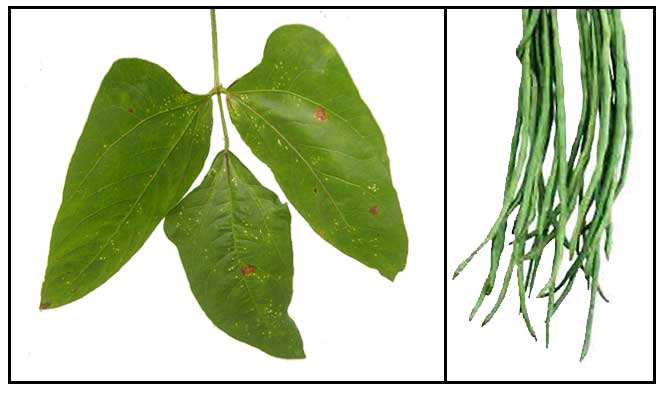 Botany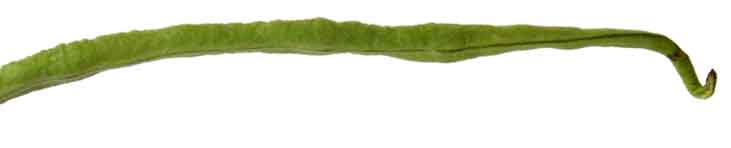
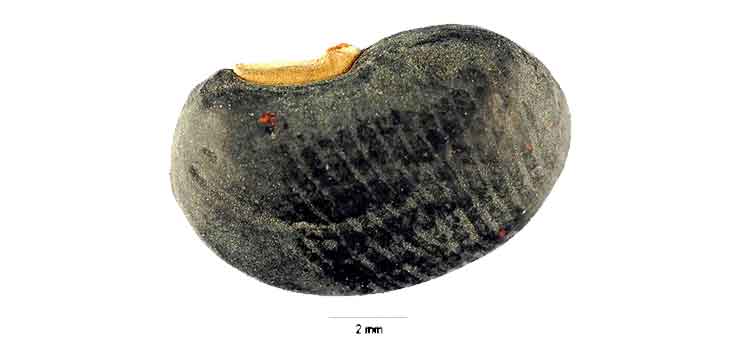 isolated from Vigna
sesquipedalis cv ground bean. The ground bean lectin exhibited mitogenic
activity on murine splenocytes. The viability of hepatoma (HepG2), leukemia
(L1210 and M1) cells was reduced in the presence of ground bean lectin
while also exerting an inhibitory activity toward HIV-1 reverse transcriptase
IC50. (
isolated from Vigna
sesquipedalis cv ground bean. The ground bean lectin exhibited mitogenic
activity on murine splenocytes. The viability of hepatoma (HepG2), leukemia
(L1210 and M1) cells was reduced in the presence of ground bean lectin
while also exerting an inhibitory activity toward HIV-1 reverse transcriptase
IC50. (