 Gen info Gen info
- Curculigo orchioides is an endangered flowering plant species in the genus Curculigo.
Botany
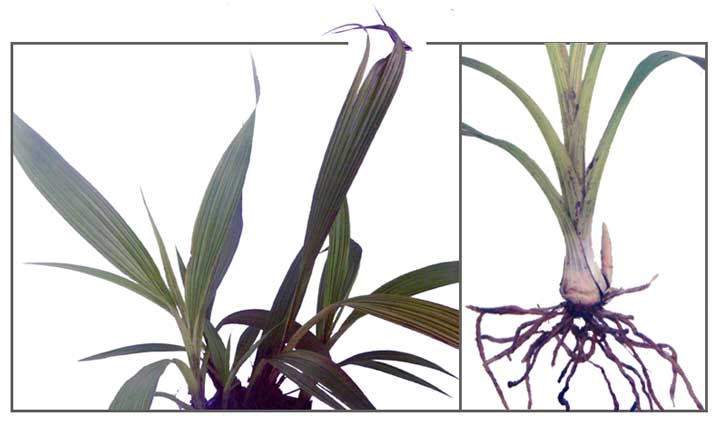
Taloangi is a small stemless herb
with stout and elongated rootstock and with copious, spreading
fibers. Leaves are sessile or petiolate, linear or narrowly lanceolate,
15 to 20 centimeters long, 1 to 2.5 centimeters wide and with pointed tip. Scape is very
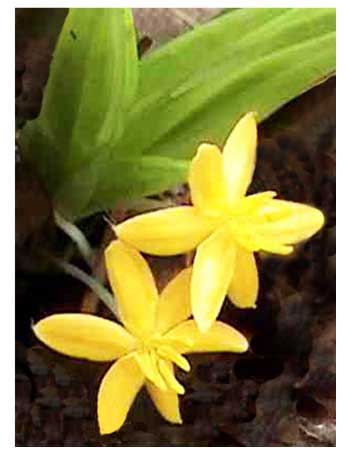
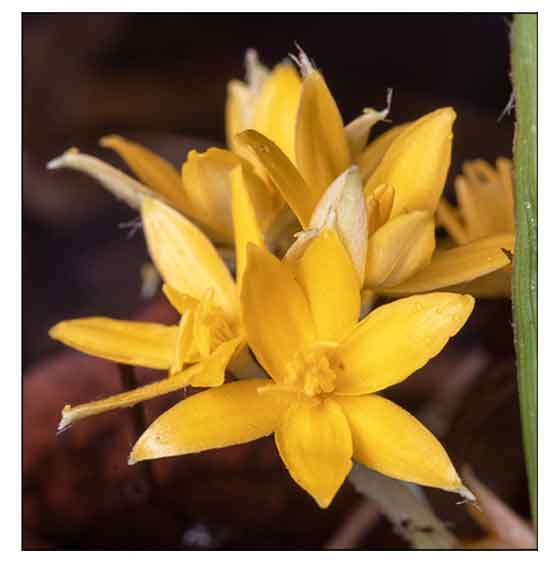
short, clavate. Flowers are distichous, bright yellow, with the lowest
in the raceme perfect and the upper, male. Perianth produced
above the ovary consists of filiform, hairy, very slender strips
which are 10 to 25 centimeters long and which alone, with the perianth
segments, appear above ground. Segments are 12 to 18 millimeters long, oblong-ovate,
acute, and dorsally hairy. Stamens are small, with short filaments. Fruits are oblong, about 10 millimeters in diameter. Seeds are oblong
and black with the testa deeply grooved in wavy lines.
Distribution
- Native to the Philippines.
-
In open grasslands, chiefly
in Cogonales (Imperata) areas at low and medium altitudes.
- Found in Bontoc, Pangasinan, Rizal and Sorsogon provinces in
Luzon, and in Mindoro, Palawan, Biliran, Panay and Mindanao.
- Also native to Andaman Is., Assam, Bangladesh, Borneo, Cambodia, Caroline Is., China, Himalaya, India, Japan, Laos, Lesser Sunda Is., Maluku, Marianas, Myanmar, Nansei-shoto, Nepal, New Caledonia, New Guinea, Nicobar Is., Pakistan, Solomon Is., Sri Lanka, Sulawesi, Taiwan, Thailand, Vanuatu, Vietnam. (20)
 Constituents. Constituents.
- Yields active compounds: flavones, glycosides, steroids, saponins, triterpenoids
and secondary metabolites.
- Tuberous root contains resin, tannin, mucilage, fat, starch, and ash with oxalate of calcium.
- Phytochemical study yielded starch, enzymes, tannins, ash; contains
glycoside, orcinol-1-0-beta-D-apiofuranosyl-(1-->6)-beta-D-glucopyranoside,
curculigoside, syringic acid.
- Fresh rhizomes yield yuccagenin, a sapogenin, and alkaloid lycorin.
- Rhizome yielded a phenolic glycoside, curculigoside.
- Chloroform extract of rhizome yielded hentriacontanol, sitosterol, stigmasterol, cycloartinol, sucrose.
- Study of ethanol extract of rhizome by GC-MS analysis yielded six compounds viz.
decane 2,3,5,8-trimethyl (1), dodecane 2,6,11-trimethyl (2) hexadecane,5-butyl (3) benzoic acid, 4-ethoxy-,ethyl ester (4) docosanoic acid 1,2,3-propanetriyl ester (Tribehenin) (5) and ethyl iso allocholate (6). (see study below) (25)
- Phytochemical screening of root tuber extracts yielded carbohydrates, glycosides, saponins alkaloids, protein and amino acids, phytosteroids, gums and mucilage. Percentage yield of the methanol extract (6.8%) was more than a petroleum ether extract (1.36%). (36)
- Phytochemical screening of methanolic extracts of rhizomes and leaves yielded alkaloids, carbohydrates, glycosides, diterpenes, flavonoids, flavones, phenols, saponins, steroids, tannins, and triterpenes. (see study below) (45)
Properties
- Root is aromatic, slightly bitter, mucilaginous to taste, considered demulcent, diuretic, and restorative.
-
According to Ayurveda, root is healing,
demulcent, aphrodisiac, appetizer, alternative, immunostimulant, hepatoprotective, antioxidant, anticancer, tonic and antidiabetic.
- According to Unani, root is carminative, tonic, aphrodisiac, antipyretic.
- Studies have suggested antiasthmatic, antiosteoporotic, antioxidant, anticancer, antihepatotoxic, antibacterial, spermatogenic, antidiabetic, aphrodisiac, memory enhancing, analgesic, antipyretic, wound healing, testosterone boosting, neuroprotective, immunomodulatory properties.
Parts utilized
· Rhizomes, tuber paste,
· Collect from early February to late October.
· Remove roots and rootlets, rinse, cut into pieces.
· Sun dry.
Uses
Edibility
• Tubers are edible; cooked.
Folkloric
• For lumbago, weak kidney,
neurasthenia, urine retention, chronic nephritis, impotency, bed-wetting.
• Hypertension among women at late ages, chronic arthritis.
• Weakening of the knees and lumbar regions, numbness of the
limbs, rheumatic arthritis.
• Given with milk and sugar for gonorrhea, leucorrhea, and menstrual derangements.
• In Ayurveda, increases kapha and reduces vata and pitta; used
for treatment of piles, asthma, gonorrhea, biliousness, fatigue and blood disorders. Also considered a potent adaptogen and aphrodisiac.
• In Unani, used
for bronchitis, ophthalmic, indigestion, vomiting, diarrhea, lumbago,
joint pains.
• In India, Pakistan
and China, tuberous roots
have been used for cancer, jaundice, asthma, wound healing. Rhizome
juice extract has been used as tonic to overcome impotence.
• In India, plant
rhizome has been used as an aphrodisiac.
Plant paste applied to skin for itchy afflictions; also applied to hemorrhoids to relieve pain and itching. Also used for gonorrhea, jaundice, vomiting.
• In traditional Chinese medicine, used for the treatment of impotence, limb weakness, osteoarthritis of the knees and lumbar spine, and watery diarrhea. (35)
• In Kerala, India, decoction of tubers drunk as nutritive; decoction of rhizomes used as aphrodisiac and for leucorrhea; paste of tubers applied to bone fractures. (50)
Studies
• Anti-osteoporosis:
Curculigo orchioides ethanol extract showed a definite protective effect
on bone loss in ovariectomized rats by inhibiting bone resorption and
increasing serum phosphorus and calcium levels, without affecting bone formation. Results suggest a potential anti-osteoporosis plant. (2)
• Antioxidant / Hepatoprotective:
Study showed the antioxidant and hepatoprotective capacity of CO in carbon tetrachloride-induced
hepatopathy in rats. (3) In a study of hepatotoxic rats, the co-administration of the methanolic extract of CO rhizomes showed a tendency to attain near normalcy in the biochemical and histopathologic parameters. • Study isolated curculignin A and curculigol screened for antihepatotoxic activity against thioacetamide and galactosomine-induced hepatotoxicity.
• Anti-asthmatic:
Study evaluated an ethanol extract of C orchioides for antiasthmatic activity using in vitro and in vivo animal models. The extract was effective against histamine induced contraction. In isolated goat tracheal chain preparation and isolated guinea pig ileum preparation, the extract exhibited maximum relaxant effect (p<0.01) against histamine at concentrations of 100 mg/ml and 25 mg/ml, respectively. Drugs effective in asthma are mostly steroidal in nature. Curculigo orchioides extract contains steroidal nucleus in form of triterpenoids, various sapogenins, and saponin glycosides. These chemical moieties may be responsible for C. orchioides antiasthmatic activity. (4)
• Antibacterial / Rhizomes:
Study evaluated C. orchioides rhizome extracts for antibacterial activity against pathogenic strains of Gram positive (S. aureus and S. epidermis) and Gram negative (E. coli, P. aeruginosa, and S. typhimurium). Only the clinical isolate of S. aureus showed more sensitivity to the water extracts than the standard strain. The steam distilled extract of was more effective against Gm-positive strains than Gm-negative strains. Results suggest steam distilled extract has potential application as antiseptic for the prevention and treatment of antibacterial infections. (5)
• Antimicrobial / Anti-tumor / Saponins:
Study showed antibacterial (P aeruginosa, S aureus, K pneumonia), antifungal
(Aspergillus niger and A flavus) and antitumor activities of different
fractionated extracts of CO attributed to the presence of plant glycosides, saponins. (7)
• Spermatogenic Activity:
A study of ethanolic extract in albino rats showed pronounced effect
of orientation of male towards female rates, increased anogenital sniffing
and mounting, increased spermatogenesis, findings that support the
folk use of the plant as an aphrodisiac. (8) Study of a hydroalcoholic root extract of black musli in experimental animal, Passer domesticus, showed spermatogenic enhancing properties. (34)
• Immunostimulatory / Rhizomes:
The plant rhizomes have been used to treat declining strength, jaundice
and asthma. The study of its methanolic extract showed significant immunostimulant
activity in an isolated purified glycoside-rich fraction, acting on
both lymphocytes and macrophages. (9) Methanol extract of CO exhibited a potential as a protective agent against cytotoxic drugs. In a study on humoral and cell mediated immunity in normal and cyclophosphamide-induced immunosuppressed mice, results showed a dose-dependent increase in humoral antibody titre and delayed-type hypersensitivity. (11)
• Antidiabetic / Root Tuber:
In a study of alcohol and aqueous extracts tested with alloxan-induced diabetic rats, both produced significant hypoglycemic activity when compared with diabetic control. (10) Study of ethanolic and aqueous extracts showed antidiabetic activity in normal, glucose-loaded and alloxan-induced diabetic rats with a diabetic activity comparable to standard agent glimeperide. (23) A methanolic root extract of C. orchioides exhibited hypoglycemic activity in alloxan induced hyperglycemic rats. (32) Study evaluated the effect of Curculigo orchioides rhizome on blood glucose levels of STZ-induced diabetic rats. Results showed significant hypoglycemic activity compared to standard antidiabetic drug Glibenclamide. The effect may be due to uptake of glucose at the tissue level or inhibition of intestinal absorption of glucose. (44)
• Pharmacologic Properties:
Studies have observed (1) oxytocic activity of a flavone glycoside. (2) Hepatoprotective activity against rifampin-induced hepatotoxicities. (3) Ethanolic extract exhibited estrogenic activity with increase in vaginal cornification, uterine net weight and proliferative changes in the uterine endometrium.
• Aphrodisiac / Spermatogenic Effect / Rhizome:
Ethanolic extract of rhizome have shown improved sexual behavior in male rats with observed changes in sexual performance as: penile erection, mating performance, mount frequency and mount latency, with pronounced anabolic and spermatogenic effect.
• Effect on Hyperglycemia-Induced Oligospermia and Sexual Dysfunction:
An aqueous extract was evaluated for benefits in rats against STZ-induced hyperglycemic stress and sexual dysfunction due to hyperglycemia. Results showed amelioration in damage caused by sustained hyperglycemia vis-a-vis male sexual behavior, sperm count, penile erection index and seminal fructose content. (14)
• Curculigoside / Learning and Memory / Cognitive Benefits in Aged Rats:
Study evaluated the ameliorating effects of curculigoside from C. orchioides on learning and memory in aged rats. Results showed curculigoside can improve cognitive function in aged animals, possibly by decreasing the activity of AchE in the cerebra and inhibiting the expression of BACE1 in the hippocampus. Results suggest a potential new drug for the treatment of Alzheimer's disease. (16)
• Analgesic / Anti-Inflammatory / Rhizome:
An ethanol extract of rhizome showed significant dose-dependent exhibited dose-dependent anti-inflammatory and analgesic activities. Phytochemical screening yielded alkaloids, flavonoids, saponins, steroids, and tannins. (17)
• New Phenolic Glycosides / Weak Anti-HBV Activity:
Study yielded three new phenolic glycosides, curculigosides F-H from the rhizomes of C. orchioides. Compound 1 exhibited weak anti-HBV activity in vitro. (18)
• Acute Toxicity Study / Anti-Inflammatory / Rhizome:
A hydroalcoholic extract of rhizome and its alkaloidal and non-alkaloidal fractions were evaluated in a carrageenan-induced paw edema rat model. Results showed anti-inflammatory activity. On acute toxicity evaluation, no toxicity was noted up to 2000 mg/kg/p.o. (19)
• Antibacterial / Antioxidant / Antiproliferative:
Study evaluated the antibacterial, antioxidant, and antiproliferative activity of B. sensitivum, C. orchioides and C. dactylon. A petroleum ether extract of Curculigo orchioides showed significant antibacterial activity against pathogenic strains of bacteria. A methanolic extract showed higher phenolic and flavonoid content and significant DPPH scavenging and reducing power activity. The methanolic extract also showed strong antiproliferative activity against HepG2 (hepatocellular liver carcinoma) with IC50 of 127.12 µg/ml. (21)
• Anti-Cancer / Enhancement of Chemotherapeutic Effects:
Study evaluated the tumor reduction capacity of cyclophosphamide (CTX) in combination with C. orchioides methanolic extract using Dalton's lymphoma ascites-induced solid tumor models. Results showed the extract in combination with CTX can result in enhanced anticancer properties and also ameliorate the toxic effects of CTX. (22)
• Antimicrobial / Rhizomes: Study investigated aqueous and ethanolic extracts of C. orchioides for antimicrobial activity against Erwinia amylovora, K. pneumonia, E. coli, P. mirabilis, P. aeruginosa and Enterobacter cloacae. Among the two extracts, the ethanolic extract showed maximum antimicrobial activity against the six microorganisms. (24)
• Bioactive Compounds / Rhizomes: Study of ethanol extract of rhizome by GC-MS analysis yielded six compounds. Compound 6, ethyl iso-allocholate, has been reported to have antimicrobial, antiasthma, anti-inflammatory, anticancer, and diuretic properties. (see constituents above) (25)
• Mucilage as Suspending Agent:
Study evaluated mucilage from the roots of C. orchioides as a suspending agent, comparing it with standard suspending agents like sodium carboxymethylcellulose and Acacia. Results showed the mucilage to to be superior suspending agent than acacia indicating a potential source of a pharmaceutical adjuvant. (26)
• Gold Nanoparticles / Antibacterial:
Study reports on the comparatively rapid and inexpensive synthesis of AuNPs using C. orchioides plant extract with wide application in antibacterial therapy. (27)
• Neuroprotective / Cyclophosphamide Neurotoxicity: Study evaluated the neuroprotective effect of C. orchioides in an animal mode of cyclophosphamide induced neurotoxicity. Curculigo orchioides significantly promoted restoration of catalase (p<0.005), superoxide dismutase (p<0.005), and glutathione (p<0.05) levels, together with a very significant decrease in malondialdehyde levels. Flavonoids and polyphenols content may be responsible for the neuroprotective effect. (28)
• Anti-Inflammatory / Root Tubers: Study evaluated the anti-inflammatory effect of a methanolic extract of root tubers in a carrageenan induced rat paw edema model. Results showed statistically significant anti-inflammatory activity at doses of 200 mg/kg and 499 mg/kg, Standard drug was diclofenac sodium. (29)
• Curculigoside / Ameliorative Effects on Learning and Memory: Study evaluated the ameliorative effects of curculigoside from C. orchioides on learning and memory in aged rats through step-down test and Y-maze test. Results showed curculigoside can improved cognitive function in aged animals, possibly by decreasing the activity of AchE in the cerebrum and inhibiting expression of BACE1 in the hippocampus. Results suggest a potential for the development of a drug for Alzheimer's disease. (30)
• Antipyretic / Analgesic / Rhizomes: Study evaluated a methanolic extract of rhizomes for antipyretic (yeast induced pyrexia) and analgesic (Eddy's hot plate method, acetic acid induced writhing method, and head conduction method) activity. Results showed significant antipyretic (p<0.05) and analgesic (p<0.001) activity. (31)
• Hepatoprotective / Paracetamol Toxicity / Rhizomes: Study evaluated the hepatoprotective activity of ethanolic extract of C. orchioides against paracetamol and ethanol induced hepatotoxicity in albino Wistar rats. Results showed significant hepatoprotective activity, with reduction of elevated SGOT, SGPT, ALP and total bilirubin, almost comparable to silymarin. Histopathology showed regeneration of hepatocytes. (33)
• Chronic Toxicity Study: Toxicological study indicated Curculigo orchioides at a dose of 120 g/k for 180 days in rats may cause injury to the liver and kidney. (35)
• Free Testosterone Boosting Efficacy: Study developed a novel extract of C. orchioides (™Blamus) and assessed its testosterone effect in male rats. At a dose of of 50 mg/kbw, Blamus showed a significant increase in serum free testosterone level (p<0.0001), with not significant change in total serum testosterone. Study suggest a broad spectrum of safety. Histopathological analysis and investigations on the seminiferous tubules, spermatogenesis, sperm cell morphology, Leydig cells and Sertoli cells showed dose-dependent improvement in structural integrity. Results suggest potential for a safe and novel, natural testosterone booster with broad application in sports nutrition, muscle building, and exercise pathophysiology. (37) (56)
• Triterpene Glycosides / Cytotoxic Activity / Rhizomes: Study isolated six new cycloartane glycosides from the rhizomes of C. orchioides. Compound 1 and 1a showed cytotoxic activity against HL-60 cells with IC50 of 9.0 and 1.8 µM, respectively. (38)
• Silver Nanoparticles / Antioxidant / Anticancer Activity: Ethyl acetate extract and silver nanoparticles synthesized from C. orchioides showed significant antioxidant and anticancer activities. The antioxidant activity was attributed to phenolic compounds. Anticancer activity against breast cancer cell line (MCF-7) was higher in the silver nanoparticles than the ethyl acetate extract. (39)
• Wound Healing / Tubers: Study evaluated a methanol extract for wound healing effect and various biochemical parameters viz. superoxide dismutase, lipid peroxidation and nitric oxide levels in granulation tissue of diabetic mice. The root tubers extract increased the rate of angiogenesis and improved antioxidant enzyme status that led to faster wound healing in diabetic conditions. (40)
• Effect of Total Glucosides in Perimenopause Model: Study in mice showed C. orchioides total glucosides improved the effects caused by perimenopause on pathological changes in the uterus, hypothalamus, spleen, and other organs. (41)
• Polysaccharides / Anti-Tumor Effect / Cervical Cancer / Rhizomes: Study evaluated the anti-tumor effects of polysaccharides from C. orchioides on cervical cancer in mice injected with HeLa cells, in parameters of tumor volume and weight. Results showed significant anti-tumor effect on cervical cancer in vivo and in vitro, probably through enhancement of immune function and induction of apoptosis. (42)
• Bioactivity Prediction / Leaves and Rhizomes: GC-MS analysis of leaves yielded 2-myristynoyl pantetheine at 32.72%; another compound, 4-Acetyloxyimino-6,6-dimethyl-3-methylsulfanyl-4,5,6,7-tetrahydro benzo [c] thiophene -1 carboxylic acid methyl ester has a biological role in treatment of Alzheimer's disease, neurodegenerative disease and cognition disorders. The rhizome yielded a major compound of 2,7-diphenyl-1,6- dioxopyridazino [4,5:2',3']pyrrolo[4',5'-d] pyridazine (18.36%), with predicted biological activity as antiepileptic, and treatment for heart failure, renal disease, and Alzheimer's disease. (see constituents above) (45)
• Antioxidant / Roots: Study evaluated the antioxidant activity of an ethanolic root extract of C. orchioides by three in vitro methods viz. DPPH, reducing power, and phosphomolybdenum assay. Results showed significant free radical, reducing power, antioxidant activity in a concentration dependent manner. (46)
• Curculigoside / Prevention of H2O2-Induced Dysfunction and Oxidative Damage in Osteoblasts / Rhizomes: ROS, and H2O2 play
critical roles in the pathophysiology of osteoporosis. Curculigoside (CUR), one of the main bioactive phenolic compounds isolated from the rhizome of C. orchioides is reported to have potent antioxidant and anti-osteoporotic properties. Study investigated the protective effects of CUR against oxidative stress in calvarial osteoblasts. Results provides new insights into the osteoblast-protective mechanisms of CUR through reduction of ROS production and suggests potential for CUR to be developed as a biosafe agent for the prevention and treatment of osteopororis and other bone-related human diseases. (47)
• Effect of Curculigoside on Memory Impairment and Bone Loss: Study evaluated the effects of CUR on the spatial learning and memory by Morris water maze and brain immunohistochemistry, and bone microstructure and material properties of femurs in APP/PS1 mutated transgenic mice. Results show CUR has real potential as a new natural resource as medicine or dietary supplement for the prevention of two multifactorial progressive degenerative disorders, Alzheimer's dementia and osteoporosis. (48)
• Improvement of Sexual Performance in Diabetic Male Rats: Sustained hyperglycemia is considered a major cause of sexual and erectile dysfunction in humans. Study evaluated an aqueous extract for effectiveness against STZ-induced hyperglycemic stress and subsequent sexual dysfunction due to hyperglycemia in male rats. The aqueous extract ameliorated the deleterious effects of sustained hyperglycemia along with amelioration in the reduction of serum testosterone levels, in vivo sperm count, seminal fructose content. Results validate the use of C. orchioides in traditional medicine for curing diabetes induced sexual dysfunction and compromised sexual potency. (49)
• Antioxidative / Antiproliferative on Human Cancer Cell Lines: Study evaluated the antioxidant and anticancerous activity of C. orchioides against cancer cell lines HepG2, HeLa, MCF-7. Plant fractions exhibited significant antioxidant activities by free radical scavenging with EA fraction showing IC50 of 52.93 µg/ml by DPPH assay. MTT assay of cells lines HepG2, HeLa, and MCF-7 showed IC50s of 133.44, 136.50 and 145.09 µg/mL for aqueous ethyl acetate fraction and 171.23, 144.80, 153.51 µg/mL for ethyl acetate fraction. EA and AEA fractions down-regulated levels of antiapoptotic Bcl-2 expression and up-regulated expression of apoptotic proteins caspase-3 and caspase-8 via intrinsic ROS-mediated mitochondrial dysfunction pathway. (51)
• Mast Cell Stabilization / Antihistaminic / Rhizomes: Study evaluated the mast cell stabilization and antihistaminic activities of rhizomes of C. orchioides (COR). The raised number of intact mast cells intimates that COR stabilized the mast cell degranulation (60.96%) and antihistaminic potential 963.58 inhibition at dose of 400 mg/kg). Results demonstrates COR inhibits mast cell-derived immediate-type allergic reactions and mast cell degranulation. (52)
• Silver Nanoparticles / Antibacterial, Larvicidal, Anticancer / Rhizome: Study reports on the rapid method synthesis of silver nanoparticles using C. orchioides rhizome extracts. High levels of polyphenols, gamma sterol, and n-hexadecanoic acid contents were reported. Boiled rhizome extract mediated AgNPs exhibited maximum zone of inhibition against bacterial strains tested. Larvicidal bioassay showed highest mortality rate against malarial vectors such as Anopheles subpictus and Culex quinquefasciatus. Invitro cytotoxicity study showed inhibitory activity against human breast cancer cell line (MDA-MB-231) and Vero cell line, with IC50 of 18.86 and 42.43 µg/mL, respectively. Results suggest potential as antibacterial, larvicidal, and anticancer activity for the CoBAgNPs. (53)
• Antihypertensive / Root: Study evaluated the antihypertensive mechanism of methanol extract of Curculigo orchioides root in DOCA salt-induced nephrectomized hypertensive wistar rats. Extract was administered at 600 mg/kg i.p. Systolic, diastolic, and mean arterial blood pressures and pulse pressure were significantly decreased in extract treated rats compared to control. Antihypertensive activity was attributed to ACE inhibitor mechanism similar to enalapril in DOCA salt-induced hypertensive rats. (54)
• Protective Effect on Heat Stress-Induced Spermatogenesis Complications / Rhizome: Study evaluated the potential protective effects of C. orchioides extract on reproductive health under heat stress conditions in male mice. Histological analysis of testicular tissue showed heat stress conditions reduced reproductive function and inhibited spermatogenesis in male mice. The rhizome extract attenuated the heat stress-induce spermatogenesis complications in the murine model. Extract treated mice had increased spermatogenic cells and spermatozoa and enhanced serum total testosterone levels in heat-exposed mice. (55)
• Enhanced Synthesis of Curculigoside in Static Culture: Study evaluated the enhancement of an active compound, curculigoside, by incorporation of various concentrations of phenylalanine, tyrosine, chromium, and nickel into Zenk media. Results showed a significantly remarkable enhancement in all induced samples. Tyrosine showed to be a better enhancer than Phe in the biosynthetic pathway of curculigoside. The protocol may have potential in pharmaceutical industries. (57)
Availability
Wild-crafted.
Extracts, root powder, pills in the cybermarket.
|