 Gen info Gen info
- Trianthema is a genus of flowering plants in the ice plant family, Aizoaceae.
- The genus contains about 30 species growing in tropical and subtropical regions.
- The genus was first formally described in 1753 by Carl Linnaeus in Species Plantarium. (38)
Botany
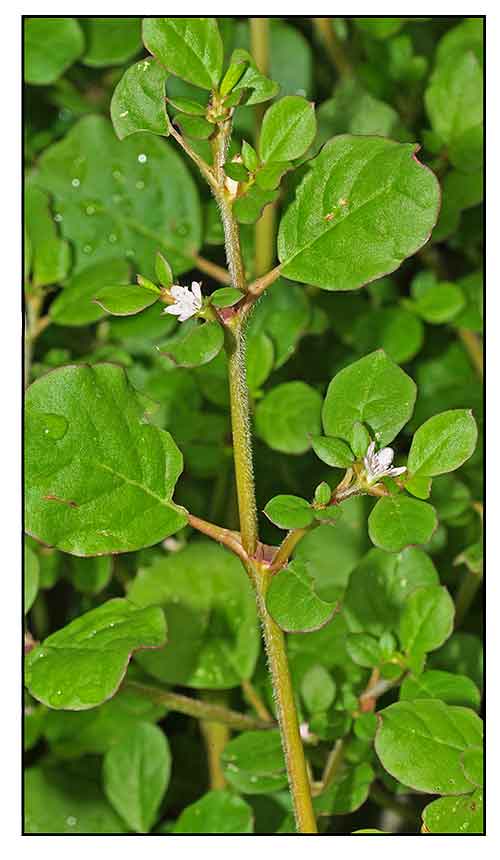
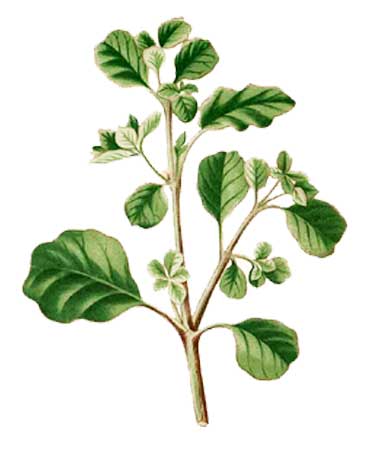
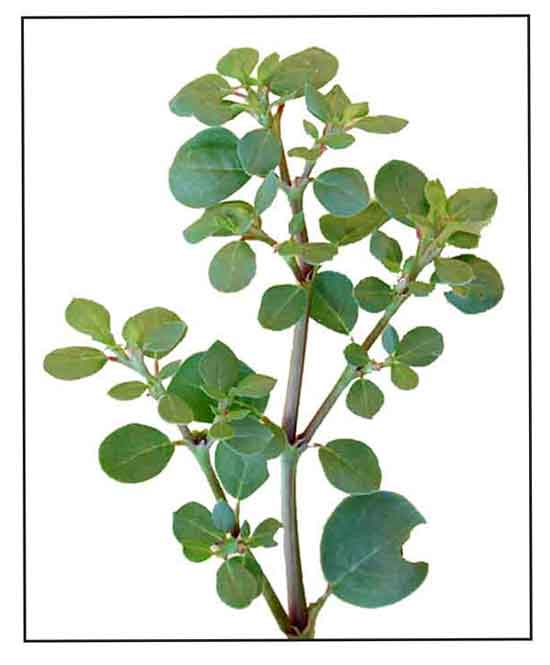
Toston is a weed; a smooth or nearly smooth, prostrate, somewhat succulent herb, with branches up to 60 centimeters in length, with a rounded, tapering base and apiculate apex. Flowers are axillary, solitary, and stalkless, with pink, overlapping, oblong, mucronate calyx-lobes, 4 to 5 millimeters long. Capsule is truncate, 5 to 6 millimeters long. Seeds are about 10, small, black and kidney-shaped.
Distribution
- Native to the Philippines.
-
Common weed throughout the Philippines at low and medium altitudes.
- Abundant in recently disturbed soil.
- Pantropic.
- Invasive in many regions of the world.
Constituents
• Root contains a glucoside with saponin-like properties.
• Methanolic extract of leaves yielded carbohydrates, protein, volatile oils, glycosides, saponins, flavonoids, and alkaloids. (11)
• The principal constituent is ecdysterone; other constituents are trianthenol, 3-acetylaleuritolic acid, 5,2'-dihydroxy-7-methoxy-6,8-dimethylflavone, leptorumol, 3,4-dimethoxy cinnamic acid, 5-hydroxy-2-methoxybenzaldehyde, p-methoxybenzoic acid, and beta cyanin. (15)
- Mineral compositional study yielded 0.45 ppm Na, 2.05% K, 3.87% Ca, 30.31 ppm Mn, 1.60% Mg, 129.92 ppm Fe, 6.68 ppm Zn, and 103.88 ppm P.
(34)
- Anti-nutrient composition (mg/100g) yielded 1.86 tannins,
2.39 phytate, 3.76 oxalate, and 0.04 cyaninde. (34)
- The methanolic extract of various parts yielded carbohydrates, polyphenols, flavonoids, alkaloids, and terpenoids; saponin was present only in root extract. (see study below) (45)
 Properties Properties
• Roots considered lithotriptic, diuretic, analgesic, stomachic, laxative and alterative; emmenagogue and cathartic in large doses.
• Roots are sweet when fresh. Others report it as bitter and nauseous.
• Studies have suggested antioxidant, diuretic, analgesic, hepatoprotective, anthelmintic, anti-diabetic properties.
Parts
utilized
Roots, leaves, whole plant
Uses
Edibility
• Eaten as a leafy vegetable.
• Good source of iron and calcium; an excellent source of phosphorus.
• Valued as a green vegetable by poor people in the Indian sub-continent.
Folkloric
• Roots used as emmenagogue in amenorrhoea; abortive in large doses.
• Powdered roots with ginger is cathartic and irritant.
• Infusion used for constipation, jaundice, strangury, dropsy, asthma.
• Root applied to the eye to treat corneal itching, inflammation and decreasing vision.
• Herb decoction used as vermifuge and for rheumatism.
• Herb decoction used as vermifuge and for rheumatism. Also used as antidote for alcoholic poisoning.
• In Nigeria, leaves are considered diuretic; used for treatment of edema, strangury, and dropsy. Old leaves are used in treatment of gonorrhea.
• In traditional African medicine, used for treatment of dropsy, inflammation, and rheumatism.
• In the Gold Coast, plant applied as wound dressing or as poultice.
• In India, used for edema of the liver and spleen, uteralgia and cough. Plant is considered lithotriptic for the kidney and bladder. Also used as diuretic.
• In Andhra Pradesh, India, leaves used for snake bites and rheumatism. (23)
• In Unani medicine, extensively used as a diuretic. Herb decoction used as antidote in alcohol poisoning. Used in rheumatism and as vermifuge. Leaves used as diuretic, emmenagogue, detergent, aphrodisiac, calorific; also used in colitis, jaundice and ascites. Juice used for corneal ulcers, night blindness and urinary dribbling. (27)
• In Tamil Nadu, India, leaf decoction drunk for 3-5 days to cure rheumatism. (35)
Others
• Fodder: see study as fodder for ruminants. (52)
 Studies Studies
• Hepatoprotective / Paracetamol and Thiocetamide Induced Hepatotoxicity:
Study of ethanolic extract of Trianthema portulacastrum showed a significant dose-dependent protective effect against paracetamol and thiocetamide-induced hepatotoxicity in albino rats. (1)
• Hepatoprotective / Aflatoxin Toxicity: Study of ethanolic extract of T portulacastrum showed histopathological studies that supported hepatoprotective activity against aflatoxin-induced hepatotoxicity. (4)
• Anti-Carcinogenic Potential:
Trianthema portulacastrum was tested in a chemical rat hepatocarcinogenesis model in male Sprague-Dawley rats. A decrease in the percentage of liver parenchyma occupied by foci seems to suggest the anticarcinogenic potential of the plant extract in DENA-induced hepatocarcinogenesis. (2)
• Antioxidant / Hepatoprotective / Leaves:
Study evaluated the antioxidant activities of T. portulacastrum alcohol leaf extract in relation to paracetamol and thioacetamide intoxication in male Wistar rats. Study suggests the hepatoprotective effect of T portulacastrum appears to be related to the inhibition of lipid peroxidative processes and prevention of GSH depletion. (3)
• Hypoglycemic / Antihyperglycemic / Hypolipidemic:
Study of the methanol extract of Trianthema portulacastrum produced dose-dependent hypoglycemic, antihyperglycemic and hypolipidemic activity in rats, comparable with glibenclamide. (5)
• Anti-Atherosclerotic Hepatorenal Protection:
Study investigated the protective effect of a methanolic extract of T. portulacastrum plant in an atherosclerotic diet induced renal and hepatic changes in rats. Treatment produced a marked reduction in elevated serum lipid levels and protected against the glomerulosclerosis or fatty changes in hepatocytes induced by the atherosclerotic diet. (7)
• Anthelmintic:
Study evaluating the anthelmintic effects of T. portulacastrum (whole plant) and M. paradisiaca (leaves) against gastrointestinal worms of sheep showed both possess strong anthelmintic activity in vitro and in vivo, thus, justifying their traditional use in Pakistan. (8)
• Antifertility:
Study evaluated the potential antifertility activity of chloroform, alcohol, and aqueous extracts of stem, leaves, and roots of T. portulacastrum in female albino rats. Results showed significant antifertility activity, most effective with the alcoholic extract. (12)
• Antidiabetic:
Study of methanolic extract showed significant antihyperglycemic activity in STZ-induced diabetic rats which is comparable to standard reference drug Glibenclamide. (13)
• Hypoglycemic / Hypolipidemic:
Study evaluated a methanolic extract of whole plant for hypoglycemic and hypolipidemic activity in normal ad alloxan-induced diabetic rats. Results showed dose-dependent hypoglycemic, antihyperglycemic and hypolipidemic effect activity in rats comparable to glibenclamide. (14)
• Anti-Inflammatory in Chemically Induced Rat Mammary Tumorigenesis:
Study suggests TP extract prevents DMBA-induced breast neoplasia by anti-inflammatory mechanisms mediated through simultaneous and differential modulation of two interconnected molecular circuits, namely NF-kB and Nrf2 signaling pathways. (16)
• Diuretic Activity / Acute Toxicity Study:
Study evaluated the diuretic effect and acute toxicity of crude aqueous extract of TP in a rat model. Results showed significant dose-dependent diuretic and natriuretic effects. No signs of toxicity in doses used with no lethal effects even at high dose of 3000 mg/kg. (17)
• Gastroprotective / Antisecretory / Gastric Ulcers:
Study evaluated the antiulcer activity of a methanolic extract of whole plant in pylorus ligated and aspirin induced gastric ulcer in rats. Results showed a significant dose dependent decrease in ulcer index. The antiulcer activity in pylorus ligated ulcer was attributed to antisecretory activity, while the mechanism for gastroprotection against aspirin induced ulcers was attributed to 5-lipoxygenase pathway. (18)
• Hepatoprotective / Paracetamol and Rifampicin Toxicity / Aerial Parts:
Study on aerial parts of T. portulacastrum showed significant hepatoprotective activity in rats intoxicated with paracetamol and rifampicin. (19)
• Antilithiatic / Ethylene Glycol Induced Urolithiasis / Leaves:
Study evaluated ethanol extract of leaves of T. protulacastrum and G. sylvestre on experimentally induced urolithiasis. Both extracts showed antilithiatic activity; however, EEGS showed more potent activity compared to EETP. The antilithiatic effect of T. portulacastrum was attributed probably to the presence of alkaloids, phenols, flavonoids, saponins, tannins and terpenes. (20)
• Renal and Hepatic Protection Against Atherosclerotic Diet:
Study evaluated the protective effect of a methanolic extract of Trianthema protulacastrum in atherosclerotic diet induced renal and hepatic changes in rats. METP treatment produced a marked reduction in serum lipids and protected against the glomerulosclerosis or fatty changes in the hepatocytes induced by the diet. (21)
• Chemoprevention / DMBA-induced Mammary Tumorigenesis: Dietary administration of ethanolic extract of aerial parts of T. portulacastrum showed a striking chemopreventive effect in an experimentally induced animal model of breast cancer. The mammary tumor inhibitory effect may be partly due to intervention on abnormal cell proliferation and evasion of apoptosis. (also see study above /16) (22)
• Phytoremediation / Cadmium:In a study of three weed species for cadmium (Cd) and mercury (Hg) phytoremediation, Ipomoea cornea and Trianthema portulacastrum accumulated Cd in higher concentrations. (24)
• Beneficial Effect in Adriamycin Induced Nephrotic Syndrome / Leaves: Biskhapra (T. portulacastrum) is a drug often used in Unani medicine for various kidney ailments. Study evaluated the effect of Biskhapra in animal models with adriamycin-induced nephrotic syndrome. Extract treatment reduced cholesterol, creatinine, and BUN, and increased serum albumin and protein levels, along with correction of histopathological changes. (26)
• Antihepatotoxic / CCl4-Induced Toxicity: Study evaluated the hepatoprotective activity of Trianthema portulacstrum against carbon tetrachloride-induced chronic liver injury in mice. Enzyme abnormalities i.e., plasma membrane enzymes and lysosomal enzymes and acid ribonuclease following CCl4 treatments were restored towards normalization. Extract exhibited marked liver protection comparable to that of silymarin, the standard hepatoprotective drug. (28)
• Antimicrobial / Leaves: Study evaluated the antibacterial and antifungal activity of leaves of Trianthema portulacastrum. Methanol extract of leaves showed more effective activity against bacterial and fungal strains than aqueous chloroform extracts. Results were attributed to the presence of flavonoids, leptorumol and C-methylflavone. (29)
• Nephroprotective / Cardioprotective
: Study discussed the nephroprotective and cardioprotective and antioxidant effects of T. portulacastrum in experimental animals. TP exhibited significant cardiac remodeling activity against isoproterenol induced rat's heart disease as evidenced by normal cardiac architecture, arrangement of myofibrils, and absence of interfibrillar necrosis. In gentamicin-induced kidney changes, treatment significantly reduce lesions of necrosis, inflammation, and glomerular congestion. (30)
• ZnO Nanoparticles / Green Synthesized Nano-Ointment / Ameliorative Effect on Dermal Wounds: Study investigated the curative efficacy of green synthesized T. protulacastrum zinc oxide nanoparticles for wound healing potential in rodents. Results showed significant (p<0.05) wound contraction rate, epithelization and histopathology of healed tissues of rats. Wound healing potential was further confirmed by by inflammatory markers, hydoxyproline content of granulation tissue, and antioxidant enzyme profile. (31)
• Ecdysterone Biogenesis in Tissue Culture: Ecdysterone and its analogues are used as chemosterilants. Study evaluated various phytohormones and different sucrose levels on growth and ecdysterone production by callus tissue culture. Results suggested the feasibility for increased ecdysterone production in callus cultures compared to the intact plant. (32)
• Anti-Inflammatory: Study evaluated whole plant ethanolic extract of T. portulacastrum for anti-inflammatory activity in Wistar albino rats using rexin pellet induced granuloma as chronic model of inflammation. Indomethacin was used as standard. Results showed significant reduction in the dry weight of granulomas after rexin pellet implantation. (33)
• Abortifacient Activity: Study showed significant abortifacient activity as evidenced by significant increases in uterine weight, diameter of uterus, and thickness of endometrium which indicates anti-estrogenic activity. (Pare S, Zade V and Dabhadkar D: Evaluation of potential antifertility activity of plant Trianthema portulacastrum in female albino rat. Int.J.A.PS.BMS. 2013; 2:007-011.) (36)
• Silver Nanoparticles
/ Anticancer / Antibacterial: Study reports on silver nanoparticles synthesized using an aqueous extract of T. portulacastrm and silver ions. Study showed antibacterial activity against different pathogenic bacteria, with significant zones of inhibition of 8.66 mm and 12.0 mm for the aqueous plant extract and synthesized AgNPs. The AgNPs showed dose dependent toxicity against HepG2 and NIH/3T3 cell line. It decreased cell viability of HepG2 to 50% (IC50) at concentration of 173.8 ± 0.84 µg/ml. (37)
• Ferric Oxide Nanoparticles
/ Wound Healing Effect / Ointment Formulation: Study evaluated the wound healing effect of ferric oxide nanoparticles biosynthesized with fractionated Trianthema portulacastrum extract (FeTP). An ointment formulation was evaluated against full-thickness dermal wound using parameters such as level of enzymatic antioxidants, hydroxyproline content, tissue cytokine levels, and histopathology. Rats treated with FeTP showed significantly swift healing with faster wound contraction rate, high tensile strength and hyydroxyproline content along with less time for epithelialization, along with histopathological validation. Results suggest green synthesized FeTP ointment may serve as a potential tool for dermal wound healing. (39)
• Analgesic / Leaves: Study evaluated an ethanol extract of leaves for analgesic activity using acetic acid induced writhing and hot plate methods. Results showed inhibition of writhing response induced by acetic acid in a dose dependent manner. Extract dose of 250 mg/kg and aspirin could block the writhing response by 50.92% and 67.68% (p<0.001), respectively. The extract also showed significant antinociceptive action in hot plate reaction time method in mice. Effect was comparable to standard aspirin, suggesting central activity. (40)
• Attenuating Effect on Scopolamine Induced Alzheimer-Like Condition: Dementia is a frequent cause of neurodegenerative mental disorders such as Alzheimer's disease (AD) in the elderly. Study evaluated the antiamnesic potential of butanol fraction of TP hydroethanolic extract using rodent models of elevated plus maze (EPM) and Hebbs William Maze (HWM) along with invitro and invivo antioxidant and AChE inhibition studies. Invitro antioxidant study showed strong concentration dependent ability of the butanol fraction to inhibit free radicals. The fraction significantly reversed the damaging effect of scopolamine by reducing TL (transfer latency) and TRC (time to recognized reward chamber) in the EPM and HWM, respectively. Histological studies showed butanol fraction pretreated mice significantly reversed the scopolamine induced histological changes in the hippocampal region. Results suggest potential benefit for the management of cognition and behavioral disorders associated with AD. (41)
• Cytotoxicity Against Hepatocellular Carcinoma (HCC) HepG2 Cell Line: Study evaluated the cytotoxic potential of successive fractions of T. portulacastrum and Aizoon canariense against human hepatocellular carcinoma (HepG2) cell lines. Phytochemical study of biologically active fractions isolated a new compound: kaempferol‑3‑O-(2’’‑O‑β‑D ‑glucopyranosyl)‑6’’‑O‑E‑feruloyl‑β‑D‑glucopyranosid (T1). T1 showed significant activity against HCC (IC50 7.19). (42)
• Antimicrobial Protein Peptide / Leaves: Study evaluated antimicrobial peptides (AMPs) from the leaves of T. portulacastrum. AMPPs (antimicrobial protein peptides) play a crucial role in host defense mechanisms, an important strategy to tackle MDRs (multidrug resistance) as an alternative to synthetic antibiotics. The AMPs isolated from leaves showed antimicrobial activity against Staphylococcus aureus and Bacillus subtilis, with maximum zone of inhibition of 8mm and 4mm respectively. In Tricine SDS PAGE, three bands lower than 265.6kDa were found in both 25% and 50% protein pellets. Antimicrobial peptides lower than 26.6kDa are putative antimicrobial peptides, with potential for development of new antibiotics against drug-resistant microbes. (43)
• Prokinetic / Laxative: Study evaluated the pharmacologic basis for the medicinal use of Trianthema portulacastrum as a laxative. Whole plant extract was studied in vivo for laxative activity on mice and effect on isolated tissue preparations. There was dose-dependent (10 and 30 mg/kg) increase in both total and wet fecal output in mice. In spontaneously contracting isolated rabbit jejunum, there was pyrilamine sensitive spasmogenic effect. Results suggest Tp whole plant possesses laxative activity possibly mediated through histaminergic mechanism, which provides basis for the medicinal use in constipation. (44)
• Radioprotectice Against γ-Radiation Exposure: Study evaluated the radio-protective role of leaf, stem, and whole plant extracts of T. portulacastrum against γ-radiation induced membrane damage of human red blood cells (RBC). The methanolic extract of various parts yielded carbohydrates, polyphenols, flavonoids, alkaloids, and terpenoids; saponin was present only in root extract. The RBCs on γ-radiation showed elevated TBARS level and inhibited ATPase activities in the membrane ghosts. Treatment with different extracts prior to exposure to γ-radiation significantly mitigated the RBC changes, which was attributed to antioxidants in the extracts. (45)
• Antinociceptive / Anti-Arthritic / Whole Plant: Study evaluated the antinociceptive and anti-arthritic properties of aqueous extract (AE) of whole plant and possible mechanisms of action. The AE (10, 50, or 250 mg/kg p.o.) produced significant (p<0.05) and dose-dependent inhibition (41.10, 50.40 and 67.10%, respectively) of writhing response elicited by acetic acid. Pretreatment with Nitro-L-arginine (L-NNA) or naloxone reversed AETP0-induced antinociception. AETP produced time course inhibition of carrageenan-induced paw edema and significant reduction in CFA-induced arthritis and arthritic index. Results showed T. potulacastrum possesses anti-nociceptive action through nitrergic and opioidergic signaling and anti-arthritic effect through enhancement of antioxidant defense system and inhibition of release or action of inflammatory mediators. (46)
• Bronchodilatory / Airway Relaxant Effect / Anti-Asthma: Study evaluated the possible mechanisms underlying the potential bronchodilator effect of T. portulacastrum. Whole plants was studied on rats and isolated rabbit trachea. The extract dose dependently (3-30 mg/kg) inhibited carbachol-induced bronchoconstriction in anesthetized rats, similarly to aminophylline. On rabbit trachea, the extract inhibited carbachol- and high K+-induced contractions, similar to dicyclomine, indicating airway-relaxant activity, possibly through blockade of calcium channels and muscarinic receptors. Results suggest the bronchodilator activity was mediated via a combination of anti-muscarinic effect and calcium-channel blockade. (47)
• Acaricidal / Anticholinesterase: Study evaluated the anticholinesterase and acaricidal activities of T. portulacastrum and Aizoon canariensis against Rhipicephalus annulatus tick using adult and larval immersion tests. The hydroalcoholic extract of T. portulacastrum, hexane fraction, and 20-hydroxyecdysone (3) produced the most potent inhibitory effect on acetylcholinesterase (AChE). Results suggest T. portulacastrum contains secondary metabolites with acaricidal activities, mediated, in part by AChE inhibitory activities. Study suggests potential source of natural products for controlling bovine tick. (48)
• Toxicity Study / Aerial Parts: Study evaluated acute oral and repeated dosage 28-day oral toxicity tests of methanol extract in Wistar albino rats. Doses of 500, 1000, and 1500 mg/kg were given daily for 28 days. No mortality or signs of toxicity were seen in either toxicity studies. MTD value was more than 5000 mg/kg. Hematologic and biochemical parameters did not exhibit appreciable changes. (49)
• Antifungal Tetraterpenoid / Trianthenol: Study isolated an antifungal tetraterpenoid, trianthenol (1), from a chloroform extract of T. protulacastrum, along with a benzaldehyde derivative (2), a pentacyclic triterpenoid (3), and benzoic acid derivatives (4,5). The chloroform extract after column chromatography over silica gel and repeated preparative TLC afforded the antifungal tetraterpenoid (1) as an oil. (50)
• Radioprotective / Stems: Study evaluated the radioprotective activity of T. portulacastrum stem extract in Swiss albino mice measured by endogenous colony-forming assay, bone marrow cell count, membrane integrity, and antioxidant enzymes of the liver. Pretreatment of mice with TP extracts attenuated the effects of radiation in a dose-dependent manner. There was increased splenic colony numbers, augmented bone marrow cells, and increased activities of antioxidant enzymes in tissue homogenates of the liver. Results demonstrated dose-dependent radioprotective property against membrane damage. (51)
• Potential as Fodder for Ruminants: Study evaluated the nutritive value, rate of nutrient delivery, and supplemental strategy to enhance the nutritive value of T. potulacastrum. T. portulacastrum contains crude protein 21.5%, relatively low structural carbohydrate 43.6%, mineral content of calcium (0.3%), magnesium (0.2%), iron (50 ppm), copper (8 ppm), zinc (30.0 ppm), manganese (50 ppm), and phosphorus content at 0.13%. Nearly half of dry matter is soluble and degradable. Study reveals supplementation of digestible organic matter to the extent of 14.9% and phosphorus to 0.2% was suggested to exploit full potential nutritive value of T. portulacastrum. (52)
• Antitumor / NMU-Induced Mammary Tumors: Study evaluated the therapeutic effect of hydroethanolic extract o T. portulacastrum (TPE) against N-Nitroso-N-Methylurea-induced mammary tumors in Wistar rats. Treatment with TPE significantly (p<0.05) decreased tumor incidence, frequency, size, and malignancy compared to untreated tumor bearing mice. Immunohistochemical analysis showed treatment significantly reduced expression of PCNA, VEGF, ER-α, and ER-ß. The qRT-PCR showed PCNA and ER-ß expression was down-regulated and caspase-3 expression was up-regulated in TPE treated mice. Results suggest the invivo antitumor activity is via antiproliferative, antiangiogenic, pro-apoptotic, and estrogen receptor-modulatory properties. (53)
• Nephroprotective / Gentamicin Toxicity / Leaves: Study evaluated the nephroprotective effect of ethanolic extract of Tp leaves in gentamicin induced renal damage in rats. The ethanolic extract exhibited significant (p<0.001) nephroprotective activity evidenced by restored levels of biochemical factors. Study showed significant potential in scavenging free radicals. (54)
• Silver Nanoparticles / Anti-Hepatocellular Carcinoma: Study reports on the biofabrication, characterization, and protective effect of Trianthema protulacastrum extract mediated silver nanoparticles against diethylnitrosamine (DEN)-induced hepatocarcinoma in a rat model. The AgNPs potentially ameliorated the damaging effects of DEN-induced hepatocellular carcinoma and suggests potential an an effective nano-technology based anticancer approach. (55)
• Radioprotective / Antioxidant and Anti-Inflammatory Mechanisms: The protective effect of T. portulacastrum stem extracts was evaluated in hepatic cells, which are susceptible to radiation-induced damage in macrophages, which are the primary inflammatory cells of the body. Treatment of irradiated cells with stem extracts enhanced cell viability at lower concentrations and reduced cell viability at higher concentrations. Results showed potential radioprotective role of the extract mediated by antioxidant activity on hepatic epithelial cells and anti-inflammatory activity on immune cells. (56)
• Antiatherosclerosis: Study evaluated the protective and therapeutic efficacies of T. portulacastrum against atherosclerosis in a rat model. Control rats showed substantial elevation of in levels of fibrinogen, sVCAM-1, and oxidized LDL. Treatment with Tp extract reversed these levels to near normal. Rats treated with 100 and 200 mg/kg of TpE showed decrease in GPR124 protein expression by 9.5% and 33.3%, respectively. Results suggest the TpE is effective against atherosclerosis in STZ-induced diabetic rats. (57)
• Anti-Collagen Induced Rheumatoid Arthritis Via Gut Microbiota: Study evaluated the protective effect of protocatechuic acid rich fraction of Tp on type II collagen-induced rheumatoid arthritis, inflammation, and microbial gut population using a rodent model. The n-butanol fraction preadministered significantly reduced paw swelling and arthritis score, along with significant alleviation of inflammatory markers (IL-1ß, IL-6, IL-7, IL-23, and TNF-α) of rheumatoid arthritis. Histological studies of mice ankle soft tissue supported the protective effect. Also, the n-butanol fraction repaired altered gut microbial communities by reducing relative loads of inflammatory microbes such as Mucispirillum, Helicobacter, and Lachnospiraceae. Results suggest the BFTP has potential as anti-arthritic in the management of arthritis. (58)
Availability
Wild-crafted. |