| 
Gen
info and etymology
The species name – urinaria – refers to the urinary system and to its long history of folkloric
use and benefit in the treatment of kidney and gallbladder stones; and
hence, its common names of shatterstone or stonebreaker.
Botany
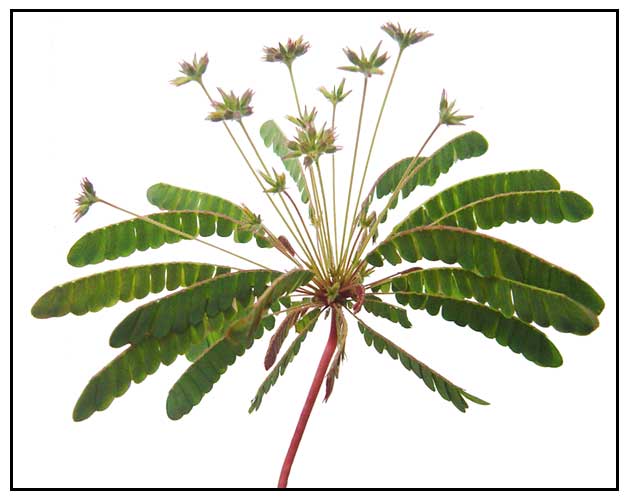
Ibaiba-an is an erect, branched, slender, glabrous or nearly glabrous herb,
10 to 40 centimeters high, with angled branches. Leaves are distichous, imbricate, alternate, pale beneath, sessile,
elliptic-oblong to oblong, thin, 5 to 10 millimeters long, obtuse or apiculate,
base slightly oblique, stipules lanceolate.
Flowers are unisexual, very small, 5-merous, axillary, about 1
millimeter in diameter, sessile or very shortly pedicelled. Sepal are greenish,
stamens 3, filaments united below; anthers erect, the slit vertical. Fruits are capsules, about 2 millimeters in diameter, muricate or smooth,
of 3 dehiscent.
Distribution
- A weed in open spaces at low and medium altitude.
- In waste places throughout the Philippines.
Constituents
- Contains alkaloids, tannins.
- Study isolated 14 compounds, seven were identified as: corilagin, rutin,
brevifolincarboxylic acid, isostrictiniin, geraniin, gallic acid and
ellagic acid. (10)
- Study isolated two new phenolic compounds, crystal VI (methyl brevifolincarboxylate) and crystal IX (trimethyl ester dehydrochebulic acid) together with 8 known compounds elucidated as n-octadecane(I), beta-sitosterol(III), ellagic acid(IV), daucosterol(V), kaempferol(VII), quercetin(VIII), gallic acid(X) and rutin(XI).
(15)
- Aqueous and chloroform plant extracts yielded tannins, saponins, flavonoids, cardenolides, phlobatannins, cardiac glycosides, and phenolic compounds. Specific bioactive compounds were methylene chloride (1),
2-(3- Oxo- 1,3-Dihydroisobenzenefuran-1- ylmethyl) Benzoic acid (2), Carissanol dimethyl ether (3), Phenethylamine, 2-Methoxy α,-Methyl-4,5-( Methylenedioxy) (4), 16 - Heptadecanal (5), Cyclohexane, 1-(1,5- Dimethylhexyl)-4-(4- Methylpentyl) (6). (see study below) (18)
Properties
- Considered abortifacient, ecbolic, febrifuge, antihepatotoxic, antiviral,
antibacterial and hypoglycemic.
- Studies have suggested anticancer, antidiabetic, antioxidant, antiviral, anti-inflammatory, anti-angiogenic, anti-telomerase properties.
Parts
utilized
· Entire plant.
Uses
Folkloric
· Infantile convulsions, hepatitis, jaundice.
· Nephritic edema, urinary infection and lithiasis.
· Enteritis-diarrhea, dysentery,
· Reddening and swelling pains of the eye.
· Dosage: use 15 to 30 gms of dried material or 30 to 60 gms
of fresh material in decoction.
· In Ayurveda, used to treat jaundice,
dysentery, diabetes, skin ulcers, itching.
· In China, used to eliminate gallstones and kidney stones; for liver disease and as immune stimulation.
Studies
• Ellagic Acid / Anti-Angiogenic Activity: Study evaluated the anti-angiogenic effect of a water extract of P. urinaria in chorioallantoic membrane in chicken embryo and human vascular endothelial cells. Results suggest that Ellagic Acid is the active component of P urinaria to exhibit anti-angiogenic activity and to inhibit the secretion of MMP-2 (matrix metalloproteinase-2) protein from HUVECs (human vascular endothelial cells). (11)
• Anti-viral / Anti-HSV2: (1)
Acetone, ethanol and methanol extracts of Phyllanthus urinaria inhibit
HSV-2 infection in vitro: Study showed the extracts likely inhibited
HSV-2 infection by decreasing virus infectivity and disturbing the early
stage of infection. (2) Study yielded excoecarianin with possible
entry-inhibitor activity against HSV2 and presents a potential for combinational
drug treatment in the management of HSV-2 infection.
• Chronic Hepatitis B: Study
of aqueous extracts of dried herbs of PU did not show cytotoxicity in
uninfected normal cells while protecting MDBK cells from viral infection.
Results support other clinical studies that suggests the herbal supplement
may be beneficial for chronic hepatitis B patients.
• Hippomanin / Anti-Herpes: Hippomanin
A from Acetone Extract of Phyllanthus urinaria inhibited HSV-2 but not
HSV-1 Infection In Vitro: Results shows hippomanin A impeded HSV-2 but
not HSV1. (2)
• Antioxidant / Cardioprotective:
Antioxidative and Cardioprotective
Effects of Phyllanthus urinaria L. on Doxorubicin-Induced Cardiotoxicity:
Study showed the PU's cardioprotection was mediated through multiple
pathways, and suggests this plant may be an alternative source of antioxidants
for the prevention of DOX cardiotoxicity. (3)
• Antioxidants: Study isolated a series of 15 phenolic compounds, including ellagitannins 1-7, flavonoids 8-10, and simple hydoxylated aromatic acides 11-15. Results demonstrated considerable
radical-scavenging activity. (4)
• Hepatoprotective: Study
of alcohol extract of Phyllanthus urinaria showed hepatoprotective effects
by inducing the activity of the liver enzyme system. (5) Study concludes that P urinaria is effective in attenuating the acetaminophen-induced hepatotoxicity. The therapeutic mechanism may involve the inhibition of cytochrome P450 CYP2E1 enzyme. (12)
• Anti-Telomerase Activity /
Anti-Cancer: Study investigated
the effect of P urinaria on telomerase activity and apoptotic pathways
in the human nasopharyngeal carcinoma lines. Study yielded 5 major compounds:
gallic acid, brevifolin carboxylic acid, corilagin, phyllanthusiin C
and ellagic acid. Results showed PU induces death of NPC-BM1 cells in
vitro through apoptosis induction and telomerase inhibition.
(6)
• Anticancer: Water
extract of P urinaria was tested for anticancer effect on human myeloid
leukemia cells. P urinaria induced apoptosis of HL-60 cells probably
mediated through a ceramide-related pathway.
• Anticancer Effects and Mechanisms: Study reports the anticancer effects of P. urinaria both in vivo and in vitro, together with relevant mechanisms. Study suggests the anticancer activity of the water extract is mainly due to induced apoptosis of cancer cells as demonstrated by DNA fragmentation and increased caspase-3-activity through both intrinsic and extrinsic pathways. Decrease in viability might be partly due to down-regulation of telomerase activation and induction of the apoptotic process. (16)
• Apoptosis in Human Osteosarcoma 143B Cells: Study demonstrated that P. urinaria inhibited human osteosarcoma 143B cells growth through an apoptotic extrinsic pathway to activate Fas receptor/ligand expression. Study offers evidence that mitochondria are essential for the anticancer mechanism induced by P. urinaria through both intrinsic and extrinsic pathways. (17)
• Anti-Diabetic: Study evaluated the antidiabetic properties of bioactive compounds extracted from P. urinaria. Chloroform and aqueous extracts both yielded bioactive compounds, with the aqueous extract showing to be richer in phytochemicals than the chloroform extract. The phytochemicals showed better efficiency in lowering blood glucose level as compared to metformin. (see constituents above) (18)
• Antagonistc Antimicrobial Activity with P. tectorius and L. rhamnosus: Study evaluated the bioactivity of P. urinaria leaf extract before and after it was combined with Pandanus tectorius fruit extract and Lactobacillus rhamnosus extract. In combination the extracts showed weaker activities. Results showed the antagonistic characteristics of P. urinaria and P. tectorius and L. rhamnosus on Staphylococcus aureus and Pseudomonas aeruginosa. (19)
• Amelioration of Nutritional Steatohepatitis: Study evaluated the effects of P. urinaria on nutritional steatohepatitis both in vitro and in vivo. Phyllanthus prevented MCD (methionine-and-cholie-deficient)-induced hepatic fat accumulation and steatohepatitis in mice, probably by dampening oxidative stress, ameliorating inflammation, and decreasing lipid accumulation. (20)
• Antiviral / Herpes Simplex Viruses: Study evaluated the antiviral activity of aqueous extracts of four Phyllanthus species against herpes simplex virus type-1 (HSV-1) and HSV-2 in Vero cells. P. urinaria exhibited the strongest antiviral activity against HSV-1 and HSV-2, with S1>33.6. (21)
• Anti-Inflammatory / Adjuvant-Induced Arthritis: Study evaluated the preventive effects of PU extract on paw edema in adjuvant-induced arthritis in rats. Results indicate the PU extract is effective as anti-inflammatory agent in adjuvant-induced arthritis in rats, an activity probably markedly influenced by the inhibition of neutrophil migration into inflamed tissue. (22)
• Antiviral / Corilagin: Study evaluated the antiviral effect of P. urinaria and corilagin, a major component, on EV71 (human enterovirus 71) and CA16 (coxsackie virus A16) infection in vitro. Results showed corilagin reduced the cytotoxicity induced by EV71 and CA16 on Vero cells with an !C50 value of 5.6 and 32.33 µg/ml, respectively. (23)
Availability
• Wild-crafted.
• Capsules and extracts in the cybermarket.
|