| Gen info
- Persea is a genus of about 150 species of evergreen trees in the laurel family, Lauraceae. The best known of the species is avocado, P. americana, widely cultivated in subtropical regions for its large, edible fruit.
- Taxonomy / Ancient history: The species was named by British botanist Philip Miller in 1768. The genus is considered to have a North American origin, with Persea suggested to have diversified in Central America during the Pleistocene epoch. The modern avocado is believed to have speciated from other Persea during Pleistocene, around 1.3 million or 430,000 years ago. Connie Barlow in her 2001 book The Ghosts of evolution, speculated the avocado is an "evolutionary anachronism" with megafaunal dispersal, arguing the avocado coevolved dispersal of its large seed by now-extinct magafauna. The concept is criticized by some, who note that many large fruits are readily dispered by non-megafaunal animals. (72) The avocado tree's history of cultivation in Central and South America dates back to as early as 5,000 BC. (72)
- Etymology: Avocado comes from the Spanish aguacate, which derives from the Mexican (Nahuatl) word ahuacatl, which goes back to proto-Aztecan. In Molina's Nahuatl dictionary "auacatl" is translated into compañon "testicle", which popular culture has taken testicle as the word's original meaning. (72) The English name avocado comes from a rendering of the Spanish aguacate as avogato. The name has journeyed from 1697 avogato pear to avocado pear, sometimes, alligator pear. (72)
 Botany Botany
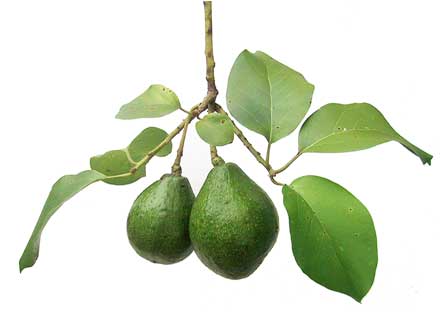
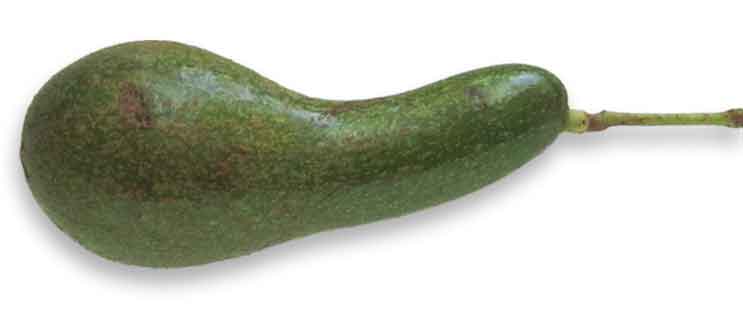
• Abukado is a medium-sized tree reaching a height of up to 10 to 15 meters. Leaves are alternate, leathery, oblong to oval or obovate, about 20 centimeters long. Flowers are small, yellow, borne in naked, panicled hairy cymes. Stamens are 12, in groups of 3 in 4 whorls. Fruit is large, fleshy, elongated, of various sizes and shapes, often resembling a pear, 8 to 18 centimeters long, some weighing as much as two kilos, soft and edible, with a nutty
flavor, color varying from yellow-green to purple.
Distribution
- Introduced from tropical America before the end of the sixteenth century.
-
Now extensively cultivated in the Philippines for its edible fruit.
- Usually grown from seeds, but may be propagated by budding, grafting,
and marketing.
- Native to Belize, Costa Rica, Guatemala, Honduras, Mexico Central, Mexico Gulf, Mexico Southeast, Mexico Southwest, Nicaragua. (37)
Constituents
- Fruit: fixed oil, 6-10%;
protein 1.3-6%.
- Leaves contain a volatile oil,, 0.5%, with methyl-chavicol, d-d-pinene and paraffin.
- Leaves yielded isorhamnetin, luteolin, rutin, quercetin and apigenin.
- Seed is rich in saponins, tannins, flavonoids and alkaloids.
- Study of seed extract yielded
alkaloids, saponins, tannins, flavonoids, cyanogenic glycosides. Proximate analysis yielded moisture, 12.90± 1.57%; crude fat, 18.53 ±0.26%; crude protein, 18.55 ±1.26%; carbohydrate, 47.35±24%; ash, 2.6±0.63%; and crude fiber, 3.17 ±0.17%. Mineral content showed calcium 12.30±0.08 mg; iron 0.307±0.13 mg; magnesium 21.12 ±3.86 mg; phosphorus 46.00 ±1.72 mg; potassium 103.8±0.22 mg; sodium 0.302±0.02 mg; and zinc 0.087±0.01 mg per 100 gm weight. (34)
- Phytochemical constituent analysis of leaf, fruit, and seed (mg/100g) yielded: saponins 1.29±0.08 L, 0.14±0.01 F, 19.21±2.81 S; tannins 0.68±0.06 L, 0.12±0.03 F, 0.24±0.12 S; flavonoids 8.11±0.014 L, 4.25±0.16 F, 1.90±0.07 S; cyanogenic glycosides ND L & F, 0.06±0.02 S; alkaloids 0.51±0.21 L, 0.14 F, 0.72±0.12 S; phenols 3.41±0.64 L, 2.94±0.13 F, 6.14±1.28 S; steroids 1.21±0.14 L, 1.88±0.19 F, 0.09 S. (42)
- Leaf and bark extracts yielded
saponins, tannins, flavonoids, and terpenoids. (see study below) (42)
- The fruit yields a caloric density of 1.7 kcal per gram and a half unit (± 70 g)
yields 114 kcal, 4.6 g of fiber, 345 mg potassium, 19.5 mg of magnesium, 1.3 mg vitamin E and 57 mg of phytosterols. About 75% of fiber contents are insoluble, 25% are soluble. Lipids are 71% monounsaturated fatty acids (MUFA), 13% polyunsaturated (PUFA), and 16% saturated (SFA). (see study below) (49)
Properties
- Digestive, emmenagogue,
antibacterial, antioxidant, antifungal, pectoral, stomachic, anthelmintic,
antiperiodic, antidiarrheal.
- Pulp considered to have aphrodisiac and emmenagogue properties.
- Seed considered insecticidal, fungicidal, anti-microbial, hypocholesterolemic.
- Studies have suggested anticonvulsant, hypoglycemic, hypolipidemic, hypotensive, antitumor, larvicidal, antidiabetic, antibacterial, anticancer, chemopreventive, wound healing, pesticidal, larvicidal,
immunomodulating, anti-adhesion, anti-obesity, antiviral, vasorelaxant, antiulcer, antihepatotosic, antioxidant, antimycobaterial, antiproliferative, anti-inflammatory, anti-sickling, gastroprotective, anti-acne, nephroprotective, hepatoprotective, cardioprotective, antihelmintic, anticoccidial properties.
Parts
used
Bark, fruit, leaves
and seeds.
 Uses Uses
Edibility
• Fruit eaten with a dressing as a salad.
• Makes an excellent ice cream and dessert.
• A good source of vitamins A, some B, C and E, potassium (higher
than bananas) and fiber ; fair source of iron; low in calcium. A fruit
with high-energy producing value, each edible pound allegedly provides
an average of 1,000 calories.
• Fat content averages about 20 percent and increases with maturity of the fruit. The digestibility of the fat is comparable to that of butter fat.
• The caloric or energy-producing value of avocado is high. One pound of edible portion represents an average of 1,000 calories. The maximum yield is about twice that of lean meat.
• High in fat, about 25-35 gms on average. however, about 65%
of it is health-promoting monounsaturated fat, particularly oleic acid.
• Mineral content is considered greater than in any other fresh fruit. Salts of sodium, potassium, magnesium, and calcium compose more than one-half of the ash. It yields an excess of base-forming elements, compared to nuts which furnish an excess of acid-forming elements.
• Protein content, which averages 2%, is higher than any other fresh fruit.
• Leaves used as a substitute for tea.
Folkloric
• The pulp is thought
to promote menstruation.
• The pulp is used to hasten the suppuration of wounds.
• The pulp is considered aphrodisiac and emmenagogue.
• Ointment from pulverized seeds sometimes employed as rubefacient.
• Decoction of pulverized seeds used as gargles for toothaches; also, a piece of the seed placed in the cavity of the tooth to relieve toothaches.
• The leaves and bark promote menstruation; the tea has been used
to expel worms.
• Used for diarrhea and dysentery.
• Rheumatism and neuralgia: Pulverize seeds or bark, mix with
oil and apply on affected area as
counterirritant.
• Beverage: Take decoction of leaves as tea.
• Pulp is applied to shallow cuts, prevents infection.
• Flesh of ripe fruit is soothing to sunburned skin.
• In different parts of the world, has been recommended for anemia,
exhaustion, high cholesterol, hypertension, gastritis and duodenal ulcers.
The leaves have been reported effective as antitussive, antidiabetic,
antiarthritic and anti-inflammatory.
• In Mexico, rind of the fruit used as anthelmintic. In the form of a liniment, used in intercostal neuralgia. Seeds, crude or toasted, are used to treat skin rashes, diarrhea, asthma, hypertension, rheumatism, and dysentery caused by helminths and amoebas,
• In many African countries used in traditional medicine for gastritis, gastroduodenal ulcers, hypercholesterolemia, hypertension, anemia.
• In Nigeria, seed extracts used for hypertension.
Others
• Ink: Juice from seeds yields a milky juice which turns red on exposure; used
to make permanent ink for fabric lettering.
• Colorant: Seed yields a vibrant orange extract, which has been developed as a food colorant. (see study below) (57)
• Poison: Unripe fruit is poisonous and ground-up seed mixed with cheese is used as a rat and mouse poison. (58)
• Timber: Wood used for house building, especially for house posts, light comstruction, furniture, cabinet making, carving, musical instruments, and various small articles. Also yields a good quality veneer and plywood. Wood is susceptible to termite attack. (58)
• Fodder: Surplus fruit is used as food source for pigs and other livestock. (58)
 Toxicity Toxicity
• Avocado leaves, bark, skin, or pit have been documented to be harmful, even fatal, when consumed by animals: cats, dogs, cattle, goats, rabbits, rats, guinea pigs, bids, fish, and horses. The fruit is also poisonous to some birds.
• The ASPCA (American Society for the Prevention of Cruelty to Animals) lists it as toxic to horses.
• Leaves
contain a toxic fatty acid derivative, persin, which in sufficient quantity can cause colic in horses, and without veterinary treatment, death. (70)
•
Lactating livestock
eating avocado leaves may develop non-infectious mastitis and agalactia.
Allergies
• Two kinds of allergic reactions may occur from avocado: (1) Tree-pollen allergy which may cause symptoms in the mouth and throat after eating avocado, and (2) Latex allergy which may cause generalized urticaria (hives), abdominal pain, and vomiting, which can be life-threatening. (70)
Studies
• Anticonvulsant / Leaves:
Anticonvulsant effect of Persea americana Mill (Lauraceae) (Avocado)
leaf aqueous extract in mice: In African traditional
medicine, Persea americana has been used in various human ailments
including childhood convulsions and epilepsy. A study showed that avocado
leaf aqueous extract (PAE) produces anticonvulsant effect by the enhancement
of GABAergic neurotransmission and/or action in the brain. (1)
• Hypoglycemic / Leaves:
Hypoglycemic activity of aqueous leaf extract of Persea americana:
A Nigerian study revealed that the leaf extract contained various pharmacologically
active compounds such as saponins, tannins, phlobatannins, flavonoids,
alkaloids and polysaccharides. Although the results were incomparable
to the reference drug (chlorpropamide), it confirms the ethnomedical
use of the plant for diabetes management. More studies are needed to
identify the hypoglycemic principles and its mechanism of action. (2)
• Hypoglycemic / Hypolipidemic:
Hypoglycemic and Hypocholesterolemic Potential of Persea americana Leaf
Extracts: A effect of aqueous and methanol extracts
of Persea americana on plasma glucose, total cholesterol, low-density
lipoprotein cholesterol (LDL-CHOL), and high-density lipoprotein cholesterol
(HDL-CHOL) in rats was investigated. Results suggested lowering effects
on glucose and lipid metabolism influences with lowering of Total and
LDL cholesterols, an effect of HDL-cholesterol and a potential protective mechanism
against atherosclerosis. (3)
• Antiobesity / Hypolipidemic: Effects
of Persea Americana leaf extracts on body weight and liver lipids in
rats fed hyperlipidemic diet: The study results
hypothesize that P. americana leaf extract increases catabolism of lipids
accumulated in adipose tissue causing a decrease in mean body weight
gain and raises the question if higher concentrations of the leaf extract
would reduce liver levels in obesity and fatty liver conditions.
(4)
•
Hypotensive / Leaves: Leaf constituents of Persea americana given
intravenously induced a marked fall in mean arterial blood pressure
lasting 2-3 mins. The short duration was assumed due to rapid metabolism. (6)
• Toxicity / Persin: Study
of avocado leaves isolated an active principle, persin. Previously shown
to have antifungal properties and to be toxic to silkworms. At high
doses, persin can induce mammary gland necrosis and myocardial fiber
necrosis, the mechanism for which still remain to be resolved.
• Cytotoxic/ Antitumor / Pesticidal:
Study of unripe avocado fruit isolated three major bioactive constituents
which showed activity against six human tumor cell lines with selectivity
for human prostate adenocarcinoma, with one compound being as potent
as adriamycin. also, one compound was shown to be more effective than
rotenone, a natural botanical insecticide, against yellow fever mosquito
larva.
• Toxicity / Larvicidal / Antifungal:
Study of extracts of avocado seeds showed toxicity towards Artemia salina,
activity against Aedes aegypti. Extracts were also active against all
yeast strains, Candida spp, Cryptococcus neoformans and Malassezia pachydermis. (8)
• Vasorelaxant: Study of aqueous
leaves extract on isolated rat aorta produced significant vasorelaxation,
an effect attributed to the synthesis or release of endothelium-derived
relaxing factors and/or release of prostanoids. Extract also reduced
vasoconstriction probably through inhibition of Ca influx through calcium
channels. (9)
• Antimicrobial / Antimycobacterial:
Study demonstrated antimycobacterial activity and suggests a potential
source for antituberculosis drugs. (10)
•
Persealide / Cytotoxicity: Study of ETOH extract isolated
'persealide' which showed moderate cytotoxicity against three solid
tumor cell lines: human lung carcinoma, human breast carcinoma and human
colon adenocarcinoma. (11)
• Anti-Viral : Study showed
infusion of P. americana leaves strongly inhibited herpes simplex virus
type 1, Adenovirus type 3 and Aujeszky's disease virus. (12)
• Acute and Subacute Toxicity Studies: Acute toxicity study showed a relatively low LD50 for the seed extract. Treatment for 14 days decreased food consumption, body weight, blood glucose, Hb and hepatic cholesterol levels.
(13)
• Hypoglycemic / Pancreatic Protective: Study showed
restorative effect of the ethanolic extract on pancreatic islet cells. Results suggest a potential for the management of diabetes.(14)
• Immunomodulating / Anti-Adhesion Property: Study showed that P americana has the potential to interfere with the adhesion of all the oral bacteria in host epithelial surfaces. Its significant inhibition property suggests that like cranberry juice, avocado juice can also be consumed to avoid urinary tract infections with E coli. (16)
• Hypolipemic Effects: (1) Study showed treatment with various doses of a methanolic extract of Persea americana seeds caused a significant reduction in the levels of TC, TG, LDLC, and VLDLC while the levels of HDLC increased significantly. (17)
• Antioxidant / Leaves Phytoconstituents: Study of leaves isolated isorhamnetin, luteolin, rutin, quercetin and apigenin. On free radical scavenging testing using the DPPH and H2O2 assays, quercetin showed the highest scavenging activity.
• Wound Healing / Fruit: Study evaluated the wound-healing activity of a fruit extract in rats. Results showed the rate of wound contraction, epithelialization time together with hydroxyproline content and histological findings support its use in the management of wound healing. (19)
• Anti-Ulcer Activity: Study in rats showed both aqueous and methanolic extracts of Persea americana were not potent enough to reduce gastric acid secretion in rats but inhibited histamine-stimulated acid secretion probably by inhibition of H2-receptors. (21)
• Chemo-Protective: Studies have shown phytochemicals extracted from avocado fruit selectively induce cell cycle arrest, inhibit growth, and induce apoptosis in precancerous and cancer cell lines. This study suggest phytochemicals from the fruit have a potential as a chemoprotective ingredient for lowering the side effect of chemotherapy like cyclophosphamide in cancer therapy. (22)
• Antibacterial / Antimycobacterial: Methanol extracts from both Persea americana and Gymnosperma glutinosum showed to possess antimycobacterial activity. Persea americana showed higher antimicrobial activity against the mycobacteria strains.
• Liver-Kidney Effects: Study evaluated the histopathologic effects of P. americana leaf extract on liver and kidneys of rabbits. Histopath of the liver and kidney of recommended and high dosage groups were not different from the control suggesting the plant extract to be beneficial, except for loose stool suggesting increased bowel emptying. (23)
• Wound Healing Benefits / Oil: Study showed avocado oil is rich in oleic acid and essential fatty acids. When used in natural or in pharmaceutical formulations for topical use, avocado oil can promote increased collagen synthesis and decrease the numbers of inflammatory cells during the wound healing process. (26)
• Anti-Hyperlipidemic Activity / Leaf Extract: Study evaluated the anti-hyperlipidemic activity of a methanol leaf extract in cholesterol-induced hyperlipidemic rats. Results showed a dose-dependent reversal of hyperlipidemic by the methanol extract of leaves. The MEPA also caused a dose-dependent reduction of plasma lipid peroxidation in rats. The anti-hyperlipidemic effect was comparable to standard drug cholestyramine. (27)
• Anti-Ulcer / Leaves: Study of an aqueous extract of leaves against ethanol/Hcl and indomethacin-induced gastric ulcer showed anti-ulcer effects, with significant reduction of ulcer index, possibly through a decrease in gastric secretion. (28)
• Antiprotozoal / Antimycobacteria / Seeds: Study of chloroformic and ethanolic extracts of seeds showed significant activity against E. histolytica, G. lamblia, and T. vaginalis. The chloroformic extract inhibited the growth of M. tuberculosis H37Rv. Results showed amoebicidal, giardicidal and antimycobacterial activities. (29)
• Hypotensive / Seeds: Study of aqueous seed extract showed reduction of blood pressure in normotensive Sprague-Dawley rats, possibly through reduction of heart rate. (30)
• Cardiotoxicity of Acetogenins: Study evaluated a new acetogenins-enriched extract from the seed of Persea americana to investigate its toxicity on cardiac tissue. Results showed the acetogenins-enriched extract could directly modulate permeability transition, resulting in cardiotoxicity. (31)
• Hypolipidemic / Seeds: Study evaluated the effect of avocado seed flour (ASF) on lipid levels of mice on a hyperlipidemic diet. Treatment with ASF significant reduced the levels of total cholesterol, LDL-C, and prediction of the atherogenic index. The effect was attributed to the antioxidant activity of phenolic compounds and dietary fiber in ASF. (33)
• Antidiabetic / PTP1B Inhibitory Effect: Study evaluated an aqueous extract of leaves and its fractions for inhibitory activity on protein tyrosine phosphatase 1B (PTP1B) as target of type 2 diabetes. Results showed promising antidiabetic property with concentration dependent inhibition of the enzymatic activity of PTP1B. PTP1B (protein tyrosine phosphatase 1B) has been implicated in the negative regulation of insulin signaling by dephosphorylating the insulin receptor and its substrate. In addition to insulin sensitization, inhibition of of PTPB1 also has potential benefit for weight loss. (35)
• Antisickling Property: Study evaluated the antisickling properties of crude juice extracts of edible portions of three commonly consumed tropical fruits, viz., Persia americana, Citrus sinensis, and Carica papaya, alongside a new drug preparation Ciklavit which has antisickling activity. Results showed Ciklavit produced the highest level of antisickling effect, followed by the alkaline and alcoholic extracts of P. americana. (36)
• Antihepatotoxic: Study of methanolic extract showed antihepatotoxic activity in rats with acute paracetamol intoxication. The activity was attributed to the antioxidant action of catalase (CAT), superoxide dismutase (SOD), and glutathione peroxidase, which are primary intracellular defense mechanisms to cope with increased oxidant stress. (Martins Ekor et al) (38)
• Acute Toxicity Study / Non-Genotoxic / Seed:The ethanolic extract of seed showed an acute toxic effect at concentration starting at 500 mg/kg.
Study showed no genotoxic activity in the micronucleus test in rodents. Lack of in vivo genotoxic activity suggests potential of seed extract as possible food, cosmetic, or pharmaceutical material. (39)
• Hypocholesterolemic / Seeds and Leaves: Study evaluated the effects of aqueous extracts of leaves and seeds on cholesterol and various enzyme markers. Results showed a hypocholerolemic effect suggesting benefit in the treatment of hypertension and reduction of cardiovascular risks. Prolonged administration of aqueous extracts of leaves and seeds may cause inflammation or damage of liver cells. (40)
• Interactions with Coumadin: Avocado has been reported to decrease the effectiveness of warfarin (Coumadin). Decreasing the effect of warfarin might increase the risk of clotting and might require an change in warfarin dose. (41)
• Antibacterial / Leaf and Bark: Study evaluated the antibacterial activities of methanolic extract of leaf and bark against S. pyogenes, P. mirabilis, S. typhi, K. pneumonia, E. coli, B. subtilis, S. aureus, and P. aeruginosa. The bark extract showed higher antibacterial activity compared to the leaf extract. (42)
• Larvicidal
Against Malaria Vector Anopheles gambiae / Seeds: Study evaluated the potential larvicidal activity of P. americana seed extracts against A. gambiae 3rd and 4th instar larvae. Results showed dose dependent mortalities after 24 hours at 40µg. LC50 value was lowest for the chloroform extract. (43)
• Effect on
Aminotransferase, Cholesterol and Bile Acids in Hypertensive Patients: Study evaluated the effect of liquid extract of leaf on plasma levels of aminotransferases, total bile acids, and total and LDL cholesterol in 50 anicteric newly diagnosed hypertensive patients. Results showed a significant increase in plasma ALT and AST which suggest a toxic liver effect with potential for liver damage. Evaluation of these biochemical parameters are suggest in the use of extract for hypertensive patients. (44)
• Hepatotoxic Effect / Seeds: Study evaluated the hepatotoxic effect of aqueous and phenolic extracts of Persia americana seed. Serum levels of AST, ALT, and ALP were significantly higher in extract groups. Liver biopsy of extract treated groups showed severe degeneration of hepatocytes. Study suggests seeds extracts may contribute significantly to liver damage at higher doses. (45)
• Antivirucidal / Virustatic Anti-HIV Effects / Leaves: Study evaluated aqueous and methanolic extracts of leaves for cellular toxicity and anti-HIV-1 activity both in virustatic and virucidal assays. Results showed moderate anti-HIV-1 activity in vitro. (46)
• Avocado Peel as Tea / Antioxidant: Study evaluated the chemical and mineral composition, total phenolic and flavonoid content and antioxidant activity by DPPH and FRAP assay. Dried avocado peel yielded major phenolic compounds (10,847.27±162.34 mg GAE/kg) and flavonoids (1,360±188.65 mg EQ/kg). Antioxidant activity by DPPH was 1,954 ± 87.92 µmol TE. Results showed good antioxidant activity and good sensory acceptability. (47)
• Antidiabetic / Seed: Study evaluated the effects of aqueous extract of seeds on alloxan induced diabetic rats. Results showed a significant decrease (p<0.001) in blood glucose. The results may be due to certain mineral elements and phytochemicals. (48)
• Avocado and Cardiovascular Health: Review summarizes the potential benefits of avocado consumption in the prevention of cardiovascular risk factors. Studies suggest avocado may improve hypercholesterolemia and be beneficial in the treatment of hypertension and T2DM. (see constituents above) (49)
• Antimalarial / Leaves: Study evaluated the antimalarial activity of extracts and fractions of leaves of Persea americana and Dacryodes edulis against Plasmodium berghei in both curative and suppressive antimalarial mouse models. Persea americana demonstrated significant (p<0.05) maximal plasmodial inhibition at 52.16 ± 2.77% and chemosuppression of parasitemia of 64.01 ± 0.08%. On acute toxicity testing, P. americana showed an LD50 greater than 4000 mg/kg, with no visible signs of overt toxicity such as tremors, loss of appetite, lacrimation, diarrhea, or salivation. Results suggest potential lead compounds against malaria. (50)
• Toxicogenetic Study of Fruit Pulp Oil / Genomic Instability: Persia americana
fruit pulp oil showed no genotoxic effect in the invitro and invivo test system. P. americana fruit pulp oil reduced the genotoxicity induced by different mutagens. The highest PAO tested caused an increase in levels of AST indicating hepatic/tissue damage, which may be related to high concentrations of palmitic acid, the main component of PA oil. The PAO was effective in reducing the chromosome damage induced by MMS and doxorubicin. Results contribute to safety assessment of PAO as a medicinal plant for human use. (51)
• Effect on Human Keratinocytes and Fibroblasts / Seeds: Persia evaluated seed extracts and fractions for in vitro influence on proliferation, differentiation, cell viability, and gene expression on HaCaT and normal human epidermal keratinocytes (NHEK) and normal human dermal fibroblasts (NHDF). Results showed the extracts had a high impact on cellular function like proliferation, enzyme activity, and differentiation of skin cell based on influence on their gene expression.
Study suggests activities of HSCCC fractions M2 and M6 can be evaluated for their properties to improve wound healing. (52)
• Changes in Phytochemical and Proximate Composition with Ripening / Seeds: Study evaluated the changes in proximate and phytochemical compositions of avocado seeds associated with ripening. Crude fat content was higher in the ripe. Levels of alkaloids (4.8%) and saponins (1.739%) were higher in the ripe seeds. Ripening significantly increased fat, alkaloids and saponins, but lowered the carbohydrate content. Results suggest ripe seeds may be a better source of antioxidant compounds due to higher phytochemical content.
(54)
• Antiproliferative / Apoptosis Induction / MCF-7 Breast Cancer Cell Line / Seeds: Study evaluated the effect of avocado seed extract on viability and apoptosis of breast cancer cell line MCF-7.
Chloroform extract showed strong cytotoxic activity against MCF-7 cell line with IC50 of 94.87 µg/mL. Cytotoxic activity of methanol soluble fraction and non soluble fraction against MCF-7 cell line was increased with IC50s of 34.52 and 66.03 µg/mL, respectively. Methanol soluble fraction could induce apoptosis and modulate cell cycle arrest in MCF-7 cell. (55)
• Antimicrobial / Peel: Study
evaluated the antimicrobial activity of ethanolic extract of Persea americana peel against S, aureus, P. vulgaris, E. faecalis, E. coli and P. aeruginosa.
Using disc diffusion method, the ethanol peel extract showed antimicrobial activity against Gram positive and negative bacteria with strongest inhibition zone at 100% and weakest at 0.4%. (56)
• Anti-Inflammatory / CASE / Colored Avocado Seed Extract: Study
of seeds yielded a vibrant orange-colored extract,
which was developed as a food colorant. Study evaluated the colored avocado seed extract (CASE) for anti-inflammatory potential. Treatment of LPS-stimulated RAW 264.7 cells with CASE for 24h reduced the production of pro-inflammatory cytokines, IL-6, TNF-α, and IL-1ß. NO production was reduced in a dose dependent manner, which was associated with a decrease in protein expression of iNOS. PGE2 production was significantly reduced. Results suggest CASE may be a source of anti-inflammatory compounds which can be exploited as functional food ingredients as lead compounds for pharmaceutical development. (57)
• Effect on Metabolic Syndrome: Metabolic syndrome is a clustering of risk factors, which include high blood sugar, dyslipidemia, hypertension, and obesity that leads to increased risk for T2 diabetes mellitus and cardiovascular diseases. Study
of seeds yielded a vibrant orange-colored extract,
which was developed as a food colorant. This review discusses the pharmacologic effects of avocado viz., lipid lowering, antihypertensive, antidiabetic, anti-obesity, antithrombotic, antiatherosclerotic, and cardioprotective and its potential application in the treatment of metabolic syndrome. Review the effects of peel, seed, flesh, and leaves of avocado on metabolic syndrome. (59)
• Gastroprotective / Indomethacin Induced Gastropathy / Seeds: Study evaluated the gastroprotective effect of seeds of Persea americana seeds in reducing production of reactive oxygen species and to decrease gastric lesions induced by indomethacin
. Results showed approximately 4-fold reduction reduction of lesion area. Results suggest a potential therapeutic strategy for the prevention of gastric lesions induced by NSAIDS, probably via antioxidant mechanisms. (60)
• Effect on Female Reproductive System / Seeds: Study evaluated the effect of hydro-methanolic seed extract of Persea americana on female hormones and toxicity profile using animal models. The extract altered the hormonal profile: FSH and progesterone. With FSH. There was an initial dose-dependent decrease followed by an increase. Progesterone was dose-dependently increased. These suggest a cumulative effect. There were no deleterious hemato-biochemical changes noted. Presence of biomarkers flavonoids were confirmed. Results suggest effects on female hormone activity and caution in use by women intending to conceive. (61)
• Anti-Diabetic / Activation of PKB/Akt / Leaves: Study evaluated the hypoglycemic properties and molecular mechanism of hydroalcoholic extract of leaves to reduce blood glucose in streptozotocin-induced diabetic rats via the enzymatic pathway of protein kinase B (PKB/Akt). There was reduction of blood glucose and improvement in the metabolic state of the animals. PKB activation was observed in the liver and skeletal muscle of the treated animals. Results showed anti-diabetic properties of the leaves probably via regulation of glucose uptake in liver and muscles by way of PKB/Sky activation, restoring the intracellular energy balance. (62)
• Comparative Anti-Diabetic Activity of Leaves Extracts : Study evaluated the beneficial effects of aqueous, ethanolic, and methanolic leaf extracts on glucose homeostasis in type 2 diabetes mellitus using Wistar rats induced with nicotinamide and streptozotocin. All extracts at 100 mg/po/kbw significantly (p<0.001) reduced blood glucose levels on the 28th day of treatment. The methanolic extract showed most pronounced effect. Treatment was well tolerated. There was improvement in TC and HDLC levels. The ME reduced the atherogenic index by 45%. There was regeneration of pancreatic islets of Langerhans. ME prevented intestinal glucose uptake by up to 60%. (63)
• Comparative Antioxidant and Mineral Composition of Ripe and Unripe Seeds : Study evaluated the mineral composition and antioxidant activities of ripe and unripe seeds of avocado. Mineral analysis showed the seeds of ripe avocado contain higher amounts of sodium (96.1 mg/kg), calcium (2353.1 mg/kg), magnesium (392.2 mg/kg), iron (420.65 mg/kg,), and manganese (890 mg/kg). The concentrations of potassium (3982. 5 mg/ mg/kg) and zinc (81.3 mg/kg) were higher in unripe seeds/ Antioxidant activity assays showed that seeds from ripe avocado exhibited higher free radical scavenging ability with lower IC50 values compared to unripe seeds.
(64)
• Analgesic / Anti-Inflammatory / Leaves: Study of aqueous extract of P. americana leaves produced a dose-dependent inhibition of both phases of formalin pain test in mice, a reduction in mouse writhing induced by acetic acid and elevation of pain threshold in the hot plate test in mice. The extract also exhibited dose-dependent inhibition of carrageenan-induced rat paw edema.
Results indicate analgesic and anti-inflammatory activities. (65)
• Cardiovascular Effects / Leaves: Study evaluated the cardiovascular effects of a leaf extract of Persea americana on some experimental animal paradigms. Effects on myocardial contractile performance was evaluated on guinea pig isolated atrial muscle strips while vasodilatory effects were tested on isolated portal veins and thoracic aortic rings of healthy normal Wistar rats in vivo. Results showed the PAE caused bradycardia, vasorelaxation, and hypotension in the mammalian experimental models. The vasorelaxant action of PAE was endothelium dependent, and therefore, dependent on the synthesis and release of nitric oxide. Results suggest the leaf can be used as a natural supplementary remedy in essential hypertension and certain cases of cardiac dysfunctions. (66)
• Anti-Helicobacter pylori: Study evaluated the in vitro anti-H. pylori activity of 53 plants in Mexican traditional medicine for gastrointestinal disorders. Persea americana was one of four methanolic extracts that showed highest inhibitory effect with MICs <7.5 to 15.6 µg/ml. (67)
• Antimotility / Anti-Spastic / Leaves: Leaves of Persea americana are used in traditional medicine to treat or prevent gastrointestinal spasm-related disorders, like diarrhea. Study evaluated the basis for the anti-spastic use of leaves of P. americana in folk medicine. Leaves were investigated for qualitative and quantitative constituents along with effects on gastro-intestinal motility (transit) and castor0oil induced intestinal fluid sodium and potassium ion concentrations. Phytochemical studies of chloroform and methanol fractions showed alkaloids 2.67 and 2.57%, flavonoids 3.20 and 2.95, saponins 2.15 and 2.23%, tannins 2.48 and 2.73%, steroids 1.36 and 1.10% respectively, terpenoids, proteins, and carbohydrates in both fractions. Results showed significant )p<0.05) and dose related decreases in gastrointestinal motility and concentration of intestinal fluid potassium ions
Only the chloroform fraction decreased intestinal fluid concentration of sodium ions. Results were comparable to standard anti-diarrheal drug, hyoscine butylbromide. (68)
• Antiproliferative / Breast Cancer Cell Line / Leaves: Study
evaluated five medicinal plants, including root bark of Persea americana, used in Nigerian traditional medicine for the treatment of cancer. Cell proliferative and apoptotic effects were evaluated using four cancer cell lines. Of the five extracts, the root back of P. americana demonstrated significant (p<-0.05) anti-proliferative activity against estrogen receptor positive breast cancer cell lines (MCF-7). (69)
• Anti-Acne / Residues: The avocado epicarp and seed are discarded as waste. Study evaluated the antibacterial, anti-inflammatory and immunomodulatory effect of ethyl acetate extracts from avocado residues (seed-SA and epicarp-EA) as new therapies to treat acne. (70)
• Ameliorative on CCl4 and Rifampicin Induced Toxicity / Leaves: Study evaluated the ameliorative potential of leaves extract on carbon tetrachloride and rifampicin-induced toxicity in liver, kidney, and heart of albino rat. Treatment significantly (p<0.05) restored all deranged biochemical parameters (creatine kinase, AST, ALT, AP, urea, uric acid, bilirubin, MDA, lipid profile, SOD and catalase) in a dose-dependent manner. Hepatic and renal histoarchitecture were also restored. (73)
• Antihypertensive / Leaves and Nanoparticles: Study evaluated the effect of avocado leaf extract, including nanoparticles, on salt-induced hypertensive Wistar rats in inhibiting the ACE enzyme. which decreases systolic and diastolic blood pressure and increases urine volume. The extract revealed quercetin 1129,597 ppm and 10 mineral compounds, including potassium. Antioxidant activity by DPPH assay showed IC50 of 44.734 ppm. Leaf extract nanoparticles showed most significant blood pressure lowering in Wistar rats induced by 16% NaCl. The leaf extract NPs showed highest urine volume at 14.5 mL, with highest DAE value of 2.25. ACE inhibitor test using ELISA showed the leaf extract and NPs inhibition of ACE enzyme of 60.0% and 59.5%, respectively. Results showed both leaf extract and nanoparticles extract were effective antihypertensive. (74)
• Anthelmintic / Anticoccidial / Fruit: Study evaluated invitro and invivo effect of P. americana fruit extract (PAFE) on helminthiasis and coccidiosis. PAFE showed significant anthelmintic activity against Allolobophora caliginose comparable to mebendazole with lesser time to paralysis and death for 200 mg/mL.
In invitro anticoccidial evaluation, PAFE significantly inhibited oocyst sporulation in a dose-dependent manner. PAFE
showed good anticoccidial activity based on significant change in body weight feed intake, oocysts output, and content of carbohydrates and protein. Results showed powerful anthelmintic and anticoccidial effects. (75)
• Chemopreventive / Fruits and Seeds: Study evaluated the chemopreventive mechanisms of hydro-ethanolic fruit and seed extracts from avocado in diethylnitrosamine (DEN)/2-acetylaminofluorene (2AAF)-induced hepatocarcinogenesis. Rats administered DEN/2AAF and treated with extracts revealed marked decrease in liver enzyme activities, total bilirubin levels, and elevated liver tumor makers, but showed increase in total protein and albumin levels. Hepatocytes with hyperchromatic and bile duct cystadenoma in DEN/2AAF treated rats were reduced with extract treatment. Treatment ameliorated lowered glutathione peroxidase, glutathione-S-transferase, SOD activities, and glutathione content in liver tissues. Results suggest avocado extracts can lessen hepatocarcinogenesis in rats administered DEN/2AAF
through activation of antioxidant, anti-inflammatory and apoptotic properties. (76)
• Encapsulation of Lyophilized Extract of Leaves: Study evaluated the
pharmaceutical suitability of lyophilized crude aqueous extract of leaves as plant material for encapsulated hydroxypropyl methyl-cellulose capsule. The manufactured capsules met the US Pharmacopeia specification for weight uniformity and disintegration time, passed the microbial test with no growth of E. coli, P aeruginosa, S. aureus, and Salmonella, and release of active ingredient from the dosage form. Results suggest potential for commercial production. (77)
• Effect on Lymphocyte Count in E. coli Induced Mice / Seeds: Study evaluated the effect of avocado seed powder on lymphocytes number in E. coli induced Sprague-Dawley mice. Results showed 10% avocado seed powder can effectively suppress the lymphocyte count in E. coli induced mice. (78)
Availability
Wild-crafted.
Cultivated. |