Gen info
- Akapulko belongs to Secretary of Health Juan Flavier's 1992 brochure of 10 medicinal plants (akapulko, ampalaya, bawang, bayabas, lagundi, niyog-niyogan, pansit-pansitan, sambong, tsaang-gubat, yerba buena), which provided underpinning and roots for the 1977 TAMA (Traditional and Alternative Medicine Act).
Botany
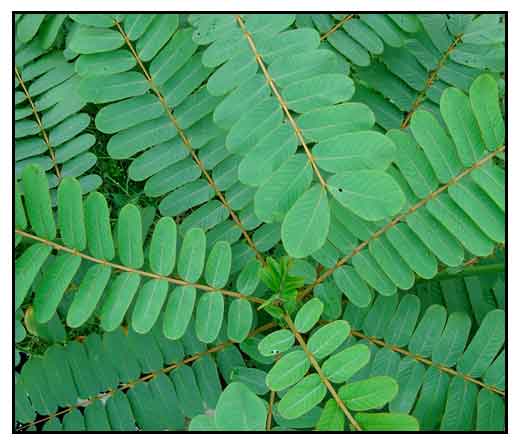
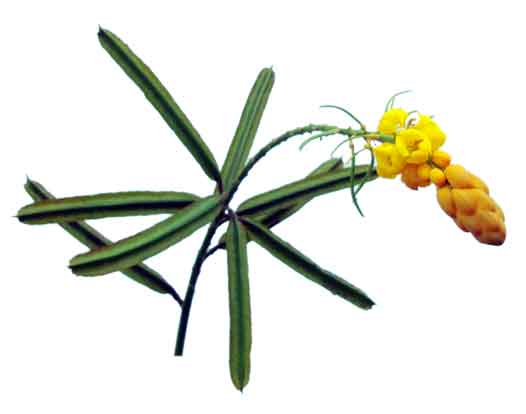
• Akapulko is a coarse, erect, branched shrub, 1.5 to 3 meters high. Leaves are pinnate and 40 to 60 centimeters long, with orange rachis on stout
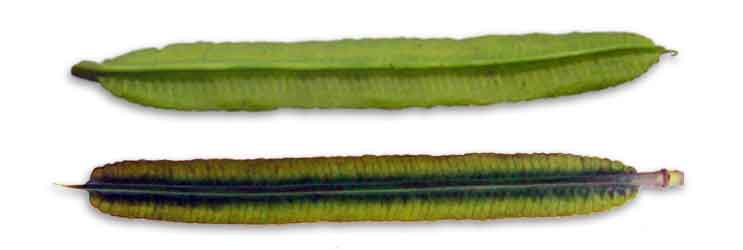
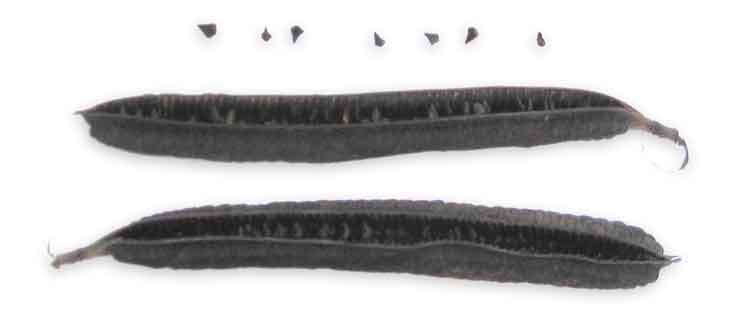
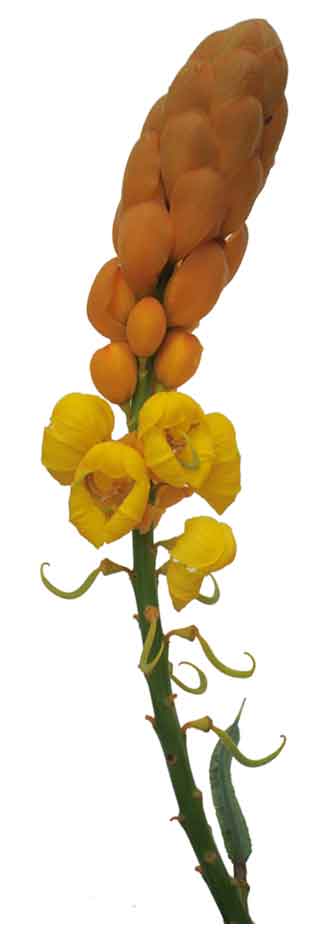
branches. Each leaf has 16 to 28 leaflets, 5 to 15 centimeters in length, broad and rounded at the apex, with a small point at the tip. Leaflets gradually increase in size from the base towards the tip of the leaf. Inflorescences are terminal and at the axils of the leaves, in simple or panicled racemes, and 10 to 50 centimeters long. Flowers are yellow, about 4 centimeters inn diameter, at the axils of thin, yellow, oblong, concave bracts which are 2.5 to 3 centimeters long. Pod is rather straight, dark brown or nearly black, about 15 centimeters long and 15 millimeters wide. On both sides of the pods there is a wing that runs the length of the pod. Pod contains 50 to 60 flattened, triangular seeds.
Distribution
- Abundant throughout the Philippines in settled areas at low and medium altitudes.
- Occasionally planted as ornamental or for its medicinal properties.
- Introduced from tropical America; now pantropic.
 Constituents Constituents
• Chrysophanic acid (chrysophanol); oxymethyl
anthraquinone, 2.2%; aloe-emodin; rhein; cassiaxanthone; tannins; saponins;
alkaloids.
• Study of chemical constituents yielded 12 compounds: chrysoeriol, kaempferol, quercetin, 5,7,4'-trihydroflavanone, kaempferol-3-O-beta-D-glucopyranosyl-(1-->6)-beta-D-glucopyranoside, 17-hydrotetratriacontane, n-dotriacontanol, n-triacontanol, palmitic acid ceryl ester, stearic acid, palmitic acid.
• Phytochemical studies of crude extract of stem bark yielded important secondary metabolites - tannins, steroids, alkaloids, anthraquinones, terpenes, carbohydrates and saponins.
• Phytochemical study of leaves yielded 12 compounds viz. chrysoeriol, kaempferol, quercetin, 5,7,4'-trihydroflavanone, kaempferol-3-O-beta-D-glucopyranoside, kaempferol-3-O-beta-D-glucopyranosyl-(1-->6)-beta-D-glucopyranoside, 17-hydrotetratriacontane, n-dotriacontanol, n-triacontanol, palmitic acid ceryl ester, stearic acid, palmitic acid. (29)
 • GC-MS analysis of leaf extracts yielded main constituents of 6-octadecenoic acid (24.99 %), 2, 3-dihydroxypropyl-9-octadecenoate (20.86 %) and octadecanoic acid (18.08 %). (39) • GC-MS analysis of leaf extracts yielded main constituents of 6-octadecenoic acid (24.99 %), 2, 3-dihydroxypropyl-9-octadecenoate (20.86 %) and octadecanoic acid (18.08 %). (39)
• Phytochemical screening of methanol extract of seeds yielded steroids, anthraquinones, cardiac glycosides and flavonoids. (42)
• Proximate analysis of seeds on % dry weight basis showed a composition of moisture 7.69 ± 0.35, ash 4.30 ± 0.08, crude protein 12.75 ± 0.05, crude lipid 4.79 ± 0.05, crude fiber 5.45 ± 0.05, carbohydrate 72.71 ± 0.09, and energy value of 385.07 ± 0.43 kcal/100 g of dried seed sample. Amino acid analysis yielded leucine, phenylalanine+tyrosine and threonine. Oil yielded a combination of unsaturated fatty acids (51.90%) and saturated fatty acids (43.30%). Mineral analysis (mg/100g) showed appreciable amount of potassium (270.00 ± 0.98), iron (29.642 ± 0.101), magnesium (373.417 ± 0.520) and calcium (439.317 ± 1.181), together with zinc, manganese, copper, chromium, and cadmium. (42)
• Analysis of fatty acid compounds of seed oil were mainly palmitic acid (67.13%), stearic acid (20.13%), arachidic acid (6.49%), behenic acid (4.11%), and lauric acid (2.15%). Analysis of oil cake showed 20.5% protein, >10% potassium, 1% magnesium, and 0.67% calcium. (46)
• Proximate analysis of S. alata leaves (g/100g) yielded moisture 4.49 ± 0.05, ash 9.53 ± 0.06, crude fiber 14.75 ± 0.01, crude protein 13.14 ± 0.02 , crude lipid 3.91 ± 0.01, carbohydrate 47.73 ± 0.01 and food energy value 298.61 ± 0.40 Kcal/100g. Mineral analysis showed the leaf to be rich in K 779.20 mg/100g, Mg 142.80 mg, Fe 42.35 mg, and Ca 158.38 mg.(47)
• Proximate analysis of S. alata flowers (g/100g) yielded moisture 6.16 ± 0.14, ash 7.00 ± 1.0, crude fiber 15.73 ± 0.93, crude protein 13.14 ± 0.02, crude lipid 1.81 ± 0.09, carbohydrate 57.04 ± 0.04 and food energy value 296.98 ± 0.61 Kcal/100g. Mineral analysis yielded K 1121.95, Mg 148.21, Fe 25.33, and Ca 63.30. (47)
• Study of leaf essential oil yielded seven compounds viz., (6Z)-7,11-dimethyl-3-methylidenedodeca-1,6,10- triene (2.42%), 4a,8-dimethyl-2-(prop-1-en-2-yl)-1,2,3,4,4a,5,6,8a-octahydronaphthalene (3.80%), 4,4,7a-trimethyl-5,6,7,7a-tetrahydro-1-benzofuran-2(4H)-one (2.91 %), 3,7-dimethylocta-1,6-diene (3.94%), hexadecanoic acid methyl ester (8.59%), hexadecanoic acid (3.31%) and octadecanoic acid methyl ester (75.03%). (see study below) (48)
- GC-MS analysis of chloroform-methanol extract of leaves yielded
eleven compounds viz, methylpentadecanoate (0.47 %), n-hexadecanoic acid (9.49 %), methyloctadec-9-enoate (0.93 %), 6-octadecenoic acid (24.99 %), octadecanoic acid (18.08 %), glycerol-1,3-dipalmitate (2.99 %), 9-octadecenoyl chloride (1.19 %), 9-octadecenal (5.49 %), 3-hydroxypropyl-9-octadecanoate (3.64 %), 4-dimethylsilyloxypentadecane (11.87 %), 2,3-dihydroxypropyl-9-octadecenoate (20.86 %). (49)
- Phytochemical screening of extracts of roots and leaves yielded tannins, saponins, glycosides, flavonoids, and phenols. (see study below) (51)
- Solvent extraction, acid hydrolysis, chromatography and crystallization isolated a compound from the leaves of Cassia alata, 1,3,5-trihydroxy-7-methylanthracene-9-10-dione. (57)
- Bioassay-guided fractionation of cytotoxic fraction isolated three anthraquinones viz., rhein, aloe-emodin, and emodin. GC/MS of fatty acid methyl esters revealed that the major fatty acids were palmitic (37.02%), linolenic (24.27%), and stearic (14.18%) which comprised 90.69% of total fatty acids. GC/MS analysis of unsaponifiable matters showed phytol to be the major constituent (74.59%), followed by ß-sitosterol (17.45%). (see study below) (58)
- Proximate analysis of seeds of Senna alata revealed high content of carbohydrate (58.44 ± 0.16 g/100g) and low moisture content (2.90 ± 0.01 g/100g). Anti-nutritional analysis showed low alkaloid content (2.00 g/100g) while saponin was not detected. Mineral analysis yielded an excellent source of K (1356.74 mg/100g), Ca (288.55 mg/100g), Mg
(134.00 mg/100g) and Fe (14.50 mg/100g). GC/MS analysis of seed oil yielded reasonable percentage of linoleic acid (53.80%) and least amount for behenic acid (1.43%). (see study below) (60)
- Hydroethanolic extract yielded alkaloids, flavonoids, tannins, phenolics, terpenoids, saponins, steroids, and cardiac glycosides. Total phenolic and flavonoid contents were estimated to be 45.29 mg GAE/g and 25.22 mg QE/g, respectively. (see study below) (78)
Properties
• Propagated rapidly
by seeds (dispersed by waters) or stem cuttings. Basal stem may produce coppices
(suckers).
• Seeds from mature pods can
be collected during the season and immediately planted or stored
for six months.
• Saponin acts as a laxative and expels intestinal parasites.
• Its fungicide property derives from chrysophanic acid.
• Plant considered alterative, astringent, abortifacient, aperient, expectorant, purgative, sudorific, hydragogue, diuretic, vermifuge.
• Studies have suggested
antifungal, antidermatophytic, analgesic, antimicrobial, antiseptic, purgative, anti-inflammatory, hepatoprotective, weight-reducing, immune-stimulating, antioxidant, laxative, antidiabetic, hypolipidemic, antimalarial, antipyretic, cytotoxic, chondroprotective, anti-cancer properties.
Parts
utilized
Leaves, seeds, and flowers.
 Uses Uses
Folkloric
- The seeds used for intestinal parasitism.
- Tincture from leaves reported to be purgative.
- Decoction of leaves and flowers for cough and as expectorant in bronchitis and asthma. Also used as astringent.
- Crushed leaves and juice extract used for ringworm, scabies, eczema, tinea infections, itches, insect bites, herpes.
- Preparation: Pound enough fresh leaves; express (squeeze
out) the juice and apply on the affected skin morning and evening. Improvement
should be noticed after 2 - 3 weeks of treatment.
- Decoction of leaves and flowers used as mouthwash in stomatitis.
- In Africa, the boiled leaves are used for
hypertension.
- In South American, used for skin diseases,
stomach problems, fever, asthma, snake bites and venereal disease.
- In Thailand, leaves are boiled and drunk
to hasten delivery.
- As laxative, boil 10-15 dried leaves in water, taken in the morning
and bedtime.
- For wound treatment, leaves are boiled and simmered to one-third volume,
then applied to affected areas twice daily.
- In India, plant used as cure for poisonous bites and for venereal eruptions.
- In Nigeria locally used for treatment of ringworm and parasitic skin diseases.
- In the Antilles, Reunion, and Indo-China, plant is used as hydrogogue, sudorific, and diuretic.
- Decoction of roots used for tympanites.
- Wood used as alterative.
- Sap of leaves used as antiherpetic.
- Leaf tincture or extract used as purgative.
- Juice of leaves mixed with lime-juice for ringworm.
- Leaves taken internally to relieve constipation.
- Strong decoction of leaves and flowers used as wash for eczema.
- Infusion of leaves and flowers used for asthma and bronchitis.
- Strong decoction of leaves used as abortifacient.
- Seeds used as vermifuge.
Ointment preparations
(1) Wash fresh leaves thoroughly and cut
in small pieces.
(2) Add one glass of cooking oil or coconut oil to one glass of cut
fresh leaves.
(3) Fry until crispy.
(4) Remove from the heat; strain.
(5) Cut 2 white candles (Esperma No. 5) into small pieces.
(6) In a cooking pot, pour the strained oil together with the candle
pieces; stir until the candle has melted.
(7) Pour the mixture into a clean container; cover when cool.
(8) Apply the ointment to affected areas twice daily.
(Source: <www.doh.gov.ph/pitahc>)
• Leaves are ground in a mortar to obtain a kind of "green cotton wool". This is mixed with the same amount of vegetable oil and rubbed on the affected area two or three times daily. A fresh preparation is made every day. (80)
Studies
• Antifungal / Leaves and Bark:Crude ethanol and aqueous extract
of Cassia alata (GELENGGANG
BESAR) leaves and bark were
tested for antifungal activity in vitro against three fungi –
Aspergillus fumigatus, Microsporum canis and Candida
albicans. The study showed the C. alata to be effective against
C. albicans, confirming its potential as a natural source of antifungal
remedy. (1) Study evaluated the safety and efficacy of C. alata leaves in the management of fungal infectious diseases. Results showed dose dependent antifungal activity of both aqueous and ethanolic leaf extracts on five selected clinical isolates of pathogen fungi. Cassia alata showed greater antifungal activity against some human pathogenic fungi. Inhibition of Candida albicans, Microsporum canis, and Trichophyton mentagrophytes was better than ketoconazzole 200 mg as control. (55)
• Anthraquinone / Antifungal: Study yielded an anthraquinone high-yielding Senna alata leaf extract
with antifungal activity against dermatophytes – Tricophyton rubrum,
T mentagrophytes and Microsporum gypseum. (7)
• Antidermatophytic / Leaves: Study of ethanolic extract of CA leaves showed high activity against various species of dermatophytic fungi but low activity against non-dermatophytic fungi. (4) In a study using methanolic, ethanolic and petroleum ether extracts to screen for phytochemicals, antibacterial and antifungal activities, the methanolic extract showed the highest activity.
• Analgesic: (1) Ethanol and hexane
extract of Senna alata leaves showed analgesic effect in mice. (2) Study of leaf extract of C. alata in mice showed analgesic activity. Fifty milligrams of kaempferol 3-O-sophoroside was equivalent to 100 mg of the extract.
• Phytochemistry / Antimicrobial Activity:
(1) Nigerian studies showed activity of the methanol leaf extract
on Bacillus subtilis, Pseudomonas aeruginosa, Escherichia coli, Staphylococcus
aureus, Proteus vulgaris. Secondary metabolites were identified (saponins,
tannins, phenolic compounds, eugenol, glycosides and anthraquinones).
(2) Study of methanolic extracts of flowers, leaves, stem and root barks
of CA showed a broad spectrum of antibacterial activity, with the flower
extract the most effective.
• Antiseptic Soap: A Nigerian
study on Cassia alata-based soap exhibited high antimicrobial potency
against Staph aureus, the organism most widely encountered and undesirable
of the normal skin flora. At a reduction time of 5 minutes, the herbal
soap made a 94.78% reduction of the microbial load, findings of economic,
industrial and medical significance. (4)
• Anti-Inflammatory: (1) Leaf
extract of S. alata showed anti-inflammatory activity through inhibition
of histamine secretion. (2) Anti inflammatory activity of heat-treated CA leaf extract and kaempferol 3-O-gentiobioside (K3G), an abundant flavonoid glycoside isolated from CA were compared with the activities of sun-dried CA leaf extract. Both extracts exhibited strong inhibitory effects on Concanavalin A-induced histamine release from rat peritoneal exudate.
• Antibacterial: Study showed
the water extract of leaves to have more portent antibacterial activity
than the ethanol extract against S. aureus.
• Purgative Effect: Study
showed Cassia alata fresh leaves showed significant purgative efficacy
on volume and frequency compared to placebo. (8)
• Hematologic & Toxicity Effects:
Study of aqueous leaf extract in albino showed significant dose-dependent
decreases in hemoglobin levels and erythrocyte counts with emaciation,
loss of appetite and weight loss as signs of toxicity.
• Phytochemistry & Antibacterial
Activity of Senna alata Flower: Study of crude plant extracts
yielded steroids, anthraquinone glycosides, volatile oils and tannins
with good inhibitory activity against S aureus, S faecalis, B subtilis
among others. (10)
• Antimicrobial / Leaves: Study of crude ethanol and water extract of leaves and barks from CA showed concentration-dependent activity against C albicans. The water extract showed antibacterial activity against S aureus.
• Bioactivity of Leaf Extracts: Hexane (H), chloroform (C), ethylacetate (EA) extracts of CA leaves showed analgesic (H), anti-inflammatory (H/EA), antimutagenic (C), antimicrobial (H/EA), hypoglycemic activities (EA). All extracts effected a decrease in motor activity, enophthalmos, hyperemia, micturition and diarrhea. (14)
• Constipation Treatment: Leaves have been claimed effective as a laxative, presumed to be due to anthraquinones. In a study testing the efficacy of CA leaves for treatment of constipation compared to placebo, the differences were statistically highly significant. Minimal side effects – nausea, dyspepsia, abdominal pain and diarrhea – were noted in 16-25 percent of patients. (15)
• Hepatoprotective / Paracetamol / Leaves: An alcoholic extract study of dried leaves of Cassia alata on paracetamol-induced hepatic injury in albino rats showed hepatoprotective activity that is attributed to the flavonoids present in the leaves. (18)
• Hepatoprotective / Carbon Tetrachloride: Study of crude extracts of petals of the plant showed hepatoprotective activity in rats with CCl4-induced hepatotoxicity. The effect was attributed to anthocyanin present in the extract. (25)
• Weight-Lowering Effect / Hypolipidemic: Study showed C. fistula and S. alata significant and effectively reduced the body weight and weight of parametrial fat in mice due to their tannin contents. Both plants present as potential sources of anti-obesity and hypolipidemic compounds. (20)
• Pityriasis versicolor / Leaves: A 10-year human study indicates the leaf extract of Cassia alata can be reliably used as a herbal medicine to treat Pityriasis versicolor. The leaf extract has no side-effects. (21)
• In-vitro Antifungal Activity: Study of crude stem bark extract on clinical test dermatophytes showed marked antifungal effects on M. canslaslomyces, T verrucosum, T mentagrophytes and E. floccosum. The extract was fungicidal for all tested dermatophytes.
• Antifungal Activity / Leaves: Study evaluated a crude leaf extract on clinical test Dermatophytes. Results showed the leaf exudates and ethanol extract of leaf exhibited marked antifungal effects on Microsporum canis, Trichophyton jirrucosum, Tricophyton mentagrophytes, and Epidermophyton jlorcosum. Phytochemical analysis yielded alkaloids, saponins, tannins, anthracionones and carbohydrates. (28)
• Effect on Smooth Muscle Activity / Toxicity Study / Roots: Study evaluated the effect of ethanolic and aqueous roots extract on smooth muscle activity in rat and rabbit. Results showed marked dose dependent spasmodic effect on drug-induced contractions of the gastrointestinal tract and uterus/fallopian smooth muscle preparations tested. The ethanolic extract of roots is moderately toxic with a lethality dose (LD50) of 263±25 mg/kg. (30)
• Immune Stimulating / Antioxidant / Leaves: Study investigated the antioxidant potency and immune stimulating property of a methanolic extract of CA. Results showed very high DPPH radical scavenging activity in contrast to standard synthetic antioxidant BHT. CA also showed strong immune-modulating or immune-stimulating potency, as evidenced by rise in leukocyte count with concomitant increase in granulocytes and significant increase in peritoneal macrophages in rabbits treated with the extract. (31)
• Anthelmintic / Leaves: Study evaluated the efficacy of CA against cestode Hymenolepis diminuta. Results showed decreased parasite motility. Microscopic studies showed changes similar with worms treated the known drug praziqunatel. Results suggest a potential alternative anthelmintic drug. (32)
• Antidiabetic / α-glucosidase inhibition / Leaves: A methanol extract of leaves showed potent α-glucosidase inhibitory activity far better than the standard drug, acarbose. Fractionation of crude extracts yielded kaempferol (56.7±7.7µM) and kaempferol 3-O-gentiobioside. (33)
• Immunostimulatory Effects on Staph Infection: Study evaluated the immunostimulatory effect of the ethanolic extract on Swiss albino rats infected with Staphylococcus aureus. In the extract treated group there was lower WBC count, with decrease in neutrophil-lymphocyte ration indicating suppression of infection/inhibition of proliferation of Staphylococcus aureus infection. (34)
• Pityriasis versicolor / Leaves: Study reports on 10-year study indicating the therapeutic efficacy of Cassia alata leaf extract against Pityriasis versicolor in humans. The leaf extract has no side effects. (35)
• Comparative Antimicrobial Effects of Leaf Extracts: Study compared the antimicrobial activities of aqueous and ethanolic leaf extracts on bacteria and fungi. The extracts showed dose dependent antimicrobial effect with greater activity against K. pneumonia, P. aeruginosa, C. albicans and T. mentagrophytes. The extracts showed more activity against fungi than bacteria, with the aqueous leaf extract showing better antibacterial activity against K. pneumonia and the ethanol leaf extract against P. aeruginosa. (37)
• Antimicrobial / Flowers: Study evaluated the antimicrobial activity of various extracts of flowers on some bacterial and fungal strains. Results showed 2.5 and 3% crude extracts completely inhibited the growth of dermatophytes. A methanol extract was the most active against E. coli, Microsporum gypseum and Trichophyton mentagrophytes. (38)
• Antipyretic / Leaves: Study evaluated the antipyretic effect of aqueous and ethanol leaf extracts of Cassia alata in Brewer's yeast induced pyrexia. Results showed dose dependent reduction in temperature, with the ethanol extract showing higher reduction than the water extract. Both extracts showed significantly higher effect than paracetamol. (40)
• Antimalarial Terpenes/ Leaves: Eleven terpenes extracted from C. alata and O. gratissimum leaves were screened for in vitro antimalarial activity against Plasmodium falcifarum. Nine terpenes showed promising antimalarial activity with IC50 values below 1 µg/ml; two terpenes showed good activity with IC50 below 4 µg/ml. (41)
• Abortifacient / Effect of Post-Coital Leaf Alkaloids: Study investigated the pregnancy terminating effects of alkaloids from S. alata leaves on pregnant rats. The leaf alkaloids exhibited anti-implantation, anti-gonadotropic, anti-progesteronic, embryonic resorptive, feto-maternal toxic activity. The alkaloids may not be the sole abortifacient bioactive agent in the leaf extract. (43)
• Bronchorelaxant, Genotoxic and Antigenotoxic Effects: Study evaluated an aqueous-ethanolic extract of C. alata (AECal) and its fractions for bronchorelaxant, genotoxic, and antigenotoxic effects. Results suggest (1) muscarinic receptors contribute in part to the relaxant effects of CF-AECal; (2) CF-AECal interferes with membrane polarization; and (4) AECal is not genotoxic in vivo and contains chemopreventive phytoconstituents offering protection against CP-induced genotoxicity. (44)
• Inhibition of α-amylase and α-glucosidase / Antidiabetic: Study investigated the inhibitory effect of S. alata leaf extracts on α-amylase and α-glucosidase, and its potential for reducing postprandial blood glucose level of rats.. Results showed S. alata leaf extracts inhibit α-amylase as well as as α-glucosidase and reduced postprandial hyperglycemia in rats. (45)
• Nutritional Analysis / Leaves and Flowers: Antinutritional analysis of flowers and leaves yielded alkaloids (L 6.75 g/100g, F 5.16), saponins (L 2.00, F3.50), and oxalates (L8.03, F 3.50). Vitamin analysis showed the leaves and flowers are excellent sources of ß-carotene, vitamin C and vitamin E. The leaves and flowers are rich in some nutrients, and antinutritional factors should pose no problem since they may be lost during the process of domestication. (see constituents above) (47)
• Leaf Essential Oil / Antimicrobial: Study of leaf essential oil yielded seven compounds. Extract exhibited marked antimicrobial activity against S. aureus, S. faecalis, E. coli, and P. mirabilis which was attributed to the presence of hydrocarbon sesquiterpenes and monoterpenes, as well as monoterpene lactone through its synergistic effects. (see constituents above) (48)
• Acute and Sub-Acute Toxicity Studies / Leaves: Study evaluated the toxicological effects of aqueous dried leaf extracts in Wistar rats. In acute toxicity testing, no deaths were recorded up to 10 g/kbw. In sub-acute toxicity study at doses of 250 to 1000 mg/kg for 14 days in wistar rats, while the extract did not exhibit changes in RBC parameters, there were significant differences (p<0.05) were noted in WBC, platelet, urea, AST, AP, TC, HDL and LDL. Histopath of the liver and kidney did not reveal pathologic changes. Results suggest aqueous dried leaf extract is not toxic at tested doses. (50) Study evaluated acute and sub-acute toxicity of leaf extracts in Swiss albino mice using doses of 1000, 2000, and 3000 mg/kbw. Test animals were observed for signs of acute toxicity every two hours for 24 hours and for subacute toxicity with further administration for 15 days, measuring physical, biochemical, hematologic, and histopathological parameters. The highest dose did not produce mortality or changes in general behavior. All parameters were unaltered. Results indicate safety with oral administration of the extract. (54)
• Antimicrobial /
Roots and Leaves: Study evaluated the antimicrobial activity of root and leaf extracts of Senna alata plant against some infectious bacteria (E. coli, P. mirabilis, P. aeruginosa, etc.) and fungi (A. flavus, A. niger, C. albicans, etc.). All extracts showed considerable activity against Gram negative and Gram positive bacteria and some fungi with organic extracts showing higher activity than aqueous extracts. (see constituents above) (51)
• Antiviral / Dengue Virus Serotype-2 / Leaves: Study evaluated the activity and toxicity of 4 subfractions of C. alata leaves to Dengue virus serotype-2 strain New Guinea C in human cell line Huh-7 it-1. CA and CA3 showed potent antiviral activity against DENV-2. Further studies were suggested to explore inhibition mechanism. (52)
• No Effect in Colorectal Cancer Model / Leaves: Study evaluated the effect of Cassia alata leaves extract in Intraperitoneal DMH (dimethyl hydrazine) induced tumors in rats. Results showed Cassia alata leaves extract was not able to reduce inflammation and dysplasia and failed to reduce tumors in DMH induced colorectal cancer model. (53)
• Antibacterial / Nucleic Acid Degradation Property / Leaves: Phytochemical screening of leaves yielded tannins, phlobatanins, saponins, flavonoids, steroids, terpenoids, and alkaloids. Multiple solvent soxhlet extract of C. alata showed promising activity against S. typhi but failed to control K. pneumonia. Multiple solvent based hot extract significantly degraded the total nucleic acids content in sensitive S. typhi but not degrading total nucleic acids of extract of resistant K. pneumonia. Results suggest a promising lead for the formulation of new antimicrobial drugs. (54)
• Cytotoxicity / Antioxidant / Leaves: Study evaluated chloroform fraction of leaves for potential antitumor properties in vitro. MTT assay examined the cytotoxic effect on three human cancer cell lines viz., HepG2, MDA-MB-231 and Caco2. The chloroform fraction showed remarkable cytotoxicity against HepG2 cells with IC50 37.4 µg/ml. The fraction exhibited weak anti-proliferative effect on Caco2 and MDA-MB-231 cells.
(see constituents above) (58)
• Studies on Laxative Properties / Antibacterial / Senna alata and Hollandia yoghurt: Study evaluated aqueous extract of Senna alata and Hollandia yoghurt for compounds responsible for their laxative properties. Phytochemical screening of S. alata yielded alkaloids, tannins, saponins, terpenoids, and steroids. S. alata showed activity against Penicillium spp., Trichophyton spp. and Rhizopus spp. The antibacterial property and bioactive compounds provided insight into their usage for relieving constipation. (59)
• Nutrient Content of Seeds / Potential Livestock Feed: Study investigated the nutrients and anti-nutrients in the seed of Senna alata. Results showed a high nutrient content for the plant seed and a potential as alternative feed source for livestock. (see constituents above) (60)
• Formulation of Herbal Ointment / Antimicrobial / Leaves: Study reports on the formulation of a dermal ointment from whole leaves of Cassia alata Linn. Physicochemical characteristics of formulation viz., pH, composition and chromatographic profile were studied. Gentamicin and ketoconazole discs were used as controls. The formulated herbal ointment was evaluated against Staphylococcus aureus and Candida albicans strains. Overall, the ointment demonstrated higher antifungal activity than antibacterial activity based on zones of inhibitions. (61)
• Anti-Inflammatory / Antioxidant / Leaves: Study evaluated ethanol extracts of leaves of Cassia alata, Eleusine indica, Carica papaya, Eremomastax speciosa, and stem bark of Polyscias fulva collected in Cameroon. Ethanol extracts showed strong antioxidant properties against both H2O2 and superoxide anion. Cassia alata showed the highest antioxidant activity. Effect of plant extracts on γδ T cells and imDC was evidenced by dose dependent reduction in TNF-α production in the presence of Cassia alata, C. papaya, E. speciosa, E. indica and P. fulva. (62)
• Treatment for Tinea imbricata / Leaf Decoction: Tinea imbricata is a rare form of tinea corporis caused by Trichophyton concentricum, which is endemic among the T'boli tribe in Sarangani, Philippines. There are anecdotal reports on the use of S. alata for treatment of T. imbricata. Study evaluated the efficacy and safety of a community-prepared Senna alata leaf decoction for the treatment of tinea imbricata to be applied as a body wash once a day for 28 days. Results have been submitted but is not available on-line at present. (63)
• Silver Nanoparticles / Antioxidant and Antibacterial / Leaves: Study reports on the green synthesis of nanoparticles using aqueous extract of Cassia alata leaves as reducing agent. Inhibition of bacterial growth was highly dependent on concentration of the extract. The SNPs exhibited better percentage inhibition at 1000 µg/ml on DPPH and DMPD assays. Among the extract, standard and SNPs tested for antioxidant activity, SNPs showed highest activity at 300 µg/ml at TAC (0.224 ± 0.01) assay. (64)
• Healing of Burns / Leaves: Study evaluated the optimization of S. alata leaves extract in healing burns using white rats (Tattusnorvigicus). Results showed S. alata leaves extract demonstrated significant effects in healing burns based on treatment concentration; a 95% concentration gave optimal effect. (65)
• Herbal Antimicrobial Gel / Enhanced Wound Healing / Leaves: Study evaluated the in vivo wound healing potential of an herbal antimicrobial gel containing pure bioactive leaf extract of Cassia alata (1% w/w) in a rat model with surgical site infection in the dorsal area. The methanolic leaf extract exhibited significant antibacterial and antifungal activity against tested bacteria (S. aureus MTCC 9542) and fungi (Candida albicans MTCC 4842). The leaf extract gel significantly enhanced wound healing as evidenced by contraction of wound length and bio burden characteristics. Results suggest a promising and innovative non-toxic topical alternative for treatment of skin infections caused by bacteria and fungal strains. (66)
• Toxicity Evaluation / Stems: Study evaluated phytochemicals, proximate, and toxicity effect of aqueous stem extracts of S. alata using wistar rats. Acute toxicity testing at 10 g/kbw orally did not produce any mortality. In subacute toxicity using doses of 250, 500, and 1000 mg/kg for 14 days, there were significant differences (p>0.05) on ALT, AST, and ALP. Results showed dried stem of S. alata is not toxic at the tested doses. (67)
• Mosquitocidal
Against Dengue and Zika Virus Vector / Aedes aegypti / Leaves: Study evaluated the effects of S. alata methanolic leaf extract on larvicidal, pupicidal, ovicidal and ovipositional deterrence against dengue and zika virus vector Ae. aegypti. Results showed larvicidal and pupicidal property of the plant. Young larvae were relatively more susceptible than the older ones. Results suggest the leaf extract can be used as alternative in dengue and zika virus vector management programs. (68)
•
Anti-Inflammatory / HaCaT Cells / Rhein and Leaves Extract: Rhein is an active component of Cassia alata that has been reported to inhibit inflammation via suppression of ROS (reactive oxygen species) production, resulting in decreased cytokines (TNF-α, IL-8). This study evaluated the anti-inflammatory effects of rhein and C. alata leaves extract on tert-butyl hydroperoxide-induced oxidative stress in HaCaT cells. Results showed a rhein content in the leaves extract was 0.1225% w/w/ Rhein (1-50µM) significantly reduced ROS generation in a concentration-dependent manner. The leaf extract exhibited stronger anti-inflammatory effect than rhein at the same concentration. (69)
• Restoration of Impaired Glucose Metabolism / Leaves: Study evaluated leaf extracts of Senna alata for its effects on the regulation of abnormal glucose metabolism on HFD-induced obese mice. Treatment with S. alata (250 and 500 mg/kg) significantly reduced hyperglycemia, hyperinsulinemia, and hyperlipidemia. Glucose intolerance was improved. Elevated monocyte chemoattractant protein-1 (MCP-1) and tumor necrosis factor-α (TNF-α) were reduced. There was also significant reduction in G6Phase and PEPCK proteins. S. alata up-regulated the liver and muscle adenosine monophosphate-activated protein kinase phosphorylation (pAMPK) and muscle glucose transporter 4 (GLUT4). Results indicate restoration of impaired glucose metabolism, which may be associated with reduced hepatic gluconeogenesis and increased glucose uptake via AMPK activation. (70)
• Comparative Topical Antifungal Efficacy / S. alata vs : Study evaluated the safety and efficacy of Senna alata (akapulko plant) compared with topical antifungals the treatment of superficial fungal skin infections. A systematic review and meta-analysis of randomized controlled trials (RCTs) on patients with cutaneous tinea or dermtophytosis *excluding nail and hair), tinea versicolor, or cutaneous candidiasis. Results showed S. alata 50% lotion may be as efficacious as sodium thiosulfate 25% lotion and is as efficacious as ketoconazole 2% and terbinafine 1% creams. There is insufficient evidence to compare the safety of S. alata 50% lotion with sodium thiosulfate 25% lotion. (71)
• Chondroprotective : Study evaluated the chondroprotective properties of ethanolic extracts if S. alata and S. tora using a porcine model of cartilage degradation induced by a combination of IL-17A and IL-1ß. Results showed both extracts at concentration of 25 µg/mL effectively prevented cartilage degradation. Rhein and aloe-emodin were present in the extract of S. alata. Results suggest both plants have potential for further development as anti-osteoarthritic agents
and that Bar-HRM using ITS2 could be applied for species confirmation with senna products. (73)
• Cytotoxicity in Human Breast and Prostate Cancer Cells: Study evaluated the effects of ethyl acetate extract of Senna alata on human carcinomas viz. MCF-7 (human breast), C4-2WT (prostate), HT 29 and HTC 116 (colorectal) cell lines. The extract strongly decreased the proliferation of the carcinoma cells in a dose-dependent manner. Results suggest promising use of the plant as an anticancer agent. Activity was attributed to leaf phytoconstituents viz. quercetin, kaempferol, caffeic acid, and luteolin, compounds that have been reported as anticancer agents, and possibly working in synergy for its cytotoxic activity. (74)
• Anti-Breast Cancer / Leaves: Study evaluated the activity of an aqueous leaf extract using MTT assay on human breast cancer (MCF-7) cell line. Results showed increase in inhibition of cell proliferation, which was concentration dependent, with regulation of cell proliferation even at lower concentrations. At highest concentration (200 µg/ml) of the leaf extract, maximum percentage of cell inhibition was 99,92%. Study suggests the leaf extract has potential for treatment of breast cancer. (75)
• Antimicrobial / Herbal Synergism / Leaves and Stem Bark:Study evaluated the antimicrobial effect of crude extracts of leaves of Senna alata and Ricinus communis and stem bark of Lannea barteri alone and in combination against E. coli, S. aureus, P. aeruginosa, K. pneumonia, and C. albicans. Crude extracts were formulated individually with polyethylene glycol (PEG) and Shea butter. The PEG and Shea butter formulated ointments showed significant antimicrobial activity, with the PEG ointment showing higher activity. PEG based ointment showed both bactericidal and fungicidal activity, while the shea butter ointment showed only bacteriostatic activity. Combination studies showed both synergistic and additive effects. (76)
• Antimicrobial Soap with VCO as Base / Leaves: Study evaluated the potential of producing antimicrobial soaps using S. alata leaf aqueous crude extract or essential oil as key ingredient and virgin coconut oil as base. The aqueous leaf extract showed promising potential showing antifungal activity on antimicrobial assays but did not show antibacterial activity. The prototypes of S. alata soap containing the aqueous extract also exhibited antifungal activity against Saccharomyces cerevisiae. (77)
• Antimalarial Effect / Reversal of Hematological and Biochemical Pertubations: Study evaluated the antimalarial potential of hydroethanolic extra t of S. alata on reversing hematological and biochemical pertubation in Plasmodium berghei infected mice. In vitro analysis confirmed its antioxidant property. The extract significantly suppressed parasitemia in treated groups in a dose dependent manner. The SAE improved mean survival time (MST) and packed cell volume (PCV) of infected mice. Test for curative effect showed significant suppression of parasitemia to 4.50% compared to untreated group 28.83%. The SAE significantly reversed pertubations of increased levels of AST, ALT, ALP, urea and creatinine. SAE reveresed dyslipidemia associated with increased activity of HNMG CoA reductase and decreased activity of antioxidant enzymes with increase in lipid peroxide levels. Results showed antimalarial activity and justifies its traditional use for the treatment of malaria. (78)
• Natural Remedy for Atopic Dermatitis / Review: Atopic dermatitis is an inflamed skin condition with relapsing pruritus and cutaneous physiological dysfunction, widespread around the world, and frequently affects infants, children, and adults. Review highlights the literature on the pharmacological effects of C. alata and its phytochemical content, and its antibacterial, wound healing, anti-inflammatory and antioxidant effects in relation to atopic dermatitis management. (79)
Availability
- Wild-crafted.
- Commercially available as lotion and ointment, in 5- and 10-gm containers for ringworm, pityriasis
versicolor, athlete's foot.
|