|
Gen info
- Mirabilis jalapa is the most commonly grown ornamental species of Mirabilis plant.
- Etymology: The name for Mirabilis jalapa was given by Carl Von Linne in 1753. The genus name Mirabilis derives from Latin, meaning "wonderful" or "admirable", referring to the remarkable colors of the flowers. The specific epithet jalapa could refer to its origin in the Jalapa in Guatemala. Alternatively, it could refer to the city of Xalapa (Jalapa) in Mexico from which came a former purgative drug, jalap, taken from the tubers of the tuberous jalap. (68)
-
The English name "four o'clock flower" refers to the flowers opening in the late afternoon or dusk (between 4 and 8 o'clock). They emit a sweet-smelling fragrance throughout the night, then close in the morning.
- It is the children's state flower of Connecticut, referred to as Michaela Petit's Four O'Clocks.
(68)
Botany
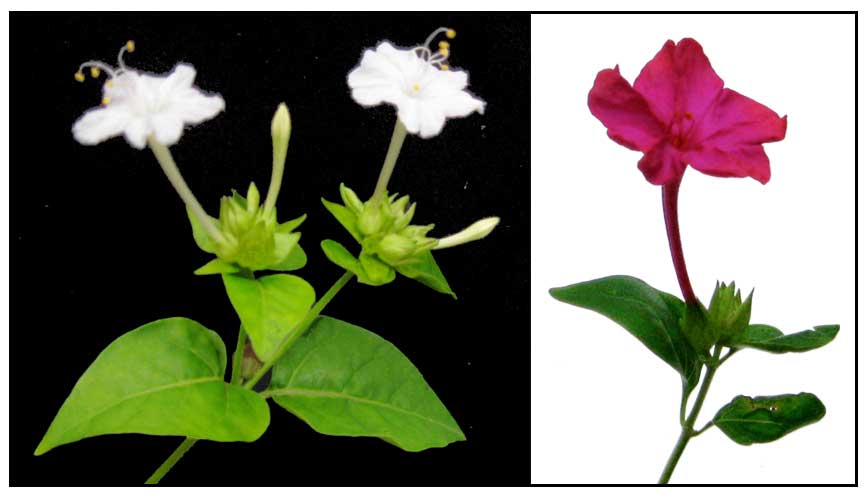
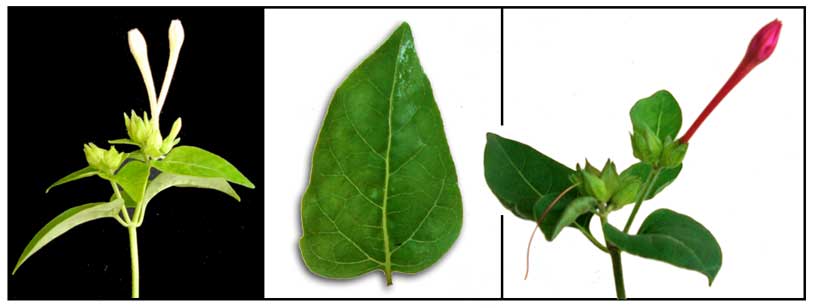
Alas cuatro is an erect, nearly or quite smooth, branched plant, about
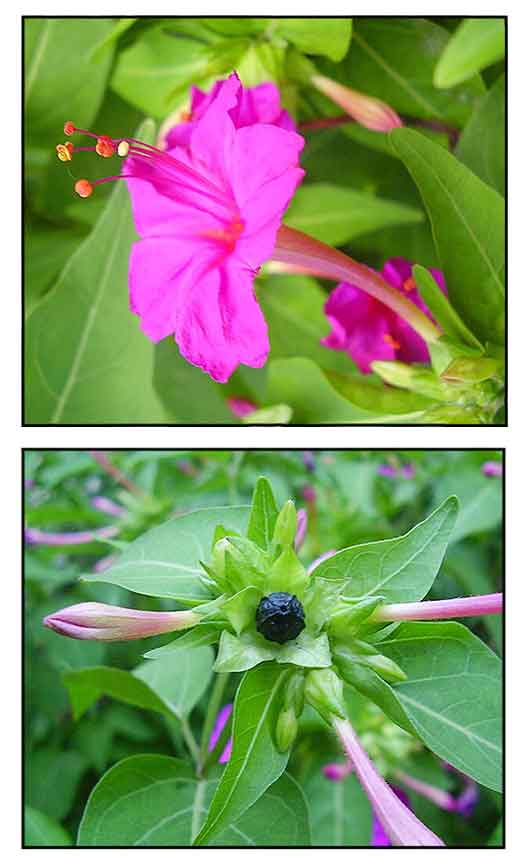
20 to 80 centimeters in height. Leaves are narrowly ovate, 4 to 10 centimeters long.
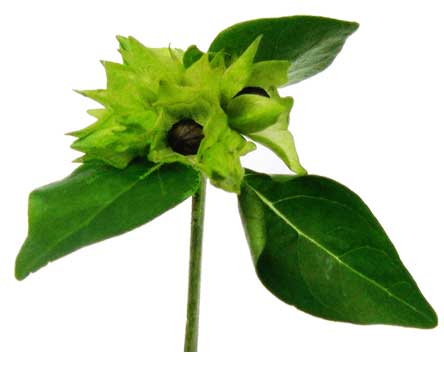
Involucres are crowded, calyx-like, about 1 centimeter long or less, with one
flower. Perianth is white, purple, or yellow, 3 to 4 centimeters long,
with a cylindrical tube which is slightly enlarged and upward, and with a spreading
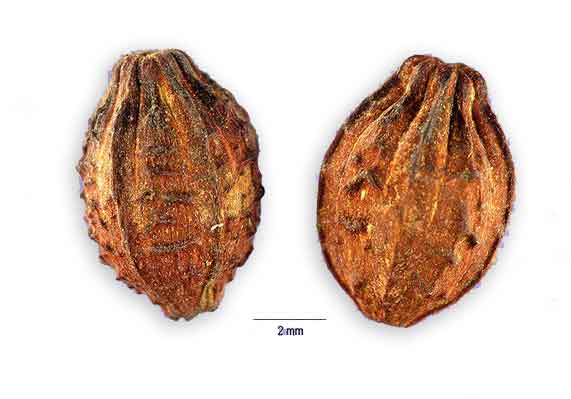
limb. Fruit is narrowly ovoid, about 8 millimeters long, black and finely
ribbed.
Distribution
- Introduced from Mexico by the Spaniards.
-
Throughout the Philippines in settled
areas.
- In cultivation; also frequently spontaneously.
- Native to Belize, El Salvador, Guatemala, Honduras, Mexico, Nicaragua.
(28)
- Now pantropic.
Constituents
- Roots contain oxymethylanthroquinone.
- Plant contains trigonelline, an alkaloid, that possess a purgative action.
- Also contains galactose and arabinose.
- Phytochemical screening yielded steroids, alkaloid, flavonoid, carbohydrates, glycosides, and proteins in the total alcoholic extracts.
- Total alcoholic extract of leaves yielded triterpenoids, alkaloids, glycosides, and flavonoids. (8)
- Phytochemical screening yielded ten compounds: chrysophanol, physcion, stigmasterol, mirabijalone A, boeravinone C, Aurantiamide acetate, glycerin monoeicosate, β-sitosterol, 4-hydroxy-3-methoxybenzoic acid. (14)
 - Phytochemical screening of leaves of white-flowered plant yielded trace amounts of tannins, moderate amounts of alkaloids, carbohydrates, terpenes, and saponins. (see study below)
(22) - Phytochemical screening of leaves of white-flowered plant yielded trace amounts of tannins, moderate amounts of alkaloids, carbohydrates, terpenes, and saponins. (see study below)
(22)
- Roots isolated eleven compounds identified as astragaloside II, astragaloside II, astragaloside IV, astragaloside VI, flazin, 4'-hydroxy-2, 3-dihydroflavone 7-beta-D-glucopyranoside, gingerglycolipid A,, 3, 4-dihydroxybenzaldehyd, p-hydroxybenzaldehyde, beta-sitosterol, and daucosterol.
(16)
- Leaves water and alcoholic extracts yielded glycosides, tannins, phenolic acids, resins, alkaloids and proteins; while saponins and flavonoids were not found. Trace elements were K 161.2 µg/ml, Na 19, Fe 18.7; Cd 0.8, Cu 0.3, and Pb 0.1 µg/ml. (31)
- Study to investigate the anti-HIV constituents from roots isolated and identified eleven compounds viz. astragaloside II (1), astragaloside II (2), astragaloside IV (3), astragaloside VI (4), flazin (5), 4'-hydroxy-2, 3-dihydroflavone 7-beta-D-glucopyranoside (6), gingerglycolipid A (7), 3, 4-dihydroxybenzaldehyd (8), p-hydroxybenzaldehyde (9), beta-sitosterol (10) and daucosterol (11).
(36)
- Phytochemical screening of flower extract yielded alkaloids, carbohydrates, glycosides, inulin, tannins, terpenoids, proteins and free amino acids, flavonoids, lignin, and volatile oils.
(see study below) (38)
- Study of roots isolated four new rotenoids: mirabijalone A-D (1-4), together with 9-O-methyl-4-hydroxyboeravinone 8 (5), boeravinone C (6) and F (7), and 1,2,3,4‐tetrahydro‐1‐methylisoquinoline-7,8‐diol (8). (see study below) (40)
• HPLC analysis for phenolic compounds yielded hydroxycinnamic acids, flavonoids, isoflavonoids, and coumarins.
Phenolic content was highest in M. jalapa flowers, 2977.41 ± 59.55 µg/mg. Fruits yielded 304.25 ± 6.08 µg/mg and roots 67.92 ± 1.36 µg/mg. Quantitatively, neochlorogenic acid dominated in the flowers, chlorogenic acid in fruits, and the herb mostly rutin and hyperoside. (53)
• Study of various solvent extracts of tubers showed total phenolic and flavonoid contents varying from 21.45 to 364.6 mg gallic acid equivalent (GAE)/g dried extract and 5.2 to 71.6 mg quercetin/g dried extract, respectively. GC/MS analysis of MJT dichlormethane and methanol extracts showed oleic acid and ß-sitosterol as major compounds, respectively. LC/MS analysis showed high content of flavanol and flavanol compounds in the aqueous extract. Phenolic acids such as ferulic and caffeic acid were also detected. (see study below) (56)
 Properties Properties
- A curious botanical aspect is that M. jalapa flowers with different colors simultaneously on the same plant. (68)
-
Considered diuretic, purgative, vulnerary.
- Tubers are weakly purgative and emetic.
- Root is believed to be aphrodisiac; also reported to be purgative, emetic and cathartic.
- Studies have shown anticancer, antispasmodic, antibacterial, hepatoprotective, anti-inflammatory, analgesic, anti-viral, antihyperglycemic, antilipidemic, antioxidant, antinociceptive, anti-arthritic, nephroprotective, wound healing, properties.
Parts
used
Leaves, roots,
tubers.
 Uses Uses
Edibility
- Leaves are used as emergency
food.
- Used as condiment. Crushed seed used as pepper substitute.
- Root tubers pickled and consumed by natives of Shivalik Hills, Himachal Pradesh. (45)
- An edible crimson dye from flowers is used for coloring cakes and jellies.
Folkloric
- Whole plant extensively used for muscular pain, diarrhea, and abdominal colic. Plant decoction taken orally for diuresis in kidney infections. Infusion of leaves applied topically to reduce swelling in bone fractures and swelling. Roots used for syphilitic sores; also as aphrodisiac. Tubers used for treatment of piles. Fruit paste mixed with coconut oil applied externally for relief of headache. (45)
-
Juice of leaves are soothing when applied to areas of urticaria.
- In India and Java bruised leaves used as poultices for boils and abscesses, and the juice used for uterine discharges.
- Juices of leaves used internally for gonorrhea.
- Infusion of leaves used as a diuretic and for dropsy.
- Roots used as mild purgative, emetic and cathartic.
- Leaves are anti-inflammatory. Decoction used for abscesses.
- Leaf juice used for wounds.
- Powdered root mixed with corn flour is baked
and used in treatment of menstrual disorders.
- In China, used in traditional medicine in treatment of diabetes.
- In the Himalayas, roots used for treatment of diabetes.
- In Peru, root decoction used as diuretic.
- In Nigeria leaves used as diuretic. (48)
- In India and Java, bruised leaves used for poulticing boils and abscesses; juice used for uterine discharges.
- In Brazil, Kayapo indians inhale the powdered
dried flowers for headaches; the Assurani Indians grate the tuberous
seeds and drink it for intestinal parasites. Poultice of leaves and
flowers used for eczema, skin infections and itching.
- In south Brazil, infusion or decoction of leaves used to treat inflammatory and painful diseases; also used as laxative. (4)
- In Mexico, the decoction of entire plant
is used vaginal discharge, dysentery, diarrhea, abdominal colic and
muscle pains.
- In Thailand, seed powder used for infections.
- In South Africa, used as a purgative.
- In Zaire, seed powder applied to infected wounds. In Latin America, roots used as purgative and emetic. In Malagasy, used to treat intestinal pains. In South Africa, roots used as purgative; flowers believed to emit an odor at night that drives away mosquitoes. (69)
Others
• Colorant: Edible crimson dye from
flowers; used as colorant for cosmetics, cakes and jellies.
• Cosmetics: Pounded seeds used in Malaya, China and Japan for making cosmetic powder. Powdered root, likewise used for cosmetic preparations, mixed with rice powder and sandalwood. In China, flowers are also used for cosmetic purposes.
Studies
• Antispasmodic / Flowers: Study of flower extract of M. jalapa showed an inhibitory effect on gut smooth muscle contractility probably through a serotoninergic mechanism interacting
with other adrenergic systems. (2)
• Antimicrobial / Leaf: Study evaluated ethanol
extract of Mirabilis jalapa leaves against five pathogenic bacterial
strains i.e., E. coli, S. aureus, S. typhi, B. cereus, K. pneumoniae. Antagonistic
toxins isolated from bacterial and fungi isolated from refuse dumps were also evaluated on the pathogens. The leaf extract showed higher antimicrobial efficacy than the toxins. Both toxins and extract showed antimicrobial activity comparable to conventional antibiotics, and
suggests a potential as agents for biocontrol and chemotherapy. (3) The methanol extract of MJ showed stronger and broader spectrum of microbial activity compared to other extracts, using amikacin as the standard bacterial agent.
• Cytotoxicity / MI-30 / Ribosome-Inactivating / Anticancer: (1) Study
of protein fractions with ribosome-inactivating protein (RIP) properties
from the leaves of MJ showed cytotoxic activity against a breast cancer
cell line. (6)
• Cytotoxicity / Leaves: Study isolated from the leaves of MJ, a 30 kD protein fraction named MI-30, with the properties of a ribosome-inactivating protein. It produced cytotoxic effect, more toward breast and cervical cancer cells as compared to normal mononuclear cells (12).
• Antibacterial / Diarrhea-Causing Pathogens: Study
of roots showed antibacterial activity against diarrhea-causing pathogens:
Staph aureus, Strep pyogenes, E coli, Enterobacter sp., V cholera, Shigella
flexner and S typhi.
• Phytochemicals / Pharmacognosy: Study yielded the presence of triterpenoids, alkaloids, glycosides and flavonoids. Diagnostic features are multicellular trichomes, anisocytic stomata and calcium oxalate.
• Antinociceptive Activity / Leaves: Study evaluated the antinociceptive effect of extracts of stems and leaves in models of pain in mice. Crude hydroalcoholic extract of leaves showed more potency than crude extract of stems in inhibition of abdominal constrictions induced by acetic acid. Pretreatment with naloxone did not affect the antinociceptive effect of an Eta fraction from leaves suggesting the antinociceptive effect might depend on the cholinergic system. Results support its folkloric use as an analgesic. (4)
• Protein Biochemical Properties / Anticancer / Antibacterial: Study of crude proteins showed to be active against B subtilis. Proteins also exhibited anticancer activity to permanent cell lines L929 (mouse fibroblasts).
• Antiviral / Antiproliferative / Abortifacient / Roots: Purified protein from the root tubers of Mirabilis jalapa exhibited antiviral, abortifacient and anti-proliferative activities.
• Anti-Inflammatory / Leaves: Study evaluated the total alcoholic extract and petroleum ether fraction of leaves for anti-inflammatory activity using carrageenan induced paw edema and cotton pellet induced granuloma models. Results showed significant anti-inflammatory activity as evidenced by inhibition inn increase in number of fibroblasts and synthesis of collagen and mucopolysaccharides during granuloma tissue formation. (13) Evaluation in Wistar albino rats showed dose-dependent anti-inflammatory activity in a carrageenan-induced paw edema model. (17)
• Antioxidant / Cytotoxicity / Leaves and Bark: Various extracts of leaves and bark of Mirabilis jalapa were evaluated for cytotoxicity and antioxidant activity. On brine shrimp lethality bioassay, a petroleum ether extract showed significant cytotoxic activity, with an LC50 of 8.132 compared to vincristine sulfate. A crude methanol extract showed mild antioxidant activity. (18)
• Free Radical Scavenging / Antibacterial: Study showed significant antioxidant properties and a potential to serve as free radical inhibitor or scavenger. A methanolic extract showed a wide spectrum of inhibition against Gram+ and Gram- bacterial. (19)
• Natural Indicator in Acid Base Titration / Flower: Study of flower extract showed potential use as an acid base indicator in different types of acid base titrations. (20)
• Antihyperglycemic Activity / Aerial Parts: Study evaluated the antihyperglycemic activity of a hydroalcoholic extract of aerial parts in streptozotocin-induced hyperglycemic animals. Results showed antihyperglycemic activity probably mediated through pancreatic and extra-pancreatic pathways. (21)
• Antimicrobial / White-Flowered Mirabilis jalapa Leaves: Study showed the leaves of white flowered plant of M. jalapa has strong antibacterial potential with activity against a wide range of microorganisms i.e., S. aureus, S. typhi, E. coli, Vibrio cholerae and B. subtilis. Aqueous extracts showed no inhibition of test bacteria. All ethanol extracts showed good activity against test pathogens. (see constituents above) (22)
• Seeds / Effects on Clotting Time and Bleeding Time: In traditional use, the plant has been found to stop hemorrhages. Study showed a decrease in prothrombin time, decrease in activated partial thromboplastin time, and decrease in bleeding time. Results suggest M. jalapa is effective in blood disorders associated with increased bleeding. (23)
• Anti-Arthritic Effects: Study evaluated the effect of an ethanolic extract of flowers in formaldehyde and Freund's adjuvant-induced arthritis in wistar rats. Results showed significant suppression of paw edema in both models suggesting significant anti-arthritic activity. (24)
• Proteins from Ripe Seeds / Antimicrobial / Anti-Cancer: Study evaluated crude proteins extracted from mature seeds. Antibacterial activity was seen against Bacillus subtilis. Potent anticancer activity was exhibited to permanent cell lines L929 (mouse fibroblasts). (25)
• Seed Epicarp / Antioxidant: Study showed a seed epicarp extract to possess strong antioxidant activity and suggests an inexpensive and potential source of natural antioxidants and pharmaceuticals. (26)
• Roots / Cytotoxic Rotenoids: Study yielded four fractions of compounds from the root extracts which include boeravinone B, boeravinone E, and mirabijalone B. Compounds tested indicated important cytotoxic activity against cell lines tested. (27)
• Natural Dye / Flower: Study suggests Mirabilis jalapa flower, abundantly available, can be exploited as a good source of natural dye for wool and cotton dyeing, from olive green to brown depending on the choice of mordant. (30)
• Antibacterial / Leaves: Water and alcoholic extract of leaves at concentration of 0.5 mg/ml showed effective inhibition of growth of Staphylococcus aureus, Escherichia coli, and Proteus mirabilis. (see constituents) (31)
• Mirabilis Antiviral Protein (MAB) / Potential Applications: RIPs (ribosome inactivating proteins) have been isolated from plants. An RIP has N-glycosidase activity, which can modify large mRNA and inhibit further translation. MAB (Mirabilis Antiviral Protein), a type I RIP, is a frequently used RIP for medicinal purposes, isolated from roots, leaves, and seeds of M. jalapa. MAP exhibits a wide range of biologic activities viz. antiviral, anticancer and antibacterial. It is highly rigid, thermostable, and maintains antiviral activity at high temperature. (32)
• Hypoglycemic / Hypolipidemic / Roots: Study of ethanolic extract of roots of Mirabilis jalapa in streptozotocin induced diabetes in mice showed hypoglycemic and hypolipidemic effects. Repeated administration of root extract lowered blood glucose level, decreased serum insulin, and improved insulin sensitivity index, and also lowered serum total cholesterol, triglyceride levels. (33)
• Anticancer Proteins / Apoptotic Pathway: Study evaluated partially purified proteins for mechanisms of anticancer and cytotoxic effects. Brine shrimp cytotoxicity showed an LD50 of 95.50-489.78 µg/ml at 24 and 48 hours. Testing the proteins on vero cells showed potent anticancer activity through apoptotic pathway. (34)
• Hepatoprotective / Antitubercular Drug Hepatotoxicity / Leaves: Study evaluated the protective effect of ethanol extract of MJ leaves on anti-tubercular drugs induced hepatotoxicity. Results showed a hepatoprotective effect with significant reduction of liver biomarker enzymes and restored antioxidant levels to pretreatment status. (35)
• Mild Steel Corrosion Inhibition / Flowers: Study showed efficient corrosion inhibition of acid extract of Mirabilis jalapa flowers for mild steel in 1M HCl. (37)
• Antibacterial Against Gastrointestinal Pathogens / Flower: Study evaluated fried flower powder extracted in various solvents for antibacterial activity against gastrointestinal pathogens like E. coli, S. aureus, S. pneumoniae, P. aeruginosa, K. pneumonia, B. cereus, L. acidophilus, E. faecalis, S. typhi and S. dysenteriae.
Ethanolic and methanol extracts showed good antibacterial activity against the selected pathogens. Activity was attributed to the presence of bioactive compounds such as flavonoids, alkaloids, tannins and phenolic compounds. (see constituents above) (38)
• Antioxidant / Flavanoid Content / Aerial Parts: Study evaluated the antioxidant potential of Mirabilis jalapa using various models and estimation of flavanoid content. Results showed significant inhibition of superoxide anion and nitric oxide radicals even at low concentration. Total flavanoid content of the extract was 4.41 ± 0.02 mg/g. (39)
• New Rotenoids from Roots / Reverse Transcriptase Inhibition: Study isolated four new rotenoids from the roots of Mirabilis jalapa, namely: mirabijalone A-D (1-4), together with 9-O-methyl-4-hydroxyboeravinone 8 (5), boeravinone C (6) and F (7), and 1,2,3,4‐tetrahydro‐1‐methylisoquinoline-7,8‐diol (8). Compound 8 showed 48% inhibition against HIV-1 reverse transcriptase at 210 µg/ml. (40)
• Antiovulatory / Abortifacient: Study evaluated the antiovulatory and abortifacient potential of ethanol extract of Mirabilis jalapa in female albino wistar rats. (41)
• Mosquito Larvicidal / Leaves: Study investigated the larvicidal efficacy of M. jalapa leaves extract against malaria, dengue, and filariasis vector mosquitoes. Among the extracts tested, the leaf methanol extract exhibited the highest larvicidal activity against An. stephensi, Ae. aeqypti and Cx. quinquefasciatus with LC50 and LC90 of 57.55, 64.58, 84.58 ppm and 104.20, 120.28, and 159.25 ppm, respectively. Mortality rate was positively correlated with concentration exposure. (42)
• Wound Healing Activity: Study evaluated the in vivo cutaneous wound healing activity of hydromethanolic extract of M. jalapa radix in excision and dead space wound models. Results showed wound healing activity evidenced by significant increase (p<0.05) in wound contraction, increase in hydroxyproline content, decrease in epitheliation period and CFU (colony forming unit) count. (44)
• Antimalarial / Leaves: Study evaluated the effects of M. charantia and M. jalapa for antimalarial activity in a 4-day suppressive test in animals. Methanolic extracts of both plants showed intrinsic dose-dependent antimalarial properties. M. jalapa gave highest chemosuppression of parasitemia at the lowest tested dose of 50 mg/kbw of mice. Results affirm uses of these plants for the treatment of malaria. (46)
• Alanine / Biopesticide: Alanine is a secondary metabolic secretion from M. jalapa, used as a modulation of natural pesticide compound. Alanine is predicted to act as inhibitor compound in the defense mechanisms in the insect body. Study evaluated the modeling structures and protein receptor from alanine in the immune system mechanism and optimization of effectiveness as biopesticides to the insects. Results showed alanine compounds targeted the glutamate receptors in the insects. Both alanine and glutamate compounds have same interactions with glutamate receptor proteins. The interaction affected the signal transduction cascade at the cellular level due to a neuromuscle and olfactory inhibitor. The interruption of signal transduction affects the dysfunctional immune system of the insect leading to their mortality. (47)
• Diuretic / Leaves: Study evaluated an ethanol extract of M. jalapa leaves for diuretic activity in male Wistar rats. Results showed dose-dependent increase (p<0.05) urine volume, urinary concentrations of Na+, K+ and Cl- and decreased (p<0.05) body weight of the animals. Treatment related changes in parameters measure i.e. urine pH, saliuretic activity, saliuretic index, NaKCl index, diuretic index, kaliuretiic index, Lipschitz value etc. were essentially similar to those of furosemide-treated animals. (48)
• Endophytic Fungus / Antimicrobial / Roots: Study of roots isolated an endophytic fungus, Aspergillus clavatonanicus strain MJ31, exhibiting significant antimicrobial activity. Results suggest the A. clavatonanicus strain MJ31 has prolific antimicrobial potential against both plant and human pathogens and has potential as source of new antimicrobial compounds and alternate source for production of secondary metabolites. (49)
• Gold Nanoparticles / Flowers: Study reports on the rapid and convenient biosynthesis of gold nanoparticles from auric chloride using aqueous extract of M. jalapa flowers as reducing agent and encapsulating cage for the nanoparticles. (50)
• Peptides as Potential Biopesticide: Mirabilis Antiviral Protein (MAP) is a specific found in Mirabilis jalapa. One of its promising benefits is that it can be used as a biopesticide. Hydrolysis yielded new Antimicrobial Peptides (AMPs). In-silico proteolysis identified six new AMPs from 449 AMPs. The peptides became antimicrobials by inactivating the ribosomes, and three showed potential as toxin compounds (biopesticides). The peptides can be used to determine the pathways that occur in targeted insect pests as biopesticides. (51)
• Hypoglycemic Effect on Adrenergic Model in Mice / Roots: Study investigated the effect of M. jalapa root on blood glucose of normal mice and diabetic mice induced by adrenaline and glucose.
Results showed no effect on normal mice, but high dose of extract could lover the blood glucose levels of adrenaline and high blood glucose mice. (52)
• Wound Healing / Hypertrophic Scar Formation / Roots: Study investigated a hydromethanolic extract of tuberous roots of of M. jalapa and its terpenoid and flavonoid fractions on cutaneous wound healing in an excision model in Wistar albino rats.
Wound contraction rate,, histological and histological changes, expression of growth factor levels such as collagen 3A, basic fibroblast growth factor and vascular endotheial growth factor were measured. Results showed the terpenoid fraction prolonged proliferation phase and may have a tendency to convert the wound into a hypertrophic wound. (54)
• Antidiabetic / Hypolipidemc / Roots: Study investigated the antidiabetic activity of an ethanolic extract of Mirabilis jalapa roots in streptozocin-induced diabetic rats for 12 days. Results showed significant lowering of blood glucose, along with reduction of triglycerides, total cholesterol and LDL-C.
(55)
• Antioxidant / Antimicrobial / Tubers: Study investigated the antioxidant and antimicrobial activities of various solvent extracts of M. jalapa tubers using various in vitro assays. A water extract was most effective with MIC of <200 µg/ml against S. aureus, Micrococcus luteus, P. aeruginosa, K. pneumonia, B. cereus and E. faecalis. Only the water extract showed antifungal activity against Aspergillus niger, Fusarium solani, F. oxysporium and F. granularium. The water extract was also the most potent antioxidant in all assays used. (see constituents above) (56)
• Antifungal / Roots and Stems: Study investigated
the antifungal activities from root, stems, and leaves extract of Mirabilis jalapa. The methanol extracts of roots and stems showed better inhibition of mycelial growth of Alternaria kikuchiana Tanaka and Collectotrichum orbiculare. (57)
• Antimicrobial Against Biofilm and ESBL-Producing Uropathogenic E. coli: Study evaluated the antimicrobial efficacy of Mirabilis jalapa and Dichrotachys cinerea against biofilm and Extended Spectrum of Beta Lactamase (ESBL) producing uropathogenic Escherichia coli. Results showed crude extracts of bothy plants, especially the acetone and ethanol extracts, exhibited significant activity against biofilm and ESBL producing uropathogenic E. coli strains. (58)
• Trolline / Anti-Inflammatory / Anticancer: Study evaluated the anti-inflammatory and MCF-7 breast cancer cell line growth inhibition effects of trolline, a compound isolated from aerial parts of Mirabilis jalapa. Results showed anti-inflammatory effects at IC50 concentration of 53.8 µg/ml and 48% mortality of breast cancer cell lines at 50 µM concentration. Study suggests trolline has important bioactive effects and promising drug-like properties suitable for further investigation. (59)
• Copper Nanoparticle / Antipathogenic Activity / Flower: Study reports on green synthesized copper nanoparticles using flower extract of Mirabilis jalapa which exhibited zone of inhibition against isolated human pathogenic (Streptococcus species, Bacillus species, Staphylococcus species, Klebsiella species and E. coli) bacteria.
(60)
• Effect on Glucolipid Mobilization / Roots: Study evaluated the effects of ethanolic extract of M. jalapa roots on glucolipid metabolization in diabetic rats.
Results showed hypoglycemic and hypolipidemic effects. (61)
• Inhibition of Histamine Mediated Responses / Antiallergic / Antiasthmatic / Roots: Study evaluated the effect of ethanol:acetone (1:1) extract of roots of M. jalapa for antihistaminic activity and antiallergic activity in mice. The extract inhibited histamine-induced guinea pig tracheal chain contractions non-competitively and inhibited milk-induced eosinophilia, albumin-induced paw edema and protected mast cells against clonidine-induced granulation.
Results justified the folkloric use of M. jalapa in the treatment of allergic diseases and asthma. (62)
• Effect on Healing of Open Wounds: Study evaluated the effect of a water extract of M. jalapa on wound healing in Sprague Dawley rats. The water extract was topically applied to open wounds. Results ( showed the extract accelerated wound healing. Optimal dose was 20% v/v (≈972.4 mg/kbw). (63)
• Anthelmintic / Leaves and Aerial Parts: Study of methanolic extract of leaves and aerial parts
showed anthelmintic activity against earthworm Pheretima posthuma in a dose dependent manner. Results were comparable to standard drug Albendazole. (64)
• Nephroprotective / Acetaminophen Induced Toxicity: Study evaluated the nephroprotective and antioxidant activity of ethanol extract of M. jalapa on acetaminophen induced toxicity in male albino rats. Mirabilis jalapa inhibited the hematological effects of APAP, significantly increased activities of renal superoxide dismutase, catalase, glutathione, and glutathione peroxidase and decreased malondialdehyde content of APAP treated rats, along with histopathological protective effect. (65)
• Induction of Apoptosis / Leaves: The leaves of Mirabilis jalapa contain a protein fraction, ribosome-inactivating protein (RIP). RIP is a group of protein with RNA N-glycosidase activity capable of inhibiting protein synthesis. The protein fraction isolated from the leave of M. jalapa was more cytotoxic to HeLa cell line (LC50 0.65 mg/ml) than to Raji cell line (1.815 mg/ml). It was demonstrated that the death of HeLa cells was due to induction of apoptosis, while that of Raju cell line was due
to non-apoptosis way, possibly via necrosis. (66)
• Neuroglobin Activator for Stroke Treatment: For stroke treatment, recombinant tissue plasminogen activator (rtPA) is recommended and effective only when administered early and has some side effects. Neuroglobin (Ngb) is a neuroprotective protein activated by the 14-3-3 protein. During hypoxia, the 14-3-3 protein migrates into neuron nuclei resulting in decreased Ngb activation. Replacement of 14-3-3 is a potentially promising for stroke treatment. In silico study identified two phytochemicals, Miraxanthin-III and Strigol. Results showed they could interact with Ngb, but Miraxanthin-III appears to be the potential Ngb activator in silico. (67)
• Betaxanthin, Betacyanin, Betalain / Leaves: Study sought to identify betaxanthin, betacyanin, and betalain compounds in extract and fraction of M. jalapa leaves. Indicaxanthin, miraxanthin and boeravinone F active compounds, members of the Betaxanthins in the M. jalapa plant, are able to inhibit hepcidin and activate matriptase-2 for increase of iron absorption in silico. Betaxanthin levels in alkaloid fraction were 23 times higher in the ethanol extract, compared to betacyanin and betalain levels. The alkaloid fraction of leaves is a better source of betaxanthin compound and its derivatives than the ethanol fraction. Study suggests potential for anemia treatment. (70)
• Iron Nanoparticles / Flowers: Study report on the bio-friendly and green synthesis of iron nanoparticles
using M. jalapa flower extract as reducing and mobilizing agent. The NPs exhibited zones of inhibition against isolated human pathogenic bacteria viz., Streptococcus, Bacillus, Staphylococcus,
and Klebsiella species and E. coli bacteria. (71)
Availability
- Wild-crafted.
- Powders and other formulations in the cybermarket.
|