|
Gen info
- Kenaf was first grown in Egypt over 3000 years ago. The leaves of the kenaf plant were a component of human and animal diets, while the bast fiber was used for bags, cordage, and sails for Egyptian boats. The crop was only introduced into southern Europe in the early 1900s. (27)
- Kenaf is mainly cultivated for its fiber for making rope, twine, coarse cloth, and paper. In California, Texas, Louisiana and Mississippi, 3,2-- acres of kenaf were frown in 1992, mostly used for animal bedding and feed. (26)
- Uses of kenaf include engineered wood, insulation, clothing grade-cloth, soil-less potting mixes, animal bedding packing material,
liquid and oil absorbents . it is also used for blending with resins in making of plastic composites. preventing oil drilling muds, and seeded hydromulch for erosion control. It can be used for making environmental mats such as seeded grass mats for instant lawns and for making fiber boards, and automobile body parts. The use of kenaf may offset 300,000 pounds of oil-based resin per year in North America and can reduce the weights of door bolsters by 25 percent. (26)
- Etymology: Local name "alas doce" derives from the flower characteristic to open in the early hours of morning and close by noon of the same day.
 Botany Botany
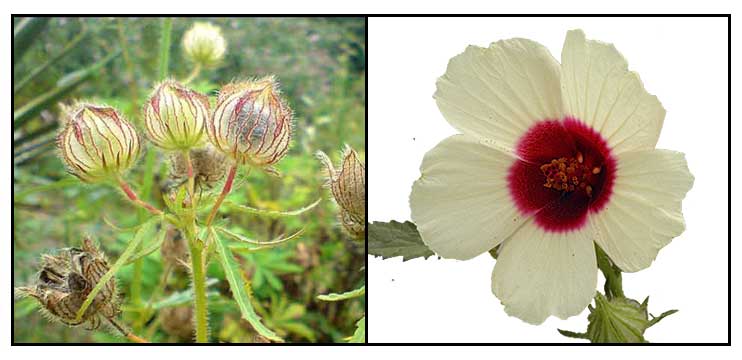
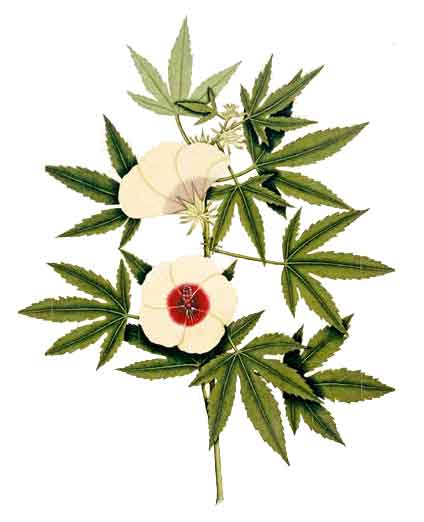
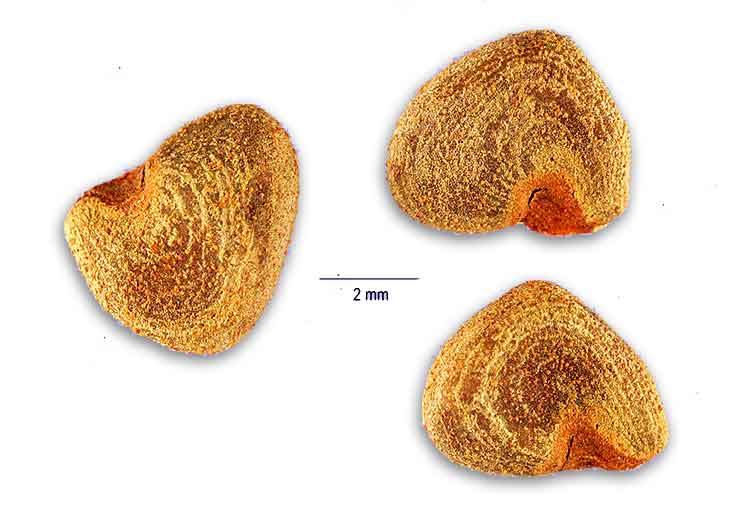
• A las doce is an herb with smooth and prickly stems. Lower leaves are entire and heart-shaped, the • upper ones are deeply palmately-lobed. Sepals are bristly, lanceolate and connate below the middle, with a gland at the back of each. Corolla is large, spreading, yellow with a crimson center. Capsules are rounded and bristly. Seeds are nearly smooth.
• It is an annual or biennial herbaceous plant (rarely a short-lived perennial) growing to 1.5–3.5 m tall with a woody base. Stems are 1–2 cm diameter, often but not always branched. Leaves are 10–15 cm long and variable in shape; leaves near the base of the stems are deeply lobed (3 to 7 lobes) and leaves near the top of the stem are shallowly lobed or unlobed lanceolate. Flowers are 8–15 cm in diameter. Flower base color can be white, yellow, or purple, and the white and yellow flowers are dark purple in the center. Fruit is a capsule, 2 cm in diameter and contains several seeds.
• Fiber: Fibers in kenaf are found in the bast (bark) and core (wood). Bast constitutes 40% of the plant. "Crude fiber" separated from the bast is multi-cellular, consisting of several individual cells stuck together. The individual fiber cells are about 2–6 mm long and slender. The cell wall is thick (6.3 μm). Kenaf fiber from bast could be gained as long as 2 meters and it becomes more widespread in polymer composite and concrete industry. The kenaf fiber needs to be treated properly to remove the lignin. The tensile strength of the kenaf fiber is about 800 MPa, which makes it suitable natural fiber in engineering applications. The core is about 60% of the plant and has fiber cells that are thick (≈38 μm) but short (0.5 mm) and thin-walled (3 μm). Paper pulp can be produced using the whole stem, and therefore contains both bast and core fibers. The pulp quality is similar to that of hardwood. (35)
 Distribution Distribution
- Introduced to the Philippines.
-
Planted for ornamental purposes but is scarcely naturalized.
- Found in the Bontoc and Pangasinan Provinces and in Manila.
- Native to Angola, Benin, Botswana, Burkina, Burundi, Cameroon, Central African Republic, Chad, Congo, Eritrea, Ethiopia, Gambia, Ghana, Guinea, Guinea-Bissau, Ivory Coast, Kenya, KwaZulu-Natal, Malawi, Mali, Mauritania, Mozambique, Namibia, Niger, Nigeria, Northern Provinces, Rwanda, Senegal, Sierra Leone, Somalia, Sudan, Swaziland, Tanzania, Togo, Uganda, Yemen, Zambia, Zaïre, Zimbabwe. (16)
- In many countries, cultivated for its fiber.
 Constituents Constituents
- Seeds yield 23.5% fixed oil.
- Whole plant has abundant polysaccharides, 9.7%; starch, dextrin, pectin, tannin, phosphatide, protein.
- GC-MS analysis of leaves, bark, flowers and seeds yielded 22 different phytocompounds in the hexane extracts. Most abundant volatile compounds were E-phytol (32.4%), linolenic acid (47.3%), trisiloxane-1,1,1,5,5,5-hexamethyl- 3,3-bis[(trimethylsilyl)oxy] (16.4%), and linoleic acid (46.4%) in leaves, bark, flowers, and seeds, respectively. Liquid chromatography identified kaemperitin, caffeic acid, myricetin glycoside, and p-hydroxybenzoic acid as major compounds in leaves, bark, flowers, and seeds, respectively.
- Phytochemical screening of ethanol extract of leaves
yielded +++ alkaloids, carbohydrate, steroids, flavonoids, tannin, phenols, proteins and saponins. The aqueous extracts yielded the same except for absence of steroids and proteins. (see study below) (30)
Properties
- Considered antibilious, aphrodisiac, purgative.
- Seeds considered purgative.
- Seed oil considered aphrodisiac.
- Studies have suggested hematinic, antioxidant, fungitoxic, anti-inflammatory, hepatoprotective, immunomodulatory, antidiabetic, cardioprotectiive, antihyperlipidemic properties.
Parts
used
Leaves, seeds, roots, flowers.
Uses
Edibility
- Young leaves and shoots are cooked and eaten as vegetable.
-
Leaves used as pot-herb; added to soups.
- Seeds are roasted or ground into a flour. Also, seeds yield an edible oil.
- Root is edible, although a bit fibrous and mucilaginous.
- Raw bark chewed by children for its sweetness.
Folkloric
- Leaves used as purgative.
- In Gambia, infusion of leaves used for coughs.
- Flowers used for biliousness and constipation.
- Seeds oil used externally for pains and bruises; and internally as an aphrodisiac.
- In India and Africa, used for blood and throat disorders, bilious conditions, fever and puerperium.
- In Kenya, pounded roots applied to spider bites; leaves used for stomach disorders.
- In West Africa, powdered leaves applied to sores and boils; leaf infusion used for treating cough.
- In African folk medicine, used for anemia and liver diseases.
- Powdered leaves applied to Guinea worms in Africa. (19)
- Seeds added to diet to promote weight gain.
Others
- Fiber / Rope: Cultivated for its fiber. Stem yields a fiber, a good jute substitute although a bit coarse. Fiber strands used for making rope, cordage, sacking, nets. (•) Average yield ranges from 1,700 to 2,000 kgs of dry rotten fiber per hectare. Potential yield may reach 3,000 to 4,000 kgs of dry fiber. The percentage of dry fiber recovery is 3.26 to 5%. (10)
- Paper: Pulp from stems used for making paper.
- Dye: Soot from stems used as black pigment in dyes.
- Oil: Seed yields an edible oil which can be used for cooking. Oil also used for burning, as lubricant, as ingredient in making soap, pains and varnishes.
- Fodder: Young whole plants used as cattle fodder.
Studies
• Haematinic Activity / Leaves: Study on hemolytic anemic rats induced by phenylhydrazine showed the leaf extract of H. cannabinus induced a significant (p<0.05) increase in RBC count, Hb concentration and pack cell volume. Results suggest H cannabinus leaves may have hematinic properties. (1)
• Phytochemicals / Fungitoxic Activity: Essential leaf oil characterized 58 components, among them: (E)-phytol, (Z)-phytol, n-nonanal, benzene acetaldehyde, (E)-2-hexenal and 5-methylfurfural as major constituents. Oil had antifungal activity against Colletrotrichum fragariae, C. gloeosporioides and C. accutatum. (2)
• Antioxidant Activity: Study results suggest that the leaves of H cannabinus possess erythrocyte protective activity against drug induced (carbon-tetrachloride or paracetamol) oxidative stress. (3)
• Immunomodulatory: Study showed crude extract of H cannabinus fresh leaves significant suppressed TNF-α production and mRNA expression of IL-3 and IL-12, with induction of expression of a potent cytoprotective molecule. Results suggest that H cannabinus may be able to modulate macrophage-mediated responses. (4)
• Hepatoprotective: Aqueous leaf extract showed significant hepatoprotective activity against carbon tetrachloride and paracetamol induced damage evidenced by absence of necrosis in liver cells of pretreated rats. Inhibition of lipid peroxidation is suggested as a possible mechanism. (5)
• Antidiabetic: Study of methanol extract of H. cannabinus in streptozotocin-induced diabetic rats showed significant lowering of blood glucose. Phytochemicals yielded phytosterols, flavonoids, and glycosides. (6)
• Antihyperlipidemic: Study of a 50% hydroalcoholic extract of HC leaves showed a strong dose-dependent antihyperglycemic effect with significant decreases in TC, TG, LDL-C, VLVL-C and TBARS. Also, the extract markedly prevented liver microvesicular steatosis in hyperlipidemic rats. (7)
• Mucilage / Excipient: Mucilage from the seeds of the plant was shown to have good suspending action in 2% concentration. As a suspending agent, it was comparable to standard marketed formulation, 1.e., Calcimax. Results suggest a potential as pharmaceutical excipient. (8)
• Antioxidative / Erythrocyte Protective Activity: Study evaluated the antioxidative activity of an aqueous leaf extracts in rats with carbon tetrachloride and paracetamol-induced erythrocyte damage. Results showed the leaves of H. cannabinus possess an erythrocyte protective activity against drug-induced oxidative stress. (11)
• Toxicity Study / Leaves: Study evaluated dried aqueous extract of leaves for toxicity in mice and Wistar albino rats. Results showed the extract was well tolerated by experimental animals and may also possess hypolipidemic and hypoglycemic properties. (12)
• Antioxidative / Control of Oxidative Stress, Bone Related Disorders and Free Radical DNA Damage / Flowers: Study evaluated flowers of H. cannabinus for free radical scavenging properties in vitro, DNA protective from oxidative dame and inhibition of gelatinolytic activity. Study exhibited strong antioxidant potential on DPPH radical scavenging assay. Study showed flower extracts can be used as a potent functional food to control stress, free radical induced DNA damage, and bone related disorders like osteoarthritis. (13)
• Anti-Obesity Effect / Leaves: Study evaluated ethanolic extracts of leaves in an in vivo study on high cholesterol diet induced obesity in female albino rats. Results showed significant antiobesity effect, with reduction of body cholesterol and histopathological study showing reduced fat accumulation in the liver tissue of rats. (14)
• Green Inhibitor of Corrosion: Study investigated the inhibitory effect of HC extract on corrosion of mild steel in aqueous 0.5 M H2SO4. Results confirmed adsorption of inhibitor molecules on mild steel surface, with concentration dependent inhibition efficiency and decrease with rise in temperature. (15)
• Cytotoxicity / Human Cancer Cell Lines / Seed and Oil: Study evaluated the cytotoxic properties of kenaf seed extract and seed oil on human cervical cancer, breast cancer, colon cancer and lung cancer cell lines. Both seed extract and seed oil showed effective cytotoxic activities against all cell lines. The seed extract showed lower IC50 than seed oil in all the cancer cell lines. Results suggest KSE and KSO can be potential sources of natural anti-cancer agents. (17)
• Phytochemicals / Antioxidant: Study evaluated the various parts of the kenaf plant for phytochemical compounds and antioxidant activities. Water extracts of flowers, leaves, and seeds exhibited the greatest DPPH radical scavenging and SOD activity. Water was the optimal solvent, extracting the greatest quantity of functional compounds with highest antioxidant activity. (see constituents above) (18)
• Comparative Anti-Inflammatory
Activity / Leaves:Study evaluated the comparative anti-inflammatory activity of aqueous and methanolic extracts of leaves of H. cannabinus using carrageenan-induced rat paw edema measuring liver and blood parameters i.e., SGOT, SGPT, LPO, reduced GSH and SOD. Both extracts showed significant (p<0.05 inhibition of rat paw edema in a dose-dependent manner. The methanol extract showed more significant inflammatory activity. Indomethacin was used as standard. (19)
• Phenolic Content / Antioxidant Activity / Seeds: Study evaluated a sequential solvent extract of seed extracts for phenolic compounds and antioxidant activity. A water extract yielded the highest total phenolic content (18.78 mg GAE/g extract), total flavonoid content (2.49 mg RE/g extract), and antioxidant activities (p<0.05). Antioxidant potential was evaluated using DPPH radical scavenging, ß-carotene bleaching, metal chelating activity, ferric thiocyanate and thiobarbituric acid reactive substances assays. (20)
• Anthelmintic / Leaves: Study evaluated the anthelmintic activity of H. cannabinus leaf extract using adult earthworm, Pheretima posthuma. A methanol extract of crude drug at concentrations of 10, 20, 30 and 40 mg/ml were tested using measures of paralysis time and death time. Albendazole was used as standard. Results showed the concentrated methanolic extract of leaves showed better anthelmintic activity in comparison with the standard. (21)
• Nutritional / Pharmacological Potential / Review: Review reports on bioactive compounds, pharmacological properties, and their health benefits. The edible plant exhibits a broad range of therapeutic potential including antioxidant, antimicrobial, antityrosinase, anticancer, antihyperlipidemic, antiulcer, anti-inflammatory and hepatoprotective activities and a versatile utility as a functional food. Exploitation of its by-products can be a significant part of waste management from an economic and environmental point of view. (22)
• Encapsulation for Cosmeceutical Application / Leaves and Seeds: Kenaf seed oil, seeds, and leaves were found to have high content of bioactive compounds with antioxidant and medicinal benefits. The application of encapsulation technologies on kenaf can help develop highly effective cosmetic formulations. Review described the chemical composition and nutritional quality of kenaf derivatives, and the technologies for cosmetic formulation to evaluate and provides information on how to use these by-products in cosmetic application in the cosmetic and pharmaceutical industry. (23)
• Anti-Ulcer / Seeds: Study evaluated and compared anti-ulcer activities of Hibiscus cannabinus and Hibiscus sabdariffa seed oil and seed extracts against various ulcer-induced models in Sprague Dawley rats. H. cannabinus showed the best protection percentage towards ethanol, non-steroidal and anti-inflammatory drugs (NSAIDS), and cold restrain stress induced ulcers. H. cannabinus seed extract exhibited exceptionally high ulcer protection of 74.98% against NSAIDS induced ulcer via mucosal protection and acid inhibition. Results suggest addition of the seeds to the daily diet may reduce free radical activity and reduced risk for developing ulcers. (24)
• Optimal Ultrasonic Extraction: Study reports on the optimized ultrasonic-assisted extraction of kenaf leaves extract. The 95% ethanol and 3 min extraction was the optimal UAE condition for the KLE. KLE has potential as a natural antioxidant, antimicrobial and antityrosinase agents. (25)
• Seeds: Kenaf seeds, a by-product from the kenaf plant yield kenaf seed oil with no toxicity and primarily contributed by triacylglycoside (88.81%) followed by fatty acids, diacylglycerols, and monoacylglycerols. Studies have shown its potential for use as functional edible oil for use in the food, nutraceutical and pharmaceutical industry. Oleic acid (omega-9) and linoleic acid (omega-6) make up the majority of kenaf seed oils fatty acid composition, which is associated with cholesterol-lowering activity. The seed oil possesses significant health benefits and pharmacological activities such as antioxidant, hypocholesterolemic, anticancer, anti-inflammatory, anti-ulcer, and anti-thrombotic properties attributed to the presence of bioactive compounds (tocopherols, tocotrienols, phytosterols and phenolics). Its bioaccessibility is further increased by nanoencapsulation and microencapsulation. (26)
• Potential Food Applications / Seeds / Review: Review focused on the possible food applications of kenaf seed and its value-added components based of nutritional composition and functional properties seeds. It discusses the seed in terms of bioactive components, antioxidant enrichment of wheat bread, antimicrobial properties, as edible flour, as edible oil, and a source of protein in the food system.
(29)
• Anxiolytic / Leaves: Study evaluated the anxiolytic activity of ethanol and aqueous extracts of dried leaves of Hibiscus cannabinus
by elevated plus-maze study using Wistar albino mice. Extract showed anxiolytic effect in treated mice evidenced by increase in open arm entries and time spent in open arm. Anxiolytic effect was attributed to flavonoids effect on the central nervous system and BZD receptors. Flavanones was found to bind with high affinity BZD site of GABA A receptors. (30)
• Antibacterial / Antioxidant / Polysaccharides: Study evaluated leaf extracts of 33 kenaf genotypes for polysaccharide, total phenolic, and flavonoid content. Polysaccharide content varied from 6.45-16.12 mg glucose per g DW. Total phenolic and flavonoid content ranged from 6.03-21.15 GAE/g DW and 1.55-9.24 mg RE/g DW, respectively. Extracts from CS4 and CS2 genotypes showed highest antioxidant activities with 20.55-79.99% inhibition by DPPH, 56.28-88.30% by ABTS, and 1.26-5.08 mmol Fe2+/g DW by FRAP) assays. Kenaf leaves showed antibacterial activity against Staphylococcus aureus and Escherichia coli. Strong correlation was found between antioxidant activity with polysaccharide and total phenolic content. Results suggest potential for kenaf leaves as natural antioxidants and antimicrobial in food industries. (31)
• Potential to Global Food and Feed Industries: Kenaf has potential as an alternative crop that can be used as protein source in both human and animal feed production, containing a great number of bioactive compounds of benefit to human and animal health. Kenaf meal can replace soybean meal and fish meal as protein supplements. Its fast growth and nutrient qualities adds to its potential benefits. The paper provides an overview of kenaf's future potential in the food and feed industries. (32)
• Defatted Seed Meal / Anti-Hypercholesterolemia: Kenaf is one of the important commercial fiber products worldwide and defatted kenaf-seed meal (DKSM) is a secondary by-product from the kenaf industry, presenting a challenge to turn a low-cost agricultural waste into value-added functional food ingredients. Study evaluated the cardioprotective properties of DKSM and its phenolic-saponins rich extract (PSRE) in diet-induced hypercholesterolemic rat model. Dietary interventions incorporated DKSM
(15 and 30%) and equivalent levels of PSRE
(2.3 and 4.6%, equivalent to phenolics and saponins in the DKSM
groups) into the atherogenic diets. Results showed hypercholesterolemia and atherogenic risk in rats were effectively attenuated by DKSM
and PSRE supplementation, possibly via modulations of multiple vital processes in hepatic cholesterol metabolism. Results suggest DKSM
and PSRE
have potential as cardioprotective functional food ingredients for hypercholesterolemic individuals. (33)
• Antioxidant Activities During Growth Stages / Kenaf Leaves and Stems: Study evaluated the changes in antioxidant activity (AA) and components of kenaf leaves and stems during four vital growth stages. Higher ABTS radical cation and DPPH radical scavenging activities, ferric reducing antioxidant power, total phenolic content, total flavonoid content, and total polysaccharide content were observed in all leaf stages, and in late stem stages.
Chlorogenic acid (CGA) and kaempferol glycosides, especially kaemferitrin (Kfr) were identified as phenolic acids and flavonoids in both kenaf leaves and stems. CGA in both leaves and stems increased corresponding to growth stage, while kaempferol glycosides were enhanced in leaves but declined in stems. Highest correlation was between TPC and AA in all organs. Results suggest kenaf leaves increase antioxidant levels as they grow. (34)
Availability
- Wild-crafted.
- Cultivated. |


_(page_118_crop).jpg)



.JPG)
