|
Gen info
- Momordica is a genus of about 60 species of annual or perennial climbers, herbaceous or rarely small shrubs, belonging to the family Cucurbitaceae.
- Etymology: There are many etymological interpretations: Momordica may derive from Latin mordeo meaning "to bite", possibly because seeds of these tropical climbers appear bitten
or, perhaps, alluding to the biting flavor of the fruit. Or, Momordica is from momordi, past tense of the verb bite/to bite. Species epithet charantia may derive from ancient Italian name caranza referring to the ease in arranging it as a pergola plant. Or, perhaps derived from Greek charax, meaning support pole, reed.
- Bitter melon originated in Africa where it was a dry-season staple food of !Kung hunter-gatherers. Wild or semi-domesticated variants spread across Asia in prehistory, and became fully domesticated in Southeast Asia. (83)
-- Ampalaya belongs to Secretary of Health Juan Flavier's 1992 brochure of 10 medicinal plants (akapulko, ampalaya, bawang, bayabas, lagundi, niyog-niyogan, pansit-pansitan, sambong, tsaang-gubat, yerba buena), which provided underpinning and roots for the 1977 TAMA (Traditional and Alternative Medicine Act).
Botany
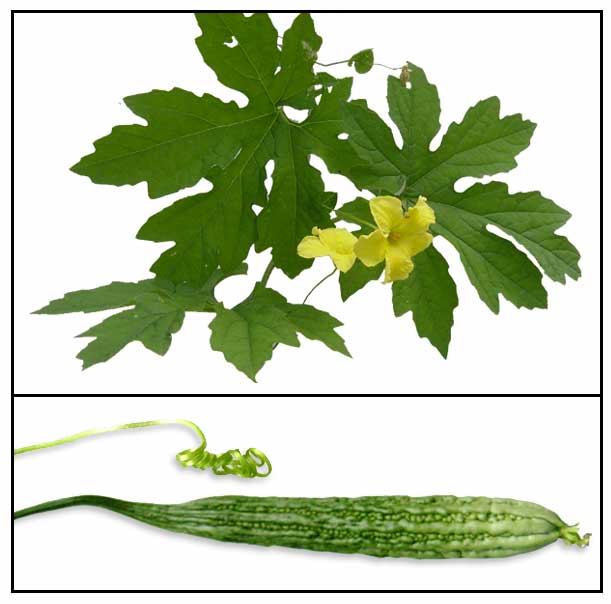
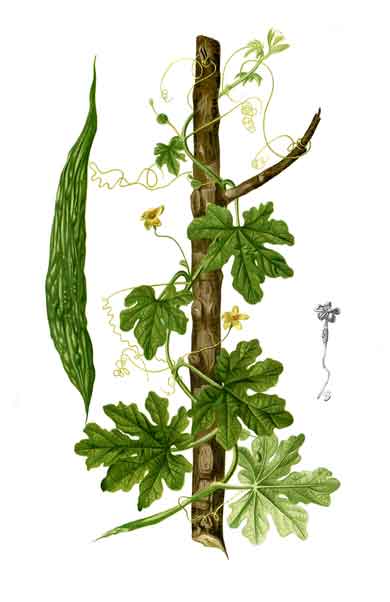
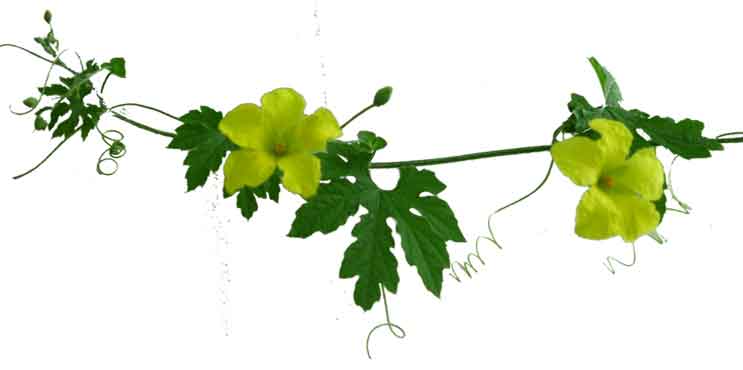
Ampalaya is a climbing vine, nearly or quite smooth, annual vine. Tendrils are simple, up
to 20 centimeters long. Leaves are 2.5 to 10 centimeters in diameter,
cut nearly to the base into 5 to 7 lobes, oblong-ovate, variously toothed, and heart-shaped at the base. Male flower is about 12 millimeters long, and is peduncled, with a rounded, green, and about 1 centimeter long bract approximately at the middle. Female flower is yellow flower, about 15
millimeters long, long-stalked with pair of small leaflike bracts at middle
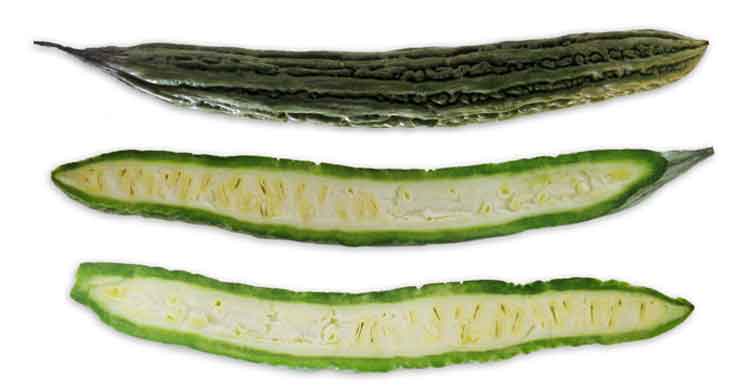
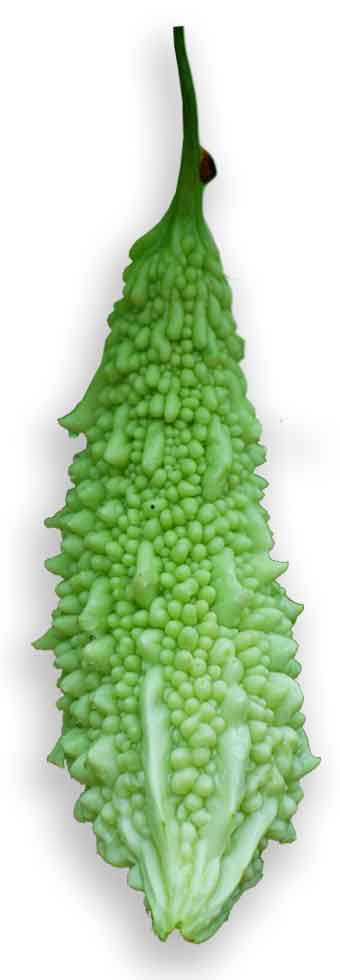
or toward base of stalk. Fruit, in cultivated form, is green, fleshy, oblong, cylindric, 15 to 25 centimeters long, pointed at both ends, ribbed and wrinkled, bursting when mature to release seeds; in wild forms, ovoid, about 2 to 4 centimeters long.
Seeds are oblong, compressed 10 to 13 millimeters long, and corrugated on the margins.
Distribution
-
Native to the Philippines.
-
Year-round vegetable, extensively cultivated in the Philippines
for its bitter edible fruit.
- Wild forms found in open fields, thickets, and waste places at low and medium altitudes. (See: Ampalayang ligaw)
- Native range is Tropical and Subtropical Old World to S. Pacific.
- Pantropic.
 Constituents Constituents
- Phytochemical study yielded alkaloids, glycosides, aglycone, tannin, sterol, phenol and protein.
- 1898 study reported a bitter alkaloid and a glucoside.
- Leaves and fruit yielded a bitter principle, momordicin.
- A petroleum ether extractive yielded a highly aromatic ethereal oil, a fixed oil, traces of free fatty acids and carotene.
- Ethyl ether fraction yielded chlorophyll, a glucoside-like substance and resin.
- Water soluble extractive yielded a saponin-like substance and mucilaginous bodies.
- Study for chemical constituents of leaves isolated five compounds from an 80% ethanol extract, identified as: Momordicin I (1), Momordicin IV (2), Aglycone of MomordicosideI(3), Aglycone of Momordicoside L (4) and Karavilagenin D (5).Isolated compounds were all triterpenoids.
(33)
- Proximate composition of bitter gourd leaf (L), fruit (F) and seed (S) yielded moisture % 17.97 L, 10.74 F, 20.69 S; total ash % 15.42 L, 7.36 F, 9.73 S; crude fat % 3.68 L, 6.11 F, 11.50 S; fiber % 3.31, 1.7 F, 29.6 S; crude protein % 27.46 L, 27.88 F, 19.50 S; carbohydrate % 32.34 L, 34.31 F, 9.18 S; caloric value (k/cal/100g) 213 L, 241 F, 176 S.
(Bakare et al., Nutritional and chemical evaluation of Momordica charantia. J Medicinal Plants Res. 2010; 4:2189-2193.) (36)
- Vitamin composition (PPM) yielded A traces, E 800±14, C 66000±141, B12 5355±7.10, folic acid 20600±42.43. Mineral analysis (PPM) yielded calcium 20510±5.77, magnesium 255±0.69, sodium 2200±1.15, potassium 413±1.45, iron 98±0.23, zinc 120±1.15, manganese 156±0.33, copper 32±1.85.
(Bakare et al., Nutritional and chemical evaluation of Momordica charantia. J Medicinal Plants Res. 2010; 4:2189-2193.) (36)
- Preliminary phytochemical screening of fruit extract yielded
alkaloids, saponin, glycosides, steroids, and sterols. (see study below) (41)
- Proximate and mineral composition of fruit yielded moisture 93.20%, ash 7.36%,
lipids 6.11%, fiber 13.60%, protein 27.88 6.11%, carbohydrate 34.31%, energy 241.66 kcal/100 g, magnesium 0, sodium 2.40 mg/100g, potassium 171.00 mg/100g, iron 1.8 mg/100g, zinc 0, manganese 0.08 mg/100g, copper 0.19 mg/100g, phosphorus 70 mg/100g, vitamin C 96 mg/100g.
- Phytosterols identified in M. charantia include daucosterol, ß-sitosterol, campesterol, stigmasterol,
ß-sitosterol, 25-isopropenylch9ole-5,(6)-ene-3-O-ß-D-lucopyranoside, Δ5–avenasterol, 25,26-dihydroelasterol, clerosterol, 5-α-stigmasta-7-en-3ß-ol, diosgenin. (81)
- Amino acids in fruits are essential and non-essential: include alanine, aspartic acid, butyric acid, g-amino, glutamic acid, isoleucine, leucine, luteolin, methionine, phenylalanine, pipecolic acid, serine, threonine, and valine. (81)
 Properties Properties
- Considered astringent, antidiabetic, abortifacient,
antirheumatic, contraceptive, galactagogue, parasiticide, anthelmintic,
purgative, emetic, antipyretic, febrifuge, emmenagogue, cooling , tonic,
vulnerary.
- Fruit considered tonic and stomachic.
- Studies have shown antidiabetic, adaptogenic, anti-inflammatory, membrane stabilizing, antioxidant, cholinomimetic, analgesic, antimicrobial, gastroprotective,
hepatoprotective, anti-dengue, antifungal properties.
Toxicity
- See study below (82)
Parts utilized
Leaves, roots and fruits.
Uses
Edibility / Nutritional
- Both wild and cultivated forms are edible.
- Fruit of wild form usually roasted over fire and eaten with salt or "heko."
-
The leaves and fruit - used as vegetables - are excellent sources of
Vit B, iron, calcium, and phosphorus. It has twice the amount of beta
carotene in broccoli and twice the calcium content of spinach. Characteristically
bitter-tasting, slight soaking in salty water before cooking removes
some of the bitter taste of the fruit.
- In India, fruit eaten in curries.
- Used in place of hops as bittering ingredient in some beers in China and Okinawa. (83)
 Folkloric Folkloric
- In the Philippines, juice expressed from the green fruit is given for chronic colitis: also used for bacillary dysentery.
-
Astringent powdered leaves or root decoction can be applied to hemorrhoids.
- Leaf juice for cough and as a purgative and anthelminthic to expel intestinal
parasites, and for healing wounds.
- Seeds also used to expel worms.
- The vine or the juice of leaves used as mild purgative for children.
- In large doses, the fresh juice is a drastic purgative.
- Decoction of roots and seeds used for urethral discharges.
- Juice of leaves used for chronic coughs.
- Leaves and shoots used as vulnerary.
- Sap of leaves used as parasiticide.
- Fruit macerated in oil used as vulnerary.
- Fruit considered tonic and stomachic; used in rheumatism, gout, and diseases of the spleen and liver.
- Pounded leaves used for scalds.
- Infusion of leaves or leaf juice used for fevers.
- Used for chronic stomach ulcers.
- Root sometimes used as ingredient in aphrodisiac preparations.
- Decoction of root used as abortifacient.
- Fruit in large doses considered a drastic purgative and abortifacient.
- In India, root used as astringent; applied externally to hemorrhoids.
- In Lagos, decoction of leaves used as stomachic.
- Leaves used as anthelmintic and antipyretic,
and applied externally to leprosy.
-
In India and Malaya, pounded leaves are applied to skin diseases, burns and scalds.
- Poultice of leaves used for headaches.
- Infusion of flowers used for asthma.
- Olive or almond oil infusion of the fruit, without the seeds, used for chapped hands, hemorrhoids, and burns.
-
Root, along with fruits and seeds, used as abortifacient, as well as remedy for urethral discharges.
- In Batavia, vine used as anthelmintic, purgative, and emetic.
- In Jamaica, leaf decoction or infusion
is taken for colds, as laxative and blood cleanser. Warm tea infusions
also used for toothaches and mouth infections. Also used as a bath/wash
for skin eruptions and acne.
- Used for eczema, malarial, gout, jaundice, abdominal pain, kidney (stone),
leprosy, leucorrhea, piles, pneumonia, psoriasis, rheumatism, fever
and scabies. Also, boiled leaves and decoction of plant used to promote lochia.
- Topically applied to treat burns, boils, and rashes.
- In Antilles, sweetened decoction of leaves used as emmenagogue and vermifuge.
- In Cuba, used for diabetes mellitus; used for wounds refractive to other treatments, for skin disease, and for sterility in women.
- In Puerto Rico, used for diabetes.
- In Indo-China, fruit macerated in salted water used for fluxes, catarrh, and children's coughs.
Seeds employed in the treatment of dysentery.
- In Brazil, seeds used as anthelmintic.
In China, used as hypoglycemic and antidiabetic.
In Turkey, used for healing of cutaneous lesions and peptic ulcers.
- In African folk medicine, used for worm infections, inflammation (fruits, seeds, and leaf juice), fever, menorrhagia (leaves), syphilis, rheumatism, and skin diseases (roots). In Turkish folk medicine, oil from ripe fruits, macerated in olive oil warmed by the sun, is combined with honey and use for prevention and treatment of gastric ulcers. In the Caribbean, leaf decoction or fruit juice used for treatment of diabetes. Leaf decoction used for treatment of hypertension, womb infections, malaria, dysentery, and worm infections. (81)
Others
- Seeds with oil, employed as cosmetic.
- Leaves used to clean metals.
Philippine News: Diabetes Mellitus
• A Philippine
herb that has recently gained international recognition for its possible
benefits in the treatment of diabetes mellitus. Despite its bitter taste,
it has also become a popular nutritional drink for a boost of vim and
vigor. In fact, the more bitter, the better, as it is believed that
the bitterness is proportionate to its potency.
• Studies have suggested that ampalaya
contains a hypoglycemic polypeptide, a plant insulin responsible for
its blood sugar lowering effect. Other benefits suggested were body
detoxification (including removal of nicotine), strengthening of the
immune system and fertility regulation.
• It is increasingly recommended as an adjunct
or supplement to traditional therapeutic regimens for diabetes mellitus.
Other (Kitchen)
Preparations
Steam ampalaya tops (upper four leaves)
and eat half a cup twice daily. As a decoction, boil six tablespoons
of finely chopped leaves in two glasses of water over low fire (for
15 minutes). Drink 1/3 cup, three times a day, 30 minutes before meals.
Don't use aluminum pots (clay or enamel only).
Studies
• Analgesic / Cholinomimetic: A methanol
leaf extract study of Momordica charantia in rodents suggested cholinomimetic
and analgesic activities. (1)
• Antidiabetic and adaptogenic properties:
Adaptogenic properties are indicated
by the delay in the appearance of cataracts, the secondary complications
of diabetes and relief in neurological and other common symptoms even
before the hypoglycemia occurred. (2)
• Anti-inflammatory / Membrane Stabilizing
Property: The study reports the anti-inflammatory and membrane
stabilizing property of an aqueous extract of Momordica charantia leaves
in rats. The results suggest the anti-inflammatory activity may not
be related to membrane-stabilization. (3)
• Antimicrobial: Study
on various extracts of Cassia tora, Calendula officinalis and Momordica
charantia showed activity against all tested bacteria, Staph aureus
being more susceptible to the aqueous extracts. (4)
• Larvicidal: Study showed M.
charantia to have good larvicidal activity against three container breeding
mosquitoes: An. stephensi, Cx quinquefasciatus and Ae. aegypti suggesting
a potential for the fruit extracts use in potable waters against mosquito
larvae. (6) A methanolic leaf extract of M. charantia showed larvicidal and pupicidal activity against first to fourth instar larvae and pupae of malarial vector Anopheles stephensi. (45)
• Antidiabetic / Estrous Cyclicity Effect: Study results suggest the antidiabetic potential of MC and AP
could restore the impaired estrous cycle in alloxan-induced diabetic
rats.(7)
• Antidiabetic / Saponins: Study
showed the saponin constituents extracted from MC induced significant
hypoglycemic activity in hyperglycemic and normal mice. (8)
• Anxiolytic / Antidepressant / Anti-Inflammatory: Study of methanol extract of dried leaves of MC showed significant
anxiolytic activity and antidepressant and anti-inflammatory activities. (9)
• Antidiabetic / Glucose Lowering: A water soluble extract of the fruit significantly reduced blood glucose concentrations in diabetic and after force-feeding in rats. Fried karela fruits consumed as daily dietary supplement produced a small but significant improvement in glucose tolerance.
• Antidiabetic: An aqueous powder extract of the fresh unripe whole fruit reduced fasting glucose by 48% comparable to glibenclamide, a known synthetic drug. Testing showed no nephrotoxicity and hepatotoxicity. As an edible vegetable, it presents a safe alternative to reducing blood glucose.
• Antidiabetic: Study targeted a 1% decline in A1c with an estimated power of 88%. With the observed decline of 0.24%, the achieved power was only 11%. Study failed to make a definite conclusion on M. charantia's effectiveness.
• Anti-Ulcerogenic / Gastroprotective: An olive oil extract of M charantia showed ulcer inhibition a gastroprotective effect against indomethacin. (12)
• Phytochemicals: Study of chemical constituents of unmatured fruits yielded vincine, mycose, momordicoside A and momordicoside B.
• Phytochemicals / Extract-Metformin Synergism: Study yielded alkaloids, glycosides, aglycone, tannin, sterol, phenol and protein. Use of the extract for pharmacologic interactions with half doses of metformin or glibenclamide or both in combination caused a decrease in blood sugar greater than that caused by full doses in a 7-day treatment study. Results suggest a synergism activity.
• Antioxidant: Study of Momordica charantia fruit extract exerts a protection to AC-induced hyperammonemic rats against oxidative stress possibly through prevention or inhibition of the lipid peroxidative system by its antioxidant, hepatoprotective effect and maintenance of cellular integrity. (15)
• Antioxidant / Chemoprotective: Study demonstrated the antioxidant and chemoprotective activities of M. charantia fruit extract in experimental rat models. Results strongly suggest chemoprotective action against CCl4-induced toxicity. Indirect inhibition of CYP1A dependent activities suggest a promising cancer chemopreventive action by lowering metabolic activation of various carcinogens and/or procarcinogens.(19)
• Review / Cucurbitane-type Triterpenoids / Charantin: Cucurbitane-type triterpenoids are the main active constituents of M. charantia. Some have potential biological and pharmaceutical activities including anti-diabetic, anti-obesity, anticancer, anti-HIV, antifeedant and antioviposition activities. Charantin, an anti-diabetic compound, is a typical cucurbitane-type triterpenoid, with a potential for the the treatment of diabetes. (18)
• Antioxidant / Chemoprotective: Study of bitter melon extract modulates signal transduction pathways for inhibition of breast cancer cell growth and can be used as a dietary supplement for breast cancer prevention. (22)
• Obesity / Adipogenesis Reduction: Study of bitter melon juice showed potent inhibition of lipogenesis and stimulator of lipolysis activity in human adipocytes. BMJ can be an effective alternative therapy to reduce adipogenesis in humans. (23)
• Antileukemic Potential / Seeds: Study of fractionated seed extracts in human myeloid HL60 cells showed differentiation inducing activity with potential for use in differentiation therapy for leukemia in combination with other inducers of differentiation. (24)
• Anti-Dengue:
Study of evaluated the antiviral effects of six plants on dengue virus serotype 1 (DENV-1). Results showed the methanol extracts of A. paniculata and M. charantia possess the ability of inhibiting the activity of DENV-1 in in vitro studies. (25)
• Anti-Diabetes / Review:
Bitter gourd increases insulin secretion of the pancreas, decreases intestinal glucose uptake, and increases uptake and utilization of glucose in peripheral tissues. Although human studies are weak in design and results, some studies do indicate safety and anti-diabetic effects. (26)
• Hepatoprotective / Acetaminophen Intoxication:
Study evaluated the hepatocurative effects of Mormodica fruit extracts in rabbits intoxicated with acetaminophen. Results showed animals treated with the fruit extract had less liver damage due to acetaminophen intoxication, indicating hepatoprotective properties. (27)
• Inhibition of Human Adipocyte Differentiation:
Study showed bitter melon is a potent inhibitor of lipogenesis and stimulator of lipolysis activity in human adipocytes. Results suggest bitter melon juice may prove to be an effective complementary or alternative therapy to reduce adipogenesis in humans. (28)
• Antifungal:
Study showed antifungal activity against Aspergillus flavus, Aspergillus niger, and Candida albicans. Phytochemicals identified included steroids, tannins, alkaloids, anthraquinones, flavonoids, and terpenoids. (29)
• Hypoglycemic and Antiglycation Activities:
Two-arm, parallel, randomized, double-blind, placebo controlled trial evaluated the fruit pulp effect of bitter melon on long-term glycemic control and glycation status in T2 diabetic patients. Results showed reduction of A1C from baseline greater than the placebo group, with a significant decline of total advanced glycation end-products. Study concludes bitter melon is beneficial not only for glycemic control, but also on potential systemic complications of type 2 diabetes mellitus. (30)
• Effects on Blood Rheological Properties in Diabetic Patients:
Study showed PEG microspheres adsorbed with nanofraction extracts of M. charantia reduced blood viscosity. The use of nanoparticles extract of M. charantia and its absorption on PEG microspheres may represent an alternative for control and treatment of blood disorders in diabetic patients. (31)
• Biodiesel Potential of Seed Oil: Study showed M. charantia oil has potential as nonedible raw material for biodiesel production. The low value oxidative stability of MSOMEs can by solved by adding antioxidant additives. (32)
• Antimicrobial / Foodborne Pathogens: Study evaluated the antimicrobial effect of 24 hydroalcoholic extracts from stem-leaf, pulp, seeds of M. charantia against bacteria and fungal strains. Gram negative Pseudomonas spp. was more susceptible towards all the extracts than gram positive and fungal strains investigated. Results suggest a potential for use of the extracts in control of Pseudomonas spp. in food industry ad well as for therapeutic purposes. (34)
• Acute Toxicological Study: Study evaluated the toxicity level of M. charantia by acute toxicity test using Sprague Dawley rats. Results suggests M. charantia was safe at 2000 mg/kg. According to OECD guidelines, the toxicity level of this plant is class 5: >2000 mg/kg. (35) Study evaluated the acute oral toxicity effects of Momordica charantia in Sprague Dawley rats based of OECD Guidelines 423. Results suggest the LD50 of the ethanolic extract of M. charantia is considered safe to be consumed below 2000 mg/kg. The highest dose can provoke toxic effects to the blood, tissue and vital organs, especially liver. The study results aid in providing information on safety level recommendations and dosage of the EE for further applications or commercialization. (56)
• Beneficial in Diabetic Cardiac Fibrosis: Study evaluated the effect of M. charantia fruit extra ct on hyperglycemia induced cardiac fibrosis in male Sprague Dawley rats. Results showed the fruit extract possess antihyperglycemic, antioxidative, and cardiac protective properties which may be beneficial in the treatment of diabetic cardiac fibrosis. (38)
• Lectin / Ribosome Inactivating Protein / Antitumor / Nasopharyngeal Carcinoma: Study investigated the antitumor activity of M. charantia lectin, a type II ribosome inactivating protein. The MC lectin showed potent cytotoxicity , induced apoptosis, DNA fragmentation, G1-phase arrest, and mitochondrial injury in both types of NPC (nasopharyngeal carcinoma) cells. Results showed the potential of type II RIP, MCL for prevention and therapy of NPC. (39)
• Antibacterial / E. coli Prophylaxis: Study evaluated MC extract for secondary metabolites and antibacterial activity. Results showed maximum activity against E. coli and suggest a potential as prophylactic medicine for E. coli. (40)
• Analgesic / Anti-Inflammatory / Fruit: Study evaluated a fruit extract for analgesic and anti-inflammatory activity in rat models. Results showed analgesic activity with significant inhibition of acetic acid induced writhing and tail immersion test induced pain. Extract also showed moderate anti-inflammatory activity in the carrageenan induced paw edema testing. (41)
• Anthelmintic / Antioxidant / Fruit: Study investigated the in vitro anthelmintic activity of methanol extract of whole fruit, fruit peels, seed and fresh juice against Indian adult earthworm (Eisenia foetida) and antioxidant activity using the DPPH scavenging assay method. The methanol extract of fruit peels showed potent anthelmintic activity similar to standard albendazole. Whole fruit and seed extract, whole fruit juice and peel juice also showed in vitro anthelmintic activity. Methanol extract of fruit peel showed strong DPPH scavenging activity; juice of fruit peel showed good radical scavenging effect. (42)
• Momordica charantia as a Probable Cause of a Case of Atrial Fibrillation: Study reports a case of a 22-year old man who complained of palpitations and weakness, and found to have atrial fibrillation. The history suggested the consumption of M. charantia juice as the "probable cause" of the cardiac arrhythmia, scoring 6 on the Naranjo adverse drug reaction category: 9 or >, definite; 5-8, probably; and 1-4, possible, and 0, doubtful. (43)
• Inconclusive Anti-Diabetic Effects on Meta-Analysis: Previous data has showed inconclusive and inconsistent results about the benefits of bitter melon in patients with diabetes mellitus. This study aimed to determine if bitter melon has a favorable effect in lowering plasma glucose in diabetic patients. The meta-analysis included a total of four RCTs (randomized controlled trials), each with 40-66 participants. Study concluded that bitter melon supplementation compared with no treatment did not show significant glycemic improvement on either A1c or fasting plasma glucose. Study suggests a larger sample of patients evaluated over a longer period of time to determine whether bitter melon is truly ineffective in diabetic patients. (44)
• Charantin: Charantin is a steroidal glycoside, existing as equal mixture of stigmasterol glucoside and ß-sitosterol glucoside and considered to have blood sugar lowering property equivalent to insulin. Study suggests generation of further and substantial clinical data to establish its hypoglycemic potential. (46)
• Charantin / Antimicrobial: Charantin confirmed better antimicrobial activity of charantin when compared with standard, against bacterial species such as gram positive B. subtilis, gram negative Pseudomonas aeruginosa and fungal strain Saccharomyces cerevisiae. (47)
• Antimutagenicity / Chemopreventive: Study investigated the antimutagenicity and chemopreventive activity of an 85% ethanol extract of bitter melon against the formation of azoxymethane (AOM)-induced aberrant crypt foci (ACF). Results showed significant inhibition of ACF formation in the colon, suggesting possible chemopreventive potential against colon carcinogenesis. (48)
• Evaluation of Antidiabetic Properties by Metabolomics: Study investigated changes in urinary metabolic profile of normal, STZ-induced type 1 diabetic rats. Results showed diabetic rats had higher levels of succinate, creatine, creatinine, urea and phenylacetylglycine in the urine. Administration of M. charantia extract regulated the altered metabolic processes, and, thus, has the potential for treating diabetic patients. (49)
• Cardioprotective / Cholesterol Effects: Study showed M. charantia plant extract has cardioprotective properties by its dose-dependent effects on blood cholesterol. Longer duration of treatment may play a role development of higher HDL/LDL rations. (50)
• Increase Glucose and Amino Acid Uptakes in L6 Myotubes / Fruit Juice: Study investigated the effect of M. charantia juice on either 3H-2-deoxyglucose or N-methyl-amino-a-isobutyric acid (14C-Me-AIB) uptake in L6 rat muscle cells cultured to the myotube stage. Results showed M. charantia fruit juice acts like insulin to exert its hypoglycemic effect and can stimulate amino acid uptake into skeletal muscle cells just like insulin. (51)
• Kuguacin / Anticarcinogenic Properties: Study has isolated and elucidated nineteen cucurbitcins names kuguacins A-E from the roots and kuguacin F-S from vines and leaves of M. charantia. Study evaluated the underlying potential of kuguacin J as an anticancer agent. Findings suggest kuguacin J exerts anticancer properties in various experimental models. Kuguacin J exerted a marked decrease of LNCaP cell proliferation and viability, suggesting a possible role in the growth inhibition of LNCaP. One of the mechanisms by which it inhibits proliferation of cancer cells could be through regulation of cell cycle progression. Kuguacin J caused significant induction of apoptosis and presents a potential for prostate cancer inhibition. (52)
• MOCHA DM Study / Effect of M. charantia Tablets on Glucose and Insulin Levels in the Postprandial State Among Type 2 Diabetes Patients: Study evaluated the effect of MV and placebo on insulin and glucose among type 2 diabetic patients. In this double-blind, placebo-controlled, randomized trial on 40 type-2 diabetic subjects receiving a single dose of 100 mg/kg/day of ampalaya, results showed an incremental dose effect with more rapid and shorter-lived stimulation of insulin secretion than placebo, resulting in lower meal-related glucose excursions. (55)
• Hepatoprotective / CCl4-Induced Toxicity: Study showed the protective effect of Ucche (Momordica charantia var. muricata (Willd.) against carbon tetrachloride induced hepatotoxicity in rats indicated by diagnostic indicators of liver damage and histopathological analysis. Activity was attributed, at least in part, to its antioxidant activity and ability to modulate inflammation and fibrosis in the liver. (57)
• Benefits of Roasting Bitter Gourd / Increased Antioxidant Activity: Study evaluated the effect of roasting bitter melon fruits, leaves, stems, and roots on antioxidant activity using DPPH, ABTS, reducing power, and FRAP assays. The roasted bitter melon exhibited significantly higher antioxidant activity than unroasted BM in the test methods used. Roasted roots showed higher antioxidant activity than other extracts. Antioxidant compounds including flavan-3-ols and phenolic acids increased, while flavanols decreased following the roast processing. (59)
• Improved Glycemic Control in Patients with Insulin Resistance and Pre-Diabetes: Review discusses the benefits and limitations of bitter melon supplementation in the context of epidemic levels of insulin resistance and pre-diabetes in the world. Overall, it remains controversial whether bitter melon has proven benefits in lowering blood sugar among pre-diabetics or helps in slowing the progression of the disease. While evidence, examined as a whole, suggests possible beneficial effect, further clinical studies that meet rigorous methodological standards are warranted before policy recommendations are established. (60)
• Effect on Ischemic Diabetic Myocardium / Potential for Adjuvant Therapy: Study tested the hypothesis whether M. charantia can favorably alter processes in cardiovascular tissue and is systemically relevant to the pathophysiology of T2DM and related cardiovascular disease. Results suggested bitter melon extract failed to positively affect type 2 DM and cardiovascular-related outcomes at a level suggesting use as stand alone treatment. However, the encouraging effects on cardiac function enhancement, suppression of post-ischemic/reperfused infarct size extent and capacity to modulate serum cholesterol, suggest a potential use as adjuvant therapy for the management of T2DM. (61)
• Antiglycation / Antioxidant: The accumulation of advanced glycation endproducts (AGEs) and oxidative stress underlie the pathogenesis of diabetic complications. Study compared the antiglycation and antioxidant effects of aqueous extracts of pulp (MCP) and flesh (MCF) and charantin in vitro. MCF antioxidant activity was higher than MCP. All extracts inhibited the formations of AGEs and CML (carbxymethyllysine) in a dose-dependent manner. Activity may be attributed to its antioxidant properties, in particular, the total phenolic content of the extracts. The use of MC may not only reduce hyperglycemia but also protect against build-up of tissue AGEs and reduce oxidative stress in diabetic patients. (62)
• Effect on Liver Function / Fruit: Study evaluated the effects of hydroalcoholic extract of M. charantia on liver function and tissue structure in mice. Results showed a single dose of fruit extract at doses up to 4000 mg/kg cause no significant adverse effects on liver enzymes and tissue structure. (63)
• Seasonal Variations in
Anti-Diabetic and Hypolipidemic Effects / Fruit: Study investigated the seasonal variation in anti-diabetic and hypolipidemic activities of M. charantia fruits harvested at different seasons of the year (spring, summer, autumn, and winter). Results showed antidiabetic and hypolipidemic effects of fruit extracts vary during seasons of the year. Spring sample produced the highest activity. (64)
• Silver Nanoparticles / Antimicrobial / Leaves: Study reports on an eco-friendly and cost-effective synthesis of silver nanoparticles using M. charantia leaf extract as reduction agent. The biosynthesized AgNPs exhibited strong antibacterial activity against Klebsiella pneumonia bacteria. (65)
• Cytotoxicity / Seeds: Study evaluated the cytotoxicity on bitter melon seed powder extracts against HEK293 cells and RBCs. The water-ethanol extract showed the highest cytotoxicity in inhibiting cell growth but with less cytotoxicity on RBC lysis. The ethanol extract had less cytotoxicity on cell growth inhibition but lyzed RBCs completely. (66)
• Topical Bitter Melon for Atopic Dermatitis: Study reports on a case of a 6-year old female with severe refractory atopic dermatitis that responded to treatment with topical bitter melon in an open half-side comparison study. The bitter melon was prepared by boiling 3-4 fresh bitter melons until they attain the consistency of boiled squash, cooling, and then pureeing, including peel, pulp, and seeds, straining and rubbing the stew-like paste to the patient's skin. (67)
• Anti-Cancer via Caspase Activity, Cytochrome-C release and Calcium Overloading: Study investigated the anti-cancer effect of an active water-soluble extract of M. charantia on cell viability and cellular mechanisms in inducing cell death using six different cancer cell lines. The crude water extract could stimulate release of cytochrome-c and elevated intracellular free calcium concentrations in different cancer cell lines. Results clearly show that M. charantia exerts an anti-cancer effect via an insult to mitochondria resulting in apoptosis, calcium overloading, and subsequently, cell death. (68)
• Adaptation Capability Study / Antimicrobial: Study evaluated the adaptation capability of bitter melon, which is widely grown in tropical and subtropical countries, under climatic conditions of northern parts of Turkey. Adaptation capability was done in measures of plant height, number of fruits, fruit length and width, number of seeds and fruit weight. Highest antimicrobial activity was exhibited by fruit extract (17.33 mm zone diameter). The effectiveness of ethanol extract of fruit and seed oil was highest than ampicillin. Also, fruit and seed ethanol extract showed equal or higher antimicrobial effect on A. Niger than Nystatin. The ethanol extract of seeds showed significant antimicrobial effect on E. Coli, S. Typhi and A. niger. (70)
• Review / Antidiabetic Effects and Medicinal Potency: This 2013 review commented that clinical trial data with human subjects are limited and flawed by small sample size, poor design study and low statistical power. Review highlights the antidiabetic activity and phytochemical and pharmacological reports on M. charantia and calls for better designed clinical trials to elucidate the possible therapeutic effects on diabetes. (71)
• Improved Insulin Secretion: Improvement in parameters of glycemic control has been observed with M. charantia in patients with T2DM. it is unknown whether this occurs through modification of insulin secretion, insulin sensitivity, or both. Study evaluated the effect of M. charantia on insulin secretion and sensitivity in a randomized, double-blind, placebo-controlled, clinical trial in 24 patients receiving 2000 mg/day of M. charantia or placebo for 3 months. Results showed reduction of HbA1c, 2-h OGTT, glucose AUC. BMI. fat percentage and waist circumference, with an increment of insulin AUC, first phase and total insulin secretion. (72)
• Maintenance of Normal Glucose Levels and Lipid Profiles / Prevention of Oxidative Stress: Study evaluated the effects of M. charantia on glucose level, lipid profiles, and oxidative stress in diabetic rats on chronic sucrose load. Results showed M. charantia maintained normal glucose levels in all experimental groups, reduced triglycerides and LDL lipoprotein levels, and increased HDL, along with improvement in antioxidant status. After termination of treatment rats reverted to diabetic conditions and were found to be under oxidative stress. (73)
• Clinicopathological Studies on Effects of M. charantia: Study evaluated the effects of M. charantia on STZ-induced male diabetic Wistar rats on clinicopathological effects on the liver, pancreas, and kidney. Results showed alleviation of pancreatic, hepatic, and renal dysfunction induced by diabetes as evidenced by histopathological, hematological and serobiochemical parameters. Results suggest potential for the fruits as antidiabetic herbal medicine. (74)
• Mosquito Larvicidal / Nanopowder Formulation / Fruits: Study evaluated the mosquito larvicidal activity of M. charantia fruit extracts in the form of nanopowder. Results showed nanopowder from M. charantia fruit extract is an effective mosquito larvicide against fourth instar larvae of the common household mosquito species Culex pipiens. The herbal mosquito larvicide presents as ecofriendly, cost-effective, and easily available alternative approach in curbing the mosquito menace. (75)
• Hepatoprotective / Carbon-Tetrachloride Toxicity / Leaves: Study evaluated the hepatoprotective activity of M. charantia leaf extract in Wistar rats with toxicity induced by carbon tetrachloride.
CCl4 induces hepatic damage by causing lipid peroxidation due to tis metabolite free radical CCl3. Results showed hepatoprotective activity as evidenced by decrease in elevated enzymes. Activity was attributed to flavonoids and other phytochemical agents. (76)
• Regulation of Glucose Homeostasis by Polypeptide Binding to Insulin Receptor: Study analyzed the therapeutic targets contributing to the hypoglycemic effects of aqueous extract of MC seeds by transcription analysis The inhibitor against trypsin (TI) of MC directly docked into IR (insulin receptor) and activated the kinase activity of IR- in a dose-dependent manner. Results suggest that the MC seed extract regulated glucose metabolism mainly via the insulin signaling pathway. The TI was identified as a novel IR-binding protein of MC that triggered the insulin signaling pathway via blinding to IR. (77)
• Impact on Kidney Function and Structure: Study evaluated the effects and safety of bitter melon fruit on kidney function and structure in laboratory mice. Mice were injected intraperitoneally with single doses of 0, 100, 500, 1000, 2000, and 4000 mg/kg and multiple doses of 500 mg/kg daily for 7 days. All single dose groups showed normal behavior with no statistical changes in blood parameters (p>0.05), with normal organ structures on histological examinations. However, the group treated for 7 days showed statistically significant change in BUN (p=0.002) and borderline significance in Cr (P=0.051). Results showed doses of up to 4000 mg/kg did not have effect on mice kidney function and histology. However, chronic administration was nephrotoxic. Long term treatment warrants regularly checkup and the drug di9scontinued with evidence of disrupting effects. (78)
• Saponins / Stimulation of Insulin Secretion: Study evaluated insulin secretion in MIN6 ß-cells incubated with an ethanol extract, saponin-rich fraction and five purified saponins and cucurbitane triterpenoids from M charantia, 3ß,7ß,25-trihydroxycucurbita-5,23(E)-dien-19-al (1), momordicine I (2), momordicine II (3), 3-hydroxycucurbita-5,24-dien-19-al-7,23-di-O-ß-glucopyranoside (4), and kuguaglycoside G (5). A saponin-rich fraction stimulated insulin secretion significantly more than the DMSO vehicle, p=0.02. This is the first report of a saponin-rich fraction stimulating insulin secretion in an in vitro, static incubation assay. (79)
• Antidiabetic Effects in Insulin Resistant db/db Mice: Study demonstrated that bitter gourd is involved in protein tyrosine phosphatase 21B (PTP 1B) regulation, which explains one possible biochemical mechanism underlying the antidiabetic effects of bitter gourd in insulin resistance and T2DM. (80)
• Mechanisms of Anti-Diabetic Effect: Review summarizes the reported modes of antidiabetic activity" hypoglycemic activity, incitement of glucose to the peripheral and skeletal muscle, restriction of intestinal glucose uptake, hindrance of adipocyte differentiation concealment of main gluconeogenic enzymes, incitement of the main biocatalyst of glycolytic pathway, and safeguarding of islet ß cells and their capacities. The review explicitly shows the antidiabetic effect through suppression of mitogen-activated protein kinases (MAPKs) and NF-kB in pancreatic cells, promotion of glucose and fatty acid metabolism, stimulation of fatty acids absorption, induction of insulin production, amelioration of insulin resistance, activation of AMP-activated protein kinase (AMPK), and inhibition of glucose metabolism enzymes (fructose-1,6-biphosphate and glucose-6-phosphatase). (81)
• Developmental Toxicity / Seeds and Fruit: Beneficial effects on the heart have been reported in invitro and invivo studies. Developmental toxicity or potential risk of M. charantia on fetus heart development is largely unknown. Study evaluated the developmental toxicity of M. charantia using zebrafish (Danio rerio) embryos using crude extracts prepared from fruits and seeds. The seed extract was lethal with LD50 of 50 µg/ml to zebrafish embryos and multiple anomalies were observed in zebrafish embryos at sub-lethal concentration. However, the fruit extract was much safer and zebrafish embryo exposure even to 200 µg/ml did not result in any lethality. However, the fruit extract induced severe cardiac hypertrophy in treated embyros. M. charantia affected the cardiac myoblast specification process in treated zebrafish. The teratogenicity of seeds extract and cardiac toxicity from the fruit extract advises caution in the use of fruit and seed supplementation in pregnant diabetic patients to avoid damage to developing fetus. (82)
Availability
- Wild-crafted.
- Perennial vegetable market produce.
- Tablet and capsule formulations in the cybermarket. |