Gen info
- Muntingia is a genus of plants in the family Muntingiaceae, comprising only one species, Muntingia calabura.
- The genus was named in honor of Abraham Munting.
- Sri Lankan author Carl Muller chose the tree as title for his first novel, The Jam Fruit Tree, relating to the Burgher community of Sri Lanka, "a race of fun-loving, hardy people like the jam fruit tree, which refuses to be contained or destroyed". The book won the Gratiaen Prize for best published work in the English language in 1993. (79)
 Botany Botany
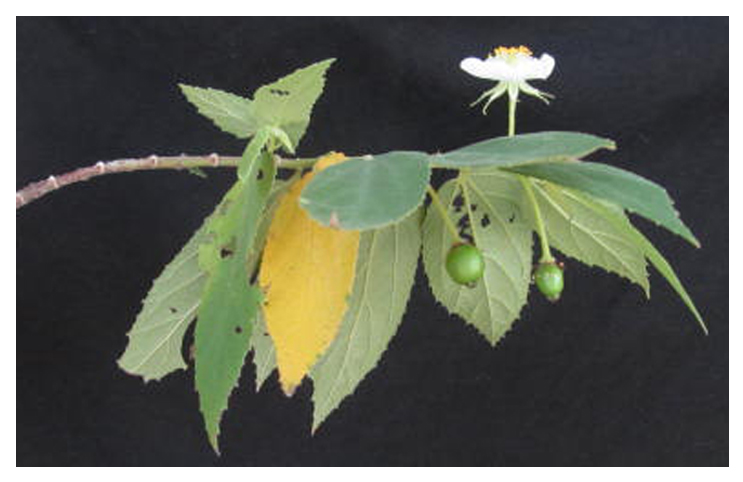
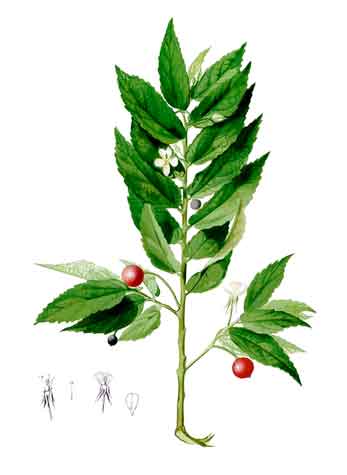
Aratiles is a fast growing tree, 5 to 10 meters high,
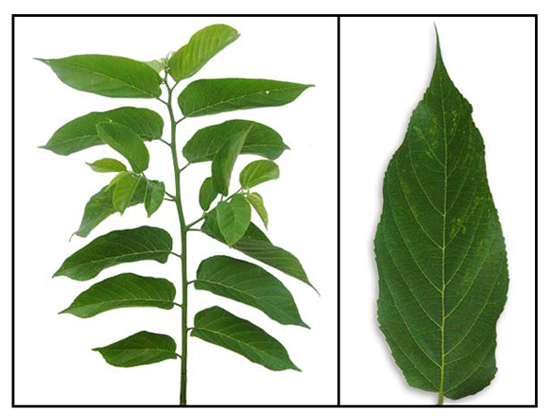
with spreading branches. Leaves are hairy, sticky, alternate,
distichous, oblong-ovate to broadly oblong-lanceolate, 8 to 13
centimeters long, with toothed margins, pointed apex and inequilateral
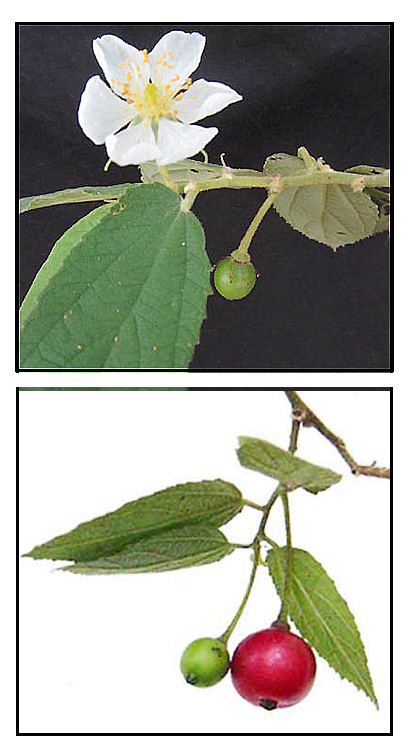
base, one side rounded and the other acute. Flowers are about 2 centimeters
in diameter, white, extra-axillary, solitary or in pairs. Sepals
are 5, green, reflexed, lanceolate, about 1 centimeter long. Petals are
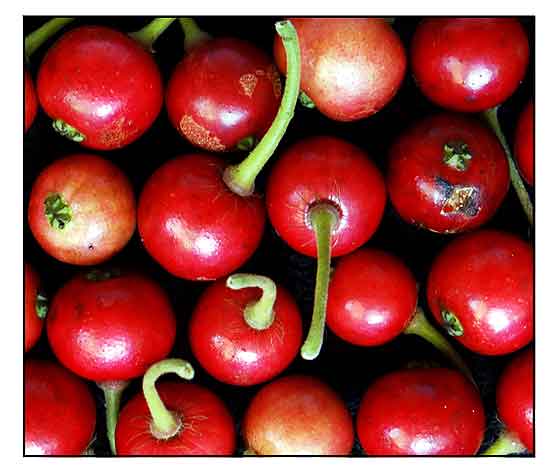
white, obovate, 1 centimeter long, deciduous and spreading. Fruit is a berry, rounded,
about 1.5 centimeter in diameter, red on ripening, smooth, fleshy, sweet
and many seeded.
Distribution
- Naturalized, widely distributed, growing in and about towns.
- Introduced from tropical America.
- Also reported in Thailand and Java.
 Constituents Constituents
- Phytochemical analysis of various leaf extracts yielded saponin, tannins, triterpene, steroid, and flavonoids.
- Dichlormethane extract of fruit yielded squalene (1), triglyceride (2), a mixture of linoleic acid (31) palmitic acid (3b) and α-linolenic acid (3c), and a mixture of ß-sitosterol (4a) and stigmasterol (4b). (see study below) (29)
- Fruit extract yielded phenols, flavonoids, anthocyanins tannins, saponins, etc. A methanolic fruit extract yielded 1.49 g/100g gallic acid of phenolic content, 3 mg/g CE of flavonoid, and 300
µg CGE/100g fresh mass fruit of anthocyanin. (18)
- Phytochemical screening of fruit yielded terpenoids (W), flavonoids (EMW), saponins (C), tannins (ECW), reducing sugars (ECW), phenols and (EMW). (E ethanol, M methanol, C chloroform, W water), Total phenolic content of chloroform extract of raw fruit yielded 3.8 µg. (27)
• Various solvent extracts (water, methanol, ethanol, chloroform, ether) yielded bioactive constituents saponin, tannin, and flavonoids. Qualitative phytochemical analysis of methanol solvent yielded epigallocatechin gallate and genistein of 135.15 µg/g and 135.29 µg/g, respectively. (30)
• GC-MS analysis of leaves for volatile compounds yielded myrcene (5.927%), thymol (3.543%),
α-terpinol (11.831%), linalool (2,240%), geraniol (21.718%). nerol (4.375%), citronellol (12.837%), eugenol (17.498%), α-lonone (1.413%), ß-sitosterol (7.806%), α-amyrin (3.167%), lupelol (4.228%).
α-tocopherol (1.975%) and ß carotene (1.425%). (34)
• LC-MS analysis of leaves yielded fumaric acid (6.643%), succinic acid (4.903%), niacin (0.718%), malic acid (2.863%), cinnamic acid (4.945%), pyridoxine (1,893%), gallic acid (21,428%), ascorbic acid (6.121%), glucose (8.166%), fructose (20.690%), pantothenic acid (1.478%), biotin (1.025%), thiamin (1.158%), ), kaempferol (6.825%), catechin (14.407%), quercetin (10,623%), riboflavin (1.131%), and folic acid (1.553%). (34)
- Phytochemical screening of flower extract yielded flavonoids, carbohydrates, glycosides, saponins, and phenolic compounds. (see study below) (35)
 - Phytochemical screening yielded sterols, flavonoids, alkaloids, saponins, glycosides and tannins in the leaf extract and triterpenes together with relative amounts of flavonoids, saponins, glycosides, and tannins in the stem extract. (see study below) (37) - Phytochemical screening yielded sterols, flavonoids, alkaloids, saponins, glycosides and tannins in the leaf extract and triterpenes together with relative amounts of flavonoids, saponins, glycosides, and tannins in the stem extract. (see study below) (37)
- GC-MS analysis of leaves for volatile compounds yielded geraniol (26.335%), eugenol (19.950%), citronellol (16.958%), α-amyrin (6.225%), myrcene (3.440%), and α-terpineol (7.356%). LC-MS analysis for phenol compounds yielded gallic acid (18.607%), catechin (14.077%), quercetin (10.255%), ellagic acid (9.626%), and kaempferol (8.699%). (38)
- Study of stem wood yielded a new biflavan, (M),(2S),(2''S)-,(P),(2S),(2''S)-7,8,3',4',5',7'',8'',3''',4''',5'''-
decamethoxy-5,5'' biflavan (1), a new flavone, 4'-hydroxy-7,8,3',5'-tetramethoxyflavone (2),
and a new dihydrochalcone, (R)-2',β-dihydroxy-3',4'-dimethoxydihydrochalcone (3), together with 12 known compounds. (see study below) (39)
- The total phenolic content for the aqueous, methanol and chloroform extracts of Muntingia calabura leaves were 2970.4 ± 6.6, 1279.9 ± 6.1 and 2978.1 ± 4.3 mg/100 g gallic acid, respectively. (see study below) (10)
Properties
- Fast growing tree that makes for a favorable shade tree.
-
Antispasmodic and emollient.
- Studies have shown antioxidant, anti-inflammatory, anti-pyretic, analgesic, cytotoxic, hepatoprotective, gastroprotective, cardioprotective, antibacterial, antiulcer, insecticidal, tyrosinase-inhibitory, antifungal, antidiabetic, anti-hyperuricemic properties.
Parts utilized
Bark, leaves and flowers.
 Uses Uses
Edibility
- The ripe fruit is very popular among Filipino children.
- Fruits processed into jam.
-
Leaves used for making tea.
Folkloric
- Flowers are antispasmodic. Decoction of flowers for abdominal
cramps.
- Decoction used as emollient.
- Flowers used as antiseptic and to treat spasms.
- Leaves used as antiseptics or antipruritic; also, to treat abdominal cram
- Also used to relieve colds and headaches.
- In the Antiles, used as antispasmodic.
- In Martinique, bark decoction is mucilaginous and used as emollient.
- In Peru, leaves used for treatment of gastric ulcers and to reduce prostate gland swelling. (36)
Others
- Cordage: Bark used for making rope.
- Timber: Wood is compact, fine-grained, moderately strong and light in weight
and durable, used for carpentry work.
- Food source: Source of food of birds and mammals.
Studies
• Antibacterial Activity:
Study evaluated the antibacterial activity of various extracts of M. calabura using in vitro disc diffusion methods. An aqueous extract was effective against A. aureus, K. rhizophila, while the methanol extract was effective against S. flexneri, B. cereus, S. aureus, P. vulgaris, A. hydrophila, and K. rhizophila. Results suggest M. calabura possesses potential antibacterial
property that is comparable to the standard antibiotics used. The study
also suggests the presence of a more potent polar antibacterial compound. (1)
• Anti-Staphylococcal Activity Study isolated fractions from the methanol extract of MC with anti-staphylococcal activity.
• Antinociceptive / Anti-inflammatory
/ Antipyretic / Leaves: The study concludes that M. calabura leaves possessed
antinociceptive, anti-inflammatory and antipyretic activities, justifying
the Peruvian folkloric medicinal use. (3)
• Cytotoxic Flavonoids / Anticancer / Roots: Study isolated 12 new flavonoids were isolated (7 flavans, 3 flavones, two biflavans).
Most of the isolates demonstrated cytotoxic activity and some exhibited
selective activities when evaluated with a number of human cancer cell
lines. (4)
• Cytotoxic / Leaves and Stems : Study of leaves and stems of Muntingia calabura yielded cytotoxic flavonoids: chrysin, 2',4'-dihydroxychalcone and galangin 3, 7-dimethyl ether. The compounds were active against one or more panels of human and murine cell lines. (5)
• Cardioprotective / Leaves: Pretreatment with M calabura leaf extract efficiently protected the myocardium against isoproterenol-induced myocardial infarction. It brought about a significant decrease in cardiac marker enzyme activities probably due reduction in extent of myocardial damage and restriction of leakage of enzymes from the myocardium. (6)
• Antinociceptive / Opioid Receptor Connect: Aqueous extract of Muntingia calabura showed significant antinociceptive activity against chemically and thermally induced noxious stimuli. The bioactive compounds responsible for the activity work partly through the opioid receptor system. (7)
• Antioxidant / Fruits: Study showed high levels of antioxidant activity in the fruit extracts. There was a correlation between antioxidant activity and phenolic flavonoid contents. (8) Various fruit extracts were evaluated for in vitro antioxidant activity against DPPH radical quenching assay and reducing power. Higher antioxidant potential was seen in DPPH scavenging assay, with a positive correlation between phenolics and flavonoid contents and antioxidant properties of the extracts. (see constituents above) (18)
• Anticancer / Antiproliferative / Antioxidant / Leaves: Study evaluated the in vitro antiproliferative and antioxidant activities of aqueous, chloroform, and methanol extract of M. calabura leaves. Using MTT assay, the aqueous and methanol extracts inhibited the proliferation of MCF-7, HeLa, HT-29, HL-60, and K-562 cancer cells while the chloroform extract only inhibited the proliferation of MCF-7, Hela, HL-60 and K-562 cancer cells. All extracts exhibited antioxidant activity by DPPH radical scavenging and superoxide scavenging assays, with the methanol extract exhibiting highest activity in both assays. The antiproliferative and antioxidant activities that could be attributed to high content of phenolic compounds. (see constituents above) (10)
• Hypotensive Effect / Leaves: Study evaluated the cardiovascular effect of a methanol extract from the leaf of MC. A fractionated water-soluble extract elicited both a transient and delayed hypotensive effect via production of NO (nitric oxide). Activation of NO/sGC/cGMP signaling pathway may mediate the MC-induced hypotension. (11)
• Antinociceptive / Mechanisms / Leaves: Study on a methanol extract of leaves showed antinociceptive activity involving activation of peripheral and central mechanisms, and partly, via modulation of opioid receptors and NO/cGMP pathway. (12) A petroleum ether partition showed antinociceptive activity at the peripheral and central levels via modulation of, partly, opioid and several non-opioid receptors, glutamatergic, TRPV1, PKC and K+ channels systems, but not L-arg/NO/cGMP pathway. (12)
• Analgesic / Antipyretic / Leaves: Study of chloroform extract of M. calabura leaves showed remarkable antinociceptive and antipyretic, but less effective anti-inflammatory activities in various animal models. (16)
• Antimicrobial / Leaves: Study evaluated the in vitro antimicrobial activity of Muntingia calabura leaf extracts against a selected panel of microorganisms. A methanol extract produced inhibition zones against S. aureus, P. aeruginosa, E. coli, K. pneumonia and C. neoformans. Results suggest potent antibacterial activity and the presence of more potent polar antibacterial compound. (17)
• Effect on Isoproterenol-Induced Myocardial Infarction: Study evaluated the effects of an aqueous extract of MC on isoproterenol-induced myocardial infarction. in Wistar albino rats. Pretreatment with the aqueous extract had a significant effect on the activities of marker enzymes (CK, LDH, and transaminases. (18)
• Antihyperglycemic / Antioxidant / Leaves: Study evaluated Muntingia calabura leaves extracts for in vitro antioxidant and antidiabetic property in Streptozotocin-Nicotinamide induced type II diabetic rat model. In four complementary antioxidant assays, the ethanolic extract of leaves showed high phenolic and flavonoid content. Treatment of STZ-N induced type II diabetic rats with the extracts caused a significant reduction in fasting glucose level in a dose dependent manner. All the extracts showed dose-dependent antioxidant and anti-hyperglycemic activity with potential to protect against free radical medicated damages. (19)
• New Cytotoxic Flavonoids / Anti-Cancer / Roots: Study of cytotoxic Et2O-soluble extract of Muntingia calabura roots isolated 12 new flavonoids, viz. seven flavans 207, three flavones 8,10, and 12,and two biflavans 9 and 11. Most of the isolates demonstrated cytotoxic activity against P-388 cells. Some of the flavonoids exhibited somewhat selective activities against a number of human cancer cell lines. (20)
• Gastroprotective Cytotoxic Flavonoids / Anti-Cancer / Roots: Study evaluated a methanol extract of M. calabura leaves for the mechanism of gastroprotective effect in a pylorus ligated induced gastric ulceration model in rats. The MEMC exerted gastroprotective effect via several mechanisms including anti-secretory, antioxidant, and anti-inflammatory activities. The activities could be attributed to the presence of tannins, saponins, and flavonoids (e.g., rutin, quercitrin, fissetin and dihydroquercetin). (21)
• Hepatoprotective / Paracetamol Induced Liver Toxicity / Leaves: Study evaluated the hepatoprotective activity of a methanol extract of Muntingia calabura leaves in a paracetamol-induced liver damage animal model in rats. Results showed a hepatoprotective effect with successful reversal of the PCM-induced hepatotoxic effect with reduction of ALT, AST. and ALP possibly through the extract's ability to inhibit cytochrome P450 and/or ability to promote PMC glucuronidation. (22)
• Anti-Ulcer / Leaves: Study evaluated the anti-ulcerogenic properties of leaf extract of Muntingia calabura in Sprague-Dawley male rats with ethanol-induced gastric ulcers. Results showed significant protection of gastric mucosa against ethanol-induced injury as evidenced by increased mucus production and decrease acidity of gastric content. (24)
• Acute Toxicity Testing / Leaves: In acute toxicity testing with animals treated with MCELE at doses of 2 and 5 g/kg for 14 days, there was no mortality and no manifestation of significant sign of toxicity. (24)
• Insecticidal
/ Flowers and Fruits: Study evaluated the insecticidal effects of hexane and ethanolic extracts of flowers and fruits of MC against diamondback moth, Plutella xylostella. While all extracts were toxic to larvae and pupae, ethanolic extracts of flowers and fruits were most toxic against 1st instar larvae with LC50 values of 0.61 µg and 1.63 µg mL, respectively. Results suggest a potential as commercial insecticide. (25)
• Tyrosinase Inhibition / Skin Whitening / Antioxidant:
Study investigated with potential skin-lightening and antioxidant potential of Muntingia calabura extracts from various parts (leaf, flower, and fruit). Results showed leaves possessed maximum tyrosinase inhibiting potential among extracts tested. The hydroalcoholic extract showed dose dependent DPPH scavenging activity with IC50 of 8.5 µg. (26)
• Antimicrobial / Leaf, Bark, Fruits: Study evaluated aqueous and methanol extracts of leaf, bark, and fruits for phytochemicals and antimicrobial activities. Results showed antibacterial activity against M. luteus, P. aeruginosa, and B. cereus and antifungal activity against Fusarium sp and Penicillium sp. (28)
• Known Biologic Activities of Phytoconstituents / Fruit: Study of dichlormethane extract of fruit yielded constituents with previously known biologic activities: squalene, reported to possibly possess chemopreventive activity against colon carcinogenesis; triacyglycerols which have exhibited antimicrobial activity; linoleic acid reported to be anticarcinogen in some animal models; ß-sitosterol reported to possess growth inhibitory effects in human breast MCF-7 and MDA-MB-231 adenocarcinoma cells; stigmasterol which has shown efficacy against Ehrlich ascites carcinoma. (see constituents above) (29)
• Anti-Diabetic / Root Proteins: Study investigated the in vitro antidiabetic activity of proteins from M. calabura root. Study concludes root proteins possess significant antioxidant and antidiabetic activity. In vitro antidiabetic potential was confirmed through alpha amylase enzyme, alpha glucosidase enzyme inhibition studies and glucose uptake in yeast cell studies. Antioxidant activity was done using DPPH model. (32)
• Antifungal / Fungal Phytopathogens / Leaves: Study of various extracts of M. calabura leaves showed potential antifungal property with the presence of more potent polar antifungal compounds. (33)
• Antispasmodic / Flowers: Study evaluated the aqueous extract of flowers of Muntingia calabura for antispasmodic activity on isolated rabbit's jejunum. The flower extract exhibited significant dose-dependent relaxation of spontaneous contractions in isolated rabbit's jejunum preparation with IC100 value of 36 ± 3.02 µg/ml, more potent than the standard drug verapamil with IC100 of 40 ± 1.02 µg/ml. (35)
• Cytotoxicity / Anticancer / Leaves: Study evaluated the in vitro cytotoxic activity of M. calabura leaf against cancer (HJ60 and MCF-7) and normal cell lines using MTT assay. Fraction 5 showed strong inhibition against HL60 with an IC50=3.98—0.09 µg/ml as compared to other cell lines and fractions. (36)
• Antimicrobial / Leaves and Stems: Study evaluated bioactive phytochemicals and antimicrobial activity of leaf and stem ethanolic extracts of Muntingia calabura. The extracts showed varying degrees of antimicrobial activity against P. aeruginosa, S. aureus, B. subtilis, S. typhimurium and Candida albicans. (see constituents above) (37)
• Anti-Inflammatory / Inhibition of Neutrophil Pro-Inflammatory Responses / Stem Wood: Study of stem wood yielded a new bifavan, a new flavone, and a new dihydrochalcone, together with 12 known compounds (4-15). Compounds 5-hydroxy-7-methoxyflavone (5), quercetin (6), and (2S)-7-hydroxyflavanone (10) exhibited potent inhibition of 1MLP-induced superoxide anion generation by human neutrophils, with IC50 of 177 ± 0.70, 3.82 ± 0.46 and 4.92 ± 1.71 µM, respectively. (see constituents above) (39)
• Inhibition of Glucosyltransferase
Activity of Streptococcus mutans / Dental Caries / Leaves: Streptocccus mutans is a bacteria that can cause dental caries; it has GTF which can catalyze glucan synthesis to cause the progression of dental caries. Study of a 10% concentration of M. calabura leaves showed a significant lowering of GTF activity. (40)
• Chromium Biosorption / Leaves: Chromium is a heavy metal with wide applications in tannery and electroplating industries. Above permitted level, Chromium VI in surface water leads to severe health hazards. Study showed efficient biosorption of chromium by cherry leaves. (41)
• Antimicrobial / Anti-Fouling Activities: Study evaluated the possible antifouling and antimicrobial activities of various extracts of M. calabura. Highest antimicrobial potential was observed with methanolic extracts against K pneumonia, B. subtilis, B. megaterium, and P. aeruginosa. Biofilm formation inhibition results suggested the effect was time-dependent. Efficacy was comparable to ampicillin. Extracts also exhibited high hemagglutintion activity. Phytochemical screening yielded significant amounts of tannins, alkaloids, steroids, and flavonoids. Study also showed presence of good amount of lectin activity. (42)
• Gastroprotective / Flavonoids / Leaves: Soft drinks have degenerating effect as strong as alcoholic beverages. Study evaluated the gastroprotective effects of flavonoids in Muntingia calabura ethanolic leaves extract against alcoholic beverages and soft drinks induced gastric mucosal damage in male Wistar rats. Extract treatment prior to 40% alcoholic beverages and soft drinks significantly protected the gastric mucosa as ascertained by significant reduction of gastric mucosal injury and increase in normal gastric mucosa. (43)
• No Cytotoxic Effect against A549 Human Lung Adenocarcinoma / Leaves: Studies have been made on the cytotoxic effect of M. calabura leaves on a variety of cancer cell lines. This study evaluated the cytotoxic activity of methanolic extract of M. calabura leaves against A549 human lung adenocarcinoma cell line. Study showed no significant cytotoxicity. The IC50 of methanolic extract exceeded m50µg/mL, with no linear interpolation compared to doxorubicin. (44)
• Antirheumatic / Leaves: Study evaluated the antirheumatic activity of M. calabura leaves ethanol extract and various fractions in a rheumatoid arthritic rat model. Rheumatoid arthritis was induced in rats by injection of CFA (Complete Freund® Adjuvant) into the right foot paw of Wistar rats. Results showed M. calabura ethanol extract and fractions were able to reduce inflammation. Histopathology showed reduction of cartilage destruction, influx of inflammatory cells, pannus formation, fibrin deposition, and synovitis. (45)
• Anti-Aging Effects / Antioxidant / Leaves: Study evaluated the effects of M. calabura aqueous leaves extract on oxidative stress and histological changes on a mouse model of skin aging. Groups receiving extract 70 mg/kg and vitamin C had lower plasma MDA level, higher fibroblast number and density of collagen bundles which are reduced in the aging group (p<0.05). Epidermal thickness was not significantly different. Results suggest the leaves extract had antioxidant and anti-aging effects on D-galactose-induced mouse model of skin aging. (46)
• Antioxidant / Leaves: Study evaluated the in vitro antioxidant property of crude protein of M. calabura leaves using DPPH and superoxide radical scavenging activity. The crude protein of M. calabura leaves extract showed significant antioxidant activity. Results suggest a potential alternate to synthetic antioxidants. (47)
• Antioxidant / Anti-Inflammatory / Anti-Proliferative / Colon Cancer / Leaves: Study evaluated the cytotoxicity of methanol extract of M. calabura leaves towards human colorectal cancer cell line (HT-29) and cancer chemopreventive property. A methanol extract and ethyl acetate extract showed strongest activity in SOD, DPPH, and TPC assays. MEMC showed inhibition against T-29 cells with IC50 of 90.8 ± 5.8 µg/mL. The MEMC also showed strong anti-inflammatory action against LOX activity with inhibition of 87.65 ± 4.21% and moderate inhibition against XO at 51.89 ± 4.58%. In toxicity study, NOAEL (no observed adverse effect level) for MEMC was greater than 500 mg/kg. On chemopreventive study, the MEMC significantly reduced the number of aberrant crypt foci (p<0.05). Results suggest the MEMC showed potential anti-colon cancer activity attributed to its antioxidant and anti-inflammatory activity. (48)
• Effect on Uric Acid Concentration and Renal Histopathology in Diabetic Rats / Stem Bark: Study evaluated the uric acid concentration and renal histopathology of MC stem bark extracts in diabetic rats. Results showed decrease in uric acid concentrations and no specific damage to renal proximal tubular cells. Study suggests stem bark has potential as antihyperuricemic in diabetic rats. (49)
• Zinc Oxide Nanoparticles / Leaves: Study reports on the green and economical production of zinc oxide (ZnO) nanoparticles, with its potential for large scale production. (50)
• Antidiabetic / Leaves: Study evaluated the in vivo antidiabetic activity of M. calabura leaf water extract on two animal models viz. insulin deficient model induced by alloxan and insulin resistant model by lipid emulsion administration. Results showed the water extract at dose of 400 mg/kbw demonstrated antidiabetic activities via mechanisms of blood glucose lowering, pancreatic ß cells regeneration, and increased insulin sensitivity. (51)
• Effective Antioxidant Compounds / Fruit: Study sought to identify the effective compounds of M. calabura fruit. The ethanol extract showed higher phenolic content and antioxidant activities. Column chromatography and sequential elution yielded 15 fractions. Fractions 13 and 14, which exhibited better antioxidant effects, yielded two major compounds on HPLC purification viz. gallic acid and 1,2-benzene-dicarboxylic acid disooctyl ester in amounts of 3.76 and 4.62 mg/g. (52)
• Flavones / Cytotoxicity / Antioxidant Compounds / Fruit: Study of stem bark yielded two new flavones, along with thirteen known compounds. Among the isolates, 8‐hydroxy‐7,3′,4′,5′‐tetramethoxy- flavone, 8,4′‐dihydroxy‐7,3′,5′‐trimethoxyflavone, and 3‐hydroxy‐1‐(3,5‐dimethoxy‐4‐ hydroxy- phenyl)propan‐1‐one exhibited effective cytotoxicities (ED50 values = 3.56, 3.71, and 3.27 μg/mL, respectively) against the P‐388 cell line in vitro. (53)
• Effect on Glucose and Insulin Levels / Leaves: Study evaluated the effect of M calabura leaves extract on blood glucose and insulin levels of male Rattus novergicus on high fat diet and STZ induced diabetes. Results showed effective reduction of blood glucose at dose of 500 mg/kg, along with an increase in insulin level, (54)
• Antidiabetic / Effect of Drying Methods on Leaves: Study evaluated the effect of three drying methods (freeze-drying-FD, air-drying-AD, and oven-drying-OD) and ethanol:water ratios (0, 50, and 100%) on in vitro anti-diabetic activity of leaves. Results showed FD of leaves extracted with 50% ethanol was best for extracting antidiabetic metabolites, and was the most active extract with α-glucosidase and α-amylase inhibitory activities with IC50s of 0.46 and 26.39 µg/mL, respectively. Study suggests that with incorporation of FD method, M. calabura leaves has potential as source of naturally derived herbal medicinal components for diabetes therapy and prevention of complications. (55)
• Antidiabetic / Leaves: Study evaluated ethanol extract of seri leaves (M. calabura) in diabetic rats induced by alloxan. Results showed antidiabetic activity with no significant difference compared with glibenclamide (p<0.05). According to relation between percentage of decrease in blood glucose with dose, the value of ED50 of the ethanol extract of seri leaves is 692.424 mg/kgBB. (56)
• Gastroprotective Synergism with Melastoma malabathricum / Leaves: Both Muntingia calabura and Melastoma malabathricum have been reported to possess gastroprotective activity. Study evaluated the synergistic gastroprotective activity of methanol extracts of MM and MC in rat models of ethanol-induced or pyloric ligation induced gastric ulcers. MMMC in 1:1 ration exhibited the most effective (p<0.001) gastroprotective activity as shown by highest reduction in ethanol-induced ulcer area formation. MMMC also significantly (p<0.001) reduced volume of gastric content, increased gastric wall mucus content in the pyloric ligation test. MMMC also exhibited remarkable antioxidant oxidant activity with high total phenolic content and ORAC activity. MMMC also improved CAT, SOD, GSH, prostaglandin E2 (PGE2) and MDA activities of gastric tissue intoxicated with alcohol. Gastroprotective activity was attributed, partly, by activation of antisecretory and antioxidant activities, and modulation of the gastric tissue endogenous antioxidant system. (57)
• Prophylactic against Gastric Ulcer / Antioxidant / Anti-Inflammatory / Leaves: Study evaluated the prophylactic effect of methanolic extract and fractions of M. calabura leaves against ethanol-induced gastric lesions in rats. Pretreatment with petroleum ether fraction and ethyl acetate fraction significantly (p<0.001) attenuated gastric lesions. All fractions showed high superoxide and DPPH scavenging activity. The prophylactic effect of fractions on gastric ulcerations was attributed to high antioxidant activity and ability to inhibit inflammatory mediators. (58)
• Hepatoprotective / Carbon Tetrachloride Toxicity / Leaves: Study evaluated the effect of methanol extract of leaves on CCl4-induced hepatotoxic Sprague Dawley rats. The ME at 500 mg/kg significantly (p<0.05) ameliorated CCl4-induced hepatotoxicity by decreasing ALT and AST, as well as tissue level of nitric oxide. The MMCL significantly (p<0.05) reduced TNF-α, interleukin-1ß, and interleukin-6 and increased liver catalase and superoxide dismutase. The ME contained gallic acid, ferulic acid, quercetin, and genistein. (59)
• ß-Sitosterol / Potential SARS-CoV-2 Mpro (COVID-19) Inhibitory / Bark: Molecular docking studies evaluated ß-sitosterol isolated from M. calabura bark as immunostimulant, antioxidant, and inhibitory potential against Receptor Binding Domain (RBD) of SARS-CoV-2 Spike Glycoprotein. Study concludes that ß-sitosterol can be used to enhance immunity against SARS-CoV-2 infection and restrict viral invasion into host cell through angiotensin converting enzyme-2 (ACE-2) by inhibiting spike glycoprotein. Study suggests increasing dietary intake of ß-sitosterol and other phytosterols may modulate immunity against COVID-19. (60)
• Anti-Inflammatory in COPD / Legetan Warak and Kersen Leaf: Study evaluated the anti-inflammatory potency of legetan warak (Adenostemma lavenia) and kersen leaf (Muntingia calabura) extract for treating COPD through inhibition of cyclooxygenase-2 (COX-2). Phytochemical assay show both plants contain flavonoid compounds. Based on literature studies, the leaf extracts of legetan warak and kersen leaf have potential as anti-inflammatory by inhibition of COX-2 activity.
(61)
• Hepatoprotective / Paracetamol Toxicity / Antioxidant and LOX / Leaf: Study evaluated the most effective hepatoprotective partition from leaf extract in paracetamol toxicity. Results showed the aqueous extract exerted significant (p<0.05) antioxidant activity by DPPH, SOD, and ORAC assays and anti-inflammatory activity via LOX pathway. Hepatoprotective effects were evidenced by reversal of paracetamol effects on liver weight, liver enzymes and endogenous antioxidant enzymes (SOD and CAT). Phytochemical analysis showed presence of bioactive compounds such as gallic acid and quercetin, which have been reported to possess hepatoprotective activities. (62)
• Anticarcinogenic / Azoxymethane-Induced Colon Cancer / Leaves: Study evaluated the chemopreventive effects of methanol extract of MC leaves against azoxymethane (AOM)-induced colon cancer in Sprague-Dawley rats. The extract exerted significant (p<0.05) anti-carcinogenesis activity evidenced by decrease in total aberrant crypt formation, increase in colon tissue antioxidant markers (SOD, CAT, GSH) and reduced oxidant marker (MDA) compared to cancer group.
The anticancer effect was attributed possibly via action of flavonoids on colon tissue antioxidant activity. (63)
• Antihypertensive / Biphasic Cardiovascular Effects / Leaves: Study evaluated the antihypertensive effects of n-butanol soluble fraction (BSF) from methanol leaf extract in spontaneously hypertensive rats (SHR). An intravenous bolus of BSF produced biphasic dose-related antihypertensive and bradycardic effects in SHR. Results suggest the transient and delayed antihypertensive and bradycardic actions in SHR may be mediated through NO generated by eNOS and iNOS. Activation of sGC/cGMP/PKG signaling pathway may participate in the M. calabura-induced biphasic cardiovascular effects.
(64)
• CYP450-Hepatoprotective Activity / Galangin / Leaves: Study evaluated the hepatoprotective property of aqueous M calabura leaf extracts in inhibiting salient CYP450 enzymes associated with hepatotoxicity, CYP3A4, CYP2E1, CYP1A2, and CYP2D6. Phytochemical screening yielded phenols, tannins, saponins, alkaloids, and flavonoids. Docking study showed that galangin, a flavonoid, has highest binding affinity to CYP450 enzymes compared to all putative metabolites tested. Galangin also outranked known enzyme inhibitors, except for ritonavir and
α-naphthoflavone, inhibitors of CYP3A4 and CYP 1A2, respectively. Study suggests CYP450-hepatoprotective activity may be due to galangin.
(65)
• Anti-Staphylococcus aureus / Cell Leakage Kill Mechanism / Leaves: Study evaluated the effect of ethanol leaf extract of M. calabura on cell leakage and time-kill against S. aureus. LC-MS/MS of the ethanol leaf extract showed flavonoids (48.33%) and anthraquinones (16.10%) were the major classes of compounds in the extract. UV-spectrophotometer was used to test for leakages of nucleic acid, protein, DNA, and RNA, while atomic absorption spectrophotometer was used to evaluated leakage of potassium ion (K+). Results suggest the leaf extract kills S. aureus by inducing cell leakage possibly due to flavonoids and anthraquinones. (66)
• Silver Nanoparticles / Antibacterial / Leaves: Study reports on the green synthesis of AgNPs using Muntingia calabura leaf extract as reducing and stabilizing agents. The AgNPs showed antibacterial activity against E. coli and B. cereus. Results suggest potential for the AgNPs for water treatment and medicinal purposes. (67)
• Mitigation of DMH-induced Colon Carcinogenesis / Leaves: Study evaluated the effect of methanolic extract of M. calabura leaves in ameliorating oxidative stress and inflammation associated with 1,2-dimethyl hydrazine (DMH) induced colon cancer in Wistar rats. ME supplementation at doses of 100 an d 200 mg/kbw cause antioxidant enzymic levels to return to near normal range. Results suggest MEMC ameliorated oxidative stress and inflammation associated with colorectal cancer. (68)
• ACE Inhibitory Activity / Hypotensive / Leaves: Inhibition of angiotensin 1-converting enzymes (ACE) is a mechanism for lowering blood pressure. M. calabura leaf is reported to have excellent hypotensive effect. Study showed the jamfruit leaf extract had ACE inhibitory activity and the ethyl acetate fraction was the most active fraction. Inhibitory concentration 50% was 0.63 µg/mL. The EA fraction also yielded most flavonoid and phenolic content with 10.91 mg/g extract QE and 74.90 mg/g GAE. (69)
• Increase Collagen Production / Leaves: Loss of skin elasticity is part of aging. Dermal fibroblast cells decrease the amount of collagen secretion resulting in the wrinkled appearance. Muntingia calabura has a high phenolic content that helps to decrease oxidative stress and increase collagen production. Study evaluated the effect of methanolic extract of leaves in increasing the amount of collagen production in 3T3 fibroblast cells culture. Results showed the methanolic extract of leaves had a statistically significant effect (p<0.05) in increasing procollagen-1-propeptide N-terminal (P1NP) of 3T3 fibroblast cell culture in a dose dependent manner. (70)
• Antihyperglycemic / Fruits: Study evaluated the in-vitro antioxidant and antidiabetic effect of aqueous methanol extract of M. calabura fruit by α-amylase and α-glucosidase inhibitory activity. The fruit extract showed high total phenol content and moderate free radical scavenging activity. The fruit extract showed α-amylase and α-glucosidase inhibitory activity with IC50s of 61.43 µg/mL and 140 µg/mL compared to standard acarbose. (71)
• Antibacterial / Antibiofilm / Anti-Quorum Sensing / Leaves: Study evaluated the antioxidant, antibacterial and anti-quorum sensing (QS) properties of methanol extract of M. calabura leaves against biofilm-forming strain of Pseudomonas aeruginosa. The methanol extract showed potent activity against P. aeruginosa. The QS controlled virulence factors in P. aeruginosa was significantly inhibited by the MC leaf extract. Microscopic images showed major reduction in P. aeruginosa biofilm formation.
(72)
• Antiobesity Effect
/ Antibiofilm / Leaves: Study evaluated the effect of ethanolic extract of M. calabura leaves on high-fat diet-induced obesity in rats. Ethanolic extract of MC leaves at doses of 250 and 500 mg/kg orally for 49 days exhibited significant antiobesity activity by reducing physical and biochemical parameters.
(73)
• Immunostimulant / Fruits: Study evaluated the immunomodulatory activity of Jamaican cherry fruits against specific immune response by measuring immunoglobulin G (IgG) in animals induced by hepatitis B vaccine. Administration of methanol extract and EA fraction of fruits significantly (p<0.05) stimulated IgG production. The extract and fraction yielded flavonoids, phenolics, and triterpenoids.
(74)
• Potential for Herbal Tea / Leaves: Study evaluated herbal tea production from leaves focusing on effect of parameters such as effect of blanching temperature and time, heat pump drying temperature and storage condition, vitamin C and flavonoid content, and sensory score of dried leaf tea. Results suggest leaves should be blanched in hot water 95°C at 5 seconds in the presence of CaCl2 0.5%, and then dried by heat pump at 40° C to achieve 8% moisture. The final herbal tea could be preserved under vacuum in PET/AL/PE bag at 4°C to maintain flavonoid content for 12 months.
(75)
• Wine Fermentation / Fruit: Study evaluated wine fermentation from the fruit focusing on parameters such as pectinase concentration and time of treatment for juice extraction, yeast inoculate for wine fermentation, and secondary fermentation to wine quality. Results showed 0.15% pectinase was used for juice extraction in 20 minutes, 0.3% sacchromyces cerevisiae was used for main fermentation at 11.5°C in 9 days, with 4 weeks of secondary fermentation in dark bottle at 9.5°.
(76)
• Anti-Inflammatory / Balm Stick / Leaves: Study evaluated the anti-inflammatory effect of a balm stick preparation made from cherry leaf extract in topical concentrations of 2.5, 5, and 10% tested in male white rats induced by carrageenan. Balm sticks showed concentration dependent anti-inflammatory effect of 44.44%, 60.27% and 95.83% in concentrations of 2.5, 5, and 10%, respectively.
(77)
• Anthelmintic against Haemonchus contortus / Leaves: Haemonchosis is one of the most significant parasitic diseases of livestock worldwide. Study evaluated the acetone extract of M. calabura leaves for anthelmintic activity in vitro against Haemonchus contortus of sheep using adult motility assay and egg hatch test. Results showed time-concentration dependent anthelmintic activity with potency at par with albendazole.
(78)
Availability
Wild-crafted. |