Gen info Gen info
- Ipomoea pes-caprae is a common pantropical creeping vine belonging to the family Convolvulaceae. It is one of the most common and widely distributed salt tolerant plants and is one of the best examples of oceanic dispersal, its seeds float unaffected by salt water. (45)
- It was originally described by Linnaeus, and placed in the current genus by Robert Brown in 1818.
- Etymology: The name derives from the Greek words ips meaning worm, and homoios meaning similar to, referring to its twining habit. Pes-caprae means "goat foot" from the Latin words pes meaning foot and caprae meaning goat, referring to the leaf shape resembling a goat's foot. (23)
Botany
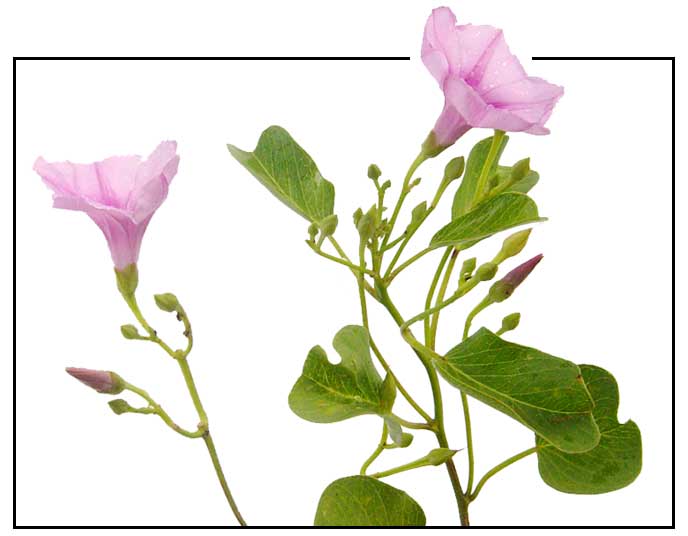
Bagasua is a wide-spreading, creeping or twining,
smooth vine. Leaves are alternate, orbicular to elliptic, thick, shining,
6 to 14 centimeters long, with a notched or lobed tip and broad base. Flowers
are campanulate, light purple, borne on pedicels in the axils of leaves,
usually as long as the stalks. Stalk is erect and bears one to six flowers,
which often opens one at a time. Sepals are green, elliptic, and 8 millimeters
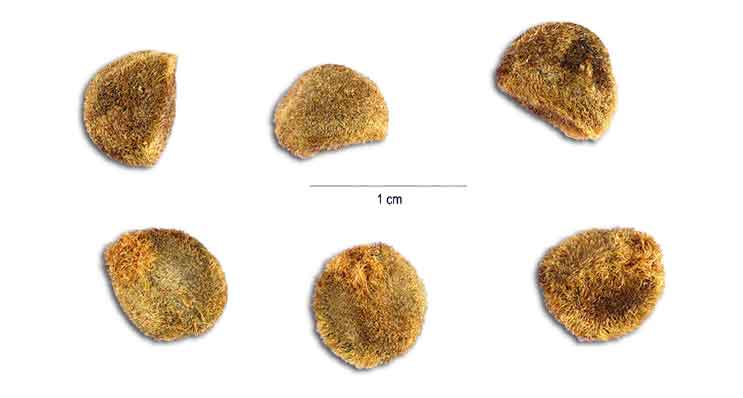
long. Corolla is purple, bell-shaped, and 5 centimeters long, with the limb 5 to 6 centimeters in diameter and slightly lobed. Capsules are smooth, ovoid, about 1 centimeter long. Seeds are covered
with hairs.
Distribution
- Native to the Philippines.
-
Found on all sandy seashores throughout
the Philippines and also along the margins of some lakes.
- A pantropic strand plant.
- Useful as a sand binder.
- It is a primary sand stabilizer, one of the first plants to colonize the dune.
(23)
 Constituents Constituents
- Plant contains a resin and an alkaloid.
- Leaves do not contain alkaloid, saponins, or glucoside.
- Yields mucilage, volatile oil, complex resin, fat, phytosterol, bitter substances, and red coloring matter.
- Phytochemical study suggest the presence of steroids, terpenoids,
alkaloids
and flavonoids.
- Phytochemical screening
of crude powder of leaf yielded alkaloids, steroids, and triterpenes in maximum amounts, followed by flavonoids, phenols and leucoanthocyanins, with tract amounts of tannins, saponins, cardiac glycoside, and anthocyanins. Stems yielded maximum phenols, followed by moderate amounts of flavonoids, alkaloids, saponins, steroids, cardiac glycosides, triterpenes; lesser amounts of tannins and phlobatanins. (24)
- GC-MS study for leaf essential oil
identified 70 compounds,. Major components were 8-cedren-13-ol (13%), (E)-nerolidol (7.0%), guaiol (6.2%), α-cadinol (6.2%), and limonene (6.1%) in fresh leaves and ß-caryophyllene (36.6%), α-copaene (8.0%), germacrene D (7.3%), phytol (5.8%), δ -cadinene (5.7%), and α-humulene (5.4%) in dried leaves. (28)
- Phytochemical screening of flower extract yielded carbohydrate, protein, amino acids, flavonoids, steroids, tannins, saponins, and glycosides. An ethanolic flower extract yielded major components of carbohydrate, protein, amino acid, alkaloids, and flavonoids. (see study below) (32)
- Bioassay-guided separation of crude extract isolated isolated four active compounds: 2-hydroxy-4,4,7-trimethyl-1(4H)-naphthalenone (1), (-)-mellein (2), eugenol (3), and 4-vinylguaiacol (4). (see study below) (33)
- Preparative-scale recycling HPLC of hexane-soluble extract of aerial parts
yielded six new lipophilic oligosaccharides of jalapinolic acid: pescaproside B (1) and pescapreins V-IX (2-6), along with known pescaproside A (7), pescapreins I-!V) (8-11) and stoloniferin III (12). (37)
- Phytochemical screening of ethanolic extract of leaves yielded alkaloids, carbohydrates, glycosides, flavonoids, tannins, sterols, and terpenoids.
(see study below) (41)
 Properties Properties
- Plant is mucilaginous, astringent, tonic, alterative.
-
Tubers considered diuretic.
- Seeds are stomachic.
- Studies have suggessted
antinociceptive, antioxidant, anti-platelet aggregation, anti-inflammatory, immunostimulatory, antioxidant, antimicrobial, hemolytic, antitumor, hepatoprotective, antidiabetic, larvicidal, photocatalytic, antibacterial, 5HT-release inhibitory, anticancer, anti-ulcer, antigenotoxicity, chemo-radioprotective properties.
Parts utilized
Leave, tubers, seeds.
 Uses Uses
Folkloric
- Leaves used as an escharotic to extirpate
the fungoid growth of ulcers.
- Leaves are cooked and used as a antirheumatic topical.
- Boiled tubers, as diuretic, used for disease of the bladder.
- Seeds used for stomach pains and cramps.
- In India, leaves are boiled
and applied externally as an anodyne for colic; as decoction for rheumatism.
- Paste of leaves applied to carbuncles.
- In Brazil, used for inflammation and gastrointestinal disorders as an analgesic.
- In Australia, traditionally
used for headache treatments.
- In West Africa, leaf preparations applied to ulcers and abscesses; used as emollient and antiarthritic. In East Africa, leaf pulp used for rheumatism and colic. In Madagascar, roots infusions used for syphilis, leaf infusion to treat urethral discharge, and leaf sap for gonorrhea. In Thailand, used for jelly fish stings and dermatitis. In Odisha, young leaf buds eaten by women prior to childbirth to hasten delivery. (23)
Studies
• Antinociceptive / Phytochemicals:
Study of the methanolic extract of Ipomoea pes-caprae exhibited considerable
antinociceptive activity against classical models of pain in mice and
supports the traditional use of the plant for painful conditions. Phytochemicals yielded the presence of steroids, terpenoids, alkaloids and flavonoids. (1)
• Antispasmodic / ß-Damascenone and E-Phytol: Bioassay-guided fractionation of crude extract of I. pes-caprae isolated antispasmodically acting isoprenoids ß-damascenone and E-phytol. The antispasmodic potencies were in the same range as that of papaverine, a general spasmolytic agent. The effect may be related to the anti-inflammatory activity of the extract by interfering with contraction of endothelial cells. Severe vascular contraction is involved in the dermatitis caused by toxic jellyfishes. It is possible the ß-damascenone and E-phytol, by interfering with contraction of vascular smooth muscle cells, are partly responsible for the reported effectiveness of the extract in the treatment of such dermatitis. (2)
• Antioxidant: Ipomoea
pes-caprae was one of the selected mangrove plants in India studied
for polyphenol antioxidants. (3)
• Anti-platelet aggregation:
In a study looking for potent inhibition of ADP-induced human platelet
5-HT release in vitro. (4)
• Anti-Inflammatory / Leaves: Topical application of an extract from the leaves of Ipomoea pes-caprae inhibited carrageenan-induced paw edema. In vitro prostaglandin formation was inhibited in a concentration-dependent manner. Study showed significant anti-inflammatory activity probably through reduction of prostaglandin and leukotrine formation. (5)
• Immunostimulatory: In vivo study evaluated the methanol extracts of three Brazilian medicinal plants on human mononuclear cells. All three induced T-lymphocyte proliferation. I. pes-caprae showed immunostimulatory activity three times higher than C. brasiliense. (7)
• Antioxidant / Radical Scavenging Effect: Study evaluating the in vitro antioxidant activity of Ipomoea pes-caprae showed a free radical scavenging effects that increased with concentration. Maximum antioxidant activity was noted at 1000 mg mL. (8)
• Antinociceptive / Antimicrobial / Flower Parts: Study describes the antimicrobial, hemolytic, analgesic, and anti-inflammatory effects of the methanolic extract of flower parts. The extract exhibited significant antinociceptive activity against two classical models of pain in mice. The extract also showed significant antimicrobial activity against human bacterial and fungal pathogens. (9)
• Hemolytic Activity: Crude methanolic extracts of Ipomoea pes-caprae was assayed on human, chicken and goat blood. Results showed pronounced hemolytic activity on chicken and goat erythrocytes, 156 HU and312 HU, respectively. (9)
• Anti-Inflammatory / Aerial Parts: Study of ethanolic extract of aerial parts exhibited significant anti-inflammatory activity in a dose-dependent manner using cotton pellet-induced granuloma model. Stems and leaves yielded alkaloids, carbohydrates, glycosides, flavonoids, tannins, sterols and terpenoids. (10)
• Anti-Tumor / Melanoma Cancer: Study of evaluated the in vivo antitumor potential of Ipomoea pes-caprae on melanoma cancer. Results showed significant (p<0.01) anti-tumor effect with concentration dependent tumor volume inhibition. (12)
• Hepatoprotective / Leaves: Study evaluated the hepatoprotective effect of I. pes-caprae leaves extract in streptozotocin-induced diabetic rats. The extract showed hepatoprotective effect evidenced by significantly marked restoration of the increased ALT, AST and ALP in the STZ-induced diabetic rats. (13)
• Comparative Cytoxicity and Antioxidant Activities: Study compared the phytochemicals, cytotoxicity and antioxidant activity of two plants: Ipomoea pes-caprae and Merremia umbellata. Tannins were present in all samples of I. pes-caprae while only detected in polar extract of M. umbellata. I. pes-caprae also showed better cytotoxic activity and marginally better antioxidant properties in comparison to M. umbellata. (14)
• Bioaccumulation of Metals and Metalloids: In a study of soil samples from tsunami-impacted regions in Thailand evaluated for Pb, Zn, As, Se, Cr, and Ni, the flowers, followed by leaves and stems, showed the highest amounts of these metals. The presence of these toxic metals in I. pes-caprae growing in contaminated soils should be a concern for those who use the plant for medicinal purposes. (15)
• Proliferative Activity / T-Lymphocyte Stimulation: Study evaluated various plant extracts for immunomodulatory activity using in vitro cellular proliferation assay. C. brasiliense, I. pes-caprae, and M. elaeagnoides extracts showed dose-dependent induction of cell proliferation, with significant increase in cell proliferation (p<0.03) and percentage growth of 88.2%, 73.1%, and 52.7%, respectively, suggesting T-lymphocyte stimulation. (16)
• Immunostimulatory Activity: Study evaluated the effect of methanol extracts of three Brazilian medicinal plants on in vitro proliferation of human mononuclear cells. All three plants induced T-lymphocyte proliferation. I. pes-caprae showed immunostimulatory activity three times higher than C. brasiliense and 1.5 times higher than M. elaeagnoides extract. (17)
• Bioaccumulator / Bioindicators of Heavy Metal Contamination: Study evaluated the bioconcentration factor (BCF) and extent of heavy metal accumulation and potential toxicity in roots, stems, and leaves of C. benghalensis and I. pes-caprae. Results showed relatively high concentrations of Zn, Pb, Cu and Cd in the roots, stems, and leaves of I. pes caprae and C. benghalensis. Results suggest both plants can be classified as excellent bioindicators for Cu, Pb, and Cd. (18)
• Silver Nanoparticles / Leaves: Study reports the fast, eco-friendly and convenient method of green synthesis of silver nanoparticles from silver nitrate using leaf extract of I. pes-caprae. Results suggest a potential for use in the field of medicine and cosmetic industries. (19)
• Pentasaccharide Resin Glycosides / Cytotoxicity: Study of aerial parts of I. pes-caprae isolated pescapreins (XXI-XXX), pentasaccharide resin glycosides, together with known pescapreins I-IV and stoloniferin III. Compounds 1-10 were evaluated for potential to modulate multidrug resistance in human breast cancer cell line MCF-7/ADR. The combined use of the new compounds at 5 µg/mL increased the cytotoxicity of doxorubicin by 1.5-3.7-fold. (20)
• α-Glucosidase Inhibitory Activity: Study evaluated the α-glucosidase inhibitory effect of n-hexane extracts of various coastal plants to control postprandial hyperglycemia. Among the ten study plants, Citrillus colocynthis, Aegle marmelos and Ipomoea pes-caprae exhibited potent α-glucosidase inhibitory activity, 85.9 ±0.10, 72.23 ± 0.30 and 67.9 ± 0.11 respectively. Results suggest potential alpha-glucosidase inhibitors that can be exploited for the treatment of diabetes. (21)
• Larvicidal / Aedes aegypti: Study evaluated the larvicidal activity of extracts of whole parts (roots, stems, leaves, flowers, and seeds) of Ipomoea pes-caprae on Aedes aegypti larvae. The methanol extract of I. pes-caprae leaf showed very strong larvicide (LC50 12.60 ppm) activity on A. aegypti larvae. (22)
• Anti-Aging Potential / Promotion of Cell Proliferation and Collagen Production: Collagen loss in the skin dermis is a major cause of age-related changes of the skin. Ipomoea pes-caprae (IPC) contains collagenase inhibitory activity without causing toxicity. Study evaluated the effect of IPC extra ts on cell proliferation and collagen production in human fibroblasts (CCD-986sk cells). The antioxidant and collagenase inhibitory properties of IPC extracts were associated with 3,5-di-caffeoylquinic acid, chlorogenic acid, and ferulic acid. IPC extracts at noncytotoxic concentrations significantly increased cell proliferation, collagen production, and wound healing. The effects appear linked to upregulation of COL1A1, TGFB1, and FGF2 genes. Bioactivity of IC70 extract was greater than IPC95. Results have potential for use in skin anti-aging cosmeceutical preparations. (26)
• Anti-Inflammatory / Wound Healing / Antiophic / Topical Gel Formulation: Study evaluated a topical gel formulation of hydroalcoholic extract for anti-inflammatory, healing efficacy, and antiedematogenic action on Bothrops snake envenoming in mice. The herbal gel efficiently inhibited carrageenan paw edema and chronic ear edema induced by multiple applications of croton oil, which may indicate effect via the kinin pathway such as bradykinin, histamine, and serotonin. Wound healing was accelerated compared to placebo group. Edema induced by B. erythromelas snake venom was efficiently reduced by treatment with gel associated with antibothropic-crotalic serum, whereas antivenom alone was not effective. Results suggest potential therapeutic use of the gel formulation for inflammatory disorders. (27)
• Sun Screen Activity / Leaves: Study evaluated the sun screen potential of methanol extract and fraction of leaves of common beach creeper, Ipomoea pes-caprae in vitro. Phytochemical analysis yielded flavonoids, tannins, phenolics, and diterpenes. Results showed the methanolic leaf extract possesses marked sun screen activity, which is possibly mediated via antioxidant activity. the SPF (Sun Protection Factor) value of the leaf extract was 15.39, compared to Dermatone® with 25.05. Results suggest potential for a safe, effective, and affordable sun screen from leaves of the plant. (28)
• Zinc Oxide Nanoparticles / Antioxidant, Antibacterial / Leaves: Study reports on the green, simple and efficient synthesis of ZnO NPs using leaf extract of I. pes-caprae. The ZnO NPs in various concentrations revealed potential antioxidant (IC50 21.09) and antibacterial activities. The NPs exhibited concentration-dependent cytotoxic reactivity to Vero cells after 24-h contact. The ZnO NPs exhibited efficient dye degradation of methylene blue in the presence of sunlight. (29)
• Hypotensive Activity / Aerial Parts: Study evaluated the hypotensive activity of hydroalcoholic extract of aerial parts. High Performance Countercurrent Chromatography (HPCCC) isolated quercetin 6"-O-acetyl-3-O-glucoside (1), a mixture of quercetin-3-O-galactoside and quercetin-3-O-glucoside (2), and quercetin 3-O-glucoside (3). The extract, methanolic fraction, and compounds 1 and 2 significantly reduced blood pressure. Results suggest the potential of I. pes-caprae as a source of hypotensive agents whose effect may be due to its phenolic compounds. (30)
• Anti-Rheumatoid Arthritis / Targeted Network Pharmacology: Study evaluated the mechanism of action of Ipomoea pes-caprae in treating rheumatoid arthritis. The aqueous extracts yielded 23 compounds, and 12 absorbed ingredients were detected in rats' plasma. The 12 absorbed ingredients may be essential effective substances. Targeted network pharmacological analysis indicated that regulation of inflammatory reaction, immune response, cell proliferation, and apoptosis were critical mechanisms of I. pes-caprae against rheumatoid arthritis. (31)
• Phytochemicals / Antioxidant / Antimicrobial / Anticancer / Flowers: Study of ethanolic flower extract showed good antioxidant efficacy, good scavenging and reducing activity by FRAP assay, Nitric Oxide scavenging assay, and Hydroxyl scavenging assay. The extract showed antimicrobial activity against all tested pathogens viz. Gram positive S. aureus, B. subtilis, S. mutans and Gram negative P. vulgaris, K. pneumonia, E. coli and fungi A. flavus, A. niger, and Penicillium sp.,m by disc diffusion method. Against lung cancer cell line A549 by MTT assay, it showed effective cell inhibition with IC50 of 55.25 µg/mL and cytotoxicity against normal cell line L929 with IC50 of 161.45. Results suggest potential for the flower extract for treatment of cancer and microbial diseases. (see constituents above) (32)
• Inhibition of Prostaglandin Synthesis / Anti-Inflammatory Effect: Crude extract (IPA) of Ipomoea pes-caprae showed an inhibitory effect on prostaglandin synthesis in vitro. Bioassay guided separation isolated four active compounds: 2-hydroxy-4,4,7-trimethyl-1(4H)-naphthalenone (1), (-)-mellein (2), eugenol (3), and 4-vinylguaiacol (4). Compounds 3 and 4 were most active with IC50s of 9.2 and 18 µM, respectively. The effect of the isolated compounds on prostaglandin synthesis may explain the extract's reported anti-inflammatory effect. (33)
• Neutralization of Jellyfish Venoms: An extract (IPA) of Ipomoea pes-caprae was previously shown to be effective towards dermatitis caused by venomous jellyfishes. Study evaluated its ability to neutralize toxic activities of jellyfish venoms. IPA incubated with active venoms inhibited the actions of all jellyfish venoms tested with IC50s in the range of 0.3 - 0.8 mg IPA/mg venom for proteolytic action, about 10 times lower IC50 for neutralization of hemolytic action. Results support previous reported effectiveness in the treatment of jellyfish sting dermatitis. (34)
• Antiplasmodial / Plasmodium falciparum (3D7 Strain) / Cytotoxicity: Study evaluated the antiplasmodial activity of various extracts of I. pes-caprae leaves, stems, flowers, and roots against chloroquine-sensitive Plasmodium falciparum (3D7 strain) and cytotoxicity against brine shrimp larvae and THP-1 cell line. Of the various extracts, methanolic and aqueous extracts of all plant parts and chloroform extract of stems were active. The EA extract was weakly active. Among the extracts, the methanolic extract of root showed excellent antimalarial activity with IC50 of 15.0 µ g/mL. Chloroform and hexane extracts showed more toxicity against brine shrimp. All extracts were non-toxic to THP-1 cells. Results suggest the methanolic extract of root has potential for development of antimalarial drug. (35)
• Electrospun Hydrogels / Antibacterial / Wound Healing / Leaves: Study aimed to develop a new generation electrospun hydrogels containing Ipomoea pes-caprae (IPC) leaf extract with isochlorogenic acid A (ISA) content of 3.74 mg/g. The IPC-extract loaded electrospun hydrogels exhibited favorable antibacterial activity against S. aureus, which was superior to that of a commercial dressing patch. Results suggest potential as a new generation hydrogel for infected wounds. (36)
• Oral Toxicity Study / Aerial Parts: Study evaluated the acute oral toxicity and repeated dose 28-day oral toxicity of aerial parts of I. pes-caprae in female Wistar albino rats using doses of 5, 50, 300, 2000 mg/kg p.o. per OECD 434 guidelines. Ethanolic extracts of leaves and stems showed no signs of toxicity, no mortality, and no significant changes in body weight during acute oral toxicity study. Both extracts showed no significant changes in hematological parameters and histopathological study of liver, heart, kidney, lung, and brain showed no significant changes in normal architecture during 28-day oral toxicity study. The LD50 of both leaf and stem extracts was >2000 mg/kg by acute toxicity study. 1000 mg/kg of leaf and stem was found safe on repeated dose 28-day oral toxicity study. (39)
• Cytotoxicity and Apoptotic Mechanism / Human Nasopharyngeal Cells: Study evaluated cytotoxicity and apoptotic mechanisms of various solvent extracts from I. pes-caprae on human nasopharyngeal (KB) cells. Results showed ability of extract to induce KB cell apoptosis through mitochondrial and caspase-3 pathway. Various bioactive compounds may be a valid strategy for chemoprevention and chemosensitization. (40)
• Anti-Ulcer / Leaves: Study evaluated the anti-ulcer effect of ethanolic extract of leaves of Ipomoea pes-caprae at doses of 200 and 400 mg/kg in aspirin and pylorus ligature induced gastric ulcer models in measures of gastric lesion areas, gastric juice volume, gastric pH, total acidity, and total adherent gastric mucus content. Ranitidine was used as standard. Acute oral toxicity study showed LD50 of >2000 mg/kg. The extract showed significant dose dependent anti-ulcer activity, which may be attributed to the presence of flavonoids, tannins, sterols, and terpenoids. (41)
• Silver Nanoparticles / Antimicrobial / Anticancer / Stems: Study reports on the green synthesis of silver nanoparticles using aqueous extracts of stems as bio-reducing agent. The AgNPs showed antibacterial potential against P. aeruginosa, E. coli, and Bacillus sp. with inhibition zones of 13, 19, and 14 mm, respectively with 100 µg of AgNPs. MTT assay confirmed anticancer potential with IC50 of 78 µg of AgNPs/ml against MCF-7 cancer cells. Results suggest potential of AgNPs as alternative chemotherapeutic and antibacterial agent via green synthesis approach. (42)
• Inhibition of Platelet Aggregation and 5-HT Release: Study evaluated 18 plants traditionally used for headache treatments. Plants were screened for potential migraine therapeutics and to detect constituents affecting ADP induced platelet aggregation and [14C]5-hydroxytryptamine (5-HT) release, five extracts including Ipomoea pes-caprae potently inhibited ADP induced human platelet [14C]5-HT release in vitro, with levels ranging from 62 to 95% inhibition. I. pes-caprae and C. monogyna also caused significant inhibition of ADP induced platelet aggregation. (43)
• Chemo-Radioprotective Against Genotoxicity of Bone Marrow: While chemo-radiotherapy is the gold standard for non-surgical management of cancer, it may lead to genotoxicity of the bone marrow. Study evaluated Ipomoea pes-caprae as a chemoprotectant against chemo-radiotherapy induced genotoxicity in C57BL mice during treatment of Melanoma cancer (B16F10). Methanol extract was administered to mice (25 and 50 mg/kbw) with chemotherapy (Dacarbazine 50 mg/kbw) and radiotherapy (8Gy in 4 fractions) over 40 days. Significant increase in frequency of micronucleated polychromatic erythrocyte (MNPCEs) and micronucleated normochromatic erythrocytes (MNNCEs) was observed (p<0.01) in the tumor control. Results showed the methanolic extract treated group showed statistically significant (p<0.01) reduction in aberrant metaphase and number of chromosomal aberrations compared to tumor radiation control. Incidence of micronuclei formation was decreased in plant extract groups. Results suggest I. pes-caprae is a candidate as potential chemo-radioprotective agent for cancer patients undergoing chemo-radiotherapy. (44)
Availability
Wildcrafted.
Cultivated.
|



_1200.jpg)