| Gen info
- Antigonon is a genus of flowering plants in the buckwheat family, Polygonaceae. It contains 3 species native to the Americas: Antigonon flavescens S. Watson, A. guatimalense, and A. leptopus.
-
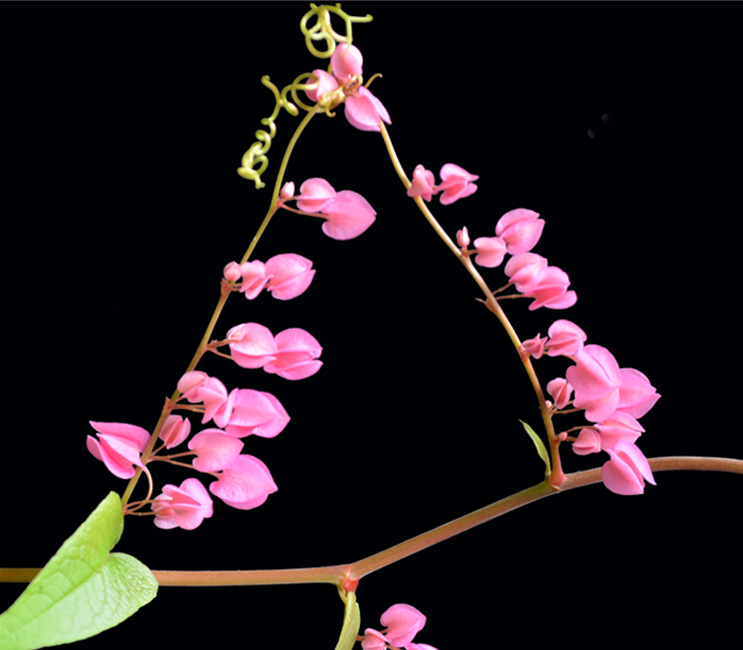
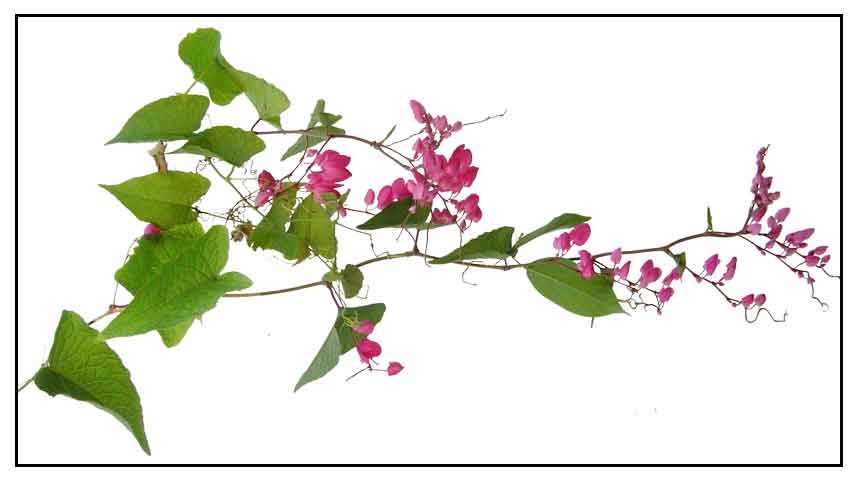
Antigonon leptopus is a species of perennial vine in the buckwheat family, commonly known as coral vine or queen's wreath.
- It is widely introduced and invasive throughout tropical regions of the world, including the south and eastern United States, the West Indies, South America, and the Old World tropics of Asia and Africa.
(39)
- Etymology: The genus name Antigonon means "opposite-angled:m referring to the zig-zag stems of the coral vine. The specific epithet leptopus means "slender stalks". (41)
Botany
• Cadena-de-amor is a climbing, somewhat woody, perennial
vine, with stems attaining a length of 10 meters. Leaves are alternate, ovate
to oblong-ovate, with cordate base, serrate margins, up to 10 centimeters long.
Flowers are borne in racemes at the upper axils of the terminal parts
of the branches, the rachis of the racemes producing tendrils. Flowers are white or pale to deep pink, up to 2 centimeters long, with 5-parted
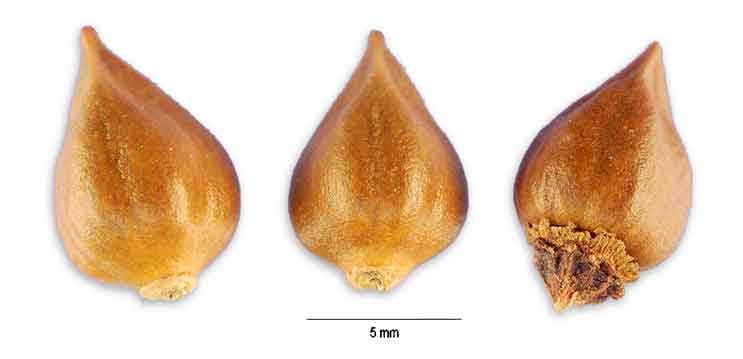
and persistent perianth. Fruit is an ovoid achene, about 1 centimeters long, broad at the
base, narrowing towards the tip, loosely surrounded by the persistent
lobes of the flower.
• Antigonon leptopus is a fast-growing climbing vine that holds on via tendrils, and is able to reach over 7 meters in length. It has cordate (heart-shaped), sometimes triangular leaves 25 to 75 mm long. The flowers are borne in panicles, clustered along the rachis. Producing pink or white flowers from spring to autumn, it forms underground tubers and large rootstocks. It is a prolific seed producer. The seeds float on water. The fruit and seeds are eaten and spread by a wide range of animals such as pigs, racoons and birds. The tubers will resprout if the plant is cut back or damaged by frost. (39)
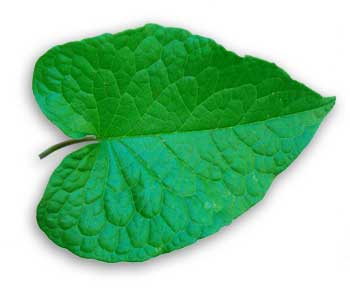 • Growth form: Herbaceous slender-stemmed vine, climbs with tendrils arising from ends of inflorescence. Heat and drought-tolerant when established. Fast-growing and quickly covers walls, trellis and arbors with lush foliage. In Singapore, plant may have a tendency to produce flowers only towards top of growth. Foliage: Leaves soft, narrowly heart-shaped, light green, prominently-veined with wavy margins. Leaves are alternately arranged along the stems, simple and borne on petioles (stalks) that are 1 - 5 cm long. Stems: Stems are slender, climbing onto other vegetation via tendrils that are borne on leaf axils. Flowers: Flowers bright pink, fragrant, produced as cascading racemes, attractive to bees and butterflies. Each flower has 5 petals with entire margin with acute tips, 8 stamens and 3 styles and stigmas. The flowers will turn dull pink and eventually brown as they age. Fruit: Brown achene, cone-shaped or three-angled, shiny in appearance. The fruits are usually hidden within the enlarged persistent petals. (Flora & Fauna Web) • Growth form: Herbaceous slender-stemmed vine, climbs with tendrils arising from ends of inflorescence. Heat and drought-tolerant when established. Fast-growing and quickly covers walls, trellis and arbors with lush foliage. In Singapore, plant may have a tendency to produce flowers only towards top of growth. Foliage: Leaves soft, narrowly heart-shaped, light green, prominently-veined with wavy margins. Leaves are alternately arranged along the stems, simple and borne on petioles (stalks) that are 1 - 5 cm long. Stems: Stems are slender, climbing onto other vegetation via tendrils that are borne on leaf axils. Flowers: Flowers bright pink, fragrant, produced as cascading racemes, attractive to bees and butterflies. Each flower has 5 petals with entire margin with acute tips, 8 stamens and 3 styles and stigmas. The flowers will turn dull pink and eventually brown as they age. Fruit: Brown achene, cone-shaped or three-angled, shiny in appearance. The fruits are usually hidden within the enlarged persistent petals. (Flora & Fauna Web)
Distribution
- Naturalized.
-
Widespread in the Philippines.
-
Usually cultivated in gardens.
- Some have escaped cultivation to become a noxious and invasive weed.
- Listed as a category II invasive exotic by Florida's pest plant control. (39)
- Native to Mexico.
- Native to Belize, El Salvador, Guatemala, Honduras, Mexico Central, Mexico Gulf, Mexico Northeast, Mexico Northwest, Mexico Southeast, Mexico Southwest, Nicaragua.
 Constituents Constituents
- Phytochemical screening of plants flowers extracts yielded alkaloids, quinines, resins, tannins, fixed oils, flavonoids, fats, saponins phenolic compounds, proteins, and carboxylic acids.
- Screening of methanol extracts of flowers yielded phenol, saponins, amino acids, steroids, phytosterols, triterpenoidal sapogenins, tannins, xanthoproteins, carboxylic acid, and coumarins.
- A methanol extract of
the aerial part of the flower yielded (1) n-hentriacontane (1), ferulic
acid (2), 4-hydroxycinnamic acid (3), quercetin-3-rhamnoside (4), and
kaempherol-3-glucoside (5) along with ß-sitosterol, ß-sitosterol-glucoside
and d-mannitol. (see study below) (1)
- An ethanol extract yielded a known compound, quercetin-3-O-α-rhamnopyranoside and four novel anthraquinones: 1,8-dihydroxy-6-(hydroxymethyl)-3-methoxy-2-pyrrolidinium anthraquinone, 1,8-dihydroxy-6-(methyl)-3-methoxy-2-pyrrolidinium anthraquinone, 1,8-dihydroxy-6-(hydroxymethyl)-3-methoxy-2-piperidinium anthraquinone, 1,8-dihydroxy-6-(methyl)-3-methoxy-2-piperidinium anthraquinone. (see study below) (14)
- Phytochemical screening of ethanol extract of leaves yielded alkaloids, saponins, tannins, unsaturated sterol and/or triterpenes, flavonoids, glycosides, an coumarins. (see study below)
(19)
- Phytochemical screening of ethanolic leaf extract yielded alkaloids, carbohydrates, glycosides, phenolic compounds, tannins, saponins, and flavonoids. (see study below) (31)
- Phytochemical analysis of A. leptopus revealed presence of alkaloids, saponin, steroid, phenolic compounds, fatty acids, flavonoids, and volatile oils in leaves and tubers. GC-MS confirmed the presence of (1) Glycerin (2.49%), (2) Propane,1,1,3-triethoxy (4.09%), (3) 4H-pyran-4-one,2,3dihydro-3,5-dihydroxy-6-methyl (14.34%), (4) methyl salicylate (1.14%), (5) 2-furancarboxaldehyde, 5(hydroxymethyl) (24.45%), (6) dodecanoic acid (1.89%), (7) 1,2-Benzenedicarboxylic acid, bis(2methylpropyl)ester (6.06%), (8) n-hexadianoic acid (15.20%), (9) oleic acid (18.02%) and (10) 1,2Benzenedicarboxylic acid, diisooctyl ester (12.33%).
(43)
 Properties Properties
-
Studies have shown anti-thrombin,
analgesic, anti-inflammatory, anti-filarial, anti-diabetic, antioxidant, anti-hyperlipidemic, antibacterial, antifungal, hepatoprotective, nephroprotective, lipid peroxidation inhibitory, anthelmintic, antigout, corrosion inhibiting,
antidepressant, hemolytic, neuroprotective, MMP-9 inhibitory properties.
Parts used
Bark, fruit, leaves and
seeds.
 Uses Uses
Edibility
- In some parts of the world, the tubers, seeds, and flowers are consumed as food.
- In Thailand, leaves and flowers, flour-coated and fried, are served with noodles.
- Coral vine flowers are an important ingredient of certain omelets and salads in Thai cuisine.
(25)
- Flowers also used in omelets.
- Aerial parts, including flowers, used in the preparation of tea, used as a cold remedy.
- The aboriginal inhabitants of Baja California Sur prepared seeds for consumption prepared in a way similar to popcorn, placed in a flat basket made of flexible twigs, toasted with coals atop, the seeds bursting open to expose a white meal, winnowed to separate the seeds from the husks. the seeds then ground, and the meal eaten. Seeds can also be boiled and made into fried cakes. (39)
Folkloric
- In the Philippines,
reported use by Ifugao-migrants in the foothills of the
Sierra Madre for wound closure. (8)
- Leaves used reduce swelling; tea leaves used for diabetes; blossoms used for high blood pressure.
- In Trinidad
and Tobago, used
for diabetes, low blood pressure, and as a heart tonic.
- Tea from aerial parts used as remedy for colds and pain relief. (5)
- Aerial portion of the flowers used in decoctions as a cold remedy. (1)
- In other countries decoction of aerial parts used as a remedy for colds
and pain relief.
- In Jamaica, decoction of aerial parts
traditionally used for prevention of cough and flu-related pains. (In urban Jamaica, ranked as the fourth most frequently reported medicinal plant.)
- In Sudan, leaves used for cough and throat constriction.
- In Baja, California, the coral vine seeds are roasted like popcorn and the while meal, found within the puffed out seeds could be ground, boiled, fried or baked. (25)
Others
- Decorative: Flower clusters popular for use in flower
and foliage arrangements for social functions.
Studies
• Phytochemicals / Lipid peroxidation and Selective COX2 Enzyme Inhibition: Study of methanolic extract of aerial parts yielded n-hentriacontane (1) ferulic acid
(2) 4-hydroxycinnamic acid (3) quercetin-3-rhamnoside (4) and kaempherol-3-glucoside
(5) along with ß-sitosterol, ß-sitosterol-glucoside and d-mannitol.
Results showed LPO (lipid peroxidation) and COX (cyclooxygenase) inhibitory activities. (1)
• Antithrombin activity: A chromogenic
bioassay was utilized to determine the antithrombin activity of methylene
chloride and methanol extracts prepared from 30 plants of central Florida.
Antigonon leptopus was one of seven extracts that demonstrated activity of 80%
or higher in the bioassay system. (2)
• Analgesic / Anti-Inflammatory / Roots: A study
investigated a methanolic extract of roots of Antigonon leptopus for anti-inflammatory activity in mice and rats. Results showed promising anti-inflammatory activity against acute and sub-acute inflammation, which may be due to prostaglandin inhibition and reduction of oxidative stress. (4) (12)
• COX-2 and LPO Inhibitory Activity / Aerial Parts: Study evaluated A. leptopus tea from dried aerial parts for lipid peroxidation (LPO) and cyclooxygenase (COX1 and COX2) enzyme inhibitory activities. Study yielded a selective COX-2 enzyme inhibitory phenolic aldehyde, 2,3,4-trihydroxy benzaldehyde. The isolated compound 1 from A. leptopus tea showed selective COX-2 enzyme and LPO inhibitory activities. (5)
•
Antifilarial: Extract study showed A leptopus possessed
significant juvenile hormone analogue activity against Culex quinquefasciatus. (6)
• Anti-Diabetic / Antioxidant / Aerial Parts / Flowers: Study of the methanolic extract of aerial parts of Antigonon leptopus showed significant antidiabetic activity and supports its traditional claim of use in diabetes and its associated complications. (7) Study of methanolic extract of flowers showed antihyper-glycemic effect at 200 mg/kg. The effect was comparable to reference drug glibenclamide. (27) Study evaluated an ethanolic extract of A. leptopus flower for antioxidant activity and effects on blood glucose levels in alloxan-induced diabetic rats. Results showed potent antioxidant activity and remarkable reduction in fasting blood glucose level (OGTT) at 2nd and 4th hour at 26% and 11% respectively. Activity was attributed to secondary metabolites (phenols, flavonoids, terpenoids, alkaloids, phytosterols, and proteins). (40)
• Antibacterial / Flowers: Study evaluated the antibacterial properties of flower extracts of Antigonon leptopus. The ethanol and chloroform extracts exhibited significant concentration-dependent inhibition against B. subtilis, Bacillus peritlis and Salmonella typhi. (9) Phytochemical antibacterial screening of four flower extracts revealed the presence of higher chemical diversity and antibacterial activity in methanolic extracts of A. lebbeck and A. leptopus. (23)
• Antimicrobial / Dental Pathogens: Study showed the flower extracts of Antigonon leptopus showed potent antimicrobial activity against common human dental pathogens - Staphylococcus aureus, Proteus vulgaris, Pseudomonas aeruginosa and Micrococcus albus. (10)
• Anthelmintic / Roots and Rhizomes: Extracts of Antigonon leptopus roots and rhizomes was tested for in vitro anthelmintic activity against earthworms Pheretima posthuma. The ethyl acetate and methanol extracts of A. leptopus significant exhibited paralysis and caused death of worms. (13)
• Novel Anthraquinone Derivatives / Antibacterial / Aerial Parts: An ethanol extract yielded a known compound, quercetin-3-O-α-rhamnopyranoside and four novel anthraquinones. Two of the new compounds showed antibacterial activity against Bacillus subtilis and Staphylococcus aureus. (14)
• Anthelmintic / Leaves: Study of a chloroform fraction of methanolic extract of leaves of A. leptopus against Pheretima posthuma showed significant in-vitro anthelmintic activity. Phytochemical screening yielded many compounds including phenols, hydrocarbons, quinazolines, coumarins, steroids, and terpenes like cadinene, juniper camphor, among others. (15)
• Antioxidant / Cytotoxicity / Leaves: Study of an ethanol extract of leaves showed free radical scavenging activity using DPPH assay and cytotoxicity effects on MTT-assay of Vero cell line. (see constituents above) (19)
• Anti-Gout / New Steroidal Saponin / Xanthine Oxidase Inhibitor: Antigonon leptopus is a herbal remedy for pain and gout-like symptoms in the Philippines, A methanol extract has shown strong inhibitory activity against xanthine oxidase. Study isolated a compound determined to be a noncompetitive inhibitor of xanthine with an IC50 of 1.79 µg/ml. The IC50 was comparable to allopurinol and may represent a new class of XO inhibitors. (20)
• Cytotoxic / Antimitotic / Flowers: Study evaluated the cytotoxic and antimitotic activity of A. leptopus flower extract. All three concentrations of AL flower extract (10, 100, 1000 ppm) exhibited cytotoxic activity against A. salina larvae. A. leptopus crude extract exhibited an inhibition of the growth of onion roots. (21)
• Corrosion Inhibition: Study evaluated the inhibitive action of A. leptopus acid extract on corrosion of mild steel in 1M H2SO4. Results demonstrated effective corrosion inhibition in the acid medium, with the inhibition efficiency increasing with increase in temperature and concentration. (22)
• Corrosion Inhibition: Study evaluated the corrosion inhibition efficiency of an acid extract of A. leptopus in 1 M HCl medium. Polarization studies reveal the extract as a good mixed type inhibitor and was found to inhibit corrosion of mild steel in HCl acid media.(24)
• Cytotoxic / Anthelmintic: Study evaluated in in-vitro cytotoxic activity and anthelmintic effects of chloroform extract of A. leptopus. Results did not show significant cytotoxicity against CHOK 1 cell line with IC50 >1000 µg/ml and against A-549 cell line (Human Lung AdenoCa) with IC50 >1000. Study showed significant anthelmintic activity against Pheretima posthuma. (26)
• Antifungal / Leaves: Study evaluated the antifungal activity of leaf extracts of five invasive plant species against Macrophomina phaseolina. Total activity was highest in Antipogon leptopus (2340 ml/g) with MIC 0.625 mg/ml. (28)
• Au-Ag Nanoparticles: Study reports on the simple, rapid, green single-pot approach for the synthesis of bimetallic Au/Ag nanoparticles using a highly invasive terrestrial weed coral vine. Infra-red spectroscopic study indicated the presence of phenolics (including flavonoids) and proteins, which would have been responsible for the formation and stabilization of the BNPs. (29)
• Hepato- and Nephroprotective / Cadmium Toxicity / Leaves: Cadmium is a non-essential toxic metal used in industrial process., which a high levels brings severe risk to human health, accumulating primarily in the liver and kidney. Study evaluated the protective effects of A. leptopus on the liver and kidney of cadmium treated rats. Cadmium significantly increased (p<0.05) the levels of liver enzymes and bilirubin and decreased total proteins and albumin, along with increased uric acid, urea and creatinine. GSH and caralase enzymes were significantly decreased while lipid peroxidation was increased in the hepatic and renal tissue. The extract at 200 mg/kg showed significant antioxidant effect and protective effect against cadmium induced hepatorenal toxicity. (30)
• Antidepressant / Antioxidant / Leaves: Study evaluated the in vitro antioxidant and in vivo antidepressant activity of ethanolic leaf extract of Antigonon leptopus. Results showed dose-dependent in vitro antioxidant activity against phosphomolybdenum antioxidant assay, NO scavenging and hydrogen peroxide scavenging activity, comparable with standard ascorbic acid. In vivo antidepressant activity assessment showed significant (p<0.01) reduction in immobility in tail suspension and forced swim model of depression comparable to imipramine. In locomotor activity testing, it showed psychostimulant effect comparable to standard fluoxetine. (see constituents above) (31) Study evaluated the antidepresant activity of chloroform and ethanolic extracts of leaves of A. leptopus in albino rats by tail suspension technique. Both extracts exhibited significant antidepressant activity at all test dose i.e., ethanolic at 100 and 150 mg/kg and chloroform at 150 and 200 mg/kg. (35)
• Hemolytic / Antioxidant / Leaves: Study evaluated the antioxidant and hemolytic activity of dried powder leaf extracts of Antigonon leptopus, Ficus benjamina, and Amaranthus tricolor. Among the tested plant extracts, the ethyl acetate extract of A. leptopus showed highest antioxidant potential using DPPH and ABTS assays. All plant extracts showed positive hemolytic activity. (32)
• Antihyperlipidemic / Leaves: Study evaluated the antihyperlipidemic property of A. leptopus leaves using a methanolic crude extract of leaves in Triton-X-100 induced hyperlipidemic male Sprague-Dawley rats. Results showed an antihyperlipidemic effect with significant reduction of TC, TG, LDL-C, and VLDL-C. Histopathologically, there was promising tissue specific antihyperlipidemic effect. (33)
• Disruption of Larval and Pupal Stages of Disease Vector / Leaves: Study evaluated the effect of leaf powder of Harungana madasgascariensis, Margaritaria discoidea, and Antigonon leptopus on the cycle of the housefly Musa domestica The leaf powders of all three plants showed promising biological effects in controlling the developmental stages of M. domestica, especially with plant powder concentration above 15%. (34)
• Hepatoprotective / Carbon Tetrachloride Toxicity / Roots & Rhizomes: Study evaluated the hepatoprotective activity of ethyl acetate and methanol extract of Antigonon leptopus against carbon tetrachloride induced liver damage in Wistar albino rats. Silymarin was used as reference standard. The extracts showed hepatoprotective effect evident from significant reduction in serum enzymes, SGOT. SGPT, ALP, and total bilirubin. (36)
• Silver Nanoparticles / Radical Scavenging / Catalytic Activity: Study reports on the rapid and single-step synthesis of silver nanoparticles using aqueous extracts of all parts (leaves, stem and roots) of A. leptopus. The AgNPs showed potential to scavenge free radicals and also showed catalytic activity. (38)
• Anthyepruricemic / Leaves: Study evaluated the antihyperuricemic effect of coral vine leaf extract using 15 hyperuricemic male Sprague Dawly rats using potassium oxonate (250 mg/kbw), a uricase inhibitor and uric acid (50 mg/kbw). Allopurinol was used as positive control. Results showed leaf extract-treated rats exhibited significant reduction of serum uric acid levels (2.941 mg/dl) compared to allopurinol (3.985 mg/dl). The presence of phenolic groups, tannins, saponins, and glycosides in the extract may be responsible for the antihyperuricemic activity. (42)
• In-vitro Matrix Metalloproteinase-9 Inhibitory Activity / Leaf Alkaloids: Neuroinflammation is one of the causes of progression of some neurodegenerative disorders. One such is multiple sclerosis. Metallo-proteinases are enzymes that contribute to the disruption of the blood-brain-barrier. Study isolated alkaloids from the leaves of A. leptopus and evaluated for inhibition of MMP-9 in-vitro. Layer chromato-graphy revealed an unknown alkaloid with Rf value of 0.0896/ Percentage yield of the alkloid in the isolate was 24.24%, which showed an average MMP-9 inhibition of 68.65%, 64.82%, 58.89%, 47.66% and 48.27% for 1000, 500, 250, 125, and 62.5 µg/ml respectively. Study of leaf extract showed MMP-9 inhibitory activity with IC50 of 115.8 µg/ml. (44)
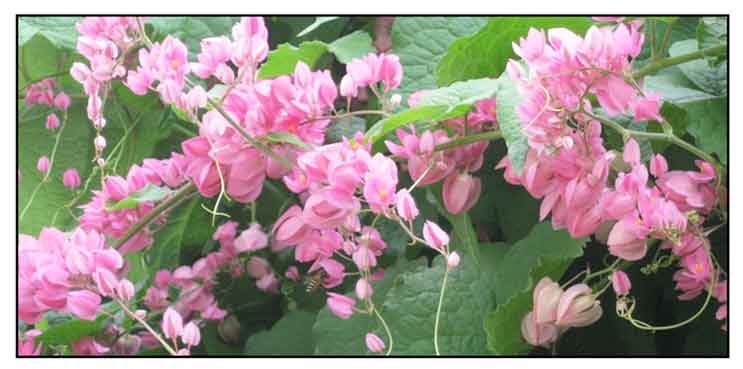 • Extended Vase Life of Cut Flowers: Pink A. leptopus flowers have commercial potential as cut flowers for ornamental arrangement. Study evaluated the use of salicylic acid (SA) and sucrose (Su) solution on vase life of cut A. leptopus flowers and their potential for flower arrangement. Vase solution treatments consisted of tap water as control, SA at 100, 200, 300 mg/L and a combination of SA wit 2% sucrose. Parameters observed were vase life, relative water content and pH. Results showed cut flowers in vase treatment of 200 mg/K SA 2% Su and 300 mg?L + 2% Su had 1.6 fold longer vase life than control, showing higher water uptake and reduced flower drop by 28%. (45) • Extended Vase Life of Cut Flowers: Pink A. leptopus flowers have commercial potential as cut flowers for ornamental arrangement. Study evaluated the use of salicylic acid (SA) and sucrose (Su) solution on vase life of cut A. leptopus flowers and their potential for flower arrangement. Vase solution treatments consisted of tap water as control, SA at 100, 200, 300 mg/L and a combination of SA wit 2% sucrose. Parameters observed were vase life, relative water content and pH. Results showed cut flowers in vase treatment of 200 mg/K SA 2% Su and 300 mg?L + 2% Su had 1.6 fold longer vase life than control, showing higher water uptake and reduced flower drop by 28%. (45)
Availability
- Wildcrafted.
- Seeds in the cybermarket. |