|
 Botany Botany
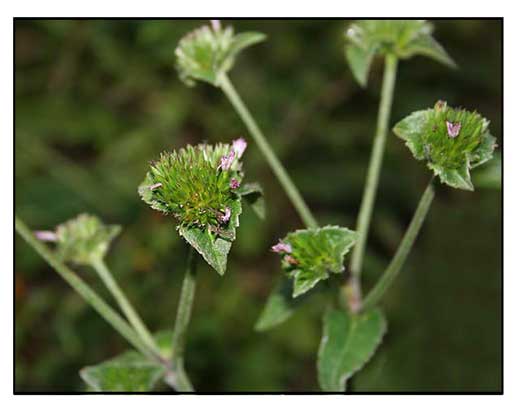
Dila-dila is a rather
coarse, rigid, erect, more or less hairy herb 30 to 60 centimeters high. Stems are forked,
and the branches are few and stiff. Leaves are mostly in basal rosette, oblong-ovate to
oblong-lanceolate, 10 to 25 centimeters in length and often very much notched
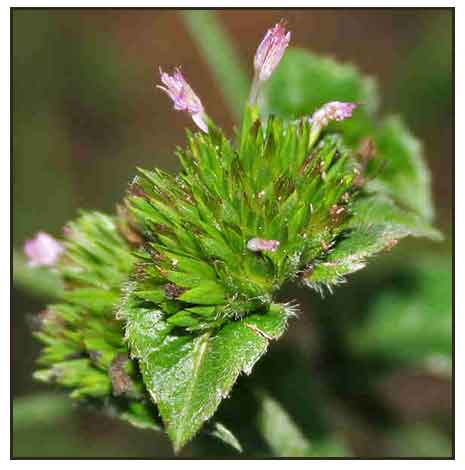
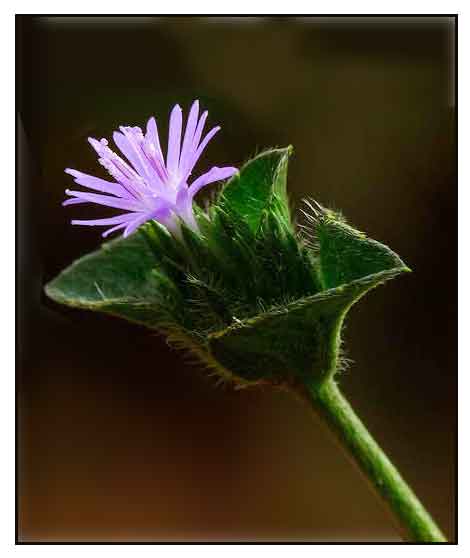
in the margins; those on the stems are few and much smaller. Flowering heads are borne in clusters at the ends of the branches, usually enclosed by three leaflike bracts which are ovate to oblong-ovate, 1 to 1.5 centimeters long and heart-shaped at the base. Flowering heads are many and crowded
in each cluster; each head comprising about 4 flowers. Involucral
bracts are 8 to 10 millimeters long. Corolla are 8 to 10 millimeters long. Fruits are achenes and ribbed. Pappus is 4 to 6 millimeters long,
with rigid bristles.
Distribution
- In open grasslands and waste places, from sea level to an altitude of 2,000 meters.
-
Common in
La Union, Bulacan, Rizal, Bataan, Laguna, and Quezon Provinces in Luzon; and in Mindoro.
- Most likely introduced.
- Native of Mexico.
- Also found in the Marianne and Caroline Islands, India, Taiwan, and Borneo.
 Constituents Constituents
- Study for essential oil revealed: hexadecanoic acid, 43.3%; isopropyl
dimethyl tetrahydronaphthalelol, 14.1%; b-sesquiphellandrene, 8.3%;
octadecadienoic acid, 5.5%; and phytol, 5.2%. (see study below) (1)
- Major sesquiterpene lactones isolated from E. scaber are deoxyelephantopin, Isodeoxyelephantopin, scabertopin, isoscabertopin, scabertopinol, 17,19-dihydrodeoxyelephantoopin, 11,13-dihydrodeoxyelephantopin, molephantinin, elescaberin, deacylcyanopicrin, glucozaluzanin-C, deacylcyanopicrin 3, and ß-glucopyranoside crepiside E. (25)
- Study of oil from stems, leaves, and roots showed percentage yield of 0.001%, 0.003%, and 0.04%, respectively. Major constituents for stem oil were pentacosane (12.3%), lupenyl acetate (11.7%), and fern-7-en-3ß-ol (11.0%); leaf oil yielded isooctyl phthalate (19.2%), hexadecanoic acid (15.0%), and a-linolenic acid (5.0%) and root oil yielded hemellitol (11.6%), octyl phthalate (6.0%), 1-nonadecanol (5.6%) and l-octadecanol (5.5%). (31)
- Study of roots isolated 13 compounds, including four sesquiterpenoids (5, 6, 7, 8), two phenols (1, 2), three triterpenoids (9,10,11), two caffeoylquinic acids (3, 4), one alkaloid (12), and one sterol (13). (34)
- Petroleum ether fraction yielded alkaloids, tannins, saponins, flavonoids, phenolic compound, carbohydrates. (see study below)
(39)
- Study
isolated a new δ-truxinate derivative, ethyl, methyl 3,4,3′,4′-tetrahydroxy-δ-truxinate (1), was isolated from the ethyl acetate extract of the entire plant, along with 4 known compounds, 5-O-caffeoylquinic acid (2), chlorogenic acid methyl ester (3), deoxyelephantopin (4), and isoscarbertopin (5). (see study below) (43)
- Study of methanol extract of aerial parts isolated a new sesquiterpene lactone, scabertopinol (1), and eight known compounds, trans-caffeic acid (2), methyl 3,4-dicaffeoylquinate (3), luteolin-41-O-β-D- glucoside (4), trans-p-coumaric acid (5), indole-3-carbaldehyde (6), methyl trans-caffeate (7), luteolin-7-O- glucuronide 6"-methyl ester (8), and luteolin (9).
Properties
- Bitter, alterative, antipyretic, anti-infection,
astringent, diuretic, mucilaginous, tonic.
- Flowers are astringent, ophthalmic, aphrodisiac and expectorant.
- Considered antibacterial, anti-inflammatory, hepatoprotective, anti-cancer.
Part utilized
· Leaves, roots.
 Uses Uses
Folkloric
· In the Philippines, decoction of roots and leaves used as diuretic, febrifuge and emollient.
· Upper respiratory
afflictions: Colds, flu, tonsillitis, laryngopharyngitis, conjunctivitis.
· Snakebites, furuncle swellings, eczema, ulcer the lower limb.
· Nephritis, beriberi, edema, hepatitis, chest pains, fever.
scabies.
· Dosage: 15 to 30 gms dried material in decoction.
· Pounded fresh material is applied as poultice for snakebites,
furuncle swelling.
· Juice of pounded leaves applied to scalp to slow down hair loss.
· Decoction of fresh material is used as wash for eczema.
· Decoction of roots and leaves for dysuria, diarrhea, bronchitis,
fevers.
· Decoction of root for hemorrhoids and coughs.
· Poultice of leaves for skin diseases.
· Flowers for liver problems, ophthalmopathy, bronchitis, cough.
· In Costa Rica, decoction is prescribed as specific for dysentery.
· In Antilles, decoction of plant is used as astringent.
· In the Malabar Coast, decoction of plant used for dysuria.
· In Indo-China, plant is torrefied and as decoction used for increasing the discharge of urine.
· Decoction of plant used as anthelmintic for round worms; also used for coughs.
· In Madagascar, used as diuretic and febrifuge.
· In Jamaica, used as vulnerary.
· In the French West Indies, used as tonic, diaphoretic and emmenagogue. Warm infusion used for dyspepsia, intermittent fevers, loss of appetite, and menstrual derangements due to colds.
· In Brazil, used as emollient and discutient in the form of decoction or poultice. Also, used as diuretic, to reduce fever, and eliminate bladder stones.
Studies
• Essential Oil / Anti-Rhinoviral / Antioxidant: Study of the
chemical composition of the essential oil of Elephantopus scaber from Southern
China identified 21 compounds. The major constituents were hexadecanoic acid (42.3%), isopropyl dimethyl tetrahyudronaphthalenol (14.1%), ß-sesquiphellandrene (8.3%), octadecadienoic acid (5.5%) and phytol (5.2%). Results suggest B-sesquiphellandrene has anti-rhinoviral activity and tetrahydrocannabinol has hypocholesterolemic and antioxidant activity. (1)
• Anti-Diabetes:
Study of crude extract and fractions from E. Scaber on
streptozotocin-diabetic rats showed antihyperglycemic
action and is a source of potent hypoglycemic compounds. (2) Effect
of E. scaber leaf extract on STZ-induced diabetic rats showed the methanol
extract exhibited better hyperglycemic action than the hexane and ethyl
acetate extracts. (3)
• Anti-Diabetes: An acetone extract exhibited significant anti-diabetic activity by reducing blood glucose and restoring the insulin levels in STZ-induced diabetic rats.
• Hepatoprotective / CCl4-induced Liver Dysfunction: Study
evaluated the hepatoprotective effect of E. scaber on CCl4-induced chronic liver dysfunction in rats. The biochemical changes induced by CCl4 improved following treatment with E. scaber. (4) Study evaluated methanolic extract of roots of E. scaber in CCl4-induced liver damage in rats showed antioxidant and antihepatotoxic activities attributed to free radical scavenging activity. (22) Study evaluated the antihepatotoxic effects of various fractions of E. scaber against carbon tetrachloridee induced hepatic damage in rats by measuring serum parameters of ALT, AST, ALP and total bilirubin. An ethanol fraction showed significant protection compared to other fractions. (48)
• Antitumor / Sesquiterpene Lactones:
Study isolated four sesquiterpene lactones from E. scaber: scabertopin (ES-2), isoscabertopin (ES-3), deoxyelephantopin (ES-4), and isodeoxyelephantopin (ES-5). ES-2, ES-4, and ES-5 exhibited significant antitumor effect in vitro in a concentration-dependent manner. The antitumor effect of the studied sesquiterpene lactones may be due, at least in part, to induction of apoptosis in vitro. ES-4 also possess in vivo antitumor activity. (6)
• Antitumor / Anti-Chemical Carcinogenesis: Study of E scaber on skin papillomas induced by DMBA and croton oil in mice showed tumor inhibitory activity of the active fraction against chemically induced tumors and an ability to inhibit the development of solid tumors.
• Antibacterial / Novel Triterpenoid: A Novel
terpenoid from Elephantopus scaber showed antibacterial activity against
Staphylococcus aureus and suggests that it can
act as a drug for bacterial infections. (7)
• Antimicrobial Potential: Result of study confirmed the antimicrobial potential of the ethyl
acetate extract of E. scaber. (8)
• Antibacterial / Beta-Lactamase MRSA: Study showed strong in vitro antibacterial activity of terpenoid derivatives against ES beta-lactamase-producing methicillin resistant Staphylococcus aureus. (12)
• Antibacterial / Phytochemicals: Extracts of E. scaber leaves, flowers, and root and H. colorata leaves and stem were studied for phytoconstituents and antibacterial activity. Screening yielded phenol, carbohydrates, steroids, saponins, coumarins, tannins
• Anti-Inflammatory:
'Teng-Khia-U,' a Taiwanese folk medicine derived from E.
scaber, E. mollis and Pseudoelephantopus spicatus
was evaluated for its anti inflammatory activities. Results indicated
pre-treatment with Teng-Khia-U significantly inhibited the carrageenan-induced
arthritis and suppressed the development of chronic arthritis induced. (9) Study evaluated the anti-inflammatory activity of extracts of E. scaber aerial parts in acute, subacute, and chronic experimental models in albino rats by carrageenan induced hind paw edema and paw volume assays. Results showed anti-inflammatory activity with the higher dose of compound significantly reducing carrageenan induced pedal edema by 57% and formalin induced pedal edema by 58%. (42)
• Antidiarrheal / Cardiotonic: Study showed the ethyl acetate extract with significant antidiarrheal activity. The petroleum extract showed significant cardiotonic activity on the hypodynamic frog heart. (13)
• Sesquiterpene Lactones / Antiproliferative: Study of whole plant yielded the known sesquiterpene lactone, deoxyelephantopin, and isodeoxyelephantopin. Results showed the compounds to have antiproliferative properties, with a potential for use in regimens for treating tumors with extensive proliferative potencies.(16)
• Antibacterial / Phytoconstituents / E. Scaber and H. colorata: Extracts of E. scaber leaves, flowers, and root and H. colorata leaves and stem were studied for phytoconstituents and antibacterial activity. Screening of various extracts yielded phenol, carbohydrates, steroids, saponins, coumarins, tannins, carboxylic acid and flavonoids, xanthoproteins and alkaloids. E. scaber ethanolic root extract showed the highest one of inhibition against S. aureus, E. coli and P. aeruginosa. (17)
• Cytotoxicity / Human Breast Cancer Cells / Induced Apoptosis: Ethanol extract of E. scaber may be a potential anti-cancer agent for human breast cancer cells by the induction of p53-dependent apoptosis. (18)
• Antiasthmatic: Study of an ethanol extract of leaves on isolated guinea pig tracheal chain showed antiasthmatic activity attributed to flavonoids and steroids via antihistaminic, anticholinergic, and mast-cell stabilizing properties. (19)
• Hepatoprotective / Alcohol Liver Disease: Study showed the potential hepatoprotective effect of an extract of E. scaber in ethanol-induced liver damage with any oral acute toxicity effect. (20)
• HIV-1 Reverse Transcriptase Inhibitor: Study evaluated 22 selected Thai medicinal plants for their inhibitory effects on HIV-1 RT. E. scaber was selected because it had no tannins. The water extract from leaves of E. scaber exhibited inhibitory effect higher than 70% ethanol. (22)
• Antibacterial / Leaves: Study evaluated a methanolic extract of E. scaber for antibacterial activity against Staphylococcus aureus, E. coli, B. subtilis, P. aeruginosa, and P. vulgaris. Results showed significant antibacterial activity compared to chloramphenicol (30 µg/disc). (24)
• Anticoagulant Activity / Leaves: Triterpenoid lupeol isolated from E. scaber leaves act as antagonist to platelet aggregation in vitro by blocking calcium channel blocking since Ca++ release activates the ERK2 for signaling in platelets. (25)
• Memory Enhancing Potential / Leaves: Study evaluated the memory enhancing potential of ethanolic extract of E. scaber leaves in aged Swiss albino mice. Results suggest EESL may exhibit memory enhancing activity in aged mice possibly due to an increase in anticholinesterase and caspase activity in mice brain. (26)
• Hair Growth Promotive Effect / Leaves: Study evaluated a methanolic extract of E. scaber leaves for its role in hair growth in experimental rats. Minoxidil was used as reference standard. Extract formulation significantly (p<0.01) potentiated the hair growth initiation and completion time for dose-dependent improvement in skin biopsy, hair length, and hair weight. In vitro hair follicles showed significant improvement (p<0.05) in initiation of new hair follicles. (27)
• Nephroprotective / Leaves: Study evaluated an ethanolic leaf extract of E. scaber for nephroprotective effect on albino rats with gentamicin induced nephrotoxicity. Results showed a nephroprotective effect attributed to flavonoid content and inherent antioxidant moieties in the extract. (28)
• Lupeol / Anticancer Potential: Study evaluated the anticancer potentials of lupeol isolated from the leaves of Elephantopus scaber and its action on key cancer marker, Bcl-2. Lupeol induced effective change in cell viability of MCF-7 cells with IC50 concentration of 80 µM. Induction of cell death, change in cell morphology and cancer cell population was observed. The compound effectively down-regulated Bcl-2 and Bcl-xL protein expressions. (29)
• Antimicrobial / Trace Elemental Analysis: Study showed antimicrobial activities to be higher in leaf extracts of E. scaber whereas no inhibition was found for root extracts. Elements such as Si, Ca, Cl, Mg, S, K, and P are more abundant in leaf than root whereas heavy metals are higher in roots than in leaves. Elements Cr, Co, Ni, Se, Br, and Pb are not found in both leaves and roots. (30)
• Deoxyelephantopin (DET) / Inhibits HCT116 Human Colorectal Cancer Cell Growth: Deoxyelephantopin (DET) is one of the major sesquiterpene lactones derived from Elephantopus scaber reported to possess numerous pharmacologic functions. Study showed DET induced apoptosis and cell cycle arrest through regulation of p53, cyclins, and cyclin dependent kinases proteins in HCT116 cells. Results suggest DET is worthy of further investigation as a potential colorectal cancer therapy. (32)
• Antibacterial / Antifungal / Roots and Aerial Parts: Study investigated the antimicrobial potential of various extracts of roots and aerial parts. Different solvents showed concentration dependent antibacterial activities against four gram-positive (B. subtilis, S. aureus, M. luteus and B. cereus) and four gram-negative (E. coli, P. aeruginosa, P. vulgaris, and S. typhi) bacteria and strong antifungal activities against C. albicans, A. niger and A. clavatus. (32)
• Lipoxygenase Inhibition / Anti-Inflammatory: A methanolic extract was shown to inhibit all three (5, 12, and 15) lipoxygenase enzymes (LO) in a mist competitive-non-competitive nature. In the study, the dual inhibition of 5 and 12/15 LO enzymes by the ME of E. scaber present great therapeutic implications on chronic inflammatory pathological conditions like asthma, atherosclerosis, and diabetes. E. scaber shows potential as a good source of bioactive molecules that could be employed for inflammation research. (35)
• Cytotoxicity Against Human Cervical Cancer (Hela) Cells: Study evaluated the active fraction of E. scaber as anticancer and the mode of cell death. Results showed the ES fraction possess cytotoxic activity against HeLa cell lines with IC50 of various fractions ranging from 42.46 to 650 µg/ml. The mode of cell death was apoptosis. The chloroform fraction of ES is the most cytotoxic fraction against HeLa. (36)
• Isodeoxyelephantopin / Anticancer / Growth Inhibition T47D and A549 Cells: Study evaluated the anti-proliferative activity of IDOE on breast carcinoma T47D cells and lung carcinoma A549 cells. Results showed inhibition of growth of A549 and T47D cells in a dose- and time-dependent manner with IC50 of 10.46 and 1.3 µg/mL, respectively. There was increase in numbers of apoptotic cells (p<0.0003). Cell death was associated with activated caspase-3-expression followed by cell cycle arrest at G2/M phase. (37)
• Apoptosis Mediated Cytotoxicity / Nasopharyngeal Carcinoma: Study evaluated the cytotoxic effect of IDOE on human nasopharyngeal epidermoid carcinoma (KB) cells. IDOE exhibited apoptosis mediated cytotoxicity and inhibited viability of KB cells in a dose and time dependent manner. (38)
• Antioxidant / Free Radical Scavenging Activity: Study of petroleum ether and ethanol fractions showed significant antioxidant activity. The DPPH radical scavenging and NO scavenging activity were higher for the ethanol fraction than the pet-ether and ascorbic acid. (39)
• Antimicrobial / Anthelmintic / Aerial Parts: Study screened the antimicrobial and anthelmintic activities of E. scaber. The n-hexane, chloroform and methanolic extracts show concentration dependent and significant anthelmintic activity compared to piperazine citrate and albendazole and fluconazole for antimicrobial activity. (40)
• Platelet Aggregation Inhibitory Effect / Triterpenoid / Leaf: Study evaluated E. scaber for in vitro inhibitory effect on platelet aggregation. The higher concentration of the triterpenoid compound exhibited higher antiplatelet activity than the lower concentration with IC50 inhibition % ranging from 60%-95%, The inhibition of extracellular signal-regulated kinase (ERK 1/2) pathway may contribute to the anti-platelet activity of lupeol. As consumption of ES products may help prevent thrombosis, it must be used with caution by patients with bleeding disorders. (41)
• Antioxidant / Cytotoxic Against HepG2 / Anti-Inflammatory:
Study of ethyl acetate extract of whole plant
isolated a new δ-truxinate derivative, ethyl, methyl 3,4,3′,4′-tetrahydroxy-δ-truxinate (1) along with 4 known compounds, 5-O-caffeoylquinic acid (2), chlorogenic acid methyl ester (3), deoxyelephantopin (4), and isoscarbertopin (5). Compounds 1-3 showed strong antioxidant activity by ABTS assay. Compounds 4 and 5 exhibited significant anti-inflammatory activity attributed to sesquiterpene lactones content. Compound 1 showed good in vitro cytotoxicity (IC50 = 60 µM) and dose-response inhibition of HepG2 cell line. (43)
• Hypoglycemic / Roots and Leaves: Study evaluated an aqueous extract of E. scaber roots and leaves for antidiabetic activity in alloxan-induced hyperglycemic rats. Results showed an antihyperglycemic effect. Although humulin treatment was more effective in normalizing blood glucose levels, regeneration of islet ß-cells was mediated only by the extract treatment. (44)
• Genotoxicity / Leaves: Study evaluated the genotoxic effects of leaf and root extracts of E. scaber, roots extracts of S. miltiorrhiza and G. uralensis using in vitro mutagenicity bioassay on mitotic cells in A. cepa root tips. Study showed methanol leaf extracts of Elephantopus scaber exerted significant genotoxic effects followed by methanol root extracts of S. miltiorrhiza at 1000 µg/ml. (45)
• Apoptosis / Cytotoxic / Potential Anticancer Agent: Study showed an enriched fraction of Elephantopus scaber imparted cytotoxic effects, triggered apoptosis, induced genotoxicity, and inhibited MDR transporters in human epithelial cancer cells. (46)
• Hepatoprotective / NDEA-Induced Toxicity / Root: Study evaluated a decoction of E. scaber root for dose response effects on rats exposed to N-nitrosodiethylamine (NDEA) induced hepatotoxicity in preventive and curative models.
The extract significantly (p ≤ 0.05) reduced the levels of ALT, AST, and MDA in both experimental models. Results showed dose-dependent prevention and reversal of hepatotoxicity induced by NDEA. (47)
• Hypolipidemic / Renal Regenerative: Study evaluated the roots of E. scaber for hypolipidemic and renal functionality effect in STZ-induced diabetic rats with disturbance in lipid profile. Results showed significant (p<0.001) dose dependent decrease in total cholesterol, triacylglycerol, LDL, with a significant rise in HDL cholesterol, along with a restoration of renal functions back to near normal levels. (50)
Availability
Wild-crafted.
|