|
 Botany Botany
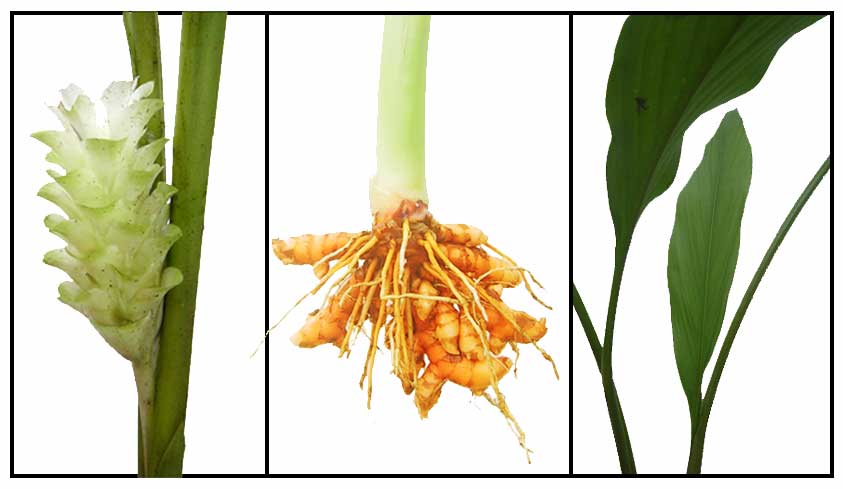
Dilaw is a leafy plant, 1 to 1.5 meters tall, with 5 to 6 leaves.
Rhizomes are bright yellow inside, thick and cylindric. Leaf blade is green, oblong, 30 to 45 centimeters long and 10
to 20 centimeters wide. Petiole is as long as the blade. Peduncle is 15 centimeters or more in length, borne
within the tuft of leaves. Spikes are 10 to 20 centimeters in length and about
5 centimeters in diameter. Floral bracts are pale green, ovate, 3 to 4 centimeters long,
the comabracts tinged with pink. Flowers are pale yellow, as long as
the bracts. Fruits are capsules.
Distribution
- Widely distributed in
the Philippines in and about towns, sometimes in open waste places and
sometimes planted.
- Native of India.
- Now pantropic.
Constituents
- Active constituents are flavonoid curcumin (diferuloylmethane) and various volatile oils, including tumerone, atlantone, and zingiberone.
- Volatile oil, 3-5% - tumerol (alcohol), d-alpha
phellandrene, carvone, camphor, curcumone; fat, 3%; starch, 30%; resin;
curcumin (pigment).
- Yields three curcuminoids - curcumin (diferuloylmethane, the primary constituent, responsible for the vibrant yellow color), demothoxycurcumin and bisdemethoxycurcumin - plus volatile oils (tumerone, atiantone and zingiberone), sugars, proteins, and resins.
- Yellow orange color comes from yellow pigment in the rhizomes called
curcumin.
- A good source of phosphorus and iron; but hardly a fair source of calcium.
- Tumeric yields protein (6.3%), fat (5.1%), minerals (3.5%), carbohydrates (69.4%), and moisture (13.1%). Essential oil yields α-phellandrene (1%), sabinene (0.6%), cineol (1%), borneol (0.5%), zingiberene (25%) and sesquiterpenes (53%). (48)
- A hydroalcoholic extract yielded many active phytoconstituents among which were alkaloids, glycosides, reducing sugars, tannins, resins, sterols, saponins, and fixed oils (see study below) (82)

Properties
- Pungent and bitter tasting, warming, carminative.
- In Chinese medicine, believed to Improve Ch'i circulation.
- Studies have demonstrated various therapeutics effects: antioxidant, anti-inflammatory, cholesterol-lowering,
antibacterial, anti-fungal, antiviral, immunomodulatory, hepatoprotective, and anticarcinogenic activity.
- Antiinflammatory activity has been compared to topical hydrocortisone.
- Antiseptic, anti -contusion, antibacterial, antifungal.
- Aromatic, stimulant, tonic, cordial, emmenagogue and astringent.
- Rhizomes are used medicinally, as powder, paste, ointment, oil, lotion, inhalant, and confection.
- Tumeric studies have shown biologic activities: wound healing, anti-inflammatory, hypolipidemic, anti-tumor,
antiprotozoan, antifertility, antibacterial, antifungal, antiviral, hypolipidemic, hypoglycemic, antioxidant, anticoagulant, anticarcinogenic, antivenom properties. (48)
Part utilized
· Rhizome, leaves.
· Collect the whole year round.
· Rinse, removes roots, section into pieces, steam and sun-dry.
Uses
Culinary / Nutritional
• Condiment, ingredient of curry powder, and
coloring for food.
• In dried or powdered form, used like ginger.
• Good source of phosphorus and iron, a fair source of calcium.
• Rhizomes commonly sold in Manila markets. dried
• In Java, flour is made from the plant is the same way as cassava and arrowroot, used for all kinds of dainties.
Folkloric
· Decoction of
rhizome, as tea, used for fevers, dysentery,
abdominal pain, flatulence, abdominal spasm, arthritis.
· In the Philippines, rhizomes with coconut oil used as stomachic and vulnerary.
· Internally, juice of fresh rhizome used as anthelmintic.
· Used for menstrual irregularities, contusions and associated painful swelling.
· Antiseptic for wounds: Crush rhizome and apply to wounds.
· Externally, rhizomes are applied to insect bites, ringworm,
bleeding.
· A 1:20 decoction used in catarrhal and purulent ophthalmia.
· In India, used as antiseptic for
cuts. Used for leprosy, liver problems, swelling, insect bites, wounds,
whooping cough, pimples. Sweetened milk boiled with tumeric is popular
as a remedy for colds and cough. Juice of fresh rhizome used externally on wounds, bruises and leech-bites.
· Tribal women of Assam, India apply the paste of fresh rhizome to the skin to protect it against infection and to enhance the complexion. In West Bengal, rhizome paste applied to areas of body pain. (57)
· Tumeric paste mixed with a little lime and saltpeter is applied hot to sprains and bruises.
· For smallpox and chicken pox, coating of tumeric powder or thin paste applied externally to facilitate scabbing.
· Paste made from flowers used for ringworm and other parasitic skin infections.
· Ointment used in neuralgia and rheumatism.
· Rhizomes with coconut oil used as stomachic and vulnerary.
· Rhizome used for intermittent fevers, flatulence,, dyspepsia.
· In Ayurveda, use as stomach and
liver tonic and blood purifier.
· Malays use it as carminative and for dispelling flatulence.
· In China used for colic, amenorrhea, congestions.
· Fumes of burning turmeric used as inhalation in catarrh and severe head colds.
· For flatulence in children, used with garlic or onions.
· Used as carminative and antispasmodic, and in diarrhea and dysentery.
Others
• Dye: Tumeric is one of the best known of material dyes, used for dyeing silk, wool and cotton. Rhizomes used for dyeing mats in the Philippines. (see study below)
• Cosmetic: In Sudan, rhizome used as cosmetic.
• Veterinary: Rhizome, together with other ingredients, fed to cattle to treat loose stools. (57)
New Age
- Improves Qi (chi)
circulation. Chi is the basis of traditional Eastern medicine. In Chinese
parlance, chi means 'spirit.' In new-age speak, good health is synonymous
with free-flowing energy through meridian pathways. A blocked Qi flow
is associated with disease or ill-health.
- Approved by German
health authorities for the treatment of dyspeptic complaints.
Recent uses and
preparation
- Ointment: Wash the unpeeled ginger. Chop the rhizomes to fill half a
glass of water. Sauté with one glass of coconut oil on low heat
for five minutes. Place in a clean bottle and label.
- Antiseptic for wounds: Extract juice of the fresh rhizome and apply
directly on the wound or swelling.
Gas pain in adults: Decoction from thumb-sized rhizome in a glass of
water reduced to half.
- Turmeric for cough: Link provides preparation of turmeric as home remedy for coughs. (38)
 Studies Studies
• Biologic Activities: An overview of the biologic activities lists in vitro anti-parasitic, anti-spasmodic, anti-inflammatory and gastrointestinal effects; also, inhibition of carcinogenesis and cancer growth. In vivo, studies show anti-parasitic, anti-inflammatory potency of curcumin and extracts in animal models.
• Suppression of Metastasis in a Human Breast Cancer Xenograft Model / Curcumin: The dietary administration
to mice of curcumin and curcumin plus Taxol significantly decreased
the incidence of breast cancer metastasis to the lung. The results indicate
that curcumin has a potential for breast cancer therapy. (2)
• Anti-Cancer / Rhizomes:Study on the anticancer activity of the rhizomes of tumeric in invitro tissue culture and in vivo in mice showed cytotoxicity to lymphocytes and Dalton's lymphoma cells. The active constituent was found to be "curcumin." Results showed the tumeric extract and curcumin reduced the development of animal tumors. (3)
• Hepatoprotective / Paracetamol / Ethanol: The study
suggests the ethanolic extract of C. longa has potent hepatoprotective
effect against paracetamol-induced liver damage in rats and validates
its use as a hepatoprotectant agent. (1) Study evaluated an aqueous extract of C. longa for hepatoprotective activity in ethanol induced hepatotoxicity in albino wistar rats. Results showed hepatoprotectve effects as evidenced by marked decrease in fatty degeneration and centrizonal necrosis in ethanol intoxicated rats. (83)
•
Antifungal: The
study on the ethanolic extracts of Curcuma longa and Alpinia galanga
exhibited excellent phytotoxic activity against Lemna minor and good
antifungal activities against Trichophyton longifusus. (9)
•
Antibacterial: Study showed the essential oil fraction
from tumeric possesses significant antibacterial activity against pathogenic
Staph aureus bacteria and suggests a potential for use of the essential
oil as antiseptic in prevention and treatment of bacterial infections. (9)
•
Hypoglycemic / Hypolipidemic / Antioxidant: Study
of Curcuma longa and Abroma augusta found them to be efficient antioxidants
and showed significant reduction in blood glucose. Study showed the
combination of herbal extracts showed better efficacy compared to individual
plant extracts. (10)
• Antioxidant: In study investigating the mechanism of free radical-induced tissue damage in inflammatory disease that involved pathogenic processes similar to periodontal disease, Curcuma longa was studied for antioxidation activity. Results showed CL to be effective protection from free radical-induced tissue damage. (11)
• Tobacco Chewer and Chronic Smoker De-Addiction
: Study showed the control arm to continue the same addiction dependency while the 63.6% of the study arm patients completely gave up smoking or tobacco chewing. 14.3% decreased smoking to <10 cigarettes per day and 10.6% of tobacco chewers decreased from 10 to < 2 times per day. The difference is statistically significant. (12)
• Curcumin / Anti-Inflammatory: Curcumin, a highly pleiotropic molecule, acts on many targets involved with inflammation. It modulates the inflammatory response by down-regulating the activity of COX-2, lipoxygenase, and iNOS enzymes; inhibits the production of inflammatory cytokines tumor necrosis factor-alpha, interleukins 1,2,6,8 and 12, and down-regulates mitogen-activated and Janus kinases. (13)
• Tumeric Oil / Safety Study in Healthy Human Volunteers (2003): Study in human volunteers showed no clinical, hematological, renal or hepato-toxicity at 1 and 3 months. Tumeric extract and tumeric oil have shown chemoprotective effect against chemically-induced malignancies in experimental animals. It's potential for reversing oral submucous fibrosis, a precancerous condition for oral cancer, a Phase II trial was recommended. (14)
• Analgesic / Non-Antipyretic: Study evaluated rhizome extracts of C. longa for antipyretic and analgesic activity in Wistar rats. Both aqueous and alcoholic extracts showed analgesic activity (p<0.05, 0.01). Both were ineffective in Brewer's yeast induced pyrexia. (15)
• Lipid Effects/ Anti-Atherosclerosis: Study of hydroalcoholic extract of Curcuma longa showed significant reduction of LDL and apo B with increases in HDL and apo A of healthy subjects. Results suggest the curcuma lipid-lowering extract might be a specially useful anti-atherogenic agent. (19)
• Radioprotective: Study evaluated the radioprotective effect of a rhizome extract on radiation-induced chromosomal aberrations in cancer treatment. Results showed pre-radiotherapy treatment with CL extract lead to a decrease in all types of chromosomal aberrations, and suggests a potential application as adjuvant to radiotherapy in cancer therapy. (18)
• Gastrointestinal Effects: C. longa exert several protective effects on the gastrointestinal tract: (1) Sodium curcuminate inhibited intestinal spasm (2) p-tolymethylcarbinol, a turmeric component, increase gastrin, secretin, bicarbonate, and pancreatic enzyme secretion. (3) An antiulcer effect with significant increase of gastric wall mucus in rats subjected to a variety of gastrointestinal insults.
• Hepatic Regenerative Effect on Passive Smoking-Induced Liver Damage: Study evaluated the regenerative effect of C. longa rhizome extract on passive smoking induced liver damage in rats. Results showed a regenerative effect on liver cell changes and also a regenerative effect on TNF-a expression. (21)
• Antifertility Effect / Antiovulatory / Curcumin: Study evaluated ovulatory effects of curcumin, the active principle present in turmeric, in control and curcumin treated albino rats. Results showed curcumin has an antiovulatory effect probably through its antiestrogenic activity through suppression of negative feedback effect of estrogen on the pituitary. (22)
• Cardioprotective Effect Against Doxorubicin-Induced Cardiotoxicity: Study showed CL extracts showed resiliency against doxorubicin-induced toxicity in rats due to polyphenolic contents and suggests a potential novel adjuvant therapy with doxorubicin. (23)
• Tumerin Effect / Anti-Snake Venom: Study evaluated tumerin, a turmeric protein, for its ability to prevent oxidative damage against Naja naja venom phospholipase A2 in male Swiss wistar mice. Tumerin showed to be a potent antioxidant against NV-PLA2 induced free radical formation in plasma and organs, preventing tissue damage and neutralizing lethality. (24)
• Freeze Dried Rhizome Power in Milk / Triple Effect: Study showed antidiabetic, hypolipidemic and hepatoprotective effects of C. longa freeze dried powder dissolved in milk. Results suggest a potential for an effective and safe antidiabetic dietary supplement.
• Essential Oils / Antioxidant: Study of essential oil showed the major compounds to be ar-turmerone (43.04%), humulene oxide (16.59%) and ß-selinene (10.18%) for C. longa. In comparative antioxidant activity with C. sichuanensis and C. aromatica, C longa showed the highest EC50 value on antioxidant activities.
• Ileum and Colon Myorelaxant Effect / Anti-Spasmolytic: Curcuma extract showed a direct and indirect myorelaxant effect on mouse ileum and colon. The indirect effect is reversible and non-competitive with the cholinergic agent. Results suggest use as an anti-spasmolytic. (27)
• Curcumin / Control of Oxidative Stress in Diabetic Rats: Study showed feeding of curcumin to diabetic rats controlled oxidative stress by inhibiting the increase of TBARS and protein carbonyls and reversing altered antioxidant systems despite unaltered hyperglycemic status.
• Hypolipdemic / Double-blind Study: In a double-blind study, an aqueous extract of tumeric showed lipid lowering properties in overweight hyperlipidemic patients. (28)
• Decreased Oxidative Stress in Diabetic: Study evaluated the protective effect of C. longa on STZ-induced oxidative stress in various tissues of rats. The elevated parameters and enzymatic activities induced by hyperglycemia were restored to near normal levels by oral administration of oral curcumin. The ethanol extract provided more potent protective action than the water extract. Results suggest beneficial effects in preventing diabetes-induced oxidative states in rats despite unaltered hyperglycemic status. (29)
• Anti-Inflammatory: Studies have identified a number of different molecules involved in inflammation that are inhibited by curcumin, including phospholipase, lipooxy- genase, COX-2, leukotrienes, thromboxane, prostaglandins, nitric oxide, collagenase, elastase, hyaluronidase, MCP-1, interferon-inducible protein, tumor necrosis factor, and in- terleukin-12.
• Curcumin / Safety / Anti-Inflammatory: Tumeric yields three curcuminoids: curcumin, demethoxycurcumin, and bisdemethoxycurcumin. Studies have shown anti-inflammatory activity through inhibition of different molecules involved in inflammation. (30)
• Safety and Toxicity Studies: A phase 1 human with 25 subjects showed no toxicity after 3 months of 8000 mg of curcumin per day. Five other human trials using 1125-2500 mg of curcumin per day have shown it to be safe. (30)
• Analgesic / Curcumin: Study evaluated different extracts at three different doses for their analgesic activity using different animal models of analgesia. The extracts showed significant reduction of the number of writhes in mice. It is postulated curcumin exerts anti-nociceptive action through activation of both opioid and non-opioid mediating systems. (31)
• Curcumin / Uses / Biological Basis of Medical Efficacy: Study reports on its potential therapeutic applications, with increasing data in animal and human models. Convergence with some mechanisms known for standard antidepressants is recognized, together with the overlapping of its anti-depressant pharmacology with those of other disease states. A key hurdle to the development of curcumin for disease treatment and prevention is overcoming its low oral bioavailability. (33)
• Antimicrobial / Rhizome / Staphylococcus aureus: Study evaluated the in vitro antimicrobial activity of different fractions of rhizome of C. longa against standard strain and clinical isolates of Staphylococcus aureus. Results showed inhibition in growth of the test pathogen indicating a broad spectrum antimicrobial potential. (34)
• Antidermatophytic / Turmeric Oil / Cream Formulation: Study evaluated tumeric creams containing 6 and 10% w/w turmeric oil against clinical strains of dermatophytes. Minimal fungicidal concentrations were found to be 312 µg/mL. Ar-turmerone, a major compound from turmeric oil, showed more effective antidermatophytic activity. 6% w/w turmeric oil in cream showed to be a suitable antidermatophytic formulation. (35)
• Protective Effect on Acetaminophen Induced Nephrotoxicity: Study showed C. longa extract may protect the kidney against acetaminophen induced tubular necrosis in mice. (36)
• Immunomodulatory Potential: This review suggests curcumin meets the criterion of a drug that can attack multiple pathways while being pharmacologically safe. Curcumin suppresses the proliferation of a wide variety of tumor cells, induces apoptosis by downregulation of antiapoptotic protein, modulates the immune system by suppressing T-cells, proliferating B-cells reducing proliferation of immature B-cell lymphoma cells, inhibits production of cytokines, among others. There is renewed scientific interest in its immunomodulatory potential to prevent and treat and wide range of diseases. (37)
• Therapeutic Applications in Dentistry: Review suggests a promising future for therapeutic applications of Curcuma longa in dentistry: mouth wash, fissure sealant, dental plaque detection, anticariogenic property, prevention of plaque and gingivitis, surgical wound healing, use in oral lichen planus and oral submucous fibrosis, among others. (39)
• Myocardium Protective: Study showed C. longa could attenuate myocardial infarction in isoproterenol (ISP)-treated rat model via myocardial adaptation by maintaining cardiac function and augmenting endogenous antioxidant enzymes. (40)
• Peptic Ulcer Healing / Phase !! Clinical Trial: Study examined 45 patients, 24 males and 21 females, aged 16-60, who had symptoms indicating peptic ulcer. Twenty five patients, 18 males and 7 females, were endoscoped and found to have ulcers in the duodenal bulb or gastric angulus. Four weeks after treatment with tumeric capsules 48% or 12 cases were ulcer free; eight weeks after treatment, 18 cases showed absence of ulcer. The report presents possible preventive and therapeutic effects of turmeric on peptic ulcer treatment. (41)
• Antithrombotic Activity / Curcuma Oil: Curcuma oil was evaluated on various thrombosis models. CO mediated antithrombotic effects appear to be due to inhibition of platelet activation. The inhibition seem to be competitive against ADP and non-competitive against thrombin. CO seems to be a potential candidate drug molecule for stroke and antithrombotic activity in addition to neuroprotective action. (42)
• Antiplatelet Effects / Curcuma Oil: Study evaluated the effect of curcuma oil against myocardial ischemia-reperfusion induced injury in a rat model. Although Curcuma oil failed to confer protection against cardiac injury, there was significant reversal of ADP induced platelet aggregation (p<0.05) was evident in the same animals. There was collagen and thrombin induced platelet aggregation and suppression of tyrosine phosphorylation of various proteins in activated platelets. It showed no significant effects on coagulation parameters. Results suggest C. oil to be an efficacious and safe anti-platelet agent which was protective against intravascular thrombosis. (43)
• Effect on Arsenic Toxicity / Powder: Study evaluated the protective effect of turmeric powder on arsenic toxicity in an albino mice model. Turmeric reversed the sodium arsenite-induced elevation of BUN, glucose, triglyceride and ALT and prevented the Sa-induced alterations of serum butyryl cholinesterase (CChE) activity. The ameliorating effect of turmeric suggest a potential application to reduce or prevent arsenic toxicity in human.(45)
• Renoprotective: Study investigated the effect of pre-treatment with turmeric powder on kidney histopathology and function markers in renal ischemia / reperfusion (IR) induced injury in rats. Results showed turmeric powder significantly prevented renal I/R induced functional and histological injuries. (46)
• Neuropharmacologic Activity: Study on ethanol extract of dried rhizomes showed Curcuma longa has neuropharmacologic activity as evidenced by significant reduction in locomotor activity and muscle contraction. Results suggest potential use as antidepressant agent. (49)
• Toxicity Prediction of Tumeric Compounds: Study sought to find the most efficacious molecule without toxic effects. Study showed out of 200 compounds, 184 were predicted as toxigenic, 136 were mutagenic, 153 carcinogenic and 64 were hepatotoxic. Study on curcumin showed its derivatives may cause dose dependent hepatotoxicity. In contrast to curcumin, few other compounds in tumeric are non-mutagenic, non-carcinogenic, and non-hepatotoxic, and without side effects. The study suggests a cost-effective approach to filter toxic compounds from the drug recovery life cycle. (50)
• Antifertility Effect: Study evaluated aqueous and ethanolic extract of rhizome of Curcuma longa and seeds of Carum carvi for effects on hormone and reproductive parameters in female albino rats. Results showed a significant antifertility effect, with significant decreases in FSH and LH levels, with significant increase in the estrogen levels in both ethanolic extracts. (51)
• Oral Curcuma Gel in Gingivitis: Study evaluated the clinical efficacy of oral curcuma gel in gingivitis. In a pilot study of 10 patients with severe gingivitis, the gel showed efficacy in reducing gingivitis by reducing its inflammatory components. The results were statistically significant with p<0.001. (52)
• Antioxidant / Antibacterial / Immunomodulating / Leaves: Study evaluated a 50% methanolic extract of Curcuma leaves (C. longa, C. amada, C. aromatica, C zeodaria, C. caesia) for antibacterial, antioxidant, and immunomodulatory activities. All five species of Curcuma showed antioxidant and antibacterial activity on different concentration of leave extract. All extracts increased the phagocytic activity of macrophages against yeast cells. Among the species of curcuma, the best activity was shown by Curcuma longa. (53)
• Antihyperglycemic and Antihyperlipidemic / Combination of Tumeric and Garlic: Study evaluated the efficacy and safety of tumeric and garlic extracts combination as antihyperglycemic and antihypertensive agents for type-2 diabetes-dyslipidemia. Results showed the tumeric-garlic combination could reduce plasma glucose and HbA1C as well as improve the lipid profile. There were no significant side effects during the study. (54)
• Anticancer Activity Against Human Breast Cancer Cell Line MCF-7: Study evaluated the in vitro anticancer activities of various extracts of Curcuma longa against human breast cancer cell lines MCF-7. Results showed the C. longa chloroform extract exhibited anti-cancer and potent growth suppressive activity against human breast cancer MCF-7. (55)
• Effect on
Biochemical Aspect of Housefly Musca domestica: Study screened the efficacy of Curcuma longa as a biopesticide against housefly Musca domestica. Houseflies are notorious for their ability to develop resistance mechanisms against chemical insecticides. Study of biochemical aspects revealed a decrease of Amylase to 0.22 µmole/ml/min and a decrease in Invertase to 0.30 µmole/ml/min., together with significant decrease in carbohydrate and protein content, i.e., 9.26 and 22.01 mg/gm body weight, respectively. Results suggest a potential for the development of an ecofriendly insect control pesticide. (56)
• Interactions / Risk of Bleeding: Tumeric might slow blood clotting. Caution should be taken when taking tumeric along with medications that also slow clotting that might increase the risk of bruising and bleeding. Such medications include aspirin, clopidogrel (Plavix), diclofenac (Voltaren), ibuprofen (Advil, Motrin, Mefanamic acid), naproxen, dalteparin, enoxaparin (Lovenox), heparin, warfarin (coumadin), and others. (also see: antithrombotic [42] and antiplatelet [43] effect). (58)
• Potential Alternative in Pest Management in Crop Production: Tumeric fresh juice, essential oil and aqueous extracts have been credited with insecticidal properties against some pests of agricultural importance. Research shows a potential for tumeric as natural pesticide for crop protection and a cheap and ecofriendly alternative to chemical pesticides. (59)
• Antibacterial / Curcuminoids and Essential Oils: Study evaluated crude extracts of curcuminoids and essential oils of C. longa varieties for antibacterial activity against 4 bacterial strains viz., Bacillus subtilis, B. macerans, B. licheniformis and Azotobacter. Of three varieties of C. longa, the Kasur variety showed the most inhibitory effect on growth of all bacterial strains tested. Of the bacterial strains, B. subtilis was the most sensitive to the extracts of curcuminoids and oil. (60)
• Cardioprotective / Anti-Myocardial Apoptosis: Study evaluated the effect of Curcuma longa and Ocimum sanctum on myocardial apoptosis and cardiac function in ischemia and reperfusion (I-R) model of myocardial injury in Wistar albino rats. Results showed significant cardioprotection and functional recovery by Curcuma longa which may be attributed to its anti-apoptotic property. In contrast to O. sanctum, C. longa may attenuate cell death due to apoptosis and prevent the impairment of cardiac performance. (61)
• α-Amylase Inhibition / Antidiabetic / Rhizomes: In a study various extracts of 7 plants for α-amylase inhibitory activity, Curcuma longa aqueous extract of rhizome showed 90.9% inhibition against porcine pancreatic α-amylase. Phytochemical screening of aqueous and methanol extracts yielded alkaloids, glycosides, flavonoids, and tannins. (62)
• Antihyperglycemic / Analgesic / Leaves: Study evaluated the antihyperglycemic and analgesic properties of leaves of C. longa. Antihyperglycemic activity was evaluated by oral glucose tolerance test (OGTT) and antinociceptive activity by decrease in abdominal writhing in intraperitoneal acetic-acid induced pain model in mice. Results showed dose-dependent antinociceptive activity and reductions in blood glucose levels. (63)
• Lipid Effects / Increase HDL / Rhizomes: Tumeric extract of rhizomes significantly raised HDL levels in both healthy and diabetic rats, together with reduction in VLDL and LDL. (64)
• Antiviral
Against Hepatitis B Virus Replication: Study investigated the antiviral activity of an aqueous extract Curcuma longa against HBV replication in HepG2,2,15 liver cells. The CLL extract repressed the secretion of HBsAg from HepG cells and also suppressed the production of HBV particles and level of intracellular HBV RNAs in HepG 2.2.15 cells, suggesting inhibition of HBV replication. The repression of HBV replication may be through the enhancement of p53 protein levels. Results suggest a potential for a safe and specific drug for liver diseases caused by HBV infection. (65)
• Antacid Potential / Rhizomes: Study evaluated the antacid properties of aqueous extracts of rhizomes under simulated conditions. The rhizome extract showed significant antacid effect (p,0.05) at different doses with results comparable to standard NaHCO3. The extract showed significant carminative and antacid property with significant neutralization of acid and also showed resistance against change in pH. (66)
• Antibacterial Against Bacillus Mediated Infections / Leaves: Study evaluated the antimicrobial activity of C. longa leaves against six Bacillus species. An ethanol extract showed maximum zone of inhibition against B. cereus. Results suggest a potential for the ethanol extract of leaves as an effective antimicrobial agent against tested Bacillus species. (67)
• Anti-Inflammatory, Antiproliferative, Apoptotic Effects in Colon Cancer: Study evaluated the role of Curcuma longa methanolic extract against colon cancer induced in rats. Rats treated with 5-fluouracil or tumeric extract showed improvement in histological structure of colon tissue, as well as a significant increase in expression of ß-catenin and K-ras genes. All treated groups showed marked decrease in COX-2 and survivin expression in colon tissue together with reduction in circulating levels of studied biomarkers. Results suggest a promising therapeutic role for C. longa against colon cancer induced in rats from its anti-inflammatory, anti-proliferative and apoptotic effects. (68)
• Adsorbent for Aluminum Removal: Aluminum is found in water, plants and food. It is used in industrial and pharmaceutical industries as food additive, cosmetics and household products. In humans, the main source of uptake is through food, drinking water, and medicine. Neurotoxicity to aluminum may increase the risk for neurological and bone disorders (Alzheimer's diseases, Parkinson's disease, dementia and osteomalacia). Study evaluated the use of Curcuma longa as adsorbent for aluminum removal. Adsorption capacity increased with increased contact time. Aluminum adsorption occurs in multi-layer mode, and occurs chemically between phenolic functional groups in C. longa with aluminum ion. (69)
• Effect of Tumeric on Postprandial Glucose: Crossover trial evaluated the effect of C. longa on postprandial glucose, insulin levels and glycemic index in 14 healthy subjects. Results showed 6 g. C. longa increased postprandial serum insulin levels, but did not seem to affect plasma glucose levels in healthy subjects. Results suggest C. longa may have an effect on insulin secretion. (70)
• Benefits of C. longa-ghee Formulation with Hyaluronic Acid on Gingival Healing:The wound healing effect of ghee from cow butterfat and rhizomes of C. longa have been reported in Asian traditional medicine. Study evaluated the mixture of ghee from sheep butterfat and powdered rhizomes of C. longa on surgical wound healing. Results showed significant difference in the inflammatory and repair parameters of the healing process between the new formulation and hyaluronic application. Results suggest a positive potential therapeutic effect on surgical wound healing particularly improvement in post-surgical periodontal treatment. (71)
• Curcuminoids in Cosmetic Formulations: Study obtained curcuminoid-rich extracts and evaluated stability and skin permeation for the development of topical cosmetic formulations. Results suggest the development of topical formulations containing curcumin or C. long is feasible with the addition of adjuvants to improve preservation and durability. The formulation in the study showed limited penetration of curcumin to the superficial skin layers, without risk of systemic reactions, and potential for local use as anti-inflammatory. (72)
• Anti-Inflammatory / Collagen-Induced Arthritis: Study evaluated the effect of C. longa extract on inflammatory, macroscopic, and radiologic changes in arthritic ankle joints of experimental collagen-induced arthritis in Sprague-Dawley rats. Treatment showed significant changes in ESR (p<0.01) arthritic scoring (AS) (p<0.05) and radiologic scores (p<0.01). Results showed the CL extract arrested degenerative changes in the bone and joints of collagen-induced arthritic rats. (73)
• Hepatoprotective /
Hepatocyte Membrane Peroxidation by Acetaminophen: Study evaluated the effect of turmeric ingestion on lipid peroxidation and GSH content induced by in vitro acetaminophen on hepatocyte culture on a rat model. Turmeric ingestion decreased hepatocyte peroxidation in both well-noursihed (42%) and malnourished rats (33%) and protected against acetaminophen pro-oxidant effect. Results suggest potential as functional food. (74)
• Regulation of Endoplasmic Reticulum Redox and ER Stress / Curcumin: Study evaluated the effects of curcumin against acute and chronic stress, with specific attention to ROS. Results showed curcumin and C. longa extract protected against acute and chronic stress by maintaining redox balance through the antioxidant system and ER redox machinery. Study provides molecular evidence for the use of C. longa extract in the management of hepatic dyslipidemia. (75)
• Prevention of Capecitabine-Induced Hand-Food Syndrome / Pilot Study: Hand-foot syndrome is common in the first cycle of treatment in 40% to 50% of patients who receive capecitabine. Results showed turmeric combined with capecitabine produced a lower rate of HFS, especially grade 2 or higher. (76)
• Comparative Antimicrobial Study / Leaf and Rhizome: Study compared the antimicrobial activity of ethanolic extracts from rhizome and leaf of Curcuma longa. Both showed maximum zone of inhibition at 300 mg/ml concentration. The rhizome extract showed more potent antimicrobial effect than the leaf extract. (77)
• Myorelaxant Effect in Intestinal Motility Disorders: Study evaluated a curcuma extract for myorelaxant effect on mouse intestine model of motor functional disoder of the gastrointestinal tract. Results showed a spasmolytic effect on K+ induced contraction at the level of L type calcium channels. There was mild cholestatic effect that warrants further evaluation together with determination of effective dose with minimal side effects. (78)
• Antiangiogenic Effect: Angiogenesis is a normal process in the body characterized by formation of new blood vessels from existing vasculature. Study evaluated the effect of various concentrations of CL tea powder on angiogenesis of 10-day old duck embryos. Results showed significant anti-angiogenic effect. Antiangiogenic activity was attributed to the synergistic effects of curcumin phytochemicals viz., curcumin, quercetin,, vitaminn C and vitamin E. (79)
• Yellow Pigment / Natural Food Preservative / Rhizome: Study evaluated the extraction of yellow pigment from powdered tumeric rhizomes and the preservative/antioxidant activity of the oil-soluble yellow pigment. S. aureus, B. cereus, E. faecalis, and Salmonella spp. were not detected in all treated samples. Results suggest the yellow pigment from turmeric rhizomes exhibited strong antioxidant and antimicrobial activities. Study recommends the use of the yellow pigment extracts in food to suppress lipid oxidation with a potential as natural food colorant and preservative and alternative to synthetic dyes that may be harmful to health. (80)
• Antiobesity / Overview: Obesity is a complex disorder of chronic inflammation, oxidative stress, and abnormal behaviors, together with biological pathways that may contribute to the development of obesity. Curcuma longa is effective against inflammation and oxidative stress, and increases adinopectin concentration and maintains harmony of nutritional substances. Overview suggest C. longa may be beneficial for the management of obesity. (81)
• Acute and Chronic Toxicity Studies: Study evaluated the active principles and median lethal dose (LD50) of C. longa through acute and chronic toxicity studies. Acute toxicity study showed an LD50 above 1000 mg/kg. Same dose was used for chronic toxicity testing. Both acute and chronic toxicity testing at 1000 mg.kg elicited some gross observational effects like excitement, followed by mild depression, dullness, decreased respiration and reduced spontaneous motor activity. Results suggest higher doses (1000mg/kg) is slightly toxic and use at higher dose should be avoided. (see consstituents above) (82)
• Gastroprotective / Aspirin Induced Gastric Injury: Study evaluated the effect of C. longa on aspirin induced gastric injuries using the Ulcer Index, gross morphology and histopathologic parameters. Pretreatment with CLE produced highly significant (p<0.001) protection against aspirin induced injuries and hemorrhages. (84)
• Immunomodulatory / Proliferative Effect: Depending on the type of pathological condition and need for increasing or decreasing the extent of proiferation for immune cels such as PBMC or monocytes, studies can be desinged to use Aloe Vera or Turmeric extracts. Tumeric extract showed a very high prolliferative effect as evidenced by a significant increase in cell density and protein content compared to solvent alone control. (85)
• Analgesic / Knee Osteoarthritis: Study evaluated the efficacy and safety of C. domestica extracts in pain reduction and functiinal improvement. Results showed C. domestica extracts are as effective as ibuprofen for the treatment of knee osteeoarthritis. (86)
• Anti-Arthritic Effect / Toxicity Effects / Essential Oil: Crude or refined turmeric essential oil (TEO) extracts dramatically inhibited joint swelling (90-100% inhibition) in female rats with streptococcal cel wall (SCW)-induced arthritis with intraperitoneal injection of extracts.However, the anti-arthritic effect was accompanied by significant morbidity and mortality. Results do not support the isolated use of TEO for arthritis treatment and identifies potential safety concerns in vertebrates exposed to TEO. (88)
Availability
- Wild-crafted.
- Rhizomes commonly sold in markets.
- Essential oils and capsules from the cybermarket.
|