|
 Gen info Gen info
- Cananga is a small genus of trees in the family Nonacceptance. Two species are recognized: Cananga brandisiana (Pierre) Saff., and Cananga odorata (Lam.) Hook.f. & Thomson. (42)
-
A variety, Cananga odorata macrophylla (Cannagium odoratum macrophylla)
yields Cananga oil, also used in the manufacture of cosmetics and soap,
flavoring of foods as gelatins and puddings.
- Ylang-ylang is one of the most extensively used natural material in the perfume industry, earning it the name "Queen of Perfumes".
 - Etymology: Ylang-ylang is the Spanish spelling of its Tagalog name, ilang-ilang, a reduplicative form of the word "ilang", meaning "wilderness", alluding to the tree's natural habitat. A common mistranslation is "flower of flowers". - Etymology: Ylang-ylang is the Spanish spelling of its Tagalog name, ilang-ilang, a reduplicative form of the word "ilang", meaning "wilderness", alluding to the tree's natural habitat. A common mistranslation is "flower of flowers".
- Commerce: In the late 1980s, world production of ylang-ylang oil was about US$7M, compared to US$1.35M for cananga oil.
- Ylang-ylang oil is fractionated in different grades. In Madagascar 4 grades are recognized: Extra, First, Second, and Third. Another grade, Premier, is only produced by special order. Extra and First are used in fine perfumery, Second and Third are used in soap perfumery. (41)
- Ylang-ylang oil "Extra" is the first and most volatile fraction containing 20-40% of total distillate. Ylang-ylang oil blends well with bois de rose oil, methyl salicylate, phenylethyl cinnamate and vetiver oil. It is used as modifier in artificial violet and lilac perfumery products. (41)
- Adulterants: Flowers of climbing ylang-ylang (Artabotrys uncinatus) are sometimes mixed with true ylang-ylang flowers as adulterants. They resemble true C. odorata flowers and are also fragrant.
(41)
Botany
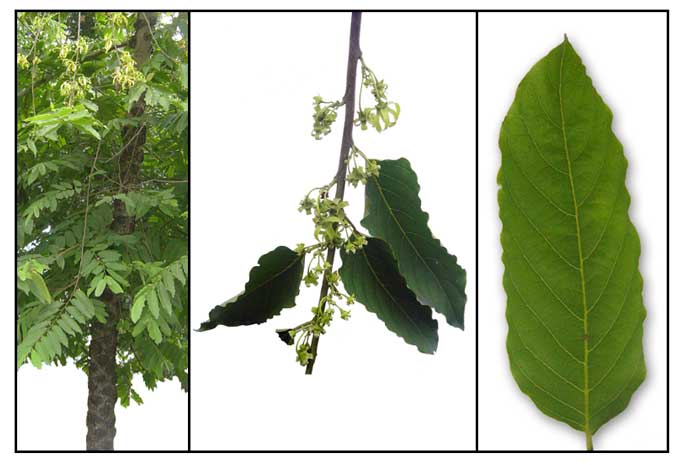
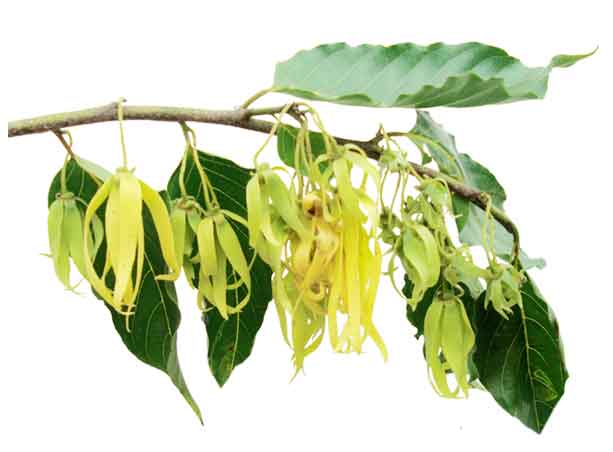
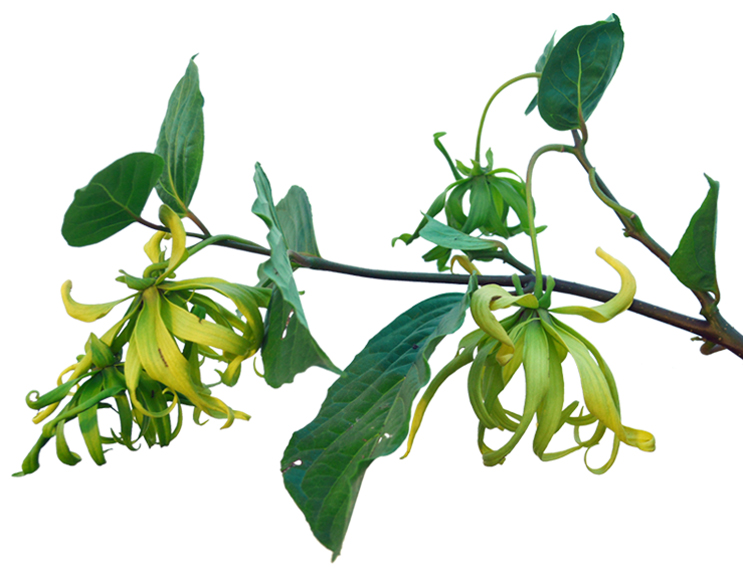
• Ilang-ilang is a medium-sized tree growing 10 to 30
meters in height, with pendulous branches, with drooping, leafy twigs. Flowers
are fragrant, axillary, in umbellate hanging clusters, with three sepals
and six petals, twisted when young and drooping when mature. Leaves
are dark green, up to 20 centimeters in length, alternate, simple, entire. Fruit
is black in color, 1.5 to 2 centimeters in length, in axillary clusters, fleshy
and olive-like, with six to 12 seeds in each fruit.
• Growth form: Medium-sized tree, able to grow up to 10 - 20 m tall. Crown: Long droopy branchlets and stems (4 - 6 m) gives the tree an irregular, straggly crown. Foliage: Dark green leaves, alternately arranged, measuring about 10 - 20 cm long and 4 - 8 cm wide. Stems: Pendulous, pubescent when young, striated with age. Flowers: Flowers turning from green to yellowish-brown upon maturity, sweet-scented, petals hairy and curled up. Fruit: Fruit turning from dark green to black when ripen, measuring about 2 cm long. (43)
Distribution
- Native to the Philippines.
-
Cultivated for ornamental
purposes.
- Also native to Borneo, Jawa, Lesser Sunda Is., Malaya, New Guinea, Queensland, Solomon Is., Sulawesi, Sumatera, Thailand, Vietnam. (18)
 Constituents Constituents
• The oil extracted from fresh flowers has a floral fragrance.
• The oil is distilled from freshly harvested flowers.
• Study of fruits isolated a new guaipyridine sesquiterpene alkaloid, cananodine (1), and two new eudesmane sesquiterpenes cryptomeridiol 11-alpha-L-rhamnoside (2) and gamma-eudesmol 11-alpha-L-rhamnoside (3), along with gamma-eudesmol (4). Compounds 1-4 and four previously reported alkaloids, cleistopholine (5), N-trans-feruloyltyramine (6) (+)-ushinsunine-beta-N-oxide (7), and lyscamine (8) were evaluated for cytotoxicity. (see study below)
(1)
• Fractionation of essential oil isolated 17 compounds. From the
volatile, oxygenated and hydrocarbon fractions, 52 compounds were identified,
among them: (alpha)-cedrene, (alpha)-amorphene, (gamma)-gisabolene and
cadinols. (5)
• From the leaves and branches, two unusual lactones were isolated:
one already known, isosiphonodin; and the other, canangone, a new terpenoid
spirolactone. (6)
• Study of stem bark extract reported liriodenine, anonaine, roemerine, ushinine, and canangine, which was later reported as eupolauridine. (see study below) (14)
• Phytochemical study of leaves yielded four compounds, viz., two steroids: ß-sitosterol and stigmasterol, and two oxoaporphine alkaloids: liriodenine and lysicamine. (15)
• Study of essential oil of leaves yielded a total of 23 components. The principal compounds were linalool (21.08%), linalool acetate (16.14%) α-pinene (12.73%), eugenol (8.86%), and α-terpineol acetate (7.71%), with isobornyl acetate (3.56%), c-terpineol (3.46%) and camphor (3.23%). (see study below) (16)
• Phytochemical analysis of various leaf extracts yielded alkaloids, carbohydrates, glycosides, saponins, phenols, tannins, flavonoids, proteins and amino acids, steroid, and coumarin. (23)
• Study for volatile compounds from flower essential oil yielded limonene, linalool, benzyl acetate and ß-caryophyllene, while leaf essential oils yielded α-pinene and ß-caryophyllene. (25)
• GC-MS analysis of fresh flower essential oil yielded
main constituents of α-humulene (7.1%), germacrene D (8.1%), (E,E)- α-farnesene (12.6%), (E,E)-farnesol (5.6% and benzyl benzoate (3.8%). Major constituents of the oil were linalool (8.7%) and ß-caryophyllene (26.8%). ( 30)
• GC-MS study for leaf essential oil identified a total of 25 components (91%). Major compounds were trans-caryophyllene (19.7%), ocimene (13.2%), E, E- α-farnesene (10.3%), phenylmethyl ester (5.6%), farnesyl acetone (5.1%), t-muurolol (4.2%), farnesol (3.7%), ß-elemene (3.1%), α-cadinol (3.0%), copaene (2.9%) benzyl-benzoate (2.3%), trans-farnesol (2.1%). The EO is rich in sesquiterpenoids including sesquiterpenes hydrocarbon (42.3%), monoterpene hydrocarbons (18.1%) and oxygenated compound (30.7%).
• Phytochemical screening of hydroalcoholic extract of leaves yielded carbohydrates, mucilage, fats and oils, volatile oils, anthraquinone glycosides, flavonoids, alkaloids, tannins, and phenolic compounds. TPC (total phenolic content) showed gallic acid equivalent of 0.507 mg GAE/g. TFC (total flavonoid content) showed rutin equivalent of 0.2224 mg RE/g. (see study below) ( 44)
- Study of methanol extract from flower buds isolated two lignan dicarboxylates, canangalignans I and II, three new terpenoids, canangaterpenes I, II, and III and eight known compounds. (see study below) ( 59)
- Study of leaves of C. odorata var. odorata isolated three relatively large molecules: two aryl naphthalene lignan diesters of canangafruticoside A and one cyclobutane lignan diester of cananga-fruticoside A, along with four known compounds. ( 70)
Properties
• Essential oil considered antidepressant, antiseborrheic, antiseptic, aphrodisiac, nervine and sedative.
• Studies have suggested antioxidant, antimicrobial, antibiofilm, anti-inflammatory, antivector, anxiolytic, antidiabetic, mosquito insecticidal, antimelanogenesis, cytotoxic, antifertility, spermatotoxic, insecticidal, analgesic, mosquito repellent, antihypertensive, anti-dandruff and anti-scalp psoriatic, antiedematogenic, antihyperalgesic, antinociceptive, antiarthritic, gingivitis and plaque preventive, aldose reductase inhibitory properties.
Parts
used
Flowers, bark, essential oil, fruits.
 Uses Uses
Edibility
- Oil used as flavoring agent for beverages, ice cream, candies
and baked goods.
Folkloric
- Oil Used for a variety
of infectious and skin diseases, acne and scalp conditions.
- Sedative and antidepressant.
- Reduces sebum in oily skin.
- Use for insect bite.
- Bark decoction used for rheumatism, ophthalmia, ulcers and fevers.
- In Java and Vietnam, dried flowers used to treat malaria.
- In Indonesia, oil used to enhance euphoria during sex and to reduce sexual anxiety.
- Reportedly used to decrease blood pressure.
- In India, used topically to relieve itching and also to treat dandruff.
- In Tonga and Samoa, bark used to treat stomach ailments and as a laxative.
- In Papua New Guinea, bark decoction used to treat gout.
- In Tonga and Samoa, bark decoction used as laxative.
- In Java, flowers used for malaria, and fresh flowers, pounded into a paste, used for asthma.
Others
• Perfumery: Primary commercial product is the oil distilled for the perfume industry. Oil is used as
a fragrance for cosmetics (1% in perfumes), soaps, shampoos, creams
and lotions. (•) Cananga oil mixed with coconut oil is used as hair oil, Macassar oil, different from the seed oil from Scheiichera oleosa, which is similarly called. Thai women apply an infusion of flowers on the body after bathing.
• Aromatherapy: Essential oil used in aromatherapy, with claims of usefulness for depression, breathing problems, hypertension, and anxiety.
• Matrimonial: Also
regarded as an aphrodisiac. In some Asian countries, the flowers are
laid out in matrimonial beds.
• Motion sickness: An ingredient
in motion sickness medicine, MotionEaze.
• Ornamental: Fragrant flowers used in making lei and headdresses.
• Wood: Wood is used in making small canoe parts, furniture, fuel wood and cordage. (11) Used for making small drums and matchsticks.
• Fiber: In Indonesia, ropes made out of beaten bark. (20)
Safety / Allergy concerns
- Probably safe
in the amount found in foods.
- No known interactions with herbs and other dietary supplements
- In cosmetics, used in moderation, the oil is non-toxic and a non-irritant. However, the oil is considered an allergen, and has been removed from some cosmetics. (10)
Studies
• Cytotoxic
/ Anticancer / Fruits: A new guaipyridine sesquiterpene alkaloid, cananodine, and two new eudesmane
sesquiterpenes were isolated from the fruits of CO and were evaluated
for cytotoxicity against two human hepatocarcinoma cell lines. (1)
• Antibacterial and cytotoxic / Bark: Isolated compounds
from the bark showed antibacterial activities, as well as antifungal
and cytotoxic activities. (2)
• Relaxing Effect / Aromatherapy: Using human physiological parameters and self-evaluation after transdermal absorption In a study of 40 healthy volunteers, ylang ylang oil caused a significant decrease of blood pressure and increase of skin temperature with subjective ratings of being calmer and more relax than in the control group. Study suggests some evidence of usage of the ylang ylang oil in aromatherapy for relief of depression and stress in humans. (4)
• Antifertility / Spermatotoxic: The study of 50% ethanolic ethanol
extract of Cananga odorata root bark in male albino Sprague Dawley rats showed antifertility effects with statistically
significant alterations in sperm morphology as well as activity of HMG
CoA reductase and G6PD activities and serum testosterone. (7)
• Spermatotoxic / Root Bark: Study of 50% ethanolic extract of root bark of C odorata resulted in spermatotoxic effects, i.e., decreased epididymal sperm motility and sperm count in male albino rats. (8)
• Antimicrobial / Leaves: Study evaluated the antimicrobial effect of various leaf extracts of Cananga odorata on bacterial cultures including Staphylococcus aureus, Salmonella typhi, E coli, Vibrio cholerae and fungus Epidermophyton floccosum., M. gypseum, and T. mentagrophytes. Among extracts tested, methanol was more effective than chloroform and petroleum ether. (12)
• Effects of Aroma on Blood Pressure and Heart Rate in Healthy Men: Study showed YYA (ylang-ylang aroma) caused a reduction of HR and BP, and a relief of the arousal level in healthy men. Results suggest a sedative effect of YYA, and provides evidence of usage as a medicinal agent. (13)
• Sampangine / Alkaloid / Leaves: Study of stem bark extract by Cave and co-workers reported liriodenine, anonaine, roemerine, ushinine, and canangine, which was later reported as eupolauridine. This study of a chloroform extract reports the isolation of two alkaloids, A (new and named sampangine) and B. (14)
• Insecticidal / Essential Oil: Study evaluated the chemical composition and insecticidal activity of the essential oil of C. odorata leaves against maize weevils (Sitophilus zeamais). The essential oil showed strong contact toxicity against S. zeamais. The essential oil also showed fumigant toxicity against the grain storage insect. (see constituents above) (16)
• Volatile Organic Compound Emissions from Stages of Flower Development: Study evaluated the volatile organic compounds (VOCs) of the different flower development stages of Cananga odorata for the evaluation of floral volatile polymorphism as a basis to determine the best time of harvest. Ninety-two compounds were identified over the flower life. The VOCs were largely hydrocarbons, esters, alcohols, aldehydes, phenols, acids, ketones and ethers. The main compound was ß-caryophyllene; others were β-cubebene, D-germacrene, benzyl benzoate, and α-cubebene. (17) The chemical composition of oils extracted from flowers at different stages of development differed both qualitatively and quantitatively. Generation of total volatile metabolites increased markedly during flower maturation. (21)
• Essential Oil Constituents of Varieties at Different Flowering Stages: Study of three varieties of essential oils showed the odor quality was related to the variety, contents of esters, alcohols and phenolic ethers; and the greater the sesquiterpenes and sesquiterpenols, the worse the odor quality. The quality of the oil was also better when obtained from the flowers when the flower color changed from green to yellow than oil obtained from green flowers or flower buds. (22)
• Spermatotoxic Effects: Study of 50% ethanolic extract of root bark showed spermatotoxic effects in male albino rats. Results showed decreased epididymal sperm motility and sperm count, suppression of testosterone production and increase in its catabolism, with alteration in micronutrients of the testis causing deficiency in nutrients for the proper maturation and function of sperms. (24)
• Antioxidant / Antibacterial / Antifungal / Flower Essential Oil: Essential oil from C. odorata flower and leaf showed antioxidant activity, especially in inhibiting lipid peroxidation. Flower EO inhibited growth of bacterial strains tested, and flower and leaf EO showed antifungal activity against fungal strains tested. (25)
• Anti-Inflammatory: Study evaluated the anti-inflammatory activity of ethanolic extract of C. odorata using carrageenan-induced paw edema in Wistar albino rats. Results showed highly significant anti-inflammatory activity, higher than standard drug aspirin in the studied doses. (26)
• Aromatherapy / Pilot Study for Anxiety and Self-Esteem: Pilot study on 34 professionals from a nursing group evaluated the of ylang ylang essential oil by cutaneous application or inhalation for effects on anxiety and self-esteem perception and physiological parameters such as blood pressure and temperature. Results showed a significant difference in self-esteem; however, there were no differences in analysis for anxiety and physiological parameters. (27)
• Mosquito Insecticidal Potential / Essential Oil: Study of the essential oil of C. odorata flowers for oviposition-deterrent, ovicidal, insecticidal, and repellent activities against three mosquito species: Aedes aegypti, Anopheles dirus, and Culex quinquefasciatus showed potential for use as a botanical insecticide. (28)
• Analgesic: Insecticidal Potential / Essential Oil: Study of ethanolic extract of CO showed central and peripheral analgesic activity by Tail Flick method and Acetic Acid Induced Writhing tests in Swiss albino mice. (29)
• Effect of Picking Time on Essential Oil: Study evaluated the optimal harvesting time for ylang-ylang flowers to maximize essential oil yield. Results showed stages and sizes of flowers affected essential oil yield. Picking flowers at *:00 am in the morning highest yield. Main constituents of flower essential oil were as follows: geranyl acetate (18.28%), benzyl benzoate (14.42%), germacrene D (10.92%), trans-caryophyllene (10.71 %), geraniol (8.44%) and eugenol (6.65%). (31)
• Antimicrobial / Flowers: Study evaluated the antibiotic property of eight different selected flowers against various human bacterial pathogens. Extracts during blossoming time were found to be more effective. Cananga odorata flowers showed stronger antibacterial activity. (32)
• Vapor Aromatherapy in Chemotherapy-Induced Anxiety State among Breast Cancer Patients / Clinical Trial: A randomized controlled trial evaluated the short-term, immediate effect in reducing chemotherapy-induced anxiety state among 34 stage II and III female breast cancer patients. Results showed reduction of anxiety state among Stage II and III breast cancer patients undergoing chemotherapy who had moderate anxiety. (33)
• Anti-Hepatitis B Virus Activity / Flowers: Chronic hepatitis B virus (HBV) can lead to liver cirrhosis and hepatocellular carcinoma. Study screened various crude extracts of Indonesian plants for anti-HBV activity by determining effects on production of extracellular HBV DNA in Hep38.7-Tet cells and HBV entry into a HBV-susceptible cell line, HepG2-NTCP. In Hwp38.7 cells, Cananga odorata exhibited highest anti-HBV activity with IC50 of 56.5 µg/ml and CC50 of 5409.2 µg/ml (Selectivity index: 9.6). C. odorata showed lowered level of HBsAg production of 58.0% at 100 µg/ml concentration. Results suggest C. odorata extract has potential as candidate for development of anti-HBV drugs. (34)
• Anti-Inflammatory / Essential Oil: Study evaluated the acute toxicity and effect of ylang-ylang essential oil (YEO) on acute inflammation. Oral treatment with YEO reduced leukocyte recruitment and nitric oxide production in zymosa-induced peritonitis model, reduced rolling and adherent leukocyte number induced by carrageenan in the in situ microcirculation model, and reduced carrageenan-induced edema and mechanical hyperalgesia. The YEO showed a predominance of benzyl acetate, linalool, benzyl benzoate, and methyl benzoate. YEO did not show signs of toxicity in acute toxicity testing. Results suggest YEO affected leukocyte activation and exhibited antiedematogenic, anti-hyperalgesic, and anti-inflammatory properties. (36)
• Antioxidant / Anticancer Potential / Essential Oil of Leaves: Study evaluated C. odorata for leaf essential oil. The EO was tested for antioxidant efficiency by DPPH radical method with BHA as standard. The EO showed concentration-dependent antiradical activity with EC50 of 19,5±1.25 µg/mL with BHA showing an EC50 of 1.10 ± 0.55 µg/mL. In-vitro anticancer potential of EO by MTT assay using MOLT-3 cell line exhibited significant anticancer activity with IC50 of 44.22 µg/mL. Results showed the EO possesses significant antioxidant and anticancer properties with potential as a natural supplement as antioxidant and anticancer agents. (37)
• Solvent-Free Microwave Extraction of Essential Oil from Flowers: Extraction of EO by convention methods such as hydrodistillation, steam hydrodistillation and steam distillation takes a long time. Study reports on the extraction of cananga oil using solvent-free microwave extraction (SFME) method. GC-MS analysis of extracted oil showed main components of ß-caryophyllene (16.85%), benzyl benzoate (14.32%), caryophyllene oxide (13.48%) and germacrene (10.69%). The SFME method offers the possibility for better reproduction of the natural aroma of flower EO compared to that obtained by conventional method. (38)
• Anti-Biofilm Properties Against P. aeruginosa / Essential Oil: Study evaluated the anti-biofilm properties of C. odorata essential oil against Pseudomonas aeruginosa. Results showed significant inhibitory effects of C. odorata essential oil against biofilm formed by P. aeruginosa. The MBIC and MIC were shown to be at 50% concentration of C. odorata essential oil. (39)
• Repellent / Thixogel Formulation / Essential Oils of C. odorata and C. nardus: Study evaluated thixogel formulations based on corn starch containing the combination of essential oils from ylang-ylang (C. odorata) and citronella (Cymbopogon nardus) plants, its safety, and mosquito repellent activities. Organoleptic studies showed the formulations of thixogel without EO (F0), with ylang-ylang oils (F1), with citronella oils (F2), and with both EOs (F3). All the formulations had thixotropic properties without human skin irritation. The F2 formulation significantly improved repellent activity against Aedes aegypti compared to single EO on corn-starch based thixogel (F1 and F2). Results suggest potential for topical administration of EO as ecofriendly repellent agents, which are safe for humans, domestic animals. (40)
• Antioxidant / Leaves: Study evaluated a hydroalcoholic extract of C. odorata leaves for phytochemical content and antioxidant activity. Antioxidant activity evaluated by DPPH radical scavenging assay showed significant potential with estimated IC50 of 120.44 µg/ml. (see constituents above) (44)
• Anxiolytic / Essential Oil: Study evaluated the anxiolytic effects of ylang-ylang essential oil exposure on anxiety animal models, phytoconstituents, and neurotransmitters change after odor exposure. Three anxiety models were used viz., open field, elevated plus maze, and light-dark box tests after acute and chronic YYO exposure. Results showed significant anxiolytic effect on male mice. Three main constituents of YYO, benzyl benzoate, linalool, and benzyl alcohol showed anxiolytic effect on male mice individuallly. Both acute and chronic YYO exposure showed anxiolytic effect on male mice. YYO and its major constituent benzyl benzoate might act on the 5-HTnergic and DAnergic pathways. (45)
• Reduced Neuropathic Pain and Anxiety / Flower Essential Oil: Study evaluated the analgesic properties of EO and its efficacy in reducing neuropathy-associated mood alterations in a spared nerve injury (SNI) model in male mice. Oral administration of EO (30 mg/kg) reduced SNI-induced neuropathic pain and ameliorated pain-related anxiety symptoms that appeared 28 days post surgery. YEO reduced expression of MAPKs, NOS2, p-p65, markers of neuroinflammation and promoted normalizing effect on neurotrophin levels (BDNF). YEO induced neuropathic pain relief and ameliorated pain-associated anxiety. (46)
• Reversal of Anxiety Via Regulation of MAPK Pathway and Serotonin System: Study evaluated the effects and mechanisms of YYO reversing anxiety induced by 5-HT2C receptor agonist 1-(3-chloro-phenyl) piperazine (m-CPP). The anxiolytic effect of YYO (0.1%, 1%, and 10% v/v) was evaluated in elevated plus maze (EPM) after odor exposure. Behavior analysis showed the m-CPP (2mg/kg and 4mg/kg) could induced anxiety behaviors in mice. Results showed YYO odor exposure could reverse anxiety behaviors generated by m-CPP. The anxiolytic effect of YYO was associated with the ERK1/2/CREB pathway in the hippocampus and revlevant to the serotonin system. (47)
• Potential Applications in Dermatology / Essential Oil: Study evaluated the chemical composition, antioxidant, antibacterial, and hemolytic properties of ylang-ylang essential oil, with focus of potential therapeutic applications in dermatology. Results showed the EO of YY possess significant antioxidant and antibacterial activities. The three oils, especially Y2 demonstrated substantial DPPH inhibition and high total antioxidant capacity in various assays. EO showed efficacy against several bacterial strains. Hemolytic tests showed the EO does not cause significant damage to RBCs, suggesting safety for topical use. Molecular docking studies identified potential therapeutic targets and routes for conditions like acne, eczema, and psoriasis. Its safety profile suggest potential for incorporation of EO into cosmetic and pharmaceutical formulations such as creams, lotions, and gels for dermatological treatments. (48)
• Blood Pressure Lowering Effect / Lavender and YlangYlang Sticker Oil Pads / Randomized Controlled Clinical Trial: Study evaluated the efficacy and safety of sticker pads containing lavender and ylang ylang oil (LY pads) on high blood pressure. Results showed the the LY pad was safe for humans, showing no significant adverse reactions in healthy volunteers. The LY pad significantly improved quality of life (p<0.05) and significantly lowered blood pressure after at least 3 days of use. The systolic blood pressure difference and pulse rate difference were superior in the LY pad group compared to placebo group (p<0.05). Results suggest a supportive or alternative treatment for hypertension. (49)
• Efficacy in Scalp Psoriasis and Dandruff / Nanoemulgel / Oil: Study evaluated the efficacy of nanoemulgel (NE) containing Cananga odorata (Ylang-Ylang) oil for management of scalp psoriasis and dandruff. The NE exhibited excellent stability and maintained physical parameters over a three-month period. In vivo studies showed no skin irritation, maintenance of skin pH, improvement in skin hydration and sebum content. Dermatokinetic analysis showed higher skin retention of C. odorata in the NE compared to conventional formulations. In vitro studies indicated sustained release behavior, antioxidant and antimicrobial properties. Results showed stability, skin-friendliness, therapeutic benefits, and controlled release properties, suggesting enhanced drug delivery and treatment outcomes in pharmaceutical and cosmetic use. (50)
• Effect on Acute Inflammatory Response / Essential Oil: Study evaluated the phytochemical profile, oral toxicity and effect of EO on acute inflammation in Swiss mice. YEO was orally administered in zymosan-induced peritonitis, carrageenan-induced leukocyte rolling, and adhesion events in in-situ microcirculation model and in carrageenan-induced paw edema models. YEO showed predominance of benzyl acetate, linalool, benzyl benzoate, and methyl benzoate. YEO did not show invitro cytotoxicity. YEO reduced invitro neutrophil chemotaxis induced by fMLP and reduced phagocytic activity YEO reduced leukocyte recruitment and NO production, reducing rolling and adherent leukocyte number induced by carrageenan, reduced carrageenan-induced edema and mechanical hyperalgesia YEO showed no signs of toxicity at 2000 mg/g in acute toxicity test. Results showed YEO affected leukocyte activation, and exhibited antiedematogenic, antihyperalgesic, and anti-inflammatory properties. (51)
• Solvent-Free Microwave Extraction of EO from Fresh Flowers: Orthodox procedures for essential oil extraction usually involve hydro-distillation, steam hydro-distillation, and steam-distillation. Study reports on canango oil extraction using solvent-free microwave method aiming for maximum yield within a short period of time. Factors and conditions for optimum effect include: a microwave power of 380 W, a ration (F/D) of raw material mass and distiller volume (round bottom flask) of 0.10 g/mL, and size of undamaged raw material of ±4.5 cm. Definitive factors by RSM refer to 380W, F/D 0.10 g/mL and material size of 3.23 cm, which provide a basic oil yield of 3.93%. GC-MS analysis of oil components from fresh flowers are in agreement with previous studies. Results suggest the compound-free microwave technique of EO extraction from fresh flowers is an effective procedure with product properties in accord with standards applied. Study suggests potential industrial application. (52)
• Zinc Oxide Nanoparticles / Antibacterial / Essential Oil: Study reports on the green synthesis of ZnO nanoparticles using C. odorata essential oil. The synthesized ZnONPs were tested against Pseudomonas aeruginosa and Staphylococcus aureus. Invitro results showed excellent antibacterial activity. The bactericidal and bacteriostatic mechanism were attributed to ROS production, and its penetration and interaction with bacterial cells. The ZnONPs were non-toxic to Caenorhabditis elegans. In invivo animal model, up to 1 g/l exerted antibacterial activity by reducing growth and colonization of pathogens. Results showed the green synthesized ZnONPs exhibited remarkable biological properties and has potential for use as an efficient bactericidal agent against foodborne pathogens. (53)
• Anxiety Reducing in Aromatherapy / Essential Oil / Randomized Clinical Trial: Study evaluated the anxiolytic effect of C. odorata EO (COE) aromatherapy in patients hospitalized for interventional neuroradiology (INR) procedures. Morning salivary cortisol levels and salivary alpha-amylase activity after intervention were measured. Post-intervention scores were significantly less than those of baseline. The COE group showed greater reduction of STAI-T after intervention than placebo group. Salivary alpha-amylase activity was weak, but showed significant correlation with STAI anxiety scores. Study suggest COE aromatherapy reduces saliva alpha amylase activity and STAI-T anxiety in unexperienced patients hospitalized for INR procedures. (54)
• Safety and Efficacy as Animal Feed Additive / Flower Essential Oil: Study evaluated the safety and efficacy of essential oil from flowers of Cananga odorata for use as sensory additive in feed and water for drinking for all animal species. The FEEDAP panel concluded the EO is safe up to the maximum proposed use levels in complete feed of 1 mg/kg for chickens for fattening, 1.5 mg/kg for laying hens, 3 mg/kg for sows, 4.5 mg/kg for cattle, fattening sheep, goats and horses, 5 mg/kg for veal calves (milk replacer), fish, dogs, and ornamental fish. For cats, calculated safe concentration in complete feed is 1 mg/kg feed. Use in drinking water was considered safe in the amount not the exceed when consumed via feed. Ylang ylang oil is used to flavor food. Its function in feed would essentially be the same as in food, and no further demonstration of efficacy was deemed necessary. (55)
• Antibacterial Against Skin Acne Bacterium / Flowers: Study evaluated phytochemical contents of methanol and ethyl acetate extracts of C. odorata flower and their activities against skin acne bacterium - Propionibacterium acnes. The ethyl acetate extract showed higher inhibition zone than the methanol extract. Results showed ME and EA extracts of flowers possess weak inhibitory activities against P. acnes. (56)
• Effect of Flower Maturity on Dynamics of Flower Essential Oil: Study evaluated the chemical composition of essential oils of ylang-ylang according to maturity of flowers. GC-MS analysis identified 70 volatile compounds belonging to four chemical groups: esters, alcohols, terpenes, and ether-oxides. Study showed the stage of development of flowers significantly influences the dynamics of volatile compounds in the extracted EO. Total oxygenated compounds that are highly odoriferous in EOs increase progressively and significantly with flower maturity, unlike hydrocarbon terpenes, which are less valuable contribution to fragrance and kinetics. (57)
• Anti-Arthritic / Antinociceptive / Essential Oil: Study evaluated the effect of ylang-ylang essential oil (YEO) on models of experimental arthritis, persistent inflammation, and nociception in mice. YEO at doses of 100 and 200 mg/kg reduced infiltration of leukocytes into the joint cavities of mice submitted to zymosan-induced arthritis. YEO reduced formation of joint edema and reduced mechanical hyperalgesia. At 200 mg/kg, YEO reduced IL-6 levels and cartilage destruction. YEO reduced nociceptive response in models of nociception induced by acetic acid and formalin. YEO treatment reduced inflammatory parameters in experimental arthritis model, and exhibited antiarthritic, anti-hyperalgesic, antinociceptive, and anti-inflammatory properties. (58)
• Inhibitory Effects on Melanogenesis / Flower Buds: Study of methanolic extract from flower buds of C. odorata showed inhibitory effect on melanogenesis in theophylline-stimulated murine B16 melanoma 4A5 cells. Study of methanol extract from flower buds isolated two lignan dicarboxylates, three new terpenoids, and III and eight known compounds. Several mono- and sesquiterpene analogues significantly inhibited melanogenesis. In particular, canangaterpene I and (3R,3aR,8aS)-3-isopropyl-8a-methyl-8-oxo-1,2,3,3a,6,7,8,8a-octahydroazulene-5-carbaldehyde exhibited a potent inhibitory effect on melanogenesis [inhibition (%): 34.7 ± 4.2 (p < 0.01), 45.5 ± 5.7 (p < 0.01) at 1 μM, respectively] without inducing cytotoxicity. Results suggest the isolated terpenoid derivatives may have therapeutic potential for treatment of several skin disorders. (see constituents above) (59)
• Network Pharmacology Analysis for Treatment of Anxiety Disorders: Study evaluated the potential compound content in Cananga odorata for treating anxiety disorders with InSilico-based pharmacological network analysis. Pharmacological tissue analysis yielded 45 compounds, and 18 known active components the ADME criteria of absorption, distribution, metabolism and excretion. The known therapeutic target proteins are HTR1A, HTR2A, SLC6A4, NR3C1, MAOA, DRD4, HSP90AA1, JUN, ten active compounds associated with C. odorata namely Anonaine, (+)-Reticuline, linalool, (-)-Coreximine, Micheline A, (-)-Ushinsunine beta-N-oxide, 4-Terpineol, alpha-Terpeneol, Sampangine, Anaxagoreine. Results suggest C. odorata as potential treatment for anxiety disorder. (60)
• Subacute Toxicity Study on Histopathology of White Rat Heart: Study evaluated the phytochemical content and anti-inflammatory effects of C. odorata. Study showed total phenol content of 1.06% w/w and DPPH antioxidant IC50 of 808.86 ppm. Toxicity testing did not show any toxicity in experimental animals. Histological exam showed no differences in cardiovascular disease mice model with standard-feeding mice. Results showed no toxicity on histopathology on white rat heart. (61)
• Effect on Behavioral Symptoms and Plasma Biomarkers in Dementia Patients / Essential Oil: Behavioral and psychological symptoms of dementia (BPSD) include agitation, psychosis, depression, and apathy. Study evaluated the efficacy of diffused ylang-ylang essential oil based on dementia-related behavioral assessment tools and biochemical analysis on persons with BPSD. EO was diffused via an ultrasonic diffuser for 20 min twice daily. Scores of CMAI (Cohen-Mansfield Agitation Inventory) and CSDD (Cornell Scale of Depression for Dementia) decreased significantly following YY-aromatherapy. There was also significant reduction in homocysteine, amyloid beta-42, IL-6 and IL-2 concentrations with inhalation of YY essential oil. Results suggest YY aromatherapy helps improved BPSD and is associated with reducing neurodegenerative and neuroinflammatory plasma biomarkers. (62)
• Cytotoxic Effects on Non-Melanoma Skin Cancer / Essential Oil: Study assessed the cytotoxic effect of C. odorata EO on non-melanoma skin cancer, TP53 gene expression, and p53 protein expression. Methodology involves HFF1 (human foreskin fibroblast) and A431 (human epidermoid squamous carcinoma) cell lines with CO EO at 125, 250, and 500 µg/mL. Results showed CO EO demonstrated cytotoxic effects on A431 cells, associated with altered p53 protein secretion and TP53 gene expression. (63)
• Antibacterial Activity of Cananga Oil on Antibacterial Soap Formulation: Study evaluated the formulation of cananga soap using different types of oil viz., VCO and palm oil and cananga oil concentration (0% control, 0.5, 1, and 1.5% w/v). Staphylococcus aureus and Escherichia coli were used to test for antibacterial activity. Results showed the best soap formulation was made from VCO oil and 1.5% cananga oil. However, soaps from VCO were only able to inhibit growth of S. aureus with inhibitory diameters of 8.1 and 11.0 mm. Further studies are needed to reduce levels of free alkali in the soap, increase concentration of cananga oil that can inhibit E. coli growth. (64)
• Relief of Anxiety Behaviors in Autism-like Rats / Regulation of Serotonin and Dopamine / EO Aromatherapy: Study evaluated the effects and mechanisms of YYO in alleviating anxiety, social and cognitive behaviors in autism-like rats. Prenatal valproic acid (VPA) model was used to induce autism-like behaviors in offspring rats. YYO exposure significantly elevated time and entries into the open arms in the elevated plus-maze test, while low-dose YYO exposure significantly enhanced social interaction time. YYO exposure alleviated anxiety and improved cognitive and social abilities in offspring of VPA exposure of rats. The role of YYO was related to regulation of metabolism of serotonin and dopamine. (65)
• Mosquito Repellency / Essential Oil: Study evaluated essential oil of C. odorata for insect contact irritancy and non-contact repellency actions. An excito-repellency test chamber was used for measuring avoidance behavior of four insectary-reared mosquito species using four concentrations (0.5, 1.0, 2.5, and 5.0% v/v) of C. odorata oil. The oil strongly repelled both Culex quinquefasciatus and Anopheles minimus. For contact irritancy, the oil produced relatively high percent escape found in Culex quinquefasciatus (90-100% escape) and An minimus (83-100%). Results showed An. minimus and Cx. quinquefasciatus were more prone to be repelled by the EO. Analysis of oil identified primary compounds as methyl benzoate (14.6%), α-gurjunene (12.8%), p-methyl-anisole (11.3%), and benzyl acetate (9.9%). Further tests are needed to assess excito-repellency of the compounds alone or in combination. (66)
• Efficacy of Commercial Ylang-Ylang Against Larval Ae. aegypti / Essential Oil: Study evaluated the comparative larvicidal efficacy of commercial ylang-ylang essential oils from India and Thailand against Ae. aegypti mosquito. Results showed commercial ylang-ylang EOs were highly toxic to larvae of dengue vector Ae. aegypti. Indian YY had an LC50 of 0.064 ppm, while Thai YY LC50 was 0.042 ppm after 24h exposure. Results showed efficacy of the commercial EOs as natural vector control for larval stage of dengue vector Ae. aegypti. (67)
Further tests are needed to assess excito-repellency of the compounds alone or in combination. (66)
• Safety as Food Ingredient: YY oil is used in the food industry as a flavor ingredient. YYO jas been reported to cause dermal sensitization reactions in animals and humans. There is no indication in literature that food exposure to YYO has caused allergic reactions. A sub-chronic inhalation toxicity study, involving YYO as part of the raw materials mixture, showed no indication of causing adverse effects. YYO has been used for fragrance and food coloring, with no indication that estimated consumption from food flavoring (0.0001 mg/kg/day) has led to human health adverse effects. Data suggest that at the current level of use as food ingredient, YY oil does not pose a health risk to humans. (68)
• Nanovesicles / Co-Delivery of YY Oil and Oxaliplatin for Triple-Negative Breast Cancer: Smart pH-responsive niosomes loaded with either Oxaliplatin (Ox), Ylang ylang essential oil (Y-oil), or co-loaded with both compounds (Ox-Y) (Ox@NSs, Y@NSs, and Ox-Y@NSs, respectively) were
formulated using thin film method. The prepared pH-responsive niosomes' cytotoxicity was tested against triple-negative breast cancer (MDA-MB-231) cells. Findings suggest that combining natural essential oi8l with synthetic platinum-based drugs in pH-responsive nanovesicles is a promising approach to breast cancer therapy. (69)
• Reduction of Gingivitis-Causing Plaque / Flower Chewing Gum: Accumulation of plaque and Porphyromonas gingivalis bacteria cause gingivitis. Study evaluated an alternative for gingivitis prevention by chewing gum products containing cananga flower extract. The product material's LC50 was 850.191 ppm. Results showed plaque preventive properties. Study suggests the cananga chewing gum can lower the plaque index of treatment group by 0.344375 and the flower extract has anti-biofilm properties. (71)
• Aldose Reductase Inhibitory / Flower Buds: Study isolated three new triterpenoids derivatives, canangaterpenes IV-VI from flower buds of Cananga odorata, along with eight known flavonoids. The isolated compounds were evaluated for inhibitory effects on aldose reductase. Results showed several triterpenoid derivatives and flower buds inhibited aldose reductase. (72)
• Antibacterial / Insect Repellent / Essential Oil: Study evaluated essential oil for insect repellency and antibacterial activities. The EO was extracted from 2600 g of C. odorata dried powdered flower samples by steam distillation process. Yield was 0.083% (V/W) or about 2.2 mL of EO. GC-MS analysis yielded linalool (21.78%), acetic acid (15.77%), ß-ocimene (13.53%), piperonal (10.02%), and eugenol (7.42%). Bioactive compounds showed antimicrobial activities towards food-borne microorganisms viz., S. typhi, B. subtilis, S. aureus, and E. coli. Linalool was shown to have insect-repellent activity against house ants (Monomorium pharaonis). Results suggest potential for use as natural insect repellent and antibacterial for commercial exploitation. (73)
• Anti-Angiogenic / Leaves and Flowers: Angiogenesis is the formation of new blood vessels from pre-existing vasculature. Study evaluated different concentrations of C. odorata leaf and flower extracts for angiogenic activity on Chorio-Allantoic Membrane (CAM) of 12-day old duck embryos. Results showed anti-angiogenic activity. The angiosuppression started at 200 ppm. Treatment group with 300 ppm of C. odorata exhibited highest inhibitory effect. The inhibition of secondary blood vessel growth could be attributed to synergistic effect of alkaloids, flavonoids, glycosides, saponins, and tannins. (74)
Availability
- Wild-crafted.
- Cultivated for ornamental use.
- Extracts and essentials oils in the cybermarket.
|