|
 Gen info Gen info
- Impatiens is a genus of about 850-1,000 species of flowering plants, and together with the puzzling Hydrocera triflora, the genus makes up the family Balsaminaceae. Some of the species are closer to Hydrocera than the presumed congeners. Phylogenetic studies might suggest a need to split up Impatiens.
- Impatiens balsamina has been used in traditional medicine for centuries. It was described in the Ming Dynasty's "Compendium of Materia Medica".
 Botany Botany
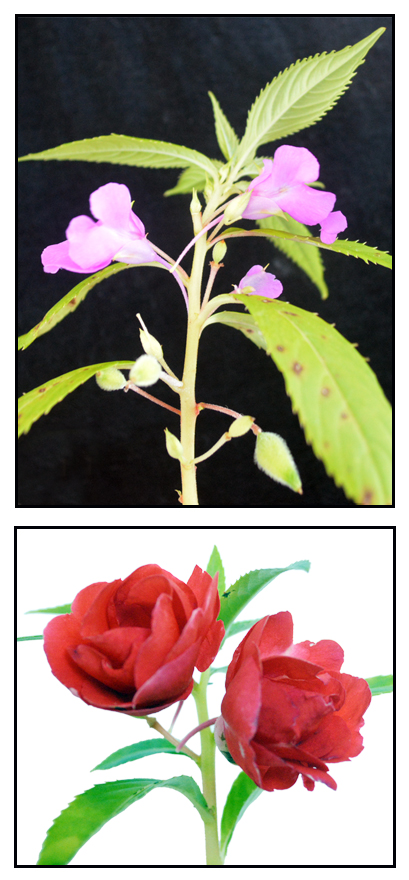
Kamantigi is an annual, erect,
succulent, branched herb, 1 meter high or less. Leaves are smooth, somewhat glabrous or pubescent, 3 to 5 centimeters long,
narrowly lanceolate or oblanceolate, pointed at both ends, deeply serrate,
alternate, the petioles with basal glands as seen under a magnifying
glass. Flowers are axillary, showy, 2 to 3 centimeters long, usually pink,
but forms with white, red, purple, or variegated petals are also
found in cultivation. The sepal spur is long and slender. The
stamens are 5, filaments short, broad, anthers uniting. The ovary
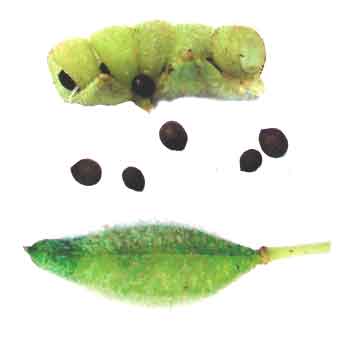
is 5-celled, the stigma, 5-toothed, the ovules many. Fruits are loculicidal capsules, pubescent and explosive when
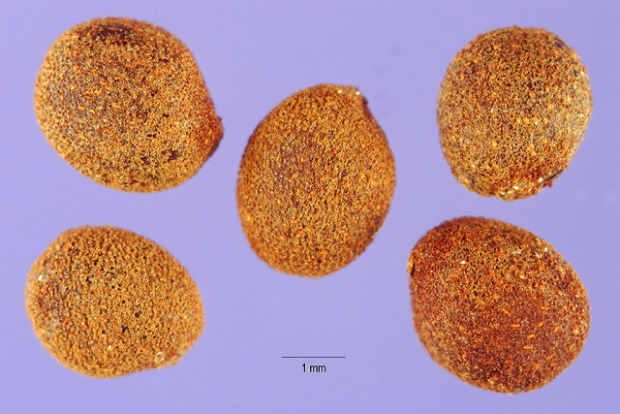
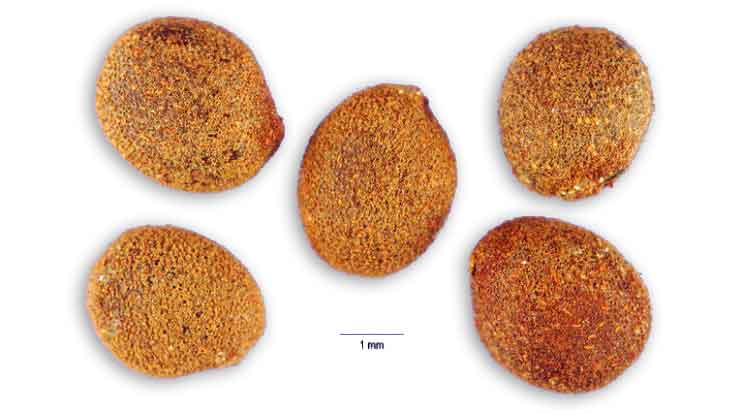
ripe. (Insert below) The seeds are small, tubercled, and
rounded.
Distribution
· Widely cultivated
for ornamental purposes, throughout the Philippines.
· Seed propagation.
· Native of India, now cultivated in all warm countries.
Constituents
• Leaves, sulfur and pectin; roots, peroxidase; seeds, oil and
phenol.
Napththoquinone, coumarin derivatives, flavonoid and steroid have been
reported.
• Study isolated four rare baccharane glycosides from the seeds of IB.
(Link)
• Study showed the pericarp contains three dinaphthofuran-7,12-dione derivatives, all with significant anti-itching activity.
• Study isolated a natural bisnaphthoquinone, methylene-3,3'-bilawsone from the root cultures, along with lawsone, 2-methoxy-1,4-naphthquinone, scopoletin, isofraxidin and a sterol, spinasterol.
• Study of aqueous, ethanolic, and methanolic flower extracts yielded alkaloids, tannins, glycosides, flavonoids, saponins, terpene, and carbohydrates. (see study below) (29)
• Chemical analysis of the ethyl acetate and methanolic extracts of the cultured roots yielded naphthoquinone and coumarin derivatives as major components and elucidated as lawsone, 2-methoxy-1, 4-naphthoquinone, methylene-3, 3'-bilawsone (diphthicol), scopoletin, isofraxidin, 4, 4'-biisofraxidin and a plant sterol, spinasterol. (32)
• Study of leaf extracts yielded three naphthoquinones, Lawsone (1), lawsone methyl ether (2), and methylene-3,3'-bilawsone. (see study below) (41)
• Study of seeds isolated two new flavone glycosides, quercetin-3-O-[α-l-rhamnose-(1 → 2)-β-d-glucopyranosyl]-5-O-β-d-glucopyranoside (1), and quercetin-3-O-[(6?-O-caffeoyl)-α-l-rhamnose-(1 → 2)-β-d-glucopyranosyl]-5-O-β-d-glucopyranoside (2). (45)
 Properties Properties
• Considered emetic, cathartic, anti-infectious, diuretic, expectorant,
tonic.
• Flowers are mucilaginous and cooling.
• Alcoholic extract of flowers possess antibiotic activity against
some fungi and bacteria.
Parts
utilized
· Roots,
stems, flowers, and seeds.
Uses
Edibility / Culinary
· Flowers of the genus Impatiens are classified as edible. (see study below as natural colorant) (47)
· Leaves and seeds
are edible: leaves and young shoots are cooked; the seeds raw or cooked.
· In Bali, leaves are eaten.
Folkloric
· In the Philippines, pounded leaves used as poultice to dissolve whitlow.
· In Malaya, leaves used for poulticing broken and torn nails.
· In China, powdered seeds are prescribed for difficult labor.
· Flowers used for snake bites, lumbago, and intercostal neuralgia.
· For contusion, painful inflammation, joint pains, carbuncles,
dysmenorrhea, lumbago, and snake bites: use dried flowers, 3 to 6 gms or seed preparation,
3 to 7 gms or the entire plant, 9 to 15 gms, boil to decoction and drink.
· Seed is expectorant; used for cancer treatments.
· For external use on any bruise or painful area; crush fresh
plant and poultice the affected parts of the body.
· Leaf juice used for treatment of warts.
· Root and leaves used for various foreign bodies - coins or other metals inadvertently swallowed, as well as thorns or fish splinters.
· In the U.S. the most common use of jewelweed is to treat poison ivy rashes.
· People in Bengkulu, Indonesia use the leaves for treatment of wounds. (42)
Others
• Dye: Dyes is obtained from flowers and leaves. In parts of Asia, flowers are used as a substitute for Henna for dyeing finger-nails. In Nepal, balsam leaves are crushed to dye fingernails on the day of Shrawan Sakranti. In China and Korea, flowers are crushed and mixed with alum to produce an orange dye for coloring fingernails. The dye is semi-permanent, requiring the nail to grow off to remove traces of color. (48)
 Studies Studies
• Antifungal / Antimicrobial: Antifungal activity of synthetic
peptides derived from Impatiens balsamina antimicrobial peptides Ib-AMP1
and Ib-AMP4: Study showed potential of Impatiens balsamina
antimicrobial peptides in combating fungal infections. (1)
• Antimicrobial: Study isolated a single bioactive compound, 2-methoxy-1,4-naphthoquinone (MNQ) which showed activity against 8 of 12 bacteria and all 8 fungi tested.
• Antianaphylactic: Study evaluated the antianaphylactic activity of 35% EtOH extract of I. balsamina white petals using murine immediate hypersensitivity reaction system induced by hen egg-white lysozyme (HEL). IB showed significant
antianaphylactic activity. (2)
Study of 35% ethanol extract of IB white petals isolated several flavonols and naphthoquinones. The active extracts and phenolic compounds significantly inhibited both fatal anaphylactic shock and heterologous PCA reaction.
(43)
• Kaempferol / Lawsone / Antianaphylactic: In a study on the anti-anaphylactic effects of an ethanol extract of IB, kaempferol 3-rutinoside and lawsone from Impatiens balsamina significantly inhibited the decrease of blood flow.
• Anti-inflammatory / COX-2 Inhibitory Naphthoquinones: Significant selective cyclooxygenase 2 (COX-2) inhibitory activities were observed from two new 1,4-naphthoquinone sales isolated from the corolla of I. balsamina. Results provide supporting evidence for its traditional use for treatment of rheumatism, pain and swelling. (3)
• Antipruritic / Antidermatitic: Study evaluated the effects of 35% ethanol extract from petal of I. balsamiina on chronic and serious p0ruritus and dermatitis using a model of atopic dermatitis in NC mice. I. balsamina at 100 mg/kg significantly inhibited serious scratching behavior. A 10 µg/kg dose of kaempferol 3-rutinoside and 2-hydroxy-1, 4-naphthoquinone (lawsone) also inhibited scratching behavior in NC mouse with established dermatitis. Results suggest IB was effective for prevention and treatment of atopic dermatitis. (5)
• Antipruritic / Pericarp / Balsaminones: Dinaphthofuran-7,12-dione derivatives, balsaminones A and B were isolated from the pericarp of Impatiens balsamina L. together with the known compound 2-methoxy-1,4-naphthoquinone. The compounds exhibited significant antipruritic activity.(6)
• Antipruritic: In an animal study using Dextran T40 and compound 48;80 to cause histamine release and induce itching, the ethanol extract of I. balsamina significantly inhibited the scratching behavior. Kaempferol, quercetin and 1,4-naphthoquinone derivatives in Ib were demonstrated to show antipruritic effects. (8)
• Anti-Tumor: Study isolated a final and active component, 2-methoxy-1,4-naphthoquinone, which showed an intensive in vitro anti-tumor
activity against HepG2 cells.
(7)
• Antibacterial / Kaempferol / Acne Treatment: Study investigated the antibacterial activity of kaempferol isolated from Impatiens balsamina, alone or in combination with erythromycin or clindamycin, against antibiotic resistant Propionibacterium acnes. Results showed the combination of clindamycin with kaempferol or quercetin showed greater synergistic effect than erythromycin with kaempferol or quercitin. The combination suggested a potential for acne treatment. (10)
• Anti-H Pylori Activity: Study investigated the activity of I. balsamina on resistant strains of H. pylori. The acetone and ethyl acetate pod extracts of I. balsamina exhibited very strong anti-H. pyloric activity. (13)
• Antihelmintic / Seed Oil: Study of five seed oils, including I. balsamina, all exhibited moderate to significant anthelmintic activity against Pheretima posthuma. (15)
• Anticancer: An ethanol extract was investigated for anticancer and in-vitro cytotoxic activities against transplantable tumors and human cell line. Extract showed strong in vivo cytotoxicity against Hela cell line, and was found to be safe with normal cell. Results showed significant antitumor and cytotoxic effects against DLA and human Cancer Cell line. (20)
• Antioxidative / Flower Extract: Study on antioxidant activity of flower extracts showed the different extracts all have different activity, and the water extract showing the strongest. (21)
• Antimicrobial Efficiency / Leaves and Roots: Study evaluated the in vitro antimicrobial activity of leaf and root extracts of Impatiens balsamina against selected microbial pathogens. Results showed the ethanol and chloroform extracts to have excellent antimicrobial activity against all the test microorganisms. (22)
• Histoprotective and Anti-Tumor Activity: Histological assessment was done on the anti-tumor promoting activity of a crude flower extract and isolate 2-methoxy-1,4-naphthoquinone (MeONQ) using the modified 2- stage mouse skin carcinogenicity assay. Results showed the crude extract and isolate MeONQ exhibit histoprotective effects on the pancreas, stomach, duodenum, and spleen of tumor-induced mice indicating anti-tumor activity. (23)
• Mosquito Larvicidal: Study evaluated the larvicidal potential of various crude extracts of Impatiens balsamina against Anopheles stephensi, Aedes aegypti, and Culex quinquefasciatus. The highest larvicidal effect was observed in the leaf methanol extract. Results suggest a promising alternative to synthetic insecticides in mosquito control programs. (24)
• Phytoremediation / Naphthalene: Study analyzed the accumulation of naphthalene in parts of I. balsamina and soil samples. Naphthalene concentration in the soil samples was reduced, while it was increased in the I. balsamina stem. Results suggest Impatiens balsamina could be used to remove naphthalene as organic contaminant in soil. (25)
• Anti-H. pylori Compound / MeONQ: Anti-H. pylori compounds isolated from Impatiens balsamina were evaluated for anti-H. pylori activity. 2-methoxy-1,4-naphthoquinone (MeONQ) and stigmasta-7,22-diene-3β-ol (spinasterol) were isolated from the pods and roots/stems/leaves. MeONQ, which abounds in pods, showed dose dependent bactericidal activity against H. pylori. The activity was equivalent to amoxicillin. Results showed strong potential as candidate agent for eradication of H. pylori. (26)
• Antimicrobial / MNQ: Study of 95% ethanol extract of dried aerial parts isolated a single bioactive compound identified as 2-methoxy-1,4-naphthoquinone (MNQ). Against 18 test organisms, five gram positive and two gram negative bacteria, as well as eight fungi, including MDR strains, were highly sensitive to MNQ. A tea prepared by traditional method showed to have sufficient MNQ to account for its antimicrobial properties. (27)
• Analgesic / Anti-Inflammatory / Leaves: Study of aqueous extract of IB leaves in animal models showed analgesic (tail flick method) and anti-inflammatory (carrageenan induced paw edema) effects, The effect was less than the standard drug reference used. (28)
• Silver Nanoparticles / Bioreductant / Cytotoxicity / Flowers: Study reports the synthesis of silver nanoparticles using aqueous extract of IB flowers. The silver nanoparticles were evaluated for anti-proliferative/cytotoxic activities in five different types of human cancer cells. Differential anticancer properties of the biologically synthesized IBNPS may be due to different mechanisms of action. (see constituents above) (29)
• AMPK-Activated Protein Kinase / Apoptosis in Human Oral Cancer Cells: Study evaluated the efficacy of a methanol extract from IB against HSC-2 human oral cancer cells. Results showed the methanol extract may be of therapeutic value for treating oral cancer, with a mechanism of action related to AMPK and t-Bid. (30)
• Antinociceptive / Flowers: Study evaluated the antinociceptive activity of methanolic extract of flowers of IB using acetic-induced writhing, hot plate, tail immersion, and formalin test assays. Results showed strong dose-dependent peripheral and central antinociceptive activity in all the mice models. (31)
• Enhanced Combined Phytoremediation / Petroleum Contaminated Soil: Study reports a plant-microorganism combined method of phytoremediation of petroleum contaminated soil. Inoculated petroleum degrading mixed microbes secretes chemicals helpful to IB. In return, IB releases photosynthesis products into the soil, to enhance antimicrobial activity and quality, to assist the organisms in phytoremediation. (33)
• Anti-Hepatic Fibrosis / Anti-Diabetic / Flowers: Study of flowers isolated eighteen compounds, seven new (3-9) and eleven previously reported. The compounds showed notable anti-hepatic fibrosis activity against murine Hepatic Stellate Cells and anti-diabetic activity against α-glucosidase. The new compounds 7. 8. and 9 showed significant inhibitory activity on t-HSC/cl-6 ells. Compounds 2, 4, 7, 8, 10, 11, 17 and 18 exhibited excellent α-glucosidase inhibitory activity, with compound 7 showing highest activity with IC50 of 0.72 µg/mL, compared to positive control acarbose 3.36 µg/ml. (34)
• Phenolic Compounds / White Flowers: Study of methanolic extract of white flowers for biologically active compounds two new phenolic compounds (1,2) and eleven known phenolic compounds. The compounds were tested for neuroprotective activity by determining effects on nerve growth factor (NGF) and anti-neuroinflammatory activity. (36)
• Jewelweed in Poison Ivy / Contrasting Studies: The most common folkuse of jewelweed it is to treat rashes caused by poison ivy. In a 1958 study done by Lipton showed a "dramatic response" to topical applications on 108 of 115 patients. In 1980, a study by Guin & Reynolds concluded jewelweed did noting to prevent the rash. In another randomized, double blind study of ten volunteers exposed to urushiol, the active agent in poison ivy, results showed no difference in paired comparison investigation. Sarah Becker suggests the varying results depend on what part of the plant is used. The pericarp of IB contain three dinaaphthofuran-7,12-dione derivatives, all with significant anti-itching activity. Two of the above studies used stem extracts while one use the entire plant. The extracts reduce itching but not the rash—significant, because poison ivy rash is spread by itching. (37)
• Anti-Helicobacter Activity: Many plants have been evaluated for anti-H. pylori activity. Only a few studies have showed strong (2.9%, 1/34), strong-moderate (11.8%, 4/34) activity, weak-moderate (50%, 17/34) and weak 32.4%, 11/34). Of the few plants with strong activity, the greatest was Impatiens balsamina. The acetone, ethanol, and EA pod extracts showed strong anti-H. pylori activity with 1.25-2/5 µg/mL of MIC and 1.25-5.0 µg/mL of MBCs against clarithromycin, metronidazole, and levofloxacin resistant H. pylori strains. (38)
• Toxic Effects / Lawsone and MNQ: Study evaluated the possible toxic effects of 55% EtOH extracts of I. balsamina stems (HAEIBS) in vivo. Two isolated two compounds viz., lawsone and 2-methoxy-1,4-naphthoquinone (MNQ). Lawsone is the major toxin in HAEIBS with a higher toxicity than MNQ in terms of negative impact on nematode Caenorhabditis elegans motility, locomotion, reproduction, and lifespan. (39)
• Silver Nanoparticles / Antimicrobial / Leaves: Study reports on the synthesis of silver nanoparticles using aqueous extracts of leaves of Impatiens balsamina and Lantana camara as bioreducing agents. The AgNPs showed antimicrobial activity against G(+) Staphylococcus aureus and G(-) Escherichia coli. (40)
• Antimicrobial Naphthoquinones / Leaves: Study of leaf extracts yielded three naphthoquinones, Lawsone (1), lawsone methyl ether (2), and methylene-3,3'-bilawsone. Compound 2 showed the highest antimicrobial activity against dermatophytic fungi and Candida albicans with MICs and MFCs in the ranges of 3.9-23.4 and 7.6-23.4 µg/mL, respectively. It also showed antibacterial activity against aerobic, facultative anaerobic and anaerobic bacteria with MIC range of 23.4-93.8, 31.2-62.5 and 125 µg/mL, respectively. Compound 1 showed moderate activity against dermatophytes (MICs and MFCs in ranges of 62.5-250 and 125-250 µg/mL. Compound 3 showed significant antimicrobial activity only against Staphylococcus epidermis and Bacillus subtilis (MIC and MBC of 46.9 and 93.8 µg/mL respectively. (41)
• Wound Healing / Leaves: Study evaluated the wound healing activity of I. balsamina leaves macerated with 96% ethanol. The extract yielded polyphenols, flavonoids, saponins, tannins, quinones, steroids, and terpenoids. Anatomical and histological examination showed the leaves extract had potential for healing external wounds. (42)
• Anti-Inflammatory / Roots and Stems: Study evaluated the anti-inflammatory activity of ethanol and water extracts of I. balsamina roots and stems using carrageenan induced paw edema method in wistar albino rats. The ethanol extract of roots and stems showed highly significant (p<0.001) anti-inflammatory activity. The ethanol extract of roots showed higher activity than ethanol extract of stems. Anti-inflammatory activity may be due to presence of alkaloids, glycosides, terpenoids, flavonoids, phenolic compounds and tannins in the extracts. (44)
• Tyrosinase Inhibition / Flowers: Study isolated kaempferol from a methanol extract of flowers of Impatiens balsamina. Kaempferol showed inhibitory activity against mushroom tyrosinase with ID50 of 0.042 mM. Kaempferol also strongly inhibited melanin production of Streptomyces bikiniensis in a dose dependent manner, without inhibiting cell growth. (46)
• Flower as Natural Coloring Ingredient: Study evaluated the nutritional and in-depth chemical profile of rose (BP) and orange (BO) I. balsamina flowers, and the non-anthocyanin and anthocyanin profiles of extracts of both flower varieties. Results showed both varieties present significant amounts of phenolic compounds, identifying nine non-anthocyanin compounds and 14 anthocyanin compounds. The extract stood out in bioactive properties i.e., antioxidant and antimicrobial potential. Both varieties had bioactive potential, highlighting the pink extract as coloring ingredient in the filling of pastry product, 'bombocas', the natural ingredient giving a softer coloring when compared to the synthetic additive, while guaranteeing antioxidant activity through the shelf life without changing the chemical and natural composition of the food product. Results suggest potential in the food industry as natural coloring ingredients and as alternative to synthetic colorants. (47)
Caution
· Because of high
mineral content, concerns have been raised on regular ingestion of large
quantities of the plant, especially those with gout, urolithiasis, and
arthritis.
Availability
Wild-crafted.
Cultivated for ornamental use.
|