|
General info
There are around 7,500 varieties of tomato. In 2009, about 150 million tons of tomatoes were produced worldwide. China, the largest producer, accounted for almost 30 % of the global output. Depending on shape or size, tomatoes are categorized into: Slicing or globe, beefsteak, oxheart, plum, pear, cherry, grape, and campari.
Botany
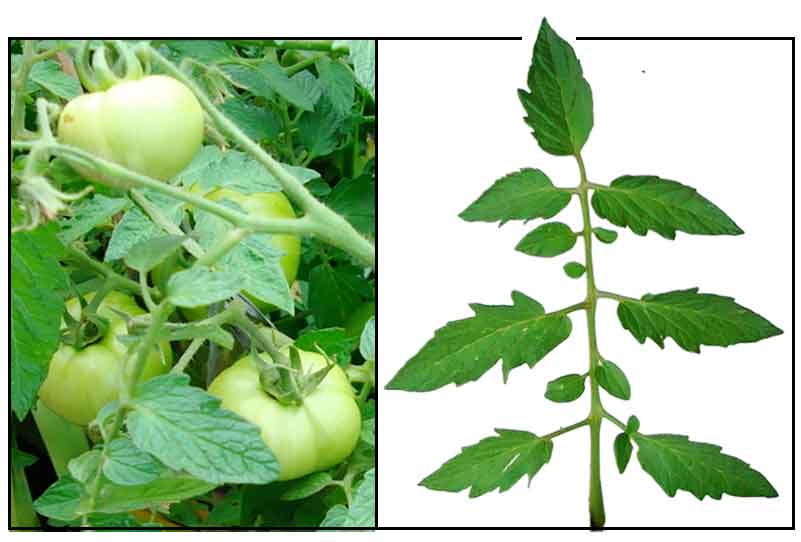
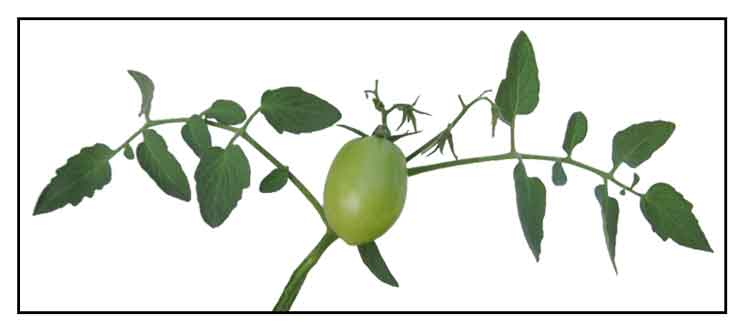
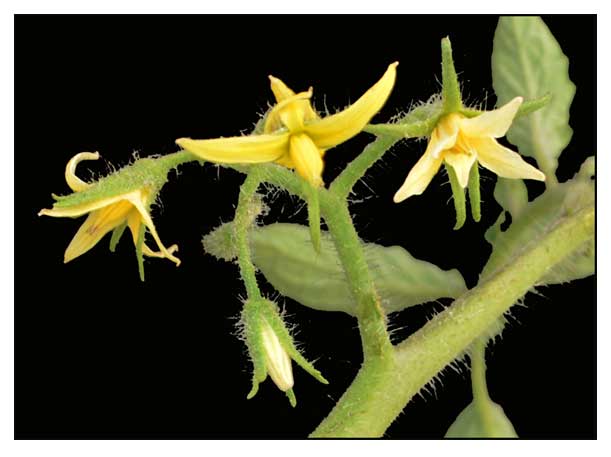
Kamatis is a hairy annual herb, typically growing 1 to 3 meters in height, with ascending or spreading hairy and branched stems. Stem is weak, often sprawling over the ground or vines over other plants. Leaves are pinnate and alternate, oblong-ovate, 10 to 40 centimeters long. Leaflets are irregular and toothed or lobed. Inflorescence is racemose or cymose, 5 to 8 centimeters long, and few flowered. Flowers are yellow, 1 to 1.5 centimeters long. Fruit is variable in shape; in the wild and naturalized forms it is rounded or pear-shaped; 1 to 1.5 centimeters in diameter; in the
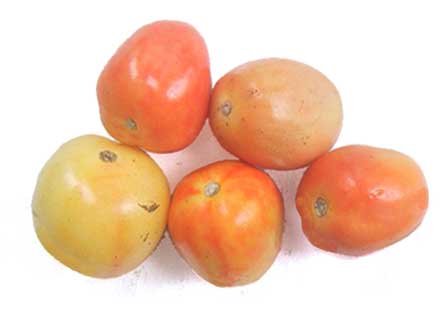
commonly cultivated form, the fruit is rounded and compressed, lobed, 4 to 10 centimeters wide, red when
ripe, smooth, fleshy, juicy, subacid, containing numerous seeds.
 Distribution Distribution
- Found throughout the Philippines
in its original form.
- Extensively cultivated; grown in gardens and farms as vegetable.
- Cultivated worldwide.
Constituents
- Plant yields solanine and fixed oil.
- The fruit yields the carotene lycopene, of the most powerful antioxidants. The red color found in tomatoes is due to lycopene; therefore, the redder the tomato, the higher the lycopene content. Yellow and green tomatoes are relatively low in lycopene
-
100 gm of tomato
contains: Water 94%, protein
1 gm; fat 0,3%, carbohydrate 4%, fiber 0.6%, vitamin A 1,100 IU, Vit
B 0.2mh. vitamin C 23 mg, nicotinic acid 0.6%, pantothenic acid 0.31
mg, vitamin E 0.27 mg, biotin 0.004 mg, malic acid 150 mg, citric acid
390 mg, oxalic acid 7.5 mg, sodium 3 mg, potassium 268 mg, calcium 11
mg, magnesium 11 mg, iron 0.6 mg, copper 0.1 mg, manganese 0.19 mg,
phosphorus 27 mg, sulfur 11 mg, chlorine 51 mg.
- Natural genetic variation has yielded a genetic plethora of genes that produce lycopene, carotene, anthocyanin, and other antioxidants.
- Seeds contain globuline, vitamins A, B, and C, solanine.
- Nutrition analysis per 100 g. yielded (1) Principles: energy 18 Kcal, carbohydrates 3.9 g, protein 0.9 g, total fat 0.2 g, cholesterol 0 mg, dietary fiber 1.2 g. (2) Vitamins: folate 15 µg, niacin 0.594 mg, pyridoxine 0.080 mg, thiamine 0.037 mg, vitamin A 833 IU, vitamin C 13 mg, vitamin E 0.54 mg, vitamin K 7.9 µg. (3) Electrolytes: sodium 5 mg, potassium 237 mg. (4) Minerals: calcium 10 mg, iron 0.3 mg, magnesium 11 mg, phosphorus 24 mg, zinc 0.17 mg, selenium 0.4.(5) Phytonutrients: carotene-ß 449 µg, carotene-a 101 µg, lutein-zeaxanthin 123 µg, lycopene 2537 µg. (Source: USDA National Nutrient database) (24)
- Phytochemical analysis yielded the presence of carotenoids, phenols, tannin, flavonoids, alkaloid, saponin, phytates, and the absence of hydrogen cyanide (HCN). (see study below) (26)
Properties
- Considered a mild aperient, a promoter of gastric secretion, and a blood purifier.
- Also considered an intestinal antiseptic, with a cleansing effect in the enteric portion of the intestinal tract.
- Considered antioxidant from the carotene lycopene.
Uses
Nutritional
- It's both fruit and vegetable, eaten raw or as ingredient in countless dishes and sauces.
- Green, used in native pickles, achara.
- Good source of iron and phosphorus, vitamins A and B, and excellent source of vitamin C, and considered deficient in calcium.
- Tomatoes are loaded for vitamin C, a potent antioxidant that mops up
free radicals.
- Tomatoes also contain lycopene, p-coumaric acid and cholorogenic acid,
all claims have been made that it might be helpful in reducing cancer risks.
- Sudanese use the leaves as seasoning for rice.
Folkloric
- Pulp and juice are mild
aperient.
- Juice used for asthma and bronchitis.
- Used to stimulate a torpid liver.
- Used for anotic dyspepsia.
- Used for biliousness.
- In Cameroon used in the treatment of high blood pressure.
- In Cuba, used as gastric tonic and to improve hematopoeisis.
 Studies Studies
• Lycopene / Hepatoprotective:
Lycopene is considered a better antioxidant than other carotenoids. In a study on acute injury caused by oxidant carbon tetrachloride (CCl4), results showed that tomato juice, with its lycopene and ascorbic acid content, exhibited a strong effect on oxidative damage of CCl4 in rat liver. (1) Review posits the hepatoprotective potential of lycopene and non-lycopene part of tomato concentrate as contributory to hepatoprotective action. Activity may be due to its rich flavonoid content. (32)
• Lycopene / Prostate Cancer Prevention / No Magic Tomato / A Negative Report:
A study reported no significant difference between those who had prostate cancer and those who did not in relation to the concentration of lycopene in their blood stream. In fact, researchers noted an association between beta-carotene, an antioxidant related to lycopene, and an increased risk for aggressive prostate cancer. (10)
• Lectins / Mucosal Immunogen:
Lycospersicum esculentum lectins studies suggest it to be a potent mucosal immunogen, enhancing immune responses to antigens.
• Tomatoes in Gene Therapy:
Jure Piskur et al from the Lund University, published study results suggesting the tomato could be of value in future treatment of brain tumors. (3)
• Antimutagenic / Anticlastogenic: Study evaluated the combined effect of tomato and garlic against DBMA-induced genetic damage and oxidative stress in mice. Results suggest a broad spectrum of antimutagenic and anticlastogenic effects may be achieved through a combination of functional foods. (4)
• Radioprotective:
Radioprotective effects of an aqueous extract of tomato extract was studied in chromosome aberration in cells of bone marrow in irradiated mice. Pretreatment with the extract resulted in a significant reduction in the percentage of aberrant metaphases as well as in the different types of aberration scored. The extract showed not toxicity at 1500 mg KBW. (7)
• Prevention of Lead Adverse Effects:
In a rat study, lead was showed to cause significant reductions in many hematologic and laboratory parameters with significant increases in the percentage of neutrophils and plasma malondialdehyde concentration. Tomato paste significantly prevented the effects of lead acetate. (8)
• Decreased Platelet Aggregation:
A randomized, double-blind, placebo-controlled crossover study evaluated the use of a tomato extract as dietary supplement to prevent platelet aggregation. Results showed significant reductions in es vivo platelet aggregation induced by ADP and collagen. Results suggest tomato extract, as a dietary supplement or functional food, may have a role in primary prevention of cardiovascular disease by reducing platelet activation, which could contribute to thrombotic events. (13)
• Biosorption of Nickel / Leaf: Study investigated the biosorption potential of Lycopersicum esculentum leaves powder as a low cost agricultural waste biomass for the removal of Ni(II) ion from aqueous solution. Results showed the adsorption process was feasible, spontaneous, and endothermic. (18)
• Antioxidant Effect on Pb Oxidative Stress: Study investigated the ability of Lycopersicum esculentum on decrease toxic effects of lead acetate on plasma superoxide dismutase, catalase and malondialdehyde in rats. Results showed that Lycopersicum esculentum significantly lowered the adverse effects on Pb oxidative stress. (19)
• Lycopene / Phytomodulatory Against Doxorubicin Induced Nephrotoxicity: Study showed lycopene may be beneficial in mitigating DOX induced nephrotoxicity in mice. LycT intervention to DOX administered mice boosted the enzymatic and non-enzymatic antioxidant defense system which may be helpful in ameliorating DOX induced nephrotoxicity. (20)
• Bioaccumulation of Cadmium and Lead: Study investigated the lead and cadmium uptake and tolerance of L. esculentum. Results showed L. esculentum is a suitable candidate for the phytoremediation of Cd(II) and Pb(II) contaminated soils. Root concentrations suggest LE is a potential Cd and Pb hyperaccumulator. (21)
• Silver Nanoparticles / Antimicrobial: Study reports on the rapid synthesis of very simple and eco-friendly silver nanoparticles from an aqueous extract of L. esculentum. The nanoparticles were bacteriostatic at low concentration and bactericidal at high concentration. Results suggest a potential for the NP to act as preventive for bacterial contamination. (22)
• Reduction of Apoptosis and Neurodegeneration in Prenatal and Postnatal Exposure to Electromagnetic Field: Study evaluated the chronic effects of EMF on pre- and postnatal rat cerebellum. Results showed reduction of apoptosis and neurodegeneration in rats exposed to EMF with Lycopersicon esculentum extract therapy. (23)
• Antiproliferative / Leaves: Study evaluated the antiproliferative activity of tomato leaves extract (var. Paul Robenson) in vitro by MTT assay on three different cell lines: HEK, C6, and MCF-7. Hydrophilic and chloroform extracts exert a cytotoxic activity comparable to cisplatin on C6 (rat glioma) cells. (25)
• Antioxidant / Antimicrobial / Anti-Inflammatory: Study evaluated the phytocontents, antioxidant, and anti-inflammatory activities of Lycopersicon esculentum. Study showed antioxidant properties based on overall lipid peroxidation assay and nitric oxide scavenging activity. Inhibition activity on bacterial was concentration dependent with MICs ranging from 15.5 mg to 250 mg on test organisms Streptococcus pneumonia, Staph aureus, Escherichia coli, Proteus mirabilis and Pseudomonas aeruginosa. An aqueous extract exhibited varying degrees of dose dependent anti-inflammatory activity. (see constituents above) (26)
• Antioxidative / Inhibition of Key Enzymes Linked to T2 Diabetes: Study evaluated the antioxidant properties (DPPH and OH radical scavenging activities) and inhibition of Fe-induced lipid peroxidation and two key enzymes relevant to type-2 diabetes (a-amylase and a-glucosidase) of snake tomato (T. cucumerina) and two tomato varieties of Lycopersicon esculentum (CER and ESC). CER and snake tomato showed stronger inhibition of a-glucosidase than a-amylase activity. (27)
• Tomato Allergens in Pollen-Allergic Patients: Study suggests that tomato is a relevant allergenic food in pollen-allergic patients mediated by known ubiquitous allergenic structures such as prolifin and cross-reactive IgE-binding N-glycans. Also, lipid transfer protein, along with polygalacturonase 2A, pectinesterase and ß-fructofuranosidase may represent pollen-independent tomato allergens. (28)
• Hepatoprotective / Attenuation of Lead Induced Apoptosis in Rat Hepatocytes: Study evaluated the potential of L. esculentum in preventing the damage of Pb on liver tissue apoptosis in 18 Wistar rats. Lead acetate caused reductions in liver weight, plasma and tissue superoxide dismutase and catalase activity, with a significant increase in plasma and tissue malondialdehyde. Results showed Lycopersicon esculentum had an inhibitory effect on liver lead acetate adverse effects and lead acetate induced oxidative stress. (29)
• Effect of Storage on Free Radical Scavenging of Mature Red Tomato Fruit / Benefit of Coating with Ficus minahassae: Study showed drastic reduction of free radical scavenging activity of untreated tomato fruit after 6 days of storage. Fruits coated with polar hagimit extracts sustained free radical scavenging activity for 12 days of storage with gradual decrease until the end of shelf life. (30)
• Prevention of Lead-Induced Testicular Toxicity / Tomato Paste: Study evaluated the the effect of tomato paste on the adverse effects of lead on male reproductive system in a Sprague-Dawley rat model. Lead caused a significant reduction in testicular weight, sperm count, sperm motility, life-death ration, sperm morphology. Tomato paste significantly lowered the adverse effects of Pb exposure on the kidney as well as Pb-induced oxidative stress. (31)
• Effect of Supplementation on Cardiac Remodeling After Myocardial Infarction: Study evaluated the influence of tomato or lycopene supplementation on cardiac remodeling after myocardial infarction in male Wistar rat model of myocardial infarction supplemented with lycopene (MIL) or tomato (MIT). MIL and MIT groups showed decreased interstitial fibrosis induced by infarction. Tomato supplementation attenuated hypertrophy induced by MI. Both improved diastolic dysfunction. Both showed decreased cardiac TNF-a compared to MI group. (33)
In The News
• Fruitflow / Antithrombotic / Aspirin Alternative: Study claims that Fruitflow, a tomato extract, can reduce the risk of blood clots, which can trigger heart attacks and strokes. Results of a human clinical trial compares Fruitflow with aspirin, with its ability to reduce platelet aggregation by 28% through three different biologic pathways (vs aspirin, 60% reduction, in a single pathway).
Availability
Commercial cultivation.
|