| 
Gen info
- Averrhoa bilimbi (bilimbi, cucumber tree, or tree sorrel) is a fruit-bearing tree of the genus Averrhoa, family Oxilidaceae. It is believed to a native to Maluku Islands of Indonesia but has naturalized and is common throughout Southeast Asia.
Botany
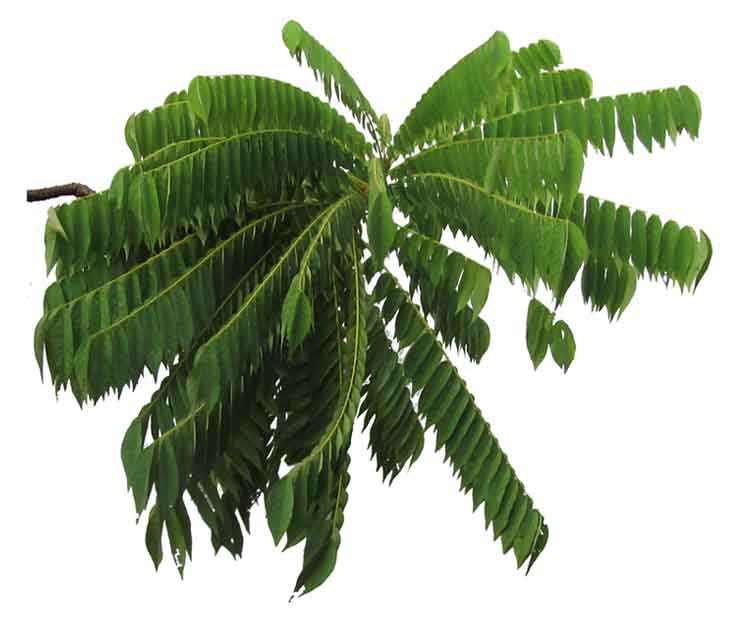
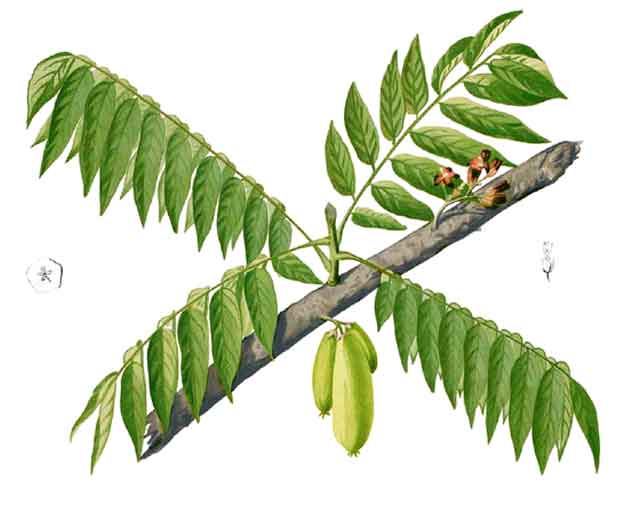
Kamias is a small tree, growing 5 to
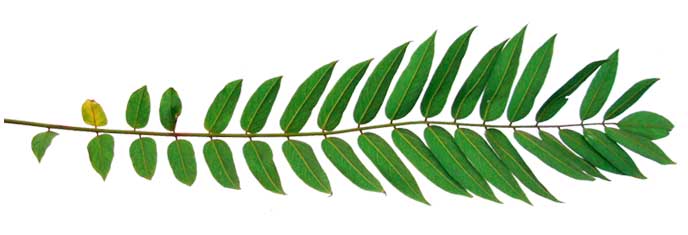
12 meters high. Leaves are pinnate, 20 to 60 centimeters long, with hairy rachis
and leaflets. Leaflets are opposite, 10 to 17 pairs, oblong, 5 to 10
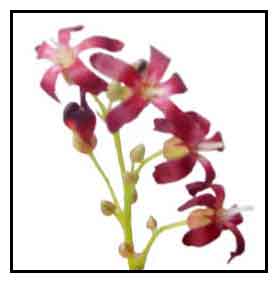
centimeters in length. Panicles growing from the trunk and larger branches are hairy, 15 centimeters long or less. Flowers are about 1.5 centimeters long, and slightly fragrant. Fruit is green and edible, about 4 centimeters long, subcylindric, or with 5 obscure, broad,
rounded, longitudinal lobes.
Distribution
- Introduced.
- Naturalized; scarcely in secondary forests.
- Cultivated throughout the Philippines.
- Native to Maluku, Sulawesi. (31)
Constituents
• Study on volatile components of fruits showed 6 mg/kg of
total volatile compounds; 62 compounds were identified, nonanal and
(Z)-3-hexenol were dominant.
• Fruit contains potassium oxalate. Fruit contains potassium oxalate.
• Phytochemical screening of fruits yielded flavonoids, saponins, and triterpenoids, with absence of alkaloids. Streptomycin was used as standard. (see study below)
(4)
• Chemical constituents include amino acids, citric acid, cyanidin-3-O-b-D-glucoside, phenolics, potassium ion, sugars, and vitamin A. Fruit extracts yield flavonoids, saponins, and triterpenoid. Bark yields alkaloids, saponins, and flavonoids. (15)
• Nutrient analysis of 100 gms of edible portion yields: Thiamine, 0.010 mg; ascorbic acid, 15.6 mg; moisture, 94.2-94.7 g; protein, 0.61 g; fiber, 0.6 g; ash, 0.31-0,4 g; calcium, 3.4 g; phosphorus, 11.1mg; iron, 1.01mg, carotene, 0.035mg; riboflavin, 0.030 mg, niacin, 0.030mg. (15)
• The oxalic acid in bilimbi ranged between 10.5 and 14.7 mg/g in green fruit and 8.45 to 10.8 mg/g in ripe fruit, levels comparable to those reported from tea leaves. (see study below) (20)
• Mineral analysis of mature fruits yielded nitrogen 2.22±0.05%, nitrate N 0.07±0.004%, phosphorus 39.00±1.7 %, potassium 1.52±0.03%, calcium 0.65±0.1%, magnesium 0.36±0.05%, sulfur 0.28±0.05%, zinc 25.53 ±1.31 ppm, ferrous 33.12±1.34 ppm, copper 0.07±0.015 ppm, manganese 0.05±0.015 ppm, molybdenum 0.04±0.005 ppm, boron 26.75±2.83 ppm. (22)
- Study for total flavonoid content of fruit extracts (TFC:mg QE/g) yielded
23.32 ± 3.50 DE to 19.62 ± 1.44E. FRAP value was 1.76 ± 0.87 mmol TE/G. Antioxidant activity of fruit using BCB assay showed 67.65 ± 2.12% and 87.65 ± 3.12%. (38)
- Phytochemical screening of leaves extracts yielded alkaloid, tannins, saponins, flavonoids, cardiac glycosides, glycosides, triterpenes, phenols, and carbohydrates.
Fruit extracts yielded carbohydrates, proteins, amino acids, flavonoids, tannins, bitter principles, essential oil, valepotriates, coumarin, and terpenes. (39)
- Nutrient compostion of leaves powder yielded: moisture 5.58%, ash 5.71 %dwt,
protein 13.67 %dwt,
lipid 4.64 %dwt,
carbohydrates 70.40 %dwt. Mineral composition yielded: iron (FE) 85.46 µg/mL, sodium (Na) 81.09 µg/mL, calcium (Ca) 13.56 mg/mL, potassium (K) 110.69 mg/mL, magnesium 448.45 µg/mL. (see study below) (50)
Properties
• Considered antibacterial, astringent, antiscorbutic, febrifuge,
antidiabetic, stomachic, refrigerant.
• Fruit considered astringent, refrigerant, and stomachic.
• Studies haves shown antimicrobial, anti-inflammatory, cytotoxic, antioxidant, antifertility, anti-atherogenic, hypoglycemic, antibacterial, analgesic properties.
Parts
utilized
Leaves, fruit, juice.
 Uses Uses
Edibility / Nutrition
- Extremely sour; eaten raw or dipped in salt.
- Curried or used as souring agent in various Filipino dishes like sinigang, pinangat, and paksiw.
- Made into sweets and jams; used in making juices, vinegar, pickles and wine.
- The fruit is a sour and savoring ingredient for various countries' culinary offerings: In Indonesia as a sour or acidic flavor to substitute tamarind or tomato; in Costa Rica, as a relish served with rice and beans; in the Far east, a popular addition to curry; In Malaysia, used for sweet and sour jams; in India, for making pickles and fish curry; in Guyana and Mauritius, for achars and pickles; in the Maldives, as a souring agent or pickled with spices and eaten with rice and Garudhiya (fish soup); in Seychelles, providing a tangy flavor to many creole dishes; and to replace mango in making chutney.
Folkloric
• Skin diseases,
especially with pruritus: Reduce the leaves to a paste and apply tolerably
warm to areas of affected skin.
• Fruit juice used as eye drops.
• Post-partum and rectal inflammation: Infusion of leaves.
• Mumps, acne, and localized rheumatic complaints: Paste of leaves
applied to affected areas.
 • Warm paste of leaves also used for pruritus. • Warm paste of leaves also used for pruritus.
• Used for boils, piles, rheumatism, cough, hypertension, whooping
cough, mumps and pimples.
• Cough and thrush: Infusion of flowers, 40 grams to a pint of
boiling water, 4 glasses of tea daily.
• For fevers, fruit made into syrup used as a cooling drink.
• The fruit has been used for a variety of maladies: beriberi,
cough, prevention of scurvy.
• Infusion of leaves also drank as a protective tonic after childbirth.
• In Malaysia, leaves are used for venereal
diseases.
• In Java, a conserve of fruit used for beriberi, biliousness, coughs.
• In Indonesia, leaves used for
boils, diabetes, mumps, fever.
• In French Guyana, fruit decoction or syrup use for hepatitis,
diarrhea, fever and other inflammatory conditions.
• In the Guinas, leaf infusion drunk daily to treat high blood pressure. Pickled fruits eaten to control diarrhea. (35)
• In Sri Lanka, leaf juice applied to cure pimples. Pickle preparation of fruits eaten with boiled rice for hemorrhoids. Also used for inflammation of the rectum, mumps, rheumatism, fever. (55)
Others
• Stain remover: Because of high
oxalic acid content, fruit used to remove stains from clothing and for
washing hands, removing rust and stains from metal blades.
(18)
• Skin rub for allergies: Blog describes the use of Averrhoa bilimbi fruit in the preparation of a skin rub for skin allergies and dry skin. (34)
}
• Wine: Fermentation study suggests potential for wine production. (see study below) (42)
• Dye: In the region of Addu in the Maldives, floweres were used in the 20th century as a cloth dye. (48)
Caution
• High oxalate content / Acute Renal Failure: The fruit contains high levels of oxalate. Oxalic acid is a food toxicant which may decreaase the availability of dietary oxalate complex. Study reports of 10 cases
of acute oxalate nephropathy and acute renal failure, seven of the patients requiring hemodialysis. Another reports of acute kidney injury with tubular oxalate deposition following ingestion of Averrhoa bilimbi fruit juice. (see studies below: 19, 33)
 Studies Studies
• Hypoglycemic / Hypotriglyceridemic / Anti-Atherogenic
/ Anti-Lipid Peroxidative:
Effects of Averrhoa bilimbi leaf extract on blood glucose and lipids
in streptozotocin-diabetic rats: Study showed
that AB extract has hypoglycemic, hypotriglyceridemic, anti-lipid peroxidative
and anti-atherogenic properties in STZ-induced diabetic rats. (1)
• Antioxidant / Antimicrobial Activities / Fruits:
The scavenging of NO by the extract of AC fruits was dependent on concentration
and stage of ripening. Extracts showed antimicrobial activity against
E coli, Salmonella typhi, staph aureus and bacillus cereus. (3)
• Phytochemicals / Antimicrobial / Fruit:
Study evaluated fruits extract with three different solvents (hexane, chloroform, and methanol) for antimicrobial activity against gram-positive and gram-negative bacteria by disc-diffusion methods. The chloroform and methanol fruit
extracts were active against Aeromonas hydrophilia, E coli, K pneumonia,
S cerevisiae, S aureus, Strep agalactiae and B subtilis. In conclusion,
AB fruits possess potential antibacterial activities that warrants further
studies. (see constituents above) (4)
• Anti-Diabetic:
Study showed the aqueous fraction was more potent than the butanol fraction
in the amelioration of hyperglycemia and hyperlipidemia in a high fat
diet-fed STZ diabetic rats and suggests the AF as the potential source
for isolation of the active principle for oral antidiabetic therapy. (5)
• Antibacterial / Leaves and Fruits:
Study of the aqueous extract of AB leaves and fruits showed antibacterial
activity against Gram-positive and Gram-negative bacteria. The antibacterial
activity could be associated with the presence of bioactive compounds
of the flavonoids type, like luteolin and apigenin. The results suggest
further studies to isolate and identify the responsible compounds. (7) Study evaluated methanol, chloroform, and petroleum ether fruit extracts against selected panel of bacteria. Results showed gram positives were more sensitive to the extract. (43)
• Anti-Hyperlipidemic:
Study showed the fruit and its water extract, but not the alcohol and hexane extracts, to have remarkable antihypercholesterolemic activity. Results suggest the fruit can be used as a dietary ingredient to treat hyperlipidemia. (8)
• Hepatoprotective / Carbon Tetrachloride Hepatotoxicity:
Study of a methanolic extract of leaves in carbon tetrachloride intoxicated rats showed significant inhibition of biochemical alterations, comparable to the standard drug. (10)
• Antifertility / Fruit:
Study in mice showed the kamias fruit as a potential source of antifertility drug. A butanol fraction of the ethanol extract exhibited a higher reduction in fertility rate. The activity may be due to either or both of the steroidal glucosides and potassium oxalate constituents. (11)
• Antidiabetic Properties:
Study evaluated the antidiabetic activity of ABe in STZ-induced diabetic Sprague-Dawley rats. ABe increased glucose tolerance in OGTT testing and showed potent hypoglycemic, hypotriglyceridemic, and anti-lipid peroxidative and anti-atherogenic activities.
(12)
• Cytotoxic Activity / Fruits:
Study evaluated a crude methanolic extract of fruit and its various fractions for in vitro cytotoxic potential using the brine shrimp lethality bioassay. Results showed a significant cytotoxic potential and a potential source for the isolation of active principle/s for cancer therapy. (14)
• Anticoagulant Activity:
Study evaluated an ethanolic extract for anticoagulant activity in diabetic male wistar rats. The high level of oxalic acid in A. bilimbi could provide the anticoagulant effect since oxalic acid is a metal cation chelator. Oxalate presumably binds to blood calcium, removing calcium ions from the blood, and inhibiting the clotting process. (16)
• Natural Source of Ethylene for Ripening Bananas: Study showed bilimbi fruits produced relatively high amounts of ethylene which effectively induced the ripening of mature green 'Saba' bananas. Results suggest a natural source of ethylene for Saba ripening. (17)
• Acute Oxalate Nephropathy Attributed to A. bilimbi Fruit Juice: Study reports a series of 10 cases from five Keral hospitals who developed acute oxalate nephropathy and acute renal failure after intake of Iumban puli fruit juice. Seven of the patients required hemodialysis. (19) Study reports on two cases of acute kidney injury with tubular oxalate deposition following ingesting of Averrhoa bilimbi fruit juice. Both patients had complete renal recovery, although one require dialysis support. (33)
• Oxalic Acid Content: Study determined the range of oxalic acid and total free acid in carambola and bilimbi. Oxalic acid is a food toxicant which may decrease the availability of dietary calcium by forming poorly absorbed calcium oxalate complex. The oxalic acid in bilimbi ranged between 10.5 and 14.7 mg/g in green fruit and 8.45 to 10.8 mg/g in ripe fruit, levels comparable to those reported from tea leaves. The oxalic acid levels in bilimbi were higher than carambola. (20)
• Radical Scavenging / Phenolic Content: Study investigated a methanolic extract and various solvent soluble fractions for free radical scavenging activity and phenolic content. Extractives yielded significant phenolic compounds. Crude methanolic extract exhibited significant DPPH free radical scavenging activity. (21)
• Mineral Analysis of Fruit: Mineral analysis reveals the fruit to be a good source of minerals such as potassium, phosphorus, nitrogen, calcium, magnesium, and iron suggesting a potential fruit to be popularized for diet. (see constituents above) (22)
• Antimicrobial / Cytotoxicity / Leaves: Study evaluated crude extracts of leaves against eleven important pathogenic bacteria. and three fungi. The extracts showed antimicrobial activity against most of the bacterial strains and moderate to good antifungal activity. On cytotoxicity evaluation by Brine Shrimp Lethality Bioassay, results showed significant cytotoxicity against A. salina. (23)
• Hepatoprotective / Acetaminophen Induced Hepatotoxicity / Fruit: Study of bilimbi fruit showed significant hepatoprotective activity in wistar albino rats intoxicated using acetaminophen. Pretreatment with A. bilimbi inhibited the increase of serum enzymes. Histopathology studies showed safety and efficacy of test extract. Silymarin was used as standard control. (24)
• Toxicity Evaluation / Fruit Extract: Study investigated the acute and subacute toxicity effects of A. bilimbi fruit extract. In acute toxicity study, all rats tolerated extract dose of up to 5000 mg/kbw, with no mortality, behavior, or physical changes. In subacute toxicity study, no toxicity was noted, with normal histopathological study of all selected organs, and only minor change in certain hematological parameters. (25)
• Hypoglycemic Mechanisms of Semi-Purified Fractions: Study investigated the possible mechanisms of the hypoglycemic action of semi-purified fractions of ethanolic extract of leaves in STZ-induced diabetic male Sprague-Dawley rats. Results showed the water soluble fractions (AF) was more potent in ameliorating hyperglycemia than the butanol-soluble fraction (BuF). (26)
• Hematologic Effect / Anticoagulant / Fruit Extract: Kamias ethanolic fruit extract (KEFE) exhibited anticoagulation activity. The effect on CBC parameters only showed significant difference in platelet count between groups (p<0.001). Averrhoa bilimbi which contains oxalic acid may be an alternative anticoagulant. (27)
• Anticoagulant Activity / Leaves and Fruit: Study of an ethanolic extract of leaves and fruits of A. bilimbi in normal and diabetic male Wistar rats showed very significant anticoagulation effect on rats. The activity was attributed to a high level of oxalic acid which could provide the anticoagulation effect. Oxalic acid is a metal cation chelator—soxalate binding to blood calcium removes calcium ion from the blood, consequently inhibiting the clotting process. (28)
• Photoprotective / Prevents UVB Damage: Study assessed the photoprotective properties of crude extracts of A bilimbi leaves in the ultraviolet region (UV) (200-400nm). The extract was tested against UVB-induced oxidative damage in albino mice. A 4% topical extract treatment reduced the effect of UV light-induced photo-aging in mice skin by decreasing malondialdehyde (MDA) level up to 50%. (29)
• Teeth Whitening Effect / Fruit: Study showed Averrhoa bilimbi possess potential whitening effect on the tooth shade of the maxillary anterior teeth of volunteer dental students. There was a significant change on teeth after application of A. bilimibi fruit (p0.001). (30)
• Hypolipidemic / Flowers: Study evaluated the the hypolipidemic activity of a flower extract in hyperlipidemic induced by a single intraperitoneal injection of Triton X-100. Results showed A. bilimbi has hypolipidemic property which may be due to synergistic effect of major phytoconstituents i.e., flavonoids, tannins, terpenoids and phenols present in the extract. (36)
•
Thrombolytic Activity: Study evaluated the thrombolytic activity of three Bangladesh medicinal plants: Averrhoa bilimbi, Clerodendrum viscosum, and Drynaria quercifolia. Study showed all the plants exhibited remarkable thrombolytic activity and suggests in vivo clot dissolving potential and isolation of active components of the extracts. (37)
• Antimicrobial Properties at Different Stages of Maturity: Study evaluated water extracts of Averrhoa bilimbi for antimicrobial activity at different stages of maturity against Gram-positive and Gram-negative bacteria. All bacterial isolates showed varying degrees of sensitivity towards the extracts. The bilimbi extracts at all stages of ripening showed inhibitory activity against the selected bacterial strains, and extracts of younger fruits showed more effectivity. The antimicrobial activity may be due to the oxalic acid content. (40)
• Antifungal / Leaves: Study evaluated the effectiveness of Averrhoa bilimbi methanol leaves extract against Microsporum canis, a fungi that causes Tinea capitis, usually carried by dogs and cats. Study by agar well diffusion showed a positive antifungal effec. Kamias leaves extract showed almost the same average zone of inhibition as 2 mg/g 2% Ketoconazole cream. (41)
• Potential for Wine Making / Fermentation and Sensory Characteristics: The bilimbi fruit is underutilized, not usually consumed raw because of high acidity. Processing could increase utilization of the fruit, decrease wastage, and improve economic returns and increase the crop value. Study focused on bilimibi wine quality in relation to osmotic dehydration treatments applied prior to fermentation of the must. Results showed dehydrating the fruits prior to fermentation produced acceptable wines. The process affected pH, color and flavor. The sweeter wine was preferred. (42)
• Proanthocyanidins / Fruits and Leaves: Study evaluated proanthocyanidins from A. bilimbi fruits and leaves. Results consisted of pure B-type procyanidins. The tannins were almost pure homopolymers, with epicatechin accountng for most of the monomeric subunits in the fruits (97%) and leaves (99%). The study informs on the proanthocyanidins of a fruit that can make an important contribution as a source of antioxidant and health benefits. (44)
• Hypoglycemic / Combination of Averrhoa bilimbi fruit and Catharanthus roseus (Tsitsirika) leaves: Study evaluated the combination of 70% ethanol extract of A. bilimbi fruit and C. roseus leaves in lowering blood glucose in male Wistar rats. Results showed a combination of AB and CR doses of 40:80 and *0:40 mg/200 g BW had glucose lowering effect in 7 days. However, it could not prevent damage induced by alloxan. (45)
• Attenuation of Hyperglycemia-Mediated Oxidative Stress in STZ-Induced Diabetic Rats / Fruit: Hyperglycemia-mediated oxidative stress plays a major role in the development of diabetic complications. Study evaluated the beneficial effects of an ethyl acetate fraction of A. bilimbi fruit on antioxidant/oxidant status in diabetic rats. Results showed a significant reduction in hyperglycemia and oxidative stress may be mediated by quercetin present in the EA fraction. Further studies were suggested to elucidate the modulatory effects. (46)
• Anticancer / Human Breast Cancer Cell Line / Fruit and Leaves: Study evaluated fruit and leaf extracts for flavonoid content and in vitro cytotoxic potential. Total flavonoid content of the fruit was 358 ± 0.7 µg rutin/g plant extract and the leaf extract yielded 47 ± 1.2 µg/g only. The ME of fruit exhibited significant cytotoxic potential against MCF-7 human breast cancer cell lines with IC50 of 154.9 µg/ml while the ethanolic leaf extract yielded an IC50 of 668 µg/ml. The methanol leaf extract can be considered a potential source of novel anticancer compounds. (47)
• Adipogenesis Effect / Leaves: Study evaluated the browning activity on white adipocytes by A. bilimbi leaf extract. Ethanolic leaf extract was exposed to Myf5 lineage precursor cells to stimulate adipocyte differentiation. The leaf extract exhibited an adipogenesis effect similar to a PPARgamma agonist. It demonstrated brown adipocyte differentiation in myoblastic Myf5-positive precursor cells. Basal metabolic rate and respiratory capacity of mitochondria were increased by treatment. Results showed the leaf extract induces adipocyte browning through PRDM16 activation and enhances mitrochondrial activity due to UCP1 up-regulation. (49)
• Antioxidant / Antibacterial / Leaves: Study evaluated the physicochemical characteristics and mineral contents of dried extract of leaves powder. Dried leaves powder was rich in carbohydrate, protein, and ash content. It exhibited essential minerals with potassium highest in content. Compared eto water extract, the ethanol extract showed more scavenging activity against DPPH (82.82 mg GAE/g DW) and more inhibitory effect on growth of Salmonella sp., Escherichia coli, and Staphylococcus aureus. (see constituents above) (50)
• Acceptability of Bilimbi Candy: Study evaluated the acceptability of Bilimbi candy using measures of taste, aroma, color, texture, appearance and general acceptability. Results showed high acceptability in all 3 trials. Results suggest potential for bilimbi fruit flavor as candy flavor. (51)
• Cytochrome Inhibitory Activity / Leaves: Study of leaves identified three new compounds (1-3) together with 12 known compounds (4-15) and evaluated their inhibitory activities on cytochrome P450 3A4 (CYP3A4) and 2D6 (CYP2D6). A mixture of compounds 1 and 2 and compounds 4 and 9 showed strong inhibition on CYP3A4, but mild or no inhibition on CYP2D6. The compounds showed time- and concentration-dependent inhibition, which required NADPH for inhibition, no protection by nucleophiles, and suppression of inhibition by competitive inhibitor. Results suggest they are mechanism-based inactivators of CYP3A4 and CYP2D6. (52)
• Analgesic Effect / Leaf, Bark, Fruit: Study evaluated the analgesic activity of crude methanol extracts of A. bilimbi leaf, bark, and fruits in mice using acetic acid induced writhing, formaldehyde induced paw licking, and tail immersion methods. The methanol extract of leaf demonstrated maximum analgesic effect in tail immersion suggesting centrally acting analgesic effect. The bark extract (500 mg/kg) reduced acetic acid induced pain significantly (p<0.05), although less effective than diclofenac. In formalin induced paw licking, leaf extracts reduced nociception induced by formalin injection in both phases (p<0.05-0.001). Results indicate significant analgesic action that support the traditional use of the plant. (53)
• Hepatoprotective / Fruits: Study evaluated the effect of administration of A. bilimbi fruit extract on PDGF (platelet-derived growth factor) levels and TNF-α levels in carbon tetrachloride (CCl4)-induced acute liver failure in Wistar rats.
Extract administration at 500 and 750 mg/kbw andaffect PDGF and TNF-α levels in CCl4-induced ALF.
(54)
• Thrombolytic / Fruits: Study evaluated the in vitro thrombolytic activity of saline-reconstituted chloroform extracts of A. bilimbi fruits using in vitro clot percentage clot lysis method. Sixty samples were taken from 20 healthy male volunteers. Mean percent clot lysis time was 35.35559%, considered significant at >10%. Out of 20 samples, 15 showed percent clot lysis exceedinng 10%. Samples incubated with streptokinase showed % clot lysis of 66.6391%, with saline at 0.0171%. (56)
Availability
- Wildcrafted.
- Seasonal fruiting.
|