Gen info Gen info
- Kalanchoe is a genus of about 125 species of tropical, succulent plants in the stonecrop family Crassulaceae, mainly native to Madagascar and tropical Africa. A kalanchoe species was one of the first plants sent into space on a resupply to Soviet Salyut 1 space station in 1979. (81) In 1
-
Kalanchoe pinnata is a succulent plant native to Madagascar. The species is distinctive for the profusion of miniature plantlets that form on the margins of its phylloclades.
- Taxonomy: Kalanchoe pinnata was harvested b
y Pierre Sonnerat in Isle de France (Maritius) and communicated to Lamarck who described it in 1786 as Cotyledon pinnata. Subsequently, the Paris naturalist Christiaan Hendrik Persoon reclassified it to Kalanchoe, calling it Calanchoe pinnata 1805-1807, with an orthographic variant. At the same time in London, botanist Richard Anthony Salisbury described the same specimen received from Bengal, under the name Bryophyllum calycinum, creating the new genus Bryophyllum. (83)
-
Etymology: The genus epithet Kalanchoe reportedly derives from Chinese name for a species in the genus (perhaps Jakabcgie ceratiophylla). The specific epithet pinnata means 'feather-like', describing the arrangement of the leaves on each side of the common stalk. Alternatively, the specific epithet "pinnata" is the feminine form of the Latin adjective 'pinnatus', meaning "winged, pinnate". The Philippine name katakataka means 'astonishing' or 'remarkable'. (83)
Botany
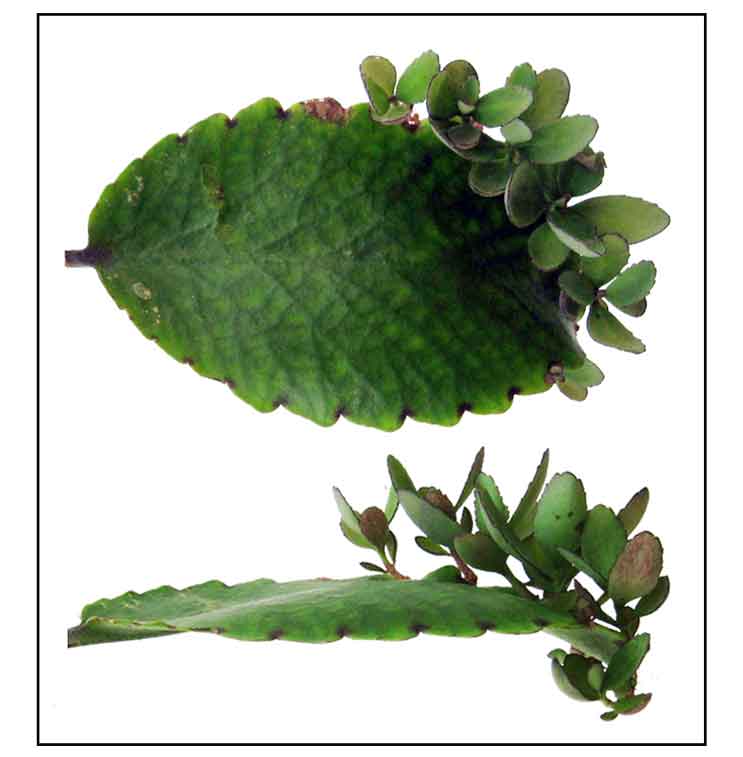
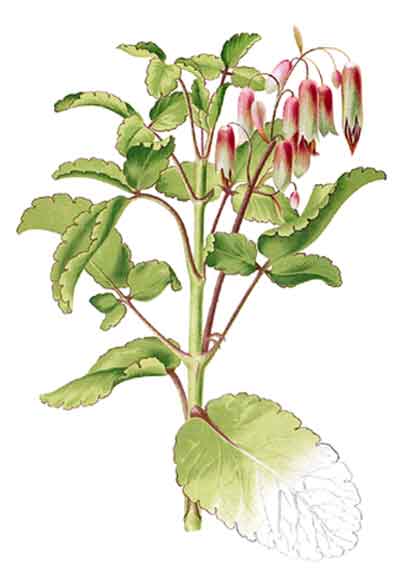
• Katakataka is an erect, more or less branched, smooth, succulent herb, 0.4 to 1.4 meters in height. Leaves are simple or pinnately compound, with the leaflets elliptic, usually about 10 centimeters long, thick, succulent, and scalloped margins. Plantlets grow along
the notches of the leaf margins which can develop while still
attached to the plant or when detached, a fascinating characteristic
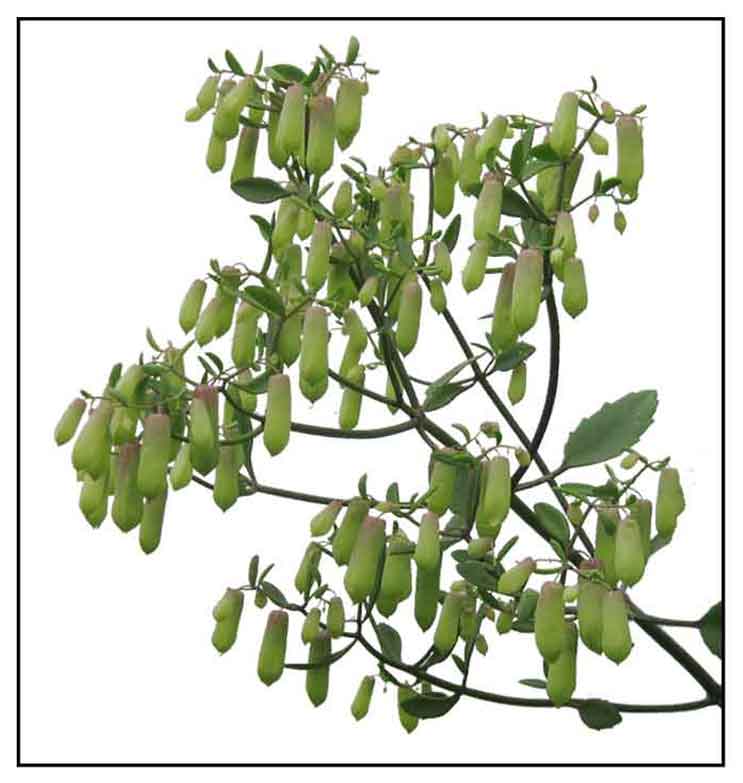
that earns its name. (see image below) Flowers are cylindric, and pendulous in a large, terminal panicle. Calyx is tubular, cylindric, inflated, brownish or purplish, 3.5 to 4 centimeters long. Corolla is tubular, about 5 centimeters long, inflated at the base, and then constricted, the exserted parts being reddish or purplish and the lobes tapering to a point. Fruit is a follicle with many seeds.
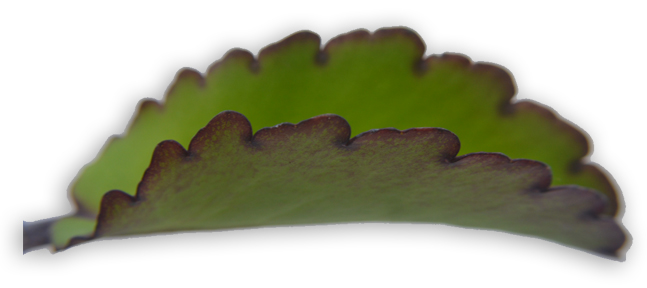 • Growth form: Herbaceous succulent shrub, up to 1.8m height. Foliage: Leaves smooth, glossy, fleshy, with brownish crenate margins, from which plant produces new plantlets. Lower leaves simple, upper leaves compound with 3-7 leaflets held on long petioles. Flowers: Attractive, bell-shaped, pendulous, held in large stalked panicles. Fruit: Membranous follicles covered by persistent flower parts, with numerous seeds. (Flora & Fauna Web) • Growth form: Herbaceous succulent shrub, up to 1.8m height. Foliage: Leaves smooth, glossy, fleshy, with brownish crenate margins, from which plant produces new plantlets. Lower leaves simple, upper leaves compound with 3-7 leaflets held on long petioles. Flowers: Attractive, bell-shaped, pendulous, held in large stalked panicles. Fruit: Membranous follicles covered by persistent flower parts, with numerous seeds. (Flora & Fauna Web)
• Kalanchoe pinnata is an herb, 40-150 cm tall, glabrous. Stems usually branched. Leaf blade pinnately compound with 3-5 leaflets, 10-30 cm; petiolules 2-4 cm; leaflet blades oblong to elliptic, 6-8 × 3-5 cm, margin crenate, apex obtuse. Inflorescences terminal, paniculate, 10-40 cm, many flowered. Flowers pendulous. Calyx tubular, 2-4 cm. Corolla reddish to purple, to 5 cm, base sparsely ciliate; lobes ovate-lanceolate. Stamens inserted basally on corolla. Nectar scales oblong. Follicles included in calyx and corolla tube. Seeds striate. (Flora of China)
Distribution
- In open settled areas, thickets, dry second-growth forests, sometimes planted, and locally abundant.
- Prehistoric introduction from tropical Asia or Malaya.
- Also cultivated, flowering from December to March.
- Pantropic.
- In some countries, such as Hawaii, it is regarded as an invasive species.
 Constituents Constituents
• Phytochemical screenings have yielded alkaloids, triterpenes, glycosides, flavonoids, steroids, butadienolides, lipids, and organic acids.
• Yields arachidic acid, astragalin, behenic acid, beta amyrin, benzenoids, bersaldegenin, beta-sitosterol, bryophollenone, bryophollone, bryophyllin, caffeic acid, ferulic acid, quercetin, steroids, and taraxerol.
• Phytochemical evaluation
of leaf extract yielded bryophyllum A, B and C, a potent cytotoxic bufadienolide
orthoacetate.
• Bufadienolide has been reported to be poisonous with digitalis-toxicity
type cardiac effects (slowing of heart rate, heart blocks and potentially
fatal ventricular arrhythmias.
• Bryophillin A, a bufadienolide compound, has shown anti-tumor
promoting activity.
• Leaves yield malic acid.
• Fractionation of an EtOAc extract yielded seven kaempferol rhamnosides: kaempferol 3-O-α-L-(2-acetyl)rhamnopyranoside-7-O-α-L-rhamnopyranoside, kaempferol 3-O-α-L-(3-acetyl)rhamnopyranoside-7-O-α-L-rhamnopyranoside, kaempferol 3-O-α-L-(4-acetyl)rhamnopyranoside-7-O-α-L-rhamnopyranoside, kaempferol 3-O-α-D- glucopyranoside-7-O-α-L-rhamnopyranoside, afzelin, and α-rhamnoisorobin. (19)
• Study of methanol extract of whole plant isolated compounds: glut-5(6)- en-3-one, taraxerone, 3ß-friedelanol, ß-amyrin-3-acetate, 3,5,7,3,5-pentahydroxyflavone and ß-sitosterol. (27)
• Aqueous leaf extract yielded a kaempferol di-glycoside, named kapinnatoside, together two unusual flavonol and flavone glycosides already reported, quercetin 3-O-alpha-L-arabinopyranosyl (1-->2) alpha-L-rhamnopyranoside (2) and 4',5-dihydroxy-3',8-dimethoxyflavone 7-O-beta-D-glucopyranoside (3). (see study below) (6)
• Proximate and mineral compositions of B. pinnatum leaves yielded ash (1.21 ± 0.07 and 0.8 ± 0.03%), carbohydrate (72.92 ± 1.08 and 4.46 ± 0.52%), fat (1.38 ± 0.06 and 1. 15 ± 0.05%), fibre (6.02 ± 1. 06 and 0.95 ± 0.06%), protein (5. 38 ± 0.10 and 1.61 ± 0.02%), and moisture (13.01 ± 1.03 and 91.03± 0.55%) in dry and fresh samples, respectively. Major minerals in the samples were potassium (3.49 ± 0.01and 3.74 ± 0.04 %) and calcium (4.99 ± 0.01 and 6.82 ± 0.04 %). (51)
- Phytochemical screening of dry and fresh samples of leaves yielded bioactive constituents: alkaloids 0.89 and 0.37 µg/g, saponins 0.35 and 0.17%, flavonoids 0.08 and 0.03 µg/g, tannins 1.24 and 0.81%, respectively.
(63)
- GC-MS analysis of leaves yielded
nine phytochemical compounds, viz., oleic acid (26.6%), alpha D-glucopyranoside methyl (24.83%), n-hexadecanoic acid (17.83%), octadecanoic acid (14.45%), 3,5-dihydroxy-6-methyl-2,3-dihydro-4H-pyran-4-one (6.19%) among others. (66)
- Study of hydroethanolic extract of leaves yielded major flavonoids quantified (mg/g of extract): quercetin 3-O-α-L-arabinopyranosyl-(1→2)-α-L-rhamnopyranoside (35.56 ± 0.086 mg/g), kaempferol 3-O-α-L-arabinopyranosyl-(1→2)-α-L-rhamnopyranoside (4.66 ± 0.076 mg/g) and quercetin-3-O-rhamnopyranoside (4.56 ± 0.026 mg/g). (see study below) (74)
Properties
• Leaves considered astringent, antiseptic, hemostatic, refrigerant, emollient, counterirritant, mucilaginous, vulnerary, depurative, anti-inflammatory, disinfectant, and tonic.
• Studies have suggested immunomodulatory, CNS depressant, tocolytic, analgesic, anti-inflammatory, anti-allergic, antianaphylactic, antileishmanial, anti-tumor, antiulcer, antibacterial, antifungal, antiviral, febrifuge, gastroprotective, antihypertensive, antiurolithiatic, antiulcer, hepatoprotective, anti-venom, nephroprotective, immunosuppressive, anticancer, wound healing, antidiarrheal, insecticidal, sedative, muscle relaxant, antidiabetic properties.
Parts
utilized
Entire plant. May be collected
year round; preferably used fresh.
 Uses Uses
Folkloric
- Leaves used as astringent, antiseptic, and counter-irritant against poisonous insect bites.
-
Pounded fresh material
is applied as a poultice for a variety of conditions: Sprains, eczema,
infections, burns, carbuncle and erysipelas.
- The Mamanwa tribe of Surigao del Norte and Agusan del Norte use leaves for the treatment of mumps, applying leaves on the affected area. For toothache, small pieces of leaves are pounded and applied on affected area. (72)
- Leaves, made pliable by hold over fire, are applied to wounds, bruises, boils; also, used as poultice or power in bad ulcers.
- Juice is mixed with lard and used for diarrhea, dysentery, cholera, and phthisis.
- Pounded leaves are applied as poultices to the soles of the feet to stop hemorrhages.
- Leaves are used as topical in dislocation, ecchymoses, callosities.
- Leaves, pounded and mixed with salt, used as plaster and applied to stomach to relieve enuresis
-
For boils, the whole leaf is pressed by hand, to and fro, until it becomes
moist with the leaf extract. A small opening is made in the middle of
the leaf which is then placed on the boil with hole over the pointing
of the abscess.
- For asthma, leaves of leaves places in hot water for 15 minutes, then juice squeezed out of the leaves, and drunk.
- Juice of leaves used in bilious diarrhea and lithiasis.
- In Ayurveda, useful in vitiated conditions of vata and pitta, cuts, wounds, hemorrhoids, menorrhagia, boils, sloughing ulcers, burns and scalds, diarrhea, dysentery, headaches, vomiting, bronchitis.
- In Arunachal Pradesh, leaf extract is taken on an empty stomach for treatment of urinary bladder stones and fever in children.
- In Himalaya, leaves applied on bruises, skin problems, and painful areas.
- In Bangladesh, used for cough, fever, epilepsy, constipation.
-
In Puerto Rico, leaf juice used as diuretic.
- Leaves are rubbed or tied on the head for headaches.
- Leaf decoction usually taken to lower blood pressure.
- Leaf juice used for earache and ophthalmia.
- In Sierra Leon, cough medicine is made from the roots.
- In Brazil leaves, heated over fire and mixed with oil, are used as emollient and refrigerant for facial swelling associated with neuralgia or tooth trouble. Also, used for asthma and bronchitis.
- In Jamaica, leaves used for coughs and colds. Sometimes, it is mixed with salt or honey, for headaches, colds, bronchial affections, and hypertension. Heated leaves used for swellings and abscesses.
- In Africa, used for earaches, eye problems, and as diuretic.
- In China used for rheumatoid arthritis, bruises, burns and ulcers.
- In Bangladesh, used for diabetes, wounds, boils, and insect bites. Also, used as diuretic, dissolving kidney stones. (27)
- In Nigeria, plant is considered sedative, wound-healing, diuretic, anti-inflammatory, and cough suppressant. Leaf juice used to treat boils and skin ulcers. Plant used for intestinal parasites, bronchitis, pneumonia. (21)
- In the KwaZulu-Natal Province, South Africa, leaves used in combination with Opuntia stricta and Euphorbia hypericifolia to treat gonorrhea. (42)
- Used to facilitate placental expulsion in childbirth. (45)
- In South Africa, concoction of boiled chopped leaves of B. pinnatum with chopped stems of Opuntia stricta stem and a handful of chopped euphorbia hypericifolia used for the treatment of sexually transmitted disease (gonorrhea). (49)
- Plant used to treat leg edema, fever, gout, abscesses, otitis, menstrual disorders, epilepsy, palpitations.
- The Palikur people of Brazil and French Guiana apply a preparation of juice of kalanchoe leaves mixed with coconut oil to foreheads to treat headaches. (83)
Toxicity
• Cattle Poisoning: A report of 2 adult cattle deaths attributed the fatalities to a large of amount of feeding of B. pinnatum plants. The main autopsy findings were acute rumenitis, reduction of bronchiolar lumens and emphysema.
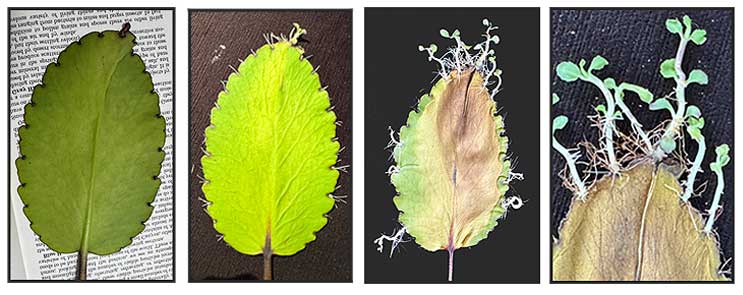
Image: Katakataka means "amazing" or "unbelievable" or "astonishing". The leaf was placed between pages of a book. Within a week, it started growing plantlets along the notches of the leaf margins. The month-old leaf was planted beneath two inches of earth, and within three weeks it started sprouting new growth. Indeed, it makes for a fascinating bookmark.
Studies
• Neuropharmacological Effects / CNS Depressant / Leaves:
Study evaluated aqueous leaf extracts for neuro-pharmacological activities in mice. Results showed profound decrease in exploratory activity in a dose-dependent manner. A marked sedative effect was evidenced by significant reduction in gross behavior and potentiation of pentobarbitone-induced sleeping time. There was delayed onset in strychnine- and picrotoxin-induced seizures, along with decrease in rate of picrotoxin-induced mortality in mice with LD5- of 641 mg/kg. CNS depressant activity may be due to the presence of bufadienolide and other water soluble constituents. (1)
• Antinociceptive / Anti-inflammatory
/ Antidiabetic: Leaf extract study of BP on animals
showed it to possess antinociceptive, anti-inflammatory and hypoglycemic
properties probably due to the flavonoid, polyphenol and triterpenoid
contents. (2)
• Antiulcer: Results
of methanolic extract study in rats showed that BP possessed potent
antiulcer properties. Leaf extract showed significant reduction in incidence of ulceration in indomethacin-induced gastric ulceration in a dose-dependent manner. (3)
• Tocolytic / Pre-term labor:
Study characterized the tocolytic activity of BP in vitro vs the betamimetic, fenoterol. Results confirmed its tocolytic activity and justifies further clinical studies. (4)
• Tocolytic / Better Tolerated than Beta-Agonist:
Intravenous tocolysis with Bryophyllum pinnatum is better tolerated
than beta-agonist application.
• Analgesic / Toxicity Study / Leaves Study evaluated an aqueous extract of leaves for analgesic effect in animal models. Results showed increased pain threshold in rats using hot plate or thermal methods, inhibited or reduced phenylbenzoquinone-induced writhing or abdominal stretches in mice in a dose dependent manner. Analgesic potency was comparable in time- and dose-dependent manner to a non-steroidal anti-inflammatory drug. The aqueous extract was devoid of severe toxic effects withLD50 of 660.9 ± 2.65 mg/kbw. (5)
• Antileishmanial: Study previously demonstrated the antileishmanial effect of quercetrin, a potent antileishmanial flavonoid. This study of a leaf extract yielded a kaempferol de-glycoside, named kapinnatoside, together with unusual flavonol and flavone glycosides. The quercetin aglycone-type structure, as well as a rhamnosyl unit linked at C-3 showed potential for antileishmanial activity. (6)
• Cytotoxic: A
study isolated a potent cytotoxic bufadienolide orthoacetate and identified as bersaldegenin 1,3, 5-orthoacetate. (8)
• Antimicrobial / Leaves: Extract of leaves showed activity against all test organisms except for Candida albicans. Of all the extracts of Bp, the methanol extract was the most active with marked antibacterial activities against control strain of S aureus, E faecalis, B subtilis and P aeruginosa. (9)
• Antiulcer / Leaves: Study of a methanolic fraction of leaves showed significant anti-ulcer activity in nine different experimental animal models against gastric lesions induced by aspirin, indomethacin, serotonin, reserpine, stress, and ethanol. Significant protection was seen in aspirin-induced ulcers in pylorus-ligated rats and histamine=induced duodenal lesions in guinea pigs. There was significant enhancement of healing in acetic acid-induced chronic gastric lesions in rats. (10)
• Antihypertensive / Potential Organotoxic Effects: Study investigated an aqueous leaf extracts of B. pinnatum on blood pressure of anesthetized cats, as well as its liver and kidney effects. Histopathological exam of the kidney and liver of pretreated animals showed shrunken glomeruli with increased urinary space, necrosis of liver cells with lymphocytic infiltration and pericuffing of the bile duct. Results showed a blood pressure lowering effect. However, since the reduction in blood pressure was only slight, and because of potential hepatotoxic and nephrotoxic effects, and cardiotoxicity at high doses, it is not suggested as a blood pressure lowering agent. (12)
• Hepatoprotective / Nephroprotective / Leaves: In India, juice of fresh leaves used for jaundice. Study showed the juice of leaves to be more effective than an ethanolic extract as evidenced by in vivo and in vitro hepatoprotective studies. Study showed nephroprotective effect on gentamicin-induced nephrotoxicity in rats, possibly through antioxidant and oxidative radical scavenging mechanisms.
• Neurosedative / Muscle Relaxant: Study in mice investigating the neuropharmacological activities of a saline leaf extract of B. pinnatum showed a dose-dependent prolongation of onset and duration of pentobarbitone-induced hypnosis. It also delayed onset to convulsion in strychnine- and picrotoxin-induced seizures with minimal protection against picrotoxicin seizures. (13)
• Tocolysis / Effect on Oxytocin Signaling Pathway / Juice: In vitro results showed B. pinnatum juice inhibits the oxytocin-induced increase of Ca in human myometrial cells in a dose-dependent manner. The inhibition was attributed to a specific effect on the oxytocin signaling pathway. (15)
• Inhibition of Detrusor Contractility / Potential Treatment for Overactive Bladder: Study evaluated the inhibitory effects of leaf press juice on porcine detrussor bladder strips. Results showed BP juice inhibits contractions induced by electrical field stimulation and relaxes carbachol-induced contractions. However, the effect was less than the reference drug oxybutinin. (18)
• Antimicrobial / Antioxidant / Kaempferol Rhamnoside Derivatives: Fractionation of an EtOAc yielded seven kaempferol rhamnosides. (See constituents above) Study showed B. pinnatum and some of its isolated compounds have antimicrobial and antioxidant properties. (19)
• Wound Healing: Study evaluated various leaf extracts on excision resutured incision and dead-space wound models in albino rats. Results showed all three tested extracts promote healing of resutured incision and dead space wounds, with increased breaking strength and hydroxyproline content of the granulation tissue. Topical application of water extract also hastened the healing in the excision wound model. (20)
• Two Novel Flavonoids / Antimicrobial: Study of leaf yielded two novel flavonoids: 5I Methyl 4I, 5, 7 trihydroxyl flavone 1 and 4I, 3, 5, 7 tetrahydroxy 5-methyl 5I-propenamine anthocyanidines. The isolated compounds inhibited P. aeruginosa, K pneumonia, E coli, S aureus, C albicans and A niger. (21)
• Hematological Effects / Platelet Concern / Leaves: Study evaluated the effect of a crude methanolic leaf extract on hematological parameters in Wistar rats. Results suggest the extract may have properties that increase the Hb, PCV, and TWBC while decreasing platelets. Study suggests monitoring for thrombocytopenia. (22)
• Anti-Inflammatory / Antinociceptive: Study of an ethanol extract showed antinociceptive and anti-inflammatory effects using acetic acid-induced abdominal contractions in mice and formalin-induced hind paw edema in rats. (23)
• Green Synthesis of Silver Nanoparticle Using B. pinnatum: Study reports an ecofriendly cost effective, and green approach for the synthesis of silver nanoparticles using aqueous leaf extracts of B. pinnatum as reducing and capping agent. Nanotechnology provides the ability to engineer the properties of materials by controlling their size. For medicines, silver and silver nanoparticles have wide application in skin ointments and creams containing silver to prevent infection of burns and open wounds. In this study, the silver nanoparticles formed showed promising antibacterial activity against E coli and S aureus. (24)
• Hypotensive / Inhibitory Cardiovascular Effects: Study showed both aqueous and methanolic leaf extracts produced dose-related and significant reductions in arterial blood pressures and heart rates of anesthetized normotensive and hypertensive rats. The leaf extract also produced dose-dependent, significant decreases in rate and force of contractions of guinea-pig isolated atria. (25)
• Antidiarrheal / Leaves: Study evaluated the antidiarrheal potential of Bryophyllum pinnatum against several experimental models of diarrhea in albino Wistar rats. The aqueous extract of leaves showed significant antidiarrheal activity against castor oil-induced diarrhea and castor oil-induced enteropooling, together with reduction in gastrointestinal motility. (26)
• Antioxidant
/ Cytotoxicity / Thrombolytic Activity: Study of a chloroform fraction of methanol extract of whole plant showed potent antioxidant activity. It also showed significant cytotoxicity on screening against Artemia salina.
Crude extract showed noticeable polyphenol content with moderate membrane stabilizing activity and inhibition of clot lysis of blood. (27)
• Antidiabetic / Leaves: Study evaluated the antidabetic activity of Cocor Bebek leaves (Kalanchoe pinnata Lam. Pers) ethanolic extract. Results showed antidiabetic activity, however less than quercetin which was used as standard drug. Quercetin is a flavonoid compound with antioxidant property and antidiabetic activity on a previous study on streptozotocin-induced diabetic rats. (28) Study demonstrated the antidiabetic property of aqueous extract of leaves using diabetic albino rats as models.
• Antibacterial / Antioxidant: Study evaluated methanolic and aqueous extracts of root, stem, leaf and whole plant for antibacterial activity against six species, viz., three Gram-positive (Corynebacterium diphtheriae, M. luteus, B. subtilis) and three Gram-negative bacteria (Alcaligenes faecalis, B. bornchiseptica, and Serratia marcescens). Results showed antibacterial activity and ability of the extracts to scavenge hydroxyl and superoxide free radicals. (29)
• Anticancer / Human Cervical Cancer Cells / Anti-HPV / Leaves: Study of chloroform extract of B. pinnatum leaves showed anti-cancer and anti-Human Papillomavirus (HPV) activities. Results showed growth inhibitory activity in crude leaf extracts and specific anti-HPV activity on cervical cancer cells. Also, fraction F4 strongly induced apoptosis. Phytochemically analysis of fraction F4 and HPTLC and NMR indicated activity that resembled Bryophyllin A. Study results demonstrated the presence of anticancer and anti-HPV activity in B. pinnata leaves suggesting potential as anticancer and anti-HPV treatment. (30)
• Anti-Urolithiatic / Leaves: Study showed B. pinnatum is effective in prevention and treatment of ethylene glycol-induced urolithiasis. Administration of aqueous extracts of leaves significantly reduced urine oxalate levels with reduction in kidney calcium-oxalate depositions. (31) Study evaluated the clinical efficacy and safety profile of leaf juice of Bryophyllum pinnatum for the treatment of patients with lithiasis of <10 mm diameter. Clinical effective improvement was seen in 87% of patients while the remaining 13% showed moderate improvement. There was decreased oxalate excretion and super-saturation of calcium oxalate in treated patients. Results suggest fresh leaf juice of B. pinnatum may be an oral treatment option in the treatment of lithiasis. (47)
• Improved Sleep Quality in Pregnancy / Leaves: A prospective, multi-centre, observational study of pregnant women suffering from sleep problems were treated with B. pinnatum (350 mg tabs, 50% leaf press juice, Weleda AG, Arlesheim). Results suggest B. pinnatum is a suitable treatment for sleep disorders in pregnancy. No serious drug reactions were detected. (32)
• Adverse Effects on Testes: Study evaluated the effect of ethanolic fractions of B. pinnatum leaves on male testes using adult male wistar rats. Results suggested adverse effect on testes of treated rats with increase intercellular spaces within seminiferous epithelium, with shrunken and increase lumen suggesting cells disintegration. (33)
• Effects of Chronic Use on Wistar Rat Pregnancy / Safety Study: Study evaluated the effects of B. pinnatum mother tincture (MT) on Wistar rats and their fetuses throughout pregnancy. Daily administration of MT at high doses interfered with maternal weight gain and did not interfere with the fetal compartment. There were no maternal or fetal deaths, no implantation differences, and no macroscopic fetal abnormalities. (34) Study evaluated the effect of B. pinnatum mother tincture on albino rats and their offspring throughout pregnancy from a biochemical and histological standpoint. Results showed daily administration at therapeutic doses appeared to be safe and was not associated with histological changes in specimens of maternal or fetal structure of interest. (76)
• Anticonvulsant / Leaves: Study evaluated ethanolic extract of leaves against maximal electroshock (MES) induced convulsions and Pentylenetetrazole (PTZ) seizure model in mice. Results showed an anticonvulsant effect which may be due to the potentiation of GABA-ergic inhibition or blocking of seizure spread by inhibiting voltage gated Na+ channels and/or glutaminergic excitation through NMDA receptors. (35)
• Antimicrobial Synergism / B. pinnatum and Aloe barbadensis / Leaves: Study evaluated the in-vitro antimicrobial activity of combined leaf extract of Bryophyllum pinnatum and Aloe barbadensis on some clinical isolates. Results showed synergism between the two herbs increased antimicrobial potential. (36)
• Hepatoprotective / N-diethylnitrosamine Induced Hepatic Injury / Aerial Parts: Study evaluated the effect of extracts of aerial parts BP on DENA induced injury in rats. Aqueous extract of leaves showed hepatoprotective activities which may be due to antioxidant or oxidative free radical scavenging activities by alleviating lipid peroxidation through scavenging of free radicals or by enhancing activity of the antioxidants. (37)
• Antidiabetic / Leaves / Synergism with GLI: Study demonstrated the antidiabetic property of aqueous extract of leaves using diabetic albino rats as models. Also, the mixture of glibenclamide and the aqueous extract proved more effective and efficient than use of any single dosage of the aqueous extract. (38)
• Improved Sleep Quality in Cancer Patients / Leaves: A prospective, observational study evaluated the sleep quality of cancer patients during treatment with B. pinnatum. Results suggest B. pinnatum may be a suitable treatment for sleep problems of cancer patients. Authors suggested controlled, randomized clinical trials. (41)
• Hepatoprotective / DENA-Induced Hepatotoxicity: Study evaluated the effect of B. pinnatum on N-diethylnitrosamine (DENA)-induced hepatic injury in rats. Results showed hepatoprotective effects of an aqueous extract of leaves in DENA-induced hepatotoxicity which may involve antioxidant or oxidative free radical scavenging activities through enhancement of antioxidants or alleviation of lipid peroxidation through scavenging of free radicals. (43)
• Antimicrobial Phenanthrene Alkaloid / Leaves: Study isolated a phenanthrene alkaloid, 1-ethanamino 7 hex-1-yne-5I-one phenanthrene, from the ethanolic extract of leaves of B. pinnatum. The isolated compound showed activity against P. aeruginosa, K. pneumonia, S. aureus, E. coli, C. albicans and A. niger. (44)
• Haemoprotective / Thrombolytic: Crude methanolic extract of K. pinnata significantly protected human erythrocyte membrane from lysis induced by hypotonic solution and heat. Results showed strong antioxidant and thrombolytic activities with minimal cytotoxicity/ (Akanda et al., 2015) (45)
• Antibacterial Against Resistant UTI Isolates: Study evaluated various solvent extracts of leaves of B. pinnatum for antibacterial activity against selected species isolated from urine samples. A methanolic extract showed good antibacterial activity against highly resistant UTI isolates. (48)
• Anti-Helicobacter pylori Activity / Protection of Gastric Mucosa against Reactive Oxygen Species: Study evaluated the anti-Helicobacter activity and antioxidant properties of B. pinnatum methanol extract in a mouse model. Results showed inhibition of H. pylori growth, and also showed antioxidant activity with protection of gastric mucosa against reactive oxygen species. (50)
• Anti-Urolithiatic / Ethylene Glycol-Induced Renal Calculi / Leaves: Study evaluated the effect of B. pinnatum on ethylene glycol induced renal calculi in rats. Treatment with extracts attenuated EG-induced decrease in body weight and elevation in urinary parameters (uric acid, calcium, phosphorus, and oxalate) and serum biochemical parameters (creatinine, uric acid, BUN, calcium, phosphorus, and magnesium). Treatment reversed the decrease in urine volume, pH, magnesium and creatinine clearance, oxidative and histological changes in the kidney. Activity was attributed to high content of phenolics, flavonoids, and saponins. (52)
• Effect on Hematological, Renal, and Sperm Indices / Leaves: Study evaluated the sub-acute effects of aqueous leaf extract of leaves on hematological, renal, and testicular functions of Wistar rats. Results showed B. pinnatum did not produce any renal and testicular toxicity, but showed elevation of white blood cell count and reduction of neutrophil count (p<0.05) without affecting lymphocyte count and packed cell volume. (53)
•
Antioxidant / α-Amylase, α-Glycosidase, and Cholinesterase Enzyme Inhibitory Activity / Leaves: Study of aqueous extract of leaves exhibited DPPH radical scavenging, iron chelating, H2O2 scavenging, and reducing power activities. Extract showed considerable α-amylase and α-glucosidase inhibitory activities with IC50 of 149.20 ± 14.44 µg/mL and 126.15 ± 9.76 µg/mL, respectively. The aqueous extract also inhibited both acetylcholinesterase (AChE) and butyrylcholinesterase (BChE). (54)
• Antidiarrheal / Antioxidant / Leaves: Study evaluated the anti-diarrheal and antioxidant properties of methanol extract of BP leaf extract. Results showed concentration dependent antioxidant effect in both DPPH and FRAP. Extract produced significant reduction (p<0.05) in mean stool output, percentage of wet stools, small intestinal transit time, and intestinal fluid accumulation. (55)
•
Antimicrobial Against Pathogenic Wound Isolates / Leaves: Study evaluated methanol, hot water, and ethanolic extract of leaves of Bryophyllum pinnatum and Aspilla africana for antimicrobial activity against three organisms isolated from wounds i.e., S. aureus, E. coli, and P. aeruginosa. Results showed methanolic extracts of both plants can be used against pathogenic wound pathogens tested. (56)
• Adverse Effects of Testes of Rats / Leaves: Study evaluated ethanolic fractions of B. pinnatum leaves on testes of adult male wistar rats. Results showed possible adverse effects as suggested by increase in intracellular spaces within seminiferous epithelium, shrunken and increased lumen suggesting cell disintegration. (57)
• Increased Libido in Human Males / Safety Profile / Herbal Combination: Study evaluated the safety profile of Bryophyllum pinnatum and Moringa oleifera and the effect of its combination on human sexual drive on 69 patients (8 lost in follow-up) n prospective cohort study with a minimum of 6-month follow. There were no reported major adverse effects. Minor issues were fluctuating appetite, changes in sleep pattern, GI upset, muscle aches, and respiratory complaints. Women did not report change in libido, while 31.8% of men reported statistically significant increase in libido by the 2nd and 3rd follow up (p<0.05). The small preliminary report suggests a combination of the B. pinnatum, M. oleifera, and vitamin C has a favorable safety profile and may increase libido in human males. (58)
• Inhibition of Maturation and Increased Apoptosis of SLE BAB/c B Cells in Mice / Leaves: B-cells play a key role in systemic lupus erythematosus (SLE). Study of BP ethanol extract of leaves showed significant decrease in percentage maturation of B cells in all doses, significant increase in percentage of apoptosis of B cells, and significant decrease NF-kB p65 expressions of SLE BALB/c mice B cells. Results potential for human therapeutics and suggest further studies in other lupus models and well-designed clinical trials to confirm the study results. (59) (61)
• Antibacterial / Respiratory Tract Pathogens: Study evaluated methanol soluble fractions of ethanol extracts of B. pinnatum for antibacterial activity against pathogenic respiratory tract organisms. An n-hexane soluble fraction showed higher activity on S. aureus (12mm), K. pneumonia (11mm) and S. typhi (8mm) compared to an EA fraction. Column chromatography isolated three bioactive compounds. (60)
• Acute and Sub-Acute Toxicological Studies / Leaves: Study evaluated an aqueous leaf extract of BP for acute and sub-acute toxicity in Sprague-Dawley rat mo by oral and IP routes. While there was no death at maximum acute oral dose of 5 g/kbw, the intraperitoneal LD50 was 1.8 g/kbw. Results suggest possible safety of aqueous extract but further toxicological evaluated was suggested. (61)
• Hepatoprotective /
Paracetamol Induced Hepatitis / Leaves: Study evaluated the hepatoprotective activity of ethanolic leaf extract of B. pinnatum in albino rats with paracetamol induced toxicity. Results suggest hepatoprotective activity as evidenced by significant reduction in hepatic enzymes with significant (p<0.05) in serum total protein, albumin, GPx, and SOD. (62)
• Anti-Inflammatory / Leaves: Study of various extracts and fractions of leaves of B. pinnatum in a model of formaldehyde induced paw edema in rats. Results showed statistically significant inhibition with a methanol extract exhibiting highest activity. (64)
• Anticancer: Study evaluated the in vitro anti-cancer properties of B. pinnatum extracts using A 549 (lung cancer cell line) and MCF-7 (breast cancer cell line) . A hydroalcoholic extract showed more effectivity against breast cancer cell line with CTC50 of 75 µg/,; compared to lung cancer cell line CTC of 206 µg/ml. Phytochemical screening yielded alkaloids, flavonoids, steroids, terpenoids, anthraquinone, and phenols. (65)
• Antiasthmatic / Antitussive / Leaves: Study evaluated the antitussive and antiasthmatic properties of aqueous leaf extract of Bryophyllum pinnatum in ovalbumin-sensitized guinea pigs. Results showed significant increase in time to experience preconvulsive dyspnea. BP and salbutamol reduced mucus viscosity and significantly reduced the bouts of coughing. (67)
• Neurobehavioral Effects / Leaves: Study evaluated the neurobehavioral effects of a hydroalcoholic leaf extract in mice using hole-board test for exploratory activity, beam-walking assay for motor coordination, diazepam induced sleeping time and PTZ-induced convulsions. parameters. Results showed CNS depressant activity. Extract LD50 was calculated to be 400 mg/kg. (69)
• Potential for Renewable Electrical Energy Source / Leaves: Study evaluated B. pinnatum leaf extract as as a potential source of renewable energy in measures of electrochemistry and electrical parameters, i.e., voltage regulation, internal resistance, energy efficiency, voltage efficiency, and charging and discharging efficiency. Study reports on the BPL cell as a quasi-Galvanic/Voltaic cell. (70)
• Ameliorative Effect Against Mercuric Chloride Toxicity: Study evaluated the ameliorative effect of B. pinnatum against induced mercuric chloride toxicity in rat.
Results showed dose of 200 mg/kg, provided protection against toxic effects of mercury. a dose of 200 mg/kg orally. Study showed potent antioxidant, hepatoprotective, and nephroprotective activity. (71)
• Anti-Inflammatory / Chemopreventive / Leaves: Inflammatory bowel disease, mainly ulcerative colitis and Crohn's disease are characterized by chronic inflammation in the intestine. Study evaluated the anti-inflammatory effects of hydroethanolic leaf extracts of B. pinnatum on two experimental colitis models: 2.4-dinitrobenzene sulfonic acid (DNBS) in rats, and dextran sulfate sodium (DSS) in mice. Results showed the extract has both chemopreventive and anti-inflammatory effects, evidenced by a significant reduction in disease activity index score, and less macroscopic and microscopic damage. The extract promoted downregulation of Toll-like receptor and kappa B p65 nuclear factor gene expression, leading to a reduction in pro-inflammatory and oxidative mediators, chemokines and cell adhesion molecules. The immunomodulatory property was the likely mechanism. (see constituents above) (74)
• Memory-Boosting Effect / Bark: Study evaluated methanol extract of Garuga pinnata leaves and Bryophyllum pinnatum bark on cognitive power and retention of memory in experimental mice. Memory-enhancing activity was assessed using elevated plus-maze method in Scopolamine-induuced amnesic mice using Piracetam and allopathic and Shankhpushpi as ayurvedic standard drugs. Dose of 400 mg/kg B. pinnatum extract significantly improved memory and learning of mice. Greater phenolic content was quantified in B. pinnatum bark (156.80 µg GAE/mg DE) as well as antioxidant potency (66.77% free radical inhibition at 100 µg/mL concentration). Results showed memory-boosting effects. (75)
• Antioxidant, Blood Glucose, Lipid Profile and Renal Function Effects / Leaves: Study showed crude aqueous leaves extract of B. pinnatum could significantly lower blood glucose, creatinine and potassium levels; deplete serum glutathione, and may increase alkaline phosphatase activity in a dose dependent manner. Dosage with glucose, creatinine, potassium, and glutathione are indirectly proportional while dosage and alkaline phosphatase activity are directly proportional to each other. (77)
• Psychoactive and Anxiolytic Effects / Leaves: The zebrafish is a powerful animal model used to gain insights into efficacy and toxicity profiles of the plant due to its high fecundity. Study performed behavioral testing on larval zebrafish after acute exposure to different concentrations of aqueous extract from leaves of BP, assessing light/dark preference, thigmotaxis, and locomotor activity parameters. The extract demonstrated dose- and time-dependent biphasic effects on larval behavior, decreased locomotor activity, decreased dark avoidance and thigmotaxis. Results suggest both anxiolytic and psychoactive effects in a dose dependent manner. (78)
• Toxicities / Long-Term Effects / Reversibility: Study evaluated possible health effects of sub-chronic use as a predictor of long-term use in humans. Acute 24 h oral (in mice) and 90 day-subchronic toxicity (in rats) were conducted as predictors of human outcome. No mortality was recorded up to 5g/kg of BP in acute toxicity test. After 90 days, 1000 mg/kg caused significant, but reversible increases in ALP, AST, ALT, LDHH, uric acid, and creatinine. Results suggest that vital organ toxicities could occur during long-term use, especially for irreversible pathologic changes in the testis. (79)
• Effect on Human Myometrium Contractility: Thesis describes the effects of B. pinnatum on human myometrium contractility. Because a combination of different drugs might prove helpful in prolonging pregnancy in patients, B. pinnatum in combination with two tocolytics was tested in vitro. Addition of BP press juice, atosiban, and nifedipine moderately reduced the strength of contractions. Inhibitory effects of BP juice plus atosiban and BPJ plus nifedipine on contractions strength were concentration-dependent and none of the substances, alone or in combination, decreased myometrial cell viability. (80)
• Anti-Venom Activity / Leaves: Study characterized chemical constituents and the inhibitory effects of hydroethanolic extract of leaves of K. brasiliensis and K. pinnata against local effects induced by Bothrops jararaca snake venom. Both extracts significantly reduced the hemorrhagic activity of the venom in pre-treatment protocol, while only K pinnata was active in post-treatment protocol. Both extracts inhibited phospholipase activity; however, K. pinnata was more active. Results showed potential antiophidic activity of Kalanchoe species against local effects induced by B. jararaca snake venom and suggest potential new source of bioactive molecules against bothropic venom. (82)
 • Antidiabetic Mechanisms and Biologic Activities of Constituents: Studies suggest K. pinnata exerts antihyperglycemic effects by modulating glucose metabolism, enhancing insulin sensitivity, and reducing oxidative stress in diabetic models. Review enumerates the possible mechanisms of antidiabetic activity and responsible biologic constituents: Quercetin: (1) Improvement of glycemic control, (2) Reduction of lipid peroxidation, (3) Protection of ß-cells via attenuation of oxidative and inflammatory pathways. EGCG: (4) Regulation of blood sugar, (5) Improved insulin sensitivity. Avicularin: (6) Reduction of oxidative stress via modulation of crucial cellular pathways (P13K, Akt/PKB, MAPK). Kaempferol: (7) Regulation of lipid metabolism, (8) Decrease insulin resistance, (9) Enhancement of insulin signaling, (10) Restoration of balance between glucose utilization and production, (11) Enhanced antioxidant activity, (12) Effect on inflammatory pathways (reduced TNF-α expression and secretion. Apigenin: (13) Immune modulation and inflammatory response (decrease IL-10 levels, decrease TNF-α expression). Bufadienolides (14) : Influence on apoptosis and autophagy. (84) • Antidiabetic Mechanisms and Biologic Activities of Constituents: Studies suggest K. pinnata exerts antihyperglycemic effects by modulating glucose metabolism, enhancing insulin sensitivity, and reducing oxidative stress in diabetic models. Review enumerates the possible mechanisms of antidiabetic activity and responsible biologic constituents: Quercetin: (1) Improvement of glycemic control, (2) Reduction of lipid peroxidation, (3) Protection of ß-cells via attenuation of oxidative and inflammatory pathways. EGCG: (4) Regulation of blood sugar, (5) Improved insulin sensitivity. Avicularin: (6) Reduction of oxidative stress via modulation of crucial cellular pathways (P13K, Akt/PKB, MAPK). Kaempferol: (7) Regulation of lipid metabolism, (8) Decrease insulin resistance, (9) Enhancement of insulin signaling, (10) Restoration of balance between glucose utilization and production, (11) Enhanced antioxidant activity, (12) Effect on inflammatory pathways (reduced TNF-α expression and secretion. Apigenin: (13) Immune modulation and inflammatory response (decrease IL-10 levels, decrease TNF-α expression). Bufadienolides (14) : Influence on apoptosis and autophagy. (84)
• Toxicological Studies: Toxicological studies have shown mixed findings. Saravanan et al. reported the median lethal dose (LD50) of ethanolic extract of leaf as greater than 2000 mg/kbw, indicating low toxicity in rats. Repeated-dose studies showed no adverse clinical signs and no adverse effects on hematological, biochemical and histopathological studies. However, Bhavsar and Changel reported fresh leaf can cause dose-dependent changes in cultured blood lymphocytes, while 50 cc of juice produced only slight non-significant increases in sister chromatid exchanges. Study suggests although juice can be used pharmaceutically and traditionally, higher doses or prolonged use may induce genotoxic and cytotoxic effects. Martin Fernandes Pereira et al. caution against indiscriminate use of KPL extracts during pregnancy, suggesting the extract may disrupt the endocrine system by inhibiting progesterone-mediated oocyte maturation and interfere with the insulin signaling pathway, potentially leading to mild inflammation, insulin resistance and obesity. (84)
Availability
- Wild-crafted.
- Seeds, dried leaves and stem, extracts in the cybermarket. |