|
 Gen info Gen info
- Apium is a genus of 12 species of flowering plants in the family Apiaceae, as currently circumscribed by Plants of the World Online. The type species of the genus is Apium graveolens.
-
Apium graveolens, wild celery, is a species of flowering plant in the family Apiaceae. The species was first described by Carl Linnaeus in 1753.
 - Wild celery has been used for its medicinal properties and as condiment by Ancient Egyptians, Greeks, Romans, and Chinese. - Wild celery has been used for its medicinal properties and as condiment by Ancient Egyptians, Greeks, Romans, and Chinese.
-
Modern cultivars, grouped according to part mainly eaten, fall into three groups: (1) Celery (Apium graveolens Dulce Group: Apium graveolens var. dulce), is used for its leaf stalks, eaten raw or cooked; (2) Celeriac (Apium graveolens Rapaceum Group: syn. Apium graveolens var. rapaceum), is used for its swollen bulb-like hypoctyl; and (3) Leaf celery or smallage (Apium graveolens var. secalinum), has larger leaves; both leaves and stems are eaten. (72)
- Celery is considered part of the "holy trinity" in many cuisines, combined with bell peppers and onions to form Cajun holy trinity or combined with carrots and onions to form "Soffritto" in Italian cooking. (98)
Botany
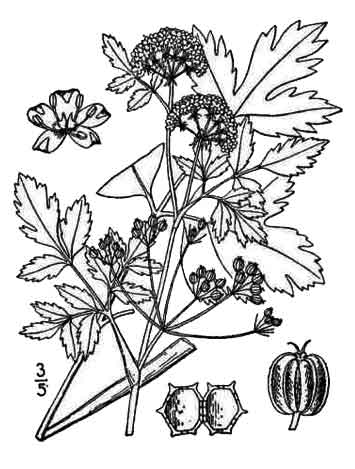
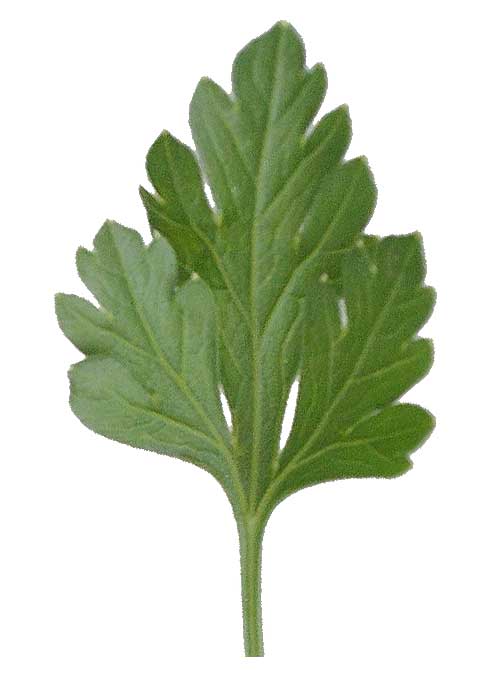
• Kintsay is an erect herb, seldom growing over 30 centimeters in height. The Chinese variety has short stems. Leaves are pinnate, with large, deeply-lobed segments, on long petioles. Peduncles are short, less than 1 centimeter in length, and borne opposite the leaves. Flowers are borne in umbels, very small, and greenish white. Fruit is very small, with narrow ridges.
• Apium graveolens is a stout biennial or monocarpic perennial herb, producing flowers and seeds only once, during its second or a later year. It grows up to 1 m (3 ft) tall, with all parts of the plant having a strong celery odor. The stems are solid with conspicuous grooves on the surface (sulcate). The leaves are bright green to yellowish-green, 1- to 2-pinnate with leaflets that are variously shaped, often rhomboid, up to 6 cm (2+1⁄2 in) long and 4 cm (1+1⁄2 in) broad. The flowers are produced in umbels, mostly with short peduncles, with four to twelve rays. Individual flowers are creamy-white to greenish-white, 2–3 mm (3⁄32–1⁄8 in) across. Fruit is a schizocarp, broadly ovoid to globose, 1–1.5 mm (3⁄64–1⁄16 in) long and wide. (107)
 Distribution Distribution
- Native range is Macaronesia to N. Africa, Europe to W. himalaya.
-
A biennial of Europe and northern Asia which has been cultivated since fairly remote times.
- Introduced in the Philippines.
- Two forms are cultivated in the Philippines: (1) In the lowlands, the small Chinese form, known as "kinchai," raised extensively by the Chinese and common in the Manila markets. (2) Baguio kind has a thicker and larger leaf stalk and is blanched, much smaller than the high-grade celery cultivated in temperate zones.
Properties
- Considered anti-inflammatory, deobstruent,
diuretic, resolvent, pectoral, tonic, carminative, emmenagogue, diuretic, adjunct
to purgatives, lithotriptic, stimulant, antispasmodic, aphrodisiac.
- Possible antioxidant.
- In Unani system of medicine, considered stimulant, cardiac tonic, carminative,diuretic and antiseptic.
- Studies have suggested
hepatoprotective, antioxidant, nematicidal, antifungal, mosquitocidal, repellent, antipyretic, larvicidal, cercaricidal, hypolipidemic, antinociceptive, anti-inflammatory, learning and memory enhancing, vasorelaxant, antihypertensive, antiproliferative, anticancer, apoptosis inducing, adaptogenic, diuretic, antiulcerogenic, insecticidal, nematicidal, spermatogenic, antidepressant, anticonvulsant, xanthine oxidase inhibitory, neuroprotective, larvicidal, anticalculi, nephroprotective, anti-arthritic, antiadhesive, spasmolytic, anti-obesity, anti-fertility, anxiolytic properties.
 Constituents Constituents
- The plant yields a glucoside, apiin; a volatile oil, mannite and inosite.
- Phytoconstituent studies have yielded glycosides, steroids, and various types of phenolics including furanocoumarins, flavones and trace elements (sodium, potassium, calcium, and iron). Roots yield falcarinol, falcarindiol, panaxidol, and polyacetylene 8-O-methylfalcarindiol. Stem yielded pectic polysaccharides (apiuman) containing d-galacturonic acid, 1-rhamnose, 1-arabinose, and d-galactose. (53)
- GC-MS study of leaf volatile oil yielded 2 compounds. Main compounds were 1.dodecanol, 9-octadecen-12-ynoic acid, methyl ester, and tetradecence-1-ol-acetate. (53)
- Studies on seed have reported caffeic acid, chlorogenic acid, apiin, apigenin, rutaretin, ocimene, bergapten, and isopimpinellin. Seed oil is composed of palmitic acid, stearic acid, oleic acid, linoleic acid petroselinic acid, d-limonene, selinene, terpineol, and santolol. (53)
- Bulb yields a volatile oil, 0.009%; glutamine; asparagine; tyrosine; mannitol.
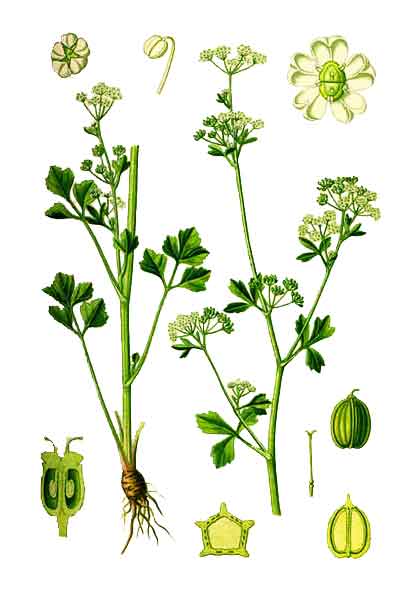 - Fruit contains a volatile oil, 2.5-3%; apigenin; protein, 1.3%; choline, linase. - Fruit contains a volatile oil, 2.5-3%; apigenin; protein, 1.3%; choline, linase.
- Volatile oil: d-limonene; α-pinene; cineole; cymene; α-terpineol.
- Seeds are a rich source of phenolic constituents such as flavonoids, anthrons, xanthons and tannins.
- Study yielded two phthalide compounds, 3-n- butylphthalide and sedanenolide. (17)
- The major components of volatile oil were β-pinene, camphene, cumene, limonene, α-thuyene, α-pinene, β-phellendrene, p-cymene, γ-terpinene, sabinene and terpinolene.
(26)
- Nutrient analysis of 1 cup diced and raw celery
(101.00 grams) yield 16 calories, vitamin K 33%DV, molybdenum 11%, folate 9%, potassium 8%, fiber 6%, manganese 5%, vitamin B2 5%, pantothenic acid 5%, copper 4%, calcium 4%, vitamin C 4%, vitamin B6 4%, magnesium 3%, vitamin A 3%. (37)
- Proximate analysis yielded 50% moisture in aerial parts and seeds of the plant. Leaves yielded vitamin C 60.35 mg/100gm; seeds, 1.34 mg/100gm. Elemental analysis of roots yielded K 5100 µg/g, P 4099 µg/g, Ca 674 µg/g, Ni 4.41 µg/g, Cd 1.94 µg/g, Se 0.41µg/g. Maximum K was found in the roots, followed by stems. Phytochemical screening of seeds yielded steroids, flavonoids, saponins, and tannins. (38)
- Preliminary TLC study
for furanocoumarins in blade and petiole of two cultivars of ribbed celery showed the presence of psoralen, bergapten, xanthotoxin, and simple coumarin, umbelliferone. Additionally, isopimpinelline was detected by HPLC. (63)
- Seed essential oil yielded the presence of flavonoids, lactones, and terpenoids as major constituents. (see study below) (64)
- Cyclooxygenase inhibitory and antioxidant bioassay-directed extraction and purification of celery seeds yielded sedanolide (1), senkyunolide-N (2), senkyunolide-J (3), 3-hydroxymethyl-6-methoxy-2,3-dihydro-1H-indol-2-ol (4), L-tryptophan (6), and 7-[3-(3,4-dihydroxy-4-hydroxymethyl-tetrahydro-furan-2-yloxy)-4,5-dihydroxy-6-hydroxymethyl-tetrahydro-pyran-2-yloxy]-5-hydroxy-2-(4-hydroxy-3-methoxy-phenyl)-chromen-4-one (7). (see study below) (80)
Parts used
Entire plant, roots, leaves, seeds.
 Uses Uses
Edibility / Nutritional
- Petioles and leaves are used for seasoning local dishes, especially pansit, chop suey, bachoi, etc.
- Excellent source of calcium and iron; contains vitamins A, B, and C.
- Seeds are rich in iron and vitamins, including A, B and C.
- Celery juice before meals as appetite suppressant; after meals as a
digestive.
Folkloric
- In the Philippines, plant decoction is used as a diuretic and emmenagogue.
- Poultice of plant with barley meal used as deobstruent and resolvent.
- Used as a tonic and carminative adjunct to purgatives.
- Used as diuretic, lithontriptic and alexipharmic.
- Root used as alterative and diuretic, given in anasarca and colic.
- Antiasthmatic (bronchodilation): Pound seeds, wrap in thin cloth and
inhale frequently.
- Used for hypertension, flatulence, indigestion.
- Decoction of seeds for bronchitis and asthma; also for liver and spleen diseases.
- Seeds used as stimulant and cordial.
- Arthritic and rheumatic disorders.
- Seed infusions used for rheumatoid arthritis and gout.
- Celery roots used as aphrodisiac.
- In Unani medicine, considered diuretic and lithotriptic.
- In Mexico, decoction of root used to diminish milk.
- In Arab medicine, leaves used to help cool the stomach and liver, act as diuretic, help menstrual problems and kidney stones. Also, believed to stimulate semen production and relieve bad breath. (53)
Others
- Perfumery: The volatile oil is of value in perfumery, where it is used in combination with various perfumes, both as fixative and/or as additional scents.
Studies
• Hepatoprotective: Hepatoprotective activity of Apium graveolens
and Hygrophila auriculata against paracetamol and thioacetamide intoxication
in rats: Study showed both extract of seeds to possess
significant hepatoprotective activity. (1)
• Antioxidant / Carbon Tetrachloride-Induced Oxidative Stress / Roots: Effect of celery (Apium
graveolens) extracts on some biochemical parameters of oxidative stress
in mice treated with carbon tetrachloride: Study of both extracts
of roots and leaves are showed antioxidant activity probably involving
flavonoids and other antioxidant compounds. (2)
• Anti-Toxicity / Apigenin: Pretreatment with Ag extract effectively alleviated most of the VPA-induced effects suggesting a protective role against experimental VPA toxicity. Apigenin was a major factor of the Ag extract. (3)
• Nematicidal / Antifungal / Mosquitocidal: Study of AG seeds isolated and characterized compounds sedanolide, senkyunolida-N
and senkyunolide-J which showed nematicidal, antifungal, and mosquitocidal
activities. (4)
• Mosquito Repellent / G10: (1) A comparative evaluation of G10, a celery-based topical mosquito repellent product, with Insect Block 28 and standard 25% DEET showed G10 and IB28 exhibited similarly powerful repellent activities with 100% protection, DEET was effective with 99.68% protection. (2) Study showed AG offers a potential against Ae. aegypti, particularly in its markedly repellent effect.
• Antipyretic / Leaves: Antipyretic effect of celery (Apium graveolens)
extracts in mice: Study showed extracts of celery leaf decreased
the pyrogenic effect of 12% yeast suspension. (5) Study of A. graveolens leaves crude extract showed antipyretic effects in male rabbit model. (67)
• Essential Oil / Cercaricidal: Essential oil of the fresh aerial parts of Ag at its flowering stage yielded:
α- and ß-pinene, myrcene, limonene, cis-ß-ocimene, g-terpinene, cis-allo-ocimene, trans-farnesene, humulene, apiol, B-selinene, senkyunolide and neocnidilide. Study evaluated the cercaricidal effect of EO based on cercariae, one of the stages in the life cycle of Schistosoma mansoni, which causes Schistosomiasis. The EO showed a chemotactic effect in addition to a cercaricidal effect. (6)
• Hypolipidemic: Study of the ethanol extract of A. graveolens in adult male albino rats showed significant decrease of total cholesterol, trigylcerides and LDL, and a significant increase in HDL cholesterol. (7)
• Hypolipidemic / No Hypoglycemic Effect: Study on the intraperitoneal effects of AG on serum glucose and lipid levels of diabetic rats showed no significant hypoglycemic effect but could possibly lead to appropriate changes in blood lipid profiles. (8)
• Antinociceptive / Anti-Inflammatory: Study of the aqueous and hexane extracts of AG showed both fractions exhibited remarkable anti-inflammatory effect supporting is traditional use in diseases associated with inflammation. (10)
• Hepatoprotective / Anti-Inflammatory: Methanolic extract of A. graveolens seeds tested against Di-(2-ethylhexyl)phthalate (DEHP) induced hepatotoxicity in rats showed hepatoprotective activity with a significant recovery of biochemical parameters. (12)
• Learning / Memory Benefits in Diabetic Rats: Study showed chronic oral administration of AG could enhance consolidation and recall capability of stored information only in diabetic animals and did not affect spatial memory of diabetic animals. (13)
• Anti-Mosquito Potential / Aedes aegypti: A crude seed extract of Apium graveolens was investigated for anti-mosquito potential, including larvicidal, adulticidal, and repellent activities against Aedes aegypti, the vector of dengue hemorrhagic fever. Results showed larvicidal activity against fourth instar larvae, slight adulticidal activity and repellency. (15)
• Anticancer / Apoptosis Induction / Cytotoxic Activities: Study evaluated a methanolic extract of Apium graveolens seeds for antiproliferative effect in vitro on two human cell lines (DLA, Dalton's lymphoma ascites; L929, Mouse lung fibroblast). The methanolic extract of seed showed cytotoxicity and provoked DNA fragmentation, a sign of induced apoptosis. Results suggest a potential candidate for an anticancer drug. (18)
• Vasorelaxant / Antihypertensive Effect: Study investigated the vasorelaxant effect of organic extracts from Apium graveolens. All the extracts caused concentration-dependent relaxation in precontracted aortic rings, attributed to secondary metabolites and probably mediated by calcium antagonism. Results suggest an ideal source for lead compounds to design potential vasorelaxants and antihypertensive agents. (19)
• Adaptogenic Activity: Study investigated the adaptogenic activity of ethanolic and aqueous extracts of Apium graveolens in experimentally induced stress models in mice and rats. The extracts showed increased increase in anoxia stress tolerance time and swimming endurance time. Results showed the ethanolic extract with greater adaptogenic property than the aqueous extract. (20)
• Angiotensin Converting Enzyme Inhibitory and Antixoxidant Activity: Study of a methanolic seed extract of Apium graveolens showed significant in vitro ACE inhibitory potency and strong antioxidant activity. (21)
• Carbon Tetrachloride induced Hematotoxicity: Study investigated the role of aqueous extract of A. graveolens seeds against hematotoxicity induced by CCl4 in female rats. Results showed two-week consumption to be safe at tested doses, and caused improvement in hematological parameters and protection of hematopoietic cells from the damaging effects of CCl4. (22)
• Bioinsecticide Potential / Seed: A crude ethanol extract of seed yielded phototoxic compounds which offer potentials activity against Aedes aegypti, particularly through toxic and growth disruptions activities. Results suggest a promising candidate for commercial bioinsecticide development.
(23)
• Nephrocalcinosis / Increase Urinary Ca++ Excretion: Study evaluated the effect of A. graveolens in reducing calcium deposits from renal parenchyma in rabbit models with induced nephrocalcinosis by a large dose of oxalic acid. Results showed significant reduction in calcium deposition in the renal parenchyma, a significant diuretic effect that accentuates urinary calcium excretion. (24)
• Effect on Protease Inhibitor (Ritonavir) Induced Dyslipidemia: Study investigated the protective effect of an ethanolic extract of A. graveolens (celery seeds) on protease inhibitor induced dyslipidemia in mice. Results suggest the ethanolic extract showed potential for improving the lipid profile ad liver lipids deranged by ritonavir, with a efficacy approaching fenofibrate. (25)
• Antiulcerogenic / Antibacterial: Study investigated the antiulcerogenic and antibacterial activities of Apium graveolens extracts of aerial parts. Results showed dose-dependent inhibition of gastric lesions, similar to omeprazole. The essential oil was strongly inhibitory against E. coli and moderately inhibitory against Pseudomonas aeruginosa and Staphylococcus aureus. (26)
• Effect on Reproductive Hormones: Study evaluated a hydroalcoholic extract of leaves on the pituitary-gonad axis in young male mice of Balb/C. Results showed a dose-dependent negative effect of celery extracts in the pituitary-gonad axis in male mice, with significant decrease in FSH and decrease in LH and testosterone concentrations. (27)
• Insecticidal: Musca domestica, the housefly, breeding in human and animal excreta and a wide variety of domestic rubbish, can act as a vector for many diseases .Study showed an Apium graveolens extract to have insecticidal activity against Musca domestica. A. graveolens contains flavonoid and saponin believed to have potential as insecticide. (28)
• Hypotensive / Cardioinhibitory: Study evaluated aqueous and ethanol extracts of celery for effects on mean blood pressure of anesthetized rabbits and contractility of isolated rat atria. Results showed hypotensive, negative inotropic and chronotropic effects, which could be partially mediated through stimulation of muscarinic receptors. The ethanol extract exhibited greater inhibitory effect than the aqueous extract. (30)
• Antibacterial / Cardioinhibitory / Leaves: Study of water and alcoholic extracts of leaves in vitro showed antibacterial activity against pathogenic Staphylococcus aureus. Findings showed significant antibacterial, diuretic and attenuating effect in correcting the urinary system affection and damage resulting from intraperitoneally induced Staphylococcus aureus infection. (31)
• Antiulcer / Antisecretory / Cytoprotective: Study evaluated an ethanol extract for antigastric ulcer activity using various experimental gastric ulcer models in rats. Pretreatment with celery extract produced dose dependent reduction in all experimentally induced gastric lesions, with ability to replenish depleted levels of gastric wall mucus and gastric mucosal non-protein sulfhydryl, with increase in gastric mucosal malondialdehyde. Results suggest AG extract significantly protects gastric mucosa and suppresses basal gastric secretion, possibly through its antioxidant potential. (32)
• Protection Against DOX-Induced Toxicities / Leaves and Stalks: Study showed potential protective effect of A. graveolens against cumulative DOX-induced cardiac, hepatic, and hematologic toxicity in male rabbits probably through a mechanism related to direct and indirect antioxidant effects. (33)
• Increased Spermatogenesis / Leaves: Study evaluated the effects of hydroalcoholic extract on histological properties of testis and number of sexual cells in male rats. Results showed increased spermatogenesis in male rats, with no destructive effects on testicular tissue. (35)
• Increased Spermatogenesis / Leaves: Study showed a hydroalcoholic extract of celery improved the destructive effects of propylene glycol on the testes and sexual cells. Celery is a strong antioxidant due to its flavonoids, and antioxidants can directly or indirectly impact on the hypothalamic-pituitary-testicular axis to increase sperm count and fertility. Findings suggest celery can be considered a medicinal herb for infertility. (36) Study evaluated the effect of an aqueous extract of leaves on testicular tissue and spermatogenesis in healthy male rats. Results showed a remarkable increase in seminiferous tubules diameter, testes volume, and number of spermatogonia, primary spermatocytes and spermatozoa. Results indicate celery leaf extract may improve the spermatogenesis process and sperm fertility parameters. (40)
• Protective Against Doxorubicin-Induced Toxic Effects: Study evaluated the potential protective effect of A. graveolens against cumulative DOX-induced toxic effects to the heart, liver, and blood components in male rabbits. The cardiotoxic, hepatotoxic, and hematotoxic effects of DOX may be attributed to the combination of free radical oxidative stress and lipid peroxidation. Results showed a protective effect through a direct and indirect antioxidant property, and suggests a supportive care agent during anticancer treatment. (41)
• Mosquito Repellent Activity: Study evaluated the mosquito repellency of ethanolic preparation of hexane-extracted A. graveolens and compared with 15 commercial mosquito repellents including the widely used DEET. Commercial repellents, except DEET formulations, showed lower repellency than that of A. graveolens extract. Applied on human skin under field conditions, the extract plus 5% vanillin showed strong repellent action against a wide range of mosquito species belonging to various genera. Apium graveolens is a potential candidate for development of a commercial repellent that may be an alternative to conventional synthetic chemicals, especially in community vector control applications. (42)
• Effect on Delivery Rate, Weight and Gender Ratio / Leaves: Study evaluated the effect of celery leaf on delivery rate in female rats, weight, and gender ration of infants. Results showed no significant difference in delivery rate (p>0.05). Consumption of celery leaf can increase the number of infants, and is associated with weight loss. Changes could be associated with compounds such as phytosterols and flavonoids (ß-cystosterol and quercetin). (43)
• No Considerable Effect on Male Hormones / Leaves: Phytoestrogenic compounds may affect the pituitary-gonadal axis. This study evaluated the efficacy of hydroalcoholic extracts of celery leaves on serum testosterone, LH, and FSH in male rats. Oral administration of the celery leaf extract at dose of 200 mg/kbw for 20 consecutive days resulted in a significant decrease of LH (p<0.05). Levels of FSH and testosterone did not show a significant decrease. Results showed that in the administered dose, the celery extract does not have any considerable effect on secretion of hormones in male rats. (44)
• Antioxidant / Hypoglycemic / Amelioration of
Stress Related Diabetic Complications / Seeds: Study investigated an n-butanol extract of celery for antioxidant activity in its ability to ameliorate lipid peroxidation in STZ-induced diabetic rats. Results moderation of blood glucose within normal range, enhanced body weight gain, and normalization of activities of all antioxidant systems. Results suggests the n-butanol seed extract may have a potent role in ameliorating stressful complications in diabetes mellitus. (45)
• Antispasmodic /
Seeds: Study of a petroleum ether extract of seeds showed antispasmodic activity against acetylcholine induced contraction in guinea pig ileum. (46)
• Toxicological Study / Anti-Inflammatory / Seeds: An alcoholic extract of seed underwent toxicological evaluation in a male and female model of rats in doses of 0, 150, or 5,000 mg/kg per day. All animals survived treatment with no visible or behavioral signs of toxicity. There were toxicologically significant sub-chronic effects of oral A-CSE in rats. In a model of chronic pain and inflammation in rats, 1500 mg/kg per day was shown to be as effective as either naproxen (30 mg/kg) or ibuprofen (100 mg/kg) (47)
• Caution / Interaction of Celery Tablets with Thyroxine: There are anecdotal reports on the potential interaction between thyroxine and celery seed tablets—cases where the use of celery seed tablets on patients maintained on thyroid medications caused a decrease in thyroid functions. Physicians and pharmacists should communicate this potential interaction to patients. (49)
• Inhibition of Cell Proliferation and Induction of Apoptosis / Human Prostatic Carcinoma Cell Line: Study evaluated the anti-cancer effect of an ethanolic extract A. graveolens on human prostatic carcinoma cell line LNCap. Results showed an antiproliferative effect exerted by A. graveolens extract triggered by induction of apoptosis. The expression of VEGF (vascular endothelial growth factor) was down-regulated by treatment of A. graveolens extract. (50)
• Antibacterial / Essential Oil: Study evaluated essential oils extracted from the seeds of five plants (Apium graveolens, Crimminum cyminum, Foeniculum vulgare, Ferula copoda, and Trachyspermum amni) for antimicrobial activity against pathogens isolated from ENT and urinary tract infections. All the oils showed considerable antimicrobial effect. The oil of Apium graveolens showed more activity against Strept. pyogenes, followed by E. coli and Staph. aureus. (51)
• Anticonvulsant / Effect on Brain Tissue Oxidative Damage in PTZ-Induced Seizures: Study evaluated the antioxidant and CNS depressant effects of an aqueous extract of A. graveolens on brain tissue oxidative dame in pentylenetetrazole (PTZ)-induced seizure models in rats. Results showed the aqueous extract of aerial parts possess anticonvulsant activity accompanied by an antioxidant effect on the brain. (52)
• Antidepressant / Essential Oil: Study evaluated the chemical composition of essential oil and its antidepressant effect in mice and its effect on motor balance, serum and brain antioxidant capacity. Assessment of depression was done with forced swimming and open field tests and motor balance with Rotarod, along with measurements of serum and brain antioxidant capacity and malondialdehyde levels. Results showed antioxidant, anti-inflammatory and chemical neurotransmitter-regulating properties. (54)
• Antioxidant / Review: Study is a systematic review of the antioxidant activity of celery. It reports on the properties of celery leaves and seeds. Celery yields compounds such as caffeic acid, p-coumaric acid, ferulic acid, apigenin, luteolin, tannin, saponin, and kaempferol, with powerful antioxidant characteristics to remove free radicals. (55)
• Effect on Delivery Rate, Weight and Gender Ration / Leaves: Study evaluated the effect of celery leaf on delivery rate in female rats, weight, and gender ration of infants. Results showed delivery rate in experimental groups was not significant (p>0.05). Consumption of leaf can increase the number of infants, and was associated with weight loss. Difference in gender ration was not statistically significant. Changes may be associated with compounds such as phytosterols and flavonoids. (56)
• Effect on Metabolic Syndrome / Review: Metabolic syndrome is a cluster of multiple conditions viz. hypertension, dyslipidemia, abdominal obesity, and hyperglycemia, associated with an increased risk for cardiovascular disease. This review summarized the mechanisms underlying the protective effects of celery components on insulin action, glucose, lipid metabolism, and blood pressure. (57)
• Xanthine Oxidase Inhibition Kinetic / Anti-Gout on Metabolic Syndrome / Review: Study has suggest celery has potential anti-gout effect. A flavonoid was shown to inhibit activity of xanthine oxidase enzyme up to 85.44%. This study investigated the type of inhibition kinetics of an ethanol crude extract and fraction. Results showed competitive inhibition. Fraction 6 showed highest activity (85.08%). The active compounds were identified as 5,77-dihydroxy-2-(4-hydroxyphenyl)-4H-1-benzopyran-4-one and 2,3-dihydro-6-hydroxy-5-benzofuran carbooxylic acid. (58)
• Antioxidant / Neuroprotective / Ameliorative Effect on Parkinson-like Symptoms: Study evaluated the neuroprotective effects of A. graveolens extract against a Parkinson's disease (PD) model induced by MPTP in C57BL/6 mice. Behavioral testing included a rotarod apparatus, a narrow beam test, a drag test, grid walk test, a swimming test, and resting tremor evaluation. Monoamine oxidase A and B activity, lipid peroxidation activity, and superoxide anion levels were measured. A. graveolens at dose of 375 mg/kg demonstrated the highest effect and led to significant improvements in behavioral performance, oxidative stress parameters, and monoamine oxidase A and B. The extract also increased the number of neurons immunopositive for tyrosine hydroxylase expression. (59)
• Effect on Thyroid Function: Study showed celery can induce hyperthyroidsim after oral celery extract consumption for weight loss. A 36-year old female patient on a dietary intake of 6 g/day of celery in powder form for weight reduction showed a weight loss of 26 kg during 78 days of celery extract consumption. Patient presented with blurred vision, palpitation, and nausea. TSH was 0.001 mIU/l with a T4 of 23 ng/dl. Study concludes hyperthyroidism may be induced by celery extract consumption and may be a side-effect of frequent celery extract consumption. (60)
• Antihypertensive Effect / Seed: Study investigated the effects of various seed extracts on blood pressure in normotensive and deoxycorticosterone acetate-induced hypertensive rats. Spironolactone was used as diuretic and positive control. NBP (n-butylphthalide), an antihypertensive constituent, was highest in the hexanic extract, 3.7 and 4 times higher than the methanolic and aqueous ethanolic extracts. Results concluded celery seed extracts have antihypertensive properties, attributable to NBP, with potential in treatment of chronic elevated BP. (61)
• Fertility and Ovarian Effects / Seed: Study investigated the effects of aqueous extract of seeds on fertility of adult female rats through its effect on diameter of both ovary and uterus and number of ovarian follicles. Results showed increase in ovarian and uterine weights. Microscopically, there was noticeable increase in thickness of ovary and uterus muscle layer, increase in numbers of primary and secondary Graafian follicles and corpora lutea. (62)
• Larvicidal / Repellent / Irritant Potential against Dengue Vector Ae. aegypti / Seed Essential Oil: Study evaluated the efficacy of eco-friendly and biodegradable seed essential oil for efficacy against dengue vector, Ae. aegypti. Results suggest celery seed essential oil can be used as an efficient larvicide and repellent against Ae. aegypti. (64)
• Effect of A. graveolens and Cinnamon zeylanicum on Metabolic and Ovarian Oxidative Injury in Rat Model of Polycystic Ovary Syndrome: Study compared the role of hydroalcoholic extract of Apium graveolens and C. zeylanicum on metabolic changes and ovarian oxidative injury in a rat model of PCOS. Results showed extracts of both AG and CZ exhibited useful impacts in the regulation of FBS, insulin, lipid profile, and oxidative stress markers in the palliation of PCOS complications. (65)
• Effect on Creatinine and Urea Level / Ethylene Glycol Induced Rats: Study showed an ethyl acetate fraction of celery herb had a effective activity at dose of 150 mg/kbw, as evidenced by a reduction in urea and creatinine level on male wistar rats induced by ethylene glycol. (66)
• Antihyperlipidemic Effect / Seeds: Study evaluated the antihyperlipidemic effect of ethanolic extract of seeds of Apium graveolens and chloroform and aqueous fractions in olive oil-induced hyperlipidemic rats. Atorvastatin was standard drug. Phytochemical screening yielded terpenoid, tannin, alkaloid, glycoside, flavanoid, and sterols. Results showed acute treatment caused stimulatory effect on HDL level and inhibition in TC and TG elevation induced by olive oil. (68)
• Antihyperuricemia / Anti-Gout / Clinical Trial: A single, blind, randomized standard control study evaluated the efficacy of A. graveolens in lowering serum uric acid level in the blood or 40 patients with hyperuricemia. At the end of the study, there was significant reductions in joint pain and serum uric acid levels. There was a statistically significant difference between test and control groups. Results were encouraging for the treatment of hyperuricemia.
(69)
• Formula Jamu Antihipertensive (FJA) / Captopril: A jamu formulation containing six plant extracts: three blood pressure reducing components i.e. leaves of Apium graveolens, Orthosiphon aristatus, and Centella asiatica, and three components for improving physical fitness i.e., leaves of P. niruri, rhizomes of C. xanthorrhiza and C. domestica. Synergism has been demonstrated with A. graveolens, O. aristatus, and C. asiatica. A. graveolens has been shown to have hypotensive, negative inotropic and chronotropic effects through stimulation of muscarinic receptors. The apigenin of A. graveolens has vasodilator and diuretic effects through effects on reduction of sodium stores, blood volume and cardiac output. Study showed FJA for 4 weeks is equally as effective as captopril in reducing systolic and diastolic blood pressure in patients with mild to moderate hypertension. (70)
• Effect on Isoprenaline Induced Myocardial Infarction: Study evaluated the effect of hydroalcoholic extract of A. graveolens on isoprenaline induced myocardial infarction in albino rats. Results showed reduction in cholesterol, along with decrease in cardiac marker enzymes LDH, CPK and SGOT. The level of lipid peroxide in the liver and heart tissue was also reduced compared to control. (71)
• Effect on Fertility / Systematic Review: Study did a systematic review on conducted studies in conjunction with celery and reproduction. Of 16 studies out of 238 collected articles, 13 mentioned the positive effect of celery on fertility, while three reported inhibitory effects of the plant. Celery can have protective effects against such substances as sodium valproate, propylene glycol, and diethyl phthalate that can cause damages to the testicular structure and spermatogenesis. Doses and treatment time with the plant should be investigated. Compounds such as apigenin in celery can induce inhibitory effects on fertility in case of chronic use or high concentration. (73)
• Biogenic Nanoparticles / Antiproliferative / Aerial Parts and Roots: Study evaluated total ethanolic extracts of aerial parts and roots of A. graveolens var. dulce and their green synthesized silver nanoparticles (AgNPs) for antiproliferative potential. Aerial parts and roots of celery showed potent antiproliferative effects against human cancer cell lines viz., human liver (HepG2), colon (Caco-2) and breast (MCF-7) with IC50s of 41.37, 27.65 and 9,48 µg/ml, respectively, compared with doxorubicin. More pronounced anti-proliferative effects were observed from biogenic AgNPs. HPLC-HESI-HRMS-based metabolic analysis of both extracts revealed secondary metabolites, including flavonoids, phenyl-propanoids, phthalides, coumarins, and sesquiterpenes that displayed moderate to promising binding affinities to active site of cyclin G-associated kinase (GAK), particularly graveobioside A, graveobioside B, and celeroside C, suggesting possible contribution of GAK modulators to the anti-proliferative potential of celery. (74)
• Effects on Blood Glucose and Insulin Levels in Elderly Pre-Diabetics / Celery Leaf: Study evaluated the effect of celery leaf extract on blood glucose and plasma insulin levels in elderly pre-diabetics. Celery leaf extract capsules at dose of 250 mg was given 3x daily before meals for 12 days. Results showed significant decrease in pre-prandial plasma glucose levels (p=0.01) and post-prandial plasma glucose levels (p+0.00), with not significant increase in plasma insulin levels (p=0.15). Results showed celery was effect at reducing blood glucose levels, but there was lack of association between blood glucose levels and plasma insulin levels in the elderly prediabetics. (75)
• Effects on Serum Thyroid Hormone Levels / Leaves: Study evaluated the effect of hydro-alcoholic extract of celery leaf on serum level of thyroid hormones on male rats. Celery extract was administered by gavage in doses of 50, 100, and 200 mg/kg for 21 days. In rats who received extract doses of 50 and 100 mg/kg, serum T3 and T4 decreased (p<0.05) with rise in TSH levels. In rats that received 200 mg/kg, the serum level of T4 increased significantly, with no significant changes in TSH and Te levels. (76) • Note: Some studies on effect of celery on thyroid functions give confusing and contradictory results. (76) (60) (49)
• Diuretic / Roots: Study evaluated renal protective and diuretic effect of Apium graveolens as single remedy or in combination with other herbs in Wistar rats subjected to acute renal injury by gentamycin. Fresh decoction of roots exhibited powerful diuretic activity (p<0.001), with a 72% rise in urinary output. Gentamycin showed a 45% fall in urinary output in 24 hours and comparative pretreatment of decoction prevented the urinary fall by 30% (p<0.001) Ethanolic extract of root (50 mg/kg) showed a 44% rise in urinary output in normal animals. In gentamycin induced animals, 24% fall was prevented by the extract (p<0.001), which were far better than furosemide that prevented the fall by only 10%. Results suggest the ethanolic and aqueous extract of A. graveolens root has comparatively significant diuretic activity against the standard furosemide. (77)
• Neuroprotective / Roots: Study evaluated the possible effects of A. graveolens with putative neuroprotective activity, against oxidative-stress related brain damage and brain damage due to inflammation induced by focal cerebral ischemia in rats with induced permanent occlusion of their right middle cerebral artery. Results showed A. graveolens extract significantly decreased infarct volume and improved neuronal density in the cortex and hippocampus compared to rats receiving no treatment. The neuroprotective effect and reduction in severity of cognitive damage caused by focal cerebral ischemia was partly attributed to antioxidant, anti-inflammatory and anti-apoptotic effects. (78)
• Effect on Anxiety and Depression in Hypertensive Patients / Celery Seed Extract / Clinical Trial: A randomized, triple-blind, placebo-controlled, cross-over, 4-week clinical trial evaluated the effects of celery seed extract as drug supplement, with active ingredient 3-n-butylphthalide, on anxiety and secondary depression in 50 hypertensive patients. Results showed significant mean reduction in BAI and BDI scores, p<0.001 and P<0.01, respectively. Symptoms of anxiety significantly improved. Celery decreased symptoms of depression (sadness, crying, loss of energy, insomnia, irritability, fatigue, etc) (p<0.01). There was also significant mean reduction in blood pressure parameters. Results showed promising beneficial effects on the psychometric properties of anxiety and depression, and suggests potential for celery seed extract as a supplement in hypertensive patients. (79)
• Antioxidant / COX and Topoisomerase Inhibitory / Seeds: Cyclooxygenase inhibitory and antioxidant bioassay-directed extraction and purification of celery seeds yielded 7 compounds. At 250 µg/ml, compounds 1-4, 6 and 7, exhibited prostaglandin H endoperoxide synthase-I (COX-I) and prostaglandin H endoperoxide synthase-II (COX-II) inhibitory activities at pH 7. Acetylated product (5) of compound 4 also inhibited COX-1 and COX-2 enzymes. Compounds 6 and 7 exhibited good antioxidant activity at 125 and 250 µg/ml. Compounds 1-3 exhibited topoisomerase I and II enzyme inhibitory activity. (see constituents above) (80)
• Nephroprotective in Cisplatin Toxicity / Seeds: Cisplatin, extensively used in cancer treatment, has nephrotoxicity as a primary side effect, accumulating in the proximal convoluted tubules where it promotes cellular damage by oxidative stress, apoptosis, and inflammation. Study evaluated the nephroprotective effects of dried seed powder of TK (Tukhm-e-Karafs / Apium graveolens) in cisplatin-induced nephrotoxicity in an animal model. Cisplatin toxicity caused significant increase in creatinine and BUN, presence of mononuclear cell infiltration, tubular dilation and vacuolatin in renal histopathology, and increased KIM-1 level. TK administration renal protection was suggested by changes in biochemical renal function, decreased level of KIM-1, and improvement in histopathological changes. Renoprotection was attributed to improved clearance of Cisplatin from kidney tubules and reduction in reactive oxygen species (ROS). (81)
• Anticalculi / Apigenin: Studies have shown that the ethanol extract of celery herbs at doses of 20 mg/100gbw has anticalculi effect, attributed to apigenin. Study compared the anticalculi activity of apigenin with ethanol extract of celery herbs at higher doses than previous study. Results showed apigenin and 96% ethanol extract of celery has anticalculi activity. In vivo testing showed decreased calcium level in kidneys on 0.75% ethylene glycol with 2% ammonium chloride-induced nephrolithiasis in male Wistar rats. (82)
• Anti-Inflammatory / Antimicrobial / Essential Oil of Leaves: Study evaluated A. graveolens var. dulce leaves essential oil for antimicrobial and anti-inflammatory effects. Isocnidilide (40.1%) was the major constituent along with ∂ß-selinene, senkyunolide A, phytyl acetate, and 3-butylphthalide. The EO exhibited superior activity, strongest against Gram+ bacteria and Candida albicans. It exhibited weaker antioxidant potential and stronger anti-inflammatory effects. Docking simulation results demonstrated high binding affinity of isocnidilide for anti-inflammatory protein (COX-2). The isocnidilide makes the EO a potential anti-inflammatory and antimicrobial agent. (83)
• Attenuation of Adjuvant Induced Arthritis: Study evaluated the effects of A. graveolens extract (AGE) on arthritis in rats induced using Complete Freund's adjuvant (CFA) injection into subplantar left hind paws using doses of 250, 500, and 1000 mg/kg. AGE treatment significantly attenuated the severity of CFA-induced arthritis and decreased the arthritis score, paw and ankle thickness. Plasma levels of total peroxide (TP) and oxidative stress index (OSI) were significantly decreased. AGE remarkably attenuated the increased nitric oxide (NO) levels and myeloperoxidase (MPO) activity in plasma of CFA-induced arthritic rats. (84)
• Effect on Progesterone-Induced Blocking Factor During Pregnancy: Progesterone-induced blocking factor (PIBF) is crucial to maintain pregnancy and the mother's progesterone immunomodulation. Study evaluated the effective dose of A. graveolens in pregnant mice's PIBF on preclinical research and pregnant women on clinical research. Results showed A. graveolens at dose of 2 mg/g was the most effective dose to increase PIBF level in pregnant mice. In pregnant women, the PIBF level significantly increased in the treatment group compared to control (444.78 pg/mL and 171.74 pg/mL). Results showed A. graveolens supplementation in pregnant women increased PIBF levels during pregnancy and can prevent inflammation during pregnancy. (85)
• Effect of Furocoumarins in Treatment of Kidney Disease: Study evaluated the multitarget therapeutic effects of furocoumarins in kidney disease. In silico ADME analysis studies the pharmaco-kinetic behavior of targeted furocumarins. Out of 13 furocoumarins selected for analysis, six showed partial or significant interaction with SOD and CASP-3 proteins. The metabolites may alleviate kidney dysfunction by reducing oxidative and inflammatory stress, regulating apoptosis, slowing down the progression of diabetic nephropathy, reducing hypertension and glomerular vascular rigidity. In silico docking analysis revealed bergapten as a potential therapeutic agent for kidney disease. In In-silico docking analysis, anglicine, imperatorin, and sphondin exhibited strong interaction with CASP-3 and SOD. All furocoumarins have a highly lipophilic nature, good skin permeability, GI absorption, and good blood-brain barrier (BBB) permeability. Furocoumarins reduce kidney dysfunction and associated pathophysiological complications via reduction of glomerular vascular rigidity, diabetic nephropathy, and oxidative and inflammatory stress. (86)
• Antimicrobial / Antioxidant / Essential Oil from Waste Celery Seeds: Study evaluated the chemical profile of monoterpenes contained in seed oil from waste celery seeds. The main constituent of the oil was (R)-(+)-limonene (75.06%). The oil showed antimicrobial activity against Bacillus subtilis (MIC 50 µL/mL), Staphylococcus aureus (MIC 2 µL/mL), Escherichia coli (MIC 20 µL/mL), and Pseudomonas aeruginosa (MIC 30 µL/mL), and fungi Candida vini (MIC 50 µL/mL), Aspergillus niger (MIC 50 µL/mL), and Penicillium expansum (MIC 50 µL/mL). The oil showed high DPPH radical scavenging activity (IC50 89.11 g/l). (87)
• Pretreatment Mitigation Against Fatal Acetaminophen-Induced Acute Liver Toxicity: A Kaplan-Meier survival analysis revealed a 100% prevention of acetaminophen-induced mortality in rats by methanol celery root extract (MCRE). MCRE prevented AAH-associated severe weight loss and elicited normal behavior in the rescued rats. Results suggest pre-treatment with with MCRE can mitigate against overdosed acetaminophen-induced acute liver failure. (88)
• Antiadhesive Against Uropathogenic E. coli / Fruits: Study evaluated the antiadhesive and antiquorum sensing effect of A. graveolens extract by specific invitro assays. Hydroalcoholic extract of A. graveolens fruits characterized by UHPLC/+ESI-QTOF-MS was evaluated for antiproliferative activity against UPEC (strain NU14) and human T24 bladder cells. The CSE extract was dominated by presence of luteolin-glycosides and related flavons besides furocoumarins. CSE had no cytotoxic effects against UPEC and bladder cells. CSE exerted dose dependent antiadhesive activity against UPEC strains NU14 and UTI89. CSE inhibited in a concentration-dependent manner bacterial quorum sensing and significantly reduced bacterial load in the bladder tissue. The antiadhesive effect justifies its traditional use in phytotherapy for UTI. (89)
• Effect of Celery on Testosterone, FSH and LH in Male Rats / Leaves: Study evaluated the effect of hydro-alcoholic extract of celery leaves on serum levels of testosterone, LH and FSH in male Wistar rats. Results showed administration of 200 mg/kg doses of celery extract caused a significant reduction in serum LH concentration, with no effect on gonadotropin and testosterone hormones in the highest doses used in the study. The finding may be due to presence of flavonoid and antioxidant properties of celery. (90)
• Blood Pressure Reduction in Individual with Hypertension / Review: Study of two digital reference databases evaluated the efficacy of celery in reducing blood pressure of people with hypertension. Seven studies were in the review. Celery provision varied, including celery boiled in water, celery juice, celery leaves extract, simplicia or dried celery leaves, and steeped celery, Six articles reported a decrease in systolic and diastolic pressured from 6.13 mmHg to 30 mmHg and 2.9 mmHG and 13.67 mmHg, respectively. Study concludes celery administration was effective in lowering blood pressure in individuals with hypertension. (91)
• G10 / Celery-Based Topical Mosquito Repellent: Study evaluated the potential of G10, a celery-based topical product, as repellent against natural mosquito populations, comparing it to commercial (Insect Block 28) and standard (25% DEET) repellents. The repellent products showed excellent personal protection against a broad range of mosquito species, including Aedes, Anopheoles, Armigeres, Culex, and Mansonia. No mosquito bites were observed on volunteers treated with G10 and Insect Block 28, whereas two species, 6 A. barirostris and 2 A. subalbatus, came to bite or land on 25% DEET-treated volunteers. Study concludes that while G10 and IB28 exhibited similarly powerful repellent activities with complete (100%) protection, 25% DEET was effective in minimizing bites with 99.68% protection. Stored samples of G10 provided comparable repellency to that of fresh preparation. Results suggest potential for commercial development of G10 formula as alternative to commercial synthetic repellents. (92)
• Antiobesity / Stems: Study evaluated the antiobesity activity of ethanolic and aqueous extracts of fresh leaves of A. graveolens in Wistar albino rats fed a high-fat diet. Preliminary screening of extract yielded alkaloids, carbohydrates, glycosides, flavonoids, coumarins, saponins, and tannins. Acute oral toxicity study showed no sign of toxicity up to 2000 mg/kbw. Treatment with aqueous extract at dose of 400 mg/kg for cafeteria-fed rats for 40 days significantly decreased glucose, cholesterol, LDL, VLDL, and triglycerides, and increased HDL levels. Results showed antiobesity-like effect, which may be due to the weight-reducing effect of the extract and enhanced thermogenesis. (93)
• Spasmolytic / Leaves: Study evaluated the antispasmodic effect of celery leaf extract on rat ileum. Results showed the extract dose-dependently inhibited ileum contractions. The activity may involve voltage dependent calcium channels and receptor-operated calcium channels. ß-adrenoreceptors, opioid receptors, NO and potassium channels were not involved in the effect. Possibly, apigenin as celery flavonoid, may be responsible for the activity. (94)
• Effect on Xanthine Oxidase Inhibitory Activity and Uric Acid Levels / Leaves: Study evaluated the effect of hydroalcoholic extracts of A. graveolens (AGE) against potassium oxonate (PO)-induced hyperuricemia in mice. AGE at doses of 250, 500, and 1,000 mg/kg or allopurinol were orally administered to mice. Results showed AGE significantly and dose-dependently reduced serum uric acid level, hepatic XO/XDH activities, and lipid peroxidation, indicating potential as an effective hypouricemic bioactive agent or functional food. (95)
• Apium graveolens Against Aedes aegypti / Seed Essential Oil: Aedes aegypti is one of the primary disease vectors spreading various dreadful diseases over the tropics and subtropics. Study evaluated the eco-friendly and biodegradable celery seed essential oil for efficacy against Ae. aegypti. Larvicidal bioassay of seed EO against early 4th instars of Ae. aegypti showed LC50 and LC90 of 16.10 and 29.08 ppm, respectively after 24 hr exposure. The cidal effect augmented by 1.2 fold after 48 h, with LC50 of 13.22 ppm. The seed oil did not cause immediate larval mortality, suggesting delayed larval toxicity against the larval stage. There was remarkable repellent efficacy with 100% protection until 165 min. An exciting observation was the knocked-down effect in adults exposed to 10% oil-impregnated papers. Phytochemical screening of seed oil revealed presence of flavonoids, lactones, and terpenoids as major constituents, which may have a role in its toxicity. Results confirmed that celery seed EO has potential as an efficient larvicide and repellent against Ae. aegypti. Identification of bioactive components, mode of action, and effects on non-target organisms and the environment would assist in devising mosquito-management strategies. (96)
• Effects on Induction and Sleeping Time in Mice / Celery and Parsley: Study evaluated different extracts of celery and parsley leaves on ketamine-induced sleeping time on BALB/C white laboratory mice. Results suggest most of the examined celery and parsley extracts exhibited no significant effects on induction time in mice treated with ketamine (40 mg/kg s.c.). Both plants caused prolongation of sleeping time, with the celery extracts exhibiting stronger activities compared to parsley. (97)
• Aroma Profile of Apium graveolens / Review: Study characterizes the underlying biochemisty that determines the complex aroma profile of celery, and evaluated the genetic and environmental influences leading to its variation. Typical celery aroma is made up of a range of volatile compounds, including terpenes, aldehydes, and phthalides that contribute to its characteristic odor and flavor. Phthalides are considered to most significantly contribute to the characteristic odor. The compounds, along with low molecular weight sugars, organic acids and flavonoids are considered responsible for the perceived taste and flavor. (98)
• Karafsin / Flavonoid Apiofurnoside / Anti-Inflammatory / Leaves: Study of celery ethanol extract of leaves isolated two unique unknown compounds: apigenin 7-O-mono-apiofuranoside and acylated flavonoid, 7-O- (5″-E-p-coumaroyl)-apiofuranside (karafsin). Karafsin significantly inhibited cyclooxygenase-2 by 42.55 and 70.33% at 50 and 100 mg/ml and 5-lipoxygenase by 37.33 and 75.77% at 50 and 100 mg/mL in raw macrophage cells challenged with E. coli lipopolysaccharide. Results showed CEE as a mixture has potent anti-inflammatory activity, from which a formulation of 1% topical gel was found to have 79.51% inhibition of edema in carrageenan-induced rat paw model, comparable to 1% diclofenac. (99)
• Antibacterial Against MRSA: Antimicrobial resistance is a global problem caused by extensive and excessive use of antibiotics that promote gene resistance among bacteria, including Staphylococcus aureus. Study evaluated the potential effects of celery extract as antioxidant and antimicrobial against methicillin-resistance S. aureus (MRSA) in Sprague Dawley rats. Full-thickness skin biopsies were infected with colony forming units of MRSA isolate. Results showed 0.2% of CE was the best treatment for wounds infected with MRSA. CE 0.2% cream increased skin reepithelization, fibroblast proliferation, and CK-17 expression, and also decreased the percentage of wound area, inflammatory cell infiltration, and bacterial colonization in skin wound tissues compared to other treatments (p≤0.05). Results suggest celery can be utilized as an alternative herbal therapy against MRSA-associated skin infections. (100)
• Antifertility Effect in Male Rats / Seeds: Study evaluated the effect of ethanolic seed extract of A. graveolens (ESEAG) on male rat fertility, using two doses of 425 and 213 mg/kbw administered by oral gavage for 60 consecutive days. Results showed the ESEAG arrested spermatogenesis and caused a marked, dose-dependent decrease in sperm count, cauda epididymal sperm motility, blood testosterone concentration, weight of testes and seminal vesicles, testicular protein contents and diameter and viability of seminiferous tubules. In addition, a lower number and weight of viable fetuses were obtained from female rats impregnated by ESEAG-treated male rats. Results suggest a dose-dependent antifertility effect without toxic effects on other organs. (101)
• Effect on Cardiometabolic Factors in the Overweight and Obese / Clinical Trial: Celery was shown to have beneficial effects on cardiometabolic factors in animal models. A pilot randomized, double-blind, placebo-controlled clinical trial evaluated the effects of celery powder on glycemic and anthropometric indices, lipid profile, liver function, oxidative stress, and blood pressure of individuals with T2DM. Two groups consumed 750 mg of celery powder (obtained from fresh celery) or placebo along with a low-calorie diet for 12 weeks. Consumption of celery powder significantly reduced body fat %. Between group analysis showed no significant differences in cardiometabolic factors. Study concludes the celery powder did not improve cardiometabolic indices during the 12-week intervention, and suggested further studies with a higher sample size and dosage, and longer duration. (102)
• Anxiolytic / Radical Scavenging Effect: Study evaluated the anxiolytic and free radical scavenging effect of methanolic extract of A. graveolens in adult C57BL/6 mice. Mice receiving doses of 125, 250 and 500 mg/kg showed alleviation of anxiety-like behavior evidenced from behavioral tests. Extract treatment also significantly decreased MAO-A activity, lipid peroxidation, and caused and significant increase in % inhibition of superoxide anion and glutathione peroxidase activity in both cortex and striatum. Results suggest the therapeutic potential of A. graveolens in the treatment of anxiety. (103)
• Vasodilatory / Seeds: Seeds have been used for treatment of hypertension. Study evaluated the vasorelaxant effect of celery seed extract in isolated rat aorta precontracted with phenylephrine (PE) or KCl. Extract showed dose-dependent relaxation in the isolated aorta contracted with PE and KCl that was endothelium-dependent at lower concentrations. Extract inhibited KCl and PE-induced contractions in cumulative calcium concentrations as well as after incubation with diltiazem in denuded aortic rings of endothelium. Relaxation was inhibited by 4-aminopyridine. Results suggest relaxation was mediated by inhibiting calcium influx into vascular smooth muscle cells. Voltage-dependent potassium channels were involved in inducing the vasorelaxant effect. (104)
• Nephroprotective in Gentamicin Toxicity / Seeds: Study evaluated the nephroprotective effect of Tukhme Karafs (seed of A. graveolens) against gentamicin induced nephrotoxicity in male Wistar rats. Results showed the extract at both doses of 500 and 1000 mg/kbw showed prominent reduction of biochemical parameters (creatinine, uric acid, BUN, serum electrolytes) compared to control group. KIM-1 (kidney injury molecule-1) reduction was observed, although not statistically signifcant. Histopatho-logical changes showed treatment inhibited gentamicin induced injury. (105)
Availability
- Wild-crafted.
- Small scale commercial production.
- Celery seed tablets in the cybermarket. |