|
Gen info
- Amaranthus is a genus of more than 50 species of annual or short-lived perennials collectively known as amaranths. It includes three recognized subgenera and 75 species — the number of species questionable due to hybridization and species concepts. (44)
-
Amaranthus viridis is a cosmopolitan species in the family Amaranthaceae.
- In the 19th century, A. viridis, or green amaranth, was an Australian food item. The botanist Joseph Maiden wrote in 1889 that it was an excellent substitute for spinach, and next, most like boiled nettle leaves.
(43)
Botany
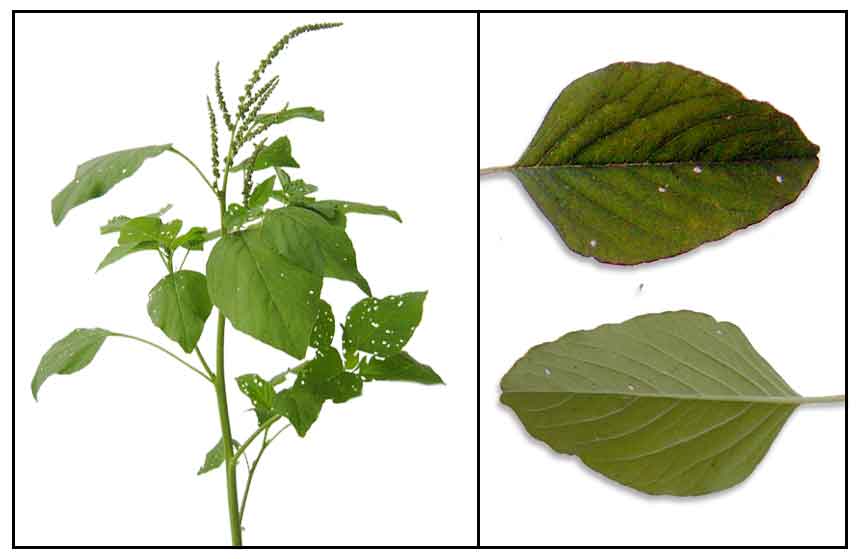
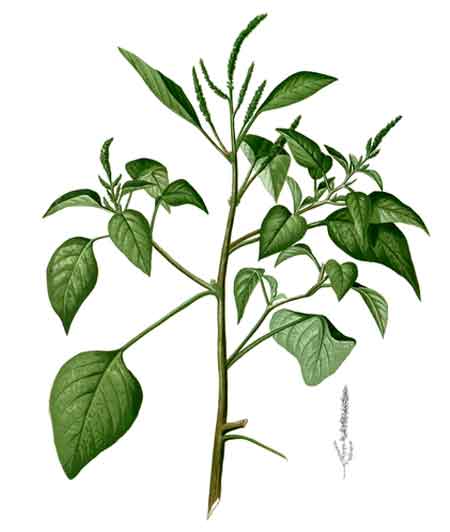
• Kolitis is an erect, smooth, branched unarmed
herb, 30 to 60 centimeters high. Leaves are alternate, ovate, long-petioled, 4 to 10 centimeters
long, obtuse tip, usually notched, base truncate or decurrent. Flowers are very small, densely disposed, green, 1 millimeter long.
Sepals are 5, or 1 to 3, ovate to linear, often aristate. Inflorescences are terminal, axillary, simple or panicled, interrupted
spikes. Fruits are compressed, indehiscent or circumcised utricles.
Seeds are black or brown, orbicular.
Note: This herb differs from Amaranthus
spinosus (Uray) in the absence of spines on the stems.
Distribution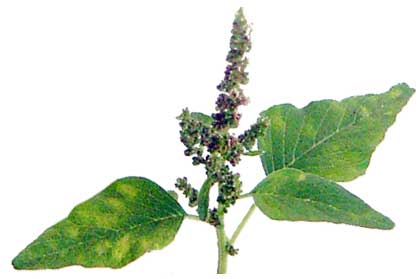
- Introduced to the Philippines. (8)
- Naturalized.
-
Common roadside weed on lowlands
at low and medium altitudes.
- Probably originated from America.
- Native to Argentina Northeast, Argentina Northwest, Aruba, Bahamas, Belize, Bolivia, Brazil North, Brazil Northeast, Brazil South, Brazil Southeast, Brazil West-Central, Cayman Is., Colombia, Costa Rica, Cuba, Dominican Republic, Ecuador, El Salvador, French Guiana, Galápagos, Guatemala, Haiti, Honduras, Jamaica, Leeward Is., Mexico Southeast, Netherlands Antilles, Nicaragua, Panamá, Paraguay, Peru, Puerto Rico, Trinidad-Tobago, Turks-Caicos Is., Uruguay, Venezuela, Windward Is. (8)
Constituents
- The powdered leaves yield tannin,
some reducing sugar and resin, but no alkaloid.
- Studies yielded amino acids lysine, arginine, histidine, cystine, phenylalanine, tyrosine, and tryptophan.
- Study yielded spinosterol (24-ethyl-22-dehydrolathosterol) as major component along with 24-methyllathosterol 24- ethyllathosterol, 24-methyl-22- dehydrolathosterol, 24-ethyl cholesterol and 24-ethyl-22-dehydrocholesterol as minor components in sterol fraction.
- Yields flavonoids, rutin, and quercetin.
- Roots yield a steroidal component, amasterol ( 24-methylene-20-hydroxycholesta- 5,7-dien-3β-ol).
- Analysis of leafy vegetable per 100gm: moisture 81.8, protein 5.2, fiber 6.1, fat 0.3, vitamin C 178mg; minerals 2.8g (calcium 33.0 mg, phosphorus 52.0 mg, iron 18.7 mg.); amino acids (arginine, histidine, lysine, methionine, cystine, phenylalanine, leucine, isoleucine, threonine, tryptophan, tyrosine, valine; and seeds with 14-16% protein and 4.7 to 7% fat.
- A. viridis was found to be an excellent source of protein; also contained considerable amounts of two fatty acids essential to humans (linoleic and α-linolenic) and a number of minerals including iron, magnesium, calcium, and zinc. (4)
- Nutrient analysis of A. viridis yielded protein 2.11%, crude fiber 1.93%, crude fat 0.47%, ash content 1.85%, moisture content 87.90%, carbohydrate content 7.67%, and calorific value of 43.35 kcal. Elemental analysis yielded calcium 330 mg/100 g, Fe 18.2, Ma 1842, P 52, K 3460, Na 108, Zn 10, Cu 300, Mn 8, Se 1.98, and Cr 0.92 mg. Antioxidant activity, IC50 µg ml-1 (DPPH method) was 28.92.
(22)
- Nutrient analysis of amino acid content (mg/g dry weight) yielded aspartate 23.4, glutamate 31.1, serine 11.1, glycine12.3, histidine4.8, arginine 19.7, threonine 11.0, alanine 15.0, proline 12.4, tyrosine 9.9, valine 15.6, methionine 3.5, cysteine 4.6, isoleucine 13.1, leucine 21.4, phenylalanine 14.1, lysine 13.3, and tryptophan 3.8 for a total of 240 mg/g dry weight.
(26)
- Study for nutrient content in A. viridis spinach chips yielded
vitamin C 4.8 mg/100 g, Ca 814.9 mg/kg, Fe 27.4 mg/kg, and K 709.8 mg/kg, and retained nutrient value even though it was cooked as chips. (27)
- Plant yields various biologically active constituents viz.
saponins, tannins and phenols, flavonoids, alkaloids, cardiac glycoside, steroid and triterpenoids. (33)
- Study for mineral composition (ppm) yielded
Mg 8255 ±6.10, Ca 15280 ±5.80, Cr 5.16 ± 0.05, Mn 108.10 ± 0.08, Fe 480 ± 3.20, Co 0.42 ± 0.11, Cu 12.44 ± 0.10. (34)
- Study for total phenolic content, Antioxidant activity and free radical scavenging activity yielded 36.0 ± 1.33 GAE mg/g, 1488.20 ± 50.01 FRAP µM FeSO4/g, 16.04 DPPH inhibition %, respectively. (34)
 Properties Properties
· Similar to
Uray (A.
spinosus).
· Febrifuge.
· Emollient (leaves).
· Considered emollient and vermifuge.
- Traditionally used as anti-inflammatory, diuretic, analgesic, antiulcer, antiemetic, laxative.
- Studies have suggest antimicrobial, antioxidant, antipyretic, antiviral, anti-inflammatory, anti-arthritic, analgesic, anthelmintic, cardioprotective, hepatoprotective, anti-diabetic, phytoremediative, hypolipidemic, antiproliferative, antifertility, antifungal, wound healing, antiurolithiatic, antimalarial, antispasmodic properties.
Parts utilized
· Roots, leaves, stems, flowers.
· Harvest the root at any time of the year.
· Wash thoroughly, cut into pieces and sun-dry.
Uses
Edibility / Nutritional
- Leaves and seeds are edible.
- Eaten as vegetable.
- It has clusters of nutty edible seeds, which can be eaten as snacks or used in biscuits. Porridge can be made by boiling the seeds in water.
(43)
- The tops are rich in calcium and iron. The plant is a good source of
vitamins B and C.
- Study found it to be an excellent source of protein.
Folkloric
- The therapeutic properties and dosage are very nearly identical
to Amaranthus spinosus.
(Uray)
- Philippine Negritos apply bruised leaves directly to eczema, psoriasis and rashes.
- Poultice of leaves for inflammations, boils and abscesses.
- Use for acne and for skin cleansing.
- Infusion of plant has been used as a diuretic and galactagogue.
- Used for snake bites and scorpion stings.
- Decoction of plant used for dysentery and inflammation.
- In Ayurveda, used for treatment of diabetes.
Roots known for its antifertility activity.
- In India, stem used as
antidote for snake bites. Leaves used for scorpion stings. Traditionally
used for constipation, inflammation, eczema, bronchitis, anemia and
leprosy.
- In Nepal, infusion of
powdered seeds of flower used for stomach problems. Seeds also used
in pregnant women to lessen labor pains.
- In Pakistan, powder of dried seeds of A. viridis, dried fruit of Ficus carica and sugar is taken orally with water to treat eye vision problems. (37)
- In Thailand and Sri Lanka, used as galactagogue. In Malaysia, used for inflammation and fever, and externally to treat wounds.
Studies
• Flavonoids / Rutin / Quercetin:
Study yielded flavonoids quercetin and rutin. Flavonoids possess biochemical
effects – inhibition of enzymes, hormone regulation, antimicrobial,
antioxidant and anticancer activities, among other. Av presents itself
as a good medicinal food. (3)
• Antiviral: Edible Nigerian vegetables were evaluated for virucidal potential. Extract from
four leaves, including A viridis, used as edible vegetables, were test
for antiviral activity. All the extracts showed dose-dependent antiviral
activity. (2)
• Antiviral Protein / Amaranthin: A ribosome-inactivating antiviral protein, amaranthin, was isolated from the leaves of Amaranthus viridis. Cytotoxicity of the amaranthin using in vitro translation inhibition assay was similar to that of pokeweed antiviral protein. (1)
• Antinociceptive / Antipyretic: Study of methanolic extract of the whole plant of Amaranthus viridis in mice reveals dose-dependent antinociceptive and antipyretic activities. (5)
• Pollen Grains / Allergenicity: Study concludes that airborne A. viridis pollen is the most prevalent pollen during August to November in the outdoor environment of Saudi Arabia, with a clear pattern of midday to early evening maxima. (6)
• Anthelmintic: Three plants belonging to the Amaranthacea family – A spinosus, A caudatus and A viridis, traditionally used as vermicides, were studied for anthelmintic activity using earthworms (Pheretima posthuma). Study concludes all three plants possess potent anthelmintic activity compared to Piperazine. (7) Study of a methanolic extract of whole plant of A. viridis showed significant dose dependent anthelmintic activity against Pheretima posthuma. (17)
• Antihyperglycemic / Hypolipidemic / Leaves: Study evaluated the antihyperglycemic and hypolipidemic effects of a methanolic extract of leaves in STZ-induced diabetic rats. Results showed reduction of elevated blood glucose level and lipid profile, similar to the standard drug glibenclamide. (10)
• Anti-Inflammatory: Study of various extracts of leaves were evaluated for anti-inflammatory activity in carrageenan induced paw edema and cotton pellet granuloma in rats. Results showed potent anti-inflammatory activity with significant dose-dependent reduction of edema induced by carrageenan. (11)
• Antihyperglycemic / Hypolipidemic / Stems: Study investigated a stem aqueous extract for antidiabetic and antihyperlipidemic effects in STZ-induced diabetic rats. Results showed decrease in blood glucose and dose-dependent modulated lipid profile changes in rats. (12)
• Hepatoprotective / Antioxidant: Study evaluated a methanolic extract of whole plant in paracetamol -induced hepatotoxicity. Results showed liver protection activity against paracetamol-induced liver damage. The hepatoprotection was attributed to its antioxidant property. (13)
• Cardioprotective / Amelioration of Isoproterenol-Induced Cardiac Toxicity: Study evaluated the antioxidant role of A. viridis against isoproterenol-induced oxidative damage in plasma and erythrocytes of rats. Results showed increase in antioxidant enzymes, reduced concentration of lipid peroxidation products. (15)
• Airborne Allergenic Amaranthus viridis Pollen: Amaranthus pollen grains are known to be highly allergenic and a potential cause of respiratory allergic diseases. Study reveals A. viridis as a major component of outdoor airspora in Saudi Arabia constituting a major percentage of total pollen counts in various regions. (16) (20)
• Preventive Role on C-Reactive Protein and Experimental MI: Study evaluated the preventive role of A. viridis on CRP, total protein, albumin, globulin, ceruloplasmin and glycoprotein in serum and heart of experimental induced myocardial infarction in male Wistar rats. Oral administration of A. viridis altered the metabolic derangements in ISO-induced MI in rats. (18)
• Antioxidant / Anti-Amylase / Anti-Arthritic / Cytotoxic Properties: Study evaluated aqueous extracts of three green leafy vegetables (GLV) i.e. Amaranthus viridis, A. gangeticus and Anethum sowa for antioxidant, anti-amylase, anti-arthritic and cytotoxic properties. Phytochemical analysis yielded steroid, flavonoid, and saponins. Results showed antioxidant activity by DPPH and NO scavenging methods. They exhibited appreciable α-amylase inhibitory activity, good arthritic activity when compared to Diclofenac sodium, and by brine shrimp lethality assay showed moderate cytotoxic activity compared to standard vincristine sulfate. (19)
• Antihyperglycemic / Hypolipidemic / Leaves: Study investigated the antihyperglycemic and hypolipidemic effects of methanolic extract of leaves of A. viridis in normal and STZ-induced diabetic rats. Results showed a statistically significant increase in body weight, decrease in blood glucose, total cholesterol, and serum triglycerides, with a significant increase in HDL. Histologically, there was less obvious focal pancreatic necrosis in the treated groups. (21)
• Chromium Accumulation: Study investigated the accumulation of chromium and its effects on other mineral elements in Amaranthus viridis to understand why AV grows well in soils heavily contaminated with A. viridis. Results showed A. viridis could not be considered a chromium hyperaccumulator. It accumulates Cr mainly in the stems and leaves, but could not absorb and accumulate large amounts of Cr. A. viridis accumulated Cr primarily in shots, and concentrated it in roots. Effect on mineral elements are briefly discussed. (23)
• Antimicrobial: Study investigated the antimicrobial potential of A. viridis ethanolic extracts against two Gram positive strains and four Gram negative bacterial strains. Results showed inhibitory activity against B. subtilis, E. coli, P. vulgaris and P. picketii. On testing against five different strains of fungal species, it showed moderate antifungal activity against Alternaria species and low activity against Aspergillus species. (24)
• Wound Healing / Leaves : Study evaluated the wound healing potential of ethanolic extract of A. viridis leaves in diabetic rats in excision, incision, and dead space wound models. Rats treated with prepared ointments showed a significant (p <0.01) dose dependent increase in percentage wound closure, tensile strength, and hydroxyproline content of the granulation tissue. (25)
• Protective Effect of Alkaloids Against Radical induced Oxidative Damage in Human RBC: Study confirmed the protective effect of partially purified alkaloids from A. viridis against hydrogen peroxide induced oxidative damage in human erythrocytes in vitro conditions. (28)
• Phytoremediation / Oil Spills: Study showed Amaranthus viridis is an efficient hyperaccumulator and offers the best panacea to remediate vast oil spill lands especially in Niger Delta of Nigeria. Based on translocation values, A. viridis has the ability to absorb arsenic and cadmium. (29)
• Antibacterial / Leaves and Stems: Study evaluated different solvent extracts of A. viridis leaves and stems for antibacterial potential against gram-positive (S. aureus) and gram-negative (E. coli and K. pneumonia) bacteria. The solvent extracts showed significant variation in antimicrobial activities. The ethanol extract of stem and leaves showed greater antimicrobial activity. (30)
• Anti-HMG-CoA Reductase / Hypocholesterolemic / Antioxidant / Anti-Inflammatory / Leaves: Stems: In a study of different parts of leaf, stem and seed of A. viridis, a leaf extract showed highest HMG-CoA reductase inhibitory activity (71%), good antioxidant activity (DPPH, NO, and ferric ion radicals) and effective inhibition of hyaluronidase, lipoxygenase and xanthine oxidase enzymes. Results suggest A. viridis leaf extract is a source of potent antioxidant and anti-inflammatory agents and may modulate cholesterol metabolism by inhibition of HMG-Co! reductase. (31)
• Abortifacient / Roots: An aqueous root extract of A. viridis was administered to female albino rats for 5 days from 11-15 days of pregnancy. Results showed an antifertility effect; the abortifacient activity was dose dependent, increasing with higher dose. (32)
• Antiproliferative / Leukemic Cell Lines / Antioxidant / Leaves: Study evaluated the antioxidant and antiproliferative effects of a 50% ethanolic extract of A. viridis leaves and stem. Phytochemical analysis yielded tannins, saponins, general glycosides, alkaloids, and terpenoids. The leaf extract showed significantly higher phenolic content and antioxidant activity than the stem extracts. MTT assay showed all extracts had antiproliferative activity against 3 human leukemic cell lines (Jurkat, CEM, and HL-60). (35)
• Toxicity Study / Leaves: Study evaluated the effect of 75% spiny amaranth leaves to female albino rats with regards body weight, liver and renal indices, hematologic and histologic responses. Rats fed with leaves showed decreased body weight compared to rats fed with a normal diet. Effect was attributed to antinutritional factors and non-palatability of the feed. Otherwise, results suggest spiny amaranth leaves have relatively low or no toxicity profile. (Note: This might be a misapplied study. The scientific name for spiny amaranth is Amaranthus spinosus. Amaranthus viridis has a common name of "green amaranth." G.Stuart) (see: Uray) (36) Aqueous extract of A. viridis showed not evidence of single dose toxicity at 2000 mg/kg. On subacute toxicity testing, at doses of 200, 400, and 600 mg/kg, the aqueous extract showed no signs of toxicity on biochemical, hematological or histological parameters. (47)
• Hypolipidemic / Antioxidant / Acute Toxicity Study / Leaves: Study evaluated the in vitro antioxidant and hypolipidemic effect of ethanol extract of leaves in Wistar albino rats and mice models. Acute toxicity study showed an LD50 of 356.6 mg/kg of extract. Results showed a significant (p<0.05) decrease in total cholesterol, triglyceride, and LDL along with an increase in HDL. The extract also showed a concentration dependent increase in % scavenging activity on DPPH, NO, and anti-lipid peroxidation assays. Study suggests therapeutic potentials in the management of cardiovascular diseases, diabetes, and associated complications caused by free radical generation and hyperlipidemia. (38)
• Antimicrobial
Alkaloids: Study quantified alkaloids present in selected members of the Amarantheae family. Maximum percentage alkaloids were shown by A. tricolor, A. viridis, and A. caudatus (8-8.8%), and least by A. spinosus and A. dubius (5.8-6%). The isolated alkaloids showed antimicrobial activity and potential for use in formulation of drugs and antiseptics. (39)
• Laxative / Antimicrobial / Leaves and Roots: Study evaluated the laxative and antimicrobial activities of ethanol extracts of leaf and root of A. viridis in Wistar albino rats. Results showed laxative activity with a significant (p<0.05) dose dependent increase in faecal output at 200 and 400 mg/kg doses. The leaf and root extracts also showed dose dependent antimicrobial activity in all tested organisms. (40)
• Anticancer / Antioxidant / Anti-Inflammatory: Study evaluated ethyl ether and ethyl acetate extracts of A. viridis for antioxidant, anti-inflammatory and anticancer activity. The EA extract showed higher antioxidant activity than the EE extract. The EA extract showed strong anti-inflammatory activity on RAW 264.7 cells and greater anticancer activities against HT-29 and HepG2 cancer cells. (41)
• Anticancer / Human Colon Cancer HT-29 Cells: Study evaluated an ethyl ether fraction of A. viridis for in vitro anticancer activity against human colon cancer HT-29 cells. Results showed significant inhibition of HT-29 cell growth in a dose-dependent manner by inducing G0/G1 phase arrest and apoptosis. The inhibition was associated with intracellular reactive oxygen species generation. Results suggest potential application in the pharmaceutical industry. (42)
• Antityrosinase / Antigenotoxic / Antioxidant: Study evaluated the chemical composition, antioxidant, and biological properties of various fractions from A. viridis. UPLC-MS/MS analysis yielded chlorogenic acid, gulonic acid, and kaempferol as major components. The ME exhibited excellent antioxidant activities on DPPH, NO,H2O2, ABTS radical scavenging activities, metal chelating and lipid peroxidation inhibiting activity. ME exhibited protective effects on H2O2-induced DNA damage with alkaline comet assay. Study validated the antioxidant, antityrosinase, and antigenotoxicity potential of A. viridis extracts. (45)
• Modulation of Anti-Hyperglycemic Pathways / Improved Liver Glycogenesis: Study evaluated the anti-hyperglycemic effect of 75% ethanolic extract of A. viridis in neonatal streptozotocin (N-STZ) induced rats hemidiaphram. Phytochemical screening yielded saponin, tannin, flavonoids, alkaloids, terpnoids, and phenol. In-vitro glucose consumption by hemi-diaphragm study exhibited increase state of glucose by hemi-diaphragm in the presence of A. viridis extract. Findings suggest different secondary plant metabolites contributed to the pancreatic mechanism of glucose consumption by peripheral tissue. (46)
• Antimicrobial / Antibiofilm / Anticancer: Study evaluated organic extracts form aerial parts of six samples of A. viridis. All extracts showed good total phenolics content and total antioxidant activity. AV2, AV3, and AV4 extracts displayed mild cytotoxicity against human liver (HepG2) and human metastatic breast (MDA-MB-231) cancer cell lines. AV6 showed potent antibiofilm activity against Pseudomonas aeruginosa, and antifungal activity against Aspergillus flavus and Aspergillus niger. AV6 performed exceptionally well as an antibiofilm agent against Pseudomonas aeruginosa. (48)
• Effect on Reproductive Functions / Estrogenic Effects / Leaves: Study evaluated the pharmacologic effects and estrogenic properties of A. viridis leaves on the reproductive function of female rats. Extract caused disturbances of the cycle according to the doses administered. Disturbances at doses of 200 and 400 mg/kg PC were significant. The methanolic extract contained estrogenic substances or estrogenic-like substances according to a dose-dependent mechanism, with high estrogenic potential at doses of 200 and 400 mg/kbw. (49)
• α-Amylase Inhibitory Potential / Glucose Entrapment: Study evaluated the in-vitro antidiabetic potential of A. viridis extracts. A methanol extract of leaves exhibited highest glucose retention ability of 47.05% (40.125 µg/mL) within the dialysis tube which mimics human intestine. Water extract showed most significant inhibitory effect on
α-amylase activity (100%) with IC50 of 5.058 µg/mL, equally active to standard acarbose. The ME exhibited notable efficacy on both glucose diffusion inhibition and inhibition of α-amylase. (50)
• Silver Nanoparticles / Antibacterial / Twig: Study reports on the rapid and eco-friendly synthesis of stable silver nanoparticles using A. viridis twig extract.
The AgNPs showed effective bactericide activity against both Gm- and Gm+ bacteria. Results suggest potential for the NPs in the formulation of new types of bactericidal materials. (51)
• Antiproliferative on Melanoma Cell Line / Antioxidant / Anti-Inflammatory: Study evaluated the antioxidant and antiproliferative activity of methanolic extracts of A. viridis and Swertia chirata leaves on B16F10 melanoma cell line. Both extracts showed good antioxidant capacities by DPPH and FRAP assays. Both extracts showed less than 50% lysis of RBC. thus suggesting low irritation potential. Both extracts showed strong capability for DNA damage protection at 10 mg/ml concentration. On MTT assay, the MEs of A. viridis and S. chirata showed potent cytotoxic activity against B16F10 melanoma cell line wit 73.59% and 62.87% cell viability at 50 µl/ml, which decrease with increase in concentration.
(52)
• Antimalarial / Plasmodium berghei: Study evaluated crude extracts of Amaranthus viridis and Launaea taraxacifolia for antiplasmodial activity against chloroquine sensitive strain of Plasmodium berghei at doses of 200 mg/kg and chloroquine 5 mg/kg to groups of Swiss mice. The crude extracts prevented loss of some hematological parameters. A. viridis showed a distinct effect on packed cell volume and protected the liver from some damage. Results showed both ME possess antiplasmodial activity. (53)
• Neuro-Endocrine Effect in Cyclophosphamide-Induced Reproductive Toxicity / Leaves: Cyclophosphamide (CP) is a widely used cytotoxic alkylating agent with antitumor and immuno-suppresant properties associated with reproductive toxicity. Study evaluated the neuro-endocrine effects of aqueous extract of A. viridis leaves in Wistar rats with CP-induced reproductive toxicity. CP toxicity was evidenced by lowered FSH, LH, and testosterone, perturbation of sperm characterizations, and disruptions of antioxidant systems, and histological changes in the pituitary and seminiferous tubules. The changes were significantly reversed (p<0.05) with graded doses of the extract. Results suggest potential for the AEAVL for treatment of CP-induced neuroendocrine dysfunction and reproductive toxicity. (54)
• Antispasmodic / Roots: Study evaluated the antispasmodic effects of methanolic root extracts of Amaranthus viridis and A. spinosus on isolated chicken ileum. Both plants elicited spontaneous relaxation of chicken ileum, with greatest impact at 0.8 and 0.1 ml, respectively. Results showed spasmolytic action on chicken ileum, validating its folkloric use treatment of gastrointestinal diseases. (55)
• Antiurolithiatic / Roots: Study evaluated the antiurolithiatic activity of Amaranthus viridis on ethylene glycol-induced male Wistar rats. Crystal deposition was indicated by increased blood levels and
decrease urinary levels of biochemical parameters such as creatinine, uric acid with decreased in blood level of calcium and increase urinary levels of calcium. Administration of aqueous extract enhanced the excretion of biochemical parameters and decreases in concentration in blood. Results suggest significant antiurolithiatic activity. (56)
Availability
Wild-crafted. |