 Gen info Gen info
• Licorice is a plant of ancient origin, steeped in history, and has been medicinally
used for more than 4000 years. It is a component of many traditional
medical systems. Hippocrates in 400 BC mentioned it as a remedy for
ulcers. Locally,
referred to as "anis" because of its similarity in taste with haras (fennel).
• Glycyrrhiza is Greek-derived, meaning "sweet root" and Glycyrrhiza glabra means sweet root with hairless seed pods.
• The dried, peeled or unpeeled underground stems and roots constitute the drug known as Licorice.
Botany
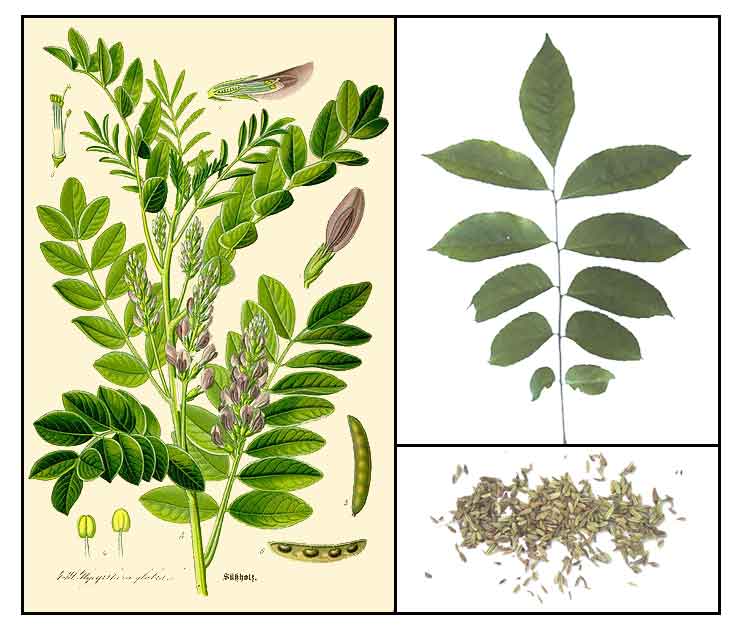
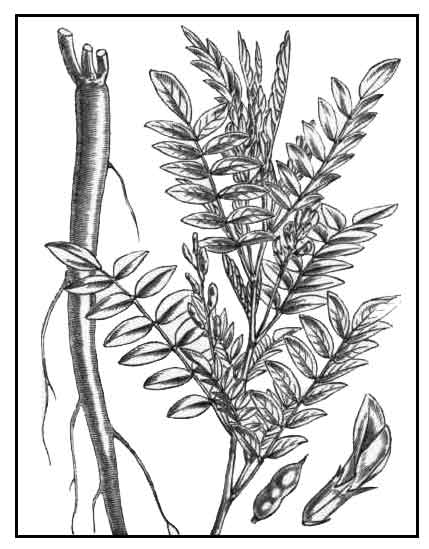
Licorice is a perennial plant, growing about 1.5
meter high. The wrinkled and woody rootstock is brown outside and yellow inside;
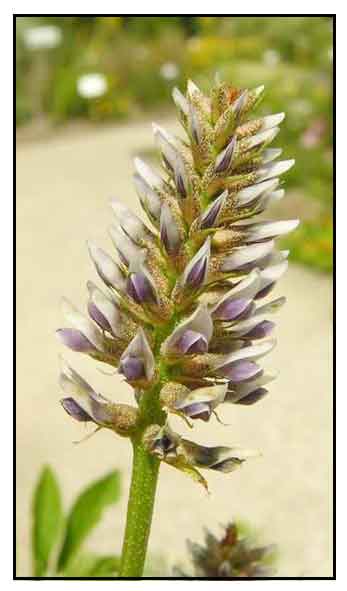
sweet-tasting. Leaves are unequally branched, in 4-7 pairs. Flowers are pale blue, violet, yellowish-white or purplish in color, arising from the axils of the leaves in racemes or spikes, followed by pods. Pods are smooth and small, resembling a partly-grown peapod, compressed with many
seeds.
 Distribution Distribution
- Cultivated.
- Nowhere spontaneous.
- Native of southeast Europe and southwest Asia.
Constituents
- Study yielded Major bioactive constituent of rhizomes is glycyrrhizin (a triterpenoid
saponin), glycyrrhizinic acid, glabin A and B, glycyrrhetol, glabrolie,
isoglabrolide, isoflavones coumarins, triterpene sterols, etc.
- Study yielded a new chacone derivative, neoligban lipid esters
and phenolic compounds (formononetin, glabridin, hemileiocarpin, hispaglabridin
B, isoliquirtigenin, 4'-O-methylglabridin and paratocarpin B.
- Roots yield bioactive constituents. 40-59% of total dry material weight is water-soluble, biologically active complexes i.e., starches (30%), pectins, simple sugars, gums, mucilage (rhizome), polysaccharides, amino acids, triterpene saponin, flavonoids, mineral salts, bitters, essential oil, fat, asparagines, estrogenic hormone, tannins, glycosides, protein, resins, sterols, volatile oils among others. (39)
- The primary active ingredient, Glycyrrhizine (glycyrrhizic acid, glycyrruzzunate) constitute 10-25% of the liquorice root extract. It is a saponin compound that is 60 times sweeter than cane sugar. (39)
- In studies for secondary metabolites, G. glabra has yielded more than 20 triterpenoids and nearly 300 flavonoids. Glycyrrhizin and glycyrrhetinic acid are the main components; in humans, metabolic processes can convert glycyrrhizin to
glycyrrhetinic acid, and both have similar pharmacologic effects. (40)
- Flavonoid rich fractions from dried roots include liquirtin, isoliquertin, liquiritigenin, and rhamnoliquirili and five new flavonoids
i.e., glucoliquiritin apioside, prenyllicoflavone A, shinflavanone, shinpterocarpin and 1-methoxyphaseolin. Dried roots also yielded five new flavonoids i.e., glucoliquiritin apioside, prenyllicoflavone A, shinflavanone, shinpterocarpin and 1-methoxyphaseolin. (Rastogi RP and Mehrotra BN). (41)
- HPLC-MS analysis of methanolic extracts of four root samples yielded eight phytoestrogens i.e., daidzein (4'-7-dihydroxyisoflavone), daidzin (daidzein-7-glucoside), genistein (4'5,7-trihydroxyisoflavone), genistin (genistein-7-glucoside), formononetin (7-hydroxy-4'-methoxyisoflavone), ononine (formononetin-7-glucoside),
glycitein (4',7-dihydroxy-g-methoxy-isoflavone), and coumestrol. (56)
Properties
- Sweet root is said to contain a glycyrrhizin, a saponin glycoside, that is roughly 50 times sweeter than cane sugar.
- Demulcent, emollient,
expectorant, anti inflammatory, antispasmodic, alterative, diuretic and
laxative.
- Considered antibacterial, anti-hepatotoxic, estrogenic, antifungal,
antihemorrhoidal, antihyperglycemic, antimalarial, antioxidant, antiulcer.
- Studies have suggested antibacterial, antifungal, anti-inflammatory, antinociceptive, wound healing, memory enhancing, antioxidant, anticancer, anti-allergic, hepatoprotective, antiandrogenic, hypolipidemic, antidiabetic, skin lightening, cerebroprotective, mast-cell stabilizing, anti-tussive, hair growth stimulatory, antiulcer, antiarthritic, antiulcer, antimalarial, antiasthma properties.
Parts used
Roots, leaves, and rhizomes
Uses
Culinary / Edibility
- The fruit, seeds and young leaves are used for flavoring. (Once used to flavor licorice candies, but most licorice candy is now flavored with anise oil.)
- Valued for its sweetness – glycyrrhizin, a component of licorice, is 50 times sweeter than table sugar.
Folkloric
- Infusion of the rootstock
used for cough, colds, bronchitis, asthma, hoarseness and dysuria.
- Powdered roots used as expectorant.
- Strong decoction is laxative.
- Decoction: 20 gms for 1 liter of water, 4 ti 5 cups daily.
- In China, it is an ingredient in many remedies
and used for spasmodic cough.
In ancient Greece, China and Egypt, used for gastritis and UGI tract ailments.
Others
Ritual: Ancient Egyptians used a licorice drink to honor the spirits of the Pharaohs.
Studies
• Antimicrobial / Glabridin / Roots:
Study investigated the antimicrobial potential of Gg roots. Glabridin was identified as potentially active against Mycobacterium tuberculosis strains. It also showed activity against both Gram-positive and Gram-negative strains of bacteria. (1)
• Antimicrobial / Leaves: Study of antimicrobial activity of various extracts of leaves were studied and compared to root extract activities. The root and leaf extracts showed dose-dependent activity against Candida albicans and tested gram-positive bacteria. The ethanolic extracts of leaves was the most active against gram-positive bacteria.
• Antioxidant / Anti-Cancer: Study yielded a new chacone derivative, neoligban lipid esters
and seven known phenolic compounds. Hispaglabridin
B, isoliquirtigenin, and paratocarpin B were found to be potent antioxidant agents. Isoliquirtigenin also demonstrated to prevent the incidence of 1,2-dimethylhydrazine-induced colon and lung tumors in mice when administered at a dose of 300 mg/kg. (2) Antioxidant / Anti-Cancer: Study yielded a new chacone derivative, neoligban lipid esters
and seven known phenolic compounds. Hispaglabridin
B, isoliquirtigenin, and paratocarpin B were found to be potent antioxidant agents. Isoliquirtigenin also demonstrated to prevent the incidence of 1,2-dimethylhydrazine-induced colon and lung tumors in mice when administered at a dose of 300 mg/kg. (2)
• Memory Enhancement Effect:
Aqueous extract of G glabra significantly improved learning and
memory of mice and also reversed the amnesia induced by diazepam and
scopolamine. Its antiinflammatory and antioxidant properties may be
contributing to the memory enhancement effect through facilitation
of the cholinergic-transmission in mouse brain. (3)
• Anti-Allergic: Study yielded main components as glycyrrhizin, 18beta-glycyrrhetinic acid, isoliquiritin, and liquiritigenin were isolated from licorice, and their anti-allergic effects, such as anti-scratching behavior and IgE production-inhibitory activity, were evaluated both in vitro and in vivo. Antiallergic effects of licorice are were attributed to glycyrrhizin, 18beta-glycyrrhetinic acid, and liquiritigenin, which can relieve IgE-induced allergic diseases such as dermatitis and asthma. (4)
• Hepatoprotective:
Study evaluated the potential efficacy of Gg in protecting tissues from peroxidative damage in CCl4-intoxicated rats. Results showed Gg to be a potential antioxidant and
attenuates the hepatotoxic effect of CCL4. (5)
• Osteoporosis Benefit: Hexane extract of Gg showed an inhibitory effect on bone resorption of about 40% at dilution of 1:10,000 without being toxic. (6)
• T-cell Expression Enhancement:
A double-blind randomized pilot study showed CD25 expression
on T cells significantly increased in subjects ingesting Echinacea with
notable increases in activation from Astragalus membranaceous and Glycyrrhiza
glabra. (8)
• Anti-Androgenic: Reduction
of serum testosterone has been reported with G glabra. This study showed
the alcoholic extract of G glabra to have antiandrogenic properties
possibly through increased testosterone metabolism, down-regulation
of androgen receptors or activation of estrogen receptors. (9)
• Hypolipidemic: G
glabra has been known to contain hypolipidemic compounds and flavonoids
with high antioxidant properties. The study showed GG significantly
decreased TC, LDL and TG levels while increasing HDL and lessening atherosclerotic
lesion in the aorta. The effect was probably through to an effect on
plasma lipoproteins, its antioxidant and anti-inflammatory properties. (10)
• Cerebro-protective: Study
on the aqueous extracts of roots of G glabra showed it possesses a cerebroprotective
effect in hypoxic rats which may be mediated through its antioxidant
effects. (11)
• Phytoesterogens / Roots: Study
analyzing the phytoestrogen content of GG roots harvested in Syria yielded eight phytoestrogen compounds. All tested extracts contain daidzein, daidzin, genistein, formononetin, ononin and coumestrol. (12)
• Anticonvulsant: Study
showed the ethanolic extract of G. glabra inhibits PTZ- (pentylenetetrazol) and lithium-pilocarpine-induced convulsions but not MES-induced (maximum electroshock seizure) convulsions. (13)
• Glabridin / Memory and Learning Benefits: Glabridin is a major active isoflavan from Glycyrrhiza glabra. Study investigated the effect of chronic treatment with glabridin on cognitive function in untreated diabetic and glabridin-treated diabetic rats. Results showed improved learning and memory in non-diabetic rats and reversal of learning and memory deficits in diabetic rats. The effect was attributed, possibly, to the combined antioxidant, neuroprotective, and anticholinesterase properties of glabridin. Results suggested a potential use in the management of demented diabetic patients. (15)
• Pharmacology / Toxicology of Glycyrrhizin: Licorice extracts and its main component, glycyrrhizin, are extensively used in foods, tobacco and herbal medicinal formulations. In the US, estimated consumption is 0.027-3.6 mg glycyrrhizin/kg/day. Glycyrrhizinates can inhibit 11beta-hydroxysteroid dehydrogenase, the enzyme responsible for inactivating cortisol. High level exposure can produce hypermineralocorticoid-like effects in both animals and humans. Other studies have shown anti-ulcer, anti-viral, and anti-genotoxic properties. The study proposes an acceptable daily intake of 0.015-0.229 mg glycyrrhizin KBW per day. (16)
• Antibacterial / Roots: Study of root extracts showed significant antibacterial activity against two gram-positive (B. subtilis and S. aureus) and two gram-negative (E. coli and P. aeruginosa) bacteria. (17) Study of ethanol root extract of G. glabra showed antibacterial activity on selected oral microbes. (48)
• Blood Glucose / Anti-Diabetic Effects: Study shows Gg affects peroxisome proliferation activated receptors, thereby regulating the expression of genes that play an important role in glucose metabolism. (18)
• Mast Cell Stabilizing Activity / Synergistic Herb-Herb Interaction: Pretreatment of mast cell with Liquorice extract, Solanum xanthocarpum extract, and Adhatoda vasica extract showed significant protection against experimentally induced degranulation.(19)
• Alleviation of Functional Dyspepsia: In a randomized, DB, placebo-controlled study, GutGard, an extract of Gg, showed significant efficacy in the management of functional dyspepsia. (20)
• Excessive Use During Pregnancy / Adverse Effects on Child's IQ and Behavior: (1) Science News report that excessive consumption of licorice by expectant mothers may adversely affect the child's intelligence and behavior - children did not perform as well in cognitive tests and were more likely to have poor attention spans and exhibit disruptive behavior (ADHD). The effects were attributed to glycyrrhizin in licorice, affecting the placental barrier and allowing stress hormones (glucocorticoids) fetal brain development. (2)
• Preterm Birth Risks: Heavy licorice consumptions has been associated with shorter gestation. Study showed heavy glycyrrhizin consumption versus lower level consumption was associated with a two-fold increased risk of preterm (<37 weeks) delivery. (22)
• Effect on Hypothalamic-Pituitary-Adrenocortical Axis Function in Children: Prenatal overexposure to glucocorticoids is a mechanism that may adversely "program" the function of the HPAA. Glycyrrhizin in licorice potently inhibits 11B-hyroxysteroid dehydrogenase type 2, the feto-placental barrier to the higher maternal cortisol levels. Study results showed dose-dependent pre-natal 'programming' of HPAA function by overexposure to glucocorticoids. (24)
• Prenatal Use / Adverse Effects on Child's IQ and Behavior:Study concludes prenatal exposure to glycyrrhiza dose-dependently predicts poorer verbal and visuospatial abilities and narrative memory, as well as increased risk of externalizing symptoms, attention, rule-breaking and aggression problems in children. (25)
• Protective against Cadmium and Oxidative Induced DNA Damage: Study showed G. glabra extracts provided increased resistance of DNA against CdCl2 induced genetic and oxidative damage in human lymphocytes. (26)
• Protective against Cadmium and Oxidative Induced DNA Damage: Study in peptic ulcer patients compared quadruple therapy of amoxicillin, metronidazole, omeprazole, and bismuth subnitrate with a regimen that replaced bismuth subnitrate with licorice. Results suggest licorice could be a replacement for BSN in treatment with quadruple therapy when the regimen is not available. (27)
• Effect of Yashtimadhu on Mental Intelligence and Memory Function in Male Students: A formulation from crude powder prepared from roots was used in evaluating mental intelligence and memory function in male students. Results showed Yashtimadhu consumption improves general intelligence rather than STM (short term memory). (28)
• Antibacterial / Oral Pathogens: Study evaluated the antibacterial activity of G. glabra against oral pathogens. Results showed good antibacterial activity against six pathogens and suggests a good candidate to control dental caries and endodontic infections. (30)
• Antidyslipidemic / Roots: Study evaluated an ethanolic extract of root and its fractions for antidyslipidemic activity on HFD induced dyslipidemic hamsters. Results showed reduced cholesterol levels which could be due to both phytosterol and saponin content of the GG root.(31)
• Effects of Androgenic Alopecia / Roots: Study showed a petroleum ether extract of roots of G. glabra possess anti-androgenic alopecia activity comparable to that of finasteride, the standard drug recommended for androgenic alopecia. (32)
• Antitussive: Study evaluated the antitussive activity of ethanol extracts of G. glabra and Adhatoda vasica in a cough model induced by sulphur dioxide gas in mice. Results showed the extracts exerted significant antitussive effect in experimental induced cough reflex in mice comparable to the standard drug codeine sulfate. (33)
• Antiarthritic / Synergism with Boswellia serrata: Combined formulation of Glycyrrhiza glabra and Boswellia serrata at 1:1 proportion showed significant synergistic action in freund's adjuvant induced arthritis in rats. (34)
• Anti-Inflammatory / Anti-Ulcer / Lipid Effects: Study of root extract showed significant reductions in total cholesterol and triglycerides without any significant reductions in HDl, LDL, and VLDL. The extracts also showed marked anti-inflammatory and anti-ulcer effects in male rats. (35)
• Silver Nanoparticles from Root Extracts: Plants provide an environmentally friendly nanoparticle synthesis process without using toxic chemicals in the synthesis protocols. In the study, the biosynthesis of silver nanoparticles was carried out using Glycyrrhiza glabra root extract as reducing agent. (36)
• Antimalarial / 18β-glycyrrhetinic acid : Study investigated roots of G. glabra for anti-malarial activity. Study isolated 18β-glycyrrhetinic acid as a major constituent. in vitro studies against P. falcifarum showed significant anti-malarial potential. In-silico study showed GA possesses drug-like properties. In vivo study showed dose-dependent antimalarial activity. (37)
• Skin Lightening / Skin Tightening / Inhibition of Tyrosinase Activity: Liquorice extract has been reported to be an effective pigment-lightening agent, the safest with the least side effects. Glabridin in the hydrophobic fraction of liquorice extract inhibits tyrosinase activity in cultured B16 murine melanoma cells. Other active compounds i.e., glabrene, Licochalcone A, and Isoliquiritin may also contribute to inhibition of tyrosinase activity. Liquirtin in the extract disperse melanin, inducing skin tightening. Antioxidant content may also contribute in decreasing the skin melanin content. (39)
• Hair-Growth Stimulatory Activity: A hydroalcoholic extract of liquorice has shown good hair growth promoting activity. Compared to standard drug Minoxidil (2%), a 2% concentration of liquorice extract showed better hair growth stimulatory activity than Minoxidil. (39)
• Pharmacological Mini-Review: This review summarized distribution, ethnobotany, major secondary metabolites, ethnopharmacology and potential medicinal uses of Glycyrrhiza glabra. It suggests that extracts of GG be experimentally validated for drug-food-extract interactions in clinical setup. (see constituents above) (40)
• Mechanisms of Action: Beneficial effects of licorice can be attributed to several mechanisms. Glycyrrhizin and glycyrrhzic acid inhibit growth and cytopathology of various RNA and DNA viruses, including Hepatitis A9 and C, herpes zoster, HIV, herpes simplex and CMV. Glycyrrhizin and metabolites inhibit hepatic metabolism of aldosterone. Licorice constituents exhibited steroid-like anti-inflammatory activity via, in part, to inhibition of phospholipase A2 activity. Glycyrrhizic acid affects inflammatory processes via inhibition of COX activity, prostaglandin formation and platelet aggregation. (41)
• Inhibitory Effect on Inflammation-Associated Corneal
Neovascularization / Glycyrrhizin: CNV is one of the major causes of blindness around the world, affecting about 4.14% of the world population. The cause is molecular imbalance between angiogenic and antiangiogenic factors. Study evaluated the effect of G. glabra methanol extract and glycyrrhizin for treatment of corneal neovascularization (CNV) using topical solutions of ME (2% w/v) and glycyrrhizin (1% w/v). Results showed considerable decrease in CNV. The major compound, glycyrrhizin, was not able to completely impede CNV, suggesting other constituents may be responsible for the effect. Further studies to determine exact molecular mechanisms were suggested. (42)
• Effect on HSP90 Gene Expression and Apoptosis in HT-29 Colon Cancer Cell Line / Roots: Study of ethanol root extracts showed G. glabra inhibited proliferation of HT-29 cell line as evidenced by highest rate of cell death by tryptan blue and MTT assays. Results suggested G. glabra has ability to induce apoptosis in HT-29 cells, thus confirming its anticancer property. (43)
• Drug Interactions: (1) Warfarin (Major): Interacts with licorice. Licorice increases breakdown of warfarin (coumadin) which may decrease the effectiveness of warfarin and increase the risk of clotting. (2) Digoxin (Moderate): Large amounts of licorice can decrease potassium levels. Low potassium can increase the side effects of digoxin (Lanoxin). (3) Estrogens (Moderate): Licorice may decrease the effects of estrogen pills. (4) Furosemide (Moderate): Licorice and furosemide (lasix) together may result in increased potassium loss. (5) Antihypertensive medications (Moderate): Large intake of licorice seem to increase blood pressure which may decrease the effectiveness of antihypertensive medications like losartan, enalapril, amlodipine, furosemide, diltiazem, and many others. (See WedMD) (44)
• Antiulcerogenic / Toxicological Studies / Roots: Study evaluated the antiulcer property of G. glabra roots in ethanol induced ulcers in albino rats. Results showed very significant antiulcer activity at 77.7% after 15 days and 90% after 30 days of therapy. Acute oral toxicity study showed the extract to be safe up to a dose of 2,500 mg. Histopathology studies of vital organs showed no evidence of toxicity. (45)
• Antiasthma / Comparison with Boswellia carterii: Study evaluated the bronchorelaxant effect of Boswellia carterii (Olibanum) and Glycyrrhiza glabra (Licorice) in 54 patients with chronic bronchial asthma (CBA). Patients showed significant elevation in FEV1. While both G. glabra and B. carterii can be used for prophylaxis and relief of CBA, results showed better symptomatic improvement and superiority of licorice over olibanum for chronic bronchial asthma. (46)
• Anti-Inflammatory: Study of G. glabra extract by protein denaturation assay and using aspirin as control showed very good anti-inflammatory activity. It has comparatively less side effects compared to aspirin. Its anti-inflammatory activities may be enhanced by purification of active compounds and determination of proper dosages. (47)
• Antibacterial / Glycosides Extract: Study evaluated the effect of a glycoside extract of G. glabra on three bacterial strains i.e., E. Coli, P. aeruginosa, and S. aureus by agar diffusion (GN) and diffusion in liquid medium (MH). Results showed inhibitory effect on S. aureus and P aeruginosa, with no effect on E. coli strain. (49)
• Effect on Insulin Resistance and Adipokines / Clinical Trial: A double-blind, placebo-controlled, randomized, clinical trial evaluated the effects of dried licorice extract along with calorie restricted diet, on body composition, insulin resistance and adipokines in overweight and obese subjects. Results showed supplementation with dried licorice extract plus a low calorie diet increased vaspin levels in obsee subjects. However, the anti-obesity effects of the intervention were not stronger than a low-calorie diet alone in the management of obesity. (Note: Link 51 is a study on Vaspin in Obesity and diabetes) (50)
• Neurologic Effects / Review: Review provides studies and evidence on the neuroprotective effects of licorice both in molecular/cellular and human/animal in vivo studies, with effects in acute and chronic neurologica disorders including ischemic stroke, Alzheimer's disease, and Parkinson's disease. Study suggests safety in therapeutic doses for optimization of treatment of various neurodegenerative disorders and decreasing the extent of neural tissue damage and neurologic deficits after cerebrovascular accidents. (52)
• Effect on Extract and Aerobic Exercise on Attitude of Menopausal Women: Study evaluated the effect of G. glabra plant and exercise on the attitude of menopausal women. Results showed consumption of G. glabra and a program of aerobic exercise have complementary effects and may have an impact in improving women's attitude toward menopause. (53)
• Memory Strenghtening Effect / Exteroceptive and Interoceptive Models: Study evaluated the effects of aqueous extract of G. glabra on learning and memory using elevated plus-maze and passive avoidance paradigms. Results showed significant improvement in learning and memory of mice. The dose of 150 mg/kg reversed the amnesia induced by diazepam, scopolamine, and ethanol. Anti-inflammatory and antioxidant properties may contribute to the memory enhancing effect. The beneficial effect may be due to facilitation of cholinergic transmission in the brain. Results suggest G. glabra has promise as a memory enhancer in both exteroceptive and interoceptive behavioral models of memory. (54)
• Toxicological Effects / Review: While licorice is known for beneficial pharmacological effects, relevant articles report negative impacts in health. The review reports on studies on toxicity effects of licorice and glycyrrhizin in acute, sub-acute, sub-chronic and chronic states, and discusses the cytotoxicity, genotoxicity, mutagenicity, carcinogenicity, and developmental toxicity of licorice and glycyrrhizin. Important side effects are hypertension and hypokalemic-induced secondary disorders. (55)
• Antifungal Against Oral Candida albicans / Comparative Analysis: Study evaluated the antifungal efficacy of three medicinal plants viz., G. glabra bark, Ficus religiosa stem, and Plantago major husk against oral Candida albicans. All three showed acceptable potency against C. albicans comparable to synthetic antifungal agents. Glycyrrhiza glabra was the most effective of the three. (57)
• Anti-Herpes simplex Virus Activity: Study evaluated the effects of G. glabra root extract on HSV-1. Results showed significant difference in extract efficacy with regard to incubation period, effects of cells pretreated with licorice root extract, and preincubation of HSV1 with licorice. Study showed characteristics of a novel antiviral medication. (58)
• Antinociceptive / Roots: Study investigated the antinociceptive activity of aqueous and ethanolic extract of G. glabra roots using different pain models in Swiss albino mice using acetic acid induced abdominal constrictions, formalin induced hyperalgesia, and tail flick models. Results showed both extracts exhibited anti-nociceptive activity by central and peripheral mechanisms. (59)
• Wound Healing / Cream Formulation: Study evaluated the wound healing effect of licorice on open skin wounds in rabbits using cream preparations of 5, 10, and 15% (w/w) extract in eucerin base. Dexpanthenol ointment was used as standard control. The 10% licorice cream showed potent healing activity, better than the dexpanthenol cream. (60)
Toxicity concerns
• At high doses, may produce potentially severe side effects – hypertension, hypokalemia, and fluid retention.
• Most adverse effects attributed to glycyrrhiza (glycyrrhizic acid). Processing can remove the glycyrrhiza to produce DGL (deglycyrrhizinated licorice) without the metabolic side effects of the unprocessed licorice.
• Heavy consumption has been associated with increased risk of preterm birth. (see studies above)
Availability
Wildcrafted.
Extracts, tea, flavorings, and supplements in the cybermarket.
|