Gen info
- Mimosa pudica is a creeping annual or perennial flowering plant of the pea family Fabaceae.
- The plant was first formally described by Carl Linnaeus in Species Plantarum in 1753. (27)
-
Etymology: Mimosa pudica derives from the Latin "pudica" meaning shy, bashful, or shrinking, with various other equally descriptive common names such as bashful mimosa, sensitive plant, sleepy plant, shy plant, touch-me-not, and humble plant.
- In the UK, the plant has gained the Royal Horticultural Society's Award of Garden Merit.
(27)
Botany
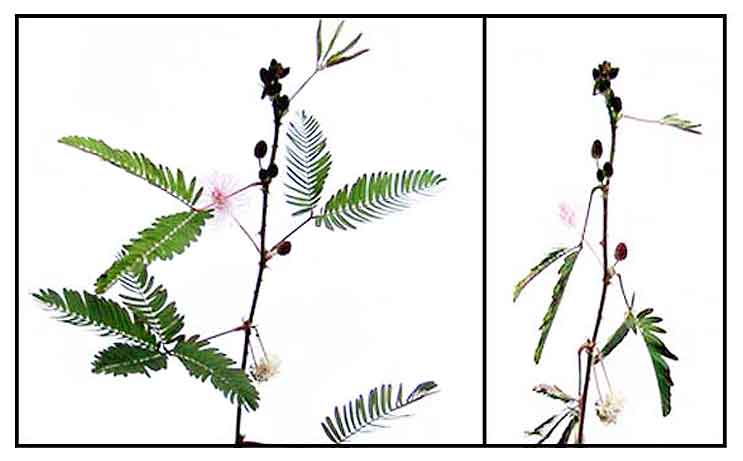
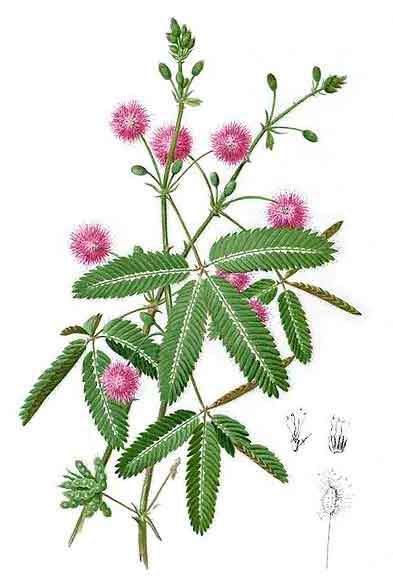
• Makahiya is a diffusely spreading, half-woody
herb, with branched stems up to 1 meter long, sparingly prickly with
numerous deflexed, bristly hairs. The leaves are very sensitive, both
pinnae and leaflets, folding when touched. Pinnae are usually 4, digitately arranged at the end of each petiole, and 4 to 9 centimeters long. The leaflets are narrowly
oblong, inequilateral, 1 to 1.5 centimeters long, sessile, sparingly bristly, with pointed tips.
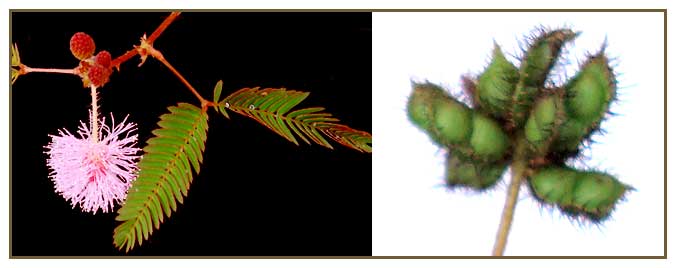
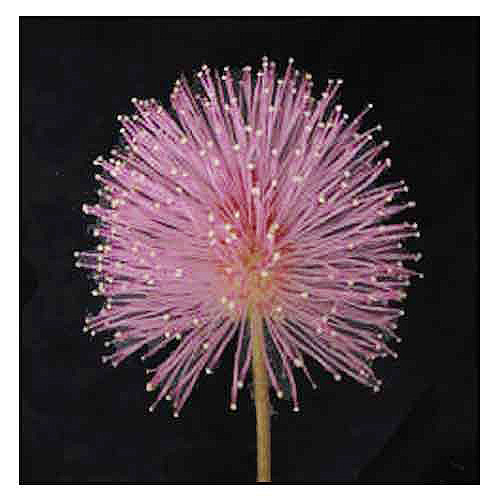
Heads are long-peduncled, solitary or 2 to 3 in each axil, about 1 centimeter in
diameter. Pods are flat, slightly recurved, 1 to 2 centimeters long, with 3 to 5 one-sided joints
that fall away on maturity. Florets are red in the upper part with pink
to lavender filaments.
 Distribution Distribution
- Introduced from tropical America.
- Naturalized.
- Common weed widely distributed
in the Philippines in open, moist, waste places, open grasslands and open thickets, at low and medium altitudes in settled areas.
- Pantropic weed.
- Native to Bahamas, Belize, Bolivia, Brazil North, Brazil Northeast, Brazil South, Brazil Southeast, Brazil West-Central, Cayman Is., Colombia, Costa Rica, Cuba, Dominican Republic, Ecuador, El Salvador, French Guiana, Guatemala, Guyana, Haiti, Honduras, Jamaica, Leeward Is., Mexico Central, Mexico Southeast, Mexico Southwest, Nicaragua, Peru, Puerto Rico, Southwest Caribbean, Suriname, Trinidad-Tobago, Venezuela, Windward Is.
(62)
Constituents
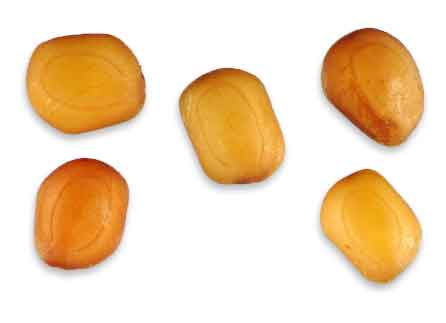
- Seed contains a toxic alkaloid, mimosine, a non-protein alpha-amino acid, known to cause
hair loss and depressed growth in mammals (an unlikely event in humans
as this will require unusually large doses).
- Roots yield flavonoids, phytosterol, alkaloids, amino acids, tannins, glycoside, fatty acids.
- Leaf extract have yielded an adrenaline-like substance.
- Seeds contain a mucilage composed of d-xylose and d-glucoronic acid, yielding 17% greenish yellow fatty oil.
- Plant contains (1) tubulin with an ability to bind colchicene with its sulfhydryl groups. (2) crocetin dimethyl ester.
- Plant yields turgorine.
- Leaves and stems reported to contain the alkaloid mimosine; leaves yield mucilage; the roots yield tannins.
- Proximate composition showed a moisture content of 9.67% ±0.15, protein 8.37% ± 0.15, fat 1.43% ±0.01, ash 3.57% ±0.06, crude fiber 3.30%, carbohydrate 73.7%. Vitamin analysis yielded ascorbic acid 13.5 mg/100g, thiamine 0.60, riboflavin 1.10, and niacin 0.40. (48)
- Methanolic extract of leaves yielded terpenoids, flavonoids, glycosides, alkaloids, quinines, phenols, tannins, saponins, and coumarins. (60)
- Phytochemical screening of crude extract of leaves yielded carbohydrates, alkaloids, cardiac glycosides, coumarin glycosides, saponins, flavonoids, phytosterols, phenols and tannins, proteins and terpenoids. (see study below)
(80 )
Properties
- Considered expectorant, anti asthmatic.
analgesic, antispasmodic, alterant, sedative and antidepressant.
- Roots are bitter, astringent, acrid, alexipharmic, antispasmodic, aphrodisiac, constipating, cooling, diuretic, emetic, febrifuge, resolvent, vulnerary.
- Leaves are bitter, sudorific, tonic.
- Emetic effect attributed to mimosine.
- Studies have suggested antibacterial, antivenom, antifertility, antidepressant, anticonvulsant, and aphrodisiac, antimalarial, hepatoprotective, hypolipidemic, anxiolytic, memory enhancing, hypoglycemic, antinociceptive, nerve regenerative, antimenorrhagic, adaptogenic, anti-angiogenic, sedative, muscle relaxant, thrombolytic, denture-cleansing properties.
Leaflet movement physiology
• The leaflets fold together
in the early evening and reopens at sunrise. It is called bashful or
sensitive because the leaflets fold together on touching, warming and
shaking. The phenomenon is called seismonastic
movement due to a rapid change in turgor pressure and changes in membrane
permeability in the pulvini cells in the leaf regions with rapid movement
of calcium ions. At night, the leaves also fold and bend, termed nyctonastic
movements (reaction to absence of light).
• When the leaflets fold together on touching, they reopen in about 10 minutes.
• Seismonastic Movement / Actin Cystoskeleton:
Study showed fragmentation of actin filaments occurring during bending was involved in the regulation of movement. The effect of phosphatase inhibitors on the actin cytoskeleton
affects dynamic reorganization of actin filaments and causes the seismonastic movement.
• It was first studied by French scientist Jean-Jacques d'Ortous.
Parts utilized
Whole plant, leaves, roots.
 Uses Uses
Edibility
- Herbal tea made from roots, flowers, and leaves; used for various medical conditions. (see below)
Folkloric
- In the Philippines, roots used as diuretic; also used for dysentery and dysmenorrhea.
- Entire plant in decoction used as alterant and antiasthmatic.
- In the Tiaong area, decoction of
roots and leaves drunk for Viagra®-like effects.
- Root considered aphrodisiac, and used for bladder gravel and similar urinary complaints.
-
Decoction or infusion
of leaves used in asthma; expectorant.
- Used for hypertension, menorrhagia, glandular swelling, sore throat and hoarseness.
- Powdered seeds applied to wounds and sores.
- Bruised leaves applied to bruises.
- Decoction of leaves used for diabetes.
 - Powdered roots and leaves taken with milk for piles and fistula. - Powdered roots and leaves taken with milk for piles and fistula.
- Juice applied externally to fistulous sores.
- Poultice of leaves for glandular swellings.
- Leaves and roots used for piles and fistula.
- Used as antifertility agent in some parts of India.
- 1:1 ethanol water extract used for pain relief.
- Seeds used a coffee substitute
- In China, used for treatment
of anxiety and depression.
- In Ayurveda, used as antiasthmatic, aphrodisiac, analgesic and antidepressant; also used in diseases associated with corrupted bile and blood, bilious fever, piles, jaundice, leprosy, ulcers, and small pox.
- In India, used for birth control.
- In Ayurveda, root is used as vulnerary, and for the treatment of leprosy, dysentery, vaginal and uterine complaints, inflammation, asthma, fatigue, and blood diseases. In the Unani
system, decoction
of root is used as a
gargle to reduce toothache. (52)
 - In the Antiles, Guiana, and La Reunion, roots used vomitive. - In the Antiles, Guiana, and La Reunion, roots used vomitive.
- In Indo-China, seeds used as emetic.
- In Mexico, used to alleviate depression.
- In Punjab and Cashmere, seeds used for sore throat.
- In Concan, paste of leaves applied to hydrocoeles and glandular swellings.
- Infusion of leaves used for dysentery; also as bitter tonic.
- Roots used for leucoderma, vaginopathy, metropathy, ulcers, dysentery, inflammations, jaundice, asthma, small pox, strangury, fevers.
- Leaves used for hydrocoele, hemorrhoids, fistula, scrofula, conjunctivitis, wounds and hemorrhages.
- Whole plants used for bladder calculi; externally, for edema, rheumatism, myalgia and uterine tumors.
- Whole plant, crushed, used for itching and scabies.
- In Malaysia, root decoction drunk as tonic; pounded leaves applied as poultice on body swellings. (48)
- In Sri Lanka, crushed leaves applied to wounds to stop bleeding. Aerial parts mixed with sesame oil and applied to skin diseases. Leases used as astringent, sudorific, antispasmodic, and diuretic; applied to glandular swellings. Leaves and roots used to treat hemorrhoids and fistulas. (84)
- In traditional African medicine, used to treat anxiety.
Others
- Agricultural impact: The species can be a weed for tropical plants, particularly when fields are hand-cultivated. Crops it can affect are corn, coconuts, tomatoes, cotton, coffee, bananas, soybeans, papaya, and sugar cane. (27)
- Forage: In some places it has become a forage plant. However, a variety in Hawaii is reported to be toxic to livestock. (27)
- Phytoremediation: In a Thai study of 36 plant species for phytoremediation of arsenic-polluted soils caused by tin mines, Mimosa pudica was one of four species that significantly extracted and bioaccumu-
lated the pollutant into its leaves. Other studies have shown phytoremediative effects on heavy metals like copper, lead, tin, and zinc from polluted soils.
(27)
Studies
• Antimicrobial:
Study showed antimicrobial activity against Aspergillus fumigatus, Citrobacter divergens and Klebsiella pneumonia. (6) Ethanolic extracts activity against B. subtilis, P. aeruginosa, K. pneumonia, A. flavus and T. rubrum. The antimicrobial activity was attributed to the presence of active constituents like alkaloids or tannins.
• Anticonvulsant / Leaves:
Study showed intraperitoneal use of Mimosa pudica decoction protected mice against pentylentetrazol and strychnine-induced seizures. M. pudica had no effect against picrotoxin-induced seizures. It antagonized N-methyl-d-aspartate-induced turning behavior. (7)
• Antifertility Effect / Roots:
Study evaluated dried methanol extract of M. pudica roots for antifertility effect in Swiss albino mice. Estrous cycle reproductive hormones i.e., LH, FSH, prolactin, estradiol and progesterone, along with number of litters were studied. Results showed antifertility effect with prolongation of the estrous cycle and disturbance of the secretion of gonadotropin hormones. (2)
• Antitoxin / Sea Snake Venom:
A study in India screened several herbal plants for antivenin activity
against common sea snake venom Enhydrina schistosa, the most toxic among
the common sea snakes. The investigation showed antivenom activity
in the alcoholic extract of Mimosa pudica, Mucuna pruriens, and Andrographis
paniculata. (3)
• Antitoxin: Study on the aqueous extract of dried roots of Mimosa pudica showed significant inhibitory effect on Naja naja and Bangarus caerulus venoms. (9)
• Antitoxin / Venom Neutralizing: Of 17 plants screened, only M pudica showed 100% ability in neutralizing venom lethality. Study showed the potential use of M pudica as an antivenom agent of plant origin against five poisonous snake venoms found in Malaysia.
• Two new C-glycosylflavones from
Mimosa pudica: Two new C-glycosylflavones were isolated
from the whole plant of Mimosa pudica, and their structures were determined
as 6,7,3?,4?-tetrahydroxyl-8-C-[?-l-rhamnopyranosyl-(1 ? 2)]-?-d-glucopyranosyl
flavone (1), 5,7,3?,4?-tetrahydroxy-8-C[?-d-apiose-(1 ? 4)]-?-d-glycopyranosyl
flavone (2). (4)
• Chromoblastomycosis:
Study isolated Fonsecaea from the thorns of M pudica and suggests it could be a natural source of infection for the fungus Fonsecaea pedrosoi.
• Seed Mucilage / Sustained-Release Excipient:
Study showed the dissolution profile from formulation containing mucilage to drug in the proportion of 1:40 was found to be similar to the commercial sustained-release formulation of diclofenac.
• Antidepressant / Anxiolytic / Leaves: Study evaluated aqueous extracts for antidepressant activity using forced swimming tests and anxiolytic activity using elevated plus maze test. Results showed an antidepressant -like profile similar to two tricyclic antidepressants.(15)
• Mimosine / Anti-Malarial: Mimosine found to be an iron chelator
acting on malarial bugs by preventing the replication of cells.
• Apoptotic: Mimosine also causes apoptosis an d studied for treating ovarian
cancer and other highly vascularized tumors.
• Anthelmintic / Leaves The Anthelmintic effect of Makahiya (Mimosa pudica) leaves Extract
in Native Chicken (Gallus domesticus) naturally infected with Gastrointestinal Parasites (Thesis) (5)
• Anti-Hepatotoxic / Antioxidant: Study showed the co-administration of Mimosa pudica aqueous extract significantly lowered the level of lipid peroxidation in alcohol-fed mice. (16)
• Anti-Hyperglycemic / Antidiabetic: Mimosa pudica is one of eight medicinal plants in an Ayurvedic herbal formulation, Ilogen-Excel, showing antihyperglycemic effect in STZ-induced diabetic rats. (17)
• Nerve-Regenerative: (1) Study showed Mimosa pudica extract possess nerve-regenerative potential in rats with sciatic nerve injury. (2) In rats with experimentally injured sciatic nerves, nerve regeneration was 30-40% higher in rats treated with M. pudica extract than the hydrocortisone treated group.
• Antidiabetic Activity / Leaves: In a study of alloxan-induced diabetic rats, the ethanolic extract of Mimosa pudica leaves showed significant decrease of blood glucose level compared with Metformin as standard drug. (18)
• Antioxidant / Antibacterial: Comparative antioxidant, antibacterial and general toxicity studies on extracts of two Bangladeshi medicinal plants, M pudica and M rubicau, showed both exhibited prominent antioxidant property. While M. rubicaulis did not show any antibacterial activity, M pudica displayed considerable bacteriostatic activity against all six bacterial strains tested - B cereus, B subtilis, E coli, ampicillin-resistant E coli, S aureus and P aeruginosa. (20)
• Antinociceptive / Toxicity Studies: In an acute toxicity study, a single dose of aqueous extract of 2000 mg KBW showed no clinical signs of toxicity or mortality. Study also showed dose-dependent central and peripheral analgesic property. (22)
• Hypolipidemic / Leaves: Study screened a chloroform extract for hypolipidemic activity in hyperlipidemia induced by an atherogenic diet in Wistar albino rats. Results showed significant hypolipidemic effect with lowering of the serum levels of biochemical parameters (lowering of TC, triglycerides, LDL,VLDL) with a significant rise in HDL, similar to standard drug atorvastatin. The extract showed significant protection of the atherogenic index against hyperlipidemia. Biologically active phytoconstituents such as flavonoids, glycosides, and alkaloids may be responsible for the hypolipidemic effect. (23)
• Tannins / Antivenom: Study showed tannins obtained from M. pudica was better than tannic acid in neutralizing the lethality of N. kaouthia venom in vitro. Results suggest M. pudica has a potential for treating N. Kaouthia snakebites. (25)
• Wound Healing / Roots:
(1) Study of the methanolic extract exhibited good wound healing activity, an effect attributable to phenol constituents. (2) Study of shoot and root extracts showed good wound healing activity when compared to standard drug Gentamicin. (3) In an incision wound model, topical application of chloroform and methanolic root extracts showed wound-healing activity with a significant rise in breaking strength, dry weight, and hydroxyproline content of the granulation tissue. (12)(28)(29)
• Hepatoprotective / Carbon Tetrachloride Induced Toxicity: Study evaluated the hepatoprotective effect of a methanolic extract of leaves of M. pudica in carbon tetrachloride induced liver damage in wistar albino rats. Results showed significant hepatoprotective effect with lowering of biochemical parameters and confirming histopathological changes. Results were comparable to standard hepatoprotective drug Silymarin. Effects may be due to active phytoconstituents flavonoids, glycosides, and alkaloids. (31) The oral administration of crude powder of Mimosa pudica showed hepatoprotective activity of M. pudica on experimentally induced carbon tetrachloride hepatotoxic rats. (54)
• Antiulcer: Evaluation in rats of extracts of M. pudica for anti-ulcer activity in ulcer models -- aspirin, alcohol, and pyloric ligation -- showed the alcoholic extract to significantly decrease the volume of gastric acid secretion, PH, free acidity and ulcer index. (32)
• Homeopathic Mother Tinctures: Study showed significant differences in samples of mother tinctures. Alcohol content influenced the viscosity of tinctures.
• Antioxidant Activity: Study evaluated the total flavoring (TF) and total phenolic (TP) contents of ethanol extracts of whole plant, stem, leaf, and seed. Results showed the leaf extract with the highest amount of TF and TP, Results suggested Mp could be a potential rice source of natural antioxidants. (33)
• Antioxidant: Study evaluated the in vitro antioxidant effect of an ethanolic extract of Mimosa pudica against free radical damage by different assay methods (DPPH, NO, ABTS, and H2O2). Results showed potent activity on Nitric Oxide and DPPH, compared to ascorbic acid and rutin as standards. (34)
• Nootropic: Study evaluated nootropic effects in both acute and chronic models of amnesia induced by scopolamine and AlCl3. Results confirmed nootropic (cognition enhancement) activity of EEMP, attributed to flavonoids and its antioxidant property. (35)
• Analgesic / Anti-Inflammatory: Study evaluated an ethanolic extract for analgesic and anti-inflammatory activity. Results showed potent antinociceptive action confirming the extract's central activity. In a carrageenan-induced paw edema model, results clearly demonstrated anti-inflammatory activity. (36)
• Antitumor / Glycosylflavones: Six glycosylflavones isolated from Mimosa pudica were evaluated for antitumor activity. Results showed inhibition on the proliferation of three tumor cells studies, viz. MCF-7, JAR, and N-2 A. (37)
• Cytotoxicity / Antioxidant: Various extracts of different plant parts (aerial parts and root) were screened for in vitro cytotoxicity, antioxidant, and antimicrobial activities. The methanolic crude extract of aerial parts showed moderate antioxidant activity. The petroleum ether and methanol crude extract showed potential cytotoxic activities by brine shrimp lethality assay. All crude extracts showed poor or no activity against test organisms. (38)
• Mimosine Extraction: Mimosine, β-[N-(3-hydroxypyridone-4)]-α-aminopropionic acid, occurs in the shoots and stem of Mimosa pudica L. Study describes the extraction of mimosine using leaves, branches, and stems of sensitive plants aged about 4 months. Mimosine solution extracted by 70% ethanol solvent was condensed by releasing ethanol to make drinks. The product contains a variety of amino acids and minerals. (39)
• Hypolipidemic / Butter Induced Hyperlipidemia: Study evaluated the hypolipidemic activity of M. pudica extract n high fat diet induced models of hyperlipidemia in rats. An ethanol extract showed significant hypolipidemic effects with decrease in TC, LDL, Triglycerides, and VLDL, and increase in HDL comparable to standard drug Lovastatin. (40)
• Anti-Asthmatic / Roots: Study evaluated the antiasthmatic activity of aqueous extract of Mimosa pudica on in vitro and in vivo animal models. Results showed anti-asthmatic activity which could to attributed to bronchodilating, antihistaminic (H1-antagonist), mast cell stabilizing properties, suggesting potential in prophylaxis and management of asthma. (42)
• Adaptogenic / Nootropic: Study evaluated the adaptogenic activity of an ethanolic extract of Mimosa pudica in chronic Alzheimer's model. Results showed significant improvement in memory, observed from test models, viz. morris water maze, radial arm maze. For adaptogenic testing, using Forced swim test, the EEMP showed significant reduction in swimming endurance time. Results suggest the EE at dose of 500 mg/kbw p.o. produces potential changes in chronic Alzheimer's model and stress. (43)
• Suppressive Effects on LPS-Induced Pro-Inflammatory Mediators: Study isolated fourteen compounds from extract of whole plant. Some compounds were tested for anti-inflammatory effects, viz. ethyl gallate (3), gallic acid (10), caffeic acid (7), L-mimosine (12), jasmonic acid (11), crocin (14) and crocetin (4). The compounds showed anti-inflammatory effects in vivo and in vitro through reduction of LPS-induced pro-inflammatorry mediators. (44)
• Pilot Clinical Studies on Menorrhagia: 1986 Pilot clinical studies evaluated Mimosa pudica in women with excessive menstrual bleeding. Findings showed promise for further detailed trials in a larger sample size of patients with dysfunctional uterine bleeding. Tolerability of M. pudica was good. Result suggest conventional phase 1 studies with organ function tests, prior to embarking on large scale phase III studies. (45)
• Anti-Inflammatory / Leaves: Study evaluated an ethanolic extract of M. pudica leaves using carrageenan induced paw edema and cotton pellet granuloma testing in albino rats. Results showed significant dose dependent anti-inflammatory effect in acute and chronic phases of inflammation. (46)
• Antifungal: Study evaluated the antifungal activity of M. pudica extract against five potentially pathogenic microorganisms: Trichophyton mentagrophyte, T. verrocuson, Microsporum nanum, Aspergillus niger, and A. flavus. Antifungal activity against the isolates increased significantly with concentration. No activity was seen against Aspergillus niger. (47)
• ß-Adrenoreceptor Mediated Relaxation of Myometrium: Study investigated the molecular mechanism of tocolytic activity of methanol extract of M. pudica seeds on isolated uterine strips of pregnant buffaloes. Results showed concentration dependent inhibitory effect on buffalo myometrium, probably through inhibitory ß-receptors. Calcium channels did not seem to regulate the tocolytic effect of the seeds extract. (50)
• Antimalarial / Leaves: Study evaluated the ethanolic extract of leaves of P. niruri and Mimosa pudica for antimalarial activity against Plasmodium berghei infections in mice. The leaf extracts showed significant antiplasmodial activity in all three models of antimalarial evaluation. Phytochemical screening yielded antiplasmodial constituents such as terpenoids, flavonoids, and alkaloids. (53)
• Anti-Inflammatory / Free Radical Scavenging: Study evaluated the in vitro free radical content and anti-inflammatory activity of Mimosa pudica using carrageenan-induced paw edema assay and cotton wool granuloma in rats. Results showed the ethanolic extract of MP possesses potent anti-inflammatory activity possibly due to its free radical scavenging properties. The reference drug was ascorbic acid. (54)
• Analgesic / Antiepileptic / / Free Radical Scavenging: Study of ethyl acetate extract of leaves of Mimosa pudica on rodents showed potent dose dependent analgesic activity by hot plate, tail flick, and acetic acid-induced writhing in rats. Antiepileptic activity was evidenced by significant reduction in the duration of seizures induced by MES and delayed onset of tonic-clonic seizures produced by PTZ and INH. Decreased locomotor activity was assessed through actophotometer, rotarod test, and traction test in mice. (55)
• Phytochemical Profiling / Bioactive Compounds: Study GC-MS study and phytochemical profiling yielded a number of bioactive phytocompounds such as glycerin, phytol, myo-inositol and squalene, all of which possess a wide range of proven therapeutic uses. (56)
• Immunomodulatory / Free Radical Scavenging / Flavonoids: Flavonoid isolated from dried samples of M. pudica exhibited dose dependent enhancement of activity in DPPH and hydroxyl radical scavenging assays. The flavonoids also showed in vitro growth stimulatory effect on isolated normal lymphocytes. (57)
• Diuretic: Study evaluated M. pudica for diuretic activity using the lipschitz test. Results showed significant diuretic activity at doses of 100 and 200 mg/kbw by increasing total urine volume and ion concentration of Na, K, and Cl. Furosemide was used as standard drug. (59)
• Aphrodisiac / Roots: Study evaluated M. pudica ethanolic extract of roots for its effect on libido of sexually normal Swiss albino male mice. General libido and potency was compared with standard reference drug sildenafil citrate. Results showed a significant and sustained increase in the aphrodisiac activity of normal male mice, with increased libido and hormone levels of testosterone, without adverse effects. (61)
• Glucuronoxylan / Drug Release Formulation / Seeds: Glucuronoxylan, a polysaccharide extruded from the seeds of M. pudica, is used for drug release (delayed/targeted/sustained release) formulations due to its high swelling index. M. pudica (Singh et al 2009; Kumar & Kumar 2011; Ahuja et al 2013) (63)
• Mimosine: Mimosine, a ß-[N-(3-hydroxypyridone-4)]-α-aminopropionic acid, occurs in the shoots and stem of Mimosa pudica. Mimosine is synthesized from 3,4-dhydropyridine and O-acetylserine through the action of an isoform of cystein synthase. Mimosine has various pharmacological properties i.e., antimicrobial, the ability to block the cell cycle before G1/S transition, inhibit cardiac fibrosis, prevent neuronal death. (39)
• Alternative Therapy for Urinary Tract Infections / Roots: Study evaluat3d the therapeutic effect of root extracts against urinary tract infections. Results suggest decocted roots of M. pudica is comparable in effect to commercial drug in the treatment of urinary tract infection. (64)
• Anxiolytic / Antidepressant: The review focuses on the anxiolytic and antidepressant properties of M. pudica. The anxiolytic activity of M. pudica could be explained by the present of some components in extracts that interact with benzodiazepine/GABAA receptors as agonists, or with 5-HT1A receptors as agonists, or with NMDA receptors as antagonists. (65)
• CNS Depressant / Antinociceptive / Aerial Parts: Study evaluated the CNS depressant (open field and hole cross test) and antinociceptive activity (acetic acid writhing test and formalin induced pain) of methanolic extract of aerial parts. In open-field and hole cross test, there was statistically significant (p<0.05) decrease in locomotor activity. There was significant (p<0.05) and dose dependent decrease in writhing effects in acetic acid and formalin induced inflammatory pain. (66)
• Analgesic / Antiepileptic
/ Leaves: Study evaluated the antiepileptic and analgesic properties and effect of leaves on motor activities on rodents. The ethyl acetate extract showed dose-dependent analgesic activity. There was also dose-dependent improvement in motor performance. Extract showed significant reduction (p<0.01 and p<0.001) reduction in duration of seizures induced by maximal electro shock (MES) and delayed duration of convulsion against seizure induces. (67)
• Diuretic / Laxative / Leaves: Study evaluated methanol extract of leaves for diuretic and laxative activities in wistar albino rats. Results showed significant diuretic as well as laxative activities in a dose dependent manner. Activities were comparable to furosemide and agar-agar. (68)
• Antifungal / Leaves: Study evaluated ethanol and aqueous extracts of M. pudica leaves against fungi isolated from razor bumps. Trichophyton verrucosum and T. soudanense showed the highest diameter of zone of inhibition. Antifungal activity of ethanol extracts showed to be more effective than aqueous extracts. (69)
• Diuretic / Roots: Study evaluated the diuretic activity of ethanolic extract of root in albino rats. Results showed significant diuretic activity as evidenced by increased urine volume and enhancement of elimination of sodium, potassium, and chloride. Results suggest a beneficial role in volume overload conditions. (70)
• Hypoglycemic / Hypolipidemic: Study evaluated the hypoglycemic and hypolipidemic activities of 80% ethanol extract of whole plant of Mimosa pudica in STZ-induced diabetic rats. The extract significantly (p<0.05) decreased FBG in diabetic rats and decreased TC, TG, and LDL while increasing HDL in diabetic rats. (71)
• CNS Activities / Anxiolytic: Study evaluated the CNS effects of Mimosa pudica in mice. Results showed increase in locomotor activity in extract treated mice as evidenced by a significant increase in open arm entries. The decrease in time spend in closed arm reflects anxiolytic property. (73)
• Wound Healing Activity / Leaves: Study evaluated the wound healing of ethanol extract of leaves in rats using excision and burn wound models. Results showed 73% and 92% reduction in wound area compared to control of 28%. In excision model, there was faster epithelialization and higher wound contraction which increased with concentration. (74)
• Antibacterial / Leaves: Study evaluated the antibacterial activity of leaf extracts against human pathogens. Results showed strong inhibition of growth of Bacillus subtilis and Staphylococcus aureus, and no activity against Candida albicans. (75)
• Renewable Source of Green Energy: The increased interest in solar energy led to the development of innovative technologies such as the use of Mimosa pudica as a renewable source of green energy. The parts of the plant containing black silicon, a semiconductor, were isolated. When a cell concentrate is exposed to the sun, an equivalent amount of energy is absorbed, which will cause the concentrate to split water molecules and produce a current. Mimosa pudica presents a potential renewable green-energy alternative as solar fuel, with a source that is abundant and easily available, and a product that is replicable and sustainable. (76)
• Wound Healing / Whole Plant: Study evaluated the wound healing potential of ethanol extract of dried powder of whole plant on deep dermal excision wounds in mice. Results showed dose dependent increase in wound contraction along with reduction in mean wound healing time. Study suggests enhanced wound healing by increased synthesis of collagen, hexosamine and DNA as well as glutathione concentration and activities of catalase and superoxide dismutase enzymes, along with reduction of nitric oxide synthesis and lipid peroxidation. (77)
• Seed Mucilage as Bucoadhesive Polymer: In the study, buccal discs of fluconazole were prepared using Mimosa pudica seed mucilage as mucoadnesive polymer. Results showed that polymer/excipient ratio and compression force are significant factors affective bioadhesion time and percentage release. Results showed Mimosa mucilage is a promising mucoadhesive polymer for buccal delivery of drugs. (78)
• Potential as Biopreservative for Food Products: Various parts of Mimosa pudica exhibit antimicrobial activities against a wide range of food borne pathogens. The review presents up-to-date picture on the potential use of natural antimicrobials derived from M. pudica from a bioprocessing point of view that could be key to successful production of plant-based biopreservatives in the food industry. It mentions the concept of minimal processing or use of whole plants as it lowers cost of production. Besides, phytochemicals, it suggests looking into the presence of plant antimicrobial peptide (PAP) as biopreservative. (79)
• Anthelmintic / Leaves: Study evaluated various concentrations of methanol and water extracts of M. pudica for anthelmintic activity in measures of time of paralysis and time of death of the Pheretima posthuma worms. Results showed anthelmintic activity at all concentrations of both extracts, comparable with the standard drug, albendazole. The methanol extract showed highest activity, better than the aqueous extract and albendazole. (see constituents above) (80) Study evaluated the anthelmintic activity of different concentrations of various extracts of seeds of M. pudica using Pheretima posthuma as test worm. A crude alcoholic extract and aqueous extract significantly demonstrated paralysis and death of worms in a dose dependent manner as compared to standard albendazole. Further studies are suggested to isolate the active principles responsible for the anthelmintic activity (86)
• Adverse Effect of Tannin / Roots: Tannins have been used in plant therapeutics with contrasting opinions on safety. This study investigated the safety of total tannin extracted from the root of Mimosa pudica plant in mice. Results showed M. pudica tannin at highest dose test of 2.5 mg/mL significantly elevated the levels of serum ALT and AST, with no changes in ALP and GGT levels. The cytotoxicity was found to be with CTC50 values of 0.0653 and 0.119 mg/mL in vero and MDCK cell lines, respectively. Liver and kidney histopathology showed distinct toxic effects at highest concentration tested.. Results suggest adverse effect associated with tannins is concentration dependent and suggest caution in the determination of safe levels of tannin before usage. (81)
• Effect on Anxiety, Depression and Memory / Leaves: Study evaluated the neuropharmacological effects of ethyl acetate extract of M. pudica leaves on anxiety (elevated plus maze method), depression (forced swimming, tail suspension, and open field tests), and learning and memory (EPM, passive avoidance tests) in a mouse model. Studies showed significant antianxiety activity, anti-depressant, and memory enhancing activities mediated through multiple mechanisms. Acetylcholinesterase and caspase-3 activity were significantly (p<0.05) changed. (82)
• Antimicrobial / Flavonoid Fractions / Leaves: Study evaluated the antimicrobial effects of flavonoids isolated from M. pudica leaves. The flavonoids were able to inhibit all bacteria tested, i.e., S. aureus, B. subtilis, P. mirabilis, P. aeruginosa, E. coli and S. typhi. Results suggest the flavonoids have potential as natural antimicrobial substances to replace synthetic antibiotics. (83)
• Acute Oral Toxicity of Glucoronoxylan Hydrogel / Safety / Seeds: Study evaluated the acute toxicology of glucuronoxylan hydrogel (GXH) isolated from M. pucica seeds in albino mice. Results showed no significant abnormalities in hematological and biochemical parameters. Histopathological evaluation of vital organs showed no lesions. Ocular, cardiac, and dermal safety of GXH was also established. (85)
• Anxiolytic / Myorelaxant: Study in mice evaluated the anxiolytic and myorelaxant properties of M. pudica using behavioral tests using stress-induced hyperthermia, elevated plus maze, open field and hole board parameters. Horizontal wire and rota-rod tests were used for evaluation of myorelaxant properties. Results showed M. pudica contains an effective psychotropic agent that acts via the benzodiazepine site of the GABAa receptor complex as an anxiolytic at low doses and as a muscle relaxant at higher doses. (87)
• Hepatoprotetive / CCl4 Hepatotoxicity: Study in male albino mice demonstrated hepatoprotective activity of M. pudica on CCl4-induced jaundice in albino rats. The hepatoprotective effect may be due to presence of constituents like alkaloid, tannins, glycosides, terpenoids, flavonoids and saponins. (88)
• Gold Nanoparticles / Flowers: Study reports on the use of M. pudica flower extract in the synthesis of gold nanoparticles (AuNPs). FTIR analysis of the flower extract and AuNPs showed the possibility of phenolic group as responsible for the reduction of Au. The synthesized AuNPs were stable and well-capped with potential for biomedical applications such as contrasting agents in bio-imaging. (89)
• Neuropharmacological Effects / Flowers: Study evaluated the neuro-pharmacological effects of M. pudica on Swiss albino mice using open field, light-dark box, elevated plus maze, tail suuspension, forced swim, Y-maze, hole cross, and social interaction tests. The extracts at doses of 200 and 400 mg/kbw showed notable effects on neurobehavioral parameters, similar to convention medications Diazepam and Escitalopram (1 mg/kbw). Results suggested the potential of chemical properties to reduce anxiety and depression, along with effects on memory and learning. (90)
• Anxiolytic / Muscle Relaxant / Flowers: Study evaluated anxiety-related responses of 2-month old mice to stress-induced hyperthermia, elevated plus maze, elevated T maze, open field and hole board tests. Results suggest M. pudica contains an effective psychotropic agent that acts via the benzo-diazepine site of the GABAA receptor complex as an anxiolytic at low doses and as muscle relaxant at higher doses. Results in part justify and confirm the use of the plant extract as anxiolytic. (91)
• Antibacterial / Antioxidant / Mimosine: Study evaluated the invitro antioxidant and antibacterial potency of ethyl acetate extract of M. pudica from the Terai region of Nepal. Total phenolic and flavonoid contents were 418.6 mg GAE/g dried extract and 14.126 mg QE/g dried extract, respectively. Extract showed potent free radical scavenging activity with IC50 of 158.95 µg/mL. Extract showed antibacterial activity against Gram(+) Staphylococcus aureus (15 mm) and Bacillus cereus (22 mm) and Gram(-) E. coli (17 mm) and Klebsiella pneumonia (16 mm) at 200 mg/mL. In silico analysis suggests L-mimosine is a potent antibacterial compound with potential as novel antibacterial against antibiotic resistance. (92)
• Thrombolytic Potential: Study evaluated the in vitro thrombolytic potential of M. pudica using crude plant extract using Euglobulin Clot Lysis Time (ECLT). The mean % ECLT in minutes of samples treated with Makahiya extract, Streptokinase, and untreated blood samples were 3.27, 2.33, and 360 respectively. Results showed an in vitro thrombolytic potential on citrated platelet poor plasma. (93)
• Sedative / Leaves: Study evaluated the sedative effect of Mimosa pudica leaves extract in male mice and compared it with standardized herbal medicine Lelap. A 5% concentration showed no significant difference. At suspension concentration of 10 and 20% there was the same sedative effect as deep sleep. Further studies are suggested to search for other parts of the plant with a stronger sedative effect. (94)
• Aphrodisiac Effect: Mimosa pudica is believed to have aphrodisiac and sexual behavior-enhancing properties. Study of ethanolic extracts showed significant effect in scavenging excessive free radicals and alleviating the deleterious effects of alloxan-induced diabetes on the male sexual system of rats. Treated rats recovered body weight, weight of reproductive organs, characteristics of sperm and histocellular arrangement of the testes, increase in antioxidant enzymes, reduced oxidative stress markers, along with significant increase in levels of hormones (testosterone, FSH, and leteinising hormone) in both serum and testicular homogenates of treated male diabetic rats. In silico molecular docking study identified two bioactive compounds, 3-Dibenzofuranamine (-11.1 kcal × mol-1), Stigmasta-7,16-dien-3-ol (-10.4 kcal × mol-1) that showed highest binding affinities with PDE5 enzyme, much higher than reference drug sildenafil (-9.9 kcal x mol-1). Results suggest bioactive compounds rich in the ethanolic extract of M. pudica have significant aphrodisiac performance effects in diabetic rats. (95)
• Anti-Angiogenic: Study evaluated the anti-angiogenic effects of different concentrations of mimosine, flavonoids, tannins, etc. from aqueous root extract (ARE) of Mimosa pudica on chorioallantoic membrane (CAM) of developing duck embryo. Results showed AREs of M. pudica at 10, 20, and 30% concentrations significantly exhibited anti-angiogenic effects, and as concentration increases, the branching point of embryos decreases. Results suggest potential use of root extract for further studies on abnormal angiogenesis and evasion of apoptosis in cancer treatment. (96)
• Antibacterial / Dermal Toxicity Study / Combined Makahiya and Bayabas Leaves: Study evaluated the acute dermal toxicity and antibacterial activity of combined leaf extracts of Makahiya (Mimosa pudica) and Bayabas (Psidium guajava) against S. aureus and P. aeruginosa. Doses of 1000 and 2000 mg/kg showed no positive signs of skin toxicity. The extract showed weak antibacterial activity against P. aeruginosa and moderated activity against S. aureus. (97)
• Denture Cleanser / Roots: Study evaluated the properties of crude extracts of Makahiya roots for use as denture cleanser. Prostheses with attached calcular deposits were used. The crude extract used as denture cleanser was compared with a commercially available denture cleanser. The denture soaked in Makahiya crude extract showed removal of some dentral calcular deposits, while the denture soaked in commercial cleanser showed fewer changes. The crude extract of roots tested positive for flavonoids, which can soften hard calcular denture deposits. Results suggest the crude extract to be an effective denture cleanser. (98)
• Herbal Tea for Dysmenorrhea: Decoction of mimosa pudica is commonly used to treat dysmenorrhea. Study evaluated M. pudica to pinpoint the vital compounds involved in alleviating dysmenorrhea. Phytochemical analysis revealed steroids, flavonoids, saponins, and tannins. Study suggests M. pudica tea can be used as alternative treatment for women suffering from dysmenorrhea. (Note: No mention was made of plant parts used. Folkloric use reports on the use of roots) (99)
• Potential of Herbal Combination as Bio-Hand Sanitizer: Study evaluated the herbal combination of ethanolic extracts of Makahiya, Alugbati, and Mayana in a bio-hand sanitizer formulation assayed against Escherichia coli at 75% and 100% concentrations using filter paper disc diffusion method. a commercial hand sanitizer, streptomycin as positive control, and water as negative control The bio-hand sanitizer performed better than hygenix, and even higher than streptomycin. Results suggest remarkable antimicrobial activity of the formulated bio-hand sanitizer against the common human pathogen, E. coli. (100)
• Inhibition of Tumor Angiogenesis: Study evaluated the anti-angiogenic properties of makahiya (Mimosa pudica) and paper flower (Bougainvillea glabra) using chorioallantoic membrane (CAM) assay on fertilized duck eggs. Results showed the makahiya extract, particularly at 0.3 mL concentration, exhibited highest effectiveness in alleviating cell division with lowest post-treatment vascularity mean of 1.20. This was followed by the combined extract of makahiya and paper flower at 0.2 mL, and lastly by the paper flower extract. (101)
• Effect on Blood Glucose, MDA Levels and Histopath / Leaves: Study evaluated an ethanol extract of Mimosa leaves for effect of blood glucose levels in an animal model of Wistar rats induced with STZ. Results showed M. pudica leaves significantly lowered blood glucose and malondialdehyde levels of rats with hyperglycemia at 150 mg/kbw. LCMS/MS analysis of ethanol extract of leaves revealed seven compounds that could decrease blood sugar and MDA levels: DL-valine, indoline, 2-quinolinol, trans-anrthole, luteolin, apigenin, linoliamide, and luteolinin. Histopathological exam of pancreas of treated hyperglycemic rats showed changes in Langerhans cells close to normal pancreatic tissue conditions. (102)
Availability
- Wild-crafted.
- Tinctures, powders, seeds, extracts, supplements in the cybermarket.
|