|
Botany
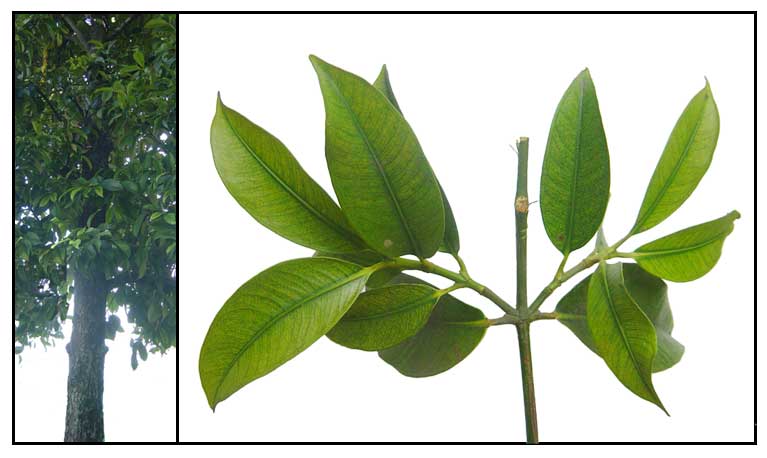
Mangosteen is a smooth, conical tree growing up
to 10 meters high, outer bark smooth, dark brown, inner bark yellowish,
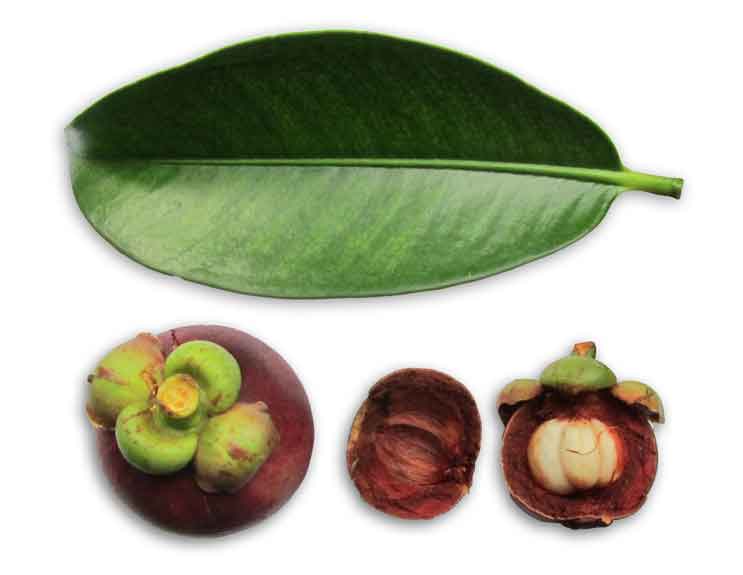
branches nearly horizontal; leaves opposite, thick, leathery,
15 to 25 centimeters long, 6 to 11 centimeters wide, lanceolate, base tapering,
apex acuminate, upper surface glossy, under surface dull, lighter
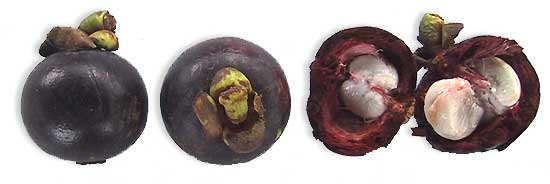
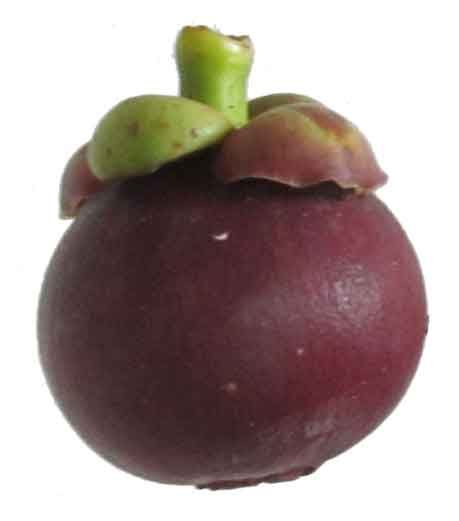
color, petioles about 1 centimeter long; fruit a berry, dark purple,
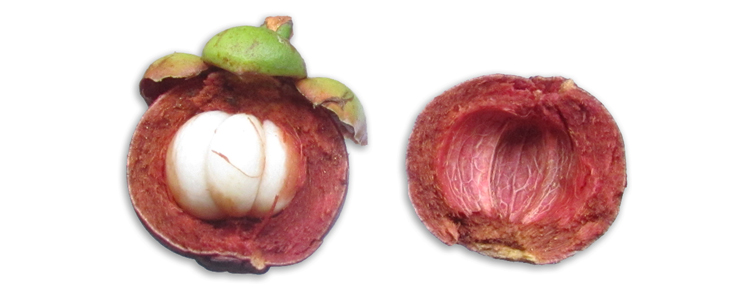
globose, 5 to 7 centimeters in diameter, smooth; rind firm, spongy, thick,
resinous; seeds 4 to 8, dark brown, flattened, each surrounded
by white or pinkish-white, juicy, sweet, edible pulp.
Distribution
and Production
- Usually planted in parts of Mindanao and in the Sulu Archipelago, occasionally in other regions, as far as Sorsogon.
- Probably introduced from Malaya.
-
Propagated by seeds which are immediately sown after extraction to obtain
a high percentage of germination. Grows well in high rainfall area like
Mindanao, with deep, fertile, and well-drained, slightly acidic soils.
Under optimal conditions, maximum fruit yield ranges from 200 to 800
fruits per tree per cropping season.
Constituents
• Rind contains 5.5% tannin, and
a resin.
• Also from the rind, a bitter principle, mangostin.
• Fruit flesh (aril) contains saccharose 10.8%; dextrose, 1%;
and kerrelose 1.2 %.
• Acidity of fruit due to malic acid.
• Xanthones isolated from from peel, whole fruit, bark and leaves. y• Recent studies have isolated a new xanthone from the pericarp,
mangostinone, and a new polyoxygenated xanthone, mangostanol, from the
fruit hulls.
• From the green fruit hulls, 3 new xanthones: mangostenol, mangostenone
A and mangostenone B.
• Bark yielded a new xanthone, mangosharin (2,8-dihydroxy-6-methoxy-5-(3- methylbut-2-eny1)-xanthone) together with six other xanthones, a-mangostin, P-mangostin, garcinone D, xanthone 1, 1,6-dihydroxy-3,7-dimethoxy-2-(3-methylbut-2- eny1)-xanthone and mangostanol and one triterpenoid, friedelin.
• Nutrient analysis of mangosteen per 25 g edible part yields: calories 17 (67calories/100g), total dietary fiber 0.35g,
carbohydrates 4.38g, protein 0.15g, fat 0.05g; (vitamins) vitamin E-alpha tocopehrol 0.15mg, vitamin B1 0.03mg, vitamin B2 0.01mg, niacin 0.13mg, folate 5µg, pantothenic acid 0.08mg, biotin 0.15µg, vitamin C 0.75mg; (minerals) sodium 0.25mg, potassium 25mg, calcium 1.5mg, magnesium 4.5mg, phosphorus 3mg, iron 0.03mg, zinc 0.05mg, copper 0.02mg, manganese 0.09mg, selenium 0.5µg. (33)
• A least 68 distinct xanthones have been identified from different parts of the mangosteen plant, fifty of which are present in the fruit's pericarp at higher concentrations than the aril or edible fruit portion. The most abundant pericarp xanthones are α- and y-mangostin; others are -mangostin, gartanin, 8-deoxygartanin, garcinones A, B, C, D, and E, mangostinone, 9-hydroxycalabaxanthone, and isomangostin, among others. (47)
• Preliminary phytochemical screening of dried and powdered fruit hulls yielded carbohydrate, glycoside, flavonoid, organic acid, phenolic compound, reducing sugar and tannin, with absence of a-amino acid, alkaloid, steroid, and cyanogenic glycoside. (see study below) (65)
- Study of EtOAc-soluble fraction of ethanolic extract of G. mangostana pericarp yielded two new xanthones, garcimangosxanthone F (1) and
garcimangosxanthone G (2). (70)
Properties
- Numerous studies have shown that xanthones possess antibacterial, immunomodulatory, antiproliferative, antioxidant, anti-inflammatory, anticarcinogenic activities.
Parts
utilized
- Pericarp (peel) and seeds.
- Pericarp which is used as medicine is separated from the edible
portion and is sliced into desired sizes immediately after the
fruit is opened. The pericarp pieces are strung and dried (air-drying,
sun-drying, and "tapahan" method where the pericarp
is dried by smoking) immediately to avoid fungi infestation.
Sun-dried pericarp yield the highest tannin concentration of
5.5%.
Uses
Folkloric
- Abdominal pain and diarrhea.
- Decoction of roots used for dysmenorrhea and genitourinary ailments.
- Bark and young seeds used in diarrhea, dysentery, and GI problems; also,
a wash for stomatitis.
- Decoction of leaves and bark used as febrifuge and to treat thrush.
- Decoction of powdered rind used for external astringent application.
- In Cambodia, the bark and fruit rind are
used for diarrhea and dysentery.
- In Malaya, infusion of leaves mixed with unripe banana and benzoin used
for the circumcision wound.
- Used for cystitis and gonorrhea.
Others
Dye: (1) In Malaya, a black dye is obtained
from the shell. (2) Aqueous extract of pericarp of Garcinia extracted a camel brown to dark chocolate brown dye for dyeing cotton silk and wool yarn.
Chewstick: In Ghana, mangosteen twigs used as chewsticks.
 Superfruit status Superfruit status
- Xanthones,
an ingredient in the mangosteen fruit that is being touted as the new
"miracle" supplement-drink. See: Xanthones.html
- Aggressive marketing of health-promoting benefits
has earned it a "superfruit status" with 2008 sales in the USA exceeding $200 million despite limited animal and human studies. (47)
- Products marketed as mangosteen juice are often blends of numerous fruit juices with mangosteen being one of the less abundant components. Xango®, a bestselling mangosteen product contains mangosteen puree, and a blend of juices from grape, pear, apple, blueberry, strawberry, raspberry, cranberry, and cherry. (47)
- The claims and testimonials being made on benefits of mangosteen and xanthones are quite extraordinary, many unsupported by scientific studies.
- In the Philippines xanthones/herbal supplements are marketed as MX3 and Guyasteen (guyabano and mangosteen).
Studies
• Xanthones: Mangosteen has been shown to be an abundant source of a class of polyphenols known as xanthones, reported to have a variety of health-promoting properties i.e. anti-inflammatory, antioxidant, and anticancer. Based on subtituents, xanthones are classified into several groups including simple oxygenated xanthones, prenylated xanthones, xanthone glycosides, and xanthonolignoids. To date, more than 60 different xanthones have been isolated from mangosteen pericarp, bark, and roots. including α-Mangostin (most abundant), y-mangostin, gartanin, 8-deoxygartanin, and 9-hydroxycalabaxanthone. Studies have suggested that many mangosteen xanthones, including α-Mangostin, possess anticancer properties via initiation of apoptosis through regulation of cell death pathways, suppression of cancer cell proliferation and metastasis through inhibition of anti-apoptotic molecules, and cell cycle arrest. (see study below) (27)
• Antifungal activity: Xanthones isolated from the fruit hulls of GM showed antifungal activity.
• Antibacterial: Extracts of GM showed inhibitory effects against
S aureus.
• Antioxidant / Fruit Hull: The methanol extract
of fruit hulls was found to possess potent radical scavenging effect.
• Acne vulgaris: Effect of Garcinia
mangostana on inflammation caused by Propionibacterium acne: Study
showed that G mangostana possess significant antioxidant activity –
highly effective in scavenging free radicals and suppressing the production
of pro-inflammatory cytokines. It suggests a potential source of an
agent for the treatment of acne vulgaris. (2)
• Geranylated Biphenyl Derivative:
Extracts of root bark, stem bark and latex yielded compounds with antibacterial,
anti-inflammatory and antifungal activities supporting its use in indigenous
medicine. (3)
• Antiproliferative / Antioxidant / Apoptosis Inducing: Study on human breast cancer cell line showed the methanolic extract from the pericarp of G mangostana had strong antiproliferation, potent antioxidation and induction of apoptosis and suggests a potential use for cancer chemoprevention. (4)
• Prenylated Xanthones / Antimycobacterial / Fruits: Antimycobacterial
Activity of Prenylated Xanthones from the Fruits of Garcinia mangostana:
Prenylated xanthones, alpha- and beta- mangostins and garcinone B showed
strong inhibitory activity against M tuberculosis. (6)
• Antioxidant / Cytoprotective: Antioxidant and Cytoprotective Activities of Methanolic
Extract from Garcinia mangostana Hulls: Study suggests GM extract
possess antioxidant and chemoprotective activities through a reducing
mechanism and inhibition of intracellular oxidative stress.
• Antimicrobial / Anti-Acne: In a study of Thai medicinal plants against the etiologic agents of acne vulgaris, Garcinia mangostana was one of the plants with strong inhibitory effects against Propionibacterium acnes and Staphylococcus epidermis. One of the active compounds in G mangostana could be mangostin, a xanthone derivative. (7)
• Free Radical Scavenging / Cytokine Reducing: Study showed G mangostana possessed significant antioxidant activity and reduced reactive oxygen species production. It was able to suppress the production of pro-inflammatory cytokines.
 • Panaxanthone / Anti-Tumor / Antimetastatic / Pericarp: Study showed the antitumor effects of panaxanthone were associated with elevation of apoptotic cell death, antiproliferation and antiangiogenesis. The antimetastatic activity of panaxanthone may be of clinical significance as adjuvant therapy in metastatic breast cancer and also useful as a chemopreventive of breast cancer development. (8) • Panaxanthone / Anti-Tumor / Antimetastatic / Pericarp: Study showed the antitumor effects of panaxanthone were associated with elevation of apoptotic cell death, antiproliferation and antiangiogenesis. The antimetastatic activity of panaxanthone may be of clinical significance as adjuvant therapy in metastatic breast cancer and also useful as a chemopreventive of breast cancer development. (8)
• Antioxidant / Cytoprotective: Study showed the methanolic extract of the hulls of G mangostana possessed antioxidant and chemopreventive activities via a reducing mechanism and inhibition of intracellular oxidative stress. (9)
• Anti-Inflammatory: In a study of extracts from G. mangostana, N. arbortristis, C. rotundus and C. nutans, the G. mangostana showed the highest anti-inflammatory activity in mice using carrageenan induced paw edema model. The dose response was dose-dependent. (10)
• Antiproliferative / Anti-Cancer: Study showed EtOAc extract with strong antiproliferative activity and induced apoptosis in human ovarian SKOV3 cells, suggesting a possible important role in cancer chemotherapy. Results indicate cancer in-vitro and in-vivo antiproliferation from active components of mangosteen. (11)
• Topical Treatment for Acne vulgaris: Study concludes that the aqueous extract of Garcinia mangostana and Aloe vera can be formulated in an aqueous based gel system for the topical treatment of mild acne vulgaris. The microbial assay of the formulations demonstrated better inhibitory activity against Propionibacterium acne and Staph epidermis. (12)
• Cytotoxicity / Anti-Cancer: The crude hexane extract of G. mangostana showed activity against the CEM-SS cell-line with an IC50 value of 17 pg/ml. The pure compounds a-mangostin, mangostanol and garcinone D also exhibited significant activities with ICso values of 5.5,9.6 and 3.2 pg/ml against CEM-SS cell line, respectively.
• Phytochemical and Pharmacologic Review: 2009 Review looked at the phytochemistry and pharmacology of mangosteen. Central to the biological activity of the species are xanthones which are reviewed in detail. Its potential for development of novel drug leads is assessed. The review acknowledges a weakness due to a lack of clinical data and how present knowledge relates to potential clinical relevance. (17)
• Xanthones / Antibacterial: y-Mangostin has shown antibacterial activity against methicillin-resistant Staphylococcus aureus (MRSA), MSSA, vancomycin-resistant Enterococcus and VSE. The combination of C-6 and C-3 hydroxyl groups with tetraoxygenated xanthones from G. mangostana is essential for its high antibacterial activity. (18)
• Colorant / Antibacterial: Study evaluated the potential of fruit hulls as source of paint for use on paper or incorporated in cosmetics. Phytochemical analysis yielded tannins, carbohydrates and glycosides. Safety assessment showed zero rating for erythema and edema formation. Results showed promise as colorant for lip sheen and as paint on paper. (19)
• Antileptospiral Activity / Xanthones / Synergy with Penicillin: Study evaluated the inhibitory activity of purified xanthones and crude extracts from G. mangostana fruit pericarp against non-pathogenic and pathogenic leptospira. Results showed showed significant antibacterial activity. The combination with antibiotic enhances the antileptospiral activity. (20)
• Fruit Pericarp / Anti-Inflammatory: Study evaluated the effect of fruit pericarp ethanolic extract on markers of inflammation (NBF-kB), TNF-a levels, NO in an atherosclerotic rat model. Results suggests the extract inhibited inflammation in atherosclerotic rats via inhibition of distribution NF-kB p65/p50 into the nucleus and decreases TNF-a and NO levels. (21)
• Anticancer / MCF-7 Breast Cancer Cell Line / Pericarp: Study evaluated the molecular mechanism of anticancer activity of mangosteen pericarp extract on ER-α. Estrogen receptor is one of the biomarker in breast cancer progression, more than 60% breast cancer overexpress ERa. Results showed anticancer activity which may be mediated by other gene involved in ER-α signaling pathway in breast cancer cells. (22)
• Antimicrobial / Pericarp: Study of G. mangostana extract of pericarp powder for antimicrobial activity. showed activity against Staphylococcus aureus, Staphylococcus albus, and Micrococcus luteus. (23)
• Catechins / Anti-Inflammatory: Study of evaluated an ethanolic extract of fruit pericarp on several markers of inflammation. Results showed EE of fruit pericarp inhibits inflammation in atherosclerotic rats due to inhibition of distribution of NF-kB p65/p50 into the nucleus and decreases TNF-α and NO lesions. (24)
• Alpha-Mangostin / Nanoparticles / Rind Extract: Study reports an easy biosynthesis of silver nanoparticles from the rind extract of Garcinia mangostana. Silver nanoparticles of the rind extract of G. mangostana exhibited strong bactericidal and fungicidal activity. Results present of potential for wide application in medicine. (25)
• α-Mangostin / Antitumor and Antimetastatic: Study evaluated the antitumor growth and antimetastatic activities of α-mangostin in an immunocompetent xenograft model of mouse metastatic mammary cancer with a p53 mutation that induces a metastatic spectrum similar to that seen in human breast cancers. Results showed treatment with α-mangostin induces a significant increase in survival and suppression of tumor growth and lymph node metastasis in a mouse mammary cancer model with p53 mutation. (26)
• Anticancer / α-Mangostin / Polyphenols: Fruit is an abundant source of xanthones, a class of polyphenolic compounds largely responsible for its biologic activities. Study describes the anticancer activity and mechanisms of mangosteen polyphenolic compounds including α-Mangostin against breast cancer and prostate cancer. Study suggests the polyphenols target multiple signaling pathways involved in cell cycle modulation and apoptosis. (27)
• Herbal Formulation for Weight Management / Sphaeranthus indicus and Garcinia mangostana: A randomized, double-blind, placebo-controlled clinical trial of 100 subjects evaluated the clinical effects and tolerability of a novel herbal formulation from two extracts
. Results suggest the herbal blend appears to be well-tolerated and effective ingredient for weight management. (28)
• Mangostan Peel Powder as Antioxidant in Natural Rubber Compound: Study showed the addition of MPP (Mangosteen peel powder) into SMR (standard Malaysian rubber) compounds improved the aging property of the compound (29)
• Toxicity Study / Pericarp: Study evaluated the toxicity of G. mangostana methanolic extract of pericarp powder in rats using 1, 2, and 3 g/kg orally for 7 and 14 days in Wistar rats. Results showed no mortality nor alterations in body weight, organ weight, cytoarchitecture of organs, clinical biochemistry, serum marker enzymes and hematological parameters in the treatment group. (30) (see study below:14)
• Herb-Drug Interactions: (1) Chemotherapy: Mangosteen products have antioxidant effects and may interfere with the action of anthracyclines, platinum compound, and alkylating agents. (2) Calcineurin Inhibitors: Isogarcinol isolated from mangosteen inhibits calcineurin. It may have additive immunosuppressant effects when used with related drugs. (3) Cytochrome P450: Mangosteen inhibits CYP1A1, CYP1A2, CYP2E1 and CYP3A11 and can affect the intracellular concentration of drugs metabolized by these enzymes. (31)
• Acute Supplementation Showed No Effect on Alleviating Physical Fatigue: A randomized, double-blind, placebo controlled, crossover study on 12 healthy adults evaluated the effect of acute oral administration of mangosteen-based juice (305 mg of a-mangostin and 278 mg of hydroxycitric acid) vs a placebo control 1 hour before cycle ergometer exercise. Study showed acute mangosteen supplementation had no impact on alleviating physical fatigue during exercise. (34)
• α-Mangostin / Regulatory Effect on High-Fat Diet Induced Hepatic Steatosis: Study evaluated the regulatory effect of α-MG on high fat diet-induced hepatic steatosis. Results showed α-MG attenuated hepatic steatosis through enhanced cellular antioxidant capacity and improved mitochondrial functions as well as suppressed apoptosis of hepatocytes. Results suggest a potential use of α-MG as a novel nutritional approach in the management of non-alcoholic fatty liver disease. (35)
• Antioxidant / Pericarp: Study evaluated percarp extracts for antioxidant properties via FRAP, ABTS, DPPH, reducing power and chelating ability assays. The extraction of mangosteen pericarp in acetone and EA extract showed maximum and free radical scavenging activity in in vitro conditions. The higher yield in solvent extract with aqueous fraction may be due to the extraction of carbohydrates and flavanoids which occur mostly as glycosylated derivatives. (36)
• α-Amylase Inhibitory Activity: α-Amylase inhibitor (α-AI) activity of mangosteen pericarp extracts was evaluated by assay guided fractionations. The fraction that showed very high inhibitory activity contains primarily polyphennols and absorbed on Amberlite XAD2. The IC50 of 5.4 µg/ml was comparable to acarbose, an α-AI used in T2 diabetes. Both tannic acid and G. mangostana OPCs (oligomeric proanthocyanidins) precipitate BSA equally well but G. mangostana OPCs were 56 times more effective i inhibiting α-amylase. (37)
• Anti-Adipogenesis / Peels: Anti-adipogenesis is one of the important mechanism for anti-obesity. Study evaluated the anti-adipogenesis potential of G. mangostana peel extract compared to xanthones in HepB2 cells line model. Results showed GMPE possesses anti-adipogenesis potential through inhibition of triglyceride and cholesterol synthesis in HepG2 cells much better than any other xanthone (α-mangostin, y-mangostin, garcinone C and garcinone D). (38)
• Antitumoral / Antimicrobial: Study evaluated the antitumor and antimicrobial activity of ethanolic extract of fruit and leaf. The leaf extract induced genotoxicity and apoptosis in B16-F10 melanoma cells. The ethanolic extract obtained from resin, leaf and fruit showed antimicrobial activity against Staphylococcus aureus and Escherichia coli with MIC of 0.1 mg/ml. (39)
• Absorption and Conjugation of Xanthones in Mangosteen Juice: Study evaluated the bioavailability of xanthones from 100% mangosteen juice in healthy adult participants. Pericarp particles accounted for 1% of the mass and 99% of the xanthone concentration in the juice. The juice provided 5.3±0.1 mmol/L total xanthones with α-mangostin, garcinones (C,D, and E), y-mangostin, gartanins, and other identified xanthones in amounts of 58, 2, 6, 4, and 5%, respectively. 60 cc of the mangosteen juice was taken with a high fat breakfast. Free and conjugated (glucorinated/suflated) xanthones were detected in the urine. There was marked variation. α-Mangostin was the only xanthone detected in the serum, indicating the concentration of the other xanthones was less than 12.2 nmol/L. Results suggest low bioavailability might be due to inefficient release of xanthones from pericarp materials. Study also suggests the presence of compounds in tea and aloe vera present in the juice blend may have attenuated the bioaccessibility and absorption of xanthones. Results clearly indicate xanthones are absorbed and can be transformed to phase 2 metabolites and suggests further studies on bioactivities. (40)
α-Mangostin / Cell Cycle Arrest in Prostate Cancer: Study evaluated the anticancer effect of α-mangostin derived from the mangosteen fruit, in human PCa cells and its role in targeting cell cycle-related proteins involved in prostate carcinogensis. At the end of the study, mice in the control group had a tumor volume of 1190 mm compared to 410 mm (p<0.01) tumor volume in the treatment group. The in vitro and in vivo inhibition of PCa suggest a potential for α-mangostin as a novel agent for the management of PCa. (42)
• Toxicity Study of Xanthone from Mangosteen on Zebrafish Embryos: Study investigated the toxicity level of different concentrations of xanthone in zebrafish embryo as future reference on other animal model. The extract showed toxicity on embryo at concentrations of 250, 125, and 62.5 µg/mL while concentrations of 15.63, 7.81, and 3.91 µg/mL did not harm the embryos and showed 100% survival. (43)
• Anti-Alzheimer Potential of Xanthone Derivatives: Study evaluated the potential of xanthone derivatives as new anti-Alzheimer agents. Study reports on xanthones with anticholinesterase, monoamine oxidase and amyloid ß aggregation activities as well as antioxidant properties emphasizing xanthone derivatives with dual/multitarget activity as potential agent to treat AD. (44)
• Anti-Colon Cancer Effect / α-Mangostin and Mangostana Xanthones / Fruit Rind: Study evaluated a xanthones extract (81% α-mangostin and 16% y-mangostin) prepared from a toluene extract of fruit rinds for anti-colon cancer effect in HCT 116 human colorectal carcinoma cells including cytotoxicity, apoptosis, anti-tumorigenicity, and effect on cell signaling pathways in a model of subcutaneous tumors in nude mice. Results showed potent cytotoxicity due to induction of mitochondrial pathway of apoptosis, together with inhibition of three steps in tumor metastasis including cell migration, cell invasion and clonogenicity. (45)
• Biologic Activities and Bioavailability of Mangosteen Xanthones / 2013 Review: While anti-tumorigenic and anti-inflammatory activities have been demonstrated in laboratory rodents, controlled intervention trials of efficacy in human volunteers remain quite limited. Despite numerous in vitro and in vivo studies on bioactivities of mangosteen xanthones, more research is needed to evaluate safety and health benefits before they can be recommended for preventive or therapeutic use. (47)
• α-Mangostin / Renoprotection / Cisplatin-Induced Toxicity: Study evaluated the renoprotective effect of alpha-M on the CDDP-induced nephrotoxicity in rats. α-Mangostin showed renoprotective effect via attenuation of oxidative/nitrosative stress and inflammatory and fibrotic markers and preservation of catalase activity. (48)
• Antibacterial Effect on Cariogenic Microorganisms / Pericarp: Study evaluated the antibacterial effect of crude chloroform extract of mangosteen pericarp against cariogenic bacteria. Antibacterial bioassay showed highest activity for Lactobacillus acidophilus (13.6 mm) and Streptococcus sanguis (13.6 mm), with low activity against Streptococcus oralis, S. mutans, and S. salivarius. (49)
• New Antioxidant Xanthone / Pericarp: Study of air-dried fruits hulls of G. mangostana extracted with 85% ethanol yielded a new xanthone, 1,3,6-trihydroxy-2,5-bis(3-methylbut-2-enyl)-6′,6′-dimethyl-4′,5′-dihydropyrano[2′,3′ : 7,8]xanthone, along with five known xanthones. Using DPPH assay, results showed strong radical scavenging activity. (50)
• Effect on Human Enamel (Tooth) Surface Color / Peel: Study evaluated the effect of immersion in pericarp of G. mangostana solution on tooth surface color. Study used 15 premolar teeth immersed in 1, 2, and 3% pericarp solution in various immersion times. Results showed significant changes in lightness and redness of specimen. Tooth color change clinically perceptible and beyond clinical tolerance in all immersion times. Study suggests G. mangostana solution can affect tooth color and was clinically unacceptable. (51)
• Reduction of Acne Severity / Rind / Clinical Trial: A randomized, double-blind, placebo controlled clinical trial evaluated the effect of mangosteen rind extract on acne severity. The mangosteen rind extract was given at 400 mg three times daily, and all subjects were given a topical cream of 0.025% retinoic acid on acne lesions. The extract of mangosteen rind given orally for 3 weeks clinically reduced acne severity better than placebo, although not statistically significant. Antioxidant effect was unspecific in reducing acne severity. (52)
• Determination of Total Xanthones / Fruit Rind: Study reports on the method on the development and validation of an ultraviolet-visible (UV-Vis) spectrophotometric method for determining total xanthones in various G. mangostana fruit rind extracts. The highest and lowest xanthones concentrations were obtained toluene extract (99.8%) and methanolic sub-extract (14.6%), respectively. The method showed high accuracy, sensitivity, and selectivity towards xanthones. (53)
• Silver Nanoparticles / Antibacterial and Antioxidant / Fruits: Study reports on the biosynthesis of silver nanoparticles using an aqueous fruit extract of G. mangostana. The AgNPs showed significantly higher antioxidant activity compared to fruit extract alone. The NPs also showed significant inhibitory activity against all tested bacterial species viz., E. coli, P. aeruginosa, and S. aureus. (54)
• Garcinone E / Cytotoxic Effect on
Sp2 Cell Line / Pericarp: Previous studies on Garcinone E have showed potent cytotoxic effect against hepatocellular carcinoma cell lines and lung carcinoma cell lines, antiproliferative effect against gastric carcinoma cell lines, along with anti-bacterial and anti-inflammatory effects. This study focused on isolating Garcinone E from the pericarp of mangosteen. MTT assay showed Garcinone E has potent cytotoxic effect on Sp2/0 cell lines. (55)
• Antiprotozoal / Antimicrobial / α-Mangostin / Pericarp: Study of a dichlormethane extract of Garcinia mangostana isolated five xanthone derivatives. The dichlormethane extract showed activity against P. falcifarum (IC50 2.7 µg/mL) and T. brucei (IC50 0.5 µg/mL).The major xanthone, α-mangostin, showed high cytotoxicity (IC50 7.5 µM) and a broad but non-selective antiprotozoal and antimicrobial activity profile. The antiprotozoal and antimicrobial potential of the prenylated xanthones were deemed non-conclusive because of the low level of selectivity. (56)
•
DNA Protection against Oxidative Damage / No Genotoxicity/Mutagenicity: Study evaluated a hydroalcoholic extract of mangosteen for genotoxicity/mutagenicity in established test assays (Comet, Micronucleus, and Salmonella/microsome tests). The extract showed no genotoxicity/mutagenicity at exposure concentrations up to 640 µg/mL, but showed effect antioxidant activity for yeast and DNA protective effect against damage from free radicals produced by H2O2. (57)
• Effect on Blood Cholesterol and Lipid Peroxidation in STZ-Diabetic Mice / Pericarp: Study of pericarp extract of mangosteen in male mice of BABL/c strain with STZ-induced diabetes showed significant reduction of fasting blood cholesterol and malondialdehyde. (58)
• Cytotoxicity on HeLa Cervical Cancer Cells / Pericarp: Study evaluated the cytotoxicity of Garcinia mangostana pericarp extract, fractions, and isolates against HeLa cells. Two compounds were isolated from the ethyl acetate fraction viz. I-A and II-5B, which were presumed to be α-mangostin and gartanin. Isolate I-A showed highest cytotoxic effect on HeLa cancer cell lines with IC50 6.51 µg/ml. Results suggest a potential cytotoxic substance for HeLa cervical cancer. (59)
• Review / Anti-Cancer Effects / Xanthones / Pericarps: (1) The antiproliferative effects of xanthones were associated with cell cycle arrest by affecting expression of cylcins, cdc2, and p27; G1 arrest by α-mangostin and ß-mangostin, and S arrest by y- mangostin. (2) Synergistic effects have been noted by combined treatment of α-mangostin and anti-cancer drug 5-FU. (3) α-Mangostin showed anticancer effect in rat carcinogenesis bioassay and extracts from pericarps. (60)
• Histamine and Serotonin Antagonists / Fruit Hull: A crude methanolic extract of fruit hull of Garcinia mangostana inhibited contractions of an isolated thoracic rabbit aorta induced by histamine and serotonin (5HT). Fractionation of the fruit hull yielded alpha- and gama-mangostin as histamine and 5-HT antagonists, respectively. The gama-mangostin is a novel competitive histamine H1 receptor antagonist in smooth muscle cells. Results also suggested gama-mangostin to be a novel competitive antagonist for the 5-HT2A receptors in vascular smooth muscles and platelets. (61)
• Anthelmintic / Anti-Inflammatory / Antioxidant / Opistorchiasis / Pericarp: Study evaluated the antioxidant, anti-inflammatory and anthelmintic effects of a pericarp extract in hamsters infected with Opisthorchis viverrini. Results suggest G. mangostana extract possesses anti-inflammatory and antioxidant properties and can interfere with parasite development by affecting adult size and egg production. (62)
• Preservative in Antacid Suspension / Pericarp: Study evaluated the preservative Activity of ethanolic extract of mangosteen pericarp and its compatibility in an antacid suspension. Results showed the EE from pericarp acted as a preservative in formulation of an antacid suspension. The extract exhibited pharmaceutical compatibility with API and excipients, conforming to the USP criteria for antimicrobial effectiveness test on bacteria. (63)
• Effect on Immune Response / Rind Powder: Study evaluated the immune responses of broiler chickens on total WBC and differential counts and the immune effects of different levels of mangosteen rind powder on the bursa of Fabricius and spleen. Results showed the rind powder at 66 g/kg of feed and 100 g/kg of feed enhances the immune system of broiler chickens. (64)
• Natural Pigments / Fruit Hulls: Petroleum ether extraction followed by fractionation yielded two xanthone compounds, viz. gartanin and mangostin. (see constituents above) (65)
•
Anti-Platelet Aggregation / Antioxidant / Peels: Mangosteen peel extract contains xanthones which have antioxidant, anti-cholesterol, anti-aggregation and anti-inflammatory activities. The xanthones including α-mangostin, y-mangostin, Gar-D. The peel extract (MPE) and xanthones have high ABTS-reducing activity. MPE, α-mangostin, y-mangostin, Gar-D decrease EPN-induced platelet aggregation. α-mangostin and y-mangostin showed the most active antioxidant and antiaggregation activities. (66)
• Antimalarial / Synergistic Effect with Artemisinin: Artemisinin is the main component of currently recommended antimalarial, antemisinin based combination therapy (ACT), and is a free radical generating antimalarial. Mangosteen rind yield lots of xanthone compounds that act as both antioxidant and antimalarial. Study evaluated the antimalarial activity of mangosteen rind extract and fractions and their interaction with artemisinin against 3D7 clone of Plasmodium falcifarum in vitro. Results showed promising antimalarial activity of the extract and fractions and a synergistic effect with artemisinin. (67)
• Anti-Obesity Properties: Review reports on the in-vitro cytotoxicity of a-mangostin against 3T3-L1 cells and its inhibiory effect on fatty acid synthase. α-Mangostin with IC50 of 20 µM had cytotoxicity in apoptotic events such as increased cell membrane permeability, mitochonrial membrane potential loss and nuclear chromatin condensation. s-Mangostin induced apoptosis of 3T3-L1 preadipocytes by inhibiting FAS. It also showed suppression of intracellular lipid accumulation in differentiating adipocytes and stimulated lipolysis in mature adipocytes. These and other findings suggested the usefulness of a-mangostin in treating or preventing obesity. (68)
• Adjunctive a-Mangostin or Raw Pericarp on Schizophrenia Model: Schizophrenia is a severe brain disorder associated with neurodevelopmental insults, such as prenatal inflammation that introduces redox-immune-inflammatory alterations and risk for psychotic symptoms later in life. Study evaluated the therapeutic effects of G. mangostana and its active constituent, α-mangostin (AM), alone and as adjunctive with haloperidol on schizophrenia related bio-behavioral alterations in a maternal immune-activation (MIA) model in Sprague Dawley dams. While HAL has antipsychotic effects, pro-oxidative actions are purported to cause striatal toxicity and cause late-onset treatment related complications. Both GM and AM displayed significant antidepressant-like properties and also bolstered the anti-immobility response to HAL. The MIA model supports the use of GM and AM to address depressive symptoms in schizophrenia. (69)
• Antioxidant / Anti-Inflammatory / Cytotoxicological / Leaves: Study evaluated organic leaf extracts of G. mangostana for anti-radical, anti-inflammatory and antiproliferative activities. Ethanol leaf extract showed considerable phenolic content (328.78 ± 34.32 mg GAE/g) and moderate flavonoid content (43.60 ± 1.48 mg QE/g. Ethanol leaf showed extract showed significant scavenging of DPPH radical (IC50 33.40 ± 0.67 µg/mL). All organic leaf extracts showed moderate anti-proliferative activity on L20B, RD and VS cell lines. Results showed high potential for the leaf extracts as anti-inflammatory and anti-oxidative stress drugs. (71)
• α-Amylase Inhibitory Activity / Xanthones / Pericarps: Study of methanol extract of G. mangostana dried pericarps isolated a new xanthone, garcimangostin A (5), along with garcixanthone A (1), gartanin (2), normangostin (3) and garcinone C (4). Compound 5, garcimangostin A showed the most potent
α-amylase inhibitory effect with 94.1% inhibition, compared to acarbose at 96.7%. The α-amylase inhibitory activity could be attributed to the santhone moiety insertion in the active site of the enzyme via H-bonds network and pi-pi interactions. (72)
• Antimalarial / Antioxidant / Rind: Study evaluated the antimalarial and antioxidant activity of ethyl acetate fraction of G. mangostana rind in Plasmodium berghei inoculated mice. Activity was compared to artemisinin. Results showed antimalarial and antioxidant activity in vivo. Parasitemia level in all treatment groups were lower than the positive control without treatment (p<0.01), and while lowest in the artemisinin group, its was not significantly different from the 100 mg/kbw dose group (p<0.05). Total antioxidant status was highest in 20 mg/kbw dose. (73)
• Improved Insulin Response / Weight Loss in Obese / Pilot Study: Pilot study evaluated the safety and efficacy of treatment with mangosteen extract on insulin resistance, weight management and inflammatory status in obese female patients with insulin resistance. The mangosteen treatment group showed significant improvement in insulin sensitivity, with no side effects reported. Results suggest an excellent safety profile and potential for supplementary role of mangosteen extract n the treatment of obesity, insulin resistance and inflammation. (74)
• Protective Effects Against UVB Damage: UVB (ultraviolet B radiation) causes alterations in the skin, such as epidermal thickening, wrinkle formation and inflammation. Study evaluated the photoprotective effects of α-, -, and y- mangostins and gartanin against UVB radiation using HaCaT immortalized human keratinocytes cell line in an in-vitro model and hairless mice as an in-vivo model. Results demonstrate GME and purified compounds could effectively reduce skin damage. Specifically, α-mangostin ameliorated wrinkling processes induced by UVB irradiation of a hairless mouse model, as as indicated by histological evaluation, increased SOD and CAT, decreased MMP, along with reduction in protein levels of pro-inflammatory cytokine and multiple MAPKs. (75)
 Caution Caution
• Despite claims
by marketeers, the efficacy and safety of mangosteen products for cancer
treatment in humans have not been established. Studies have shown anti-inflammatory,
cytotoxic, aromatase-inhibitory, antioxidant, antiproliferative and
apoptotic effects. However, there is no data from clinical trials to
verify these effects in humans. Caution is given that mangosteen products
may interfere with certain chemotherapeutic drugs. For diabetics, the caution
is because of its high sugar content. (July 2008) (31)
• Exacerbation of Colitis: Patients with ulcerative colitis are advised to avoid products high in alpha-mangostin as animal studies suggest this constituent may exacerbate symptoms. (31)
• Case Report of Severe Lactic Acidosis: Study reports a case of severe lactic acidosis associated
with the use of mangosteen juice as a dietary supplement. (Mar 2008)
• Toxicity Study / Pericarp Extract: Ethanolic extracts from the fruit pericarp have been shown to possess many biological and pharmacological activities. A six-month study in Wistar rats showed of high dose mangosteen pericarp extract affected both liver and kidney. Although the MPE did not produce overt pharmacotoxic signs and hematologic abnormalities, higher doses affected hepatic and renal laboratory parameters. There was also hepatocellular degeneration after higher dose withdrawal which may suggest persistence in liver pathology. Safety constituents in the extract should be further investigated before use for health promotion. (also read: toxicity study above 30) (14)
Availability
Wild-crafted.
Cultivated for its fruit.
Extracts, pills, and liquid botanical supplements in the cybermarket.
|