 Gen info Gen info
- Achillea is a widespread genus of about 130 flowering and perennial species. (46)
- One of the oldest known botanicals used by humans is Achillea millefolium (yarrow).
- Achillea millefolium is included in the national pharmacopoeias of Germany, Czech Republic, France, and Switzerland. In Brazil, it is in the list of 16 medicinal plants of Verde Saude (Green Health), a public health phytotherapy agency. (46)
-
Etymology: Yarrow (Achilles millefolium) was named after Achilles, the Greek mythical hero who used it to stop the bleeding wounds of his soldiers. (1) The "Achilles Heel" is from the mythological narrative of his mother, the Goddess Thetis, who was afraid to let go of her infant Achilles completely while he was being dipped into the river Styx to make him invincible, held on to her son's ankles rendering it vulnerable.
- Ancient Europeans referred to it as Herba Militaris due to its roles in curing battle wounds. (38)
Botany
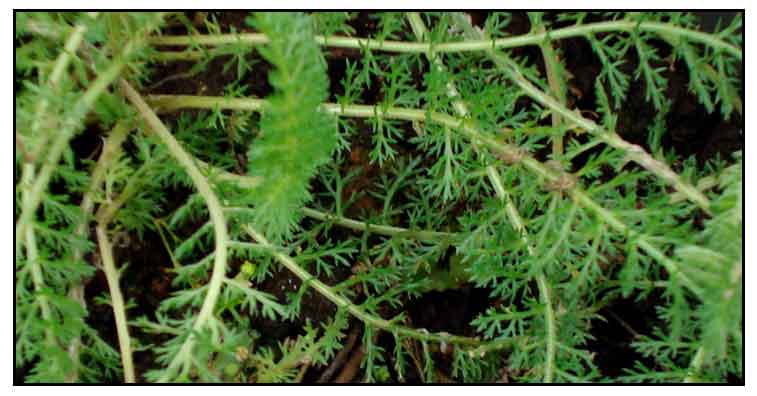
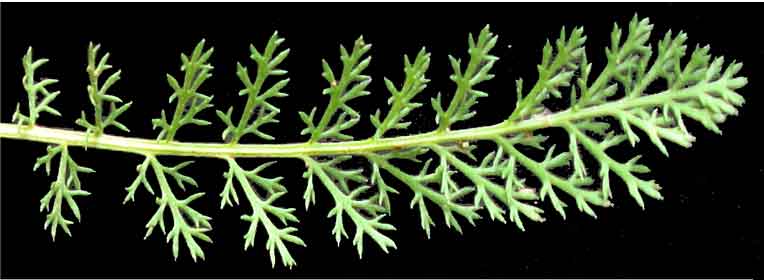
• Milfoil is an erect perennial herb growing to a height of 50 to 90 centimeters. Leaves are without stalks, 1- to 2-pinnately parted into linear-toothed segments. Heads occur in flat-topped corymbs. Flowers are white, red, or purplish, with five rays.
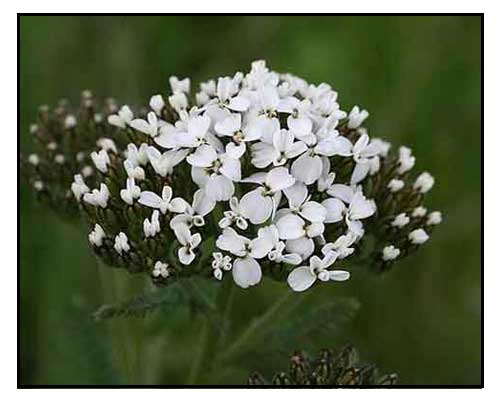 • Achillea millefolium is an erect, herbaceous, perennial plant that produces one to several stems 0.2-1 meter (8-40 inches) in height, with a spreading rhizomatous growth form. Cauline and more or less clasping, the leaves appear spirally and evenly along the stem, with the largest and most petiolate towards the base; 5-20 cm (2-8 in) long and fernlike, divided bipinnately or tripinnately. The inflorescence has 4 to 9 phyllaries and contains ray and disk flowers, which are white to pink, blooming from March to October. Tiny disk flowers range from 10 to 40. Inflorescence is produced in a flat-topped capitulum cluster. The inflorescences are visited by many insects, featuring a generalized pollination system. The small achene-like fruits are called cypsela. The plant has a sweet scent similar to chrysanthemums, so powerful that it may be irritating to some. (13) • Achillea millefolium is an erect, herbaceous, perennial plant that produces one to several stems 0.2-1 meter (8-40 inches) in height, with a spreading rhizomatous growth form. Cauline and more or less clasping, the leaves appear spirally and evenly along the stem, with the largest and most petiolate towards the base; 5-20 cm (2-8 in) long and fernlike, divided bipinnately or tripinnately. The inflorescence has 4 to 9 phyllaries and contains ray and disk flowers, which are white to pink, blooming from March to October. Tiny disk flowers range from 10 to 40. Inflorescence is produced in a flat-topped capitulum cluster. The inflorescences are visited by many insects, featuring a generalized pollination system. The small achene-like fruits are called cypsela. The plant has a sweet scent similar to chrysanthemums, so powerful that it may be irritating to some. (13)
Distribution
- Introduced to the Philippines.
- Locally naturalized in mountainous areas.
-
Occurs in Baguio and the Mountain Province as an ornamental, cultivated for its flowers and foliage.
- Also found in the Western Himalayas, extending to Northern Asia, Europe and America.
 Constituents Constituents
• Contains a bitter glucoside - achilleine, tannin, bluish volatile oil, aconitic acid, resin, nitrate, inuline, asparagin.
• Contains a volatile oil rich in sesquiterpene lactones and alkamides.
• Volatile oil is the best source of the blue hydrocarbon, azulene, with a great percentage of borneol and thujone.
• Roots contain volatile oil, 0.032%.
• Yields three alkaloids: achilleine, achilletine and moscatine.
• Oil has yielded eucalyptol, camphor, alpha-terpineol, beta-pinene and borneol as principal components.
• Analysis of essential oil identified 33 peaks, representing 81.4 % of the oil. The main compounds were 1,8-cineole (22%), camphor (21%), borneol (7.6%) and b-pinene (5.3%).
• Study of oil yielded: methyl alcohol, formaldehyde, probably formic acid, ethyl alcohol, acetone, furfurol, valeric acid, eugenol, pinene, nopinene, cineol, thujone, borneol, camphor, caryophyllen, and azulen.
• The volatile oil is considered a good source of blue hydrocarbon, azulene, and contains a good percentage of borneol and thujone.
• Analysis of EO composition revealed 2.4 mL/kg in dried herb; 2.5-fold greater amounts were obtained from flowers with average of 6.1 mL/kg, accounting for 0.235% and 0.598%, respectively. The herb yielded 70 substances (986.24%) and 68 compounds from flower EO. ß-pinene was the main component of both EOs (9.90% and 12.22%, respectively). Substantial amounts (over 5%) of 1,8 cineole (5.83% NDS 6.45%), camphor (5.81% and 5.28%), and borneol (6.18% and 5.25%) in both EOs. (49)
Properties
• Flowering plant and flowers considered stimulant, aromatic, sudorific, tonic, astringent, diuretic, vulnerary.
• Considered anti-inflammatory, antioxidant and antimicrobial.
• Studies have suggested anti-ulcer, antimicrobial, choleretic, antitumor, anti-leishmaniasis, antioxidant antimutagenic, antimelanogenesis, fumigant, analgesic, analgesic, anti-trypanocidal, antimicrobial, anti-nociceptive, anti-inflammatory,
wound healing, hepatoprotective, blood pressure lowering, spasmogenic, anticholinergic, antifibrotic, orexigenic, anticancer, prokinetic, MS-beneficial, antiviral, Anti-COVID anti-tumoral properties.
Parts
utilized
Bark, leaves.
 Uses Uses
Edibility
• Bitter-salty and spicy young leaves are used as seasoning for sauces, soups, and fish. (49)
• Yarrow inflorescences are used for preparing teas.
(49)
Folkloric
• Used for colds, fevers, obstructed perspiration.
• Use to open the pores in obstructed perspiration and as blood purifier.
• Used for hysteria, flatulence, heartburn, colic and epilepsy.
• In England, used as vulnerary, taken internally to suppress hemorrhages and profuse mucoid discharges.
• Used for intermittent fevers and as antispasmodic in flatulent colic and nervous affections.
• In France, hot infusion used as emmenagogue and for suppression of lochia; sometimes used in low exanthematous fevers with obstinate eruptions.
• Ointment of the fresh plant used by the Scottish Highlanders for hemorrhoids.
• Decoction of whole herb used for bleeding hemorrhoids and kidney disorders.
• Used as hair wash for prevention of baldness.
• An whole plant tincture made with wine, in diluted strength, used in small doses for arresting bleeding in the lungs, kidneys and nose.
• Leaves believed to encourage clotting; used fresh for nosebleeds. Also, a strong decoction of leaves used as injection into the nostrils to stop bleeding.
• Fresh juice of the plant used to improve appetite.
• Fresh juice used as astringent for piles, varicose ulcers and sore nipples.
• Fresh bruised herb used as vulnerary and styptic.
 • In Norway, used for rheumatism; leaves chewed for toothaches. • In Norway, used for rheumatism; leaves chewed for toothaches.
• In Scotland, fresh leaves used for colds and various childhood ailments.
• In France, powdered leaves used as sternutatory; rolled leaf applied to nostrils to induce bleeding and relieve headaches.
• In California, leaves steeped in hot water are applied to cuts and bruises; also used for poulticing skin rashes.
• Essential oil from the flowers used to stimulate the appetite.
• Leaves chewed for toothaches; infusion used as drops to fill ear canals for earaches.
• In Eastern Azerbaijan, Iran, used for wound healing and to stop bleeding: yarrow oil is massaged on the pain area or burned on the wound site. Also used for gastritis, stomach ulcers, fever, reducing blood pressure. (44)
• In traditional Haudenosaunee medicine in N.Y.,
infusion of smashed yarrow used to treat diarrhea. (45)
Others
• Alcohol: In Sweden and some parts of Africa, plant has been used in making beer; Linnaeus considered milfoil brewed beer to more intoxicating than hops-beer. Yarrow essential oil is added to liquers.
• Grut: In the middle ages, yarrow was an ingredient of the herbal mixture called grut, used in the flavoring of beer prior to the use of hops.
• Commission E approved the internal use of yarrow flower for loss of appetite and dyspeptic ailments i.e., mild, spastic discomforts of the GI tract; externally, as sitz bath for painful, crampy conditions of psychosomatic origin in the lower part of the female pelvis. (41)
• Cosmetics and skin care: Yarrow raw materials have numerous applications in cosmetics. Extracts and essential oil are added to soothing and regenerating masks, facial creams, lotions, shampoos, and toothpastes; the dried herb is applied externally for hair and skin care and use in preparation of relaxing baths. Yarrow EO is also used for sunburn protection. (49)
Studies
• Anti-Ulcer:
Study showed the antiulcer potential of the aerial parts of Achillea millefolium, with no signs of toxicity even at chronic exposure. (1)
• Antimicrobial:
Study has shown the oil to have antimicrobial activity against S pneumoniae, C perfringens, C albicans, Mycobacterium smegmatis, Candida krusei.
• Essential Oils / Chamazulene:
Essential oils isolated from 20 different plants of A millefolium were: chamazulene, germacrene, b-thujone, a-thujone, sabinene, b-pinene among others. The plants of A. millefolium which produced the highest content of chamazulene was propagated by rhizome for further production of oils rich in blue pigment. (2)
• Antitumor:
Study has yielded three sesquiterpenoids, achimillic acids A, B and C which showed antitumor activities. Compounds were active against P-388 leukemia cells in vivo.
• Cutaneous Leishmaniasis Treatment:
Study results suggest that Achillea millefolium, Thymus vulgaris and propolis extracts are effective in the treatment of cutaneous leishmaniansis in mice, alone or in combination. (3)
• Choleretic Effects:
In the study, a fraction enriched in dicaffeoylquinic acids and luteolin-7-O-[beta]-D-glucoronide prepared from methanolic extract of yarrow was investigated for its choleretic effect. Results showed a dose-dependent increase in bile flow in the isolated perfused rat liver. (4)
• Antimotility Effect:
Study showed A millefolium extract inhibited electrical-induced contractions of the guinea-pig ileum when tested in vitro in a dose-dependent and reversible effect. (6)
• Anti-Inflammatory / Antioxidant:
Study confirms the antiphlogistic activity of A. millefolium aqueous extract. The anti-inflammatory effects were partially mediated by the suppression of the activation of transcription factor NF-kB and p38 MAPK signaling cascade. It also showed good free radical scavenging activity and an ability to decrease the levels of intracellular ROS. (8)
• Antimicrobial: Study showed the alcoholic extract of yarrow has considerable antimicrobial effect on control and wound pathogen microorganisms. The antibacterial effect was lesser than Ampicillin and greater or similar to other penicillin derivatives. (9)
• Anti-Trypanocidal:
A study evaluated the anti-epimastigote activity of varied fractions of four medicinal plants, including A millefolium, against the epimastigotes of Trypanosoma cruzi, the etiologic agent causing Chagas disease. Results revealed that Achillea and Satureja species could be a source of active trypanocidal compounds. (10)
• Antinociceptive Effect / Anti-Inflammatory / Antispasmodic / Rutin: A study of the hydroalcoholic extracts of A. millefolium and A vulgaris confirmed their folkloric use as analgesic, anti-inflammatory and antispasmodic agents. Both showed rutin as the principal flavonoid glycoside constituent. (11)
• Cutaneous Leishmaniasis: Study showed extracts of Thymus vulgaris, Achillea millefolium and propolis are effective for treatment of cutaneous leishmaniasis in mice. Randomized clinical trials are suggested in humans. (14)
• Antimutagenic: Study evaluated the cytotoxic and antimutagenic potential of aqueous extracts of A. millefolium and Bauhinia forficata. The extracts of A. millefolium and B. forficata have antimutagenic potential, reducing the percentage of chromosomal alterations induced by cyclophosphamide. (16)
• Antioxidant: Study evaluated the antioxidant activity of A. millefolium herb using various assays. Results showed significant antioxidant activity on on-line HPLC-DPPH assay attributed to the presence of active components amongst phenolic compounds. Fluorimetric measurements demonstrated that YE at concentrations that had no effect on the State 3 respiration rate significantly decreased H2O2 production in mitochondria. (17)
• Wound Healing / Essential Oil: Study evaluated the effect of essential oil of Achilles millefolium on wound healing in male chickens. Results showed higher concentrations have significant healing properties on chicken's wound. Results suggest a potential source for natural alternative components for wound healing. (18)
• Melanogenesis Alteration Effects / Hyperpigmentation Treatment Potential / Essential Oil: Study evaluated the effect of essential oil of A. millefolium on melanogenesis in melanocyte stimulating hormone (α-MSH) treated melanoma cells. Results showed AM-EO suppresses melanin production by decreasing tyrosinase activity through regulation of the JNK and ERK signaling pathways. Results suggest a potential for EO to treat hyperpigmentation in the future.(19)
• Fumigant / Essential Oil: Study showed essential oils of A. millefolium, A. dracunculus and H. persicum have potential as fumigants for controlling P. interpunctella, and an alternative to conventional synthetic insecticides. (20)
• Hepatoprotection / Hepatic Fibrosis: Study evaluated the anti-hepatofibrotic effect of Achilles millefolium extract on experimental hepatic fibrosis and its partial mechanism. Results showed hepatoprotection and prevention of progression of hepatic fibrosis in rats. (21)
• Protection Against Cyclophosphamide-Induced Reproductive Toxicity: Study showed A. millefolium inflorescences aqueous extract may be partially protective against reproductive toxicity during CP treatment in a rat model. (22)
• Analgesic: Study of an aqueous extract of Achillea millefolium assessed in rat's formalin assay showed analgesic effects provably resulting from its central action. (23)
• Inhibition of Ileum Contractions: Study showed Achillea millefolium extract inhibits ileum contractions. Results suggest it might be used in patients to reduce ileum spasms. (24)
• Inhibition of Ileum Contractions: Study of Achillea millefolium plant extract for showed a mild stimulatory effect on ß-adrenoceptor of tracheal smooth muscle. (25)
• Drug Interactions / Anticoagulant Concerns: Caution on major interactions with medications that slow blood clotting such as anticoagulants and antiplatelets (heparin, enoxaparin, warfarin, clopidogrel), together with NSAIDs, aspirin, and others. (27)
• Effect on Plasma Nitrate Levels in Chronic Kidney Diseases: Randomized controlled study evaluated the possible effect of Achillea millefolium on plasma nitric oxide concentration in 31 patients with chronic kidney disease. Although not statistically significant, plasma nitrite and nitrate concentrations decreased after 2 months administration of A. millefolium. Countercurrent to the placebo group, plasma nitric oxide metabolites were marginally decreased. Author posits higher doses or longer duration of plant administration may make the changes more significant. (29)
• Anti-Fibrogenic / Inhibition of Bleomycin Induced Lung Fibrosis: Study evaluated the effect of yarrow extract on bleomycin-induced lung fibrosis in Sprague Dawley rats. Results showed yarrow extract may be able to impair the rate of fibroblast/myofibrolast proliferation and collagen deposition in lung tissue due to bleomycin. Effect may be due to plant ingredients with anti-inflammatory and antioxidant properties. (30)
• Report on
Anticholinergic Effect Due to Yarrow: Study reports on a 43-year old female patient presenting to the ER with blurred vision, dryness of the mouth, facial flushing, and palpitations. The report attributes the symptomatology to the use of yarrow tea (five cups daily for one week) that the patient has been using for the treatment of menometrorrhagia. Although considered safe, the author cautions on possible pharmacological effects of Achilles species. (31)
• Antifungal / Antioxidant / Essential Oil: Extracts obtained from shade dried plant in 1:1 water:ethanol mixture and essential oil were evaluated for antioxidant and antifungal effects. Study yielded 41 components in the extract and 82 components in the essential oil. Both showed good antioxidant effect on DPPH assay and in vitro antifungal activity against two relevant fungal strains Aspergillus niger and Penicillium hirsutum. Results suggest potential for applications in herbal product formulations for both human consumption and control of mycotoxigenic fungi. (32)
• Orexigenic Effect / Effect on Appetite Hormone in Rats: Study evaluated the possible orexigenic effect of hydroalcoholic extract of A. millefolium in 30 male Wistar rats by measuring plasma ghrelin level. Results showed positive dose-related effects evidenced by increased appetite in rats. The orexigenic activity of the extract was not related to changes in plasma ghrelin levels. (34)
• Shortening of Gastroenteritis Recovery Time: Studies have suggested A. millefolium extract can affect intestinal movements in rats. Randomized controlled trial investigated the effect of AM on recovery of 44 human subjects from gastroenteritis who received 0.5 ml/kg of distillate every 8 hours. Results showed adding AM distillate to the usual treatment for simple gastroenteritis was effective in shortening the recovery time. (35)
• Antioxidant / Cytotoxic on MCF-7 Breast Cancer Cell Line / Leaf and Flower: Study evaluat4ed the antioxidant and anti-proliferative potential of Achilles milefolim leaf and flower extracts. The antioxidant activity was measured by DPPH and FRAP assays while anti-prolferative activi5ty was evaluated by MTT assay on MCF-7 human breast cancer cell line. The ethanolic extracts were more cytotoxic and the flower extract exhibited higher antiproliferative effect than the leaf extract. The presence of antioxidant activity and high cytotoxic effect of all examined extracts suggest that Achilles millefolium may possess a potential chemotherapeutic activity for breast cancer treatment. (36)
• Blood Pressure Lowering / Cardio-Depressant / Bronchodilatory: Study showed Achillea millefolium exhibited hypotensive, cardio-suppressant, vasodilator, and bronchodilator activities, possibly mediated through Ca++ antagonism in addition to an endothelium-dependent relaxant component. Results explain its medicinal use in hyperactive cardiovascular and airway diseases such as hypertension and asthma. (37)
• Inhibitory Effects on Muscarinic Receptors / Relaxant Effect: Study investigated a possible mechanism for the observed relaxant effect of A. millefolium. Study showed inhibitory effect of the plant extract on muscarinic receptors of guinea pig tracheal smooth muscle. (39)
• Wound Healing / Leaves: Study evaluated the wound healing activity of alcoholic and aqueous extracts of leaves of A. millefolium on adult Wistar albino rats using incision, excision, and dead space wound models. Results showed a significant increase in rate of wound contraction, breaking strength, of skin and granulation tissue, granulation tissue dry weight, along with histopath evidence of increased collagen. (40)
• No Effect on Electrophysiological Properties of Rat Barrel Cortex Neurons: Yarrow is often prescribed for treatment of nervous system-related disorders. This study evaluated the effects of acute oral administration of A. millefolium on the responses of barrel cortex neurons in the rat. In this study, the aqueous extract did not change the level of ON and OFF responses of any of the ISIs (inter-stimulus intervals). The aqueous extract did not modulate electrophysiological responses of neurons. (42)
• Wound Healing / Dried Aerial Parts: Study evaluated the effect of hydroalcoholic extract of dried aerial parts on wound healing in rabbit using a topical eucerin based formulation of 2, 5, and 10% w/w on full thickness excision wound model. Yarrow showed considerable potential for wound healing possibly by accelerating collagenation and proliferation phase of wound healing. (43)
• Anti-Fertility Activity: Study evaluated the effects of A. millefolium extract on spermatogenesis in adult male Wistar rats. At intraperitoneal injection dose of 800 mg/kg, thickened seminiferous tubules on basement membrane, decrease cell accumulation in seminiferous tubules, severe disarrangement, degenerative cells and severe decrease in sperm count were seen. (Nasin T, Hosseini MJ et al) (46)
• Anti-Diabetic: Study showed the effect of A. millefolium on interleukin-1ß (IL-1ß) and iNOS gene expression of pancreatic tissue in diabetic rats and reported higher insulin level associated with lower glucose and higher weight compared to control. The beneficial effect of A. millefolium on diabetes may be due to amelioration of IL-1ß and iNOS gene over expression and its antioxidant activity with a possible ß-cell protective effect. (46)
• Effect on Plasma Nitrite
and Nitrate Levels in Chronic Kidney Disease: Increase plasma nitric oxide concentration is one of the possible mechanisms of bleeding tendency in patients suffering from chronic renal disease. Study evaluated any possible effect of A. millefolium on plasma nitric oxide concentration in these patients. Although not statistically significant, plasma nitrite and nitrate concentrations decreased after two months of administration of A. millefolium. Plasma nitric oxide metabolites were marginally decreased after A. millefolium treatment. Author suggests higher doses may make these changes more significant. (47)
• Prokinetic Effect / Flowering Tops: Yarrow preparations are traditional remedies used to treat dyspeptic complaints. Study evaluated the effect of standardized dry water extract from A. millefolium flowering tops (AME) on gastric motility, resting tone of isolated gastric antrum and on gastric emptying in vivo in a model of cancer chemotherapy (cisplatin)-induced gastric abnormalities. Results showed AME (1) exerted a direct spasmogenic effect on gastric antrum; (2) choline is the chemical ingredient responsible for the effect; and (3) the prokinetic effect of AME observed in vivo provides pharmacologic basis underlying its traditional use in the treatment of dyspepsia. (48)
• Effect on Episiotomy Wound Healing / Clinical Trial: A double-blind clinical trial evaluated the efficacy of Achillea millefolium and Hypericum perforatum ointments on episiotomy wound healing in primiparous women. Healing parameters were: redness, ecchymosis, edema, discharge, and wound dehiscence on the 7th, 10th, and 14th days after delivery. Results showed A. millefolium and H. perforatum ointments reduced perineal pain level, redness, edema and ecchymosis of episiotomy wound. (50)
• Beneficial Effect as Add-On Therapy in Multiple Sclerosis / Clinical Trial: A triple-blind randomized placebo-controlled parallel group trial evaluated the efficacy of A. millefolium aqueous extract on 75 MS patients. Two doses were used: 250 mg/day and 500 mg/day for one year. Primary outcome was annualized relapse rate. Number and volume of lesions were obtained from MRI scans. Study included comprehensive neurological and cognitive testing. One year administration of A. millefolium (both doses) decreased the annual relapse rate in MS patients. Mean volume change of lesions significantly decrease in the 500 mg group. Add-on therapy increased the time to first relapse and the MSFC-Z score, decreased EDSS score and improved performance in word-pair learning, PASAT and WCST. Results showed significantly reduced relapse rate and prevention of progression in MS associated with alleviation of inflammation. Study suggests beneficial effects of A. millefolium aqueous extract as an add-on therapy in MS patients. (51)
• Relief of Primary Dysmenorrhea / Clinical Trial: Primary dysmenorrhea occurs in about 50% of postmenarche women, which is characterized by intense abdominal pain in the inferior quadrants and inner thigh. Study evaluated the effect of A. millefolium on relief of primary dysmenorrhea. Subjects were university female students receiving either placebo or A. millefolium teabag form for 3 days in 2 menstrual cycles. The mean change in pain score in the A. millefolium group was significantly greater than the placebo group at 1 month (p=0.001) and 2 months (p<0.0001) after treatment. Study suggests A. millefolium is effective in minimizing pain severity in primary dysmenorrhea. (52)
• Anti-COVID Potential / Yarrow Tea: The flowers and leaves are the core part used for preparing herbal medicinal teas. Study evaluated the druggability, metabolites, and potential interaction of the title tea with genes associated with COVID19-induced pathogenesis. Of 1022 gene hits, 30 are mutually shared. Network pharmacology and microarray gene expression found the connection of PTGS2 in relieving the virus-induced inflammation. Yarrow constituents Luteolin may inhibit or down-regulate the Cyclooxygenase II (PTGS2), a plausible mechanism underlying Yarrow's anti-inflammatory action. Yarrow-treated SARS-nCoV-2 cell exhibits disintegration of the virus membrane. Study provides scientific basis for further elucidation of the mechanism underlying A. millefolium's antiviral and anti-inflammatory properties. (53)
• Amelioration of Metabolic Stress Associated with Obesity Potential / Yarrow Tea: Study evaluated the potential role of Yarrow SFE (CO2 supercritical fluid extract) in metabolic stress induced after a high-fat diet in mice. Results showed improved fasting glucose levels in plasma, enhanced insulin sensitivity, and diminished hypercholesterolemia in the HFD + Yarrow group. Mechanistically, Yarrow SFE protects liver from steatosis after the HFD challenge by augmenting the adipose tissue buffering capacity of circulating plasma glucose. (54)
• Antitumoral / Pancreatic Cancer: Lipids and lipid-derived molecules have been shown to activate growth regulatory pathways and promote malignancy in pancreatic cancer. A previous study described the antitumoral properties of yarrow SFE in pancreatic cancer. Study investigated the underlying mechanisms by which yarrow SFE induces cytotoxicity in pancreatic cancer cells. Yarrow SFE down-regulate SREBF1 and downstreams molecular targets of this transcription factor, such as fatty acid synthase (FASN) and stearoyl-CoA desaturase (SCD). In vivo, Yarrow SFE diminished tumor growth in a xenograft mouse model of pancreatic cancer. Study data suggests Yarrow SFE has potential as a complementary adjuvant or nutritional supplement in pancreatic cancer therapy. (55)
• Effect on Cisplatin-Induced Ocular Toxicity: Cisplatin is a widely used and highly effective anti-cancer agent; one of its limiting side effects is ocular toxicity. Study evaluated the biochemical, molecular, histopathological effects of A. millefolium on cisplatin-induced oxidative and inflammatory ocular damage in rats. Results showed A. millefolium upregulated ocular antioxidant enzymes and downregulated inflammation. SOD activity and total antioxidant capacity increased while total oxidant status and MDA levels decreased significantly at the high dose group. High-dose A. millefolium treatment reduced IL-1ß concentrations, whereas IL-10 levels increased significantly. A. millefolium restored ocular histopathological structure and significantly suppressed apoptosis by reducing expression of caspase-3. (56)
• Safety for Cosmetic Use: Study reviewed relevant animal and human data to determine the safety of cosmetics containing linalool, thujone, quercetin, hydroxyquinone, or α-peroxyachifolid. Formulators should be aware of components that may be hazardous to consumers. The review panel concluded that A. millefolium extract, flower extract, and flower/leaf/stem extract are safe in present nonsensitizing cosmetic formulations (57)
• Diuretic Effects / Involvement of Bradykinin and Prostaglandins: Study evaluated the diuretic activity of A. millefolium extracts and semi-purified fractions and mechanisms involved in male Wistar rats. Similar to HCTZ, both hydroethanolic extracts and dichloromethane subfractions increased urinary volume and the excretion of Na+ and K+. Results showed the extracts are able to effectively increase diuresis when orally administered in rats. The diuretic effect depends on both activation of bradykinin B2 receptors and the activity of cyclooxygenases. (58)
• Possible Contact Dermatitis: Community herbal monographs allow the use of Yarrow herb and flower for treatment of superficial wounds, with aqueous infusion applied in the form of impregnated dressing. There is a possibility that individuals with contact sensitivity to other members of the Compositae family can react to topically applied yarrow infusion. Literature dating back to 1899 documents many cases of positive patch test reactions to yarrow extracts. (59)
Availability
- Wild-crafted.
- Yarrow capsules, herbal teas, flower essence, extracts in the cybermarket.
|



.jpg)
.jpg)