| Gen info
- Mulberry belongs to family of Moraceae and genus Torus usually cultivated to feed silkworm for the manufacture of silk. The two most popular species of mulberry are Morus alba (white mulberry) and Morus indica (Indian mulberry). (68)
- There are about 68 species of the genus Morus, and the majority occur in Asia. In China, there are over 1000 varieties under cultivation.
- Morus alba is one of the world's oldest medicinal plants, first described in Divine Husbandman's Materia Medica, the earliest known Chinese pharmacopoeia.
- The genus name Morus is Latin mora, meaning "delay", likely referring to the sluggish growth of its buds.
- The red mulberry, also known as American mulberry, is native to the eastern USA. The black mulberry is native to Asia, grown in Europe for its fruits since before the Roman era. (93)
- Mulberry is usually associated with sericulture, the production of silk and the rearing of silkworms (Bombyx mori). (85)
- Nowadays, silk production is dominated by China and India.
Botany
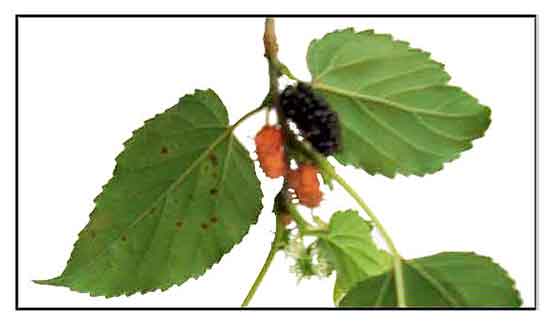
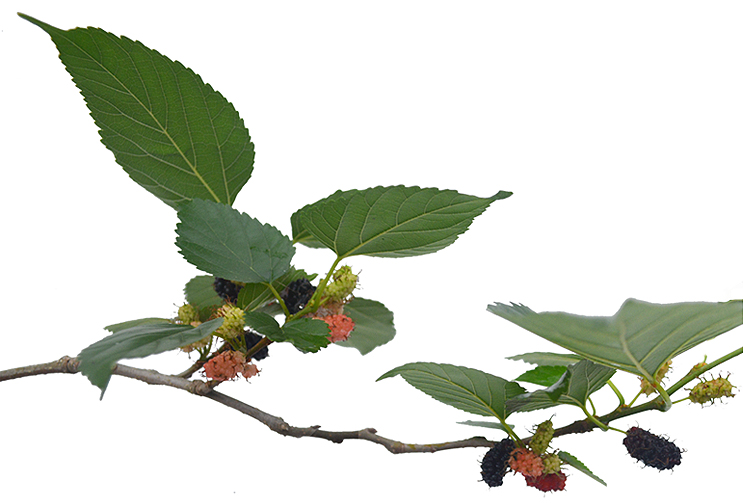
Amoras is moderate-sized monoecious tree,
3 to 6 meters high, with reddish or yellowish brown, smooth bark, marked
with long horizontal lenticels. Leaves are ovate, 5 to 20 centimeters long, 2.5 to 8 centimeters wide, with tapering
pointed tips, and 3-nerved, heart-shaped base, sharply-toothed margins,
sometimes deeply 3-lobed, of hairy texture when young, rough when mature. Flowers are unisexual, the female flowers numerous and crowded
in short spikes. Fruiting spikes are axillary, peduncled, dark purple or nearly black when ripe, fleshy, and 1.5 to 3 centimeters long.
Distribution
- Probably of ancient introduction.
-
Widely distributed in cultivation.
- Naturalized in Batan Island and Cagayan Province.
- Native of tropical Asia.
- Now found in all warm countries.
 Constituents Constituents
• Tannins; phytosterols; sulfur;
essential oils; saponins.
• Mulberroside F Isolated from the leaves of Morus alba.
• Fruit yields fat, 30%; and urease; also, sugar, pectin, citrates, malates, etc.
• Roots have yielded sterols, flavones, flavanone, stilbene, benzophenone and coumarin derivatives.
• Juice of root yields tannin; the stem yields ash (1.35%), and succinic acid.
• Leaves yield calcium malate, calcium carbonate, invert sugar 4%, pentosane, tannin, carotin, ash (10%), vitamin C and choline.
 • Study of leaves yielded two novel prenylflavanes and a glycoside, together with six known compounds, isoquercitrin, astragalin, scopolin, skimmin, roseoside II, and benzyl D-glucopyranoside. (26) • Study of leaves yielded two novel prenylflavanes and a glycoside, together with six known compounds, isoquercitrin, astragalin, scopolin, skimmin, roseoside II, and benzyl D-glucopyranoside. (26)
• Ethanolic extract of leaves yielded coumarins, flavonoids, tannins, and triterpenes. (see study below) (62)
• Study for mineral contents (mg/100g) in dried (D) and fresh (F) leaves yielded iron (19.00-35-72 D, 4.70-1036 F), zinc (0.72-3.65 D, 0.22-1.12 F), and calcium (786.66-2226.66 D, 380-786 F). (64)
• Leaves yielded antioxidant components such as rutin, isoquercetrin, astralgin and quercetin-3- (6malonyl) glucoside. (64)
• Study for polyphenolic compounds yielded 1-caffeoylquinnic acid, caffeic acid, 5-caffeoylquinnic acid, 4-caffeoylquinnic acid, quercetin-3-O-rhamnoside-7-O-glucoside, quercetin-3-7-D-O-ß-D-glucopyranoside, kaempferol-7-O-glucoside, rutin, quercetin-3-O-glucoside, quercetin-3-O-(6-malonyl)-ß-D-glucopyranoside, kaempferol-3-O-(6-malonyl)glucoside. Study showed total phenolic acids of 3148.966 and total flavonols of 5846.30 mg/100g. (64)
• Phytochemical screening of ethanol extract yielded alkaloids, carbohydrates, glycosides, saponins, sterols, triterpenes, fats and oils, phenols, tannins, flavonoids, proteins and amino acids. (see study below) (70)
• Study of chemical composition yielded: lipid 1.10%, linoleic acid 57.26%, palmitic acid 22.42%, oleic acid 10.49%, protein 10.15-13.33%, P 247 mg/100g, K 1668 mg/100g, ca 152 mg/100g, Mg 106 mg/100g, Fe 4.2 mg/100g,
Na 60 mg/100g,, Mn 3.8 mg/100g, Zn 2.8 mg/100g, Cu 0.5 mg/100g, Se 0.005 mg/1000 g, Vitamin C 22.4 mg/100 mL. (94)
Properties
· Considered analgesic, anthelmintic, antibacterial, antirheumatic,
diuretic, hypotensive, hypoglycemic, purgative, restorative, sedative and tonic.
· Roots:
Sweet tasting, cooling, sedating, diuretic, tonic and astringent
remedy in nervous disorders.
· Twigs: bitter tasting, antirheumatic, good nervine.
· Leaves: Sweet-tasting, diaphoretic, refrigerant, antipyretic.
· Fruits are sweet-acidic tasting, neither warming
nor cooling, liver-kidney tonic, blood-stimulating.
· N-butanol and water soluble fractions of mulberry roots showed cathartic, analgesic, diuretic, antitussive, antiedema, sedative, anticonvulsant, and hypotensive effects in experimental animals. (28)
· Fruits yields major anthocyanins, cyanidin-3-glucoside and cyanidin-3-rutinoside. (88)
Parts
utilized
· Leaves, fruits, twigs,
stems, roots, wood cut in cubes.
· Leaves: Harvest in November to January; sun-dry.
· Twigs: Harvest the green, soft twigs, air-dry a little,
cut into pieces and sun-dry.
· Fruits: Harvest the reddish fruit (not yet fully ripe),
remove peduncles and sun-dry.
· Roots: Collect from August to September, steam cure,
then sun-dry.
 Uses Uses
Edibility
- Young leaves eaten as vegetable, particularly by nursing mothers.
- Mulberry fruit can be used for making jam, jelly, pulp, fruit drink, cake, tea, fruit powder, wine. (88)
-
In China, the fruit is made into jam.
- In Japan, leaves as used as tea and powder juice. (64)
- In India, a popular flatbread, paratha, is made from a mixture of lyophilized white mulberry leaves and wheat flour. (64)
Folkloric
· For headaches, cough, and fever associated with influenza:
Mix 6 to 12 gms of morera leaf preparation with Chrysanthemum and Mentha
in 5:3:1 proportions. Boil to a concentrated decoction and drink.
· For persons who lacrimate when their faces are exposed to the
wind: use 6 to 12 gms of leaf preparation with an equal volume of Sesame
preparation, grind to a powder and drink with warm water.
· Constipation in the elderly: 6 to 15 gms dried fruit preparation,
boil to a concentrated decoction and drink.
· Backache: 9-15 gms twig preparation, boil to a concentrated
decoction and drink.
· Eyestrain causing reddening and pain in the eyes: get leaf
preparation, steam in water, and expose eyes to the smoke which emanates
from the preparation.
· Fever arising from lung complications, cough, and hemoptysis;
also skin edema: use 9-15 gms of bark in decoction.
· Rheumatic arthritis, lumbago, leg pains: use 9-15 gm Morus
twig material.
· Fever, cold and coughing: use 6 to 9 gms leafy drug in decoction.
· In Brazil, used for fever, lowering of cholesterol and blood pressure, and liver protection.
· Juice of fresh bark used for epilepsy in children and in dribbling of the saliva.
· Milky sap of the tree is used for aphthous stomatitis in infants, and in incised wounds caused by snake, centipede, and spider bites.
· Decoction of leaves used for sweating feet, dropsy, and intestinal disorders.
· Bruised leaves used for wounds and insect bites, and also to promote hair growth.
· Twigs considered prophylactic for all forms of cold; also, diuretic and pectoral.
· Lye made of ashes of mulberry wood used as stimulant and escharotic in scaly skin diseases and unhealthy granulations.
· Fruits have been used for diabetes.
· In Cambodia, leaves used in treatment of conjunctivitis. (63)
· In China, used in traditional medicine since 659 AD. Root bark, stem, fruits, and leaves used as constituents in medicinal preparations. (64)
Others
• Paper Making: Bark used in early China for making paper.
• Wood: In the Indian subcontinent, wood is used for handicrafts, cabinet work and sporting equipment like hockey sticks and tennis rackets. (85)
• Silkworm Food: Leaves used for silkworms feeding.
• Forage / Animal feed: Mulberry's attractive biomass, palatability, and high nutritive value for ruminant and monogastric animals have raised increasing interest for animal feeding. Silk producers traditionally feed mulberry surpluses from silkworm feeding to farm animals and herbivorous carp in fish ponds. In many countries, mulberry foliage is part of the traditional mixed diet of domestic ruminants. (85)
• Cosmetic: Extract of roots
for skin whitening (Japan); used in the manufacture of hair care and
hair-growth/tonic products. (See study below)
• Natural food colorant: Fruit is rich in anthocyanins and has potential for industrial source of natural color for use in the food industry. It yields cyanin, that contributes to the red or purple color. (88)
Studies
• Anti-dopaminergic / Leaves: Study of methanolic extract of M. alba leaves for anti-dopaminergic effect showed significant dose-dependent potentiation of haloperidol
and metoclopramide induced catalepsy. Study showed MAME possesses
antidopaminergic activity and suggests antipsychotic potential. (1)
• Antidiabetic / Hypoglycemic / Leaves: Study evaluated the
hypoglycemic effect of Morus alba leaf extract in an animal model. Results showed positive effects in diabetes-induced Wistar rats,
restoring the diminished beta cell numbers. (2)
• Anti-allergic: Inhibitory Effects of Morus alba on Compound 48/80-Induced Anaphylactic
Reactions and Anti-Chicken Gamma Globulin IgE- Mediated Mast
Cell Activation: Study showed mast cell effects and suggests a potential
for HEMA as a therapeutic tool for allergic diseases. (4)
• Mulberroside F / Skin whitening: Mulberroside
F Isolated from the Leaves of Morus alba Inhibits Melanin Biosynthesis:
Study isolated Mulberroside which showed inhibitory effects on tyrosinase
activity and melanin formation suggests a potential for use as a skin
whitening agent. (5)
•Anti-melanoma / Antioxidant:
Quantitative Analysis of Rutin, a Flavonoid Compound in the Leaves of
m Morus alba: Rutin showed to be an inhibitory of melanoma
growth, anti-tyrosinase and antioxidant suggesting a potential for dietary
supplements or cosmetic applications.
• Hypoglycemic: Flavonoid rich fraction of an alcohol root bark extract of Egyptian Morus alba was studied for hypoglycemic activity in stretozotocin-diabetic rats. Study revealed the extract may protect pancreatic beta cells from degeneration and diminish lipid peroxidation. (6)
• Skeletal Muscle AMPK Activity Stimulation: Study showed Morus alba leaf water extract stimulates skeletal muscle AMPK activity acutely without changing the intracellular energy status.(7)
• Antidepressant: Study of aqueous extract of Morus alba leaves green tea on mouse behavior showed the extract possesses an antidepressant without an anxiolytic effect. At high doses, a sedative effect was noted with alterations of other functions, i.e., muscle strength, maze activity and pain response.
• Anti-Ulcerogenic: Study of MA ethanol extracts on ethanol-induced gastric mucosal injury in animals indicates that MA exhibits significant antiulcerogenic activity in rats with marked reduction of gastric mucosal damage, reduction of edema and submucosal leukocyte infiltration. (9)
• Anti-Dyskinesia: Study results suggest a protective effect of Morus alba extract against haloperidol-induced orofacial dyskinesia and oxidative stress. (10)
• Anti-Hypertensive: In a study of 50 medicinal plant extracts, Morus alba was one of four that showed strong ACE inhibitory activity, with decrease in both systolic and diastolic blood pressure. (11)
• Hypotriglyceridemia: Results showed the aqueous extract of leaves of M. alba decreased the plasma level of triglycerides. (12)
• Post-Traumatic Nerve Recovery: Results showed the potential of M. alba extract to enhance functional recovery after crush injury with significant improvement of both sensory and motor functions. Study suggests M. alba may serve as functional food for post-traumatic nerve recovery and suggests further studies to identify the active ingredient/s and mechanisms. (13)
• Ob-X / Obesity-Regulating / Hypolipidemic: Ob-X, a mixture of three herbs – Morus alba, Melissa officinalis, Artemisia iwayomogi was studied and shown to regulate body weight, adipose tissue mass, lipid metabolism, in part, through changes in the expression of hepatic PPARalpha target genes. (14)
• Antioxidant / Natural Colorant: Results showed the anthocyanin pigment in the berry is a natural, edible colorant with excellent antioxidant properties and health benefits that seem applicable to both health food and medicine. (15)
• Hepatoprotective / CCl4 Hepatotoxicity: Study showed the hydroalcoholic extract at a dose of 800 mg/k exhibited a significant liver protective ability by lowering the levels of AST and ALT, decreasing sleeping time, with less pronounced destruction of liver architecture, absence of fibrosis and inflammation as compared with the carbon tetrachloride group. (16) Study showed the Morus alba and Calendula officinalis extracts possess highly promising hepatoprotective effects against CCl4-induced hepatotoxicity. (17)
• Anti-Stress : Study showed attenuation of chronic restraint stress (RS)-induced perturbations (cognitive dysfunction, altered behavioral parameters, etc.) were attenuated by an ethyl acetate soluble fraction of Morus alba. Study results suggest that in addition to classically established pharmacologic activities, the plant has immense potential as anti-stress agent. (18)
• Immunomodulatory: Study showed Morus alba increased the levels of serum immunoglobulins and prevented mortality induced by bovine Pasturella multocida in mice. It showed an increase in phagocytic index, a protection against cyclophosphamide-induced neutropenia and increased neutrophil adhesion. Results conclude MA increases both humoral and cell mediated immunity. (19)
• Antidepressant: Study showed the aqueous extract of Morus alba leaves green tea possesses an antidepressant effect without an anxiolytic-like effect. At higher doses, the extract might show a sedative effect and alteration of other functions. (20)
• Leaves as Protein Source: Study of effect of mulberry leaves in diet for pigs on digestibility indices and N balance showed that in rice-based diets, it is possible to use mulberry leaves as the main protein source. (21)
• Flavonoids / Antiasthmatic Effect: Study showed Morus alba flavonoids antagonize acetylcholine on the contraction of bronchial lung, extending the latent period of asthma, reducing eosinophilic invasion. (22)
• Anti-Cataract Activity / Antioxidative / Antidiabetic / Antihypercholesterolemic: Study showed an ameliorating effect of mulberry leaves on retinal neurotransmitters, retinal neuronal cells and anti-cataract activity which may be attributed to the flavonoid content with potential anti-oxidative activity, hypoglycemic, and anti-hypercholesterolemic effects. (25)
• Antioxidant / Leaves: Study showed Morus alba leaves have more antioxidant activity than Rosmarinus officinalis. The methanol extract of leaves showed inhibition of lipid peroxidation of lipid in egg-yolk. Results indicate the leaves are a good source of natural antioxidants. (27)
• Suppressive Response of Confections Containing Leaf Extracts on Blood Sugar and Insulin: Study showed the effective ration of ELM to sucrose, which suppressed postprandial blood glucose and insulin, was 1 to 10. The digestion of sucrose and starch was inhibited by the ELM, with an additional benefit of a prebiotic effect. Results suggest a potential contribution to diet therapy management for type-2 diabetes mellitus. (29)
• Histopathologic Effect on Diabetic Pancreas of Rats: According to histological and biochemical results, animals treated with mulberry leaf extract showed reduction of blood glucose levels by regeneration of ß cells. (30)
• Radioprotective: Study showed mulberry fruit powder given to gamma-irradiated rats offered protection against gamma irradiation-induced oxidative stress. Study suggests a potential as a radio-protective agent. (31)
• Antischistosomal / Hepatoprotective: Study investigated the antischistosomal and hepatoprotective activity of Morus alba leaf extract. Results concluded mulberry could ameliorate preexisting liver damage and oxidative stress conditions due to schistosomiasis. (32)
• Nephroprotective / Hepatoprotective: Study evaluated the renal protective effects of M. alba related to its free radical scavenging properties. Results showed the ethanol extract prevented alterations in serum creatinine, BUN, and serum uric acid levels. There was a decrease in creatinine clearance and urinary volume. Histopathological exam and urinary enzymes excretion suggest a protective effect. Co-administration of M. alba with gentamicin prevented renal functioning alterations reported with gentamicin use alone. (34)
• Antiproliferative / Hepatocarcinoma Cell Line: Study showed water, 50% aqueous MeOH, and 100% MeOH extracts of mulberry leaves exhibited a highly significant inhibitory effect on human hepatocellular carcinoma HepG2 cell proliferation via suppression of activity of NF-κB gene expression and modulation of biochemical markers. (35)
• Comparative Antioxidant Activity: Study evaluated antioxidant activities and phenolic contents of methanolic extractives. Stem bark showed the highest antioxidant activity, followed by root bark, fruits, and leaves. Results indicated a high correlation and regression (P<0.001) between phenolic contents and antioxidant potentials of the extracts. (36)
• Herb-Drug Interaction / Cyclosporine: Study showed mulberry significantly reduced the bioavailability of CSP (cyclosporine) through activation of functions of P-gp and CYP3A. Cyclosporine is a potent immunosuppressant widely used in transplant patients. (37)
• Leaves as Protein Source: Study evaluated the effect of inclusion of mulberry leaves in diets for pigs on digestibility indices and N balance. Results suggest that in rice based diets, mulberry leaves could be a main protein source. Dry leaves were associated with slightly lower digestibility compared to fresh leaves. (38) Study evaluated Morus alba leaf meal (MLM) for nutritive value as feed ingredient for chicken diet. Results showed the MLM contained a high content of crude protein (29.8%), along with Ca (2.73%) and neutral detergent fiber (35.77%). Results suggest the incorporation of MLM into chickens' diet could provide a good source of protein despite its high fiber content. (51)
• Pancreatic Effect / Leaf Extract: Study examined the histopathological effects of M. alba leaf extracts on the pancreas of diabetic rats. According to histological and biochemical results, study concludes the extract may reduce blood glucose levels by regeneration of ß cells. (39)
• Phytoremediation / Cadmium and Nickel: Study investigated heavy metal uptake (Cd, Cr, and Ni) from soil by different organs of Populus alba and Morus alba. Results showed P. alba and M. alb were suitable for phytoextraction of Cd and Ni from contaminated soil. (40)
• Cytoprotective Against Hyperglycemia: Study investigated the protective effects of alcoholic extract of Morus alba leaves on fetus fibroblast cells under hyperglycemic conditions. Results showed MA leaves has cytoprotective effects against hyperglycemia. (41)
• Anthelmintic / Leaves / Bark: Study evaluated the anthelmintic potential of methanolic extract of leaves of Morus alba against adult earthworms and albendazole as standard. Results showed anthelmintic activity inversely proportional to the time of paralysis and death of worms. All test doses showed dose dependent activity. (42) Study evaluated various extracts of M. alba bark for anthelmintic activity against Indian earthworm Pheretima posthuma in measures of time of paralysis and time of death. Results showed dose dependent activity; the hydroalcoholic extract showed more activity than others. Piperazine hydrate was used as reference standard. (84)
• Antimicrobial / Antioxidant / Leaves: Study evaluated the in vitro antioxidant and antimicrobial activity of M. alba leaves. Ethanol and distilled water extracts showed antioxidant activity, while ethanol extracts showed antimicrobial activity against test organisms Escherichia coli, Staphylococcus aureus, Enterococcus faecalis, Pseudomonas aeruginosa, Candida albicans. (see constituents above) (43)
• Morusin / Anticonvulsant / Modulation of GABA Receptor: Study evaluated the anticonvulsant activity of Morusin, a flavonoid glycoside isolated from M alba. Results suggest anticonvulsant activity of Morusin with a mechanism probably related to the restoration of GABA level. (44)
• Protective Testicular Effects against MSG Cytotoxicity: Study evaluated the possible protective effects of herbal antioxidants (Morus alba) on tissue damages related to MSG (monosodium glutamate) cytotoxicity in adult Wistar rats. Decreased spermatogenic indices together with histomorphological changes in the seminiferous tubules were noted in the MSG treated group. Results suggest MA extract can have positive effects in reduction of testicular tissue alterations related to MSG tissue toxicity. (45)
• Effect on Enzymatic Activities in STZ Induced Diabetes: Study evaluated the effect of M. alba on lipid peroxidation and hepatic glucose regulating enzymes in STZ induced diabetic rats. Results showed significant increase in activities of hexokinase, G6PD and lactate dehydrogenase in Morus alba treated rats, along with reduction glutathione s transferase and glucose 6 phosphatase activities. Results suggest MA reduce hyperglycemia by controlling oxidative stress, increasing glycogen levels and preventing anaerobic glycolysis and improving hepatic carbohydrate metabolism. (46)
• Flavonoids / Cisplatin-Induced Nephrotoxicity: Study evaluated the protective effect of hydroalcoholic extract and flavonoid fraction of M. alba leaves on cisplatin-induced nephrotoxicity in rats. Results showed the flavonoid fraction could prevent CP-induced pathological damage of the kidneys. Concurrent used of the flavonoid fraction of MA with CP can protect the kidneys from CP-nephrotoxicity. (47)
• Antibacterial / Antifungal / Pesticidal: Study evaluated the antibacterial, antifungal, and pesticidal activity of M. alba seed oil extract. E. coli, P. aeruginosa, B. subtilis and S. aureus were the most susceptible bacterial species to the crude extract, and Aspergillus niger and S. cerevisiae were the most susceptible of the tested fungal species. Crude and seed oil extract also showed significant pesticidal activities against Sitophilus granaries. (48)
• Anti-Amnesic Activity / Learning and Memory Benefits / Serotonergic Pathway: Study evaluated the anti-amnesic potential of EA soluble fraction of methanolic extract of M. alba. The effect on learning and memory was evaluated using ORT (object recognition test), EPM (elevated plus maze test) and WMT (water maze test). The result of the in-vitro study showed the extract significant improved learning and memory through its anti-serotonergic mechanism and presents a potential treatment for dementia and other cognitive disorders. (49)
• Antimutagenic / Leaves: Study of leaf extracts of Morus alba and Morus nigra showed decreased mutability level induced with chemical mutagens, gamma rays and ageing in plants (Vicia faba, Arabidopsis thaliana) and animal (rat) cells. The demonstrated gene protection properties increases its potential for use in the food industry, providing antimutagenic protection to increase nutritional value of food products. (see below 79) (50)
• Comparative Amino Acid Composition / Leaves: Study evaluated the amino acid composition of black mulberry leaves (M. nigra L.), white mulberry (M. alba) and red mulberry (M. rubra). All three yielded 15 amino acids which were dominated by glutamic acid, glycine, methionine and tyrosine. The highest content was found in white mulberry leaves extract. (51)
• Acetylcholine Esterase Inhibitors / Leaves: Study evaluated M. alba leaf extract for acetylcholine esterase inhibitory activity using modified Ellmann's method. Results showed concentration dependent acetylcholine esterase inhibitory activity. The extract yielded major compounds viz., vanillic acid, myricetin, luteolin and kaempferol. Of the four compounds, myricetin, luteolin and kaempferol showed AE inhibitory activity. The acetylcholine inhibitory activity of these compounds present potential use in the treatment of Alzheimer's disease. (52)
• Phytoremediation: Study concludes mulberry tree can be successfully used for phytoremediation of highly contaminated soils. Rapid growth, ease of breeding, great foliage and a deep root system make it suitable for phytoremediation. (53)
• Whitening and Antierythemic Effect: Study evaluated a formulated w/o emulsion of ethanolic extract of mulberry fruits with its vehicle as control on skin melanin, skin erythema and skin moisture content. Results showed the cream containing 4% concentrated extract of mulberry can be used for skin whitening by decreasing skin melanin content. The decrease in erythema further suggests non-irritating quality and safety. (54)
• Moralbosteroid / Anxiolytic: Study evaluated the anxiolytic activity of Moralbosteroid, a steroidal glycoside isolated from Morus alba. The study was carried out on elevated plus maze, light and dark model, and open field test. Results concluded that Moralbosteroid has therapeutic potential for managing anxiety. (55)
• Alpha-Glucosidase Inhibitory Activity: Alpha-glucosidase inhibitors are used in the treatment of type 2 diabetes mellitus. Study of water extract of Morus alba leaves showed potent in vitro alpha-glucosidase inhibitory activity with an IC50 value of 28.11 µg/ml. (56)
• Anthocyanins / Anti-Diabetic / Fruits: Mulberry plant contains abundant anthocyanins (ANCs), which are natural antioxidants. Study evaluated the ANC composition of fruits and the effect of an ANC extract on blood glucose and insulin levels in male leptin receptor-deficient Zucker diabetic fatty (ZDF) rats. Results demonstrated ANCs extracted from MA were well tolerated and exhibited effective anti-diabetic properties in ZDF rats. (57)
• Leaf Tea Effect in Type 2 Diabetes / Hypolipidemic: Study investigated the anti-diabetic effects of low and high doses of white mulberry leaf in a rat model of type 2 diabetes. Study results showed brewed white mulberry tea leaf has hypolipidemic rather than antidiabetic effects. (58)
• Confections with Leaf Extractives / Effect on Blood Glucose: ELM (extractives from leaves of Morus alba)-containing confections at ratio of sucrose to ELM of 1:10 effectively suppress the postprandial blood glucose and insulin by inhibiting the intestinal sucrase, creating a probiotic effect. (59)
• Mulberrofuran G / Anti-Hepatitis B Virus Activity: Study isolated mulberrofuran G and isomulberrofuran G, a pair of isomeric Diels-Alder type adducts, from the root bark of MA. Mulberrofurran G showed moderate activity inhibiting hepatitis B virus DNA replication with IC50 of 3.99 µM. (60)
• Pharmacological Effects / Root Bark /
Comparison with "Sohakuhi": Study evaluated n-butanol and water soluble fractions of root bark of mulberry tree for pharmacological effects and compared the clinical effects with Chinese medicine "Sohakuh." In animal models, both fractions showed cathartic, analgesic, diuretic, antitussive, antiedema, sedative, anticonvulsant, and hypotensive properties. There appeared to be a correlation with clinical applications of mulberry root in Chinese medicine literature. (28)
• Oxyresveratrol / Anti-Inflammatory / Inhibition of Leukocyte Migration: Study evaluated evaluated the anti-inflammatory effect of M. alba via leukocyte migration. Oxyresveratrol was isolated as an active component. Mechanistic study indicated that oxyresveratrol diminished CXCR4-mediated T-cell migration via inhibition of the MEK-ERK signaling cascade. (61)
• Antimicrobial / Toxicity Study / Leaves: Study evaluated an ethanolic extract of Morus alba leaves for toxicity to Artemia salina, oral toxicity to mice, and antimicrobial activity. The extract showed not toxicity in mice since no animal death was detected at 2000 mg/kbw dose. However, the extract promoted biochemical, hematological, and histopathological alterations at the same dose. At 300 mg/kg, while there was no toxicity or irreversible cellular damage, .there was alteration in proportion of leukocyte types. The extract showed moderate antimicrobial activity against test pathogens. (62)
• Antidiabetic / Effect on Glucose Tolerance and Insulin Concentration / Leaves / Clinical Trial: A double-blind, randomized, repeat-measure, phase 2 crossover design evaluated the glycaemic and insulinemic response to test (Reducose/mulberry extract) and reference products. The mulberry leaf extract significantly reduced plasma glucose increase after maltodextrin ingestion, along with significant suppression of total insulin rise. Results suggest a potential for T2DM prevention and regulation of dysglycemia. (65)
• Anticancer / Anti-Inflammatory / Root Bark:
In vitro study evaluated a mulberry root bark extract for anti-inflammatory and anticancer activity. The extract showed anti-inflammatory effect by blocking NO production via suppression of iNOS over-expression in LPS-stimulated RAW264.7 cells. Anticancer activity was evidenced by dose-dependent induced cell growth arrest and apoptosis in human colorectal cancer cells, SW480. (66)
• Dietary Supplementation with Leaf Extracts / Antidiabetic / Antioxidant: Study evaluated the effects of dietary supplementation with mulberry leaf extracts on trace element status (Fe, Zn, and Cu) in relation to diabetes management and antioxidant indices in high-fat diet fed/STZ diabetic rats. Results showed an acetone-water extract decreased hepatic and renal Fe stores, while an ethanol-water extract increased hepatic Cu levels in diabetic rats. Results confirmed significant hypoglycemic and antioxidant potential of both mulberry leaf extracts in diabetic rats. (67)
• 28-Day Repeated Dose Toxicity Study: Study evaluated a 28-day repeated dose oral toxicity study in rats according to OECD guidelines. Doses of 0, 1000, 2000 and 4000 mg/kbw/d were administered via gavage . No treatment-related mortality of adverse effects were observed, and no target organs were identified. (69)
• Antimicrobial / Periodontal Pathogens / Sol-Gel: Study evaluated the antimicrobial activity of Morus alba sol-gel with chlorhexidine sol-gel against periodontal pathogens A. actinomycetemcomitans, P. gingivitis, and T. forsythia. Both Morus alba and chlorhexidine sol-gel exhibited potent antimicrobial activity. (see constituents above) (70)
• Antioxidant / Polyphenol and Flavonoid Contents / Leaves: Radical scavenging activity of Morus alba leaf extract showed an SC50 between 584 and 139 µg/ml. Total polyphenol contents of the leaf extract varied between 23.2 and 55.4 mg gallic acid equivalent/g. Study yielded three flavonol compounds: rutin, isoquercitrin, and astralgin, varying from 0.68-12.7, 0.69-9.86,and 0.05-3.55 mg/g, respectively. Study suggests the sum of the three flavonol compounds or isoquercitrin alone is a good marker for the quality control of mulberry leaves. (71)
• Possible Herb-Drug Interaction / Safety Evaluation: Study evaluated a standardized extract of Morus alba
for herb-drug interaction potential through inhibition of Cytochrome P450 (CYP450) enzymes and recombinant human CYP450 forms. Plant extract and its phytoconstituent showed significantly higher IC50 value than controls. Interaction potential with pooled CYP450 were significantly lesser (p<0.05; p<0.01; p<0.001) than known CYP450 inhibitors. Results suggest negligible herb-drug interactions and safety for use in diabetes management. (72)
•
Effect on Ovulation / Potential Treatment for Female Infertility / Fruit: Study evaluated the effect of M. alba fruit extract on ovarian function of nonpregnant and pregnant rats. There was dose dependent increase in FSH and LH, estrogen and progesterone productions. Results suggest the fruit extract can be used to induced superovulation to cause multiple pregnancies. Study suggests a potential for use in the treatment of female infertility. (73)
• Antidiabetic / Leaves: Study evaluated the hypoglycemic effect of aqueous extract of leaves of Morus alba in alloxan-induced diabetic albino rats. At 600 mg/kg dose, M. alba significantly reduced blood glucose levels compared to control (P,0.01), but statistically insignificant (p<0.05) compared to standard drug Metformin. (74)
• Toxicity and Genotoxicity Study / Fruits: Study evaluated the subchronic oral toxicity and genotoxicity of M. alba fruits in Sprague Dawley rats. Results showed no deaths or adverse effects with no significant toxic effects in parameters of organ weight, biochemical markers, hematology and urine analysis. The no-observed-adverse-effect for 90-day repeated oral toxicity study in rats was greater than 1000 mg/kg. Results also showed no genotoxicity potential. (75)
• Blood Pressure Lowering Effect / Ca++ Channel Blockade Pathway: Study sought to provide scientific basis for the use of M. alba in hypertension. The crude extract induced a dose-dependent fall in arterial blood pressure in anesthetized rats. In isolated guinea-pig atria the extract caused inhibition of atrial force and rate of spontaneous contractions, similar to a verapamil effect. Results suggest the blood pressure lowering effect of M. alba occurred via Ca++ channel blockade pathway. (76)
• Histopathological Pancreatic Effects / Leaves: Study evaluated the histopathologic effects of Morus alba leaf extract on pancreas of diabetic rats.
From histological and biochemical studies, results suggest the extract may reduce blood glucose levels by regeneration of ß cells. (77)
• Anti-Inflammatory / LPS-Stimulated RAW 264.7 Cells / Stem Bark: Study investigated the anti-inflammatory activities of mulberry stem extract in lipopolysaccharide (LPS)-stimulated RAW264.7 macrophage cell line. The MSE demonstrated anti-inflammatory activity through inhibition of NO production via suppression of both iNOS mRNA and protein. It also inhibited expression of COX-2 mRNA in LPS-induced RAW 264.7 cells. (78)
• Antimutagenicity / Cigarette Smoke Condensates / Leaves: Study evaluated extracts and fractions of mulberry leaves for potential to inhibit the mutagenic effect of cigarette smoke condensates. Among the solvent fractions, the diethyl ether fraction showed inhibitory activity against the mutagenicity of CSCs (cigarette smoke condensates) in a dose-dependent manner, inhibiting mutagenesis by about 97.1% at a concentration of 1mg/plate. (see above 50) (79)
• Chemotherapeutic Through Immune Response / Fruits: Study investigated the molecular mechanisms of immune stimulation and improved chemotherapeutic effect of M. alba fruit extract. The FFE stimulated the production of cytokines, NO, and TNF-α and tumoricidal properties of macrophages. Results suggest an indirect anti-cancer activity through improved immune response mediated by TLR4 signaling. Study suggests a potential anti-tumor immunomodulatory chemotherapy agent. (80)
•
Flavonol Glycoside / Q3MG / Antiatherogenic and Antioxidative: Study in LDL receptor-deficient mice evaluated the effects of dietary consumption of leaves and its major flavonol glycoside, quercetin 3-(6-malonylglucoside) (Q3MG). Results showed mulberry leaves attenuated the atherosclerotic lesion development in LDLR-/-mice through enhancement of LDL resistance to oxidative modification. The antioxidative and antiatherogenic protective effects were attributed mainly to Q3MG, the quantitative major flavonol glycoside in the leaves. (81)
• Antidiabetic / Effect of Leaf Extract on Sucrose Load: Study evaluated the effect of co-ingestion of mulberry leaf extract with 75 g sucrose on blood glucose response, breath hydrogen response, and sucrose absorption in type 2 diabetic patients. Results showed significant reductions in blood glucose increases for the initial 120 minutes. The mulberry-induced reduction in blood glucose was attributed to mulberry's inhibition of intestinal sucrase. The increase H2 suggests the supplement induced sucrose malabsorption. (82)
• Antiosteoporotic Effect / Combined Extract of M. alba and Polygonum odoratum / Leaves: Study evaluated the antiosteoporotic effect of combined extract of M. alba and P. odoratum leaves in ovariectomized rats. The combined extract decreased oxidative stress and osteoclast density but increased osteoblast density and cortical thickness. Elevation of serum Ca, AP, and osteocalcin was observed. The antiosteoporotic effect was attributed to increased growth formation together with suppression of bone resorption. (83)
• Nootropic Activity: Study evaluated the nootropic activity of aqueous and ethanol extracts of Morus alba using conditioned response in rat and estimation of acetyl cholinesterase activity by Ellman's method in rats. Results showed nootropic activity as evidenced by reversal of scopolamine induced amnesia. Nootropic activity was further evidenced by enhancement of cognitive function by acetylcholinesterase inhibitory activity. (86)
• Anti-Fatigue Activity / y-Aminobutyric Acid / Leaves: Study
isolated γ-aminobutyric acid (GABA) from mulberry leaves. Study evaluated male NIH mice for anti-fatigue activity with 4 weeks of oral administration of mulberry leaf-derived GABA using load-swimming time. Results suggested anti-fatigue activity with improvement in endurance capacity by both low- and medium-dose GABA. (87)
• Anthocyanins / Pigment Potential: Fruit is rich in anthocyanins. Major anthocyanins are cyanidin-6-glycoside and cyanidin-3-rutinoside. In 31 Chinese cultivars, the total anthocyanin content ranged from 148 to 2725 mg per liter of fruit juice. The pigments have potential for industrial source of dietary modulators, natural food colorant, and fabric tannin agent. (88)
• Potential for Type 2 Diabetes / Leaves / Review: Review evaluated the medicinal potential of M. alba leaves on the control of type 2 diabetes mellitus. Of 253 studies, 29 were included. Extracts of M. alba leaves at the phytochemical level improve glucose uptake. Chlorogenic acid, isoquercitrin, and quercitrin in leaves have hypoglycemic properties and an ameliorating effect on diabetic nephropathy. Pharmacologic effects include glucose absorption, insulin secretion production, antioxidant, anti-inflammatory, antihyperglycemic, antihyperlipidemic, and obesity control. (90)
• Bioactive Compounds / Functional Food Ingredient Potential / Review: M. alba leaves and fruit have a high content of bioactive compounds such as phenolic acids, flavonoids, flavonols, anthocyanins, macronutrients, vitamins, and volatile aromatic compounds. Its bioactive compounds can acts as flavorants, food fortificants, antioxidants, preservatives, and antibacterial. M. alba possesses beneficial biological properties and is suitable for inclusion as functional food ingredient. However, the exploitation of M. alba's functionality and properties are scarcely explored in the industrial field. (91)
• Immunomodulatory / Immune Enhancement Potential / Fruit / Review: Review summarizes and discusses the immunity enhancing effects and pharmaceutical efficacy of M. alba extracts. Ethanol and methanol extracts have yielded large amounts of phenols and flavonoids, which possess immunosuppression, antioxidant, antibacterial, anticancer, and cardiac beneficial properties. Fruit extracts have yielded a polysaccharide and alkaloid related to increased macrophage activity. Water extracts have been shown to be effective in pathogen defense and tumor suppression by enhancing macrophage activity. Review stressed its bioactivity in relation to its immunity enhancement activity. (92)
• 28-Day Toxicological Study / Review: The most predominant iminosugar in M. alba is the piperidine alkaloid 1-deoxynojirimycin (DNJ), a D-glucose analogue with an amine group replacing the oxygen on the pyranose ring. Naturally occurring DNJH in M. alba in leaves is relatively low, approximately 1.4 to 3.5 mg/g DNJ. Reducose® is a commercial water-soluble extract of M. alba leaves standardized to 5% DNJ, an iminosugar with α-glucosidase inhibition properties. Study evaluated the safety of Reducose in Wistar rats at rose of 0, 1,000, 2,000, and 4,000 mg/kbw. No treatment-related mortality or adverse effects were observed. the no-observed-adverse-effect level was determined to be 4,000 mg/kbw. (93)
• Effect on HbA1c / Leaves / Clinical Trial: A randomized controlled trial of 80 patients with
T2DM were divided into two groups: control on hypoglycemic medications and experiment given 500 mg of M. alba leaf tablet 2x daily for 90 days. The Hb1c of patients in the control group was 8.92 and 8.91% at baseline and final, respectively, while the experimental group was 9.13% and 8.59% at final, respectively. Results suggest a significant effect in lowering high blood sugar levels. (95)
Availability
- Wild-crafted.
- Cultivated.
|