 Gen info Gen info
- Brassicaceae or the older Cruciferae is an economically important family of flowering plants known as the mustards, the crucifers, or the cabbage family. The family contains 373 genera and 4,060 accepted species. The largest genera are Draba (440 species), Erysimum (261), Lepidium (234), Cardamine (233), and Alyssum (207 species).
- Brassica juncea cultivars are divided into four major subgroups: integrifolia, juncea, napiformis, and tsatsai.
Botany
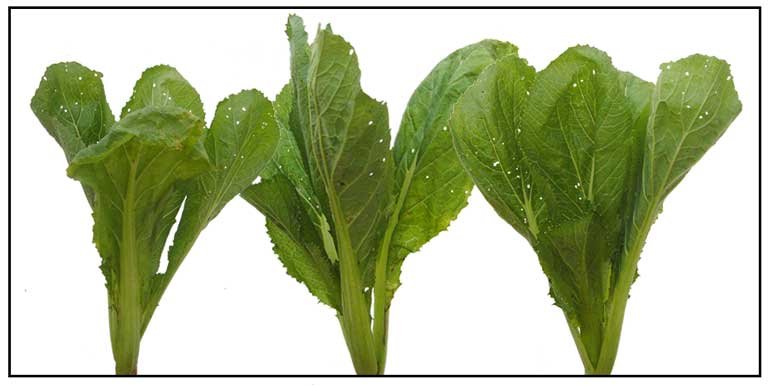
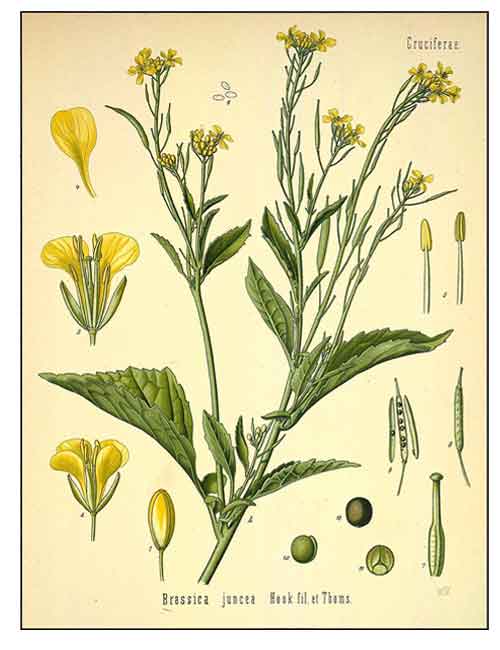
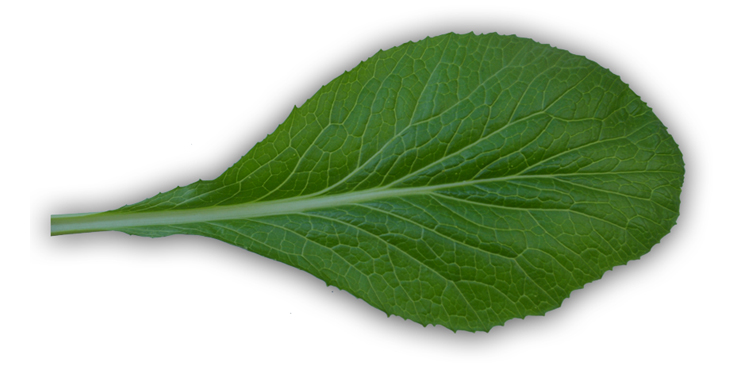
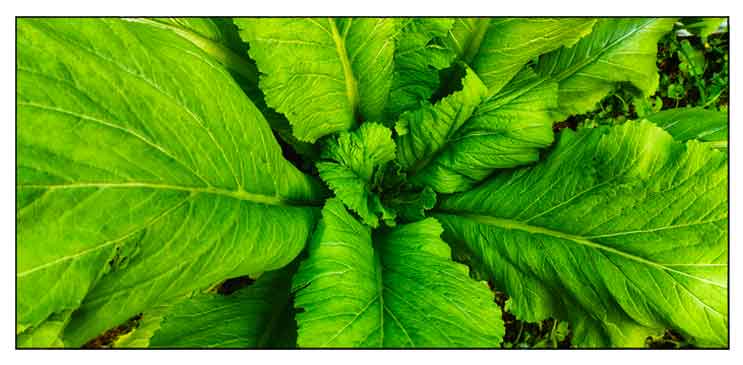
• Mustasa is an erect, branched, smooth
annual, 0.4 to 1 meter high. Leaves are oblong-obovate to oblong-lanceolate,
5 to 15 centimeters long, or in some cultivated forms much larger, thin, irregularly toothed or subentire, the lower ones sometimes
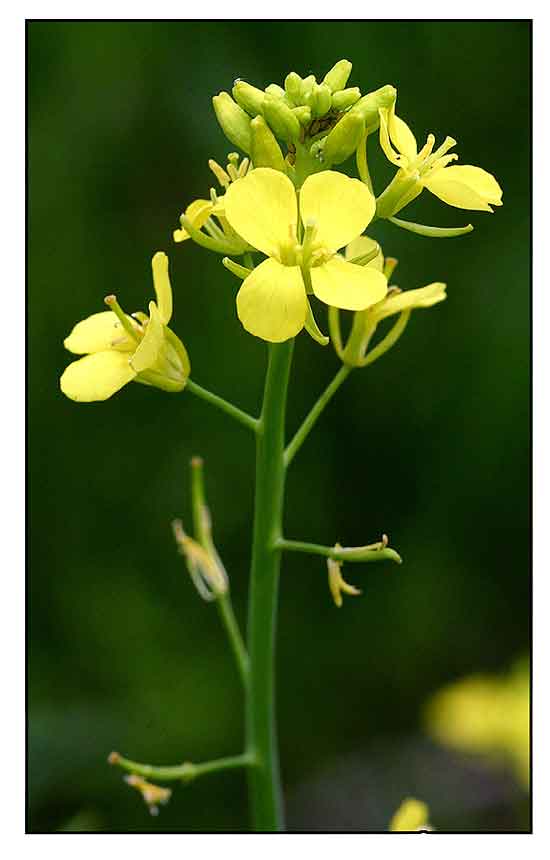
lobed or pinnatifid. Flowers are yellow, 6 to 8 millimeters long. Pod is ascending, linear-lanceolate,
1.5 to 3 centimeters long, and somewhat contracted between the seeds. Beak is seedless.
Distribution
- Introduced to the Philippines.
-
Widely distributed in the
settled areas, in towns and houses, planted and spontaneous.
- Now, pantropic; also occurring in some temperate regions.
- Native to North Caucasus, Tanscaucasus. (2
 Constituents Constituents
• Seed contains an oily substance, "the essential oil of mustard, the active principle.
• Yields a crystallizable substance, sinnigrin, analogous to sinalbin.
• Nutrient analysis of mustard seeds per 100 g yielded: (1) Principle: energy 508 Kcal, carbohydrate 28.09 g, protein 26.08 g, total fat 36.24 g, cholesterol 0, dietary fiber 12.2 g; (2) Vitamins: folates 162 µg, niacin 4.733 mg, pantothenic acid 0.810 mg, pyridoxine 0.397 mg, riboflavin 0.261 mg, thiamine 0.805 mg, vitamin A 31 IU, vitamin C 7.1 mg, vitamin E? 19.82 mg, vitamin K 5.4 µg; (3) Electrolytes: sodium13 mg, potassium 738 mg; (4) Minerals: calcium 266 mg, copper 0.645 mg, iron 9.21 mg, magnesium 370 mg, manganese 2.448 mg, selenium 208.1 µg, zinc 6.08 mg; and (5) Phytonutrients: carotene-ß, crypto-xanthin-ß, lutein-zeaxanthine 508 µg. (Source: USDA National Nutrient data base) (15)
• Phytochemical profiling of leaves yielded 51 compounds (chloroform), 48 (EA), 40 (methanol), 33 (PE), and 28 (n-hexane). Major compounds were benzenepropanoic acid,, 3,5-bis (11,1-dimethylethyl)-
4-hhydroxy-, methyl ester (22.98%, in methanol), n-eicosane (26.69%, in ethyl acetate), n-pentacosane (50% in chloroform) and n-tetratetracontane (42.47 and49.19% in PE and n-hexane, respectively). (27)
• Brassica juncea leaves yielded ß-sitosterol and essential fatty acids linoleic acid and α-linoleic acid. Leaves also yielded trilinolenin, lutein, and ß-carotene. (30)
• Phytochemical screening of seeds yielded alkaloids, flavonoids, tannins, saponins, terpenoids, and phenolic compounds. (see study below) (31)
•
Ethanol and water solvents of B. juncea yielded total phenolic contents (mg GAE/g solid) of 1.4 and 17.9; total flavonoid contents (mg QE/g solid) 52.6 and 4.1; total saponin (mg QSE/g solid) 23.5 and 62.7; condensed tannin contents (mg CE/g solid) 1.4, 0.4; reducing sugar (mg GE/g solid) 0.7, 3.5, and soluble solid contents (mg/mL) 14.1, 0.3, respectively. (see study below) (34)
• In a GC-MS study for
volatile compounds from B. juncea extracts, main phytochemical identified in seeds were 2-butyl isothiocyanate (32.46%), phenylethyl isothiocyanate (28.01%), α-d-galactopyranoside (25.19%), linolenic acid (16.05%), tetradecanoic (11.32%) and oleic acid (15.30%). Major compounds in the leaves were α-methyl-d-mannopyranoside (27.18%), 2-butyl isothiocyanate (24.24%), β-d-glucopyranoside (24.54%), furaldehyde (15.96%), 1-phenyl ethanol (23.33%), ethyl benzoate (14.50%), linolenic acid (13.99%) and oleic acid (12.75%). (40)
Properties
• Pure mustard
oil is pale yellow, faintly smelling of mustard with a shard and pungent
taste.
• Counterirritant,
emmenagogue, rubefacient.
• Considered analgesic, antibacterial, antifungal, diuretic, emetic,
galatagogue, stimulant.
• Studies have suggested nutrient, antidiabetic, antifungal, antitumor, anthelmintic, phytoremediative, wound healing, antinociceptive, antiviral, cognitive enhancing, antioxidant, hepatoprotective, anti-inflammatory, antigenotic, antidepressant, anticonvulsant, antidiarrheal, cardiotoxic and hepatotoxic properties.
Parts
utilized
Seeds, leaves, oil.
Uses
Edibility
- Leaves eaten as green
leafy vegetable, fresh or pickled in brine; also used in soups and stews.
- Excellent source of calcium, phosphorus, iron and vitamin B.
Folkloric
- Plaster applied to skin is a powerful irritant, rubefacient, and vesicant.
- Applied to unbroken skin, it acts as a counterirritant, producing a sensation of warmth followed by burning pain. Leaves
applied externally for pleurodynia and pleuritis, neuralgia, lumbago.
 - As a plaster, mustard soothes the pain in gastralgia, colic, neuralgia, lumbago. Also, applied over the epigastrium for hiccupping and vomiting. A plaster over the nape of the neck applied to relieve cerebral congestion. - As a plaster, mustard soothes the pain in gastralgia, colic, neuralgia, lumbago. Also, applied over the epigastrium for hiccupping and vomiting. A plaster over the nape of the neck applied to relieve cerebral congestion.
- Hot-foot bath of mustard (seeds or leaves) for headaches, common cold,
and fevers.
- Leaves applied to the forehead for headaches.
- Hip-bath of mustard used as emmenagogue.
- Poultice of mustard leaves or seeds used for neuralgic and rheumatic complaints.
- Pure fresh oil taken from seeds used as stimulant and external counterirritant; applied externally for sore throats, internal congestion, and chronic muscular rheumatism.
- Oil used as embrocation applied to skin in eruptions and ulcers.
- Seeds used as poultice in gout and inflammation.
- Combined oil of mustard and camphor used for muscle pains,
- As an emetic, 4-5 tsp in a cup of warm water.
- Taken internally as condiment, causes a sense of warmth in the stomach, stimulates gastric juice, sharpens the appetite and assists in digestion. In large doses, becomes a gastric irritant, and causes vomiting; as such, used as an emetic in narcotic poisoning.
- In Bhutan, aerial parts used as spasmolytic and for treatment of food poisoning, heart and blood disorders. (23).
- In Korea, seeds used for treatment of abscesses, colds, and stomach problems. Seed oil used for skin eruptions and ulcers.
- In Nepal, seed oil rubbed for body aches.
- In Bangladesh, oil is rubbed on the throat and chest for treatment of common colds with mucus.
- In Java, used as antisyphilitic emmenagogue.
- In China, leaves in soup for bladder, inflammation and hemorrhage. Seeds used for treatment of tumors.
- In India, leaves used for diabetes. Plant used as anthelmintic, and in treatment of alopecia, epilepsy, snakebites, hiccups, and toothache.
- In Maharashtra, India, a paste of alum (white mineral salt) and Brassica seeds eaten along with banana twice daily for the treatment of jaundice.
 Studies Studies
• Juncin / Antifungal Protein / Anti-Tumor: Study isolated juncin from the seeds of Japanese takana (Brassica Juncea var. integrifolia). The protein exhibited antifungal activity against Fusarium oxysporum, Helminthosporium maydis and Mycosphaerella arachidicola. It inhibited the proliferation of hepatoma and breast cancer cells. (2)
• Anti-Diabetes / Benefit against Insulin Resistance / Hypoglycemic / Seeds: Study showed feeding of a fructose diet containing 10% Brassica juncea seeds significantly reduced fasting serum glucose, insulin and cholesterol levels. Results suggest that B juncea can play a role in the management of pre-diabetic state of insulin resistance. (3) Study of an aqueous extract of seed showed potent hypoglycemic effect on STZ induced diabetic male albino rats. (17)
• Hypoglycemic / Antihyperglycemic Effect: Study showed the B juncea diet showed significant antihyperglycemic effect in alloxan but not in STZ rats. (4)
• Anti-Diabetic Oxidative Stress: Study of four fractions from mustard leaf (B juncea) showed the ethanolic fraction showed the strongest concentration-dependent inhibitory effect on the formation of advanced glycation products and free radical-mediated protein damage in an in vitro system suggesting a potential protective role against diabetes and/or its complications. (5)
• Wound Healing / Leaves : Study evaluated leaf extracts for wound healing activity in excision wound model in albino rats. An aqueous extract showed 94.94% maximum percentage of healing compared to control. (7)
• Phytoremediation / Copper Contaminated Soil: Study evaluated the efficacy of copper removal from the soil by Brassica juncea and Bidens alba. The copper removal efficiency of B. juncea (L.) Czern was 11 times greater than Bidens alba DC var radiata. (8)
• Phytoremediation / Municipal Solid Waste: Study showed highly promising potential for removal of Pb, Zn, Ni, and Cu by phytoextraction through Brassica juncea. B. juncea is a potential species for phytoremediation of MSW through management and regulation of leaching of toxic elements into soil and ground waters. The plant growth also stimulates the microbial community, degrading contaminants in the soil or making them available to rhizosphere. (9)
• Anti-Hyperglycemic / Antinociceptive: Study of a methanol extract of leaves showed significant and dose-dependent antinociceptive activity in acetic-acid induced gastric pain writhing model in mice. In oral glucose tolerance tests, the extract also demonstrated significant and dose-dependent glucose lowering activity. (10)
• Anthelmintic / Seeds: Comparative study evaluated the anthelmintic activity of seeds of B. juncea and flowers of B. oleracea against Pheretima posthuma, using Albendazole as standard. Results confirmed the anthelmintic activity of both plants, with Brassica juncea showing more efficient activity. (11)
• Phytoremediation / Cadmium: Study evaluated the Cd phytoremediation ability of Indian mustard. The plant showed high CD tolerance of up to 400 mg K, but there was a general trend of decline in root and shoot length, tissue biomass, leaf chlorophyll and carotenoid contents. Results showed the suitability of B. juncea for removing Cd from the soil. (13)
• Anti-Inflammatory / Toxicity Study: Study evaluated the anti-inflammatory activity of PE and ethanolic extracts of B. juncea against carrageenan induced paw edema. Acute toxicity study up to 2 gm/kg p.o. did not show mortality or behavioral changes. Both extracts exhibited anti-inflammatory activity, with the ethanolic extract showing better activity than the petroleum ether extract. (14)
• Antioxidant / Anti-Cancer / Seeds and Sprouts: Study evaluated extracts of Brassica juncea for hydroxyl radical scavenging activity and in vitro cytotoxicity activity against rat cancer cell line and three different human cell lines. Results showed effective scavenging of hydroxyl radicals and induction of cancer cell death by apoptosis. Seed extracts were more effective than sprout extracts. (16)
• Hepatoprotective / Anti-Cancer / Seeds and Sprouts: Study evaluated the effects of Brassica juncea leaf extracts on carbon tetrachloride induced hepatotoxicity in Wistar albino rats. Among extracts tested, ethanolic and pet ether extracts showed maximum inhibition of necrosis and reduction of liver enzyme parameters with a significant p<0.0001. (18)
• Genoprotective / Mercury-Induced Genotoxicity / Seeds: Study evaluated the antigenotoxic effects of various concentrations of B. juncea chloroform seed extracts on mercury-induced genotoxic effects in root cells of Allium cepa. Results showed antigenotoxic potential in a dose dependent manner. (19)
• Antinociceptive / Diabetic Peripheral Neuropathy: Study evaluated the effect of B. juncea on peripheral neuropathic pain in diabetic rats. Results showed decreased pain threshold and also significant decrease in diabetic induced hyperglycemia. Results suggest a therapeutic option for treatment of hyperalgesia associated with diabetic neuropathy. (20)
• Antidepressant / Leaves: Study evaluated the antidepressant activity of methanol extract of B. juncea leaves in alloxan induced diabetic and non-diabetic rodents. Antidepressant and motor functioning depressing effects were observed. Compensations of monoaminergic deficits by the extracts in diabetic animals could be involved in the observed behavioral effects. (21)
• Mustard Allergy / Double-Blind Placebo Controlled Challenge: A double-blind placebo-controlled study evaluated 30 patients presenting with positive prick tests to ground mustard seeds/ About 23% of sensitized subjects were allergic to routine dose of mustard. Positive prick tests and the presence of specific IgE were not predictive. Single-blind (SB) or double-blind (DB) placebo controlled food challenge (PCFC) trials is required before recommending avoidance diets. (22)
• Antibacterial in Different Food Model Systems: Aqueous extracts of B. officinalis and B juncea showed various degrees of inhibitory activity especially towards staphylococci and enterobacteria; B. juncea showed higher inhibitory activity than B. officinalis. (24)
• Toxicity / Seeds: Study investigated the possible toxicity of mustard seeds on brain and kidney tissue in albino wistar rats. Ethanol extract of mustard seeds were orally administered for two weeks at doses of 2000 mg/kg and 4000 mg/kg body weight. Results showed histological effects and altered histoarchitecture of the brain and kidney of tests groups. Results suggest prolonged ingestion of the extract is toxic to tissues at the concentrations investigated. It was inferred that these doses could also be toxic in humans. (25)
• Anti-Inflammatory / Seeds: Study investigated a methanolic extract of seeds for anti-inflammatory activity against carrageenan induced paw edema in a rat model. At a dose of 1000 mg/kbw, the extract showed significant activity showing 65.98% reduction in paw volume comparable (p<0.05) to that by standard drug indomethacin. (26)
• Antihyperlipidemia / Seeds: Study evaluated the antihyperlipidemic potential of B. juncea seeds in cholesterol-fed rabbits. B. juncea seeds consumption showed lipid lowering effect with potential cardioprotection and benefit against atherogenesis. (28)
• Cognitive Benefits: Study evaluated the potential of methanol extract of leaves for treatment of cognitive disorders associated with diabetes or central cognitive dysfunctions in alloxan diabetic or scopolamine-challenged rats using elevated plus-maze and active- and passive avoidance tests. All treatments of BJ dose-dependently decreased the elevated level of AChE, and significantly increased the SOD and CAT levels in brain homogenates of scopolamine-challenged and diabetic rats. (29)
• Anticonvulsant / Toxicity Study / Seeds: Study investigated the anticonvulsant activity of seed extract of Brassica juncea against PTZ-induced seizures in mice. The extract significantly delayed the latency of convulsion (p<0.05) induced by PTZ and reduced the frequency of convulsions with 100% protection at 500 mg/kg p.o. against death. Acute oral toxicity study showed safety and no toxicity up to 5000 mg/kbw. (see constituents above) (31)
• Antiviral / Toxicity Study / Seeds: Study evaluated the phytochemical properties, safety, and antiviral activities of three herbs (Brassica juncea, Forsythia suspensa, and Inula britannica) used in traditional Korean medicine. The ethanol extract of B. juncea showed a 3 Log TCID50/25µL virus titration reduction and the water extract showed a selectivity index of 13.668 against infected H1N1 virus A/NWS/33. It did not show hemolysis activities and hepatotoxicity (<20%). Results suggest B. juncea may show antiviral effects against H1N1 in a host, and may also show decreased disadvantages compared to other antiviral agents. (see constituents above) (34)
• Anxiolytic / Leaves: Study evaluated 100, 200, and 400 mg/kg/day doses of methanolic leaf extracts for anxiolytic effect in non-diabetic and alloxan-induced diabetic rats using three behavioral tests i.e. elevated plus maze, open field, and social interaction tests. Quantitatively, the efficacy of the highest test dose was less than those observed after lower doses. (35)
• Antidiarrheal / Powdered Whole Plant: Study evaluated the antidiarrheal potential of ethanol extract of defatted powder of whole plant against castor oil-induced diarrhea, magnesium sulfate induced diarrhea, and charcoal passage test in albino rats. At higher dose of 400 mg/kg, the extract showed significant reduction in number of feces in castor oil and magnesium sulfate induced diarrhea, and significant reduction in distance traveled in charcoal passage test. (36)
• Anticandidal / Hepatoprotective / Seeds: Study evaluated the invitro and invivo anticandidal effect of hydroethanolic seed extract of B. juncea. The extract exhibited significant invivo and invitro anticandidal effects through alleviation of hepatotoxicity cause by infection either by significant decrease of liver enzymes and LPO or enhancing hepatic GSH content, along with confirmatory histopathological exam. GC-MS extract analysis revealed 17 components, with eremanthin as dominant component (55%), considered a potent antioxidant. Results showed the seed extract exhibited inhibitory effect against hepatotoxicity caused by candidiasis. (37)
• Anticancer / In Vitro against Colon and Lung Cancers / Leaves: Study evaluated the effects of ethanol extract of mustard leaf (MLE) on growth, angiogenic, and metastatic potentials of HCT116 colorectal carcinoma and H1299 non-small cell lung carcinoma in vitro. Treatment of HCT116 and H1299 cells with MLE inhibited cell growth in a dose-dependent manner (range of 175-700 µg/ml, bu 39-86%) and anchorage-independent colonization (at 700 µg/ml, by 56-86%). Induction of apoptosis was observed. Treatment with MLE markedly suppressed the secretion of key pro-angiogenic factors, such as vascular endothelial cell growth factor (VECGF) by 92% and basic fibroblast growth factor by 73-94%. The MLE also inhibited critical events during metastasis, such as invasion (18-33% in HCT116 and H1299), migration (45-82% in H1299), and adhesion (17-45% in HCT116 and H1299). Results suggest invitro anticancer activities against colon and lung cancers. (38)
• Effect on Diabetic-Induced Cataract / Leaves: Study evaluated the effect of B. juncea leaf extract on streptozotocin-induced diabetic cataract in Wistar rats using daily oral doses of 250 and 500 mg/kbw for 8 weeks. Results showed reversal of changes associated with hyperglycemia, delayed cataract progression and maturation with the two doses, with the higher 500 mg/kg dose showing increased protection. Results suggest potential against hyperglycemia-induced oxidative and osmotic stress and subsequent development of diabetic cataract. (39)
• Antimicrobial Synergistic Effects on Salmonella Membrane Permeability and Apoptosis: Study showed the synergistic effects of three herbs i.e. Brassica juncea, Forsythia suspensa, Inula britannica against avian pathogenic Salmonella induced by membrane damage and apoptosis. (41)
• Wound Healing / Burns / Seeds: Study evaluated the effects of B. juncea seed extracts and Shorea robusta roots on healing of second-degree burns in rats. Silver sulfadiazine was used as standard. The ethanolic extract of B. juncea seeds showed potent healing capabilities compared to S. robusta roots (p<0.001). Tensile strength was similar to silver sulfadiazine ointment. Results suggest a potential low-cost, easily available herbal medication for treatment of burn injuries. (42)
• Anti-Rheumatoid Arthritis / Leaves: Study evaluated the efficacy of B. juncea leaves for treatment of rheumatoid arthritis using in vivo and in silico systems. IL2RA, IL18, and VEGFA were found to be potential RA target and BJ compounds showed great binding efficacy towards the target from molecular docking study. To confirm anti-arthritic activity, the extract was tested in CFA-induced arthritic Wistar rats. Results showed retrieval of altered hematological parameters and substantial recovery from inflammation and degeneration of rat hind paw. (43)
• Effect on Obesity and Lipid Profiles / Leaves: Study evaluated the effect of B. juncea leaf extract on fat deposition and lipid profiles in high-fat, high-cholesterol diet (HFC)-induced obese rats. Supplementation of HFC with 3% or 5% BLE inhibited body fat accumulation, improved lipid profiles, and modulated-lipogenesis- and cholesterol metabolism-related gene and protein expression. (44)
• Cardiotoxic and Hepatotoxic Effects / Seeds: Study evaluated the effect of methanol extract of B. juncea seeds on heart and liver of adult albino Wistar rats. Graded doses of extract were given via oral gavage once daily for 4 weeks. Results showed significant increase in AST and ALT. Histopathologic exam revealed changes consistent with toxic injury in the heart and liver tissues of extract treated rats. Results suggest subacute administration of methanol seed extract can cause candiotoxic and hepatotoxic effects in rats. (45)
• Skin Whitening / Anti-Wrinkle Effects / Antioxidant / Leaves and Seeds: Study evaluated the biological activity of leaf and seed extracts as cosmetic ingredients. Leaf and seed extracts showed 65.26% and 83.17% DPPH radical scavenging effect, respectively. Highest inhibition activities of tyrosinase were 22.33% and 36.58%, respectively, while inhibition activities for elastase were 33.45% and 40.21%. Results confirmed the leaf and seed extracts have excellent antioxidant effect, and inhibition effect on activities of tyrosinase and elastase suggest high utility value as cosmetic ingredients. (46)
• Anti-Influenza Virus A/H1N1 / Antiviral Food Supplement Potential: Study evaluated a subcritical water extract (SWE) of Brassica juncea for antiviral effects against influenza virus A/H1N1 and for the possibility of application as nonfat milk supplement for use as "antiviral" food. At maximum nontoxic concentrations, the SWE had higher antiviral activity compared to n-hexane, ethanol, and hot water (80°C) extracts. Addition of SWE to culture medium showed 50.35% cell viability (% antiviral activity). Nonfat milk supplemented with 0.28 mg/mL of B. juncea SWE showed 39.62% antiviral activity against influenza virus A/H1N1. Study suggests potential as food supplement in protection from influenza viral infection. (47)
• Oil and Cake / Potential for Food and Feed Purposes: The meal or cake left after oil extraction from mustard seeds is rich in minerals, vitamins, and high-quality proteins. However, it has been considered inferior in quality because of very high amounts of undesirable long-chain fatty acids, erucic acid in oil and deleterious glucosinolates (GLSs) in seed meal. High intake of erucic acid has been associat3d with cardiac injury in cattle and rodents, while GLSs can cause goitrogenic effects. A statutory limit of <2% erucic acid in oil and <30 µmoles/g GLSs in meal as been set in many countries, which is being implemented for mustard. In India, the development of canola or '00' quality of B. juncea varieties has been fairly successful and can be considered excellent for food and feed purposes. (48)
• Oil and Cake / Potential for Food and Feed Purposes: Study evaluated the protective/therapeutic effect of mustard in its normal form or nanoparticles against TAA-induced acute liver failure in experimental animal models. The antioxidant content of phenolic acids, flavonoids in the ethanolic extract substantially decreased levels of ALT, AST, ALP, and rehabilitated the histopathological alterations, notably increased levels of GSH, SOD, and significantly reduced MDA, markedly down-regulated the expression levels of TNF-α and IL-6 in serum and tissue. DNA genotoxicity was significantly reversed. Results suggest mustard has both protective and therapeutic effects against TAA in both its forms. (49)
Availability
- Wild-crafted.
- Commercial cultivation.
|