Gen info
- Carica is a genus of flowering plants in the family Caricaceae, which includes papaya. The genus
formerly included 20-25 species, but recent genetic evidence resulted in reclassification most of the species into three other genera: Vasconcellea, Jacaratia, and Jarilla. The four remaining species in the genus Carica are: Carica aprica V.M.Badillo, C. augusti Harms, C. cnidoscoloides Lorence & R.Torres, and C. papaya. (100)
- Historically, papaya distributed from Mexico to Panama, and spread to the Caribbean and the Philippines during the exploration of the Spanish explorer, Don Francisco Marine, in the 16th century, and later on spread to Malaysia, India, and other Asean countries from the Philippines. (Nakasone and Paull, 1998; Fitch, 2005; Sekeli et al, 2018) (96)
- Fruit production begins within a year of planting, and produces 30-150 fruits/year. There are 300-700 seeds in each fruit and approximately 20,000 seeds/kg.
(104)
- The genus name "Carica" derives from Latin, meaning 'edible fig'. (104)
 Botany Botany
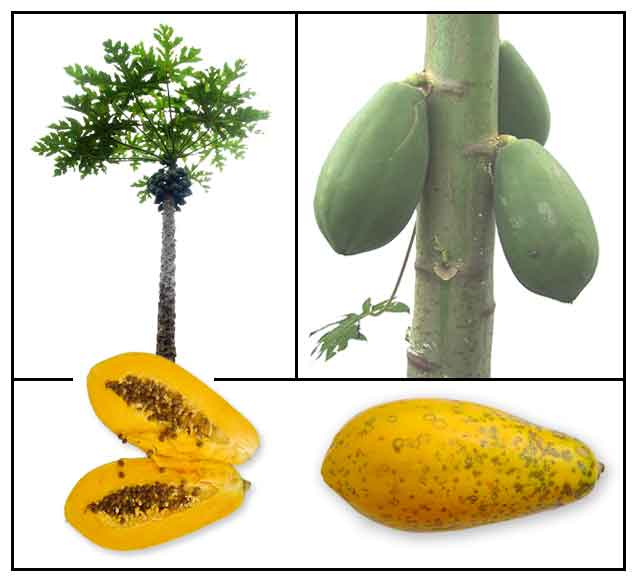
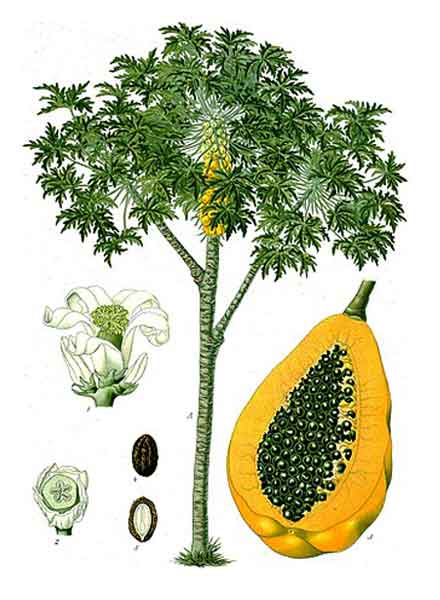
Papaya is a small, erect,, usually unbranched, fast-growing
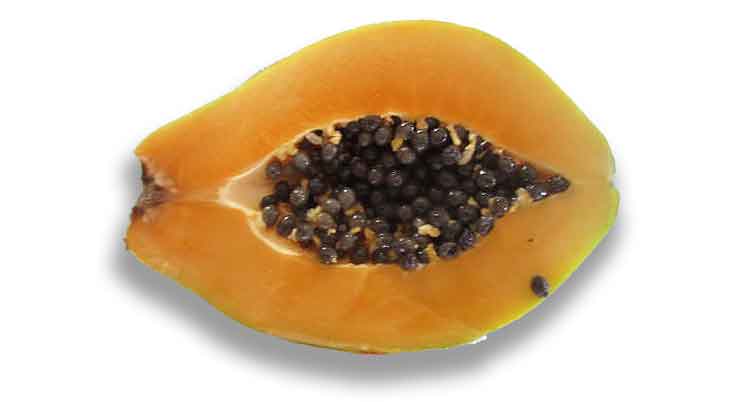
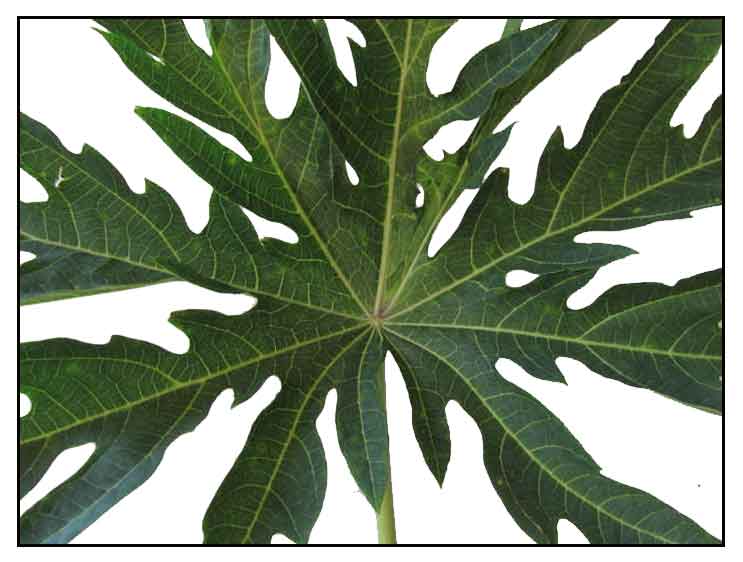
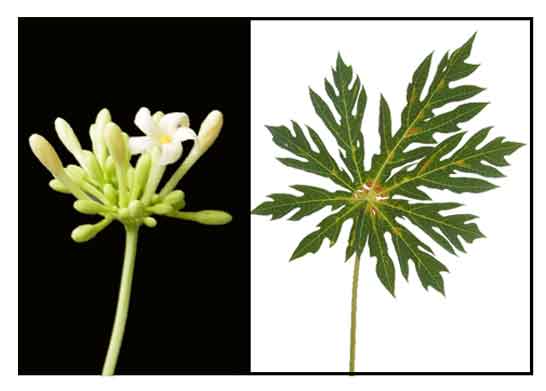
tree growing 3 to 6 meters high. Trunk is soft and grayish, marked with large petiole-scars. Leaves are somewhat rounded in outline, 1 meter broad or less, palmately 7- or 9-lobed, each lobe pinnately incised or lobed. Petioles are stout, hollow, and about 1 meter long. Staminate inflorescence is axillary, pendulous, paniculate, and 1 to 1.5 meters long. Male flowers are in crowded clusters, straw-colored, and fragrant. Corolla tube is slender, about 2 centimeters long. Female flowers are in short, axillary spikes or racemes, the petals 7 centimeters long or less. Fruit is indehiscent, subglobose, obovoid or oblong-cylindric, 5 to 30 centimeters long, fleshy and yellowish or yellow-orange when ripe, containing numerous black seeds which are embedded in the sweet pulp.
Distribution
- Found throughout the Philippines, in cultivation or semi-cultivation, in many regions.
- Thoroughly naturalized, at low and medium altitudes.
- Introduced from tropical America.
- Now pantropic.
 Constituents Constituents
- Contains many biologically active compounds; two important
ones are chymopapain and papain, believed to aid digestion; varying
in amount in the fruit, latex, leaves and roots.
- Phenolic compounds are higher in male trees than female.
- Leaf, fruit, stem and root yield a proteolytic enzyme, papain (papayotin), phytokinase, malic acid,
calcium maleate.
- Fresh latex yield chymopapain.
- Leaves yield carpaine (alkaloid); carposide (glucoside); saccharose,
 0.85%; dextrose, 2.6%; levulose, 0.85%; dextrose, 2.6%; levulose,
2.1%; citrates.
- Fruit
yields saccharose 0.85%, dextrose 2.6%, levulose 2.1%, mallic acid, pectin, papain, and citrates.
- Seeds yield a volatile oil.
- Study on papain reported it to be a true, soluble, digestive ferment or a mixture of ferments of vegetable origin, with a proteolytic action that is marked in acid, alkaline, and neutral solutions. It has a peculiar softening and disintegrating action on proteids, with a general proteolytic action that is of a genuine digestive ferment. It also has amylolytic action. It is considered to have greater digestive power than either pepsin or pancreatin, and can be used when pepsin is contraindicated or ineffective. Although comparable to trypsin, it does not yield leucin, tryrosin and tryptophan in appreciable quantities.
- Aerial parts polar extracts yielded phytocomponents flavonoids, tannins, alkaloids, carbohydrates and triterpenes.
(see study below) (40)
- Nutrient analysis of papaya fruit per 100 g yielded: Principle—energy 39 Kcal, carbohydrates 9.81 g, protein 0.61 g, total fat 0.14 g, cholesterol 0 mg, dietary fiber 1.80 g; Vitamins—folates 38 µg, niacin 0.338 mg, pantothenic acid 0.218 mg, pyridoxine 0.019 mg, riboflavin 0.032 mg, thiamin 0.027 mg, vitamin A 1094 IU, vitamin C 61.8 mg, vitamin E 0.73 mg, vitamin K 2.6 µg; Electrolytes—sodium 3 mg, potassium
257 mg; Minerals—calcium 24 mg, iron 0.10 mg, magnesium 10 mg, phosphorus 5 mg, zinc 0.07 mg; Phytonutrients—carotene-ß 276 µg, crypto-xanthin-ß 761 µg, lutein-zeaxanthin 75 µg. (USDA National Nutrient data base) (53)
- Study of constituents of various parts yielded: Fruits—protein, fat, fiber, carbohydrates; minerals: calcium, phosphorus, Fe, vitamin C, thiamin, riboflavin, niacin, and carotene, amino acids, citric and malic acids (green fruit); volatile compounds: linalool, benzylisothiocyanate, cis and trans 2, 6-dimethyl-3,6 epoxy-7 octen-2-ol. Juice yields n-butyric, n-hexanocic and n-octanoic acids; lipids: myristic, palmitic, stearic, linoleic, linolenic and cis-vassenic and oleic acids. Seeds yield fatty acids, crude protein, crude fiber, papaya oil; carpane, benzylisothiocyanate, benzylglucosinolate, glucotropacolin, benzylthiourea, hentriacontane, ß-sitosterol, caricin, and an enzyme myrosin. (50)
- Roots yield carposide and an enzyme, myrosine. Leaves yield alkaloids carpain, pseudocarpain and dehydrocarpaine I and II; choline, carposide, vitamin C and E. Bark yields ß-sitosterol, glucose, fructose, sucrose, galactose and xylitol. Latex yields proteolytic enzymes, papain and chemopapain, glutamine cyclotransferase, chymopapains A, B, and C, peptidase A and B, and lysozymes. (50)
- Nutritive analysis of 100 g of papaya fruit (R/ripe; G/green) yielded protein 0.6 g/R, 0.7/G; fat 0.1g/R. 0.2g/G; minerals 0.5 g/R/G; fiber 0.8 g/R, 0.9 g/G; carbohydrates 7.2 g/R, 5.7 g/G; energy 32 kcal/R, 27 kcal/G; total carotene 2,740 µm/R, 0/G; beta-carotene 888 µm/R/ 0/G. (50)
- Study on Carica papaya yielded phenolic compounds, flavonoids, fats, triterpenoids, xanthones, glycosides, carbohydrates and alkaloids, with the absence of volatile oil, proteins, amino acids and starch.
(76)
- Phytochemical screening of fractionated extracts of leaves and stem bark yielded alkaloids, saponin, phenol, flavonoids, protein and amino acids, reducing sugar, anthraquinone steroid and terpenoid. (see study below) (90)
- GC-MS analysis of ethanolic extract of papaya leaves yielded more than 30 phytochemicals. Main constituents in terms of relative abundance are oleic acid, tocopherol, sitosterol, neophytadiene, butyl 9,12,15-octadecatrienoate, n-hexadecanoic acid, phytol, tetramethyl-2-hexadecen, dasycarpidan-1-methanol, acetate (ester), campesterol, squalene, octadecenoic acid, stigmasterols, and D-limonene.
(90)
 Properties Properties
- Considered anti-rheumatic,
emmenagogue, anthelmintic.
- Seeds are considered anti-inflammatory, anthelmintic, analgesic,
stomachic and antifungal.
- Leaves are used as tonic, stomachic and analgesic.
- Roots considered analgesic, abortifacient.
- Latex considered styptic and vermifuge.
- Studies have shown hypotensive, hepatoprotective,nephroprotective, anti-sickling, anti-inflammatory, anti-dengue, wound healing, anti-cancer, anthelmintic, immunomodulatory, antidiarrheal, antimalarial properties.
Parts used
Leaves, fruit and latex of trunk.
Uses
Edibility / Nutritional
- Fruit is a popular Filipino breakfast item. Lemon juice is often squeezed over the flesh.
- Makes an excellent ingredient for fruit salad.
- Used in making jams.
- Green fruit used in making achara (pickles).
- The unripe fruit is essential ingredient for tinola, a popular native soup.
-
Source of calcium, iron;
good source of vitamins A and B; excellent source of vitamin C.
- Young leaves of papaya are sometimes steamed and eaten like
spinach.
- Seeds are edible, sharp and spicy.
- Fruit used as ingredient in making salsa, jams, muffins, and dips. (62)
 Folkloric Folkloric
- In the Philippines, bruised papaya leaves are used as a poultice for rheumatism.
- Decoction of the center part of the roots is used as a digestive and tonic, and used to cure dyspepsia.
- Roots are used for yaws and piles.
- In the Gold Coast, roots are used as abortifacient.
- Decoction of leaves used for asthma.
- Leaves used as heart tonic and febrifuge.
-
Debridement (removal
of purulent exudate and blood clots from wound and ulcer): Apply latex
(dagta) of unripe fruit or trunk on the wound or ulcer.
- Ripe fruit eaten for laxative effect. Eat ripe fruit liberally. (May cause harmless yellowing
of the skin, specially palms and soles but not the eyes.) Green fruit is also used as laxative and diuretic.
- Ripe fruit also useful for bleeding piles and dyspepsia.
- In India, milky juice from the unripe fruit used splenic and hepatic enlargement.
- Boiled cup of chopped fresh leaves and 1 cup chopped
green fruit in glasses of water used for cystitis.
- For acne, mix 3 tablespoons of mashed ripe papaya with a tablespoon
of kalamansi juice; apply the mixture to face for 30 minutes, then wash
face with warm water.
- For worm infestation, 1 cup of dried seeds, pulverized and mixed
with 1 cup of milk or water; 1 teaspoon 2 hours after supper.
- Tea decoction of dried leaves for variety of stomach troubles.
- Decoction of boiled flowers or powdered seeds promote menstruation.
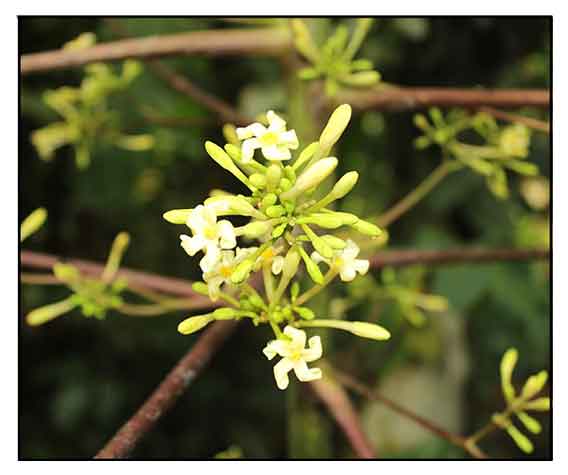
- Infusion of male flowers (left insert) with honey used for
cough, hoarseness, bronchitis, laryngitis and tracheitis: a spoonful
every hour.
- Poultice of roots used for centipede bites.
- Leaves used as vermifuge.
- In the West Indies, powdered seeds used as vermifuge.
- Infusion of flowers used as emmenagogue, pectoral and febrifuge.
- In India and Sri
Lanka, green papaya is used as contraceptive and abortifacient.
- In Ayurveda, used as haemostatic.
- In southern Nigeria, aqueous extract
of unripe papaya taken by sickle cell patients for its "antisickling"
activity.
- Papain used for gastric juice deficiency, dyspepsia, intestinal irritation, in doses of 1 to 5 grains. Used in solution to dissolve fibrinous membranes in croup and diphtheria. Applied to ulcers and fissures of the tongue. In pigment form prepared with borax and water, used to remove warts, corns, or other horny excrescences of the skin. Papain also used as anthelmintic; also used for warts, epithelioma and tubercles.
- In India and among the Malays, milky juice is applied to the os uteri to induce abortion.
- Latex used as styptic and vermifuge..
- In Indonesia, seeds used to blacken hair: Seeds are first fried without oil (roasting) and added with coconut oil, then applied to the hair. (see study below) (93)
Others
- Meat tenderizer: Mix the peelings of the unripe fruit or
latex with raw meat before cooking. The enzyme "papain" is
a main ingredient in commercial meat tenderizers.
- Papain is also the main ingredient of an ointment popularly
used as a topical application for cuts, rashes, stings and burns.
- Soap substitute: Leaves are sometimes used with soap or as a soap substitute for washing clothes.
- Food: Eat unripe or ripe fruit.
- Latex: In some countries, grown for extraction of papain, a proteolytic enzyme present in latex, collected mainly from the green fruit. Papain is used in beverage, food, and pharmaceutical industries, chill-proofing beer, tenderizing meat. Also used in bathing hides, degumming silk, and softening wool. Latex yielded is about 70-130 kg of papain/ha per year. (104)
- Cosmetics: Ripe fruit used as cosmetic; pulp used as skin soap. Juice of fruit pulp used for freckles caused by the sun. Black hair dyes and face masks can be made from seeds.
Dengue
· Raw papaya leaf juice: Web grapevine blogs tell of the use of raw papaya leaf
juice in patients with dengue – two leaves, cleaned, pounded and
squeezed our of a cloth for a two tablespoonfuls serving, once a day.
Reports of improvement in the decreased platelet counts –some
are rather dramatic – are attributed to the use of the papaya
leaf juice. Bioactive chemicals reported in the leaf are: carpaine,
carposide, dehydrocarpaine, flavonols, pseudocarpaine and tannins.
Other than a Nigerian folkloric use of the aqueous extract of the unripe
papaya for its "anti-sickling" effect, a search failed to show
any study on Carica papaya's effect on the platelet pathway. (Also see:
Gatas-gatas and the folk medicine grapevine
reports on use for dengue.)
· Preparation of Leaf Juice: A pilot study (Sri Lankan Family Physician, 2008, 29, 17-19)
describes the preparation of the papaya leaf extract: Crush two (2) tender, fresh papaya leaves (not too young, not too mature, using only the leafy part and discarding the stalks) and squeezing the juice by hand, and the juice drunk without dilution. (see study below) (29) Studies
• Phytochemicals / Unripe Pulp: Phytochemical analysis of the mature unripe pulp of C papaya
yielded minerals in considerable quantities and the presence of saponins
and cardenolides that explains its astringent therapeutic uses. (2)
• Toxicity study: A study to
evaluate the toxicity of aqueous extract of unripe papaya, consumed
for its anti-sickling effect by some sickle cell patients, showed
no adverse effects or evidence of toxicity on the organ functions in
rats. (3)
• Hypotensive: Blood pressure
depression by the fruit juice of Carica papaya (L.) in renal and DOCA-induced
hypertension in the rat: Study showed significant lowering of mean arterial
pressure, more than hydralazine. It concludes that the fruit juice of
C papaya contains antihypertensive agent/s which exhibits mainly alpha-adrenoreceptor
activity. (4)
• Antihemolytic: Antihemolytic
action of an extract of Carica papaya bark. Possibilities of use in
glucose-6-phosphate dehydrogenase deficiencies. (5)
• Antioxidant / Antiulcer / Leaves: Study of the aqueous extract of leaves on alcohol-induced acute damage and the
immediate blood oxidative stress level in rats showed that Cp may potentially
serve as a good therapeutic agent against gastric ulcer and oxidative
stress. (7)
• Antiulcerogenic: Study on the antiulcerogenic activities of Cp extract on
aspirin-induced ulcer in rats showed reduced ulcer index, lipid peroxide
levels and alkaline phosphatase activity in rats. It suggests Cp may
exert gastroprotective effects by free radical scavenging action and
presents a therapeutic potential in the treatment of gastric diseases. (9)
• Anthelmintic / Jejunal Contraction
Modulation : Study of an ethanol extract of C papaya
seeds caused concentration-dependent inhibition of jejunal contraction
which was significantly irreversible. Benzyl isothiocyanate (BITC)is
the main bioactive compound responsible for its anthelmintic activity.
The results show that papaya seed extract and BITC are capable of weakening
the contractile capacity of isolated rabbit jejunum and concludes that
the anthelmintic efficacy level may also cause impairment of intestinal
functions. (8)
• Antisickling Property / Leaves: Study
on the methanolic leaf extracts of Cp showed reduction of hemolysis
and protection of erythrocyte membrane stability under osmotic stress
conditions. Pretreatment with Cp leaf extract inhibited formation of
sickle cells under severe hypoxia. The results indicate the feasibility
of Cp as an attractive candidate for Sickle Cell Disease therapy. (10)
• Nephroprotective / Seeds:
Study showed the aqueous seed extract of Cp has nephroprotective
effect on carbon tetrachloride renal-injured rats, possibly mediated
through any of the phytocomponents through either an antioxidant and/or
free radical scavenging mechanism/s. (11) Study evaluated an aqueous extract of papaya seeds on CCl4-induced renal toxicity in Wistar rats. Results showed a nephroprotective effect with dose-dependent statistically significant decrease in renal function makers except potassium. (58)
• Wound Healing Property / Latex:
Study showed the papaya latex formulated in the
Carbopol gel, based on hydroxyproline content, wound contraction and
epithelialization time, to be effective in the treatment of burns and
supports its traditional use.
• Pregnancy Concerns:
A study was done to evaluate the safety of papaya
consumption in pregnancy. Ripe papaya consumption showed (1) no significant
difference in the number of implantation sites and viable fetuses in
papaya fed rats relative to control (2) no fetal or maternal toxicity
in all groups (3) No significant contractile effect on uterine smooth
muscles. However, crude papaya latex (1) induced spasmodic contraction
of the uterine muscles similar to oxytocin and prostaglandin F2a. Results
suggest, ripe papaya consumption pose no significant danger during pregnancy.
However, unripe or semi-ripe papaya that contains high concentration
of latex produces marked uterine contraction and may be unsafe during
pregnancy. (12)
• Male Infertility:
Study of the alkaloid extract of Cp seeds
prevented ovum fertilization, reduced sperm cell counts, sperm cell
degeneration and induced testicular cell lesion, changes that induce
reversible male infertility and a potential for a pharmaceutical male
contraceptive. (13)
• Acute Toxicity Study of Leaf Extract: Study investigated the acute toxicity of Carica papaya leaf extract on Sprague Dawley rats at a dose of 2000 mg/kg body weight. Study was conducted in a stepwise procedure with fixed doses of 5, 50. 300, and 2000 mg/kbw. The extract did not cause death or acute adverse effects. However hemoglobin, hematocrit, RBC, and total proteins were significantly increased suggesting dehydration. (15)
• Dried Seeds / Anthelmintic: Study evaluated air-dried papaya seeds on human intestinal parasitosis showed efficacious results without significant side effects.(16)
• Hepatoprotective: Study of Carica papaya fruit extract showed significant dose-dependent hepatoprotection in carbon tetrachloride hepatotoxic rats. (17)
• Pawpaw Wine: Wine produced from pawpaw had similar taste and characteristics with natural palm wine. It can be produced for immediate consumption or preserved by refrigeration. (18)
• Leaves / Pharmacognostic / Physiochemical / Phytochemical: Leaf showed abundant sphaeraphides and rhomboidal calcium oxalate crystals. Histochemical testing revealed the presence of alkaloids and starch.
• Anthelmintic / Latex / Poultry Nematodes: Trials concluded the latex of C. papaya (papain) has phamacotherapeutic activities against intestinal nematodes of poultry. (21)
• Acetogenins: Acetogenins have been isolated from the twigs. Acetogenins are active compounds that modulate ATP production in the mitochondria of specific cells.
• Anti-Cancer Effects: In a study that exposed 10 different types of cancers--including cervix, breast, liver, lung, and pancreas-- extract made from dried papaya leaves was reported to slow down tumor growths. While one mechanism suggested apoptosis induction as a mechanism, the extract also boosted the production of key signaling molecules called Th-1 type cytokines. Results suggest a potential therapeutic strategy that uses the immune system to fight cancers and a use for various inflammatory and autoimmune conditions. Also, the extract showed no toxicity on normal cells. (23)
• Wound Healing / Fruit: Study evaluated an aqueous extract of fruit for wound healing activity in streptozotocin-induced diabetic rats using excision and dead space wound models. Extract treated animals showed 77% reduction of wound area controlled to 59% of control. Faster epithelization was noted, with increased hydoxyproline content. Extract showed antimicrobial activity against five organisms tested. (24)
• Reversible Contraception in Male Wistar Rats: Study investigated the antifertility activity of an ethanol extract of C. papaya seeds. Study results conclude that the seed extract induces reversible male contraception in Wistar rats. The antifertility action was clearly evident on the testicular germinal epithelium of treated male rats. (25)
• Anti-tumor / Immunomodulatory: Study evaluated the effect of an aqueous-extracted CP leaf fraction on the growth of various tumor cell lines and the anti-tumor effect on human lymphocytes. Results showed significant growth inhibitory activity of the CP extract on tumor cell lines. In PBMC, IL-2 and IL-4 production was decreased, with increased cytotoxicity of activated PBMC against K562. Results showed the extract can mediate a Th1 type shift in human immune system, with a potential use for selected human diseases like cancer and allergic disorders, as well as immunoadjuvant for vaccine therapy. (26)
• Increased Platelet Count / Leaf Extract: Study showed fresh C. papaya leaf extract significantly increased the platelet and RBC counts in test groups compared to control. Identification of active constituents is paramount for its potential as medication to boost thrombopoiesis and erythropoiesis in humans and animals where those cell lineages have been compromised. (27) Open-labeled, randomized controlled trial investigated the platelet increasing property of C. papaya leaf extract in patients with thrombocytopenia associated with dengue. Results showed the leaf extract significantly increased the plate count (p<0.003) over the therapy duration. (51) An observational, prospective, uncontrolled, open label, single center study investigated the effect of papaya leaves extract capsules in acute febrile illness with thrombocytopenia in 80 patients. Results showed significant increased in platelet count (p<0.05) and maintained stability of hematocrit level. Findings suggest acceleration of platelet count increase and shortening of hospitalization time. (56)
• Acceleration of Platelet Count Increase in Dengue: Study investigated the platelet increasing property of leaf juice in patients with dengue fever. In an open-labeled randomized controlled trial of 228 patients with dengue fever (DF) and dengue hemorrhagic fever (DHF), study showed a significant increase in mean platelet count in the intervention group in both DF and DHF patients. (28)
• Salutary Effects of Leaf Extract in Dengue Fever Patients: Pilot study showed the effects of papaya leaf juice in dengue patients in elevating total WBC counts, platelet counts and recovery without hospital admission. Typically, platelet count drops in dengue after the first three days of fever, gradually increasing after the 7th day or decreasing further along with other clotting facts to develop into the dengue hemorrhagic state. In this study, the platelet count increased in all 12 patients with two doses of papaya leaf juice. (See Uses/Dengue for preparation of leaf juice) (29)
• Platelet Augmentation Activity / Leaf Aqueous Extract: Study evaluated the effect of C. papaya aqueous leaf extract in increasing platelet count in a cyclophosphamide-induced thrombocytopenic rat model. Results showed increase in platelet count and also a decrease in clotting time in rats. Vinca-alkaloids have been proven effective against anti-platelet macrophages in ITP. Saponins in Panax notoginseng have been shown to reduce platelet adhesion and aggregation, and prevent thrombosis. Papaya leaves yield phytoconstituents like saponins, tannins, cardiac glycosides and alkaloids (carpaine, pseudocarpaine, and dehydrocarpaine I and II). The study suggests the phytoconstituents can have bone marrow effects— preventing destruction or enhancing platelet production, prevented platelet destruction in the blood and increase its circulation life. (30)
• Anthelmintic / Latex: Study evaluated the anthelmintic potential of latex of Carica papaya using Pheretima posthuma as test worms. Latex of C. papaya showed significant anthelmintic activity with piperazine citrate as standard anthelmintic drug. (31)
• Hypoglycemic / Leaves: Study evaluated the hypoglycemic effect of an aqueous extract of C. papaya leaves in diabetic rats. The leaves exerted a hypoglycemic and antioxidant effect, and also improved the lipid profile in diabetic rats. (32)
• Antimicrobial / Leaves: Study evaluated various extract of dried and fresh leaves of C. papaya against bacteria and fungi of medical importance. Results showed a very significant broad spectrum of antimicrobial activity against Gram-negative and Gram-positive bacteria and fungi. Organic extracts were more effective than aqueous extracts.
(33)
• Proximate Analysis / Antioxidant / Antiproliferative: Study evaluated different parts of C papaya (ripe and unripe, leaves and seed) for proximate analysis, antioxidant and antiproliferative activities. The ripe papaya had the highest antioxidant activity (84.04%, followed by unripe papaya (81.35%), leaves (78.03%), the seeds (75.35%). Phenolic content was leaves > unripe papaya > ripe papaya > seed. Leaves had the highest ascorbic acid and ß-carotene content, while seeds had the highest vitamin E content. On cytotoxicity evaluation, the extract significant inhibited MCF-7 and MDA-MB-231 breast cancer cell lines. (34)
• Comparative Hepatoprotective Efficacy / Dried Fruits Vs Vitamin E: Carica papaya and vitamin E showed significant hepatoprotection against CCl3-iinduced hepatotoxicity, with prevention of hepatic necrosis and fatty degeneration. C. papaya showed more significant changes in ALP than vitamin E. (35)
• Co-Administration with Oral Hypoglycemic Drugs: Study evaluated the interacting effects of co-administration of C. papaya leaf extract on the hypoglycemic activity of metformin and glimepiride in an animal model. Results showed co-administration of C. papaya with glimepiride or metformin led to significant interactions which affected the hypoglycemic activities of the drugs. Carica papaya extract delayed the onset of hypoglycemic activity of glimepiride and increased the hypoglycemic activity of metformin. Further studies are needed to elucidate the pathway of mechanism of interaction. (36)
• Anti-Protozoal against Trypanosoma cruzi: Study evaluated the in vivo activity of chloroform extract of C. papaya seeds against protozoan Trypanosoma cruzi. The crude extract of seed yielded three main compounds: oleic, palmitic, and stearic acids. Results showed the fatty acids identified in the seed extracts reduced the number of parasites from both parasite stages—blood trypomastigote and amastigote (intracellular stage). (37)
• Leaves Extract Capsule Effect on Platelet Count: Study evaluated the effects of C. papaya extract capsules on dengue fever. The CPC significantly increased the platelet count, maintained the stability of the Hct, accelerated the increase in platelet count and shortened the hospitalization period. (38)
• Alcohol and Anti-Tubercular Hepatotoxicity: Study justified the use of Carica papaya leaves in the prevention of liver damage induced by alcohol and anti-tubercular drugs. (39)
• Anti-HIV 1 Activity: Study evaluated the anti-HIV 1 effect of Carica papaya aerial parts polar extracts. Methanol and aqueous extracts of aerial parts showed anti-HIV1 activity—possibly explained by the presence of phytoconstituents as flavonoids, triterpenes, alkaloids. (40)
• Caricapinoside / Anti-Sickling Activity: Study of a methanolic extract of unripe fruit of C. papaya isolated a new antisickling agent 8(2-0-β-D-4, 5-anhydroglucitoyl 1→ 2glucopyranosyl carbonyl) dibenzo [b,e] [1,4] dioxine-2-carboxylic acid, named caricapinoside. Study results suggest ingestion of aqueous extract of unripe C. papaya fruit has no adverse effects, but showed beneficial effects on cellular blood components in sickle cell patients. (41)
• Antimutagenic / Rutin: Study evaluated the antimutagenic and cytotoxic activities of an aqueous solution of C. papaya leaves extract. The extract consisted mainly of polar substances, one of which was rutin. Results showed the extract has low toxicity and an antimutagenic effect; flavonoids, such as rutin, may be involved in the action. (42)
• Antihypertensive / Root Bark: Study evaluated an ethanolic extract of C. papaya root bark powder for antihypertensive activity in renal artery occluded hypertensive male Wistar rats. Results showed a 100 mg/kg dose was comparable and equipotent to that of Captopril. The effect could be due to its action on the renin-angiotensin system. (43)
• Immunostimulant / Antioxidant: Study evaluated the antioxidant and immunostimulant effects of Carica papaya fruit aqueous extract against acrylamide induced oxidative stress and improvement of immune functions affected by free radicals liberating acrylamide in rats. The CPF aqueous extract significantly increased immune functions (IgG and IgM) while acrylamide decreased it. Results showed acrylamide-induced oxidative stress in rats can be ameliorated by administration of CPF aqueous extract. (44)
• Antidiarrheal / Fruit: Study investigated alcoholic and aqueous extracts of fruit of C. papaya for antidiarrheal activity in albino Wistar rats. Results showed dose dependent anti-diarrheal activity in castor oil induced diarrhea and magnesium sulphate induced diarrhea, comparable to standard drug Loperamide. (45)
• Effect on Thrombocyte Count in Dengue / Leaves / A Case Report: Study investigated the role of Carica papaya leaves in Dengue Fever. Toxicity study (acute, sub-acute, and chronic toxicity) on Sprague Dawley rats showed leaf juice was safe for oral consumption. In a study on a 45-year old man showed a dramatic increase in thrombocyte count from 28,000 to 1,138,000 within 5 days of administration. The report was supported by another study in which the PTAFR gene, which is known to be responsible for increased platelet production and aggregation, increased 13.42-fold among patients who consumed papaya juice. Besides increasing thrombocyte count, the anti-hemolytic action of leaves could have potential therapeutic benefit. (46) (78)
• Activity Against Dengue Fever / Leaves: Study investigated the potential of Carica papaya leaves extracts against Dengue fever in a 45 year old patient bitten by carrier mosquitoes. Extract was prepared in 25 cc of aqueous extract of leaves administered twice daily for five consecutive days. Rechecking of blood samples showed an increase in platelet count, white blood cells, and neutrophils. Results suggest potential activity against Dengue fever. (48)
• Acute and Chronic Toxicity Studies / Leaves: Study evaluated aqueous and ethanol leaf extracts of Carica papaya in Wistar rats. No deaths or signs of acute oral toxicity were recorded. Subacute and chronic toxicity observations included hypoglycemia, hypolipidemia and hyperglycemia, associated with increased AST and BUN. The aqueous extract is hypoglycemic and hypolipidemic, while the ethanol extract showed signs of liver and kidney toxicity at high doses, confirmed by histopathological examination. The aqueous extract showed lesser toxicity than the ethanol extract. (52)
• Acute and Chronic Hepatotoxicity and Nephrotoxicity Studies / Seeds: Study evaluated the acute and chronic hepatotoxic and nephrotoxic effects of orally administered chloroform extracts of Carica papaya seeds in adult Wistar rat. Acute oral toxicity study showed the LD50 to be above 2000 mg/kg. The chloroform seed extract showed to toxicity in acute and chronic studies. There were no histopathologic changes, and liver and renal function tests were normal. (54)
• Oral Consumption of Unripe Pulp and Seed / Effect on Cerebrum and Cerebellum: Study investigated the effect of oral consumption of pulp and seeds of unripe C. papaya on cerebrum and cerebellum of rats using histological protocols. Histological results showed oral consumption of unripe pulp and seeds conferred neuronal degeneration in the cerebrum and cerebellum of treated rats. (55)
• Decreased Spermatogenesis / Seeds: Study assessed the effect of unripe papaya seeds hexane fraction extract on spermatogenesis and testosterone level of male mice. Results showed the hexane fraction of unripe seeds can decrease the mean number of spermatogonia A cells,spermatocyte of primary pachytene spermatocytes, spermatid, and sertoli cells better than the methanolic extract. Testosterone levels were not significantly decreased (p<0.05). (57)
• Anthelmintic / Intestinal Parasitosis / Seeds: Study assessed the effectiveness of air-dried seeds on human intestinal parasitosis in 60 asymptomatic Nigerian children treated with an elixir composed of air-dried seeds and honey. There was a clearance rate between 71.4 % and 100 % following CPH elixir treatment. Results suggest a potential for a cheap, natural, harmless, readily available monotherapy and preventive strategy against intestinal parasitosis. (59)
• Hepatotoxic / Seeds: Study assessed the histologic effects of hydromethanol seed extracts (HSEC) of ripe papaya on wistar rats' liver. The LD50 of HSEC is 299 mg/kg. HSEC is hepatotoxic in a time and dose-dependent manner. The hepatotoxicity is reversible. (61)
• Anti-Inflammatory
/ Leaves: Extract of papaya leaves was investigated for anti-inflammatory activity in several animal models including carrageenan-induced paw edema, cotton pellet granuloma and formaldehyde induced arthritis in rats. Results showed the extracts significantly reduced (p<0.05) the amount of granuloma in the investigated animal models. (63)
• Subchronic Toxicity Study / Leaves: Study evaluated the subchronic toxicity effect of leaf extract of Carica papaya in Sprague Dawley rats in various doses from 0.01 to 2 g/kbw for 13 weeks. Results showed administration of the leaf extracts for 13 weeks did not caused any mortality or abnormalities in behavior, changes in body weight, and food and water intake. There were no changes in hematologic parameters. Minor changes in biochemical markers were not associated with histopathological changes. (64)
• Guidelines in Use of Papaya Leaf Extract in Dengue / Preparation: Study provides background and guidelines on the use papaya leaf extract concomitant with other anti-dengue therapies. Three randomized control clinical trials have reported no significant adverse effects even at higher doses. Use of leaf extract have shown benefits in reduction of duration of fever, illness, hospital days, and prevention of conversion of dengue to Dengue hemorrhagic fever. Study suggests a method of leaf extract preparation: (1) 50 g of chopped fresh leaves in mortar and pestle. (2) Add 50 cc of boiled cool water and 25 g of sugar. (3) Pound the mixture into a pulp for 30 minutes. (3) Squeeze the pulp by hand to extract the leaf extract. (4) For adults: take 30 cc 3x daily before meals; children, 5-10 cc three times a day until recovery. (65)
• Wound Healing / Ointment Formulation / Stems: Study evaluated stems extracts in ointment form for wound healing activity in albino rats. Results showed wound healing activity as evidenced by higher wound contraction. (66)
• Antibacterial / Seeds: Study evaluated various extracts of leaves and seeds for antibacterial activity against S. aureus, P. aeruginosa, E. coli and S. typhi. Aqueous and methanolic extracts of seeds showed effective inhibition of bacterial pathogens. (67)
• Anti-Cancer Potential / Leaves: Study evaluated C. papaya leaves for bioactive compounds for possible anticancer activities. Study reports on the selective cytotoxic effect of papaya leaf juice on squamous carcinoma cells. Also listed are in vitro studies of extracts of different parts of papaya on various cancer cell lines viz., Breast cancer cell line (MDA-MB-231), Acute promyelocytic leukemia HL-60 cells, breast cancer cell lines (MCF-7 and T47D), stomach cancer cell line (AGS), among many others. (68)
• Mosquito Larvicidal / Aedes aegypti / Seeds: Study evaluated various extracts of leaf, bark, root and seed of Carica papaya for mosquito larvicidal efficacy against Ae. aegypti. Among the aqueous and ethanol extracts, seed extracts showed effective larvicidal effect. (69) Study of aqueous extracts of seed and peel showed potential larvicidal activity for Aedes aegypti The seed extract showed higher larvicidal activity. Activity was attributed to phytoconstituents flavonoid, alkaloid and tannin. (70)
• Human Sperm Immobilization Effect / Seeds: Study evaluated seed extracts and fractions for human sperm immobilization effect. Results showed dose dependent spermicidal effects as evidenced by an instant fall in sperm motility to less than 20% at 2% concentration. (71)
• Anticancer Effect / Experimentally Induced Mammary Tumors: Study evaluated the anticancer effect of Carica papaya in DMBA induced mammary tumors in rats. Results showed a decrease in marker levels of cancer antigen-15(CA15-3) and lactate dehydrogenase (LDH) and prevention of cancer growth by administration of aqueous leaf extract of C. papaya at dose of 200 mg/kbw. (72)
• Effect on Platelet Count in Thrombocytopenia of Dengue Fever / Leaf Extract Capsule: Study evaluated the effect of C. papaya leaf extract capsule 500 mg daily on platelet count of dengue fever patients. On the 3rd and 5th day, platelet count was significantly higher in the study group. Average hospitalization period was less. Average platelet transfusion requirement was significantly less. Results showed increase in platelet count in dengue fever without any side effects and prevented the complication of thrombocytopenia. (73)
• Repeated Dose 28-Days Oral Toxicity Study / Leaf Extract: Study characterized the chemical composition of leaf extract of 'Sekaki' lC. papaya cultivar leaf extract and investigated the sub-acute oral toxicity in Sprague-Dawley rats. Results suggest the the leaf extract at a dose up to fourteen times the levels used in traditional medicine in Malaysia could be considered safe as a medicinal agent. (see constituents above) (74)
• Prevention of Decrease in Platelet Count In Carboplatin Induced Thrombocytopenia / Leaf Juice: Study evaluated the benefits and effects of different doses of papaya leaf juice in preventing carboplatin induced thrombocytopenia in mice. Results showed papaya leaf juice prevents reversible thrombocytopenia induced by carboplatin in a dose dependent manner, with no difference between male and female plants. (75)
• Review: Papaya Extract to Treat Dengue: A Novel Therapeutic Option?: Studies indicated that the juice of leaves of C. papaya helped increase the platelets in Dengue patients. Review includes 7 studies from the past 10 years: one animal study, one case report, threes case series and two randomized trials. Although the studies and case reports in literature lack adequate information, they raise the possibility that papaya leaf extract can be an important treatment option in the future. Review suggests large scale studies to establish the usefulness or ineffectiveness of this natural product for dengue treatment. (79)
• Efficacy and Safety of Leaf Extract in Dengue / Review and Meta-Analysis: Review looked at randomized controlled trials related to efficacy and safety. Primary endpoint was mortality, and secondary endpoints were increase in platelet count, hospitalization days, and Grade 3 and 4 adverse events. Papaya leaf extract was found to be associated with increase in platelet count and decrease in hospitalization days. Mortality and adverse events could not be pooled. Meta-analysis concludes that C. papaya leaf extract can be considered a potential candidate for increase in platelet count in patients with Dengue. However, large clinical trials are needed to provide high-quality evidence before a decision related to extract use is made. (80)
• Papaya / Dengue Fever / Ayurveda: Study comments on the mixed reaction from the biomedical community, with some advocating use of papaya leaves in the management of dengue while others contend on absence of evidence for efficacy. Data base search yields pre-clinical and clinical studies on the therapeutic effects of papaya leaves. While the studies may not represent substantive evidence, the use of papaya cannot be dismissed altogether. What is obvious is the need for further studies. In the meantime, the author suggests that empirical use may continue in a limited way as physicians continue to explore safer and more effective ways to tackle epidemic diseases like dengue and its complications. (83)
• Antipyretic / Anti-Inflammatory / Antinociceptive / Seeds: Study of an ethanolic extract of Carica papaya seeds showed anti-inflammatory (xylene induced ear edema and carrageenan-induced paw edema), antipyretic (brewer's yeast test) and antinociceptive (tail immersion test) activities in animal (Wistar rats and albino mice) models.
(84)
• Antipyretic / Analgesic
/ Leaves: Study evaluated an ethanolic extract of dried leaves of C. papaya for analgesic and antipyretic activities in male Wistar rat models of hotplate latency assays, formalin induced paw licking test and brewers yeast induced hyperpyrexia test. The extract demonstrated significant analgesic activity and produced dose related reduction of pyrexia. (86)
• Antihyperuricemic / Nephroprotective / Leaves: Pilot study evaluated the effects of aqueous extract from dried leaves of C. papaya d on blood uric acid levels and kidney histomorphology of potassium bromate-treated adult male abbino mice. Phytochemical screening yielded alkaloids, flavonoids, 2-deoxysugars, and tannins. Results suggest the leaf extract may have antihyperuricemic and nephroprotective effects in the murine model of hyperuricemia and acute renal tissue injury. (87)
• Clinical Trial /
Efficacy of Topical Papaya Leaf Extract Ointment on Impetigo vs Mupirocin: Study is an investigator-blinded, patient-blinded, assessor blinded, parallel-group, randomized clinical trial that aims to evaluate the efficacy of one-week twice-daily application of topical papaya leaf extract ointment compared to mupirocin on patients with impetigo. (Results pending) (88)
• Wound Healing / Antimicrobial / Seeds: Study evaluated the wound healing and antimicrobial activity of papaya seed extract in Sprague-Dawley rats using excision wound model. Treatment with papaya seed extract resulted in significantly higher granulation tissue with histological evidence of deposition of well-organized collagen. The extract exhibited antimicrobial activity against Salmonella choleraesuis and Staphylococcus aureus. (89)
• Antibacterial Against MRSA / Leaves and Stem Bark: Study evaluated various extracts of fractionated leaves and stem bark on six different clinical isolates of Methicillin Resistant Staphylococcus aureus (MRSA) isolated from hospital patients. The fractionated leaves extracts showed higher activity against the isolates with a hexane fraction showing higher antibacterial activity than the ethyl acetate and n-butanol fractions. (see constituents above) (90)
• Antithrombocytopenic / Immunomodulatory / Leaves: Study evaluated the effects of standardized CPL aqueous extract on platelet count, extramedullary haemotopoiesis, and immunomodulation in cyclophosphamide (CP)-induced animal model of thrombocytopenia. Quantification of myricetin, caffeic acid, trans-feruli acid, and kaempferol yielded 280.16±5.99, 370.18±6.27, 1110.86±2/97, and 160.53±2.48 (µg/g), respectively. There was a significant (p<0.01) increase in thrombocytes, DTH response, and phagocytic index. Histopathological studies showed minimal fibrosis in spleen histology. Results suggest C. papaya leaf can mediate the release of platelets providing a means of treatment and prevention of dengue. (91)
• Effect on Platelet Count in Chronic Immune Thrombocytopenic Purpura / Leaves: A case series describes the use of C. papaya leaf liquid extract as adjunctive therapy for four patients receiving standard-of-care treatment
with chronic immune thrombocytopenic purpura (ITP). Study concludes the CPLE may prove beneficial in the management of refractory ITP for patients interested in alternative therapy before progressing to second-line treatments. (92)
• UPLAT (Carica papaya Leaf Extract + Tinospora cordifolia Extract) / Thrombocytopenia Induced by Chemotherapy / Clinical Trial: This post marketing randomized placebo controlled study evaluated the efficacy of UPLAT (C. papaya + T. cordifolia extracts) in cancer patients with thrombocytopenia induced by chemotherapy. Study showed the effectiveness of platelet booster UPLAT as it significantly increased thrombocytes/platelet count in post-chemotherapy cancer patients. (93)
• Black Hair Dye from Seed Extracts: Study evaluated a stick formulation of black hair dye prepared from papaya seed powder. The seed extract was prepared by maceration with 70% alcohol with various powder concentrations (25, 35, and 45%) and extracts (2.5,3.5, and 4.5%) papaya seeds. The six rod-shaped preparations were found good, stable, effective, and safe. Study suggests the papaya seed extract can be formulated into hair blackening preparations that meet cosmetic requirements. The most effective and safe formula was with 4.5% papaya seed extract. (95)
• Potential of Papaya Leaves for Dengue / Review: Review was done to enlighten the scientific community about the therapeutic potential of papaya leaves. Although recommended by traditional healers, it is not a treatment option not often offered or suggested by of physicians. Often, physicians discourage patients from using them. The mechanism of thrombocytopenia and the role of papaya leaves in alleviating it are reviewed extensively. Reports have suggested the ability of papaya leaves to inhibit the destructive effects of dengue virus on platelets and its ability to increase the expression of ALOX 12 gene responsible for elevating the platelet count. Randomized clinical trials with large number of patients are lacking, and its use for dengue is neglected and not approved by authorities, including US-FDA. Approved marketed preparation of papaya leaves in different forms such as extract, syrup, tablets, etc. should be made available as supplemental remedy. Currently available products on papaya leaves are lacking standardization, dose optimization, therapeutic regimen, extensive/long-term toxicity study reports, and approval of products from regulatory authority. (96)
• Antibacterial Synergism of Leaves and Roots: Study evaluated the synergistic effectiveness of methanolic extracts of leaves and roots of papaya
against bacterial pathogens using agar well diffusion method. Results showed synergy of roots and leaves with slight superior effectiveness against Staphylococcus aureus, Escherichia coli, and Bacillus subtilis. (97)
• Antimalarial / Carpaine / Leaves: Study evaluated the antimalarial property of Carica papaya L. leaf extracts and the cytotoxicity of active samples. C. papaya leaves were extracted and screened against Plasmodium falciparum 3D7 and Dd2 strains. The dichlormethane extract of leaves showed significant antiplasmodial activity against the test strains. Bioassay-guided fractionation afforded a fraction 3-7 times more active than the DCM extract. Carpaine was the most active alkaloidal extract and identified in the active fraction and DCM extract. Carpaine exhibited good activity against both strains of P. falciparum with IC50s of 2.01 and 2.19 µg/mL, respectively. It exhibited high selectivity for the parasite and was non toxic to healthy uninfected human RBCs. Results provides scientific basis for traditional use of papaya leaves for the treatment of malaria. (98)
• Role on Oxidative Stress / Review: Oxidative stress is the result of disruption in the balance between antioxidants and pro-oxidants, which impacts redox signaling, causing cell and tissue damages, leading to inflammation, skin aging, impaired wound healing, etc. Review provides an overview on how papaya can help counteract oxidative stress via various mechanisms closely related to its antioxidant properties. Papaya contains various compounds with significant antioxidant properties including caffeic acid, myricetin, rutin, quercetin, α-tocopherol, papain, benzyl isothiocyanate (BiTC), and kaempferol. It can counteract pro-oxidants via a number of signaling pathways to promote expression of antioxidant enzymes or reduce ROS production to activate antioxidant mechanisms that protect against both intrinsic and extrinsic oxidative stress. (101)
• Papaya Dieback Disease: Papaya dieback disease is caused by Erwinia psidii bacteria. Plants affected by this bacteria will rot in branches, flower and fruit, always developing from the stems and slowly migrating to the leaves. With vascular rotting, nutrient transfer from root to tree is diminished, leading to low survivability and eventual death. Contaminated soil or tools are suspect causes from transfer of bacteria. Another source of pathogenic bacteria is the use of chicken manure as fertilizer. (102)
Erwinia mallotivora is a pathogen that causes papaya dieback disease (PDD). Although the effector and pathogenesis related genes have been identified, little is known about potential resistance genes and pathways involved in PPD. Co-expression network analysis of effector (T3SS) genes and transcription factors related to biotic stress response revealed an interaction between them, suggesting its involvement in the defense mechanism. The KEGG pathway enrichment analysis of DEGs in papaya suggests the diterpenoid biosynthesis pathway and photosynthesis are correlated defense strategies. Studies on genes associated with the pathogenesis mechanism of E. mallotivora shed some light on the stages of bacterial infection of papaya by E. malotivora. (103)
Herb-Drug Interaction
• Papaya may affect the hypoglycemic activity of antidiabetic treatment.
•
It may also increase the effects of warfarin (Coumadin), and increase the chances of bleeding and bruising. It may necessitate the change in coumadin dose.
• Herb-Drug Interaction / Papaya-Amiodarone: Study investigated the interference of standardized C. papaya extract on systemic exposure to amiodarone in rats. Results showed an herb-drug interaction which clearly increase drug bioavailability. (60)
Availability
- In the rural areas,
a common backyard fruit tree.
- Small and large scale commercial production.
- Perennial market produce.
- Tinctures, capsules, syrups, and seed extracts in the cybermarket. |