|
 Gen info Gen info
- Artocarpus is a genus of approximately 60 trees and shrubs of Southeast Asian and Pacific origin, belonging to the mulberry family, Moraceae.
- The genus name Artocarpus is derived from Greek words artos meaning "bread: and karpos meaning "fruit". The name was coined by Johann Reinhold Forster and J. Georg Adam Forster, a father-and-son team of botanists. (47)
Botany
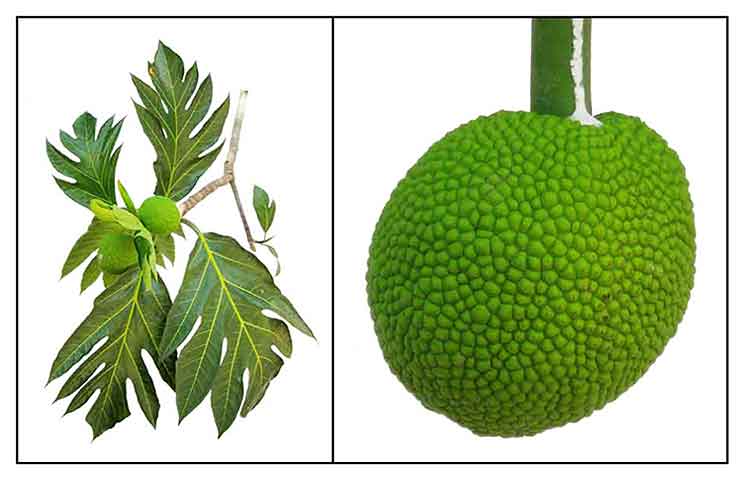
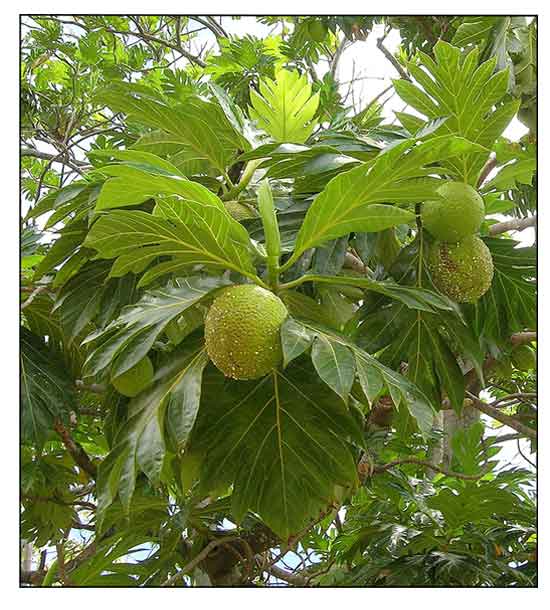
• Rimas is a large tree with milky sap, growing
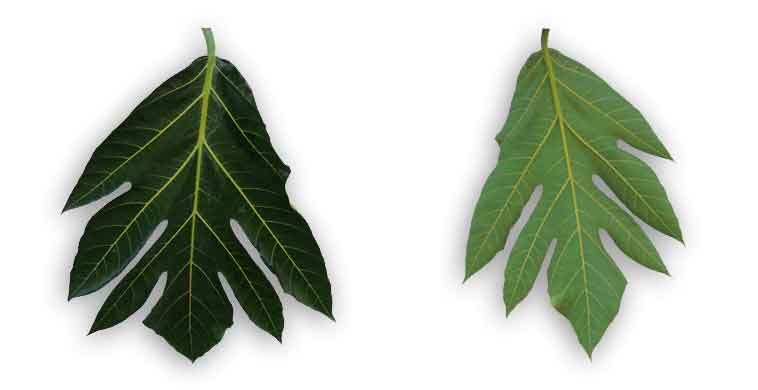
to 15 meters tall. Leaves are alternate, large, coriaceous, ovate to oblong,
up to 50 centimeters long, deeply pinnate, and acuminate. Stipules
are large and deciduous. Fruit
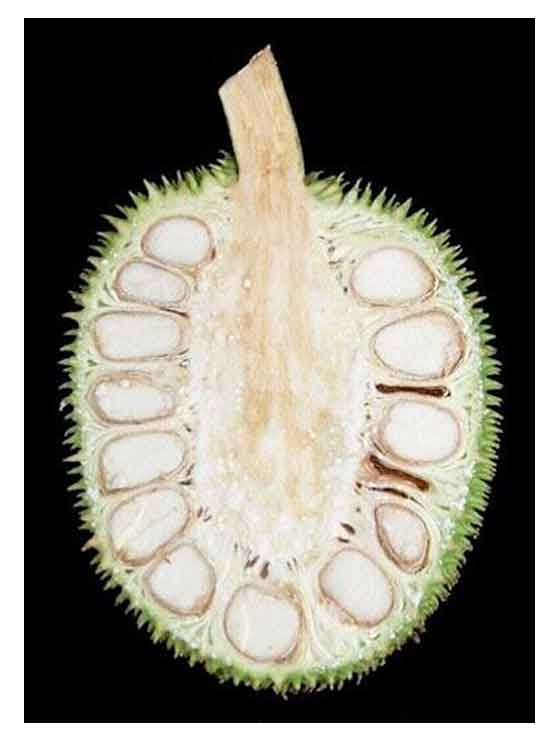
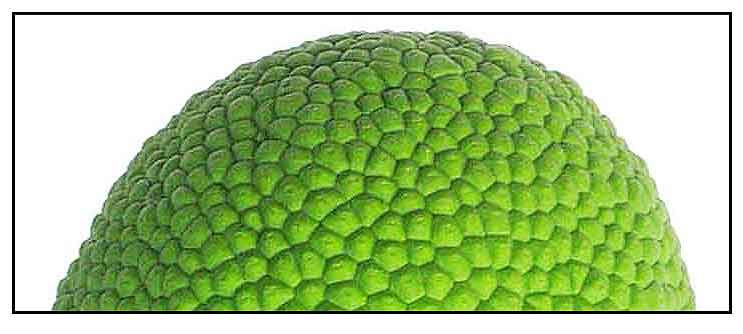
is globose to ellipsoid, up to 12 to 20 centimeters in wide, 12 to 16 centimeters long, the rind green, yellowish-green or pale yellow. seedless, with the surface marked with polygonal faces.
Distribution
- Introduced to the Philippines.
-
Common plant in and around towns in the Philippines.
- Usually cultivated for its edible fruits.
-
Occasionally planted as an ornamental in parks and gardens.
- Occurs from the Malay Peninsula to Malaysia.
- Native to Caroline Is., Marianas.
 Constituents Constituents
- Study has yielded papayotin, enzyme
and artocarpin.
- Nutritional composition of 100 g edible portion of seeds yield:
Water 47.7% (cooked), 61.9% (fresh), protein 8.1g (c), 7.9 g (f); carbohydrate 38.2 g (c), 26.6 (f); fat 4.9 g (c), 2.5 g (f); calcium 46.6 mg (c), 48.3 mg (f); phosphorus 186 mg (c), 189 mg (f); iron 2.3 mg (c,f); niacin 2.1 mg (c), 1.8 mg (f); thiamine 0.33 to 1.3; vitamin C 1.9 to 22.6. (8)
- Breadfruit nutritive value per 100 g yielded: (Principle) energy 103 Kcal, carbohydrate 27.12 g, protein 1.07 g, total fat 0.20 g, cholesterol 0, dietary fiber 4.9 g; (Vitamins) folates 14 µg, niacin 0.90 mg, pyridoxine 0.100 mg, riboflavin 0.30 mg, thiamin 0.11 mg, vitamin A 0 IU, vitamin C 29 mg, vitamin E 0.16 mg, vitamin K 0.5 µg; (Electrolytes) sodium 2 mg, potassium 490 mg; (Minerals)
calcium 17 mg, copper 0.084 mg, iron 0.54 mg, magnesium 25, manganese 0.060 mg, phosphorus 30 mg, selenium 0.6 µg, zinc 0.12mg; (Phytonutrients) carotene-ß
0 ug, crypto-xanthin-ß 0 mg,
lutein-zeaxanthin 22 µg. (24)
 - Phytochemical analysis yielded tannins, phenolics, glycosides, saponins, steroids, terpenoids, and anthraquinones in cold and hot leaf extracts. (10) - Phytochemical analysis yielded tannins, phenolics, glycosides, saponins, steroids, terpenoids, and anthraquinones in cold and hot leaf extracts. (10)
- Starch isolated from breadfruit yielded and moisture 10.83%, crude protein 0.53%, fat 0.39%, amylose 22.52%, amylopectin 77.48%, and ash 1.77% contents. (See study below) (15)
- Study of dichlormethane extract of leaves yielded ß-sitosterol (1), unsaturated triglycerides (2), squalene (3), polyprenol (4), lutein (5), and unsaturated fatty acids (UFA). (20)
- Twigs yielded terpenoids, saponins, phenolic group, flavonoids, glycoside, steroids and tannins. Screening was negative for alkaloids. (see study below)
(21)
- Methanolic extract of fruits yielded flavonoids, phenols, steroids, and glycosides. (see study below) (29)
-GC-MS analysis of leaves yielded 12 compounds, i.e., 2H-1,4-Benzodiazepin-2-one, 7-chloro-1,3- dihydro-5-phenyl-1-(trimethylsilyl)-3-[(trimethylsilyl)oxy]; Cyclodecasiloxane, eicosamethyl-; 2,15-Heptadecadiene, 9-(ethoxymethyl); Pentadecanoic acid, 14-methyl-,methyl ester; 10-Octadecenoic acid, methyl ester; Ethanol, 2-(9-Octadecenyloxy)-, (Z)-; 16-Octadecenoic acid, methyl ester; Docosanedioic acid, dimethyl ester; Stigmast-5-en-3-ol, oleate; α-Sitosterol trimethylsilyl ether; Ergosteryl acetate and 4,6,8(14)-Cholestatriene. (see study below) (34)
-Study of heartwood of A. altilis yielded flavonoids, i.e., artocarpin, artocarbene, artocarpesin, cycloartocarpin, chlorophorin, dihydromorin, norartocarpin, noartocapanone, and 4-prenyloxy-resveratrol. (see study below) (36)
- Mineral composition of of A. altilis pulp flours (unfermented and fermented, mg/100g) yielded K 673.5-348.64, Na 69-52, Fe 3.91-1.56, Mg 90.63-92-71, P 140-134, Ca 60.83-52.50, K:Na 9.76-6.71, Ca:P 0.45-0.39, respectively. (37)
- GC-MS analysis of methanolic extract of leaves yielded 18 bioactive compounds. Major chemical constituents were Butanal, 3-methyl; 2- Methylbutyraldehyde; 2-Methyl-3-propyloxirane; 2-Furancarbox-aldehyde 5-methyl-; Propylphosphonic dichloride; 5-Hydroxymethylfurfural; 3,3-Dimethylbutan-2-yl methylphosphonofluoridate; N- PENTADECANE; 2,6-dimethoxy-4-vinyl phenol; Quinic acid; 5,6-Dimethoxy-2-methyl-1-indanone; and n- Hexadecanoic acid. (41)
- Study of methanolic extract of leaves isolated eight new geranylated dihydrochalcones, sakenins A-H (1-8), together with four known compounds (9-12). (see study below) (55)
- Study of heartwood and cortex isolated five prenylated flavonoids, 10-oxoartogomezianone (1), 8-geranyl-3-(hydroxyprenyl)isoetin (2), hydroxyartoflavone A (3), isocycloartobiloxanthone (4), and furanocyclocommunin (5), together with 12 known compounds. (see study below) (58)
- Study of hydroalcoholic stem bark extract of A. altilis yielded five compounds: An isomer of Artonine E (1) and Artonine E (4), 9-(3,3-dimethylpyranyl)-5,6-dihydro-2,3,4,8 tetrahydroxy-11-(3-methylbut-2-enyl)-5-(1-propen-2-yl) benzo [c] xanthen-7-one (2), 5-hydroxy-8,8-dimethyl-3-(3-methylbut-2-enyl)-2-(3,4,5-trihydroxyphenyl) pyrano [6,7-c]-4H-chromen-4-one (3) and one unprenylated flavonoid: 3,5,7-trihydroxyl-2-(2,4-dihydroxylphenyl)-4H-chromene-4-one (5). (see study below) (68)
Properties
- Studies have suggested anti-atherosclerosis, anti-UVB radiation, antioxidant, anti-inflammatory, antimalarial, cytoprotective, antihypertensive, negative inotropic, ace-inhibitory, anticancer, radical scavenging, antitubercular, antimicrobial, antihyperglycemic, cosmeceutical, antihypercholesterolemic, hepatoprotective, wound healing, antityrosinase, anxiolytic, antinociceptive, anti-platelet aggregation, nootropic properties.
Parts utilized
Bark, leaves, fruit.
 Uses Uses
Edibility / Nutritional
- Crop considered a carbohydrate food source.
- Fruit can be fried, boiled, candied or cooked as a vegetable.
- High in starch, it is also high in Vitamin B, with fair amounts of B
and C.
- In the Caribbean, prepared boiled, steam or roasted, used with salt-cured meats, coconut milk, and dasheen leaves, in the creation of regional dishes. (8)
- In the Philippines, eaten boiled, sliced with coconut and sugar as a sweet, or as candied breadfruit. (8)
- In West Africa, seeds from ripe fruits and boiled or roasted with salt, sometimes made into a puree.
- Leaves used as herbal tea. (see study below) (66)
Folkloric
• Decoction of the bark used
as vulnerary (wound healing). In the Visayas, decoction of the bark
used in dysentery.
• Used as emollient.
• In the Caribbean,
leaves are used to relieve pain and inflammation.
• In Jamaican folk
medicine, leaf decoction used for hypertension.
• Latex is massaged into skin to treat broken bones and sprains; bandaged on the spine to relieve sciatica, hip or leg pain. Used to treat skin ailments and thrush. Diluted latex used internally for diarrhea, stomach aches and dysentery. Latex and juice from crushed leaves used for ear infections. Bark used to treat headaches in several Pacific Islands. (8)
• In the West Indies decoction of yellowing leaf is used to treat hypertension. Tea is also used to control diabetes. (8)
• Leaf juice used as ear-drops. Powder of roasted leaves used as remedy for enlarged spleen.
• In the Caribbean and Pacific, all parts of the plant are used medicinally. In the West Indies, decoction of yellowing leaf drunk to lower blood pressure and treat asthma. Latex used to treat skin ailments and fungal diseases like thrush. Sap from crushed stems or leaves use to treat ear infections or sore eyes. Root is used as purgative. Macerated roots used as poultice for skin ailments. Bark used to treat headache. (32)
- In Martinique, leaf decoction drunk to treat hypertension, liver disease and diabetes. Milk of the fruit ingested for diabetes and applied externally for back pain. (32)
Others
• Insect repellent: Male inflorescences are dried and used as mosquito repellent. Latex is mixed with coconut oil for trapping houseflies in Kosrae. (8)
• Caulk: Gum used to caulk canoes to make them watertight. and to prepare wooden surfaces for painting. (8)
Studies
• Phytochemical: (1)
Study concluded that the starch of Artocarpus altilis showed a high
degree of purity. Physiochemical and rheological characteristics suggest
the starch could be useful in products that require long heating process,
with an excellent digestibility that might be advantageous for medical
and food use. (2) Study showed percent recoveries of amino acid, fatty
acid and carbohydrate content showed 72.5%, 68.2% and 81.4%. The starch content is 15.52 g/100 g fresh weight.
• Cytoprotective: Study yielded cytoprotective components - ß-sitosterol and six
flavonoids with good potential for medicinal applications.
• Phenolic Compounds / Cytotoxicity:
Study isolated isoprenylated flavonoids - morusin,
artonin E, cycloartobiloxanthone and artonol B - that showed high toxicity
against Artemia salina. Result of cytotoxicity test showed the presence
of an isoprenyl moiety in the C-3 position in the flavone skeleton,
an important factor for its activity.
• Negative Inotropic Effect:
Leaf extract study exerted a weak, negative chronotropic and inotropic
effect in vivo in the rat. The mechanism of action of the inotropic
agent was not cholinergic and may involve decoupling of excitation and
contraction. (6)
• Antihypertensive: Study evaluated an aqueous extract of leaves for possible antihypertensive mechanisms and effect on the cytochrome P450 (CYP) enzyme activities on Sprague-Dawley rats. Results showed negative chronotropic and hypotensive effects through α-adrenoreceptor and Ca+- channel antagonism. Drug adversity are unlikely if the extract if consumed with other medications reliant on CYP3A4 and CYP2D6 metabolism.(9)
• ACE-Inhibitory Activity: Study evaluated the effect of A. altilis leaf extracts on angiotensin-converting enzyme activity. An ethanol extract showed potent ACE-inhibitory activity, supporting its use in folk medicine for the treatment of hypertension. (10)
• New Prenylated Aurone / Radical Scavenging Activity: Study isolated a new prenylated aurone, artocarpaurone, together with 8 known compounds. Artocarpaurone showed moderate nitric oxide radical scavenging activity, white two prenylated chalcones showed radical moderate scavenging activity in the DPPH assay. (11)
• Anti-Cancer / Breast Cancer (T47D) Cells: Study evaluated Sukun wood extract in human T47D breast cancer cells. Results showed the extract decreased cell viability in a concentration-dependent manner, inducing apoptosis and sub-G1 phase formation in breast cancer cells, suggesting a potential as an anti-cancer agent. (12)
• Antitubercular / Antimalarial / Anticancer: Study of root extracts yielded nine prenylated flavones: Cycloartocarpin, artocarpin, and chaplashin from root stems, and morusin, cudraflavone B, cycloartobiloxanthone, artonin E, cudraflavone C and artobiloxanthone from the root barks. The isolated compounds exhibited antitubercular and antiplasmodial activities, with moderate cytotoxicity against KB (human oral epidermoid carcinoma) and BC (human breast cancer) cell lines. (13)
• Toxicity Studies / Leaf and Bark: Study evaluated the acute toxicity of A. altilis leaf and bark extracts, administering various doses of extracts up to 2000 mg/kbw for 14 days. No mortality or toxic reactions were seen, with no histopathological changes. Results suggest the safety of the extracts in therapeutic uses. (14)
• Functional and Pasting Properties of Breadfruit Starch: Study showed breadfruit starch has an array of functional, pasting and proximate properties that can facilitate use in many areas where properties of other starches are acceptable. (15)
• Pulp Flour as Affected by Fermentation: Study showed the functional properties (bulk density, least gelation concentration and peak viscosity) of A. altilis pulp flour can be enhanced through fermentation and hence their incorporation into food systems. (16)
• Antihyperglycemic Activity / Leaves, Bark, and Fruits: Study evaluated the hypoglycemic potential of leaves, bark, and fruit parts in invivo and invitro testing of glucose adsorption, glucose diffusion retardation index, inhibition of enteric enzymes, α-amylase, α-glucosidase and sucrase, and effect of samples on glucose uptake using a yeast cell model. Results suggest a hypoglycemic effect possibly through effects on glucose adsorption, inhibition of carbohydrate metabolizing enzymes, and facilitation of glucose diffusion through cell membrane. (18)
• Anti-Inflammatory / Leaves: Study investigated the anti-inflammatory activities of A. altilis leaf extract using a carrageenan-induced paw edema mice model. The extract significantly reduced paw edema. In vitro enzymatic assays showed the AAE has lower IC50 against COX-2 compared to COX-1, suggesting a higher selectivity for COX-2. Also, there was dose-dependent reduction of COX-2 expression in hind paws. (19)
• Antioxidant / Twigs: Study investigated the phytochemical constituents and antioxidant activity of twigs of Artocarpus altilis. A dichlormethane extract showed remarkable antioxidant activity with an IC50 value of 0.015 mg/ml compared with standard butylated hydroxytoluene (BHT). (see constituents above)
(21)
• Antimicrobial / Twigs: Study evaluated the antimicrobial, MIC, and MBC/MFC activities of A. altilis twigs. Hexane and DCM extracts showed moderate antimicrobial activity (14.6±0.2mm) against Bacillus cereus. The least MIC of 250 µg/ml was seen with DCM extract against S. aureus and Candida albicans and C. neoformans. Results showed promising potential against bacterial and fungi. (22)
• Anti-Atherogenic / Anti-Hypercholesterolemic: Study evaluated the methanol extract of A. altilis on atherogenic indices and redox status of cellular systems of rats fed with dietary cholesterol. Treatment with AA significantly reduced the relative weight of organs and lipid parameters, with beneficial increases in serum and cardiac HDL-C levels in HC rats treated with AA. Results suggest protective effects against dietary cholesterol-induced hypercholesterolemia. (23)
• Hepatoprotective / CCl4-Toxicity / Leaves: Study evaluated the hepatoprotective effect of an ethanol extract of breadfruit leaf in carbon tetrachloride induced liver injury in Wistar rats by measures of SGPT and MDA levels. Extract treated groups showed lower MDA and SGPT levels. (25)
• Antidiabetic /
Effect on Carbohydrate Hydrolyzing Enzymes and Glucose Uptake: An ex vivo study evaluated the effects of leaves, bark, and fruit on glucose hydrolyzing enzymes α-amylase, α-glucosidase, sucrase, and effect on glucose uptake by yeast cells. Results showed a hypoglycemic effect which may be due to inhibition of carbohydrate metabolizing enzymes and facilitation of glucose diffusion through cell membrane. Study suggests a potential therapeutic agent in the management of type II diabetes. (27)
•
Inotropic Cardiac Effect / Leaves: Evaluation of ethyl acetate soluble extract of leaves of Artocarpus altilis exerted a weak, negative chronotropic effect )p<0.05) and significantly reduced LV pulse pressure (p<0.001) in vivo in rat. On RV myocardial strips, same extracts produced a significant negative inotropic effect (p<0.0001). Mechanism of inotropic action was not cholinergic, and may involve a decoupling of excitation and contraction. (28)
• Antioxidant / Antimicrobial / Fruits: Study evaluated a methanolic extract of fruits for anitoxidant and antimicrobial activity against Staphylococcus aureus, Klebsiella pneumonia, Salmonella spp, Penicillium notatum, Aspergillus niger and Candida albicans. The extract showed antioxidant characteristics by DPPH assay and showed maximum inhibition against one bacterial species i.e., Staphylococcus aureus. (see constituents above) (29)
• Modulatory Effects / Protection Against Cadmium-Induced Liver and Renal Dysfunction: Study evaluated the modulatory effects of a methanol extract of A. altilis on oxidant-antioxidant balance and lipid profile in liver and kidney of rats exposed to Cd. Total phenolic content and DPPH scavenging effects of AA were high and comparable with catechin. Histological findings showed necrosis and distortion of architecture of renal tissue and periportal infiltration in hepatocytes of Cd-intoxicated rats. Pretreatment with AA and quercetin (standard) restored antioxidant status, lipid profile and attenuated the lesions. (30)
• Anxiolytic / Leaves: Study evaluated the anxiolytic-like effects of A. altilis in mice. Results showed an anxiolytic-like effect using elevated plus maze, elevated zero maze, and light dark test models. The anxiolytic properties observed in the three animal models may be due to bioactive molecules which the plant has been shown to possess, for example, GABA (gamma amino butyric acid). Valium, a standard anxiolytic, is known to act via the the GABA pathway. (31)
• Increase Langerhans Islet Cells / Prevention of Insulin Resistance / Leaves: Study evaluated a leaf extract of A. altilis for its influence on insulin resistance in rats with obesity induced by high-fat meals. Results showed A. altilis can increase the number of Langerhans islet cells in obese mice. Study suggests potential in the prevention of insulin resistance. (33)
• Antioxidant / GC-MS Composition / Leaves: Study evaluated a methanolic extract of leaves for total phenolic content (TPC), total flavonoid content (TFC), and total antioxidant content (TAC). Antioxidant potency was measured by DPPH, FTC, FRAP, TBA, and ABTS assays. Free radical scavenging ability by DPPH showed an EC50 of 35 µg/ml. FTC and ABTS assays showed high percentage of inhibition, 89.19 and 97.58, respectively. (see constituents above) (34)
• Antimalarial Activity / Acute Toxicity Study: Study evaluated the acute toxicity (LD50), antiplasmodial, and liver histopathological effects of aqueous extract of breadfruit leaves. The mean lethal dose was 1414.2 mg/kg. Percentage suppression of parasite (Plasmodium berghei) was 76%, 80%, 96% and 82.5% for 500mg, 1000mg, 1500 mg/kg and 5 mg chloroquine, respectively. Study showed the aqueous extract of breadfruit leaves has antiplasmodial properties and is safe at lower doses. (35)
• Artocarpin / Potential in Cosmeceuticals / Heartwood: Study evaluated the potential of A. altilis heartwood in cosmeceuticals, such as antioxidant, anti-inflammation, anti-tyrosinase, and anti-aging. Artocarpin, a prenylated polyphenol is a main compound in the diethylether extract from heartwood of A. altilis. The activities of artocarpin from the heartwood match the cosmeceutical requirements. Further studies are needed to provide evidence for cosmeceutical efficacy. (see constituents above) (36)
• Effect of Fermentation on Proximate and Mineral Composition / Pulp Flour: Fermentation resulted in a marginal increase in crude protein (from 3.90-4.43%) and ash (from 2.37-2.38%), and a marginal decrease in crude fiber (from 3.12-3.00%) and carbohydrate (from 79.23-76.71%) content. Fermentation caused significant decrease in calcium, iron, potassium, sodium, and phosphorus. The good carbohydrate and mineral content suggest potential use as a staple, to provide energy and mineral needs. (see constituents above) (37)
• Inhibition of STAT3 Activity in Prostate Cancer DU145 Cells: Artocarpus altilis extracts and partially purified fraction (PPF) have been shown to inhibit STAT3 activity and phosphorylation of STAT3 in a dose-dependent manner. Bioassay-guided isolation of the PPF identified a gernyl dihydrochaalcone, CG901. The PPF and CG901 downregulated expression of STAT3 target genes, induced apoptosis in DU145 prostate cancer cells via caspase-3 and PARP degradation and inhibited tumor growth in human prostate tumor (DU145) xenograft initiation model. Results suggest a potential lead molecule for anticancer and anti-inflammatory therapeutics. (38)
• Wound Healing: Study evaluated the wound healing efficacy of breadfruit starch hydrolysate in an in-vitro wound scratch assay. Results showed the hydrolysate improved wound healing of NIH 3T3 fibroblast cell with 77% wound closure improvement. Results suggest a beneficial role in wound healing applications. (39)
• Antinociceptive / Seeds: Study evaluated the anti-nociceptive effect of a methanolic extract of Artocarpus altilis seeds on albino Wistar rats using Eddy's hot plate technique as thermal model of pain. LD50 was determined as 2,800 mg/kg using Karber's method. Results showed the MEAA seeds showed significant (p<0.05) analgesic effect. Standard aspirin showed more potent analgesic effect. (40)
• Antimicrobial / Fruits: Study
evaluated different solvent fruit extracts of A. altilis for antimicrobial activity against various pathogenic bacteria like S. aureus, P. aeruginosa, S. mutans, and E. faecalis. The fruit extracts showed immense potential for antibacterial activities. Phytochemical screening of the fruit extracts yielded steroid, phenol, flavonoids in both methanol and ethyl acetate extracts, and phytosterols in the EAE. (42)
• Effect on Cervical Cancer Cells / Pulp: Study evaluated the effects of A. altilis pulp on cervical cancer cells (HeLa). Results showed concentration dependent inhibition of cervical cancer cell proliferation. (43)
• Anthelmintic
/ Leaves and Fruits: Study evaluated the anthelmintic potency of A. altilis leaf and fruit extracts against earthworm Pheretima posthuma. Piperazine citrate was used as standard. Ethanol extract of leaves and fruits exhibited higher invitro anthelmintic activity in a dose-dependent manner. (44)
• Cathepsin K Inhibitors / Bud Covers: Study of bud covers isolated three known flavonoids, along with two new compounds, a dimeric dihydrochalcone, cycloaltilisin 6 (2) and a new prenylated flavone, cycloaltilisin 7 (3). Compounds 2 and 3 showed IC50s of 98 and 840 nM, respectively, in cathepsin inhibition. (45)
• 21-Day Safety Evaluation / Lipid Effects: Study evaluated the toxicological effects of oral administration of methanol extract of A. altilis in rats at doses from 100, 200, 500, 100, and 2000 mg/kbw for 21 days. The MEAA significantly decreased (p<0.05) serum total cholesterol and triglyceride and increased HDL-C. Histopathological exam of the liver, kidney, and aorta showed little alteration from control. Results suggest the MEAA could be safe when used for a long period of time for therapeutic purposes. (46)
• Anti-Inflammatory / Antioxidant / Immunosuppressant / Leaves: Study evaluated the anti-inflammatory, antioxidant, and immunomodulatory activities of ethanolic extract of leaf, fruit, and bark from breadfruit. Freund's Complete Adjuvant was used to investigate in vivo anti-inflammatory and antioxidant activity. Immunomodulatory activity was evaluated in mice by lymphoid organ weights, phagocytic index, delayed-type hypersensitivity response, and hemagglutinin titer. Using DPPH assay, all three extracts exhibited in vitro antioxidant activity. The leaf extract yielded highest total phenolic and flavonoid content. The leaf extract exhibited higher effectiveness in these activities compared to bark and fruit extracts. Results suggest the leaf extract has potential as complementary drug in the treatment of inflammatory diseases. (48)
• Antimalarial Flavonoid Compound / Leaves: Artocarpus altilis leaves extract was previously reported as a potential antimalarial drug. IC50 and ED50 of 1.32 µg/ml and 0.82 mg/kg, respectively, have been reported against Plasmodium falciparum. Study sought to identify the active compound from ethanol extract of leaves against P. falciparum. A flavonoid compound, class of dihydrochalcone was isolated and identified as 1-(2,4-dihydroxy phenyl)-3-[8-hydroxy-2-methyl-2-(4-methyl-3-pentenyl)-2H-1-benzopyran-5-yl]-1-propanone. The compound strongly inhibited P. falciparum growth, with IC50 of 1.05 µM. In silico study revealed a 3.BPF receptor possessing a cysteine protease inhibitor of falcipain-2. Study suggest the compound from the leaves is a potential new source of antimalarial drugs. (49)
• Protection against Ultraviolet Radiation / Heartwood: Study evaluated the ability of an artocarpin-enriched extract to prevent ultraviolet radiation B (UVB)-induced photodamage. Human skin fibroblasts and keratinocytes were pretreated with extract and later irradiated with ultraviolet radiation B at 128J/cm2. Hairless skin of male mice was treated with extract or L-ascorbic acid prior to irradiation. Extract at 50 µg/mL was not toxic and did not inhibit fibroblast proliferation. Pretreatment of fibroblasts attenuated MMP-1 production and did not affect type-1 procollagen production. Extract decrease UVB-induced production of TNF-α and IL-6 in keratinocytes. Topical administration of the extract suppressed epidermal thickening and collagen loss in chronically UVB-exposed skin in mice. (50)
• Antioxidants from Fruit Peel: Study evaluated the antioxidant activity and total phenolic and flavonoids contents from methanol extract of fruit peel of A. altilis. Total phenolic content was 6277 mg of dry weight of extract as GAE equivalents, and total flavonoids of 4874 mg as rutin equivalents. Antioxidant activity by DPPH showed significant free radical scavenging properties and clear correlation betweeon strong antioxidant activity and phenolic and flavonoid contents. Results suggest a natural plant source of antioxidants with high value. (51)
• Anti-Atherosclerosis / Leaves: One risk factor of cardiovascular diseases is hypercholesterolemia A previous study showed an ethyl acetate fraction exhibited cytoprotective effect in human U937 cells treated with oxidized LDL. This study evaluated the effect of EA fraction of leaves on serum total cholesterol and lipid deposition in aorta in vivo on Wistar rats fed a high cholesterol diet for 30 days. The EA fraction was able to lower serum total cholesterol and prevent lipid accumulation in rat aorta. Results suggest potential to prevent atherosclerosis. Activity was attributed to flavonoid content and antioxidant activity, especially 2-geranyl-2′,3,4,4′-tetrahydroxydihydrochalcone. (52)
• Diuretic / Leaves: Study evaluated the diuretic effects of ethyl acetate fraction of three species viz. Artocarpus altilis, A. champeden, and a. heterophylus on normotensive Wistar rats. The ethyl acetate fractions at 100 mg/kg dose were more active than standard furosemide (p<0.05) to increase urinary excretion. At doses of 50 and 100 mg/kg, the fraction significantly increased excretion of Na+, K+, and Cl- ions more than standard (p<0.05). Testing groups showed good natriuretic and carbonic anhydrase activities. (53)
• α-Glucosidase Inhibitory Activity / Leaves: Study evaluated the α-glucosidase inhibitory activity of green and yellow varieties of bread fruit leaves and their phytochemical profile. Phytochemistry identification showed the ethanol extract of green leaf contains alkaloid, flavonoid, triterpenoid/steroid, polyphenol, while the yellow leaf contains flavonoid and triterpene/steroid. Both yellow and green leaf extracts showed great enzyme inhibitory activity with IC50s of 9.07 and 11.01 ppm, respectively, while n-hexane extracts showed IC50s of 16.16 and 23.24 ppm, respectively. Positive control, acarbose, showed stronger inhibitory activity with IC50 of 6.79 ppm. (54)
• Cytotoxicity against PANC-1 Human Pancreatic Cells / Leaves: Study of methanolic extract of leaves of A. altilis showed 100% preferential cytotoxicity against PANC-1 human pancreatic cells under nutrient-deprived conditions at concentration of 50 µg/mL. Study isolated eight new geranylated dihydrochalcones, sakenins A-H. Sakenins F (6) and H (8) showed preferentially cytotoxic potential with PC50s of 8.0 µM and 11.1 µM, respectively. (55)
• Mosquito Repellent / Bark and Leaves: Study sought an alternative insecticide from Indonesian natural ingredients. Study evaluated the potential use of A. altilis as anti-mosquito repellent because of its flavonoids and saponins content. Bark and leaves were extracted for insecticidal material. Experiment used 8.4 mL with concentrations of 20, 30, and 40% flavonoids. Results showed the higher the concentrations of bark and leaf extracts, the higher the mortality rate or Anopheles sp. (56)
• Antiplasmodial / Stem Bark: Study evaluated stem bark extracts, partitions and fractions of Artocarpus altilis for chemosuppressive antimalarial activities using 0-200 mg/kg against chloroquine-sensitive Plasmodium berghei-berghei-infected albino mice. The ethanol extract showed ED50 and LD50 of 227.17 and >5000 mg/kg, while partitioned fractions showed ED50s range 42 to215.59 mg/kg. Primary CC (column chromatographic) fractions showed ED50 range of 20.92 to26.96 mg/kg. GC-MS analysis revealed 11 major compounds in the three PTLC bands as antiplasmodial constituents of the plant. Results suggest a potential agent for malaria control, which is safe for oral use. (57)
• Inhibition of Melanin Production / Antioxidant / Prenylated Flavonoids / Heartwood and Cortex: Study evaluated the antioxidant and skin whitening ability of the flavonoids using DPPH, ABTS. and superoxide anion assays and abilities to inhibit tyrosinase and melanin production. The heartwood and cortex yielded five prenylated flavonoids, 10-oxoartogomezianone (1), 8-geranyl-3-(hydroxyprenyl)isoetin (2), hydroxyartoflavone A (3), isocycloartobiloxanthone (4), and furanocyclocommunin (5), together with 12 known compounds. Compounds 3, 4, and artoflavone (15) showed moderate DPPH scavenging activity; compound 4 showed significant ABTS scavenging; and norartocarpetin (7) and artogome-zianone (8) showed moderate ABTS scavenging; compounds 2, 7, and artocarpin (6) exhibited good superoxide anion-scavenging activity. Compounds 7, 8, cudraflavone A (14), and artonin M (17) inhibited melanin production by strongly suppressing tyrosinase activity. Compound 6 reduced melanin content without inhibiting tyrosinase activity. Results suggest potential for the isolated flavonoids as antioxidants and/or skin-whitening agents. (58)
• Antiplatelet / Geranylated Chalcone / Leaves: Study evaluated the antiplatelet activity of leaves extract of breadfruit leaf using ADP-platelet aggregation assay. The leaves extract exhibited antiplatelet activity with IC50 of 252.23 µg/mL. A geranylated chalcone, 2--geranyl-2',3,3,4'-tetrahydoxy-dihydrochalcone (GTDC) was identified as the antiplatelet compound (IC50 of 9.09 µM). The GTDC inhibited platelet aggregation and induced the disaggregation of aggregated platelets. The ADP-induced platelet aggregation involves two platelet surface receptors: a P2Y1 receptor, which mediates the initial phase of platelet aggregation; and P2Y12, which participates in the late phase of aggregation involving the stabilization of aggregates. (59)
• Nootropic / Fruits: Study evaluated the nootropic potential of ethanolic extract of fruits of Artocarpus altilis using various models (Elevated Plus Maze, Hebb-William's Maze, and Y-Maze) with extract, amnesic control (scopolamine 1mg/kg), standard drug (piracetam 200 mg/kg), piracetam with scopolamine. The EFAA showed a nootropic effect, evidenced by significant dose-dependent nootropic activity, with a significant decrease in initial transfer latency, retention transfer latency, and total number of arm entries and AChE enzyme activity, and increase in percentage alteration. (60)
• Fasting Blood Sugar Reduction / Clinical Trial: A double-blind, randomized controlled trial evaluated the effect of extract on fasting blood glucose. Participants were 68% female, 40-49 years (51.9%), and stay-at-home parent (70.3%). There was a significant reduction of fasting blood glucose in the intervention group who received A. altilis extract. (62)
• Amelioration of Pancreatic Damage Induced by Alloxan-Nicotinamide in Diabetic Model: Study evaluated the effect of ethanol leaf extract on pancreatic damage induced by alloxan-nicotinamide in rats. Results showed administration of breadfruit leaves extract at 400 mg/kbw provided potential protective effect against pancreatic damage better than metformin. The protective effect on pancreas may be via antioxidant activity of the leaves against ROS. The protection against reactive oxygen species (ROS) may also affect proper insulin secretion. (63)
• Hepatoprotective in Alloxan-Induced Damage / Leaves: Study evaluated the ameliorating effect of breadfruit leaf extract on liver and kidney injury in alloxan-induced diabetic male Wistar rats. After treatment, rats that received 200 and 400 mg/kg extract showed significantly lower SGPT levels (p<0.05). Liver histological damage was significantly alleviated, especially with 400 mg/kg dose. Serum creatinine level was restored, but alloxan-induced tubular degeneration was still evident. Results showed that at 400 mg/kg dose, the extract improved alloxan-induced liver dysfunction and tissue damage but was less effective at alleviating kidney damage. Study supports the use of the leaf extract as a herbal drug for hepatoprotective effect. (64)
• Anti-Breast Cancer / ERα Inhibitor / Isocyclomorusin: Estrogen receptor alpha (ERα) is a common target for breast cancer treatment and is mainly involved in cell proliferation. Study sought to identify the activity compound from breadfruit as a candidate ERα inhibitory. Eleven compounds considered were cycloaltilisin 7, isocyclomorusin, cyclomorusin, cycloaltilisin, cyclomulberrin, isocyclomulberrin, quercetin, cyclocommunal, artocarpin, artonin E, and morusin. In silico study suggested isocyclomorusin had the lowest binding affinity (8.4 kcal/mol) and could act as an anti-neoplastic (Pa>0.7) towards breast cancer. The compound could easily be absorbed in the human intestine due to an HIA+ score above 1.9 and could pass the bilayer membrane in breast cancer cells. Results suggest the isocyclomorusin from A. altilis is a potential candidate for anti-breast cancer treatment that could act as an ERα inhibitor. (65)
• Leaves for Herbal Tea / Antioxidant and Sensory Attributes: Study evaluated the sensory attributes, phytochemicals, antioxidant activity, nutritional content, and physiochemical qualities of herbal tea prepared from A. altilis leaf at three different infusion temperatures i.e. 45°C, 80°C, and 100°C. Sample were prepared by hot water extraction. Nutritional content for highest infusion temperature (100°C) was carbohydrates 0.13%, protein 0.1%, fat 0.2%, ash 0.04%, moisture content 99.53%. Leaf tea infused at 100°C also displayed highest antioxidant activity for DPPH, FRAP, and ABTS assays. Results showed A. altilis dry leaf infused at 100°C displayed highest antioxidant and phytochemical properties and can be considered as functional food and nutraceutical. (66)
• Hypouricemic / Leaves: Hyperuricemia is a condition with uric acid levels greater than 7 mg/dl. Study evaluated the effective dose of breadfruit leaves extract to decrease uric acid levels hyperuricemic Wistar rats. Treatments with extract doses of 0.25, 0.5, and 0.75 g/kbw were given daily in the morning for 7 days. Results showed extract with dose of 0.75 g/kbw was the most effective to reduce uric acid level in the blood. (67)
• Antimicrobial Flavonoids / Stem Bark: Study evaluated stem bark of A. altilis for antibacterial compounds. The EtOAc fraction afforded five compounds (1-5). Broth microdilution assay was used to determine antibacterial activity. The minimum inhibitory concentration of the compounds ranged from 3.91 to 62.5 µg/mL. (see constituents above) (68)
• Potential as Food Preservative / Antimicrobial / Antioxidant / Leaves: Artocarpus altilis leaves were powdered and extracted and evaluated by broth micro-dilution methods against a few food spoilage fungi and pathogenic bacteria. The chloroform extract showed marked antioxidant activity by DPPH assay. Aqueous extract exhibited strongest antifungal activity against Penicillium sp than other spoilage fungi with AFA value of 140.36%. Ethanol extract showed remarkable inhibitory activity against E. coli and S. typhi bacteria with MICs of 0.025 mg/ml, followed by chloroform and aqueous extract. Results suggest potential for use as antimicrobial agents in the food and pharmaceutical industry. (69)
Availability
- Wildcrafted.
- Tea, dried leaves, and products in the cybermarket.
|