|  Gen info Gen info
- Aloe is a genus of flowering succulent plants containing over 650 species.
-
Aloe vera is a succulent plant species of the genus Aloe. It is widely distributed, and considered an invasive species in many regions of the world. (83)
- Etymology: The genus name Aloe is derived from the Arabic word alloeh, meaning "bitter and shiny substance" or from Hebrew ahalim, plural of ahal. The specific epithet vera derives from Latin verus, meaning "true". (83)
- The species was first described in 1753 by Carl Linnaeus as Aloe perfoliata var. vera, as again in 1768 by Nicolas Laurens Burman as Aloe vera in Flora Indica. (83)
-
Aloe vera is considered by some to be the oldest medicinal plant ever known. There is more than 4000 years of historical evidence of use. Aloe vera has been used by many cultures since ancient times by the Egyptians, Assyrians, Mediterranean civilizations and in Biblical times. Early records of use appear in the 16th century BC Eber Papyrus. It was a component of the cosmetic beautifying regimes of Egyptian queens Nefertii and Cleopatra. It has been used in ancient wars for treatment of wounds. It held folkloric status as a herbal cure-all until the mid-1930s, when it found application in the treatment of chronic and severe radiation dermatitis.
-
Today it is one of the few herbal medicines widely used in Western society. It a component of countless beauty, health, and skin care products. In 2004 the value of the Aloe industry was estimated at US$125 for raw Aloe material and US$110 billion for commercial Aloe-containing products.
- In the cosmetic and toiletry industry, Aloe is use as base material for skin moisturizers, soaps, shampoos, sun lotions, makeup creams, perfumes, shaving cream, and numerous bath aids.
(42)
Botany
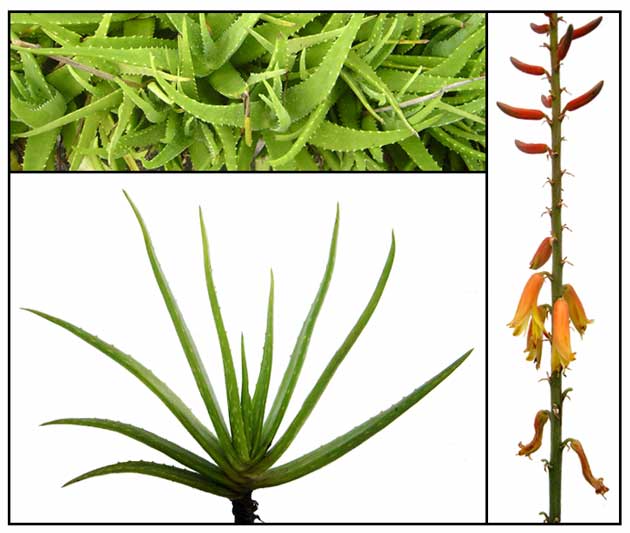
• Sabila is an herb plant growing 30 to 40 centimeters high. Leaves arising
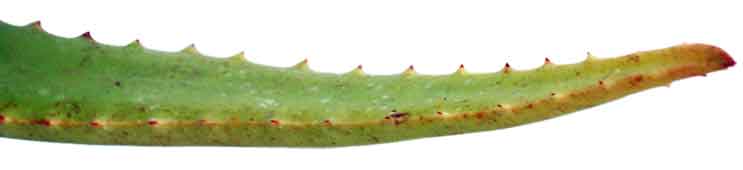
from the ground are smooth, thick, fleshy, mucilaginous, succulent, 20 to 50 centimeters long, 5 to 8 centimeters wide, light green with white blotches, narrow-lanceolate,
tapering, spiny-toothed margins. Flowering stalk is erect, usually twice the height
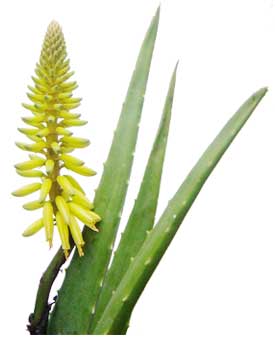
of the plant. Flowers are 2 to 3 centimeters long, yellow, with segments that about equals the oblong tube.
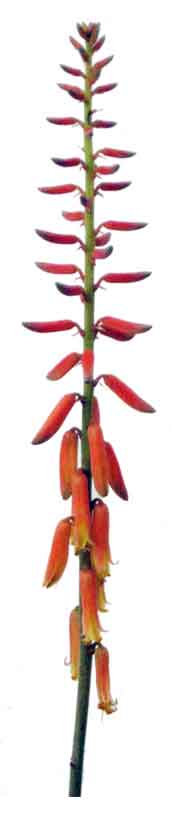
• Aloe vera is a stemless or very short-stemmed plant growing to 60–100 centimeters (24–39 inches) tall, spreading by offsets. Leaves are thick and fleshy, green to grey-green, with some varieties showing white flecks on their upper and lower stem surfaces, the margins serrated with small white teeth. Flowers are produced in summer on a spike up to 90 cm (35 in) tall, each flower being pendulous, with a yellow tubular corolla 2–3 cm (3⁄4–1+1⁄4 in) long. Like other Aloe species, Aloe vera forms arbuscular mycorrhiza, a root symbiosis that allows the plant better access to mineral nutrients from the soil. (83)
Distribution
- Cultivated for ornamental and medicinal purposes.
- Introduced, not naturalized.
- Native to Oman.
- Occurs in subtemperate and tropical regions.
Production
- Commonly raised in clay pots or perforated containers.
- Sporadic
in the yard; ordinary garden soil with compost is best.
- Regenerates
its growth as lower leaves are cut, perpetuating availability
of the material.
Properties
• Aromatic, astringent, aperient,
purgative, emmenagogue, emollient, cholagogue, laxative, stomachic,
tonic, vulnerary.
• Considered antitoxic, anticancer, antimutagenic.
• Studies have suggested laxative, radioprotective, antiviral, anti-leukemic, antimutagenic, antigenotoxic, antiproliferative, immunomodulatory, antidiabetic, wound healing, antimicrobial, anti-ageing, anti-wrinkle, hepatotoxic, antioxidant, sedative properties.
Constituents
- Contains more than 75 active constituents: vitamins, enzymes, minerals, sugars, lignin, saponins, salicylic acids and amino acids.
-
Aloin; barbaloin, 25%; isobarbaloin resin, 12.5%; (sicaloin;
emodin; cinnamic acid; b-arabinose; oxidase); cinnamic acid;
resin up to 20% (aloesin, aloesone, aloeresin A and C); coumarins,
traces of volatile oil.
- Freeze-dried leaves of Aloe vera yielded aloe-emodin, feralolide, a mixture of aloins A and B, elgonica dimers A and B.
- Study of leaf gel showed concentration of various elements K, Mg, Na, and Zn to be more than 200 µg.
Concentration of other elements in decreasing order was: Fe>Al>V>Cu>Pb>Ni>Co>Cd. (50)
Parts
utilized
Leaves, pulp, and sap.
Dried juice from leaves.
Harvest mature leaves and rinse with water; remove spines prior
to use.
 Uses Uses
Edibility
- Note: There is confusing and contradicting information on edibility and reports on gastrointestinal cathartic effects. See studies below: (32) (34) (63) (32).
-
Aloe vera can be eaten, raw or cooked. The pale green skin hides the clear meat inside the leaves and its natural gel, both of which are edible. (32)
-
Jelly from matured leaves can be cut in small cubes, boiled with rock sugar for a sweetened cooling drink.
Folkloric
- Use for dandruff.
- Dried latex from leaf taken by mouth as laxative.
- Juice of fleshy leaves is usually mixed with gogo by Filipino women and used to prevent falling of fair or as a cure for baldness.
- Juice from leaves mixed with wine used to preserve the hair
- In the Philippines, leaves used to poultice edema associated with beriberi.
- Juice from leaves mixed with milk used for dysentery and pains of the kidney.
- Fresh juice expressed from the leaves is spread on skin burns, scalds,
scrapes, sunburn and wounds.
- Burns and scalds: Use ointment made by mixing equal amounts of powdered
aloe and coconut oil.
- Used for wound healing.
- For conjunctivitis, leaf juice is applied to the outer eyelid.
- Used for sprains, sore throat.
- In small doses, used as a tonic; in larger doses, as aperient; and in still larger doses, drastically so; it is also used as emmenagogue and cholagogue.
- In small doses, considered stomachic tonic; in large doses, as purgative.
- In Costa Rica, the mucilaginous pulp of leaves is used as purgative.
- For contusions or local edema, bruised fresh leaves are applied as poultice
over affected areas.
- For alopecia and falling hair, remove the spines, cut leaves and rub directly
on the scalp. The juice of fresh leave may be mixed with gogo and used
as a shampoo.
- Juice mixed with coconut milk used for dysentery and kidney pains.
- For bruises, equal parts of juice and alcohol are applied to affected
areas.
- For hemorrhoids, cuticle from leaves used as suppository for hemorrhoids.
- In India and the Antilles the alcoholic tincture of inspissated juice is used for bruises, contusions and ecchymoses.
- In the Arabian peninsula, used for diabetes.
- For burns and scalds, an ointment is prepared by mixing 2 drams of powdered aloe with 2 drams.
- Also used for herpes simplex sores, tendinitis, dandruff, menstrual cramps, acne, stomatitis, varicose veins, warts, hemorrhoids.
- Used in combination with licorice roots to treat eczema and psoriasis.
- In Ayurvedic medicine, used internally as laxative, anthelmintic, uterine stimulant and hemorrhoid treatment.
New uses
- Cosmetics: Plant materials derived from Aloe barbadensis (flower extract, leaf, leaf extract, leaf juice, leaf polysaccharides, leaf waters) are used as cosmetic ingredients for skin conditioning purposes, and included in cosmetics only at low concentrations. (see study below) (34)
- Commercial constituents: Aloe vera constains two substances—a clear gel and a yellow latex—used for manufacture of commercial products. The gel is used for making topical medications for a variety of conditions, such as burns, wounds, frostbite, rashes, psoriasis, cold sores and dry kind.
The latex is used alone or as a product ingredient used for relief of constipation. Aloe latex is available in dried form as resin or as "aloe dried juice". (83)
-
Others: Benefits are derived from
a combination of all active components; the aqueous form provides the
most benefits.
- Leaf jelly used for various cosmetic and new-age concoctions for pimples, acne, stomatitis, hemorrhoidal itching, superficial burns. Aloe gel is a common household remedy for minor cuts, burns and sunburns.
- Salicylic acid content can inhibit prostaglandin and thromboxane formation
by blocking the arachidonic acid cascade.
- UV-B protection through cinnamic acid.
Concerns / Toxicities / Pros & Cons:
- Pros: Aloe vera can be eaten, raw or cooked. The pale green skin hides the clear meat inside the leaves and its natural gel (greenish goo-like), both of which are edible. (32) Aloe is likely safe when applied to the skin for burns, psoriasis, wound healing and to reduce pain and inflammation.
-
Cons: (1) Allergies - People with known allergy to other plants in the Liliaceae family (onions, garlic, tulips) may have allergic reactions to aloe.
Delayed allergic reactions - hives and rash - may develop with prolonged use.
(2) Aloe leaf consists of pericyclic cells, found just below the plant's skin and inner central area of the leaf, i.e., the gel, which is used in cosmetics. These cells produce a bitter, yellow latex containing anthraquinones, phototoxic compounds that are gastrointestinally irritating and responsible for its cathartic effects. (34)
- Chronic ingestion of whole leaf extracts should be limited and extracts low in anthraquinones and phenolics should be considered to reduce adenomas and adenocarcinomas of the large colon. (36)
-
Aloin / Contact Dermatitis / Laxative: The latex or juice (just below the outer skin) contains aloin, an anthraquinone glycoside, which has been reported to cause skin irritation or contact dermatitis in those with allergy to latex. The use of aloin latex as laxative may cause severe cramping and purging of the intestines; misuse can lead to electrolyte loss. (39) In 2002, the US Food and Drug administration issued a final rule banning the use of aloin, the yellow sap of the aloe plant, for use as laxative ingredient in over-the-counter drug products. Most aloe juices today do not contain significant aloin.
- Pregnancy and Breastfeeding: While topical application is likely safe during pregnancy and lactation, internal use should be avoided. Theoretical stimulation of uterine contractions is a concern; likewise, the possibility that components of aloe may be excreted with breast milk. (15)
 Studies Studies
• Laxative:
(1) Aloin is the presumed laxative component of aloe. Further studies are
needed to establish the dose and safety. (2) Anthraquinones in the latex considered to have potent laxative property, increasing intestinal water content, and stimulates mucus secretion and peristalsis.
• Radioprotective / Gamma and UV Exposure: Studies have reported a protective effect against radiation damage to the skin. It decreases the production and release of skin keratinocyte-derived immunosuppressive cytokines (IL-10), preventing UV-suppression of delayed type hypersensitivity.
• Genital Herpes:
Two randomized, double blind trials compared topical aloe vera cream (0.5% hydrophilic) or placebo three times daily for two weeks in 180 men with a first episode of genital herpes; one also assessed topical aloe vera gel. Response rates in the two trials were almost identical. The proportions of patients cured in the two trials were 70% and 67% with aloe vera cream, 45% with aloe vera gel, and 7.5% and 7.0% with placebo. Times to healing were 4.8 and 4.9 days with aloe vera cream, 7.0 days with aloe vera gel, and 14 and 12 days with placebo.(24)
• Psoriasis vulgaris:
(1) Evidence suggests aloe extract in hydrophilic creams to be of benefit
in psoriasis vulgaris. (2) One randomized double-blind trial assessed a 0.5% hydrophilic aloe vera cream compared with placebo cream in 60 patients with mild to moderate chronic plaque-type psoriasis over four weeks. The rate of cure was significantly better with aloe vera (83% ) than with placebo (7%) with no relapses. (24)
• Antigenotoxic:
Study showed antigenotoxic potentials of aloe and suggests a potential
use in prevention of DNA damage caused by chemical agents. (2)
• Psoriasis vulgaris:
A double-blind placebo-controlled study to evaluate the efficacy and
tolerability of topical Aloe vera in a hydrophilic creams showed it
to be more effective than placebo without toxic or objective side effects
and can be considered a safe alternative treatment for psoriasis. (3)
• Anti-leukemic / Anti-Mutagenic:
Study isolated di(2-ethylhexyl)phthalate (DEHP) from Aloe vera. It exhibited growth inhibition against three leukemic cell lines and reduced AF-2-induced mutagenicity. DEHP was considered the active principle responsible for the anti-leukemic and anti-mutagenic effects in vitro. (4)
• Acemannan / Macrophage Activation: Study isolated a major carbohydrate fraction from the gel of Aloe vera leaf. It has been claimed to accelerate wound healing, immune stimulation and have anti-cancer and anti-viral effects. Study showed acemannan stimulate cytokine production, nitric oxide release. The production of cytokines IL-6 and TNF-alpha were acemannan dose-dependent. The results suggest acemannan may function, in part, through macrophage activation. (5)
• Aloeride / Immunostimulatory Activity: Study characterized a new immunostimulatory polysaccharide, Aloeride, from commercial aloe vera juice. (6)
• Aloe-emodin / Anticancer / Antiproliferative: Study showed aloe-emodin inhibited cell proliferation and induced apoptosis in two human liver cancer cell lines, but with different antiproliferative mechanisms. Results suggest aloe-emodin may be useful in liver cancer prevention. (7)
• Biochemotherapy: Study showed percentage of both objective tumor regressions and disease control was significantly higher in patients concomitantly treated with Aloe than with chemotherapy alone. Study suggest Aloe may be beneficial to use with chemotherapy to increase efficacy in terms of both tumor regression and survival time. (8)
• Antidiabetic: In a study of patients with non-insulin diabetes and Swiss albino mice with alloxan-induced diabetes, lowering of blood sugars was noted by as yet unknown mechanisms. (9)
• Increased Glucose Tolerance:In a study of 5 plants used by Kuwaiti diabetics, only extracts with myrrh and Aloe gums effectively increase glucose tolerance in both normal and diabetic rats.
• Burn Wound Healing: Based on meta-analysis using duration of wound healing as the outcome measure, the healing time of the aloe vera group was 8.79 days shorted than the control group. Cumulative evidence supports aloe vera as beneficial intervention for burn wound healing in first to second degree burns. (Some studies have shown contrary results, with one showing delayed healing. Also, the use of aloe on surgical wounds has been reported to slow healing. (11)
• Antimicrobial / Skin Infections: Study evaluated the antibacterial activity of leaf and gel extracts against gram positive and gram negative skin infections isolates. The gel extracts showed antibacterial activity against both gram positive and gram negative isolates. Leaf extracts showed no activity. (16)
• Photocarcinogenesis: Aloe vera is incorporated in many skin care/cosmetic products. Studies have suggested it may enhance the induction of skin cancer by ultraviolet radiation. This study found a weak enhancing effect of aloe vera leaf or decolorized whole leaf on the photocarcinogenic activity of SSL (simulated solar light) in both male and female mice. (17)
• Scabies: In a study of 16 patients treated with Aloe vera and 14 patients with benzyl benzoate lotion, the Aloe vera gel showed to be as effective as benzyl benzoate in the treatment of scabies. (18)
• Gastrointestinal Benefits: Study showed oral supplementation with Aloe vera reduced postprandial bloating, reduced flatulence, and improved colonic bacterial function. (20)
• Antiseptic: Aloe vera yields six antiseptic constituents -- lupeol, salicylic acid, urea nitrogen, cinnamonic acid, phenols, and sulfur -- with inhibitory effect on fungi, bacteria and viruses. (22)
• Antibacterial: Study showed the possibility of presence of bioactive components in crude extracts. Tested against E. coli, B. subtilis, S. typhi, Pseudomonas, K. pneumonia, S. epidermis, a methanol extract showed maximum antibacterial activity as compared to other solvent extracts. (23)
• Review of Clinical Effectiveness: Review concludes that event though there are promising results, clinical effectiveness of oral or topical aloe vera is not sufficiently defined at present. (24)
• Gastrointestinal Function in Normal Humans: Study showed Aloe vera juice supplementation in normal individuals was well tolerated, without covert or overt adverse effects on GI physiology. There was improved bowel motility, increased stool specific gravity, and reduced protein putrefaction in the colon. There was reduced postprandial bloating and reduced flatulence. (25)
• Oral Aloe vera for Treatment of Diabetes and Dyslipidemia: Review suggests a preponderance of evidence that suggests a trend toward benefit from oral aloe vera in reducing FBS and HbA1c. There was triglyceride reduction, but evidence for LDL, HDL, and total cholesterol are conflicting. Weaknesses in study methods and inconsistency in data do not currently warrant recommendation of oral aloe vera for the management of diabetes mellitus or dyslipidemia. (26)
• Antifungal: Study on the antifungal activity of different extracts of Aloe vera plant showed the acetone extract as an effective antifungal to inhibit growth of Aspergillus flavus. (27) Study evaluated the antifungal activity of Aloe vera extract on Candida albicans. Results showed good dose dependent antifungal effect. A 1000 µg/ml concentration showed inhibition comparable to the amphoterecin control. (49)
• Randomized Double-Blind Placebo-Controlled Trial on Irritable Bowel Syndrome: A randomized DB PC trial showed no overall benefit compared to patients on placebo. The study concludes AV is safe to take and could possible benefit patients with predominant diarrhea or the alternating diarrhea and constipation of IBS. (31)
• Safety Assessment: Aloe barbadensis derived ingredients were not toxic in acute oral studies using mice and rats. In parenteral studies, the LD50 in mice was >200 mg/kg, rats >50 mg/kg, and dogs >50 mg/kg. In intravenous studies the LD5- was mice>80 mg/kg rats > 15 mg/kg, and dogs >10 mg/kg.
In a 3-month study in mice, an alcohol extract given orally in drinking water at 100 mg/kg produced reproductive toxicity, inflammation and mortality above that seen in controls. A methanol extract given to mice at 100 mg/kg for 3 months caused significant sperm damage compared to controls. (34)
• Anthraquinone Content: The Cosmetic Ingredient Review Expert Panel concluded that the anthraquinone levels in several Aloe barbadensis extracts are well understood and can conform to the industry established level of 50 ppm. Although phototoxicity from anthraquinone components have been demonstrated, clinical studies have showed no phototoxicity, confirming the anthraquinone concentrations in such preparations are too low to induce toxicity.
(34)
• Aloe vera Water Studies / Carcinogenic Activity: A two-year study of a non-decolorized whole leaf extract of A. vera in drinking water found clear evidence of carcinogenic activity in male and female rats, based on tumors of the large intestine. There was no evidence of carcinogenic activity in male and female mice. Questions raised were: What products are in the market place? Aloin levels? Patterns of exposure?
(35)
• Cutaneous Wound Healing: A review on the effect of aloe vera on cutaneous wound healing concludes that aloe vera improves the wound healing in both clinical and experimental conditions. The use of aloe vera gel ethanolic extract attenuated the diabetic foot wound in rats. A clinical trial reported A. vera and Calendula ointment improved the speed of episiotomy wound healing. Review suggests considering Aloe vera treatment for improvement of wound healing is useful as well as other standard treatments.
(38)
Study evaluated the wound healing properties of Aloe vera on cutaneous wounds in a rat model. Application of the aqueous extract on open wounds induced significant wound contraction and accelerated healing. (53)
• Hepatotoxicity: While animal studies suggest components of aloe vera
have hepatoprotective properties, at least a dozen cases of hepatotoxicity have been reported. Injury usually arises 3 to 24 weeks after starting oral aloe vera, usually taken in high doses for constipation, dyspepsia, aging and wellness. The pattern of injury is usually hepatocellular. None of aloe vera's leaf components are particularly hepatotoxic. Hepatotoxicity is rare and usually self-limiting. Severe cases are rare, and there have been no cases leading to fatalities, liver transplantation or chronic hepatitis.
Recurrent toxic hepatitis is likely from re-exposure. (39)
• Safety Profile: Review presents a safety profile: (1) Likely safe: Gel or extract applied topically to reduce pain and inflammation, enhance healing wounds, treat psoriasis, burns, frostbite injuries, herpetic cold sores. (2) Possibly safe: Short term oral use for potential hypoglycemic properties, or oral latex for short term use as laxative. (3) Likely unsafe: Prolonged laxative use because of potential dehydration and electrolyte imbalance. Topical use for postoperative wounds because of potential delay in wound healing. (41)
• Active Latex Constituents: Major C-glycosides, barbaloin and isobarbaloin, have been shown to be the principle agents responsible for the cathartic effects of A. vera latex. Both glycosides undergo large intestinal decomposition into active metabolites aloe-emodin-9-anthrone and aloe-emodin, which induces laxation via multiple mechanisms. (42)
• Animal Toxicity Studies: Aloe vera derived ingredients were not found to be toxic in acute oral studies in mice and rat models. In mice, LD50s were 200 mg/kg and 80 mg/kg in parenteral and intravenous studies, respectively; in rats, LD50 values were >50 mg/kg and >15 mg/kg, respectively. Lifelong Aloe vera ingestion in rats (1% of total diet) produced no harmful effects or deleterious changes. Chronic ingestion of 100 mg/kg Aloe vera (ethanol extract) in rats produced reproductive toxicity, as evidenced by significant sperm damage, inflammation and mortality compared to control. In a safety assessment study, the Cosmetic Ingredient Review Expert Panel (2007) concluded Aloe latex, not the polysaccharide material derived from inner gel, is cytotoxic. (43)
• Hypoglycemic: Study evaluated the an alcoholic extract for hypoglycemic activity on oral glucose-loaded rats and streptozotocin-induced diabetic rats. Results showed A. vera extract maintains glucose homeostasis by controlling the carbohydrate metabolizing enzymes. (43)
• Gastroesophageal Reflux: Pilot, randomized controlled trial investigated A. vera syrup for the treatment of gastroesophageal reflux disease (GERD).
Results showed A. vera was safe and well tolerated and reduced the frequencies of all assessed GERD symptoms (heartburn, food and acid regurgitation, flatulence, belching, dysphagia, nausea, vomiting). (44)
• Anti-Aging Property / Improvement of Facial Wrinkles / Increase Procollagen Gene Expression: Study evaluated aloe vera gel for anti-aging properties on the skin. Thirty female subjects over age 45 received 2 different doses i.e. low dose 1,299 mg/d and high-dose 3,600 mg/d of aloe vera gel supplementation for 90 days. Results showed facial wrinkles improved significantly (p<0.05) in both groups, with improved facial elasticity in the lower-dose group. Type I procollagen mRNA levels were increased in both groups. Study suggests aloe gel significantly improves wrinkles and elasticity in photoaged human skin, with increase in collagen production in photoprotected skin and decrease in collagen-degrading MMP-1 gene expression. (45)
• Wnt/ß-Catenin Signaling Pathway / Colorectal Cancer: Study evaluated whether Aloe vera has any impact on wnt/ß-catenin signaling pathway. The wnt-ß-catenin signaling pathway plays an important role in the development of colorectal cancer. Results suggest the water extract of Aloe vera could activate the wnt/ß-catenin signaling pathway in the presence of wnt3a. Effective components were aloin and aloesin. Results may facilitate the understanding of material basis and molecular mechanisms of A. vera in causing colorectal cancer. (46)
• MTA and Aloe vera / Promotion of Bone Neoformation: Study evaluated the co-adjutant action of Aloe vera with MTS (mineral trioxide aggregate) in male rats. Study showed the association of MTA and Aloe vera has potential to reduce the effects of the inflammatory cascade and promote bone formations. Results suggest potential for future use in endodontic therapy. (47)
• Treatment of Acne Vulgaris
/ Aloe vera Juice / Placebo-Controlled Study: A double-blind, placebo-controlled randomized clinical trial was done on 40 volunteers with mild to moderate acne vulgaris using Aloe vera juice versus placebo once daily for 30 days. Results showed Aloe vera juice may be helpful in decreasing non-inflamed and total facial acne lesion counts in patients with mild to moderate acne vulgaris. The beneficial effect was not statistically significant. (51)
•
Anti-Wrinkle / Effect on Human Dermal Fibroblasts / Aloe Sterols: Study evaluated the capability of Aloe sterols (cycloartenol and lophenol) to stimulate human dermal fibroblasts in vitro. A randomized, double-blind, placebo controlled trial evaluated the effect of intake of Aloe vera gel powder containing 40 µg of atweola on dry skin conditions in Japanese women. Results showed significant reduction of facial wrinkles in women aged ≥ 40 years. Aloe sterols stimulate collagen and hyaluronic acid production by human dermal fibroblasts. (52)
• Corneal Wound Closure and Collagenase Activity: Study evaluated the in vitro effects of an aloe vera solution on viability and wound healing response of corneal cells and ability to alter collagenase and gelatinase activities. Study showed aloe vera treatment is nontoxic to corneal cells and does not significantly alter wound healing rates at lower doses. Aloe solution may be beneficial in healing superficial wounds to help decrease fibrosis and speed re-epithelization. (54)
• Antioxidant / Total Phenolic Content / Leaf Skin: Study evaluated the total phenolic content, antioxidant and anti-PLA2 properties of Aloe vera leaf skin extracts. A significant correlation was established between phenolic content and antioxidant capacity but not with PLA2 activity. The chloroform-ethanol extract showed the highest amount of phenolic compounds (40.5 mg GAE/g) and also showed highest capacity to reduce DPPH (IC50 0.274 mg/ml). (55)
• Disinfectant Potential: Study evaluated Thymus vulgaris and Aloe vera for their potential to be used as main substance in new disinfection products, intended for use in nosocomial environments. Efficacy was tested against bacteria isolated from hospital environment responsible for nosocomial infections worldwide. Although commercial disinfectants showed higher disinfection activity than natural extracts, preliminary results showed both extracts have potential for use as disinfectant, and further studies are suggested using higher concentrations to achieve 5 log reduction. (56)
• Seborrheic Dermatitis / Dandruff: A double-blind, randomized, placebo-controlled prospective clinical trial evaluated the effect of an emulsion formulated from a crude extract of Aloe vera on seborrheic dermatitis.
Results indicate Aloe vera crude extract emulsion is effective in the therapy of patients with seborrheic dermatitis as evidenced by decrease in scaliness, pruritus, and numbers of sites involved. (57)
•
Collagenase Induced Tendinitis / Aloe vera Phonophoresis: Study compared the topical use of Aloe vera gel, ultrasound, and Aloe vera phonophoresis on rat paw with collagenase-induced tendinitis. Results suggest Aloe vera phonophoresis is a promising technique for tendinitis treatment, without the adverse effects of systemic anti-inflammatory drugs. (58)
•
Dry Skin Associated with Occupational Exposure / Aloe vera Gel Gloves: Study evaluated the use of a gloves that delivers aloe vera gel in adult females with bilateral occupational dry skin with or without irritant contact dermatitis. Results showed dry-coated AV gloves that provide gradual delivery of AV gel to skin produced uniformly positive outcome of improved skin integrity, decreased fine wrinkling and decreased erythema. (59)
• Effect on Chronic Anal Fissure /
Wound Healing / Aloe vera Cream: Study evaluated the effects of topical cream containing 0.5% Aloe vera juice powder in the treatment of chronic anal fissure. Cream was applied to the wound site 3 time daily for 6 weeks. There was statistical differences in chronic anal fissure pain, hemorrhaging upon defecation, and wound healing. (60)
• Hypnotic / Sedative: Study evaluated the sedative and hypnotic effects of aqueous extract of Aloe vera on rats using open field and loss of righting reflex tests. Results showed sedative-hypnotic effects on both functional and electrical activities of the brain. (61)
• Hybrid Alginate/Gelatin Hydrogel and Niosomal Aloe Vera / Wound Dressing: Study evaluated the synthesis of a sustained release of niosomal Aloe vera loaded in alginate/gelatin hybrid hydrogel as a wound dressing to improve skin regeneration. Results suggest the sustained release potential hybrid with AV has potential as wound dressing application. (62)
• Review: Toxicity and Adverse Clinical Effects: Review reports on the safety concerns related to widespread human exposure and potential toxic and carcinogenic activities. Ingestion of Aloe preparations is associated with diarrhea, hypokalemic, pseudomelanosis coli, kidney failure, phototoxicity and hypersensitivity reactions. A study on whole leaf extract in rats showed clear evidence of carcinogenic activity, and was classified by the International Agency for Research on Cancer as a possible human carcinogen (Group 2B). The review updates on toxicological effects, including cytotoxicity, genotoxicity, carcinogenicity, and adverse clinical effects of Aloe vera whole leaf extract, gel, and latex. (63)
• Aloe vera and Cancer: Toxicity and Adverse Clinical Effects: Aloe vera is certain benefits attributed to active components.. It is claimed to be effective in a variety of applications, However, clinical studies have not been able to support various folkloric uses. Also the potential effect on cancer has been of particular interest in recent years. The author advises to abstain from using Aloe vera products until a clear benefit of Aloe vera and its active components is demonstrated and a safety profile for use is introduced. (65)
• Prevention of Pressure Ulcers / Gel / Clinical Trial: A Randomized triple-blind clinical trial evaluated the effect of Aloe vera gel on the prevention of pressure ulcer in patients hospitalized in the orthopedic ward. Aloe vera gel was observed to prevent a rise in temperature, non-blanchable redness, swelling and pain of the skin of regions under study. Results recommend the use of the gel for the prevention of pressure ulcers in patients at risk for pressure ulcer development. (66)
• Acemannan and Fructans / Novel Prebiotics: The nutritional properties of Aloe vera have been attributed to glucomannan. Fructans have also been identified. This study evaluated the in vitro prebiotic properties of these polysaccharides, glucomannan and fructans. Results showed fructans from Aloe vera induced bacterial growth better than inulin (commercial FOS). Acemannan stimulated bacterial growth less than fructans, but as much as commercial FOS. Fructans increase the population of Bifidobacterium spp. and produced greater amounts of short chain fatty acids (SCFA). Acemannan significantly increased acetate concentrations. Results suggest both polysaccharides have prebiotic potentials. (68)
• Ultrasound Mediated Accelerated Anti-Influenza Activity / Aloin and Aloe-Emodin: Study reports on an ultrasound based extraction for aloin and aloe-emodin compounds from Aloe vera in water. The rapid, one-pot extraction process resulted in enhanced extraction of flavonoids and phenolics and enrichment of aloin and aloe-emodin moieties in the water extract. The extracts showed excellent anti-influenza activity comparable to methanolic extracts, The ME showed high cytotoxicity while the water extract showed zero cytotoxicity. The technique may lead to promising solutions in the pharmaceutical pursuit against influenza virus. (69)
• Effect on Glycemic Control in Pre-Diabetes: Study evaluated the effect of Aloe vera on glycemic control in prediabetes and T2DM in eight trials involving 470 patients. Current evidence suggests potential benefit. In prediabetes, Aloe vera significantly improved FPG with no effect on HbA1c. In type 2 diabetes, there was marginal improvement in FPG (p<0.05) with a significant improvement in HbA1c (p<0.01). (70)
• Immunomodulator / Latex and Inner Gel / Review: Review focused on the beneficial prophylactic role of Aloe vera as a immunomodulator in rheumatoid arthritis and related complications. Potential therapeutics such as emodin, aloe emodin, aloe pectin was the focus in this review. Also, protein and/or lectin having inflammatory, radical scavenging, and antioxidant enzymes activity in Aloe vera were expected as putative prophylactic and biological response modifiers in the treatment of a broad range of inflammatory diseases such as rheumatoid arthritis. (71)
• Adjunct to Scaling and Root Planning in Chronic Periodontitis / 80% Gel: Study showed aloe vera is effective in the treatment of chronic periodontitis when used as adjunct to scaling and root planning. It can be an important part of preventive and therapeutic treatments for periodontal diseases. (72)
• Topical Gel / Accelerated Wound Healing / Clinical Trial: A double-blind, randomized, controlled trial evaluated the wound healing activity of aloe vera gel on split-thickness skin graft donor sites. Results showed topical aloe vera gel significantly demonstrated accelerated split-thickkness skin graft donor-site healing but did not show significant pain relief. (74)
• Review: Clinical Trials on Prevention and Healing of Skin Wound: Study systematically reviewed 23 clinical trials regarding the effect of Aloe vera on the prevention and healing of skin wounds. Results showed Aloe vera can be used to retain skin moisture and integrity and to prevent ulcers. The application of Aloe vera, as complementary treatment along with current methods, can improved healing and promote the health of society. (75)
• Cytotoxicity / Breast Cancer Cell Line / Leaves: Study evaluated the effect of Aloe vera leaf extract on breast cancer cell line. MTT assay was performed on PBMC and MCF=7 cell line. The whole leaf extract significantly increased the cytotoxic effect on human breast cancer cell compared to normal cell (PBMC).
(76)
• Effect on Wound Healing / Cell Proliferation, Migration and Viability: Study showed aloe vera had significant stimulatory effects on cell proliferation and migration of both fibroblasts and keratinocytes. Aloe vera also exhibited strong protective effects on preservative-induced keratinocyte death. (77)
• Leaf Gel Treatment in Advanced Type 2 Diabetes / Clinical Trial: A randomized, double-blind, placebo-controlled clinical trial in type-2 diabetic patients aged 40-60 years evaluated the efficacy and safety of aloe leaf gel (300 mg cap every 12 hours for 2 months. The aloe leaf gel lowered fasting blood glucose levels and glycosylated hemoglobin significantly (p=0.041 and p=0.023, respectively) without significant side effects on lipid profile and liver/kidney functions. Results suggest the aloe vera gel may be safely used to improved glycemic control in patients with advanced T2DM needing insulin. (78)
• Aloin / Toxicity Study of Leaf Gel: Aloin is a toxic compound, and its content in A. vera leaf gel depends on cultivation conditions and leaf processing. Aloe vera leaf gel products vary in terms of leaf processing. Samples processed with industrial methods showed aloin content below the limit (0.1 mgL-1) of the EU legislation. Unprocessed and unfiltered samples contained more than 10 mgL-1. Filtration process of A. vera leaf gels, either laboratory or industrial, resulted in aloin content below the EU legislation detection limits. (79)
• Enhancement of Shelf Life of Fruits Using Aloe vera Herbal Coatings: Use of edible coatings over fruits have been used to improve their quality and shelf life. Interest in Aloe vera as edible coating material comes from its antifungal activity. Aloe vera gel based edible coating has been shown to prevent loss of moisture and firmness, control respiratory rate and maturation development, delay oxidative browning and reduce micro-organism proliferation in fruits such as oranges, grapes, sweet cherries and papaya. For papaya, the Aloe vera coated fruits survived the storage period of 15 days at low temperature whereas all uncoated controls decayed within 10 days. Aloe vera as edible coating for fruits presents as an alternative to postharvest chemical treatments used for enhancement of shelf life of fruits. (80)
• Formulation of Cosmetic Herbal Hydrogel: Use reports on the development and characterization of aloe vera cosmetic herbal hydrogel preparation using the inner part of the leaf, acacia, hydroxy propyl methyl cellulose (HPMC), carbopol 934, glycerine, tartaric acid, potassium sorbate and sodium benzoate. Formulations parameters measured were percentage moisture content, transparency, smoothness, weight on drying, viscosity, pH and microbial growth. Results concluded formulation A4 may be used for cosmetic purpose. (81)
• Anti-Inflammatory / Leaves: Study evaluated the anti-inflammatory effect of aqueous extract of Aloe vera leaves in carrageenan induced rat paw edema in albino rats. Results showed that Aloe vera at dose of 500 mg/kg demonstrated significant anti-inflammatory effect against all experimental methods of inflammation. (82)
• Prevention and Healing of Skin Wound / Systematic Review: Review of 23 trials showed that Aloe vera has been used to prevent skin ulcers, treat burn wounds, postoperative wounds, cracked nipples, genital herpes, psoriasis and chronic wounds including pressure ulcers. Review concludes that use of Aloe vera, as complementary treatment along with current methods, can improve wound healing and be of benefit for the health of society. (84)
• Efficacy in Oral Submucous Fibrosis (OSMF): OSMF is a precancerous condition affecting the oral mucosa, which can cause significant morbidity including loss of mouth function as tissues become rigid and difficulty opening the mouth and mortality with transformation into squamous cell carcinoma. Study evaluated the efficacy of Aloe vera gel with antioxidant when given along with physiotherapy in the management of OSMF. Results suggest Aloe vera gel, with its soothing, simple and safe methods of treatment, can be considered an effectual protocol in the management of OSMF. Its analgesic effect with physiotherapy provides better results in reducing burning sensation, improving mouth opening, tongue protrusion and cheek flexibility compared to antioxidants. (85)
• Effect of Postoperative Aloe Vera Mouthwash Use After Molar Surgery / Clinical Trial: A randomized double-blind clinical trial on 20 healthy adults evaluated the effects of Aloe vera mouthwast after impacted third molar surgery. Aloe vera and normal saline (placebo) mouthwash were used after surgery, measuring cheek swelling, trismus, incidence of dry socket and VAS (for pain scoring) over 1,3,5, and 7 days post-op. Results suggest Aloe vera mouthwash is effective in the management of postoperative complications especially pain and swelling. (86)
• Sedative / Anxiolytic: Study evaluated the effect of AV extract on motor and exploratory activities in normal healthy rats using open field test (OFT). Results suggest the AV extract possesses mild sedative and anxiolytic activities in a concentration dependent manner. (87)
• Potential as Diet Supplement: Studies have shown that Aloe vera is a general health tonic, and adding it to one's diet improves digestion. It is a source of multivitamins and folic acid and 19 or 20 amino acids. The article has a section on post-harvest management and processing, advising on the traditional hand-filleting method of processing to avoid fillet contamination with the yellow sap. filtering, preparation of juice free of laxative anthraquinones, among others. (88)
Herb-drug interactions
• Inhibition of Cytochrome P450 Substrates: Study evaluated the inhibitory potency of ethanol extracts of two commercially available aloe vera juice. One of the AVJ extracts showed twice the inhibitory potency towards both CYP enzymes (CYP3A4 and CYP2D6) with dual mechanistic inhibition (both CYP mediated and non-CYP mediated) which can affect the intracellular concentration of drugs metabolized by the enzymes. (29)
• Sevoflurane: Concomitant use with aloe vera may have additive antiplatelet effects to cause excessive bleeding during surgery. Sevoflurane inhibits thromboxane A(2) formation by suppression of cyclooxygenase activity, impairs platelet aggregation and prolongs bleeding. (28) (30)
• Other Drug Interactions: (1) Major interaction: By mouth, aloe latex may produce a laxative effect and decrease the body levels of potassium. A low potassium may increase the risk of side effects of digoxin (Lanoxin). Its laxative effect may further increase the stimulant effect of other laxative drugs: bisacodyl, senna, and others. (2) Moderate interactions: • Aloe may decrease blood sugar, and may further decrease blood sugar when taken with antidiabetic drugs. • Aloe may also decrease blood clotting, and use should be avoided for 2 weeks before any planned surgery. • By its laxative effect and intestinal potassium loss, aloe may exacerbate the low potassium effect of diuretics (water pills). (40)
In the news
• No Aloe vera Found in Aloe Gels from Walmart, Target, CVS: A Randomized A Bloomberg study that tested aloe gel sold at stores like Walmart, Target, and CVS lacked one important ingredient—aloe vera. The tests found maltodextrin, a cheap sugary substitute used to imitate aloe, according to the results. (48)
• Prolonged Freshness of Fruits and Vegetables / Gel: Researcher in Spain have developed an edible coating from Aloe vera gel that can prolong the freshness and safety of produce without affecting taste and appearance. The coating may serve as an environmentally friendly alternative to conventional preservatives. (67) (also see: 80)
Availability
- Wild-crafted.
- Cultivated.
- Ingredients to many commercial hair/cosmetic products.
- Gels, capsules, extracts in the cybermarket.
|