Botany
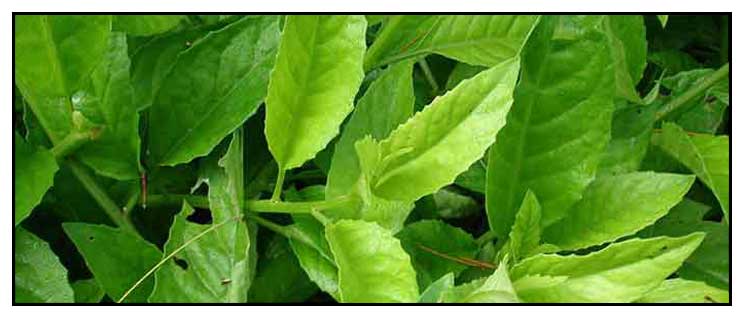
Sabuñgai is a twining vine, smooth except for the peduncles. Leaves are stalked (the uppermost ones stalk less), ovate-elliptic or cancelate, 3.5 to 8 centimeters long, and 0.8 to 3.5 centimeters wide, with somewhat entire or toothed margins. Flowering heads are panicked, narrow, yellow, and 1 to 1.5 centimeters long. Involutorial bracts are smooth and up to 6 millimeters long. Achenes are very small and smooth, with very close and slender ribs.
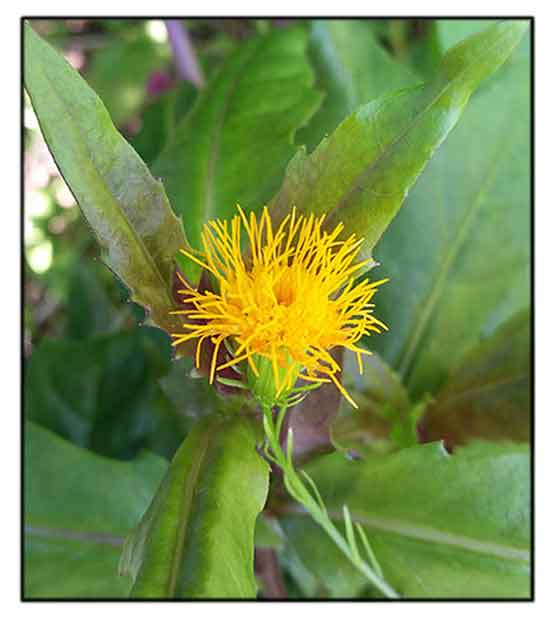 Herbs, scandent. Stems procumbent, brownish or purple striate, glabrous or pubescent when young, branched. Leaf petiole 5-15 mm, glabrous; blade abaxially purplish, adaxially green, ovate, ovate-oblong, or elliptic, 3-8 × 1.5-3.5 cm, both surfaces glabrous, rarely sparsely pubescent, lateral veins 5-7-paired, curved, veinlets inconspicuous, base rounded-obtuse or cuneately attenuate into petiole, margin entire or repand-dentate, apex acute or acuminate. Upper stem leaves and leaves on synflorescence branches reduced, lanceolate or linear-lanceolate, sessile or subsessile. Capitula 3-5 in each corymb, in terminal or axillary corymbs; peduncles long, slender, often with 1-3 linear bracts, sparsely shortly pubescent or glabrous. Involucres campanulate or funnelform, 15-17 × 5-10 mm; bracteoles at base 5 or 6, linear; phyllaries (9 or)11-13, becoming purplish, oblong-lanceolate, 15-17 × ca. 1.5 mm, glabrous, 1-3-veined, margin narrowly scarious, apically acuminate. Florets 20-30; corolla orange, 12-15 mm, with slender 8-10 mm tube and dilated limb; lobes ovate-lanceolate, apically acute. Anthers obtuse at base, appendages triangular. Style branch tips conical, papillose. (Flora of China) Herbs, scandent. Stems procumbent, brownish or purple striate, glabrous or pubescent when young, branched. Leaf petiole 5-15 mm, glabrous; blade abaxially purplish, adaxially green, ovate, ovate-oblong, or elliptic, 3-8 × 1.5-3.5 cm, both surfaces glabrous, rarely sparsely pubescent, lateral veins 5-7-paired, curved, veinlets inconspicuous, base rounded-obtuse or cuneately attenuate into petiole, margin entire or repand-dentate, apex acute or acuminate. Upper stem leaves and leaves on synflorescence branches reduced, lanceolate or linear-lanceolate, sessile or subsessile. Capitula 3-5 in each corymb, in terminal or axillary corymbs; peduncles long, slender, often with 1-3 linear bracts, sparsely shortly pubescent or glabrous. Involucres campanulate or funnelform, 15-17 × 5-10 mm; bracteoles at base 5 or 6, linear; phyllaries (9 or)11-13, becoming purplish, oblong-lanceolate, 15-17 × ca. 1.5 mm, glabrous, 1-3-veined, margin narrowly scarious, apically acuminate. Florets 20-30; corolla orange, 12-15 mm, with slender 8-10 mm tube and dilated limb; lobes ovate-lanceolate, apically acute. Anthers obtuse at base, appendages triangular. Style branch tips conical, papillose. (Flora of China)
 Distribution Distribution
- Native to the Philippines.
-
In thickets along streams, in old clearings, etc., at low and medium altitudes, ascending to 1,500 meters, from northern Luzon to Mindanao, in most islands and provinces.
- Also native to Bangladesh, Benin, Borneo, Cambodia, Central African Republic, China, Gabon, Hainan, Himalaya, Ivory Coast, Jawa, Liberia, Malaya, New Guinea, Nigeria, Sumatera, Thailand, Vietnam, Zaire.
Constituents
- Study identified abundant proteins from the leaves. Peroxidase was the abundant protein in the leaves. Other valuable proteins in the leaves were osmotin like protein I and thaumatin like protein I (TL) (see studies below) (4)
- An ethanolic extract yielded alkaloids and volatile oils.
- Nutritional analysis of fresh leaves before drying yielded moisture 7.08 g/100 dw, carbohydrate 0.0537 to 0.1968 µg glucose equivalent/100 g dry weight, protein 4.51 g/100 g dry weight, and lipid 0.023 g/100 g dry weight.
(see study below) (29)
- Phytochemical screening of ethanol extract of leaves yielded alkaloids and volatile oils, with absence of saponins and anthraquinone glycosides. Leaves were also a good source of chlorophylls and carotenoids. Content of chlorophyll-a, -b, and carotenoids were 365.20 0.049, 132.40 ± 0.029, and 53.20 ± 0.034 µg/g dry weight, respectively. (14)
- Ethanol extract of leaves yielded tannins, flavonoids, steroids, glycosides, alkaloids, and terpenoids. (see study below) (58)
Properties
- Leaves considered anti-hyperglycemic, anti-hyperlipidemic and anti-inflammatory.
- Studies have shown anti-inflammatory, antihypertensive, glucose-lowering, antioxidant, antiulcerogenic, wound healing, antiproliferative, chemopreventive, immunomodulatory, antimelanogenesis, antiherpetic, antitumor, anthelmintic properties.
Parts used
Whole plant, leaves, shoots.
 Uses Uses
Edibility
- In many Asian countries, leaves eaten fresh or cooked; added to salads or stand-alone salad; used for sauces, as flavoring.
Folkloric
- In Java, used for kidney troubles.
- In Malacca, decoction used for dysentery.
- In Thailand, used as topical inflammation, rheumatism, and viral ailments.
- Poultice used for rheumatic and general body pains.
- In some parts of Asia, used as abortifacient.
- Use to treat hypertension.
- In Malaysia, a folk remedy for diabetes and hyperlipidemia.
-
In Indonesia, use for treatment of kidney diseases, eruptive fever rash, hypertension, diabetes mellitus and hyperlipidemia. (62)
Studies
• Anti-Inflammatory: Study evaluated ethanol extract for anti-inflammatory activity using croton oil-induced mouse ear inflammation model. Results showed significant inhibition of increase in ear thickness induced by croton oil. Hexane and toluene fractions showed significant inhibitions of 44.5% and 34.8%, respectively. (1)
• Antihypertensive: Study showed the oral administration of aqueous extract significantly lowered blood pressure in spontaneously hypertensive rats. Results suggest GPE may be useful for prevention and treatment of hypertension through increasing NO (nitric oxide) production in blood vessels. (2)
• Glucose Lowering: Ethanolic extract of leaves significantly suppressed elevated serum glucose levels in diabetic rats. The extract did not significantly suppress glucose levels in normal rats. Results conclude the leaves of GP may be biguanide-like activity. (3)
• Abundant Leaf Proteins / Peroxidase: Study found few abundant proteins from the leaves of GP; among these, peroxidase was found the most abundant of the extracted proteins. Results suggest a natural source for peroxidase for use in the cosmetic and skin care industry. The presence of TL protein in leaves indicate it may not be suitable as food in the raw state. However, raw eating of leaves is common in the Asian region. (see constituents above) (4)
• Nutritive / Antioxidative Properties: Ethanolic Gynura extract exhibited the highest antioxidative properties in every assay. Nutritive evaluation suggests the extract is a good protein source and may have positive effects on free radical scavenging and iron chelating. (5)
• Gynura procumbens Medical Toothpaste: A Gynura procumbens toothpaste invention consists of" gynura procumbens (Lour.) extract of 1-20%, glycerol of 20-55%, diglycol of 10-15%, abradant of 20-45%, carboxymethyl cellulose of 0.5-1.5%, sodium dodecyl sulfate of 0.5-2%, additive of 1-4%, essence of 1-2% and saccharin of 0.1-1%. (6)
• Anti-Ulcerogenic: Study results suggest the ethanolic leaf extract of Gynura procumbens promotes ulcer protection as shown by significant reduction of ulcer area, histologic decreases in ulcer areas, with absence or reduction of edema and leukocyte infiltration of submucosal layer. (7)
• Anti-Diabetic: / Increase Glucose Uptake: Study evaluating the water extract of G. procumbens in streptozotocin-induced diabetic rats showed a hypoglycemic effect by promoting glucose uptake by muscles. (8)
• Anti-Diabetic / Increase Glucose Uptake and Insulin Potentiation:Study results suggest the antidiabetic effect may be mediated through the stimulation of glucose uptake and the potentiation of insulin action. (10)
• Toxicological Evaluation: Administration of a methanol extract of G. procumbens did not produce mortality or significant changes in various parameters in both acute and sub-chronic toxicity studies.(9)
• Wound Healing / Acute Toxicity Study: Acute toxicity study of leaf extract showed no mortality with 5g/kg dose. In a wound healing model in rats, wounds dressed with leaf extract showed significant enhancement and acceleration of wound healing. (12)
• Antioxidant Effects: Study showed ROS (Reactive Oxygen Species) may be scavenged effectively by the antioxidant system of G. procumbens leaves. The ratio between chlorophyll and carotenoid was higher than in other green plants.
• Hypoglycemic Effects / GSK3ß Phosphorylation: Study evaluated the hypoglycemic effects of G. procumbens and the involvement in the glycogen synthase kinase (GSK3), a key component of insulin biosignaling. Results showed the plant did not exhibit GSK3 inhibitory activity, and suggests the hypoglycemic actions of the fractions could be from direct or indirect effects on upstream insulin biosignaling pathway. (13)
• Blood Sugar Reduction: Major flavonoid constituents were identified in the n-butanol fraction. A methanolic extract of leaves showed reduction of blood glucose in STZ-induced diabetic rats. Results were compared to glibenclamide as standard drug.
• Antiproliferative Effects / DBMA-Induced Rat Liver: Study evaluated the antiproliferative effect of an ethanolic leaf extract on 7,12-dimethylbenz(a)anthracene-induced male rat liver. Results showed significant antiproliferative activity, with histopathology showing no primary liver tumor on the DMBA group. (20)
• Cardiovascular Effects / Leaves: A water extract of G. procumbens showed promising cardiovascular effects. Significant vasodilation and negative chronotropic and ionotropic effects were observed with the water extract compared to the ethanolic extracts. Chemical analysis of the water extract yielded significant amounts of polyphenolic and flavonoid constituents. (16)
• Antihyperglycemic / Leaf Extracts: Study evaluated leaf extracts for antidiabetic activity. Results showed significant lowering of fasting blood glucose in streptozotocin-induced diabetic rats. Study suggests extracts contain active principles that possess anti-hyperglycemic but no hypoglycemic effect. The antidiabetic action may be via a mechanism similar to metformin. (18)
• Anticancer Proteins / Breast Cancer Cell Line / Leaves: An earlier study yielded plant defense proteins, peroxidase, thaumatin-like proteins and miraculin the the leaf of G. procumbens. Study investigated the bioactivity of the leaf extract proteins. An active protein fraction, SN-F11/12 inhibited the growth of a breast cancer cell line, MDA-MB-231. The proteins in the fraction can be a potential chemotherapeutic agent for breast cancer treatment. (19)
• Antiherpetic / Aerial Parts: An ethanol extract of aerial parts of G. procumbens showed virucidal and antireplicative actions against herpes simplex HSV-1 and HSV-2. Several antiherpetic compounds were isolated from fractions: caffeoylquinic acid derivatives, phytosteryl glucosides, and glycoglycerolipids. Flavonoids probably imparted an anti-inflammatory effect. Lab evidence and reduction of infection supported the antiherpetic effect of G. procumbens. (21)
• Suppression of Osteosarcoma Cell Proliferation and Metastasis In Vitro: Study showed an ethanolic extract is able to induce apoptosis and suppresses proliferation and metastasis in U2-OS cells via inhibition of the nuclear translocation of NF-kB. (22)
• Vasorelaxant / Potassium Channel Openers and Prostacyclin: Study confirms the vasodilatory effects of G. procumbens through blocking of calcium channels. The vasodilatory effect may also be due to opening of potassium channels and stimulation of prostacyclin production. Putative compounds are probably flavonoids in nature. (23)
• Chemopreventive / Colon and Breast Cancer: Study of an ethyl acetate fraction investigated for cytotoxic properties and selectivity against colon cancer and breast cancer cells showed selective effect against cancer cells and reveals potential as cancer chemopreventive agent. (24)
• Antiherpetic: An ethanol extract of Gynura procumbens showed virucidal and antireplicative activities against herpes simplex virus (HSV-1 and HSV-2). Antiherpetic activity was attributed to caffeoylquinic acid derivatives, phytosteryl glucosides, and glycoglycerolipids. A double-blind randomized controlled clinical trial of the products was performed in patients with recurrent herpes labialis. The insignificant result was attributed to a low number of patients and insufficient concentration of plant extract. (25)
• Decrease Blood Pressure / Inhibition of Calcium Channels: G. procumbens has been shown to decrease blood pressure via inhibition of angiotensin converting enzyme. An intravenous butanolic fraction elicited significant and dose dependent decreases in mean arterial pressure. Results suggest the presence of putative hypotensive compounds that appear to inhibit calcium influx via receptor-operated and/or voltage-dependent calcium channels to cause vasodilation and a consequent decrease in blood pressure. (26)
• Antioxidant / Inhibition of Drug Metabolizing Enzymes: Study investigated various extracts of G. procumbens for antioxidant capacity and CYP34A and CYP1A2 enzyme activities. Results showed the inhibition of CYP3A4 and CYP1A2 followed the rank order of total flavonoid content, where the higher the total flavonoid content the higher the inhibition of drug metabolizing enzymes. (27)
• Antioxidant / Antitumor: Study evaluated the antioxidant activities of plant extracts of G. procumbens, A. aspera and P. tomentosum using the DPPH assay. G. procumbens showed the more potent antioxidant activity. Gynura procumbens also showed antitumor activity at a dose of 1000 ppm. (28)
• Antioxidant / Nutritional Value: Nutrition analysis showed it to be a good protein source with positive effects on free radical scavenging and iron chelating. An ethanolic extract exhibited the highest in antioxidative properties in every assay, i.e., EC50 of 1.63 in hydroxyl scavenging assay, EC50 2.17 in iron chelating activity, and EC50 2.75 in lipid peroxidation inhibition. (see constituents above) (29)
• Abundant Leaf Proteins / Peroxidase: Study identified few abundant proteins from the leaves of Gynura procumbens. Among the proteins, peroxidase was found to be the most abundant. As a natural source of peroxidase, G. procumbens has value in the cosmetic and skin care industry. (30)
• Effect on Rat Atrial Contraction / Leaves: Study investigated the effects of various extracts and fractions of leaves of G. procumbens on rat atrial contraction in vitro. Results showed positive inotropic activities and suggests a potential as alternative use against increased blood pressure in humans. (31)
• Antihyperglycemic / α-Glucosidase Inhibition: Study investigated the antidiabetic effect of G. procumbens water extract by regulation of activities of hepatic glucose-regulating enzymes. Compared to the antidiabetic drub acarbose,GWE exhibited high α-glucosidase inhibition activity (32.2% in 3mg/ml).The antihyperglycemic potency is thought to be mediated through activation of GK, PDH, and induction of protein expression of pACL, pGSK-3ß related indirectly or indirectly to glucose metabolism. (34)
• Effect on Sperm Quality and Testosterone Level: Study evaluated the effects of aqueous and ethanolic extracts of G. procumbens on sperm quality and testosterone level of male STZ-induced T1 diabetic rats. Results showed a dramatic increase in sperm count (206.89%) and motility as well as testosterone level (16.71%), along with decrease in fasting blood glucose (38.71%) and sperm mortality (5.62%). (35)
• Antioxidant / Cytotoxicity / Acute Oral Toxicity: A methanol extract showed better overall antioxidant activities using DPPH radical scavenging, metal chelating, and ß-carotene bleaching assays. An EA extract showed selective cytotoxicity against HT-29 and HCT 116 cells with IC values of 35.7 and 42.6 µg/mL. The methanol extract showed negligible level of toxicity when administered orally. Results suggest potential benefit in the prevention and treatment of cancer. (36)
• Antihyperglycemic / Toxicological Evaluation: Study evaluated acute and sub-chronic antihyperglycemic activity, safety margin evaluations and constituents of ethanol extract and fractions of G. procumbens in STZ-induced diabetic rats. Toxicity testing showed the extract is safe at the limit test dose of 2000 mg/kg, thus the oral lethal dose (LD50) exceeds 2000 mg/kg. Acceptable daily intake was determined at 700 mg/kg/day. An n-butanol fraction consistently lowered glucose levels with an effect that was dose dependent and closest to that of metformin. The antihyperglycemic effect corresponded to the high content of phenols and flavonoids. (37)
• Antimelanogenesis / Moisturizing Effect: Study of a G. procumbens extract suggested a whitening effect. When applied with high concentration on human epidermal keratinocyte (HaCaT), hyaluronic acid significantly increase. Results suggest GP contains many kinds of whitening ingredients and moisturizing compounds. (38)
• Immunomodulatory
/ Leaves: Study evaluated the effect and dose variations of GP extract on biological aspect of CD4+CD62L-, CD4+CD62L+, CD8+CD62L- and CD8+CD62L+ T cells. Results suggest the EA of GP has potential benefit on the immune system as an immunomodulator. (39)
• Anticarcinogenesis Effect: Study investigated the anticarcinogenesis effect of ethanol extract of leaves on 4 nitroquinoline 1-oxide (4NQO)-induced rat tongue carcinogenesis. Results showed the EE of GP could inhibit the progression of 4NQO-induced rat tongue carcinogenesis in the initiation phase. (40)
• Sensitization of Colon Cancer Cell Line / Synergism with 5-FU: Study evaluated of an ethyl acetate fraction showed sensitizing properties and cause cell cycle arrest and apoptosis on WiDr cells. Because of synergism properties, the FEG exhibited potential in combination with 5-FU but not with Cisplatin. (41)
• Reversal of Acute
and Chronic Ethanol-Induced Liver Steatosis: Study evaluated the hepatoprotective potential of G. procumbens on acute and chronic ethanol-induced liver injuries. Results showed attenuation of acute ethanol induced serum ALT and hepatic lipid accumulation. Both n-butyl alcohol extract and 60% ethanol-eluted fraction inhibited chronic ethanol-iinduced hepatic lipid accumulation by modulating lipid metabolism-related regulators through MAPK/SREBP-1c-dependent and independent signaling pathway and ameliorated liver steatosis. (42)
• Profertility / Antidiabetic: Study evaluated the anti-diabetic and pro-fertility effect of G. procumbens on STZ-induced diabetic male rats. Results showed significant decrease in fasting blood glucose. There was significant increase in sperm quality parameters in the GP treated group with significant histological effects as evidenced by arrangement of cells in the germal cell layers. (43)
• Anti-Carcinogenic / Decrement of Cytochrome P450 and Increase of GSTµ Activity / Leaves: Gynura procumbens extract significantly decreased the cytochrome P450 activity (p<0.05) but significantly increase the GSTµ activity (p<0.05) Results showed ethanol extract of G. procumbens leaf acts as blocking agent in carcinogenesis initiation phase which further inhibits progression towards malignancy. (44)
• Alleviation of Postprandial Hyperglycemia / Digestive Enzymes Inhibition: Study evaluated the inhibitory effect of G. procumbens extract against carbohydrate digesting enzymes and its ability to ameliorate postprandial hyperglycemia in STZ-induced diabetic mice. Results showed prominent α-glucosidase and α-amylase inhibitory effects. IC50s were 0.092±0.018 and 0.084±0.027 mg/mL, respectively. α-amylase inhibitory activity was more effective than positive control acarbose. (45)
• Improved Insulin Sensitivity / Hepatic Gluconeogenesis Suppression: GP extract significantly lowered glucose and glycosylated hemoglobin compared to diabetic control mice. Results showed increased insulin sensitivity, with significantly lower homeostatic index of insulin resistance. There was inhibition of gluconeogenesis with decreased expression of glucose-6-phosphatase and phosphoenolpyruvate carboxykinase in the liver. (46)
• Effect of Copper and Cadmium Exposure
/ Bioaccumulation of Metals: Study showed combined Cd and Cu treatment had greatest influence on growth, heavy metal accumulation and biochemical changes in G. procumbens. Medicinal properties are reduced by Cd and Cu contamination, with reduction of total phenolics, total flavonoids, saponins, antibacterial, DPPH and FRAP activity. G. procumbens planted in contaminated soil is not safe for consumption. (47)
• Immunomodulatory / In Vivo Phagocytosis: Study evaluated the immunomodulatory properties of ethanol extracts of Gynura procumbens on effects on phagocytic activity of macrophages on healthy female Wistar albino rats. Carbon clearance test showed significant increase of phagocytic index (p<0.05) on extract treated group on all doses. There were no significant changes in general condition, hematological and biochemical markers. Results suggest a potential of G. procumbens as an immunomodulatory agent. (48)
• Antimicrobial / Cytotoxicity / Antioxidant: Of various extracts evaluated for antimicrobial activities, only the dichlormethane and ethyl acetate extracts showed mild sensitivity against all test bacteria and fungi (except S. aureus and E. coli). Crude extracts (HX, DCM, ME, and EA) showed toxicity towards brine shrimp, with lethality that increased with concentration. On free radical scavenging activity assays, the ME showed highest antioxidant activity with IC50 of 20.35 µg/ml, comparable to standard TBHT (27.5 µg/ml). (49)
• Improvement in Blood Glucose / Restoration of Fertility and Libido: Study evaluated the effects of G. procumbens on blood glucose level, fertility and libido of STZ-induced diabetic male rats. Results showed significant lowering of fasting blood glucose, increased plasma testosterone, significant increase in sperm quality as well as fertility of treated groups. There was also improved in sexual behavior as evidenced by increased mounting frequency and reduced mounting latency. (50)
• Antiproliferative
/ Human Glioblastoma Multiforme Cell Line: Study evaluated the effects of various extracts of G. procumbens on U-87, human Glioblastome multiforme cell line. The ethanol and methanol extracts of G. procumbens showed high antiproliferative potential on U-87 cell line. Results suggest a potential source of safer cytotoxic compounds. (51)
•
Antihypertensive / Angiotensin II and Vasopeptidase Inhibitory Activities: Previous studies have shown the leaves may decrease BP by inhibition of ACE activity and blocking calcium channels. This study further evaluates the BP-lowering properties by exploring Angiotensin II and ACE/NEP inhibitory activities of a partially purified fraction (FA-I). Results showed FA-I inhibited Angiotensin II-induced contractions, probably via endothelium-dependent pathways by activating NO and PGI2 release, and also by inhibition of ACE/NEP activities. (52)
• Hypotensive Effect / Leaves: Previous studies have shown a purer aqueous fraction (FA-I) of leaves of G. procumbens contains angiotensin-converting enzyme (ACE) inhibitors that may contribute to its hypotensive effect. Study evaluated the acute effect of oral administration of FA-I in rats. The fraction significantly (p<0.001) decreased the SBP in spontaneously hypertensive rats in a dose-dependent manner after a single oral treatment. Highest effect was evident 6 hours after treatment. (53)
• Co-Administration of G. procumbens and Honey / Enhancement of Sperm Quality and Spermatogenesis: Study evaluated the effect of co-administration of GP and kelulut honey on the sperm quality and spermatogenesis in diabetic induced male rats. Results showed significant increment as well as motility in a dose dependent manner. Testis histology showed regeneration of Leydig and Sertoli cells in the testes. Result suggest a pro-fertility potential in the co-administration of honey and GP. (54)
• Antimalarial / Anti-Inflammatory / GSK3â and Kaempferol: A yeast-based assay detected GSK3â-inhibitory activity in an aqueous extract of G. procumbens. It plays a central role in modulation of inflammatory response during bacterial infection. Study evaluated the antimalarial and anti-inflammatory effect of GSK3â on the growth of P. falcifarum 3D7. Study showed antimalarial and anti-inflammatory effects which may be attributed to the pharmacologic effects of GSK3â and kaempferol. (55)
• Reduction of Cholesterol Level and Modulation of Oxidative Status: Study evaluated the effect of standardized 80% ethanol extract of G. procumbens on lipid profiles and oxidative status of hypercholesterolemic postmenopausal Sprague-Dawley rats fed a 2% cholesterol diet fortified with heated palm oil to achieve hyperlipidemia status. Results showed higher dose of GP (500 mg/kg) showed better effect in reducing oxidative stress and preventing membrane cell damage through antioxidant enzyme activity modification and lipid profile changes in postmenopausal rats related to atherosclerosis. (56)
• Improved Fertility / Study of Sperm Proteomic: Study evaluated the effect of G. procumbens aqueous extract on diabetic rats by evaluation of testes histology and androgen hormone levels and implantation sites of female rats on copulation with treated male rats. Results showed G. procumbens treatment effectively treats infertility of male diabetic rats possibly through the upregulation of proteins related to sperm maturation and sperm-egg interaction. (57)
• Analgesic and Neuropharmacological Activity / Leaves: Study evaluated the analgesic and neuropharmacological activity of ethanol extract of leaves using acetic acid induced writhing test, tail immersion test, and hot plate test on Swiss albino mice. Neuropharmacological activity was evaluated using using open field and hole cross tests. Results showed dose-dependent analgesic and neuropharmacologic effects. (58)
• Inhibition of Human Liver Glucuronidation Activity: Concomitant consumption of herbal supplements along with pharmaceutical drugs is an increasing trend. Herbal phytochemicals can undergo glucorunidation process which can give rise to possible herb-drug interactions when both herb and drug are involved in the same glucuronidation pathway. Study evaluated the inhibitory effects of Gynura procumbens, Andrographis paniculata, Ficus deltoidea and Cucurma xanthorrhiza on human liver glucuronidation activity. All the herbal extracts inhibited human liver glucuronidation activity in the range of 34.69 µg/mL to 398.10 µg/mL. (59)
• Antidiabetic / Effect on Insulin Release / Leaves: Study evaluated a methanol extract for antidiabetic properties using oral glucose tolerance test (OGTT) in normal rats and insulin stimulatory activity using BRIN-BD11 cell lines. Results showed a hypoglycemic effect after OGTT and significantly increased insulin secretion by 59.8. Cytotoxicity study showed IC50 on BRIN-BD11 cell lines of 300 mug/ml. Results suggest the leaves possess hypoglycemic activity in normal rats and stimulate insulin release in insulin secreting cell line with no cytotoxicity effect. (61)
• Cardiovascular Activity / Leaves: Study evaluated the cardiovascular chronotropic and ionotropic effects of ethanol and water extracts of leaves on isolated right and left atrium. Phenylephrine induced dose dependent vasorelaxation and negative chronotropic and ionotropic effects. Results showed the water extract of leaves produced concentration dependent relaxation of vascular smooth muscles along with reduction in heart rate and force of contraction. Findings justify the traditional use of the plant in hypertension management. (62)
• Anxiolytic / GABA-Mediated Hyperpolarization / Leaves: Study evaluated the anxiolytic activity of ethanol extract of G. procumbens leaves using elevated-plus maze (EPM), light-dark box, hole-board, and marble-method in mice. Diazepam was used as positive control. Results showed significant anxiolytic activity. The mechanism for the anxiolytic effect may be via increase of gamma aminobutyric acid (GABA) content of mice cerebral hemisphere. Results provide empirical evidence for use of G. procumbens extract in folkloric treatment of anxiety disorders. (63)
• Antihyperlipidemic and Antioxidant / Caffeoylquinic Acids: Study prepared caffeoylquinic acids rich and poor fractions of ethanolic extract using resin column technology and compared their antihyperlipidemic and antioxidant potentials. Caffeoylquinic acids rich fraction (F2) and chlorogenic acid (CA) showed potent antihyperlipidemic effects with significant reduction in TC, TG, LDL-C, VLDL-C, atherogenic index, and coronary risk factor (p<0.01 or better). F2 also showed highest antioxidant activity. The resin separation technology may find application in caffeoylquinic acids enrichment of plant extracts for preclinical studies. F2 has potential for development as adjunct therapy for the management of hyperlipidemia. (64)
• Immunomodulatory / Promotion of Lymphocyte Activation and T Cell Generation / Leaves: The cellular and humoral immune system is mediated by immunocompetent cells. Study evaluated the effect of ethanolic extract of G. procumbens leaves on the profile of CD4 T cells, CD4 CD25 T cells and B220 cells. Results showed biologic effect and immunomodulatory activity. The dose of 0.1 µg/ml could promote T cell activation , and the dose of 10 µg/ml promotes, rather than inhibit B cell proliferation. (65)
• Hand-Washing Solution / Invention: The invention discloses a Chinese herbal medicine health care Gynura procumbens hand cleaner. The hand cleaner contains active ingredients of G. procumbens, chlorogenic acid, hydoxyl lactic acid, among others. It claims to function as hand cleaner, with moisture retention, moistening, antibacterium, bacteriostatic, and antiviral properties. (66)
• Wound Healing in STZ-Induced Diabetic Mice / Leaves: Study evaluated the effects of G. procumbens gel treatment on wound healing in STZ-induced diabetic mice. Treatment significantly promoted wound healing faster than solcoseryl jelly. GP also promoted angiogenesis around the wound area and significantly increased the skin expression of angiogenin, endothelial growth factor, fibroblast growth factor. GP promoted keratinocyte and fibroblast proliferation and enhanced fibroblast, keratinocyte, and mast cell migration. Results suggest GP may be used as wound healing drug in diabetic ulcers. (67)
• Antioxidant / Flavonoid-Enriched Fractions / Leaves: Study evaluated the phenolic antioxidants fractionated from crude extract of G. procumbens leaves. Sub-fraction 3 showed showed highest antioxidant activity, total phenolic and flavonoid contents. IC50s of subF3 were 19 and 12 µg/ml, which were lower than ascorbic acid and trolox for DPPH and ABTS assays, respectively. Major phenolic acids in subF3 were ferulic acid and sinapic acid, whereas predominant flavonoids were myricetin and kaempferol. There was strong positive correlation between antioxidant activity and total flavonoid content, with no correlation with total phenolic content. The antioxidant activity in subF3 was attributed to flavonoids, especially myricetin and kaempferol. (68)
• Hepatoprotective / Cadmium-Induced Oxidative Stress / Roots: Exposure to cadmium (Cd) can increase reactive oxygen species (ROS) and changes in expression of antioxidant genes. Study evaluated the hepatoprotective effect of G. procumbens adventitious root extract (GAR) against Cd toxicity in male mice. The GAR extract increased RBC, hemoglobin, hematocrit, MCV, MCH, and reduced ALT and AST. GAR extract decreased MDA production and increased activities of SOD and CAT. The enzymatic activities positively correlated with gene transcripts. Results suggest marked hepatoprotective effects against Cd-induced oxidative stress. (69)
• Anticancer / Breast Cancer Cell Lines / Leaves: Study evaluated the anticancer effects and molecular mechanisms of G. procumbens leaves extract against two canine mammary cancer (CMC) cell lines (CHMp-13a and CHMp-5b). MTT assay showed the GPE cause significant concentration- and time-dependent reduction in cell proliferation in both cell lines. Increase in caspase 4/7 activity suggests the extract induced caspase 3/7 dependent apoptosis. The extract also significantly decreased EGFR mRNA and protein expression levels in a dose-dependent manner. (70)
• Making Powdered G. procumbens Leaves: Gynura procumbens leaves easily wither and rot because of high moisture. Study reports on the production of powdered leaves, which involved sorting, washing, blanching, drying, blending, sieving, packing and sealing. Powder analysis showed 6.77% moisture, compared to fresh leaves 82.49%, total ash 6.38% (fresh4,32%) and crude fiber 5.55% (fresh 6.44%). (71)
• Antidiabetic / Antilipidemic / Antioxidant / Leaves: Study evaluated the antioxidant, antidiabetic, antilipidemic, and enzyme activities f G. procumbens leaves extract in alloxan-induced diabetic mice. Aqueous extracts showed very significant free radical scavenging activity at concentration of 40 and 45 µg/mL (p<0.001). Both aqueous and ethanolic extracts exhibited remarkable lowering of blood glucose. Aqueous extract showed significant effect effects on lipid levels. (72)
• Immunomodulatory / Effect on Proliferation of Marcophages / Leaves: Study evaluated GP ethanol extract and fractions for phytoconstituents and cell viability of extract and fractions-treated RAW264.7 cells. The extract and fractions yielded mainly fatty acids, flavonoids, sesquiterpenoids, and products of chlorophyll breakdown. RAW264.7 cells exposed to GP extract and fractions showed significantly high proliferation and weak cytotoxic effect on macrophages. The extract and fractions may act as immunomodulators, as they induced promising proliferation of macrophages. (73)
• Anthelmintic / Leaves: Study evaluated the anthelmintic activity of crude extract of G. procumbens leaves against adult earthworms, Paramphistomum cervi. The ethanol extract exhibited dose-dependent anthelmintic activity in measures of paralysis time and death time. (74)
Buyers beware
• Ashitaba has been getting a lot of press, being touted as the new "miracle" herb. However, a lot of potted "ashitaba" being sold locally from roadside herbal gardens and mall stalls, intentionally or unintentionally, is actually Sabungai rather than ashitaba (Angelica keiskei). (See Ashitaba)
Availability
Wild-crafted.
|