 Gen info Gen info
- Dioscorea bulbifera is a species of true yam in the yam family, Dioscoreaceae.
- A plant of uncertain ecosystem status: invasive in some places, on the verge of extinction in others.
- It is one of the most consumed yam species in West Africa, but also a species that warns of toxicity.
- It is a raw material for contraceptives.
Botany
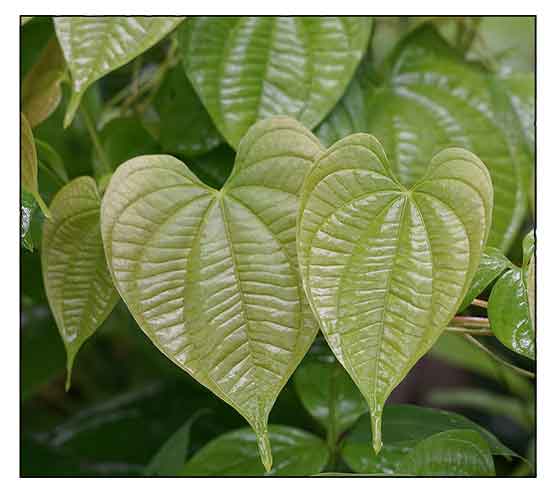
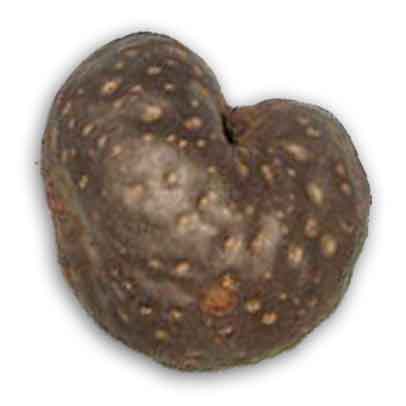
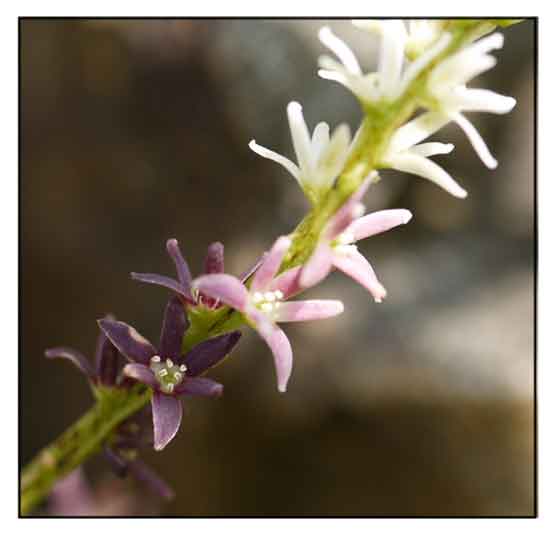
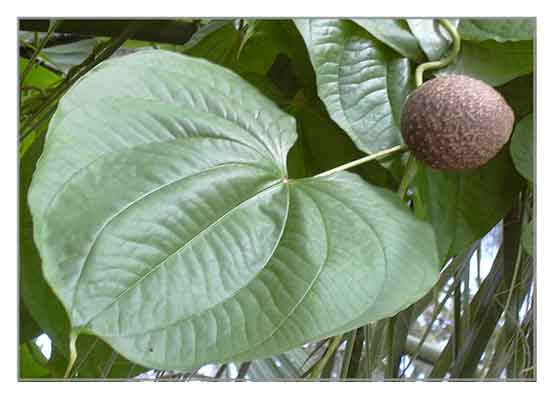
• Ubi-ubihan is a climbing or twining, dioecious, smooth, unarmed vine reaching a length of several meters. Tubers are rounded, not larger than a man's fist. Stems are terete, bearing numerous little tubers. Leaves are simple, ovate, 7 to 14 centimeters long, with a broad and prominently heart-shaped base, broad and rounded sinus, rounded lobes, and 7- to 9-nerved. Spikes are slender, panicled, numerous, 8 to 10 centimeters long, and rather densely many-flowered. Flowers are about 3 millimeters long. Capsules are longer than broad. Seeds are winged at the base only.
Distribution
- Native to the Philippines.
-
In thickets at low and medium altitudes.
- Sometimes cultivated as an oddity for its tubers.
- Also occurs in India to China and Malaya.
 Constituents Constituents
- Tubers reported to contain a poisonous glucoside.
- Tuber extract is rich in flavonoid, phenolics, reducing sugars, starch, diosgenin, ascorbic acid, and citric acid.
- Study for chemical constituents of tubers yielded14 compounds identified as stigmasterol (1), mono-arachidin (2), 1,7-bis-(4-hydroxyphenyl)-1E,4E,6E-heptatrien-3-one (3), behenic acid (4), demethyl batatasin IV (5), 2,3'-di-hydroxy-4',5'-dimethoxybibenzyl (6), diosbulbin B (7), diosbulbin D (8), docosyl ferulate (9), 7-bis-(4-hydroxyphenyl) -4E, 6E-heptadien-3-one (10), 5,3,4-trihydroxy-3,7-dimethoxyflavone (11), tristin(12), protocatechuic acid (13), adenosine (14). (9)
- Study yielded three norclerodane diterpenoids: diosbulbins K-M, and one enoglycoside, diosbulbinoside G, with four norclerodane diterpenoids, disobulbins B, E, F and G from the rhizomes.
- Phytochemical analysis of tubers yielded steroids, flavonoids, cardiac glycosides, saponins, and reducing sugars. (see study below) (22)
- An ethyl acetate soluble fraction of 75% ethanol extract yielded flavonol aglycones, namely kaempferol-3, 5-dimethyl ether, caryatin, and catechin. It also yielded flavonol glycosides, namely quercetin-3-O-galactopyranoside, myricetin-3-O-galactopyranoside, and myrcetin-3-O-glucopyranoside. (Kuroyanagi et al, 2002).
 - Fingerprinting of DBT extracts by UHPLC yielded ten common peaks accounting for 80^ of overall peak areas, and identified as: epigallocatechin (1), kaempferol-3-O-β-D-galactoside (2), catechin dimers (3), catechin (4), catechin dimers (5), epicatechin (6), 9,10-dihydro-2,3,5,7-phenanthrenetetraol (7), caryatin (8), diosbulbin B (DIOB) (9), 8-epidiosbulbin E acetate (EEA) (10). (see study below) (27) - Fingerprinting of DBT extracts by UHPLC yielded ten common peaks accounting for 80^ of overall peak areas, and identified as: epigallocatechin (1), kaempferol-3-O-β-D-galactoside (2), catechin dimers (3), catechin (4), catechin dimers (5), epicatechin (6), 9,10-dihydro-2,3,5,7-phenanthrenetetraol (7), caryatin (8), diosbulbin B (DIOB) (9), 8-epidiosbulbin E acetate (EEA) (10). (see study below) (27)
- In a comparative analysis of phytochemical and nutritional compositions of four species of Dioscorea, D. bulbifera had the highest levels of alkaloid (0.64 ± 0.01 mg/100g), tannin (0.54 mg/100g), saponin (0.58 mg/100g), oxalate (0.75 ± 0.01 mg/100g), ash (5.49 ± 0.04%), crude fiber (3.45 ± 0.01%), crude protein (5.86%), vitamin B1 (0.042 mg/100g), vitamin B3 (0.037 mg/100g), and vitamin C (0.63 ± 0.02 mg/100g), calcium (378.52 ± 0.10 mg/100g), magnesium (128.73 ± 0.04 mg/100g), sodium (87.80 ± 0.10 mg/100g), iron (3.14 ± 0.02 mg/100g) and zinc (2.79 ± 0.01 mg/100g). (28)
- Study of rhizomes of D. bulbifera isolated one new bibenzyl (7), one new diarylheptanone, diobulbinone A (18), along with 16 known compounds, (1-6 and 8-17) . (see study below) (33)
- Phytochemical studies have yielded alkaloids, flavonoids, glycosides, saponin, tannin, protein, carbohydrates, phytosteroids. (36)
 - Phytochemical screening of ethanol and aqueous extracts of leaves yielded
alkaloids, glycosides, saponins, tannins, flavonoids, reducing compounds, and polyphenols, with absence of phlobatannins, anthraquinones, and hydroxymethyl anthraquinones. (40) - Phytochemical screening of ethanol and aqueous extracts of leaves yielded
alkaloids, glycosides, saponins, tannins, flavonoids, reducing compounds, and polyphenols, with absence of phlobatannins, anthraquinones, and hydroxymethyl anthraquinones. (40)
- GC-MS analysis of methanol extract of leaves revealed 50 peaks and identified 45 compounds, representing 98.49% of the extract. Major compounds were
acetic acid (34.68%), n-hexadecanoic acid (14.89%), 1,2,3-propanetriol, 1-acetate (acetin) (7.28%), hexadecanoate <methyl-> (4.01%), 7-tetradecenal (Z)- (2.92%), glycerol alpha-monoacetate (2.80%), phytol (2.46%), octadecanoic acid (2.26%), cholesterol (2.10%), palmitic acid (1.35%), linolenate <methyl-> (1.32%), megastigmatrienone and 8-oxabicyclo-oct-5-en-2-ol, 1,4,4-trimethyl (1.28%) each, 1,2,3-propanetriol (1.23%), and 4,4,5,8-tetramethylchroman-2-ol (1.22%). (see study below) (46)
- Proximate composition of Dioscorea bulbifera underground tubers and aerial bulbils yielded: Crude protein (4.36, 6.18%), crude fats (3.51, 3.30%), crude fiber (8.70,
7.97), ash (2.43,2.33%), moisture -dry weight (3.50, 3.55%), moisture-fresh weight (68.74, 66.57%), carbohyydrate 77.49, 7668%), energy value (1521.44, 1539.61 kJ/100g). Mineral elements (mg/100g) yielded: potassium (334.71, 316.72), sodium (39.80, 38.52), calcium (280.25, 174.44), magnesium (764.52,758.94), manganese (0.46, 0.46), iron (2.00, 1.61), zinc (0.36, 0.17), copper (0.22, 0.10), phosphorus (156.09, 149.93), with no detected cadmium, lead, chromium, nickel, selenium, cobalt. (52)
- Phytochemical profile of underground tubers and aerial bulbils yielded: phytate (2.07, 2.00 mg/100g), oxalate (678.33, 550.00 mg/100g), tannins (118.47, 37.41 mg/100g), alkaloids (2.51, 3.10 %), hydrogen cyanide (31.05, 43.69 mg/100g), saponins (+,++), phenols (++,+), flavonoids (+,++). (52)
Properties
- In the wild, tubers, when fresh, are bitter.
- Cultivated tubers are less or non-bitter.
- Tubers considered tonic, expectorant, aphrodisiac and anthelmintic.
- Studies have suggest antioxidant, anticancer, wound healing, antihyperglycemic, antimicrobial, antidyslipidemic, CNS depressant, sedative, anxiolytic, cardioprotective, anthelmintic, analgesic, anti-inflammatory, antidiabetic, immunomodulatory, anti-HIV, antimalarial properties.
Parts used
Tubers, roots, twigs, shoots.
Uses
Edibility
- Tubers are reported edible, with a flavor similar to potato.
- Considered inedible by some because of bitterness and fibrous coarseness.
- Wild fresh tubers are bitter; cultivated tubers are less or non-bitter.
- Some report the tubers are poisonous when raw. (see toxicity concerns below) (57)
- In India, raw tuber is eaten to enhance appetite. (21)
Folkloric
- Tubers taken internally as remedy for dysentery and syphilis.
- Tubers used as resolvent for boils and as diuretic.
- Powdered tubers used as application for sores, piles and to stop diarrhea.
- In India, a folk remedy used to cure wounds, leucoderma and boils. Also, used as tonic, expectorant in asthma, as aphrodisiac and anthelmintic.
- In Chinese medicine, used to treat diseases of the lungs, kidney, spleen and many types of diarrhea.
- In Bangladesh, used for treatment of leprosy and tumors. In Zimbabwe, infusions applied to cuts and sores. In Cameroon and Madagascar, used for treatment of abscesses and wound infection. In Brazil and Java, used as remedy for diarrhea and dysentery. In China, used for dog bites, snake bits and food poisoning; also used for sore throat and goiter. (20)
- Local people of Similipal Biosphere Reserve in India use tubers to relieve intestinal colic, dysmenorrhea, spasmodic asthma, inflammation, menopausal problem, labor pain, and prevention of early miscarriage. Paste used for skin infections. Bulbils used to relieve sore throat. Tubers used to for boils and dysentery; powdered tuber mixed with butter used for diarrhea. Tender shoots and twigs, crushed and rubbed on wet hair to remove dandruff. Root paste with cow milk used to treat cough and asthma. Tuber powder used to kill hair lice. Tuber powder taken for 5-6 days once daily after menses as contraceptive. ( 21)
- In Thai folk medicine, used as diuretic and anthelmintic.
In traditional Indian and Chinese medicines, used for sore throat, gastric cancer, rectal carcinoma, and goiters. (43)
- In Chinese Materia Medica, used for treatment of cough, epistaxis, goiter, hemoptysis, pharyngitis, skin infections, hemorrhoids, throat infections, dandruff, detoxification, cancer. In Uganda, boiled tubers consumed to treat HIV. In the Republic of Congo, raw bulbils applied to ringworm. In Indian traditional medicine, used for treatment of diarrhea, struma, dysentery, throat infection and tuberculosis.
In India, used as anthelmintic; tubers taken orally to treat diarrhea and dysentery; roasted and crushed tubers eaten to treat cough; twigs and tender shoots are crushed ans applied on hair to treat dandruff. (44)
- In Africa, used for treatment of hemorrhoids, dysentery, syphilis, ulcers, cough, leprosy, diabetes, asthma, and cancer.
Others
- Fodder: Tubers used as pig fodder.
- Rituals: The Tiwi people of Australia use it in their kulama ceremony. The tubers are cooked during the ceremony and eaten on the third day.
Toxicity concern
• Reports on toxicity are confusing. Toxicity apparently vary, some are edible, some not. The underground root is more often referred to as toxic.
•
Uncultivated forms, such as those found growing wild in Florida, can be poisonous. These varieties contain the steroid diosgenin, a principal material used in the manufacture of some synthetic steroidal hormones, such as those used in hormonal contraception.
•
Drying and boiling is claimed to render the wild forms edible. Leaching overnight in a flowing stream is an aboriginal suggestion.
• In India (Kumaon region), axillary tubers are cut into pieces, steeped in water, and boiled prior to eating. In Maharashtra State, the Warli tribe eat roasted roots. In some places, the plant is noted as "poisonous" and needing "special preparation."
(58)
• Poisoning reports: Poisoning due to D. bulbifera has been reported in 2 men who ate "potato mash" prepared from aerial bulbs of the plant. One patient presented with repeated vomiting; the other had serious poisoning including deranged liver function. Numerous cases of hepatotoxicity caused by overdose or prolonged intake of tuber as TCM have been reported. Treatment is supportive. (57) More than 100 cases of liver injury, attributed to use of D. bulbifera (Db) rhizome, have been reported in China in the past half-century. (see study below) (59)
• Bioactivity / Toxicity / Detoxification / Review: While studies have verified D. bulbifera's efficacy in treating a wide rang of diseases (goiter, pyogenic skin infections, orchitis, cancer, pharyngitis), more studies have also reported liver and renal damage. Possible reasons for toxicity include toxic effects of diosbulbin B and D on hepatocytes, inhibition of antioxidant enzymes in liver mitochondria, and inhibition of enzymes that metabolize the herb's components. Synergistic compatibility detoxification may help reduce toxic effects. (26)
Studies
• Anticancer: Anticancer screen carried out in vivo with HepA in mice showed active anticancer compounds from the hydrophobic constituents of D. bulbifera. The anticancer effects were related to direct toxicity on tumor cells. (2)
• Liver Toxicity Studies: Study to evaluate the liver-toxic fraction in Rhigoma of Dioscorea bulbifera is rats showed significant liver toxicity. The chloroform extract was the liver toxic fraction. (3)
• Antioxidant: Study evaluated the antioxidant activity of D. bulbifera. showed impressive levels of enzymatic (GPx, CAT, SOD, G6PD, GST) and commendable stores of non-enzymatic antioxidants (reduced GSH, vitamins C and E). (3)
• Antitumor Promoting / Constituents: Study of rhizome extracts yielded 28 compounds. some showed different inhibitory activities against tumor promotion of JB6 (CI22 and CI41) cells. The EtOAc and n-BuOH fractions were found to be potent anti-tumor promoters. (4)
• Hepatotoxicity: Study in mice showed the EtOAc fraction contains the main toxic ingredients of D. bulbifera rhizome, and the mechanism of hepatotoxicity may be due to liver oxidative stress injury in mice. (5)
• Wound Healing / Tuber: Study of tuber extract revealed significant wound healing activity, high rate of wound contraction and decrease in the period for epithelization. (6)
• Antihyperglycemic / Antidyslipidemic / Tubers: Study of aqueous extract of tubers in glucose-primed and STZ-treated Wistar rats showed significant antihyperglycemic and antidyslipidemic effects. (8) Study evaluated the biochemical effects of hydromethanolic extract of Dioscorea bulbifera on biochemical parameters (serum glucose, proteins, lipid profile and liver enzymes) sing Wistar rats. Results showed reduction in serum glucose, lipid profile, and weight of animals. Findings suggest potent hypoglycemic and hypolipidemic activity. (25)
• Myocardial Protective Effect: Study of hydroalcoholic extract showed D. bulbifera could ameliorate myocardial ischemia and reperfusion injury by improving ventricular function and inhibition of cardiomyocyte necrosis and apoptosis. (11)
• Anthelmintic: Study of D. bulbifera extract showed significant anthelmintic activity, especially against Eicinia fetida, Ascardia galli and Raillietina spiralis. Results provide a rationale for its traditional use as an anthelmintic. (12)
• Analgesic / Anti-Inflammatory: Study of aqueous and methanol extracts from the dry bulbils of D. bulbifera L. var sativa showed a dose-dependent inhibition of pain and inflammation. The exhibited potent analgesic and anti-inflammatory effects may result from inhibition of inflammatory mediators such as histamine, serotonin and prostaglandins. (13)
• Hepatotoxicity: Study investigated the hepatotoxicity induced by D. bulbifera in mice. Results showed the EtOAc fraction (EF) contains the main toxic ingredients of D. bulbifera rhizome, and the mechanism of hepatotoxicity induced by it may be due to liver oxidative stress injury in mice. (16)
• Antidiabetic Activity: A preliminary study has shown antihyperglycemic and antihyperlipidemic activity of D. bulbifera on Wistar rats. Study explored D. bulbifera as potential glycosidase inhibitors. D bulbifera showed significant inhibition with porcine pancreatic amylase and crude murine glucosidase as well as pure α-glucosidase. It suggests a potential as an effective herbal formulation in combinational therapy. (17) Study evaluated the antidiabetic effect of an ethanolic extract of D. bulbifera tuber on alloxan induced diabetic rats. The extract significantly reduced blood glucose and compared favorably with standard drug metformin. (38)
• Nanoparticles using D. bulbifera / Synergism with Antimicrobial Agents: Study is the first report on the synthesis of silver nanoparticles using D. bulbifera tuber extract, with an estimation of its synergistic potential for enhancement of the antibacterial activity of broad spectrum antimicrobial agents. (18)
• Antimicrobial
/ Tubers: Study evaluated extracts of D. bulbifera for antimicrobial efficiency against MDR (multidrug resistant) clinical isolates. Results showed excelled activity against MDR microbial cultures tested. Aqueous and chloroforms extracts showed potent inhibitory activities against majority of isolates such as E. coli, Acinetobacter sp., S. paratyphi, K. pneumonia and Candida albicans. (see constituents above) (22)
• Antioxidant / Tuber: Study evaluated the antioxidant activity of D. bulbifera. Ethanolic extracts of tuber were screening for enzymatic and nonenzymatic antioxidant activity. Results showed impressive level of enzymatic antioxidants i.e., GPx, CAT, SOD. It also contained a commendable store of non enzymatic antioxidants i.e., reduced GSH, vitamin C and vitamin E. Dioscora bulbifera can provide antioxidant needs in the diet. (24)
•
Hepatotoxic Equivalent Combinatorial Markers / Tubers: Study proposed a screening strategy "hepatotoxic equivalent combinatorial markers (HECMs)" for a hepatotoxic herbal medicine. A total of 40 compounds were detected and characterized. Two diterpenoid lactones, 8-epidiosbulbin E acetate (EEA) and diosbulbin B (DIOB), were discovered as the most hepatotoxicity-related markers. (27)
• Neuropharmacological Activity
/ CNS Depressant / Sedative / Anxiolytic / Tubers: Study evaluated the neuropharmacologicl activity of tubers of D. bulbifera using various experimental models. Phytochemical screening yielded terpenoids, saponins, glycosides, flavanoids, alkaloids, carbohydrates and proteins. The DBE exhibited central nervous depressant action in general behavioral tests. There was significant (p<0.05) reduction of spontaneous motor activity and prolonged phenobarbitone induced hypnosis in mice. Anxiolytic activity using elevated plus maze test showed significantly increase number of entries and time spent in open arms. CNS depressant action was indicated by significant reduction of rectal temperature in mice. Results suggest central nervous depressant/sedative and anxiolytic potential which may be attributed to combined effects of psychoactive principles. (29)
• Anticancer Activity / Diosbulbin B: Study evaluated various extract fractions and compound biosbulbin B isolated from D. bulbifera for antitumor activity. Fractions B and C decreased tumor weight in S180 and H22 tumor bearing mice. Study showed compound disobulbin B demonstrated antitumor effect in a dose dependent manner at dose of 2 to 16 mg/kg without significant toxicity in vivo. The compound biosbulbin B was the major antitumor compound of D. bulbifera. (30)
• Anti-Hypernociceptive / Bulbils: Study evaluated the antinociceptive effects from extracts of bulbils of Dioscorea bulbifera in one model of chronic inflammatory and neuropathic models of pain in mice. Results showed significant dose dependent inhibition of the different models of pain used. Findings suggest the analgesic effect of the extract could be from activation of NO/GMPc/AT dependent potassium channel. (31)
• Immunomodulatory Potential: Study evaluated the comparative immunomodulatory potential of Amarkand species. Findings showed a significant effect on the modulation of immune reactivity in the bulbils of D. bulbifera and tubers of Eulophia orcreata. D. bulbifera showed greater neutrophil adhesion and a significant increase in delayed type hypersensitivity response. Results suggest both have immunomodulatory potential and provides basis for use in traditional remedies. (32)
• Phenolic Compounds / Antioxidant / Rhizomes: Study of rhizomes of D. bulbifera isolated one new bibenzyl (7), one new diarylheptanone, diobulbinone A (18), along with 16 known compounds, (1-6 and 8-17). Compound 7 showed high antioxidant capacity in FRAP assay and DPPH radical scavenging activity. (33)
• HPLC Determination of Diosbulbin B: Study reports on a simple, quick. accurate and suitable method for the determination of Disobulbin B in Dioscorea bulbifera. The method showed a linear relationship for salicylic acid. Average recovery was 99.80 with RSD of 0.57%. (34)
• Effect of Steam Blanching and Sulphiting on Antidiabetic Potential of Aerial Yam: Study evaluated the effect of processing (sulphiting and steam blanching) of aerial yam (D. bulbifera) amala flour on hypoglycemic and hypolipidemic effect on alloxan induced diabetic rats. Results showed steam blanched and sulphited D. bulbifera showed significant hypoglycemic effects while the sulphited sample showed adverse effect on the liver and kidney. Possible mechanism of action of D. bulbifera hypoglycemmic action may be via promotion of regeneration of ß-cells or protection of these cells from destruction. (35)
•
Cardioprotective / Steroidal Saponin Diosgenin / Protection of Cardiac Cells from Hypoxia- Reoxygenation Injury: Study evaluated the cardioprotective role of diosgenin, a steroidal saponin, on hypoxia-reoxygenation (HR) in H9c2 cardiomyoblast cells. Results showed cardioprotection by mitigation of HR injury through diosgenin supplementation. (37)
• Antibacterial / Bulbils: Study evaluated the methanol extract, fractions (DBB1 and DBB2) and six compounds isolated from bulbils of D. bulbifera for antimicrobial activities against Mycobacteria and MDR phenotypes expressing active efflux pumps. Results showed that when tested alone, the crude extract, fractions, and compounds 2-5 prevented growth of all 15 studied microorganisms. Study suggests the crude extract and compound 3 have potential as antimicrobials against MDR bacteria. (39)
• Metabolism of Diterpenoid Lactones / Tubers: Diterpenoid lactones have been reported to be the main hepatotoxic constituents in D. bulbifera tubers. Study evaluated the main diosbulbin metabolites DIOA, DIOC, DIOG, DIOM, and DIOF in adult zebrafish. Results suggest that hepatocyte metabolism may be the major route of clearance for DLs. Findings provide important information for the understanding of the metabolism of DLs in DBT. (41)
• Anthelmintic / Earthworms and Liverflukes / Bulbils: Study evaluated the in vitro anthelmintic activity of methanolic extracts of flesh and peel of bulbils of D. bulbifera on Fasciola gigantica and Pheretima posthuma. Results suggest D. bulbifera possesses in vitro anthelmintic compounds. The peel was more potent at 100 mg/ml, in measures of time of paralysis and death. Albendazole was used as standard reference. (42)
• Anti-Inflammatory / Wound Healing / Antioxidant / Bulbils: Study evaluated crude extracts, fractions, and eleven purified compounds from D. bulbifera bulbils for anti-inflammatory, wound healing, and antioxidant activities. Compounds 15,16-Epoxy-6α-O-acetyl-8β-hydroxy-19-nor-clero-13(16),14-diene-17,12;18,2-diolide (2), (+)-catechin (5), quercetin (6) and myricetin (11) exhibited significant and potent wound healing effects and promoted marked cell proliferation. Compound 5, (+)-catechin, produced the highest % cell migration, resulting in 100.0% wound closure on day 2, earlier than the other compounds. A dose of 1 μg/ml (+)-catechin significantly increased fibroblast migration by 2.4-fold compared to that in the control after 24 h. On anti-inflammatory testing, kaempferol (7) and quercetin (6) decreased (p < 0.005) NO production, with IC50 values of 46.6 and 56.2 μM, respectively. The crude extracts, solvent fractions and flavonoid compounds were also found to possess marked antioxidant activity in both DPPH and OH radical scavenging assays. (43)
• Anti-Viral Activity: Review lists studies on antiviral activity: (1) Different fractions (butanol, ethyl acetate, acetone, and ether fraction) of ethanolic extracts inhibited Coxsackie BI-XI virus. Ethanol extracts concentration (0.017-0.034 mg/ml) could inhibit the RNA virus transcription and also kill DNA virus. (2) Diosgenin, isolated from D. bulbifera has been shown to inhibit the replication of Hepatitis C virus at low concentrations. (3) Hyperoside has been shown to inhibit activity of Hepatitis B virus in vitro and in vivo at non toxic concentrations for host cells. (4) Quercetin enhances dose dependent inhibition of tumor necrosis factor against vesicular stomatitis virus, encephalomyocarditis virus, and herpes simplex virus type 1. (44)
• Antimalarial Activity: Study evaluated the compounds from Dioscorea bulbifera for antimalarial properties and its potential interactions with Plasmodium falciparum lactate dehydrogenase (PfLDH), an essential glycolytic enzyme in the parasite's life cycle. Quercetin (6) exhibited highest antimalarial activity against the P. falciparum K1 and 3D7 strains, with IC50s of 28.47 and 50.99 µM, respectively. 2,4,3′,5′-Tetrahydroxybibenzyl (9), 3,5-dimethoxyquercetin (4) and quercetin-3-O-β-D-galactopyranoside (14) also possessed antimalarial effects against these two strains of P. falciparum. Most pure compounds were nontoxic against Vero cells at concentration of 80 µg/ml, except for compound 9, which had a cytotoxic effect with CC50 of 16.71 µM. Results suggest quercetin is a major active compound responsible for the antimalarial activity of D. bulbifera and is an inhibitor of PfLDH. Findings support the traditional use of D. bulbifera for malaria treatment. (45)
• Antiproliferative / Antioxidant / Leaves: Study evaluated the secondary metabolites, antioxidant, and antiproliferative activities of Dioscorea bulbifera leaves. The methanol extract showed highest antioxidant activity in DPPH, FRAP, and ABTS assays, followed by ethyl acetate and hexane extracts. Extracts showed pronounced cytotoxic effects against MDA-MB-231 and MCF-7 breast cancer cell lines. Cell cycle analysis indicated D. bulbifera prompted apoptosis at various stages with significant decrease in viable cells within 24 h. Phytochemical profiling of methanol extract revealed 39 metabolites such as acetic acid, n-hexadecanoic acid, acetin, hexadecanoate, 7-tetradecenal, phytol, octadecanoic acid, cholesterol, palmitic acid, and linolenate. Results suggest promising anticancer and natural antioxidant agents. (46)
• Apoptosis in HCT116 Human Colorectal Carcinoma Cells: Study evaluated the effects of D. bulbifera on HCT116 human colorectal carcinoma cells and mechanisms underlying its apoptotic effects. An ethyl acetate fraction (DBEAF) exhibited most compelling cytotoxicity on HCT116 cells with IC50 of 37.91 µg/mL. Induction of apoptosis was through the regulation of Bcl-2 family proteins. Activation of caspase cascades (caspase-3, -9, -8, and -10) was elicited followed by observation of cleaved PARP accumulation in DBEAF cells. Results suggest the DBEAF induced apoptosis through intrinsic and extrinsic pathways involving ERK1/a and JNK. (47)
• Plasmid-Curing Agent Against Multidrug-Resistant Bacteria / 8-Epidiosbulbin E Acetate / Bulbs: A bioassay-guided fractionation of an aqueous methanolic extract of D. bulbifera bulbs isolated a novel plasmid-curing compound, identified as 8-epidiosbulbin E acetate (EEA)(norditerpene). EEA exhibited broad-spectrum plasmid-curing activity against multidrug-resistant (MDR) bacteria, including vancomycin-resistant enterococci. EEA cured antibiotic resistance plasmids (R-plasmids) from clinical isolates of Enterococcus faecalis, Escherichia coli, Shigella sonnei, and Pseudomonas aeruginosa with 12-48% curing efficacy. EEA-mediated R-plasmid curing decreased the minimal inhibitory concentration of antibiotics against MDR bacteria, thus making antibiotic treatment more effective. The compound was effective in reversal of bacterial resistance to various antibiotics. The compound did not show cytotoxicity against a broad range of human cancer cell lines, and, thus, has potential as lead compound for drug discovery programmes. (48)
• Anti-Inflammatory / Saponin / Fruit: Study evaluated the anti-inflammatory activity of saponin from an aqueous methanol fruit extract of Dioscorea bulbifera. Total saponin content was 30 µg/g. Anti-inflammatory activity was evaluated by Cyclooxygenase inhibition assay, Lipooxygenase inhibition assay, and Protein denaturation inhibition assay using Diclofenac sodium. Docking studies predicted dioscin to have highest binding efficacy with COX-2 receptor with binding energy of -662.07 kcal/mol. Results suggest D. bulbifera fruit possess safe and effective anti-inflammatory activity. (49)
• Wound Healing / Gel Formulation: Study evaluated the safety and efficacy of D. bulbifera gel formulation on wound healing on 1,026 OPD and IPD patients for 4 weeks observing for adverse effects, wound characteristics and size. Results showed adverse drug reaction only in one patient. Wound sizes were significantly reduced. (50)
• Platinum-Palladiuum Nanoparticles / Antioxidant / Anticancer / Tubers: Study reports on the rapid efficient synthesis of novel platinum-palladium bimetallic nanoparticles (Pt-PdNPs) along with individual platinum (PtNPs) and palladium (PdNPs) using D. bulbifera tuber extract. The Pt-PdNPs exhibited anticancer activity against HeLa cells with pronounced cell death of 74.25% compared to individual PtNPs (12.6%) or PdNPs (33.15%). Pt-PdNPs showed enhanced scavenging activity against DPPH, superoxide, NO, and hydroxyl radicals. (51)
• Antinociceptive / Bulbs: Study evaluated the effects of methanol extract of bulbs of D. bulbifera in inflammatory and neuropathic models and pain and possible mechanism of action. Extract showed significant antinociceptive effects in persistent pain induced by CFA (complete Freund's adjuvant), LPS (lipopolysaccharides), or PGE2 (prostaglandin-E2), as well as in partial ligation sciatic nerve (PLSN), nociception induced by capsaicin and thermal hyperalgesic induced by CFA. The antinociceptive effects in both inflammatory and neuropathic models may be due, at least partially, to its ability to activate the NO-cGMP-ATP-sensitive potassium channels pathway. (53)
• AUcoreAGshell Nanoparticles / Antibiofilm / Antileishmanial / Tuber: Study reports on the rapid synthesis of novel AUcoreAGshell nanoparticles using D. bulbifera tuber extract (DBTE). The AuAG core/shell NPs showed highest biofilm inhibition (83.68%) against A. baumannii. Biofilms of P. aeruginosa, E. coli, and S. aureus were inhibited up to 18.93, 22.33, and 30.70%. The NPs exhibited potent antileishmanial activity (MIC 32 µg/mL). (54)
• Wound Healing Patches: Hydrogel patches are some of the most effective dressings for wound healing. Study evaluated optimized hydrogel patches consisting of 17.78% w/w Gan and 0.1% w/w of XG (Gan/xyloglucan). Honey and D. bulbifera extract were loaded in the Gan/XG hydrogel patches. The patch exhibited a higher value of water absorption, tensile strength, and elongation. All hydrogel patches protected wounds from external bacterial infection. The D. bulbifera extract/honey-loaded patch exhibited stronger antioxidant activity than honey-loaded patch and the unloaded patch. The combination of extract and honey in the patch affected fibroblast proliferation. The Gan/XG patches significantly induced recovery of the scratch area. Results suggest potential candidate for wound dressing. (55)
• Anti-Inflammatory / Little Diuretic Effect / Leaves: Study evaluated the anti-inflammatory and diuretic activities of D. bulbifera leaves in albino rats. Egg albumin was used as inflammatory agent. Ethanol extract at 500 mg/kg mg/kg showed highest anti-inflammatory effect at 20.4. In the diuretic study, extracts at concentrations of 1000, 500, 250, 62.5 and 31.25 were used, with normal saline as negative control and furosemide as positive control. The positive control had highest volume of urine, low in Na+/K+ at 25.79. Results showed anti-inflammatory effects and little diuretic activity. (56)
• Hepatotoxicity / Involvement of Furanoterpenoids / Rhizome: More than 100 cases of liver injury, attributed to use of D. bulbifera (Db) rhizome, have been reported in China in the past half-century. The main toxic components of Db are furanoditerpenoids diosbulbin B (DSB) and
8-epidiosbulbin E (EEA). The toxic effect requires metabolic oxidation of the furan ring mediated by cytochrome P450 enzymes, and the P450 3A subfamily is the main enzyme responsible for reported hepatotoxicity. cis-Enedial intermediates resulting from furan ring oxidation can react with nucleophilic sites of macromolecules, such as protein and DNA, which may trigger the toxicities. Review facilitates the development of approaches to prevent and intervene in liver injury induced by DBL for its safe use in clinical practice. (59)
• Anti-HIV-1 Integrase Compounds / Bulbils: Study isolated Dioscorea bulbifera bulbils for compounds and evaluated their anti-HIV-integrase (IN) activity. The ethyl acetate and water fractions of Db bulbils yielded seven compounds. Compound 4, myricetin, exhibited most potent activity with IC50 of 3.15 µM, followed by 2,4,6,7-tetrahydroxy-9,10-dihydrophenanthrene (3) with IC50 14.20 μM, quercetin-3-O-β-D-glucopyranoside (6) with IC50 of 19.39 μM, and quercetin-3-O-β-D-galactopyranoside (7) with IC50 value = 21.80 μM. Myricetin showed best binding affinity to IN (HIV-1 integrase inhibitors) and formed strong interactions with various amino acid residues. In particular, galloyl, catechol, and sugar moieties were successful inhibitors for HIV-1 IN. (60)
• Potential for Wheat-Aerial Yam Flour Blend: Study evaluated the quality of chin-chin produced from aerial yam and wheat flour blends with aim to improve utilization of aerial yam flour and reduce over-dependence on wheat flour. Three blends were studied: 85:15, 67.5:32.5, and 50:50 and evaluated for sensory properties. The most appealing blend was 85:15 - 85% wheat flour and 15% dehydrated aerial yam flour. Results suggest highly nutritious and functional flours can be produced using aerial yam flour in blends with economic value of cheaper alternatives to wheat flour. (61)
Availability
Wild-crafted.
|


_06852.jpg)
.jpg)