|
Gen info
- Lagenaria, also called cucurbits or the gourd family, is a family of about 965 species in 101 genera. The family ranks among the highest of plant families for number and percentage of species used as human food. The family includes the melon, cucumber, calabash, squash, and luffa.
- Etymology: The scientific name derives from Latin and Greek root words referring to its use as a container. The genus name Lagenaria derives from Latin lagena or Greek lagenos, meaning "bottle" or "flask". The specific epithet siceraria derives from Latin sicera, meaning "drinking cup" or "gourd", ultimately relating to its use when dried.
 Botany Botany
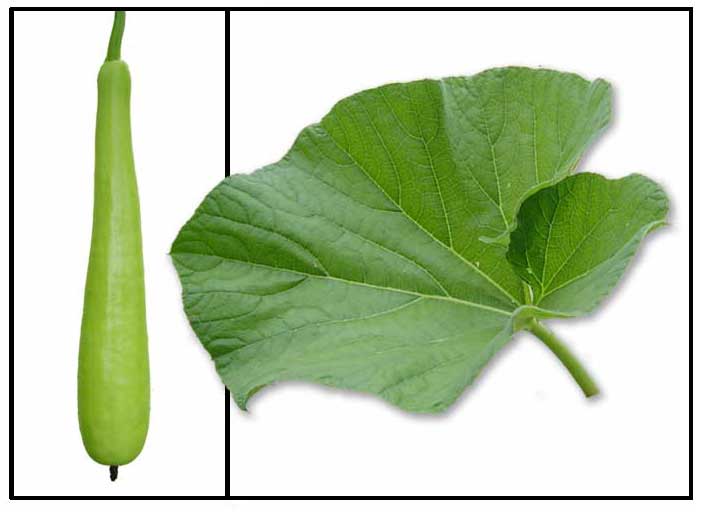
• Upo is a coarse vine reaching a length
of several meters. Leaves are rounded, 10 to 40 centimeters wide, softly
hairy on both sides, 5-angled or lobed. Flowers, white, large,
solitary, and monoecious or dioecious. Petals are ovate, 3 to 4 centimeters long. Calyx is hairy, with a funnel-shaped tube. Fruit is green, mottled
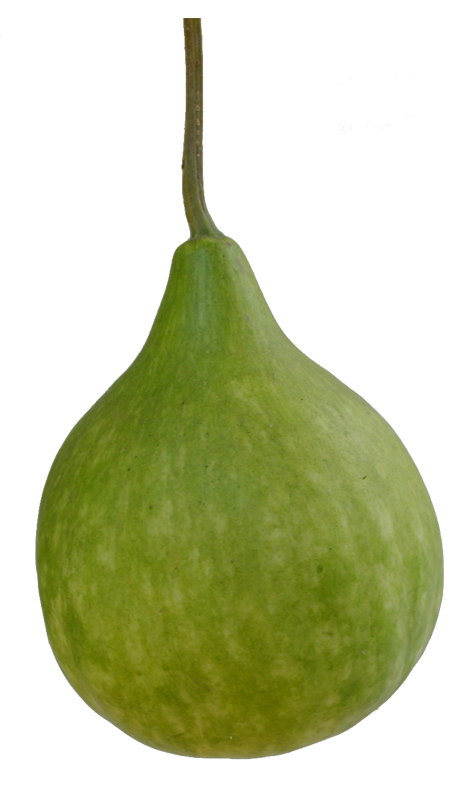
with gray or white, usually club-shaped, up to 80 centimeters long and 15 centimeters across, but in other forms, ovoid to depressed-globose and nearly as thick as it is long.
• Growth form: A monoecious annual vine with a twining habit, it has tendrils to aid in climbing up support. Foliage: Pubescent leaves are simple, lobed and arranged alternately along the stem, the leaves have a musky scent. Flowers: Flowers are found growing from the axillary nodes and are solitary. The male flowers are on long pedicles while the female flowers are on short pedicles. Fruit: A pepo, the rind being hard and durable with soft and white flesh. (Flora & Fauna Web)
Distribution
- Naturalized in some parts of Mindanao.
-
Cultivated throughout the Philippines.
- Native to Cameroon, Central African Republic, Chad, Congo, DR Congo, Ethiopia, Gambia, Ghana, Guinea-Bissau, Gulf of Guinea Is., Ivory Coast, Kenya, Liberia, Niger, Nigeria, Senegal, Sierra Leone, Somalia, Sudan-South Sudan, Tanzania, Togo, Uganda.
 Constituents Constituents
- Phytochemical screening yielded triterpenoids, flavonoids and steroids.
-
Fruit is a good source
of iron, calcium, and phosphorus, vitamin B.
- Fruit is 6% sugar; the seeds contain a fixed oil and saponin.
- Study
isolated a new withanolide
- Seeds yield a clear, limpid oil.
- Extract study of fruits yielded two flavonoids, a triterpenoid, and a mixture of sterols. Spectral analyses showed oleanolic acid, ß-sitosterol, campesterol, isoquercitrin and kaempferol. (19)
- Preliminary screening of a methanolic extract of fruits yielded flavonoids, saponins, sterols, tannins, and carbohydrates.
(See study below) (20)
- Study of ethanol extract yielded tetracosanoic acid methyl ester(1), phytol(2), mix of 22-dihydrospinasterol and spinasterol(3), 22- dihydrospinasterol-3-O-glucoside(4), uracil(5), 8-C-P-hydroxy-benzylisovitexin(6), isovitexin(7), saponarin(8), maleic acid(9), α-D-mannopyranose(10) and 3-O-methyl-α-D-galactopyranose (11). Analysis for fatty acid methyl esters (FAME) yielded twenty compounds of which phytol, spinasterol and 22-dihydrospinasterol represented 52.66,7.59 and 5.78 %, respectively. (see study below) (32)
- Amino acid analysis yielded thirteen amino acids (37.50 g/100 g seed) with 7.41 g/100g and 3.145 g/100g as essential and semi-essential amino acids, respectively.
(32)
- Study of leaf extracts yielded tannins, saponins, flavonoids, terpenoids, alkaloids, steroids, and cardiac glycosides. (see study below) (36)
- Crude ethanolic extract of roots yielded high flavonoid and tannins content (244.29 mg/g of quercetin equivalent and 84.59 mg of tannic acid equivalent respectively). (see study below) (39)
- Lagenaria siceraria seeds
are rich in proteins (32.1 - 34.81%). A study of protein and lipid contents yielded (mg/g defatted dried matter): albumin 47.02 ± 20.28, globulin 52.17 ± 5.68, prolamin 11.787 ± 1.00, glutein 4.53 ± 0.55, lipids 45.01 ± 0.06. (see study below) (48)
- Phytochemical screening of methanolic and aqueous extracts of seeds yielded flavonoids, tannins (ellagitannins), saponins, polyphenols, triterpenes, and lagenin (protein).
(see study below) (55)
- Carbohydrate and dietary constituents of bottle gourd (g/100 g dry weight) with peel (P) and without peel (WP), respectively, yielded: total sugar 5.870 and 8.290, reducing sugar 5.220 and 7.920,
non-reducing sugar 0.650 and 0.290, starch 1.310 and 1.570, curd fiber 4.450 and 3.40, neutral detergent fiber 22.71 and 21.16, acid detergent fiber 16.26 and 15.67, hemicellulose 8.4 and 5.58, cellulose 16.07 and 16.40, and lignin 0.193 and 0.167. (Modgil et al, 2004) (56)
- Mineral content of bottle gourd (mg/100 g dry weight) with peel and without peel, respectively: Iron 11.87 and 2.33; phosphorus 240.33 and 187.33; potassium 3320.00 and 3356.67; zinc 3.77 and 3.47; magnesium 162.33 and 146.33; copper 0.19 and 0.24; sodium 27.88 and 36.68, and manganese 0.26 and 0.31. (69)
- Amino acids (g) and vitamins (mg) content of L. siceraria fruit and seed, respectively:
Amino acids: Tryptophan 0.003, 0.431; threonine 0.018 and 0.903; isoleucine 0.033 and 1.264; leucin 0.036 and 2.079; methionine 0.004 and 0.551; cystine 0.301 (seed); phenylalanine 0.015 and 1.222; valine 0.027 and 1.972; arginine 0.014 and 4.033; histidine 0.004 and 0.668; Vitamins: Vitamin C 10.100 and 1.900; thiamine 0.029 and 0.210; riboflavin 0.022 and 0.320; niacin 0.320 and 1.745; B6 0.040 and 0.224; pantothenic acid 0.152 and 0.339, vitamin E 16.02/g and 1.000. (69)
Properties
- Fruit considered antibiotic, antidote, aphrodisiac, cardiotonic, cardioprotective, diuretic, febrifuge, lithotriptic, poultice, purgative, vermifuge.
- Studies have reported cardiotonic, hepatoprotective, immunomodulatory, antihyperglycemic, antihyperlipidemic, analgesic, anthypertensive, antihyperthyroid, anti-compulsive, carioprotective, and anti-inflammatory, antiurolithiatic, diuretic, antimicrobial, fibrinolytic, anthelmintic, antimutagenic, anticancer properties.
Parts
utilized
Pulp, fruit, shoots, leaves,
seeds.
 Uses Uses
Edibility / Nutrition
- One of the more common vegetables raised in the Philippines.
- Flesh is white and soft, boiled and seasoned or used in stews or with fish.
- Pulp is an ingredient in many confections.
- Fruit is a good source of iron, calcium, phosphorus, and vitamin B.
- In West Tropical Africa, young shoots, leaves, and flower buds used as vegetable.
- Shoots boiled with milk or coconut milk to reduce the unpleasant flavor.
- Young fruits should be consumed within 2 weeks after harvest. Longer storage causes rapid water loss.
- In Japan, long strips of fruit skin are boiled, soaked in soya sauce with a little sugar, and used as sushi ingredient.
Folkloric
- Young shoots and leaves used for enema.
- Pulp used as purgative adjunct; also used for coughs, asthma, and poison
antidote.
- Green fruit in syrup used as a pectoral.
- Leaf juice or sugared decoction used as emetic. Also used in jaundice.
- Crushed leaves used for baldness; applied to the head for headaches.
- Seeds also used as anthelmintic.
- Juice of fruit used for stomach acidity, indigestion and ulcers.
- Poultice of seeds used for boils.
- In the Gold Coast young shoots and leaves used for enema.
- Pulp occasionally used as a adjunct to purgatives. Also used in coughs, and as antidote to certain poisons.
-Externally the pulp is applied as a poultice and cooling preparation to the shaved head in cases of delirium and applied to the soles in burning of the feet.
- Seed oil used as emollient application to the head and as a means of relieving headache. Oil also administered internally.
- In Ayurveda, used as general tonic.
- In China, used for diabetes. Seed oil applied to headache. Decoction used in the treatment of anasarca, ascites, and beriberi. (50)
-
Poultice of boiled seeds used for treatment of boils. Fruit pulp used for treatment of jaundice, diabetes, ulcer, piles, and colitis. Flowers used as poison antidote. Leaf juice used for treatment of baldness. Leaves with salt and coconut oil used as poultices for mange, skin irritation, and tumors. Fruit juice and sesame oil used for hair loss. Juice also used for treatment of insomnia and epilepsy. (69)
Others
- Crafts: The dry shell of the fruit used for domestic utensils, snuff boxes, bowls, pipes, bottles, blowing horns or
musical instruments like the sitar. Half-fruit shell used as a hat. In Kenya, the Luo make a large bugle from the bottle gourds, blown during ceremonies and chasing away animals. Also used for smoking cannabis.

Studies
• Diuretic / Fruit:
Study of the juice extract and methanol extract of LS showed
significantly significant diuretic potential, comparable to that of
furosemide. (1)
• Immunomodulatory: Study of the methanolic extracts of the fruit of LS showed significant
dose-dependent delayed hypersensitivity reaction in rats with increase
in white cell and lymphocyte count. Results suggest a promising immunomodulatory
activity. (2)
• Antihyperlipidemic / Fruit: Study of fruit extract of L siceraria significantly reduced the
total cholesterol, LDL and triglycerides and suggests a potential household
remedy for hyperlipidemia. (3)
• Antihyperlipidemic / Fruit: Study of methanolic extract of L. siceraria demonstrated an antihyperlipidemic potential with significant elevation of HDL cholesterol. Results also provided a valid scientific basis for consumption for the treatment of coronary heart diseases in India. (5) Study evaluated the effect of fresh fruits of L. siceraria on blood cholesterol level of rats fed on an atherogenic diet. Results showed a cholesterol lowering effect. Phytochemical screening yielded cardiac glycosides, tannins, saponins, alkaloids, and flavonoids. (46)
• Phytochemicals / Antihyperlipidemic: Study revealed the presence of flavonoids, sterols, cucurbitacin saponins, polyphenolics, proteins and carbohydrates. Results marked hypolipidemic and antihyperlipidemic activity of the extracts. (6)
• Anthelmintic: In a study using Pheretima posthuma as test worms, the methanol and benzene extracts significantly demonstrated paralysis and death of worms, compared to a standard of Piperazine. Results confirm the traditional use of the seeds of the plant as an anthelmintic. (7)
• Antioxidant / Fruits: Results showed that fresh fruit extract exhibited higher DPPH radical scavenging activity than other samples. Both fresh and dried fruits may give relatively similar antioxidant effects. (8) Study on the free radical scavenging activity of ethanolic extract of fruits showed IC50 values of 1.95 mg/mL on DPPH and 19 mg/mL on ABTS assays. (30)
• Antioxidant / Biologic Activities: Extract was found effective as hepatoprotective, antioxidant, antihyperglycemic, immunomodulatory, antihyperlipidemic and cardiotonic. The various biologic activities may be due to the radical scavenging capacity of L siceraria.
• Antioxidant / Seeds: Study showed an ethanolic seed extract to possess significant antioxidant activity and a potential source as an excellent natural antioxidant. (13)
• Anthelmintic / Antimicrobial: Study of extracts of leaves showed significant dose-dependent anthelmintic activity against earthworm Pheretima posthuma and tapeworm. Extracts also showed moderate antibacterial and antifungal activity against the microorganisms tested. (14)
• Anti-Urolithiatic: Study of fruit powder of Lagenaria siceraria against sodium oxalate-induced urolithiasis in rats showed a beneficial anti-urolithiatic effect probably by decreasing CaOx excretion and preventing crystal deposition in the kidney tubules. (15)
• Central Nervous System Effects / Analgesic / Antidepressant: Study evaluated the analgesic and CNS depressant effects of extracts of leaves. A petroleum ether extract showed maximum analgesia compared to the methanol and chloroform extracts. The extracts Inhibited both central and peripheral mechanisms of pain. n the study on CNS-depressant effect, the methanolic extract showed significant reduction of spontaneous motor activity, with potentiation of pentobarbitone-induced sleep time. (16)
• Cardioprotective: Treatment with Ls fruit juice showed a cardioprotective effect in isoproterenol-induced myocardial infarction in rats. (17)
• Hepatoprotective / Antioxidant: Study in carbon tetrachloride-induced hepatotoxicity showed potent hepatoprotective activity of a methanol extract probably attributable to its significant free radical scavenging activity and high polyphenolic and flavonoid contents. (18)
• Anti-Compulsive (Anti-OCD) Activity / Fruits: Study evaluated the anti-OCD activity of methanolic extract of fruits suing the marble-burying behavior in mice. Results showed dose-dependent attenuation of marble-burying behavior, an effect comparable to the standard reference drug, fluoxetine. (20)
• Analgesic / Fruits: Study evaluated the analgesic activity of extracts of fruits of Lagenaria siceraria using the tail immersion method in rats. A methanolic extract exhibited moderate activity while an aqueous extract showed significant analgesic activity. (21)
• Antioxidant / Leaves: Study evaluating a methanolic extract of leaves of L. siceraria for antioxidant activity by H2O2, radical scavenging, and DPPH assay. In all the studies, a significant correlation was shown between concentration and percentage inhibition of free radicals. (22)
• Antioxidant / Leaves: Study evaluated a methanolic extract of aerial parts through acute and subchronic toxicity studies in mice. Results showed the extract was well tolerated up to 2 g/kg in acute toxicity study, with no significant alteration on any of the parameters in subchronic study. Also, there was improvement in the lipid profile of the test group. (23)
• Lipid Lowering and Antioxidant Functions in Human Dyslipidemia / Fruit: Study of fruit extract showed significant antioxidant activity in dyslipidemic human subjects. Significant reductions were found in triglycerides and total cholesterol values, with improvement in cardiac risk ratio, atherogenic coefficient, and atherogenicity index of plasma. (24)
• Effect on Lung Injury Induced by Oleic Acid/ Fruit Juice: Study of L. siceraria fruit juice on acute lung injury induced by oleic acid in rats showed attenuation of the extent of injury. (25)
• Antimutagenic Potential / Anticancer: Study evaluated a methanolic extract of fruit for antimutagenic potential. Results showed varying levels of antimutagenicity, with chemopreventive pharmacological potential and suggests its use as functional food. (26)
• Protection Against Doxorubicin Cardiotoxicity: Study on the combined effect of simvastatin and seed extract of L. siceraria showed significant reduction of doxorubicin (DOX) induced cardiotoxicity in Wistar rats. (27)
• Heavy Metal Uptake: A pot study evaluating the uptake of heavy metals in vegetable crop L. siceraria showed uptake of Ni (nickel) and Pb (lead), the most toxic elements from a human health point of view, above the prescribed concentration. (28)
• Antioxidant and Metal Chelating: Study evaluated the antioxidant and total phenolic and flavonoid content of various parts of LS (peel, pulp, and aerial parts). Results showed maximum phenol and flavonoid content in acetone and toluene extracts. The peel showed maximum FRAP and stronger DPPH activity. (31)
• Hepatoprotective / Analgesic / Anti-Inflammatory / Aerial Parts: Biologically total alcoholic or petroleum ether extract aerial parts of LS exhibited significant hepatoprotective activity against acetaminophen hepatotoxicity. The PE extract exhibited promising anti-inflammatory and analgesic activities in animal models. (32)
• Cardioprotective / Fruits and Fruit Juice: Study evaluated the in vivo cardioprotective potential of Lagenaria siceraria fruits on isoproterenol-induced myocardial infarction in Wistar albino rats. The fruit extract showed cardioprotective activity against ISO-induced myocardial injury with significant increase in the number of viable cells, prevention of DNA fragmentation and decrease number of apoptotic cells. (33) Study showed the protective effect of Lagenaria siceraria fruit juice during isoproterenol induced myocardial infarction and associated oxidative stress in rats. (40)
• Non-Specific Acid Phosphatases / Seeds: Study isolated four non-specific acid phosphatases from the seeds of L. siceraria designated as BLsAP1, BLsAP2, RLsAP1 and RLsAP2. Each showed the ability to catalyze phosphate ester synthesis. Study showed interesting phosphotransferase properties with a biocatalyst potential to phosphorylate a wide range of nucleophile compounds and a potential for bioindustrial applications. (34)
• Fibrinolytic / Kaempferol / Fruit: Study evaluated the in vitro fibrinolytic potential of kaempferol, a flavonol isolated from the fruits of L. siceraria. Results suggests fibrinolytic activity and found the percentage fribinolytic activity of the extract and compound to be 54.72±0.7210 and 77.37±1.3010, respectively. (35)
• Antimicrobial / Leaves: In a study of leaf extracts for antimicrobial activity, the acetone, methanol, alcohol and distilled water extracts showed significant activity against all test organisms (E. coli, P. aeruginosa, S. aureus, B. subtilis, and C. albicans). (see constituents above) (36)
• Antimicrobial: Study evaluated the antimicrobial activity of various solvent extracts of different parts of Lagenaria siceraria against five Gm-, five Gm+, and four fungi. All parts showed varying levels of antimicrobial activity, with better antifungal than antibacterial activity, better gram negative activity to gram positive activity. The peel showed lowest MIC and MBC indicating therapeutic value of agro waste material. (37)
• Anti-Thrombotic / Inhibition of Platelet Aggregation / Fruits: Study investigated the mechanistic antithrombotic potential and antiplatelet activity of ethanolic extract of fruits in different in vivo and in vitro models in mice. Results showed significant antithrombotic potential due to inhibition of ADP-mediated platelet aggregation and the involvement of various on-cellular chemical mediators of blood. (38)
• Anti-Inflammatory / Roots: Study of crude ethanolic extract of roots showed significant anti-inflammatory activity both in carrageenan and histamine-induced edema test models in rats, with the results comparing favorably with the indomethacin treated animal models. (39)
• Anti-Diabetic / Pulp and Seed: Study of L. siceraria pulp extract and seed extract showed therapeutic protective effect in diabetes by preserving pancreatic cell integrity in alloxan induced diabetic rats. (41)
• Antihyperglycemic / Aerial Parts: Study of a methanol extract of aerial parts of L. siceraria in STZ-induced diabetes in rats showed potent antihyperglycemic activity with significant improvement in antioxidant and biochemical parameters. Effect is probably attributable to its rich flavonoid content. (42)
• Benefits of Juice as Nutraceutical: Study evaluated the beneficial effect of bottle gourd juice on biochemical parameters of normal healthy subjects when given daily at fasting state for three months. Results showed improvement in TG, HDL and VLDL level, with a decrease in risk ration for heart disease, a 3.9% reduction in blood glucose level, and a marked improvement in antioxidant status Findings suggest LSFE may act as a nutraceutical for disease prevention. (43)
• Protective Effect in Induced Memory and Learning Deficits: Study evaluated the protective effect of ethanolic extract of L. siceraria fruit against aluminum chloride induced cognitive impairment and biochemical alterations in experimental animal model. Study showed chronic administration of the fruit extract can prevent aluminum induced cognitive impairment and oxidative stress. (44)
• Antioxidant / Cardiotonic / Fruit Pericap: Study of Lagenaria siceraria fruit pericarp in animal models showed the extract as hepatoprotective, antioxidant, antihyperglycemic, immunomodulatory, antihyperlipidemic and cardiotonic. Extract caused increased force of cardiac contraction with decrease in rate of contraction in isolated frog heart. The biologic activities were attributed to the radical scavenging capacity of the fruit. (45)
• Antimicrobial: Study evaluated various extracts (petroleum ether, chloroform, methanol, absolute alcohol and water)
of L. siceraria for antibacterial and antifungal potency. All five extracts showed moderate to potent antimicrobial activity against bacterial strains (E. coli, E. faecalis, K. pneumonia, S. typhi and S. aureus) and fungal strains (A. flavus, A. oryzae, and T. harzianum). (46)
• Case Report of Bottle Gourd Juice Poisoning: Study reports on a 62-year year old woman who presented with multiple episodes of hematemesis and shock after consuming bottle gourd juice. The patient was resuscitate, treated, and survived. Bottle gourd contains toxic tetracyclic triterpenoid compounds called cucurbitacins which are responsible for the bitter taste and toxicity. It contains trace amounts of cucurbitacins B,D, G and H. Cucurbitacins inhibit the binding of cortisol to glucocorticoid receptor in HeLa cells with a strong correlation with cytotoxic activity. Cucurbitacin D enhances capillary permeability, which is associated with fall in blood pressure and pleural and abdominal effusions in mice. Although rare, there a few reports of human toxicity due to curcubits. There is no known antidote. Treatment is supportive. It is important for the general population and physicians to be aware of this potentially life-threatening toxicity. (47)
• Globulin Proteins / Antihyperglycemic: Study evaluated the protein content of five selected Cucurbitaceae species and assessed the ability of their globulin fractions to reverse induced hyperglycemia in rats.
Lagenaria siceraria significantly decreased fasting blood glucose in rats with induced hyperglycemia. The effect maybe via an insulin-stimulating mechanism. (48)
• Quercetin / Flavonoid / Fruit: Study reports on a rapid, simple, accurate, and specific HPTLC method for the quantitative estimation of quercitin present in the fruit. Recovery was close to 100% (99.79%). Quercetin belongs to the group of flavonoids known for anti-inflammatory, antioxidant, and anticancer properties. (49)
• Antidepressant / Fruits: Study of methanolic extract of L. siceraria fruits using forced swim (behavior despair) models in adult wistar albino rats showed antidepressant activity. The activity may be due to the presence of flavonoids, saponins, and sterols in the extract. (50)
• Antihyperlipidemic / L. siceraria & C. papaya with Cow Urine: Study evaluated the lipid-lowering effect of Carica papaya, Lagenaria siceraria and cow urine. Cow's urine, also called Gomutra, is a healing aid in Ayurveda. Study of LSFE and CPLE with CU (200 mg/kg po) showed very significant reduction (p<0.001) in total cholesterol and increase in HDL level. The combination also showed significant reduction in LDL (p<0.001). (51)
• Antimutagenic Potential / Fruit: Study evaluated the antimutagenic (anticlastogenic) activity of methanolic extract of Lagenaria siceraria fruit, Desmodium gangeticum, and Leucas aspera. Study showed significant reduction of frequency of structural chromosomal aberrations induced by cyclophosphamide in bone marrow cells. Results suggest that the L. siceraria fruit extract has more potent antimutagenic property than DG and LA. (52)
• Cytotoxicity on Lung Cancer Cell Line: Study evaluated the anti-tumoral effect of methanolic extract of LS on lung cancer cell line (A549). Results of MTT assay showed strong and dose-dependent inhibition of cancer cell growth evidenced by significant decrease in proliferation of lung cancer cell line (IC50= 93.094 ± 6.5 µg/ml). (53)
• Anti-Anorectic / Fruit: Anorexia nervosa is the third most common illness among adolescent females. Study evaluated the anti-anorectic activity of ethanolic extract of Lagenaria siceraria fruit in female albino rats. Results showed the ethanolic fruit extract possesses anti-anorectic activity in stress-induced and LPS induced anorexic rats. (54)
• Nephroprotective / Gentamicin Induced Renal Toxicity / Seeds: Study evaluated the nephroprotective activity of methanolic and aqueous extracts of seeds. Results showed decrease in the increased levels of biochemical parameters and extent of renal damage. (see constituents above) (55)
• Hypoglycemic: Study evaluated the hypoglycemic activity of phytoextracts of Lagenaria siceraria, Cynodon dactylon, and Stevia rebaudiana using invitro assays of glucose diffusion, anylolysis kinetics, and glucose absorption capacity. Results showed glucose dialysis retardation indices of 48.14%, 37.03%, and 29.62%, respectively at 60 minutes, which was reduced to 15.78%, 10.52%, and 18.42%, respectively at 120 minutes. All plant extracts absorbed glucose with their adsorption markedly enhanced with increase in sugar concentrations. (57)
• Hepatoprotective / Antioxidant / Hepatotoxicity Induced by Antitubercular Drugs / Fru9it: Study evaluated the hepatoprotective and antioxidant activity of L. siceraria ethanolic fruit extract in antitubercular drug induced hepatotoxicity in albino rats. Test groups that received 100 and 200 mg/kg extract with anti-tubercular drugs showed significant reduction (p<0.001) in biochemical parameters for hepatotoxicity (SGOT, SGPT, ALP, total bilirubin and total protein). Combined therapy also showed significant reduction in oxidative stress (SOD and MDA, p<0.001) with histopathological liver exam showing grade 1 or grade 0 changes compared to grade IV in group receiving anti-tubercular drugs alone. (58)
• Saluretic and Natriuretic / Effect on Urine Volume and Electrolytes / Seeds: Study evaluated the effect of aqueous extract of seeds of L. siceraria on urine volume and electrolytes in Swiss albino rats. Results showed extract doses of 100 and 200 mg/kg produced significant (p<0.05) saluretic and natriuretic effects, with increased potassium elimination and decreased urinary volume. (59)
• Anti-Ulcer
/ Acute Toxicity Study: Study evaluated the anti-ulcer activity of Lagenaria siceraria. Results showed gastroprotective effect attributed to its antioxidant property related to its flavonoid and polyphenolic contents, saponins and tannins. Acute toxicity study of chloroform extract showed it to be harmless up to 400 mg/kbw. (60)
• Anticonvulsant: Study evaluated the anticonvulsant effect pf aqueous extract of L. siceraria in maximal electroshock (MES) induced seizure model on albino rats. Results showed significant (p<0.05) mean reduction in hind limb extension phase of 8.2 ± 2.10 like phenytoin, after 400 mg/kg of AELS. AELS at 800 mg/kg exhibited significant 17± 2.64 (p<0.05) protection against tonic extensor phase. (61)
• Lipase Inhibitory / Anti-Obesity / Fruit: Study evaluated the pancreatic lipase inhibitory activity of various extracts and fractions of L. siceraria fruit. Extracts and fractions exhibited concentration dependent activity. The activity of chloroform, ethyl acetate and aqueous extracts were close to the drug Orlistat (IC50 146 µg/mL. The chloroform extract was most active (IC50 189.6 µg/mL). GC-MS analysis of the most active chloroform fraction yielded hexadecanoic acid, methyl hexadecanoate, isopropyl palmitate, methyl 9,12-octadecadienate, and methyl 9,12,15-octadecatrienoate. (62)
• Regulation of Hyperthyroidism, Hyperglycemia and Lipid Peroxidation / Peel: Study evaluated the potential of L. siceraria peel extract in regulation of lipid peroxidation, hyperthyroidism, and hyperglycemia in mice. After 21 days of treatment, results showed a decrease in concentration of serum thyroid hormones, glucose, and hepatic LPO with a parallel increase in antioxidants such as superoxide dismutase (SOD), catalase (CAT), and glutathione (GSH) indicating efficacy of the test peel in amelioration of hyperthyroidsim, hyperglycemia, and hepatic lipid peroxidation. (63)
• Polyphenolic Content / Antioxidant / Leaves: Study evaluated the in vitro antioxidant activity of aqueous and ethanolic extract of leaves. Tannins and flavonoids are related to their antioxidant properties. Total phenolic content of aqueous and ethanolic extracts were 3.75 ± 0.22% w/w and 22.12 ± 1.23% w/w, respectively, with total flavonoid content of 1.33 ± 0.08% w/w and 3.61 ± 0.32% w/w, respectively.
(64)
• Hypolipidemic / Cardiovascular Benefit / Cliinical Trial / Fruit Juice: A randomized open-labeled, control group, single centered, pilot study evaluated the efficacy and safety of L. siceraria fruit juice (200 g fruit twice daily) in patients diagnosed with hypertension and hyperlipidemia or both. Results showed significant improvement in blood lipid profile of majority of subjects. There was also significant improvement in left ventricular ejection fraction. Results suggest the benefits of cholesterol lowering from L. siceraria fruit juice can slow progression of coronary blockage and inhibit the development of new coronary lesions in patients with high cholesterol levels. It can also benefit the cardiovascular system through its modulation of NFkB receptors. (65)
• Processing Potential of Fruits: Bottle gourd is an underutilized fruit, inexpensive and one of the cheapest source of nutrients and potential source of natural antioxidants. Review highlights the processing potential of nutritionally rich bottle gourd fruits through preserving it by extending the shelf-life in fresh form or in the processed form. (66)
• Effect of Fortification of De-Oiled Seed on Functional and Chemical Characteristics of Biscuit: De-oiled bottle gourd seed is a highly nutritious by-product of edible oil industries. The seed contains substantial amount of quality protein, dietary fiber, minerals and essential amino acids. Study evaluated the improvement of quality of commercial biscuit through replacement of traditional wheat flour with de-oiled gourd seed cake powder. BGSCP fortification revealed significant improvement (43.22) in terms of essential amino acid availability as compared to control biscuit. However, fatty acid compositions of optimized biscuit were insignificantly (p>0.05) different. (67)
• Antihypertensive in Dexamethasone Induced Hypertension / Fruits: Study of aqueous extracts of L. siceraria fruits in Dexamethasone-induced hypertension in rats showed an antihypertensive effect. The effect may be due to the presence of alkaloids, flavonoids, terpenoids, and phenolic compounds. Acute toxicity testing showed safety at dose levels of 5000 mg/kbw. (68)
Availability
Cultivated. |