|
 Botany Botany
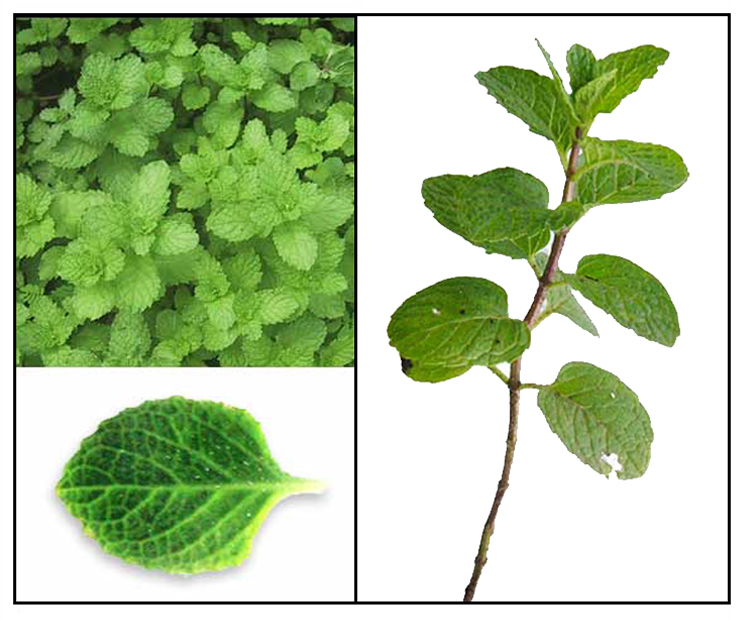
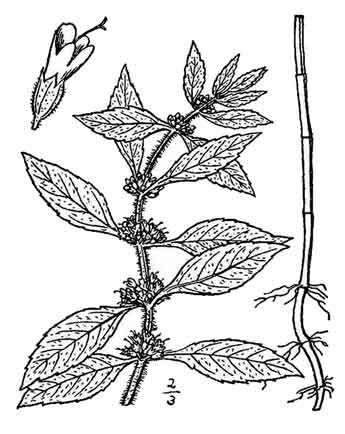
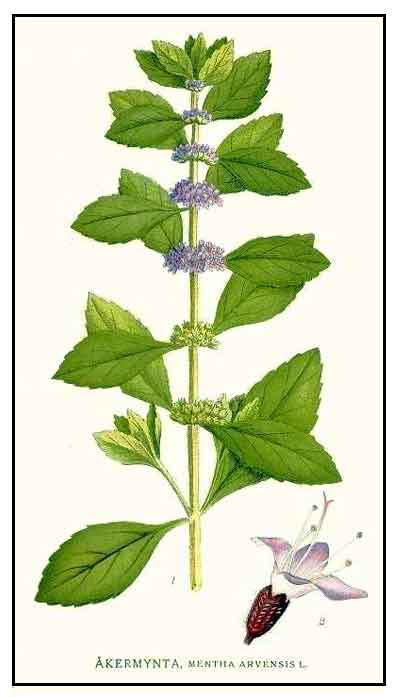
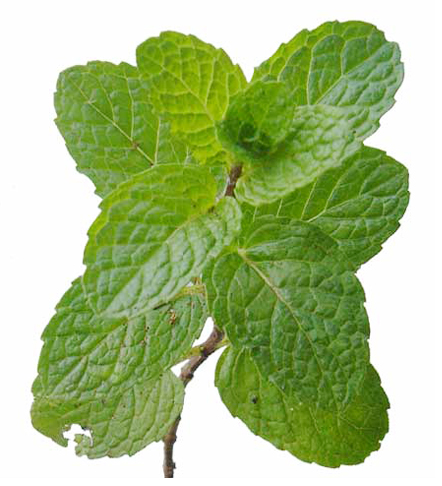
Hierba buena is a prostrate, smooth , much-branched, usually purplish, strongly
aromatic herb, with stems growing up to 40 centimeters long, with ultimate ascending terminal
branches. Leaves are elliptic to oblong-ovate, 1.5 to 4 centimeters long,
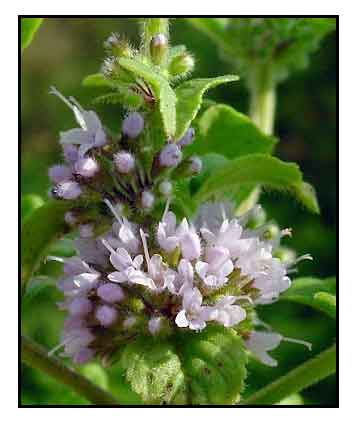
short-stalked with toothed margins, and rounded or blunt tipped. Flowers are hairy and purplish to bluish, borne in axillary head-like whorls. Calyx teeth are triangular or lanceolate and hairy; the corolla is also hairy.
 Distribution Distribution
- Native of Europe.
-
Introduced by the Spaniards.
- Widely cultivation to some extent in all parts of the Philippines.
- Thrives well at high elevations; rarely flowers in lowlands.
Constituents
- Plant yields a volatile oil (0.22%) containing pulegone, menthol, menthene,
menthenone and limonene.
- Study showed the shoot leaf gave the highest yield of oil, 0.62%; while the stems had negligible yield. Menthol was the major component of all the oils. Other oils identified were: B-caryophyllene oxide, a-phellandrene, terpinolene, limonene, menthone and pulegone. (18)
- Phytochemical screening of powdered plant samples (root, stem, and leaves) yielded alkaloids, polyphenols, flavonoids, tannins, saponins, cardiac glycosides, and diterpenes.
- Study of aerial parts for essential oil yielded major components of (Z,Z,Z)-9,12,15-octadecatrien-1-ol (50.06%), 2-hydroxy-4-methoxyacetophenone (7.50%), and 3,4-dihydro-8-hydroxy-3-methyl-1H-2-ben- zopyran-1-one (6.60%).
(see study below) (30)
- GC-MS study of essential oil composition of Japanese mint collected from six places
yielded main constituents of menthol (60.22-77-46%) and menthone (9.22-5.25%) followed by iso-menthone, DL-limonene, iso-menthyl acetate, ß-pinene and trans-caryophyllene. (33)
- GC
-MS analysis of essential oil extract from Japanese mind yielded menthol (48.85%), p-menthone (25.08%), L-(-)-menthol (4.67%), (+)-isomenthol (4.44%) followed by ß-cubenene (3.81%) neo-menthol (2.45%), methyl acetate (1.82%), O-mentha-1(7)-8-dien-3-ol (1.79%), 3-methyl cyclohexanone (1.40%), 3-octanal (1.36%), 1-α-terpineol (1.00%), pulegone (0.86%), limonene (0.68%), cis-Jasmone (0.66%), cis- 3-hexenyl phenyl acetate (0.38%). 6-methyl-2-pyrimidone (0.23%), β-bisabolene (0.19%) and α-elemene (0.13%). (38)
- Study evaluated different parts of M. arvensis for volatile constituents of essential oils. Shoot leaf yielded the highest oil (o.62%) while stems yielded negligible amounts (0.02%). Menthol was the highest component of all oils with the shoot stem yielding highest percentage (78.16%)
and the stolon (runner) stem yielding lowest (43.7%). ß-caryophyllene oxide was present in the shoot oil of stem and leaf, while a-phellandrene and terpinolene were identified in stolon (stem and leaf) oils. (40)
Properties
- Carminative, stimulant, stomachic,
aromatic, antiseptic, antispasmodic, sudorific, emmenagogue.
- Oil is rubefacient and stimulant.
- Tops and leaves are carminative.
Parts utilized
Leaves and stems.
 Uses Uses
Nutritional
- Cultivated as a spice
for cooking.
- Leaves used for tea.
- Used in salads to provide flavor.
- Used as a flavoring in confections, mint flavors, and beverages..
Folkloric
-
One of the oldest household
remedies known.
- In the Philippines, tops and leaves are considered carminative; when bruised used as antidote to stings of poisonous insects.
- Mint is used in neuralgic affections, renal and vesical calculus.
- Used for stomach weakness and diarrhea.
-
Decoction and infusion of leaves and stems used for fever, stomach aches,
dysmenorrhea, and diuresis.
- Pounded leaves for insect bites, fevers, toothaches, headaches.
- Crushed fresh plants or leaves are sniffed for dizziness.
- Powdered dried plant as dentrifice.
- Crushed leaves are applied on the forehead
and temples for headaches.
- For toothaches: (1) Wet a small piece of cotton with juice
expressed from crushed leaves; apply this impregnated cotton bud to
the tooth. (2) Boil 6 tbsp. of leaves in two glasses of water for 15
minutes; strain and cool. Divide the decoction into 2 parts and take
every 3 to 4 hours.
- For flatulence: Boil 4 tbsp of chopped leaves in 1 cup water
for five minutes; strain. Drink the decoction while lukewarm. Facilitates
expulsion of flatus.
- Alcohol or ether extract used as local anesthetic for affections of the nose, pharynx, and larynx.
- Used for obstinate vomiting of pregnancy.
- An alcoholic solution of menthol has been used as inhalation for asthma. Menthol is also used as local anesthesia for headache and facial neuralgia.
-
Decoction or vapor from menthol used with lemon grass as febrifuge. Also used in hiccups.
- Plant used as emmenagogue; also used in jaundice.
- Dried plant used as dentrifice.
- Leaves and stems used as carminative, antispasmodic, and sudorific.
- Infusion of leaves used for indigestion, rheumatic pans, arthritis and inflamed joints.
- For coughs, boil 6 tbsp of chopped leaves in 2 glasses of water for
15 mins; cool and strain. Divide the decoction into three parts; take
1 part 3 times a day.
- Diluted essential oil used as wash for skin irritations, burns, pruritus, scabies, ringworm and as mosquito repellent.
- For arthritis, warm fresh leaves over low flame; then pound.
Apply pounded leaves while warm on the painful joints or muscles.
- As mouthwash, soak 2 tbsp chopped leaves in 1 glass of
hot water for 30 minutes; strain. Use the infusion as mouthwash.
- In Japan, used as home remedy for coughs and colds. In Chinese medicine, aerial parts used for colds, influenza, headaches, and sore throat. (34)
Others
- Peppermint oil is often used in pharmaceutical preparations to subdue
unpleasant medicinal smells.
- Menthol derived from the essential oil is used in pharmaceutical, perfumery and food industries.
- The oil and by-product, menthol and dementholized oil (DMO), have highest share in the global mint markets. (33)
Studies
 • Radioprotective / Leaves:
Study of mint extract on mice showed benefit with pretreatment
of mice with reduction in the severity of symptoms of radiation sickness
and mortality. (1) • Radioprotective / Leaves:
Study of mint extract on mice showed benefit with pretreatment
of mice with reduction in the severity of symptoms of radiation sickness
and mortality. (1)
• Anti-candidal / Essential Oil of Leaves and Roots:
A study of essential oils and ethanolic extracts of leaves/roots of
35 medicinal plants in Brazil screened for anti-Candida activity. Mentha
arvensis was one of 13 essential oils that showed anti-candidal activity.
(2)
• Anti-fertility / Male Contraceptive:
A study of the ether extract of MA on male mice showed
reduction of number of offspring, with decrease in testes weight, sperm
count and motility, among others. Results suggest that the ether extract
of MA possess reversible antifertility properties. (3)
• Reversible Male Contraceptive Effect: Study of aqueous extract solution in male mice caused inhibition of fertility while maintaining normal sexual behavior. All induced effects returned to normalcy within 30 days of withdrawal of 60-day treatment. (7)
• Post-coital Antifertility Effect:
A study on the uterotonic fraction of MA caused significant interruption
in pregnancy in rats, pronounced in the post-implantation period. (5)
• Antibiotic Resistance-Modifying:
A report on the ethanol extract of MA showed a potentiating effect of
the extract on gentamicin and presents a potential against bacterial
resistance to antibiotics. (4)
• Potentiatiing Effect with Chlorpromazine Against Bacterial Resistance: Study showed extracts of M arvensis could be used as a source of plant-derived natural products with resistance-modifying activity, such as in the case of aminoglycosides - a new weapon against bacterial resistance to antibiotics, as with chlorpromazine. (9)
• Anti-Gastric Ulcer:
Study of various extracts of Mentha arvensis showed a protective effect against acid secretion and gastric ulcers in ibuprofen plus pyloric ligation-induced and 90% ethanol-induced ulcer models. (6)
• Herbal Liniment / Analgesic:
M arvensis provides potent analgesic action and is used externally in rheumatism, neuralgia and headaches. In an herbal liniment where it was combined with four other medicinal plants, the liniment was found effective in ligament or muscle injury pain (sprains, strains, spasms, tennis elbow, etc), less so in osteoarthritis of the joint and periarthritis of the shoulder. No adverse reactions were reported. Efficacy was noted better in synergism with oral or parenteral analgesics. (8)
• Volatile Constituents / Menthol: Study showed the shoot leaf gave the highest yield of oil, 0.62%; while the stems had negligible yield. Menthol was the major component of all the oils. Other oils identified were: B-caryophyllene oxide, a-phellandrene, terpinolene, limonene, menthone and pulegone. (10)
• Linarin / Anti-Acetylcholinesterase: Flowers extract of M arvensis yielded linarin (acacetin-7-0-b-D-rutinoside), with selective dose-dependent inhibitory effect on acetylcholinesterase. (11)
• Anti-Allergic / Anti-Inflammatory: Study on anti-allergic activity using a histamine inhibitory assay showed the ethanol extracts of leaf and root markedly inhibited the release of histamine from mast cells. On anti-inflammatory testing using a histamine-induced paw edema model, all extracts showed anti-inflammatory effect suggesting the presence of compounds capable of inhibiting histamine release from the mast cells and/or block histamine receptors. (12)
• Effect on Haloperidol-Induced Catalepsy: Study in mice suggested Mentha arvensis significantly reduced oxidative stress and cataleptic score induced by haloperidol. Results suggest it can be used to prevent the drug-induced pyramidal side effects. (13)
• Antifungal Activity / Leaves / Study Against Oral Pathogens: Study evaluated hydroalcoholic extracts for antimicrobial activity against oral pathogens: Streptococcus mutans, S. sobrinus and Candida albicans. Results showed antifungal activity against C. albicans and a potential use for human antifungal use. Results showed no antibacterial effect. (15)
• Hepatoprotective / CCl4-Induced Liver Damage: Study evaluated various extracts of leaves against carbon tetrachloride induced liver damage in rats. Results showed a hepatoprotective effect with significant reductions of liver enzymes almost comparable to silymarin. Hepatoprotection was confirmed by histopathological examination. Phytochemical screening yielded flavonoids, steroids, triterpenoids, alkaloids, glycosides, carbohydrates, tannins, phenolic compounds. (16) Study of an ethanol extract of leaves showed hepatoprotective in CCl4-induced hepatic damage. Phytochemical analysis yielded the presence of flavonoids and phenolic compounds which are known for hepatoprotective and antioxidant properties. (36)
• Antioxidant: Study evaluated the antioxidant activity of an ethanol extract of leaves of M. arvensis through various assays:TBAR, DPPH, NO radical scavenging, superoxide radical scavenging and phosphomolybdonum method. Results showed significant dose-dependent antioxidant activity in all the assays. (17) A methanol extract of roots exhibited good antioxidant potential using DPPH, reducing power, metal chelating, nitrous oxide scavenging and hydrogen peroxide scavenging assays. (29)
• Anthelmintic / Leaves: Study evaluated the anthelmintic activity of leaves of M. arvensis against Ascardia galli which resembles the nematode Ascaris lumbricoides. Results showed a petroleum ether extract with maximum anthelmintic activity probably through both blocking of energy metabolism and worm paralysis.
(19)
• Anticargiogenic: Study evaluated the efficacy of crude extract and solvents of M. arvensis against human cariogenic pathogens Streptococcus mutans, Streptococcus sanguinis, Staphylococcus aureus, and Lactobacillus casei isolated from patients with dental disease. Analysis for secondary metabolites yielded alkaloids, tannins flavonols, steroids, xanthones and glycosides. Results showed significant amounts of phytochemicals with antioxidative properties which could be responsible for its antimicrobial property. (21)
 • Antidepressant / Antioxidant: Study of aqueous extracts in Swiss albino mice showed significant in vitro antioxidant (DPPH, NO, and hydroxyl radical scavenging assays) and antidepressant (Tail suspension and Forced swim tests) activity. (22) • Antidepressant / Antioxidant: Study of aqueous extracts in Swiss albino mice showed significant in vitro antioxidant (DPPH, NO, and hydroxyl radical scavenging assays) and antidepressant (Tail suspension and Forced swim tests) activity. (22)
• Anticancer / Growth Suppression and Apoptosis: Study evaluated Mentha arvensis for in vitro cytotoxicity against human cancer cell line (Hep G2 cell line). Results showed MA significantly suppresses growth and induces apoptosis. (23)
• Comparative Antioxidant Study: Study evaluated powdered plants extracts of M. arvensis, Allium porrum and Elettaria cardamomum for antioxidant activity using free radical scavenging assays. Mentha arvensis exhibited the maximum content of phenols and flavonoid compounds, and greatest antioxidant profile. (24)
• Nanoparticles / Leaves / Antioxidant Study: Study showed Mentha arvensis mediated silver nanoparticle arvensis exhibited high antioxidant properties. (25)
• Antioxidant / Antimicrobial / Cytotoxic / Analgesic: Study of ethanolic extract of M. arvensis in albino mice showed (1) free radical scavenging activity by DPPH assay, (2) antimicrobial activity against S. typhi, S. paratyphi, S. boydii, S. pyogenes and S. aureus, (3) cytotoxic lethality against brine shrimp nauplii, and (4) analgesic effect in acetic acid induced writhing. (26)
• Nephroprotective in Cisplatin Induced Toxicity: Study of evaluated the effect of M. arvensis on cisplatin-induced nephrotoxicity in Sprague-Dawley rats. Results showed nephroprotective action evidenced by blood parameters and histopathological studies, and attributed to the presence of flavonoids and related compounds. (27)
• Thrombolytic / Cytotoxic: Study of Mentha arvensis, M. spicata, and M viridis showed clot lysis activity and low cytotoxicity activity. Results suggest the plants can be incorporated as thrombolytic agents with in vivo effects to improve the atherothrombotic patients. (28)
• Essential Oil / Aerial Parts / Use for Reduction of Mental Stress: Study showed the fragrant chemicals of essential oil of M. arvensis reduce the level of mental stress and has a potential for use in the treatment of psychophysiological disorders. (see constituents above) (30)
• Absorptive Removal of Chromium Ions / M. arvensis Biomass: Study investigated the binding capacity of M. arvensis biomass for chromium ions from aqueous synthetic effluents. Results showed MA biomass can be used for removal of toxic ions from industrial effluents. (31)
• Antioxidant / Cytotoxicity: Study evaluated an ethyl acetate fraction of M. arvensis for antioxidant and cytotoxicity properties. Screening for cytotoxic properties using brine shrimp lethality bioassay with Tamoxifen (LC50 of 12.5 µg/mL) as control showed greater cytotoxic potency with LC50 of 6.24 µg/mL. The EA fractions yielded 106 mg AAE/g of total flavonoid content, 153 mg AAE/g of total phenolic content and 14.9 mg AAE/g of total reducing power content. (32)
• Cardiovascular Benefits / Inhibition of Platelet Aggregation: Study evaluated a fraction from crude extract of M. arvensis for effects on arachidonic acid metabolism. MA inhibited arachidonic acid metabolite thromboxane B2, a stable analogue of thromboxane-A2. When the MA was investigated for antiplatelet activity, it inhibited human platelet aggregation induced by arachidonic acid as well as ADP and platelet activating factor. Since arachidonic acid-induced aggregation is mediated through thromboxane-A2, results indicate inhibition of platelet aggregation may be responsible for the benefits of MA in patients with ischemic heart disease. Fractions of MA may also have potential for isolation of pure compounds with dual inhibition of COX and LOX pathways, which may be beneficial for prevention and treatment of inflammatory conditions. (35)
• Antibacterial Activity Against Multidrug Resistant Acinetobacter baumannii: Study evaluated the antibacterial effect of ethanol extract of M. arvensis against multi-drug resistant Acinetobacter baumannii. The extract showed dose dependent growth inhibitory effects against A. baumannii with MIC and MBC of 23.5 and 72.3 µg/mL, respectively. The mechanism of antibacterial activity may be through induction of lethal cellular damage in the bacterium. (37)
• Potentiation of Antifungal Effect: Study evaluated ethanol extracts from M. arvensis and T. ulmifolia for antifungal activity against strains of C. albicans, C. tropicalis and C. krusei. The extracts showed no clinically relevant antifungal activity. However, a potential effect was observed when extracts were applied with metronidazole. Results suggest a source of natural products with antifungal modifying activity. (38)
• Anti-Asthmatic Effect of Combined Yerba Buena (Mentha arvensis) and
Oregano (C. amboinicus) / Leaves: Study evaluated the combined anti-asthmatic effect of aqueous and methanol leaf extracts of Mentha arvensis and Coleus amboinicus in asthma-induced mice using immunoglobulin E (IgE). The extracts showed a potential benefit in the treatment of asthma as evidenced by a significant (p<0.001) anti-inflammatory effect on IgE, with histopath evidenced of widening of the alveoli on treated mice. (41)
• Enhancement of Antibiotic Activity
Against MR E. coli / M. arvensis and Chlorpromazine: Study evaluated M. arvensis and chlorpromazine for antimicrobial activity alone or in combination with conventional antibiotics against strains of Escherichia coli. Study showed a potentiating effect of the extract with gentamicin. Results suggest M. arvensis has potential as a source of plant-derived natural product with resistance-modifying activity and use against bacterial resistance to antibiotics. Similarly, chlorpromazine demonstrated a potentiating effect on kanamycin, amikacin, and tobramycin suggesting involvement of an efflux systems in resistance to the aminoglycosides. (42)
• Silver Nanoparticles
/ Anti-Breast Cancer / Leaves: Study reported on the cost-effective and eco-friendly synthesis of green silver nanoparticles (GSNPs) using a leaf extract as reducing agent. Results suggest GSNPs synthesized using M. arvensis has potential as anticancer agent in breast cancer therapy. They are less toxic and nonmutagenic and mediate caspase 9-dependent apoptosis in MCF7 and MDA-MB-231 cells. (43)
• Radioprotective / Toxicity Study: Radiation-induced damage to normal tissues restrict the therapeutic doses of radiation that can be delivered to tumors. This review reports on alternative agents that are less toxic that may possess radioprotective effects. Mentha piperita and M. arvensis protected mice against y-radiation-induced sickness and mortality. The radioprotective effects may be due to free radical scavenging, antioxidant, metal chelating, anti-inflammatory, antimutagenic, and enhancement of DNA repair processes. Drug was non-toxic up to a dose of 1,000 mg/kbw. (also see study [1]) (44)
• Effect of Zinc and Sulfur on Herb, Oil Yield and Quality of Mint: Field experiment showed total oil yield and total menthol yield was highest due to application of recommended NPK (150:60:40) + Zn + S. Plant height , LAI, L:S ration and herb yield was due to application of 130% of recommended NPK + Zn + S. (45)
• Fumigant Toxicity / Anti-Termites / Leaves: Study evaluated crude extract of leaves of Mentha arvensis for insecticidal activity against termite workers, soldiers, and gut flagellates of Coptotermes heimi and Heterotermes indicola. Results showed a significant increase in mortality of both termite species. Results suggest M. arvensis can be an effective natural anti-termite drug and its use would lessen the risk of environmental contamination associated with synthetic insecticides. (46)
Availability
Wild-crafted.
Commercially: Analgesic tablets, tea. |