|  Gen
info Gen
info
- Punica is a small genus of fruit-bearing deciduous shrubs or small trees in the flowering family Lythrceae. Its better known species is the pomegranate (IPunica granatum).
- The genus was previously placed in its own family, Punicaceae, but recent phylogenetic studies showed it belongs to the family Lythrceae. (62)
- Etymology: The genus name derives from Latin for pomegranate, malum punicum, meaning "Carthaginian apple". (62) Alternatively, pomegranate derived from Medieval Latin ponum (apple) and granatum (seeded). Or, it could stem from the old French word for the fruit, pomme-grenade; in early English, as apple of Granada - a term that survives today only in heraldic blazons. (63)
- The oldest fossils of the genus are from the Eocene of Europe, with the genus widespread in Europe during the Miocene epoch. (62)
-Pomegranate has been in traditional medicinal
use for more than 3000 years. Ancient and mystical, it has been written about in the Old Testament of the Bible, the Jewish Torah, and the Babylonian Talmud as a sacred fruit with powers that bestow fertility, abundance, and good luck. It is also part of the iconography of rituals, art, and mythology - the personal emblem of the Roman Emperor, Maximilian, the symbol and heraldic device of the ancient city of Granada in Spain.
- The word "pomegranate" derives from Latin, meaning "fruit of many seeds."
 Botany Botany
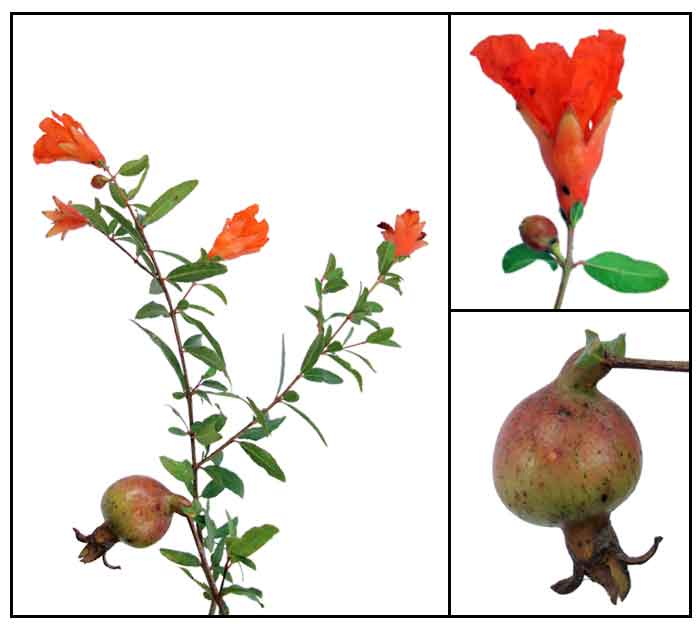
• Granada is a shrub growing 2 to 3 meters
high. Branchlets are slender and 4-angled. Leaves are oblong-lanceolate
to oblong-elliptic; 4 to 6 centimeters long, short-stalked, and pointed at both
ends. Flowers are red and showy, usually with six segments in the calyx which are 2.5 to 3 centimeters
long. Petals are obovate, about 2 centimeters long. Stamens are numerous. Fruit is
rounded, reddish-yellow or purplish, 7 to 10 centimeters in diameter. Rind is thin,
tough, and brittle. Fruit contains numerous seeds, each seed surrounded by a watery, translucent, flavorful
pinkish-red pulp.
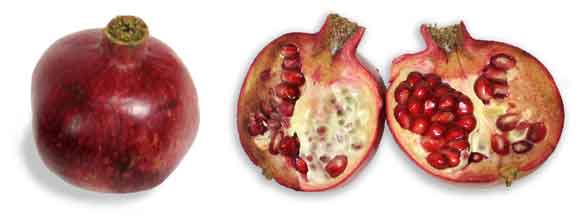
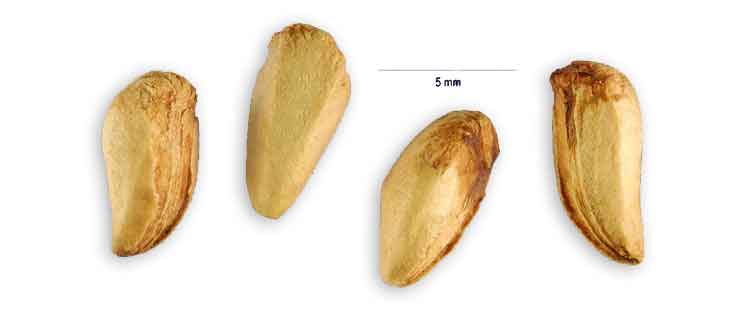
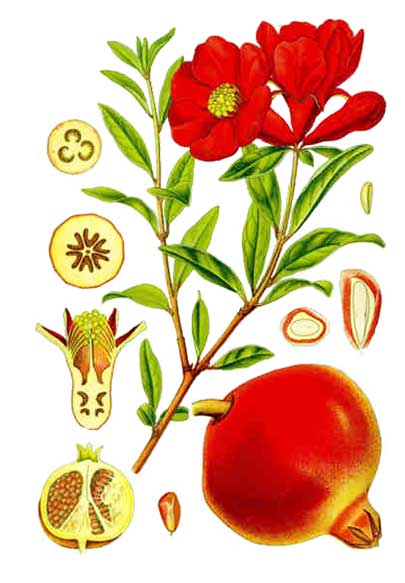
• Pomegranate is a shrub or small tree growing 5 to 10 m (16 to 33 ft) high, with multiple spiny branches. It is long-lived, with some specimens in France surviving for 200 years. Leaves are opposite or subopposite, glossy, narrow oblong, entire, 3–7 cm (1+1⁄4–2+3⁄4 in) long, and 2 cm (3⁄4 in) broad. The flowers are bright red and 3 cm (1+1⁄4 in) in diameter, with three to seven petals. Some fruitless varieties are grown for the flowers alone. Whole pomegranate and piece with arils Fruit Pomegranate flower Fruit setting The pomegranate fruit husk is red-purple with an outer, hard pericarp, and an inner, spongy mesocarp (white "albedo"), which comprises the fruit's inner wall where seeds attach. Membranes of the mesocarp are organized as nonsymmetric chambers that contain seeds which are embedded without attachment to the mesocarp. Pomegranate seeds are characterized by having sarcotesta, thick fleshy seed coats derived from the integuments or outer layers of the ovule's epidermal cells. The number of seeds in a pomegranate can vary from 200 to about 1,400. Botanically, the fruit is a berry with edible seeds and pulp produced from the ovary of a single flower. The fruit is intermediate in size between a lemon and a grapefruit, 5–12 cm (2–4+1⁄2 in) in diameter with a rounded shape and thick, reddish husk.[4] In mature fruits, the juice obtained by compressing the seeds yields a tart flavor due to low pH and high contents of polyphenols, which may cause a red indelible stain on fabrics. The pigmentation of pomegranate juice primarily results from the presence of anthocyanins and ellagitannins. (63)
 Distribution Distribution
- Cultivated.
-
Not naturalized.
- Garden plant in the Philippines.
- Nowhere
spontaneous.
- Native to Afghanistan, Iran, Iraq, North Caucasus, Pakistan, Tadzhikistan, Transcaucasus, Turkmenistan, Türkey.
ntroduced in all tropical countries. (66)
Constituents
- Fruit is rich in vitamin C; a good source of iron.
- Study yielded ellagic acid ellagitannins (including punicalagins), punicic acid, flavonoids, anthocyanidins, anthocyanins, estrogenic flavonols and flavones.
- Pomegranate juice yields anthocyanins, glucose, ascorbic acid, ellagic acid, gallic acid, caffeic acid, catechin, quercetin, rutin, minerals, and amino acids.
- Seed oil yields 95% punicic acid, pluellagic acid, fatty acids and sterols.
- Pericarp yields phenolic punicalagins, gallic acid, other fatty acids, catechin, EGCG, quercetin, rutin, other flavanoids, flavones, flavonones, anthocyanins.
- Flowers yield gallic acid, ursolic acid, triterpenoids, including maslinic and asiatic acid.
- Leaves yield tannins (punicalin and punicafolin) and flavone glycosides, including luteolin and apigenin.
- Bark yields four
alkaloids: pelletierine, isopelletierine, methyl-pelletierine, and pseudo-pelletierine; roots and bark yield ellagitannins (punicalin and punicalagin) and piperidine alkaloids.
- Phytochemical evaluation of various flower extracts yielded steroids, saponins, glycosides, flavonoids, phenolic compounds, tannins and proteins. (21)
- Elemental analysis yielded (conc.) sodium / Na 1.279 mg/L, potassium / K 55.19 mg/L, calcium / Ca 1.650 mg/L, magnesium / Mg 3.721 mg/L, copper / Cu 0.231 mg/L,
zinc / Zn 0.430 mg/L, iron / Fe 0.466 mg/L, cobalt / Co 0.031 mg/L, manganese / Mn 0.033 mg/L, and lead / Pb 1.119 mg/L. (45)
- Nutrition analysis (87 gms or 1/2 cup of seeds) yield 72 calories, 16.3 carbohydrates, 1.5 g protein, 1 gm fat, 3.5 gm fiber, 11.9 gms sugar, 14.3 mcg vitamin K (17.9 % DV), 8.9 mg vitamin C (14.8%DV), 8.9 mcg folate (8.3%DV), 205 mg potassium (5.9%DV), 0.07 mg vitamin B6 (3.5%DV), 31 mg phosphorus (3.1%DV).
(57)
- Nutrient values per 100 g raw edible portion yielded: water
77.93 g, 83 Kcal, protein 1.67 g, total lipid (fat) 1.17, ash 0.53 g, carbohydrates 18.70 g, fiber 4.0 g, total sugars 13.67 g, calcium 10 mg, iron 0.3 mg, magnesium 12 mg, phosphorus 36 mg, potassium 236 mg, sodium 3 mg, ascorbic acid 10.2 mg, total choline 7.6 mg. (Adapted from USDA Nutrient Database) (58)
Properties
- In Indian traditional
medicine, considered astringent, anthelmintic, aphrodisiac, laxative,
diuretic, stomachic, cardiotonic and refrigerant.
- In Iran, flowers used as astringent, hemostatic, antibacterial, antifungal, antiviral.
- Pelletierine is considered anti-taeniacidal; isopelletierine, antihelmintic.
- Rind of the fruit is astringent.
- Seeds are stomachic; pulp is cardiacal and stomachic.
- Leaves, seeds, bark and roots considered hypotensive, antispasmodic
and anthelmintic.
- Bark is considered antibacterial, antiviral and astringent.
- Seeds are demulcent and stomachic.
- Considered antiparasitic, blood tonic, antiulcer, antidiarrheal.
- Studies have shown antibacterial, antifungal, antiviral, hepatoprotective, antioxidant, analgesic, antigenotoxicity, antidiarrheal,
anticancer, anti-inflammatory, COX-inhibitory, immunomodulatory, wound healing, stress-reducing, antidiabetic, radioprotective properties.
Parts
used
Roots, flowers, seeds
and fruit rinds.
Uses
Edibility / Nutritional
- Fruit contains vitamin
C, citric and malic acids. Eaten green as boiled vegetable; ripe, iced
and sugared.
- One pomegranate provides 40% of vitamin C daily requirement.
- Seeds and leaves used in beverage tea, Fruit used in making jams, jellies, sauces, salad dressings and vinegars. Anardana, a powdered form of pomegranate seed, is a form of spice. (60)
Folkloric
- Decoction of root bark
used for tapeworm.
- Decoction of tender leaves used as gargle for buccal afflictions.
- Decoction of roots used for tuberculosis, chronic debility, chronic
feverishness.
- Decoction of leaves used as eyewash.
- Powdered flower buds used for bronchitis.
- Decoction of juice of the flower with equal parts of Cynodon dactylon
used to stop epistaxis and as gargle.
Infusion of flowers used as vermifuge.
- The bark (alkaloids) used for tapeworms.
- Rind of the fruit and flowers, combined with aromatics such as cloves, cinnamon, coriander or pepper,
are used as astringent in bowel affections not associated with tenesmus.
- Decoction of the dried rind of the fruit used for stomach pains and
dysentery; infusion used for colitis.
- Juice believed to be beneficial for leprosy.
- Bark, leaves and immature fruit (tannins) used as astringents for diarrhea,
dysentery and hemorrhages.
- Dried pulverized flower buds used for bronchitis.
- In India, rind of fruit used for diarrhea.
- In Cuban traditional medicine, used for treatment of respiratory diseases.
- In traditional Thai medicine, used for diarrhea.
- Juice of fresh fruit used for dyspepsia and as a cooling and thirst-quenching drink for fevers.
- The Chinese and Annamites use the rind of the fruit and root bark as vermifuge.
- In Mexico, decoction of
flowers used a gargle for throat inflammation.
- In Indian traditional
medicine, use for diarrhea.
- In Myanmar, decoction
of dried bark of stem and root used as taeniafuge.
- In Iran, flowers used as remedy for cut wounds, bronchitis, diarrhea, digestive problems, male sex power reconstitution. In Unani medicine, used for diabetes.
- In China, flowers used for premature graying of hair in young men.
- In Mediterranean folk medicine, seeds used for treatment of menopausal symptoms.
Others
- Ink: Ink prepared from fruit rind.
- Fodder: Leaves used as fodder by domesticated stock. (61)
- Wood: Hardness and durability makes it useful for making farm implements. Branches used as firewood. (61)
- Tannin / dyestuff: Root bark yields a black ink rich in tannins and used in dyeing and tannin leather. (61)
 Studies Studies
• Therapeutic Potentials: Numerous in vitro, animal, and clinical trials have shown pomegranate to be a potent antioxidant, superior to red wine and equal to or better than green tea. It has also shown anticarcinogenic, anti-inflammatory, antimicrobial properties, with beneficial effects in various disease processes such as Alzheimer's, osteoarthritis, neonatal brain injury, male infertility. (1)
• Toxicity / Safety Studies / Whole Fruit: Study focused on the toxicity evaluation of whole fruit hydroalcoholic extract of Punica granatum. The LD50 of the extract in OF-1 mice of both sexes after intraperitoneal administration was 731 mg/kg. Toxic effects of P granatum fruit extract only occurred at higher doses than those effective in models where the anti-viral activity has been studied in Cuban folk medicine. (3)
• Antibacterial Activity: Extracts exhibited
antimicrobial activity against all organisms except P aeruginosa. Study
suggests the potential of bioactive compounds to be developed from P.
granatum pericarp for use in treatment of GIT bacterial infection. (4)
• Antifungal / Stomatitis: Use of Punica granatum as an
antifungal agent against candidosis associated with denture stomatitis:
Study concludes that the extract of P. granatum may be useful as a topical
antifungal for the treatment of candidiasis associated with denture
stomatitis. (5) Study evaluated the efficacy of Punica granatum extract on the clinical management of recurrent aphthous stomatitis.
• Inhibitory Effects on Verocytotoxin Production by E. coli: Phytochemical screening yielded
sterols, flavonoids, triterpenes, phenols and tannins. The study showed high activity against all strains of E. coli. A bioactive agent may be developed from Punica granatum pericarp as an alternative treatment for E. coli O157:H7 infection. (6)
• Antidiarrheal / Seed: Methanol extract of P granatum seed extract showed significant inhibitory activity against castor-oil induced diarrhea and PGE2 induced enteropooling in rats. Results establish the efficacy of PG seed extract as an antidiarrheal agent. (7)
• Antiviral: Study
of aqueous extracts of the whole fruits have shown activity against
the influenza virus.
• Analgesic Activity: Flower extracts
of P. granatum showed significant analgesic activity.
• Antibacterial Activity: In a study of 21 plants extracts from five Thai medicinal plants, tested against Staph aureus and E col;i, the ethanolic extract of P granatum possessed the most outstanding in vitro antibacterial activity.
• Genotoxicity: Study evaluated the genotoxicity of a hydroalcoholic whole fruit extract of Punica granatum. Results of in vivo and in vitro assays detected DNA damage at different expression levels. (8)
• Antibacterial / Multi-Drug Resistant Salmonella typhi: In a study of 54 plant methanol and aqueous extracts on activity against multi-drug resistant Salmonella typhi, P granatum methanol extract was one of those that strong antibacterial activity.
• Antioxidant: In vitro assay showed the pomegranate juice and seed extract to have 2-3 times the antioxidant capacity of either red wine or green tea. Extracts have been shown to scavenge free radicals and decrease macrophage oxidative stress and lipid peroxidation in animals.
• Hepatoprotective: Study evaluated the hepatoprotective effect of pomegranate peel extract against the toxic effects of CCl4. Histopath studies supported the protective effects of the methanolic extract of pomegranate peel by restoring the normal hepatic architecture.
• Anticarcinogenic: In vitro assay using three prostate cancer cell lines demonstrated the extracts of juice, seed oil and peel to significantly inhibit prostate cancer cell invasiveness and proliferation, cause cell cycle disruption, induce apoptosis and inhibit tumor growth.
• Anti-Inflammatory / COX-Inhibition: Cold pressed pomegranate seed oil have been shown to inhibit both COX and lipooxygenase enzymes in vitro. (12)
• Anti-Inflammatory: Study showed evidence of the bioavailability and bioactivity of compounds in pomegranate fruit after oral ingestion. Results suggest that PFE-derived bioavailable compounds may exert anti-inflammatory effect by inhibiting inflammatory cytokine-induced production of PGE-2 and NO in vivo.
• Wound Healing / Flowers: Ethanolic extract of Punica granatum flowers showed significant wound healing activity when topically administered in rats. Best results of histopathological evaluation were also obtained with P granatum. (13)
• Wound Healing / Peel: Study of methanolic extracts of dried pomegranate peels showed high content of phenolic compounds (44%) along with other constituents. Analysis also showed the presence of gallic acid and catechin as major components. Animals treated showed moderate to good healing depending on the concentration of the gel formulation. (16)
• Stress Reducing: Study showed pomegranate juice to have benefits in reducing chronic stress. The study was funded by a pomegranate juice company.
• Immunomodulatory: An aqueous suspension of the fruit rind powder of Punica granatum was found to stimulate the cell-mediated and humoral components of the immune system in rabbits. (15)
• Antioxidant / Fruit Rind Extract: Study of aqueous and alcoholic fruit rind extracts showed good antioxidant effect. Phenolic compounds, tannins, and flavonoids were the major phytochemicals in both extracts. (17)
• Antitumor / Prostate Cell Line by Apoptosis Induction: A study evaluated ethanol extracts of Punica granatum L. var. spinosa for possible cytotoxic activity on human prostate cell lines. Results showed dose-depended suppression of proliferation of PC3 cells with in vitro attenuation of human prostate cell proliferation by inducing apoptosis. (20)
• Dental Plaque Effects / Fruit: Study evaluated a hydroalcoholic extract of P. granatum fruit for antibacterial effect on dental plaque microorganisms. Results showed both HAEP and chlorhexedine were effective against Staphylococcus, Streptococcus, Klebsiella, and Proteus species, as well as E. coli. Antibacterial activity was attributed to the ellagitannin, punicalagin. (22)
• Antidiabetic and Lipid Effects / Crude Husk Powder: Study showed a decreased in glucose, triglycerides, cholesterol, LDL, VLDL, and increase in HDL in normal and alloxan induced diabetic rats treated with crude powder of husk. (23)
• Antidiarrheal / Peels: Study on an aqueous extract of Punica granatum peels showed antidiarrheal activity with concentration dependent inhibition of spontaneous movement of isolated rat ileum and attenuation of acetylcholine-induced contractions and dose-dependent decrease of gastrointestinal transits against castor oil-induced diarrhea enteropooling. (24)
• Anti-Inflammatory / Membrane Stabilizing / Fruit Peel: Study of various extracts of fruit peel showed anti-inflammatory and membrane stabilizing properties. Methanol and ethyl acetate extracts showed better activity attributed to their higher phenolic contents. (25)
• Antifungal / Malassezia / Leaves: Study evaluated the antifungal activity of various extracts of P. granatum leaves against Malassezia species which commonly cause superficial skin infections in humans. Results showed methanol crude extract and ethyl acetate fraction exhibited the highest antifungal activity. (26)
• Anti-Ulcerogenic / Peel: Study evaluated the anti-ulcerogenic effects of pomegranate peel methanol extract on male Wistar albino rats on indomethacin induced gastric mucosal damage. Results showed curative potential attributed to its high antioxidant activity. (27)
• Recurrent Aphthous Stomatitis: A randomized, double-blind, placebo-controlled study on 40 patients evaluated the efficacy of Punica granatum gel vs placebo gel on the clinical management of recurrent aphthous stomatitis. Findings reveal the PG extract in form of a 10% oral gel may be beneficial in reducing RAS pain and reducing overall period of complete healing. (28)
• Radioprotective / Fruit Rind: Study evaluated the radioprotective potential of Punica granatum fruit rind extract. Results showed protection of mouse testes against radiation induced damage, possibly through scavenging of free radicals and increasing antioxidant status. Results also suggest potential for restoring fertility in irradiated patients. (29)
• Anti-Proliferative / Pro-Apoptotic / Human Myeloid Leukemia Cell Lines: Study of aqueous extract from P. sacharosa, E. elatior, and P. granatum showed dose dependent inhibition of cell proliferation in MV4-11 and K562 leukemic cells mainly via apoptosis mechanism. (30)
• Anthelmintic / Fruit Peel: Study of methanolic extract of fruit peel of P. granatum showed dose dependent anthelmintic activity against earthworm Pheretima posthuma. (31)
• Anticonvulsant / Seed: Study evaluated the anticonvulsant effect of an ethanolic extract of P. granatum in strychnine (STR)-induced and pentylenetetrazole (PTZ)-induced seizure models in rats. An ethanol extract showed dose-dependent anticonvulsant activity against STR- and PTZ-induced seizure models, attributed to its saponin, flavonoids, triterpenes and alkaloid ingredients. (32)
• Gold Nanoparticles Synthesis / Juice / Catalytic Activity: Study reports the synthesis of AuNPs using the juice of Punica granatum. The synthesized colloidal AuNPs have been utilized as catalyst for the borohydride reduction of 4-nitrophenol. Results suggest a potential for biomedical applications as well as nanoscience and nanotechnology. (33)
• Therapeutic Potential for Neurodegenerative Disorders: Study investigated the possible protective effects of different extracts of promegranate against SGD-induced PC12 cells injury. Results showed concentration dependent suppression of DNA damage by various extracts of pulp and juice, indicating a cytoprotective property under SGD conditions in PC12 cells, suggesting a therapeutic potential for neurodegenerative disorders. (34)
• Potential Biogas Fermentation with P. granatum Peel: Study of biogas fermentation with P. granatum peel at total fermentation time of 35d was 1900mL. The biogas yield of P. granatum peel was calculated at 264 mL/g TS or 271 mL/g VS. (35)
• Pleiotropic Cardiac Effects in Induced Cardiac Hypertrophy: P. granatum exhibits pleiotropic cardiac effects in PAAC-induced cardiac hypertrophy in a dose dependent manner possibly through its PPAE (peroxisome proliferator activated receptor) dual agonist action. (36)
• Anthocyanins / No Renal Protection Despite Antioxidant Activity: Study in 30 male rabbits showed the consumption of promegranate peel extract containing anthocyanins (polyphenol content 1g/kg diet) despite a significant increase in serum antioxidant capacity did not protect the kidneys from hypercholesterolemia-induced damages. (37)
• Anti-Colon Cancer: Pomegranate juice yields elagitannins and their intestinal bacterial metabolites, urolithins (urolithin A and C), has been shown to inhibit CYP1-mediated EROD activity in vitro. Study suggests the ellagitannins and urolithins liberated in the colon from administration of pomegranate juice, in considerable amounts, could potentially reduce the risk of colon cancer progress through inhibition of cell proliferation and induction of apoptosis. (40) (41)
• Estrogenic / Peel: Study evaluated the estrogenic effect of alcoholic extract of P. granatum peel in ovariectomized rats. The extract showed dose dependent activity, with significant increase in uterine weight, femur BMD, and femur hardness, together with increased of serum calcium and phosphorus in the serum and significant decrease in the urine. Results suggest potent estrogenic activity in ovariectomized rats and supports its folkloric use in the treatment of postmenopausal osteoporosis. (43)
• Wound Healing / Rind: Study evaluated an ethanolic extract of rinds of P granatum as antimicrobial on 6 types of bacteria viz. P. aeruginosa, S. typhi, S. aureus, E. coli, Streptococcus spp., and K. pneumonia and a 4 types of fungi viz. C. albicans, A. niger, A. fumigatus, and A. valvas. Results showed antibacterial and antifungal activity on all tested bacteria and fungi, with improvement of wound contraction and healing. Both ointment and lotion formulation of the rind showed wound healing properties. (44)
• Analgesic / Anti-Inflammatory / Rind: Study evaluated an aqueous-ethanolic (50%) extracts of fruit rind, flower, and leaves of P. granatum for oral anti-inflammatory and analgesic activities. Oral pretreatment with dried extracts produced statistically significant and dose dependent inhibition of edema induced by carrageenan at all test doses. Extracts also showed analgesic activity in mice against tail-flick method. (46)
• Anticancer: / Colon and Hepatocellular Cell Lines: Study evaluated the anticancer potential of pomegranate (Punica granatum) and harmal (Rhazya stricta) against colon cancer (CACO) and hepato-cellular carcinoma (HepG2) cell lines. All extracts showed a significant dose-dependent reduction in cell proliferation. In this study, Rhazya showed highest cytotoxic effect. (47)
• Acute and Subacute Toxicity Study / Whole Fruit and Seeds: Study evaluated the acute and sub-acute toxicity profile of ethanolic extracts of P. granatum whole fruit and seeds and synthetic ellagic acid in Swiss albino mice. Results suggest P. granatum whole fruit and seeds ethanolic extract is safe up to 2000 mg/kbw oral administration and can be considered non-toxic. (48)
• Hepatoprotective / CCl4 Toxicity / Fruit Juice and Seeds: Study evaluated different concentrations of various extracts of fruit juice and seed against CCl4-induced cytotoxicity in HepG2 cells. The hydroalcoholic extracts of fruit juice and seeds with concentrations 100 to 1000 µg/ml exhibited hepatoprotection against CCl4 cytotoxicity. (49)
• Protection of Testes Against
CCl4 Intoxication: Study evaluated the protective effect of pomegranate juice on 28 Wistar albino male rat testes. Pomegranate juice showed significant elevation in testosterone, LH, and FSH depleted by injection f CCl4. Results demonstrated pomegranate juice augments the antioxidant defense mechanism against CCl4-induced reproductive toxicity and suggests a potential therapeutic role in free radical mediated disease. (50)
• Insecticidal / Antifungal / Fruit Peel: Different fruit peel extracts were evaluated for in vitro insecticidal (Myzus persicae and Phthorimaea operculella) and antifungal (Botrytis cinerea, Fusarium sambucinum, Penicillium digitatum and Aspergillus niger) activities. Significant mortalities were recorded on adults treated with aqueous, ethanol, and methanol extracts. All the extracts were effective in checking mycelial growth only for P. digitatum and F. sambucinum. Results suggest the extracts have potential in protecting plants from pests and disease infections. (51)
• Benefit for Osteoarthritis / Peel: A randomized, double-blind, placebo-controlled clinical trial evaluated the effects of pomegranate peel extract on clinical signs and symptoms of knee OA on 60 women aged 38-60. Results showed the peel extract reduced pain and improved clinical signs and symptoms in women with knee OA. (52)
• Effect on Oral Candidiasis / Peel: In vitro study evaluated the antifungal efficacy of P. granatum peel extract against oral Candida compared with clotrimazole. Results showed statistically significant (p<0.05) antifungal efficacy. The MIC of the peel extract approximated that of clotrimazole. (54)
• Treatment of Menopausal Symptoms / Seed Oil: An individually controlled cohort study investigated the safety and effectiveness of pomegranate seeds for patients with menopausal symptoms. Participants showed significant improvements in all domains of the menopausal rating scale (MRS), including difficult to treat urogenital symptoms. Tolerability was excellent. Results suggest further investigation of the seed oil rich in ß-sitosterol for treatment of menopausal symptoms. (55)
• Hepatoprotective / Paracetamol Toxicity: Study evaluated the protective effect of a lyophilized extract of Punica granatum in an acute liver injury model induced by paracetamol in Swiss albino mice. Results showed the extract alone could cause mild to moderate liver injury. However, when given simultaneously with paracetamol at dose of 400 mg/kg, results showed a protective effect. (56)
• Inhibition of Prostate Cancer Growth: Study showed pomegranate extract inhibited NF-kappaB and cell viability of prostate cancer cell lines in a dose dependent manner in vitro. Maximal PE-induced apoptosis was dependent on PE-mediated NF-kappaB blockade. Study presents pomegranate extract as a promising dietary potential for the prevention of emergence of androgenc independence driven in part by heightened NF-kappaB activity. (58)
• Breast Cancer Chemopreventive Property / Fruit: Previous study reported the anticancer effects of pomegranate extracts in human breast cancer cells in vitro and chemopreventive activity of fermented juice polyphenols (W) in mouse mammary organ culture (MMOC). This study showed enhanced breast cancer preventive potential both for purified compound peak B and pomegranate seed oil, greater than previously reported for pomegranate fermented juice polyphenols. (59)
• Antimicrobial / Periodontal Pathogens: Study of pomegranate glycolic extract (PGE) showed antimicrobial activity against periodontal pathogen Prophyromonas gingivalis using Galleria mellonella as in vivo model. (61)
• Anticancer / Use in Phytodynamic Therapy / Review: Natural plants, such as P. granatum, contain phytocheicals such as flavonoids, phenolicd, and ellagic acid whcih are responsible for cytotoxicity on malignant cells. Review explores the effects of the phytochemical constituents of P. granatum on photodynamic therapy (PDT) for cancer, chronic inflammation, osteoarthritis, and viral infections. PDT is an alternative method for non-malignant and malignant treatments, utilizing light, a photosensitizer and oxygen to treat disease states. In a breast cancer study, P. granaturm pericarp phytochemical, genistein, was used to inhibit proliferation of ER+MCF-7 cancer cells. Genistein modulates the ER-α and ER-ß selective estrogen receptors, and activates the cell cycle arrest and tumor suppression. Another study of methanol extract showed decreased proliferative and increased apoptotic activities of MCF-7 human breast cancer cells. Effect were attributed to contribution of polyphenolic content component, ellagic acid. Ellagic acid has also shown a probably chemo-preventive effect against prostatic cancer, via inhibition of motility and invasion of androgen-independent prostate cancer, PLS10 and PC3 cell lines, when cells were treated with nontoxic concentrationof ellagic acid. P. granatum's ability as antioxidant, antitumor, and ant- inflammatory has shown cancer cell DNA fragmentation activity, reduction in tumor cell growth, inhbition of NF-kB, and activationof ROS production. Study suggest potential for use of P. granatum in combination therapies with photodynamic therapy. (64)
• Power of P. granatum / A Narrative Review: Evidence indicates all parts of the pomegranate is helpful for treatment of a wide range of chronic disorders due to its anti-oxidative and anti-inflammatory properties. Its tradtional utilizations make it a holistic and symbolic herb. Advantages are mentioned in every religion and culture. It is a powerful weapon against cancer, CVDs, muskuloskeletal, sexual, and neurological ischemic diseases. Extracts have potential benefits against endocrine system dysfunction skin photoaging and drugs fatal side effects. (65)
Herb-Drug Interactions
• ACE Inhibitor: May increase the effect of antihypertensive ACE inhibitor and cause low blood pressure • Statins: One case report of rhabdomyolysis after taking rosuvastatin and pomegranate juice. Drinking pomegranate juice might decrease the liver breakdown of rosuvastatin (Crestor) and increase the effects and side effects of rosuvastatin. (42)
• Warfarin: Pomegranate may interact with coumadin and increase risk of bleeding. (38)
• Medications Affected by Liver Cytochrome P450: Some medications are changed and broken down in the liver through cytochrome P450 2D6 (CYP2D6) substrates. Pomegranate, by decreasing the breakdown of drugs, might increase the effects and side effects of some medications: amitriptyline (Elavil), codeine, desipramine (Norpramine) flecainide (Tambocor), fluoxetine (Prozac), ondansetron (Zofran), tramadol (Ultram), among others. (42)
Availability
- Wild-crafted.
- Seeds, bottle juice, tablets, powdered capsules, supplements in the cybermarket.
|