|
Gen info
- Vitex is a genus of flowering plants in the sage family Lamiaceae. It consists of about 250 species.
- Vitex is one of several genera transferred from Verbenaceae to Lamiaceae in the 1990s.
- The genus Vitex was named by Linnaeus in Species Plantarus in 1753. The name Vitex was used by Pliny the Elder for V. agnus-castus.
(94)
- Etymology: The genus name Vitex is derived from Latin vieo, meaning to weave or tie up, referring to the use of V. agnus-castus in basketry.
- The Sanskrit word for V. negundo is nirgundi, literally 'that which protects the body from diseases'. It is one of the herbs mentioned in all of the Ayurvedic Samhitas. In ancient India, two varieties of nirgundi were identified: one bearing white flowers (shwetapushpi), call sindhuvar; the other with blue flowers (pushpanilika) designated as nirgundi in Sanskrit. (96)
-
Lagundi belongs to Secretary of Health Juan Flavier's 1992 brochure of 10 medicinal plants (akapulko, ampalaya, bawang, bayabas, lagundi, niyog-niyogan, pansit-pansitan, sambong, tsaang-gubat, yerba buena), which provided underpinning and roots for the 1977 TAMA (Traditional and Alternative Medicine Act).
 Botany Botany
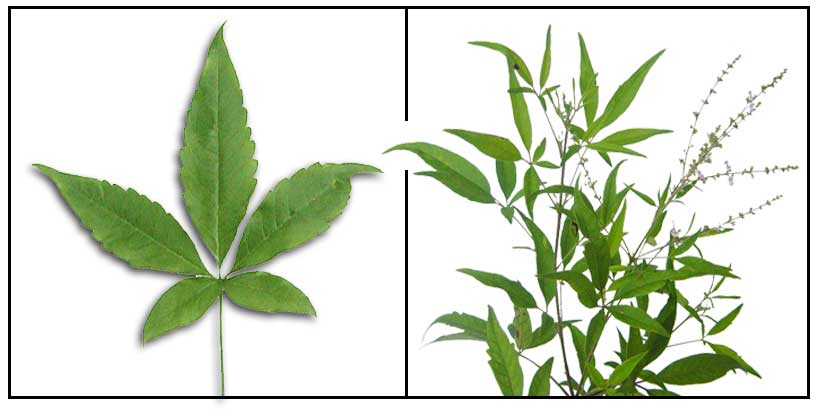
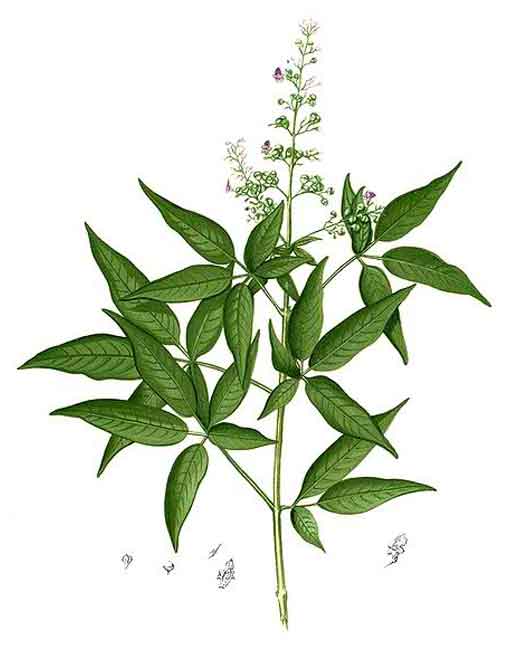
• Lagundi is an erect, branched
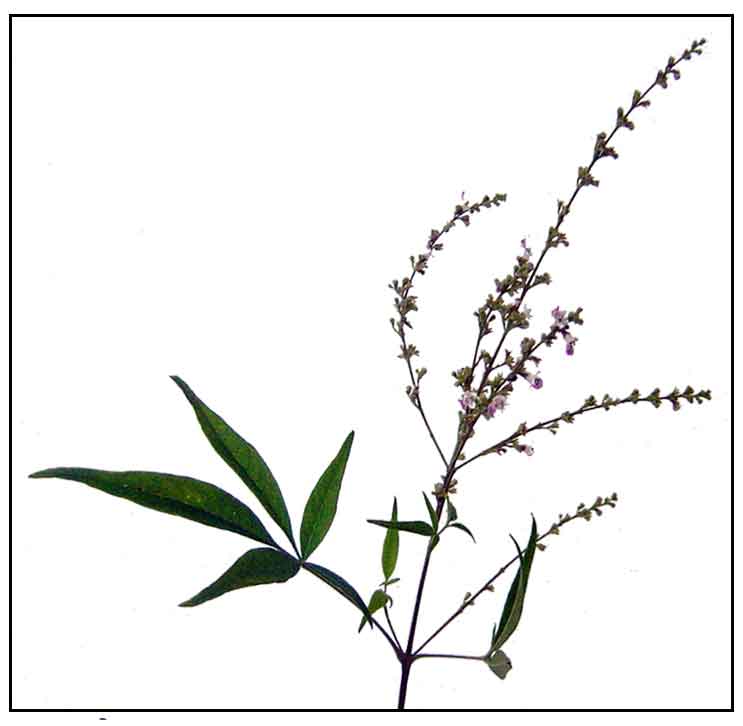
tree or shrub, 2 to 5 meters high. Leaves are usually 5-foliate, rarely with
3 leaflets only, and palmately arranged. Leaflets are lanceolate, entire, 4 to 10 centimeters long, slightly
hairy beneath, and pointed at both ends, the middle leaflets being larger than the others, and distinctly stalked. Flowers
are numerous, blue to lavender, 6 to 7 millimeters long, borne in terminal inflorescences (panicles) 10 to 20 centimeters long. Calyx is hairy, and 5-toothed. Corolla is densely hairy in the throat, and the middle lobe of the lower lip is longest. Fruit is a succulent drupe, globose, black when ripe,
about 4 millimeters in diameter.
• Vitex negundo is an erect shrub or small tree growing from 2 to 8 m (6.6 to 26.2 ft) in height. Bark is reddish brown. Leaves are digitate, with five lanceolate leaflets, sometimes three. Each leaflet is around 4 to 10 cm (1.6 to 3.9 in) in length, with the central leaflet being the largest and possessing a stalk. Leaf edges are toothed or serrated and the bottom surface is covered in hair. Flowers are numerous, borne in panicle 10 to 20 cm (3.9 to 7.9 in) in length. Each is around 6 to 7 cm (2.4 to 2.8 in) long and are white to blue in color. Petals are of different lengths, with the middle lower lobe being the longest. Both corolla and calyx are covered in dense hairs. Fruit is a succulent drupe, 4 mm (0.16 in) in diameter, rounded to egg-shaped. It is black or purple when ripe. (95)
Distribution
- Widely distributed in the Philippines.
- At low and medium altitudes,
in thickets and waste places.
-
Flowering year round. Best propagated
by use of mature, leafless stem cuttings.
- Also occurs in tropical East Africa, Madagascar, India to Japan, and southward through Malaya to western Polynesia.
Parts
utilized
- Leaves, bark, roots and seeds.
-
Leaves may be harvested three
months after establishment.
 Properties Properties
• Plant is considered anti-inflammatory, astringent, antibacterial, antifungal, analgesic, alterant, depurative, rejuvenating, stomachic.
• Roots considered tonic, febrifuge, anti-rheumatic, diuretic and expectorant.
• Leaves and seeds considered vulnerary.
• Leaves are considered aromatic, bitter, anti-inflammatory, bronchial smooth muscle relaxant, lactagogue, emmenagogue, insecticide, and vermifuge.
• Flowers are astringent, carminative, hepatoprotective, digestive, vermifuge and febrifuge.
• Fruit is considered nervine, cephalic, aphrodisiac, emmenagogue and vermifuge.
• Studies have suggested antivenom. anti-inflammatory, antibacterial, analgesic, antifungal, insecticidal, anticonvulsant, larvicidal, anthelmintic, antioxidant, anxiolytic, hepatoprotective, gastroprotective, antiamnesic, antidiabetic, antieosinophilic, antiproliferative, mosquitocidal, anti-scabies, anti-typhoid, CNS depressant, learning and memory enhancing, antimalarial, α-amylase and urease inhibitory properties.
Constituents
• Volatile oil; resin; alkaloid; lichen acids; glucoside.
• Constituents of oil: sabinene, linalool, terpinen-4-ol, ß-caryophyllene,
α-guanine and globulol.
• Study on essential oils showed ß-chlorophyll common to leaves,
flowers and dried fruits.
• Leaves yield a colorless essential oil and a resin; the fruit yields an acid resin, an astringent organic acid, mallic acid, and coloring matter.
• Leaves contain an alkaloid nishindine, flavones, luteolin-7-glucoside, casticin, iridoid glycosides.
• Phytochemical screening of ethanol leaf extract yielded alkaloids, iridoids, phenolic acids, flavonols and flavonoids.
 • Seeds contain hydrocarbons, B-sitosterol, benzoic acid and phthalic acid, anti-inflammatory diterpene, flavonoids and triterpenoids. • Seeds contain hydrocarbons, B-sitosterol, benzoic acid and phthalic acid, anti-inflammatory diterpene, flavonoids and triterpenoids.
• Essential oil of seeds yielded forty-two components representing 91.36% of the oil. Major constituents were n-Hexadecanoic acid (17.68%), eudesm-4(14)-en-11-ol (12.39%) and caryophyllene oxide (10.79%) were found to be the major constituents. (See study below) (43)
• Essential oil analysis fresh leaves, flowers and dried fruit yielded main constituents, viz., leaves: α-guaiene, caryophyllene epoxide and ethyl-hexadecenoate; flowers: α-selinene, germacren-4-ol, caryophyllene epoxide and (E)-nerolidol; fruit: β-selinene, α-cedrene, germacrene D and hexadecanoic acid. (See studies below) (46)
• Aerial parts of Vitex negundo var. cannabiolia yielded four phenolics, salviaplebeiaside (1), γ-tocopherol (2), chrysosplenol-D (4), and isovitexin (5), along with α-tocoquinone (3) and β-sitosterol (6). (see study below) (54)
• Methanolic leaf extract by FTIR spectroscopy yielded alcohols and phenols, alkane, alkene, carboxylic acid, aromatic compound, alipathic nitro compound, primary alcohol, para-benzene, meta-benzene, and bromo alkanes. (66)
• Study on leaves yielded pure compounds of triterpenoidal nature, i.e. oleonolic acid and lupeol for the first time. (71)
• A callus culture extract yielded oleanane-type triterpenes. The major triterpenes were (2α,3α-dihydroxyolean-12-en-28-oic acid, 2α,3α,23-trihydroxyolean-12-en-28-oic acid, and oleanolic acid) were identified using 1H and C NMR, MS and IR, while the minor triterpenes (2α,3α,23-trihydroxyolean-12-en-28-oic acid methyl ester, 11-oxo-olean-12-en-28-oic acid propyl ester, 11-oxo-olean-12-en-28-oic acid butyl ester, and β-amyrin) were identified through their EIMS fragmentations alone. (78)
• Review reports on the chemical profile of volatile oils extracted from leaves of V. negundo. Major constituents were δ-elemene, β-eudesmol, camphor, camphene, carene,β-caryophyllene, caryophyllene oxide, 1,8-cineole [eucalyptol], globulol, linalool, 1-oceten-3 ol, α-pinene, sabinene, terpinyl acetate, 4-terpineol, γ-terpinene, and viridiflorol. (86)
UsesÂ
Edibility
- Seeds used as condiment as pepper substitute
- Seeds reportedly boiled and eaten. (95)
- Leaves and roots used in making tea.
Folkloric
- Decoction of leaves used externally for cleaning ulcers and internally for flatulence. Also used as a lactagogue and emmenagogue.
- Decoction of bark, tops and leaves used as antigastralgic.
- Leaves used in aromatic baths; also as insectifuge.
- Vapor bath prepared with the plant used for treatment of febrile, catarrhal, and rheumatic affections.
- Decoction of leaves used as warm bath by women suffering with after-pains in the puerperal period. Also used as baths for new born children.
- Seeds are boiled in water and eaten or the water drunk to prevent the spread of toxin from bites of poisonous animals.
- Infusion of seeds used for disinfecting wounds and ulcers.
- Infusion of seeds in wine used for dropsy.
- Pounded leaves applies on the forehead and temples for headaches.
- Leaf decoction for fever, headache, toothache, cough, asthma.
- Root used as tonic, febrifuge and expectorant.
- Fruit used as nervine, cephalic, and emmenagogue.
- Tincture of root bark used for irritable bladder and for rheumatism.
- Powdered root used for piles as demulcent; also for dysentery.
- Root used for dyspepsia, colic, rheumatism, worms, boils, and leprosy.
- Flowers are used for diarrhea, cholera, fever, and diseases of the liver; and also as cardiac tonic.
- Powdered flowers and stalks are used for bleeding from the stomach and bowels.
- Fruit used for headaches, catarrh, and watery eyes. Dried fruits are used as vermifuge.
- Seeds are prepared as cooling medicine for skin diseases, leprosy, and inflammation of the mouth.
- Oil prepared with the juice used for sinuses and scrofulous sores. Oil also used as a rubbing application to glandular or tubercular swelling of the neck. Oil also used for treatment of sloughing wounds and ulcers.
- Leaves used for reducing inflammatory and rheumatic swellings of the joints and testicular swelling associated with gonorrheal epididymitis and orchitis. Poultice of leaves also applied to sprained limbs, contusions, leech bites, etc. For these, fresh leaves in an earthen pot are heated over fire, and applied and applied as tolerated over the bruised parts. Leaves heated over fire are also applied with oil externally on wounds.
- Pillow stuffed with leaves is placed under the head for relief of catarrh and headache. Dried leaves when smoked also used to relieve catarrh and headaches.
- Decoction of leaves and long pepper used for catarrhal fever associated with head congestion and dullness of hearing.
- Juice of leaves used to remove fetid discharges and worms from ulcers.
- Plaster of leaves applied to enlarged spleens.
- Folkloric preparations: (1) For fever and toothaches, boil 6 tbsp of the chopped leaves in 2
glasses of water for 15 minutes; strain and cool. Divide the decoction
in 3 parts and take one part every 3-4 hours. Also, bruised leaves may
be applied to forehead. (2) For asthma and cough: Take 1/4 of the decoction three times a day. (3) Aromatic bath or sponge bathing: Boil 4 handfuls of leaves in a
pot of water for 5 minutes; use the lukewarm decoction for sponge bathing.
- In Ayurveda and Unani,
leaves and seeds used for rheumatism and joint inflammation. Decoction
of leaves taken as a diuretic. Used for pacifying vata nerves.
- In Bangladesh, used for headaches, weakness, vomiting, malaria black fever.
- In Indo-China, root decoction used for intermittent fevers.
- In Sri Lanka, used for eye disease, toothache, rheumatism; used as tonic, carminative and vermifuge.
- In Malaysian traditional medicine, used for women's health issues, including regulation of the menstrual cycle, fibrocystic disease, and post-partum remedies. (95)
Others
- Insecticide / Fumigant: Leaves considered insecticide and placed between pages of books and folds of silk and woolen clothing to preserve them from insects. Dry leaf power used for repelling bedbugs. Fresh leaves burnt with grass as fumigant against mosquitoes. Also used for treating stored garlic against pests.
- Dyeing: Ashes much used as alkali in dyeing.
- Basketry: Young stems used for making baskets. Stems also used for making wattles.
- Rituals / Sacred status: In India, nirgundi is considered a sacred plant, thought to have originated from the abdomen of Ganadhipa (appelation of Lord Shiva and his son, Ganesha), and is used in worship and religious rites. The leaves are offered to Lord Shiva and Gouri on Nitya Somavara Vrata. It is also used by the Puranas for religious rites, while the Vamana Purana considers it a holy plants. (97)
- Superstition: In China, nirgundi and tendu (Diosoyros melanoxylon) are considered to have magical potency, and the branches of the trees are used by Oroan tribes to avert the evil eye, repel evil spirits and other eveil influences from standing crops. (97)
- Cooking: Fresh leaves used to destroy the smell of 'high meat' (decomposed meat) or tainted meat or fish when boiled with it (Watt, 1892). (97)
- Agri Use: In Tamil Nadu, a mixture of extract of V. negundi (nochi) leaves and neem cake is sprayed to control the shedding of flowers and premature fall of pods in fied bean (Sundaramari and Ranganathan, 2003). (97)
- Others: Wood used as fuel. Leaf juice was used for soaking metallic powders before converting them into pills. Herbal shoes made from nirgundi wood reported to be effective treatment for rheumatism. (97)
Recent Use
- Lagundi has been proven to be an effective analgesic and antitussive
(prepared as a pleasant tasting cough syrup) and has been considered
as a replacement for dextromethorphan in the public health system.
New Application
- Studies have shown benefit through reduction of coughing and relaxation
of the bronchial smooth muscles. Being promoted by the Department of
Health (DOH) for cough and asthma. One of a few herbs recently registered
with the Bureau of Foods and Drugs (BFAD) as medicines.
Preparation
How
to make lagundi syrup
• Clean fresh lagundi leaves and chop.
• In 4 glasses of water, boil 4 tablespoons of minced lagundi
leaves for 15 minutes.
• Strain the liquid extract and add 1 part honey to 4 parts extracts.
• Boil in an earthen pot or enamel-lined saucepan for 15 minutes
until the desired viscosity is attained; cool.
• Pour the syrup in clear amber-colored bottles. (6)
Studies
• Anti-Venom:
Tested against Vipera russellii and Naja kaouthia venom, a methanolic extract study of VN showed it possesses potent
snake venom neutralizing capacity and suggests further investigation. Â (1)
• Anti-Inflammatory / Potentiation of Phenylbutazone and Ibuprofen: Study showed sub-effective dose of VN significantly potentiated anti-inflammatory activity of phenylbutazone
and ibuprofen in albino rats in carrageenan induced hind paw edema and cotton pellet granuloma models. (2)
• Anti-Inflammatory / Prostaglandin Inhibition: Study suggests VN possess anti-inflammatory activity against
acute and sub-acute inflammation probably due to prostaglandin inhibition
and reduction of oxidative stress. (3)
• Anti-Inflammatory / Analgesic:
Study showed the fresh leaves of VN have anti-inflammatory and pain suppressing activities possibly mediated through PG synthesis inhibition, antihistamine, membrane stabilizing and antioxidant activities.
• Antibacterial / Essential Oil: Study showed the essential oils and extracts to have antibacterial
activity. Essential oil and extracts showed promising results against B subtilis and E coli. Ethyl acetate and ethanol extracts showed prominent antibacterial
activity against all tested strains. (4)
• Antibacterial / Leaf, Flower and Fruits: Study of extracts of leaf, flower and fruit of VN was done to evaluate in vitro antibacterial activity against phytopathogens Pseudomonas solanacearum and Xanthomonas axonopodis. The ethyl acetate extract showed significant inhibition. Phytochemical screening yielded alkaloids, flavonoids, tannins, cardiac glycosides and terpenoids.
• Antifungal: (1)
New antifungal flavonoid glycoside from Vitex negundo: Study found a
new isolated flavone glycoside and a known compound to have significant
antifungal activity against Trichophyton mentagrophytes and Cryptococcus
neoformans. (2) Ethanol extract of fruit seeds showed significant activity
against Fusarium solani and moderate response against Microsporum canis
with no effect against C albicans.
• Larvicidal: Differential
larvicidal efficacy of four species of Vitex against Culex quinquefasciatus
larvae: The methanolic extracts of all Vitex species showed varying
levels of larvicidal activity. (7)
• Anthelmintic / Leaves and Roots:
Study of ethanolic extracts of Moringa oleifera and Vitex negundo on
anthelmintic activity against Indian earthworm Pheretima posthuma showed
both to have dose dependent activity, with Moringa oleifera showing
more activity. (8) Study evaluated the anthelmintic activity of ethanol extracts of leaves and roots of V. negundo, leaves of Moringa oleifera, and roots of Tamarindus indica on Indian earthworm Pheretima posthuma. Piperazine citrate was used as reference standard. Results showed M. oleifera and V. negundo leaves extract showed remarkable anthelmintic potential against intestinal parasitism. (84)
• Antioxidant: Report indicated VN can produce reduction of oxidative stress mainly by reducing lipid peroxidation. (•)
Study of ethanolic leaf extract showed antioxidant activity attributed to the presence of phenolic compounds like flavonoids and flavonols. (•) Study showed the leaves showed 23.21 mg/100 of Ascorbic acid Equivalent Antioxidant Capacity (AEAC). (•) Study of 17 Indian medicinal plants, including the alcoholic extract of VN, all showed dose-dependent nitric oxide (NO) scavenging activity. (11)
• Anticonvulsant / Adjuvant Therapy: Study evaluated the anticonvulsant activity of VN leaf extracts in albino mice. Results suggest that VN possesses anticonvulsant activity particularly against PTZ (pentylenetetarazole) induced seizures, with a significant reduction of number and duration of convulsions. The potentiation of diphenylhydantoin and valproic acid suggests it may be useful as adjuvant therapy to lower the requirements of the drug therapies. (23)
• Insecticidal / Pesticidal: Studies have shown the plant products to possess insecticidal activity against mosquito larvae, houseflies and stored product pests.
• Pharmacokinetic Interaction / V. negundo and Paracetamol: Study showed a significant decline in plasma concentration of paracetamol. Results conclude that if the VN extract or an ayurvedic formulation is co-administered with an allopathic drug like paracetamol, the allopathic drug has to be adjusted for achieve its desired therapeutic response. (13)
• Antibacterial / Cytotoxic: Study showed all fractions with prominent zones of inhibition against B subtilis, B megaterium, S typhi, Vibrio mimicus and a fungal strains, A niger. Results also showed significant cytotoxic activity against brine shrimp nauplii. (14)
• Antimicrobial: Extracts were tested against five bacterial species (S aureus, P vulgaris, B subtilis, E coli, P aeruginosa) and three fungal species ( A niger, A flavon, C albicans). Among all extracts the water/ethanol extract showed maximum antimicrobial activity and the water extract, maximum antifungal activity against all species tested.
• Gastroprotective / Anti-Ulcer / Flavonoids: Study in albino rats investigating the gastroprotective activity of the aqueous extract of VN against aspirin-induced mucosal damage revealed VN to have a pivotal role in treating ulcer. Phytochemical studies yielded the presence of flavonoids probably responsible for its gastroprotection.
• Hepatoprotective / Negundoside: Negundoside, an iridoid glycoside from the leaves of VN was studied for its hepatoprotective effect on CCl4-induced liver toxicity. Results showed NG exerts a protective effect of CYP2E1-dependent CCl4 toxicity via inhibition of lipid peroxidation, followed by improved intracellular calcium homeostasis and inhibition of Ca-dependent proteases. (15)
• Anxiolytic: Study showed VN is an effective anxiolytic agent. The action of the extract upon anxiety models tested were consistent with the traditional use of VN and presents a potential for use in primary medical care. (16)
• Essential Oil / Flowers: Study on the essential oil of flowers of VN yielded 45 components. The major compounds were sabinene (20.3%), B-caryophyllene (14.1%) and globulol (19.2%). (19)
• Antinociceptive / Anti-Inflammatory / Seeds: Study showed ethanol extract of VN seeds interacted with the opioid system and may be more effective3 on inflammatory pain. Further results suggest that the analgesic effects may be partially mediated by it anti-inflammatory activity. The analgesic activity could be due to the abundance of fatty acids with synergistic effects. (20)
• Anti-Microfilarial: Study investigated the antifilarial effect of V. negundo against Brugia malayi microfilariae. A root extract of VN caused complete loss of motility of microfilariae after 48 hrs of incubation. Study yielded the presence of alkaloids, saponins and flavanoids from the roots of VN.
• Antinociceptive / Leaves: Study in mice investigating the antinociceptive activity of an ethanolic leaf extract showed significant dose-dependent analgesic activity. Ten times the extract dose produced the effects comparable to the standard drug meperidine. Naloxone did not reverse the analgesic effect of the VN extract. Results suggest both central and peripheral analgesic activity and also suggests a potential as adjuvant therapy with analgesic drugs. (24)
• Antiamnesic: Study investigated the anti-amnesic activity of VN in scopolamine-induced amnesia in rats. Results showed that VN treated groups had decreased phenomenon of amnesia by increasing learning of memory through antioxidant effect and decreasing AChE activity. (27)
• Cytotoxicity / Antitumor / Dalton's Ascitic Lymphoma / Leaves: Study of ethanol and aqueous extract of leaves of Vitex negundo against Dalton's Ascitic Lymphoma showed antitumor effect. (29) Study of showed a hydroalcoholic extract of aerial parts showed higher in vitro cytotoxicity activity against Dalton's ascites lymphoma line. (48)
• Hepatoprotective / Paracetamol-Induced Injury: Study of ethanolic extract showed V. negundo was effective in protecting the liver against paracetamol-induced injury in rats. (31)
• Antioxidant / Antiproliferative / Pass-Predicted V. negundo: VN extract showed the strongest free radical scavenging power compared to two commercial antioxidants. An ethanolic extract showed cytotoxicity to HepG2 cells in a dose- and time- dependent manner. The experimental studies verified the predictions obtained by a PASS-predicted design strategy. (35)
• Amelioration of Induced Colitis / Leaves: An ethanolic extract of leaves of V. negundo showed significant amelioration of experimentally induced colitis, which may be attributed to its anti-inflammatory and antioxidant property. (36)
• Larvicidal / Mosquitocidal / Leaves: Study showed V. negundo ethanol leaf extracts had larvicidal activity against mosquito larvae. (37) Study evaluated crude leaf extracts of Leucas aspera, Vitex negundo and Eucalyptus for larvicidal activity against Culex quinquefasciatus. Eucalyptus and V. negundo showed good larvicidal activity against Cx. quinquefasciatus. Leucas aspera showed poor mortality. Four different solvent extracts of V. negundo showed good larvicidal activity. Results suggest a potential for the crude extracts for mosquito control and replacement of chemical pesticides. (52)
• Antidiabetic Potential / Leaves: Study evaluated aqueous and ethanol leaf extracts of V. negundo for antidiabetic activity in alloxan induced diabetic rat models. Results showed the aqueous extract with significant activity, greater than the ethanol extract, and comparable to glibenclamide, the standard antidiabetic drug. (38) Study of crude ethanolic extracts of V. negundo leaves extract showed significant hypoglycemic and hypolipidemic activity against streptozotocin-induced diabetic mice. (61)
• Dermal Toxicity Study / Essential Oil: Study evaluated V. negundo essential oil for potential acute and subchronic dermal toxicities in Wistar rats for five weeks. Results showed all animals to be normal without any behavioral, chemical, hematological, necroscopical and histopathological changes, with NOEL (no observed effect level) and NOAEL (no observed adverse effect level) on 250 to 1000 mg/kbw/day, respectively. (39)
• HIV-1 Reverse Transcriptase Inhibition / Leaves: Study evaluated the effects f an ethanolic leaf extract of Vitex negundo against HIV-1 Reverse Transcriptase (RT) and to identify and quantify the flavonoids present. Results showed VN possess anti-RT substances. The activity was attributed possibly to the presence of flavonoids, in particular, the high quantity of kaempferol, myricetin, and quercetin. (40)
• α-Amylase / Lowering of Post Prandial Hyperglycemia: Study evaluated the alpha amylase inhibitory effects of flavanoid extracts of different part of V. negundo and A. paniculata. Except for Vitex leaf flavonoid extract, all other tested flavonoids of both plant parts showed ore than 50% inhibition of α-amylase activity, indicating the flavonoids of both plants may be effective in lowering post prandial hyperglycemia. (41)
• Miticidal / Anti- Scabies: Study evaluated the miticidal effect of a methanolic extract of V. negundo through topical applications on scabies-affected camel, buffalo, goat, dog, and man. Results showed 10, 20, and 30% concentrations to cause 70, 80, and 90% mortality of Sarcoptes scabei mites, compared to ivermectin (85%) and methyl alcohol (5%) mortality. (42)
• Antifungal / Essential Oil: Study investigated the constituents and antimicrobial activity of essential oil from V. negundo seeds. Results yielded forty-two components, and the oil exhibited significant antifungal activity against Candida albicans. (43)
• Anxiolytic / Essential Oil / Leaves: Study evaluated the efficacy of ethanolic extracts of leaves of V. negundo in animal tests of anxiety. In mice using the elevated plus maze test, results showed anxiolytic behavior similar to diazepam. (44)
• Antieosinophilic / Anti-Asthma / Leaves: Study evaluated leaf extracts and fractions for action on bronchial hyperresponsiveness using egg-albumin induced asthma in guinea pigs. Results showed the aqueous subfraction of leaves possessed antieosinophilic activity, reducing bronchial hyper-responsiveness. Results suggest potential usefulness in the treatment of asthma and various inflammatory, allergy, and immunologic disease. (45)
• Antibacterial / Essential Oils: Essential oils from fresh leaves, flowers, and fried fruits were evaluated for antibacterial potential against S. aureus, B. subtilis, E. coli, and P. aeruginosa. All the essential oils and successive extracts showed activity against B. subtilis and E. coli. EA and ethanol extracts showed activity against all tested strains. Fruits and leaves were most active against E. coli and S. aureus. Only the flower oil was active against P. aeruginosa. (see constituents above) (46)
• Toxicity Studies / Essential Oils: Study evaluated combined extracts of V. negundo, V. leucoxylon, and V. trifolia for toxicity in mice. Results showed no toxicity or evidence of adverse effects in mice following acute oral administration at highest dose of 2000 mg/kg crude extracts. (47)
• Neuroprotective / Ethanol Induced Cerebral Oxidative Stress / Leaves: Study evaluated various fractions of hydromethanolic extract of leaves against ethanol-induced cerebral oxidative stress in rats. Results showed protective action on the brain, attributed to its antioxidant potential. The chloroform fraction activity was comparable to standard α-tocopherol. (49)
• Anti-Typhoid Activity / Leaves: Study evaluated the methanolic leaf extracts of V. negundo and A. vasica for anti-typhoid activity against Salmonella typhi. Leaf extracts of both V. negundo and V. vasica showed considerable antioxidant activity and anti-typhoid activity. (50)
• Anti-Inflammatory / Leaves: Study evaluated Vitex negundo, A. marmelos and B. serrata for potential anti-inflammatory activity in LPS treated human lung adenocarcinoma A549 cells. The methanolic extract of all 3 plants significantly decreased the LPS induced NO production and pro-inflammatory cytokines expression. Of the 3, Vitex negundo and Aegle marmelos leaf extracts showed potent anti-inflammatory activity at 50 and 100 µg/mL. (53)
• Antiseptic / Aerial Parts: Study yielded four phenolics (1-4), along with α-tocoquinone and ß-sitosterol from aerial parts of V. negundo var. cannabifolia. Compound 4, chrysosplenol-D exhibited antibacterial activities against four spoilage test microorganisms viz. E. coli, B. subtilis, Micrococcus tetragenus, and Pseudomonas fluorescens. (see constituents above) (54)
•
Antibacterial against Multidrug Resistant Bacterium: Study investigated the antibacterial activity of extracts and essential oils of V. negundo leaves against an unknown bacterium resistant to various antibiotics. The ethanol extracts of V. negundo showed ability to inhibit growth or kill concerned multidrug resistant bacterium (B. cereus strain mmm86) and can be used for pharmaceutical purposes The activity may be due to presence of some compounds like ß-caryophyllene, Ag (silver) nanoparticles, betulinic acid, etc. (55)
• Anti-Microfilarial / Leaves: Study evaluated the possible antifilarial effect of an ethyl acetate extract of Vitex negundo leaves against Setaria cervi filarial parasite in vitro. Complete inhibition of motility was observed in motility assay. Antifilarial effect was found to be a function of relative concentrations. Inhibitory concentration (IC50) was 0.16 mg/ml. (56)
• Antivenom / Antioxidant / Leaves: Study investigated a hydroethanolic extract of V. negundo leaves (blue and green) for antioxidant, antiplatelet, antihemolytic, and in-vitro antivenom potential against Naja naja and Daboia russelii venoms. Results showed the blue leaf extract of V. negundo exerted potent antioxidant and venom neutralizing effect compared with the green leaf extract. (57)
• Anti-Inflammatory / Roots: Study evaluated the anti-inflammatory effect of an ethanolic extract of Vitex negundo roots in rats. Results showed considerable (p<0.05) anti-inflammatory effect in a carrageenan-induced rat paw edema model. (58)
•
Inflammatory Bowel Disease / Leaves: Study of ethanolic extract of leaves of Vitex negundo showed significant amelioration of experimentally induced inflammatory bowel disease (IBD) in albino rats. Activity was attributed to its anti-inflammatory and antioxidant property. (59)
• Acute Toxicity Study / Leaves: Acute oral toxicity evaluation of ethanolic extract of leaves of V. negundo was done using OECD guidelines. Results showed safety even at doses more than 2000 mg/kg without any sign of toxicity or mortality. (59) Preliminary acute toxicity study of ethanolic leaf extract in albino rats by oral route showed it to be practically nontoxic with an LD50 of 7.5 g/kbw. (Tandon and Gupta, 2003) (65) Study evaluated the acute and sub-chronic toxicity of methanol leaf extracts of Vitex negundo and C. halicacabum. Acute oral toxicity using OECD guidelines showed no sign of toxicity viz., lethargy, jerking, convulsions, and mortality up to 2000 mg/kg. For sub-chronic toxicity study, single dose of 400 mg/kg and combined doses (400 mg/kg each for both) in equal proportion did not show any signs of toxicity of mortality. (80)
• α-Chymotrypsin Inhibition of Vitex negundo Lignans / Roots: Lignans isolated from the roots of Vitex negundo were screened against serine proteases α-chymotrypsin, thombin, and prolyl endopeptidase. Compounds 3 and 4 were active only against α-chymotrypsin as competitive and non-competitive inhibitors of the enzyme, respectively. (60)
• Hepatoprotective / Leaves: Study evaluated the hepatoprotective activity of ethanolic extract of leaves of Vitex negundo against thioacetamide (TAA)-induced hepatic injury in Sprague Dawley rats. Results showed hepatoprotective effect as evidenced by intervention in the progression of liver fibrosis induced by TAA in rats. (62)
• Antiulcer / Leaves: Study evaluated the antiulcer activity of ethanolic extract of V. negundo leaves in pylorus ligation and aspirin induced gastric ulcer models in rats.
In the pylorus ligation model, study showed reduced ulcer index (1.66), decrease in total gastric acid and free acid (p<0.0001), increase in pH value (p<0.0001), and reduced gastric volume (p<0.0003), increase percentage of ulcer protection (61.66%). In the aspirin induced model, there was decrease in ulcer index (10.66) and increase in ulcer protection (72.09%). (63)
• Effect on Surgically Induced Endometriosis / Leaves: Study evaluated the effect of V. negundo aqueous leaf extract on surgically induced endometriosis in Sprague Dawley rats. Results showed reduction in endometriosis cyst size, adhesion, histological grading, and oxidant levels as well as elevation in antioxidant level. Activity may be associated with multiple synergistic mechanisms due to the presence of various phytochemicals such as carbohydrate, coumarins, flavonoids, phenol, resins, saponins, tannin, and terpenoid. (64)
• Antidiarrheal / Antispasmodic: Study evaluated the pharmacologic basis of its medicinal use in hyperactive gut disorders. A crude extract showed dose-dependent protection (53-71%) in a castor oil-induced diarrhea model, similar to loperamide. In isolated rabbit jejunum preparation, there V. negundo showed inhibition of spontaneous and high K+-induced contractions. Data results suggest that the antidiarrheal and spasmolytic effects of crude extract may be mediated through the presence of CCB (calcium channel blockade)-like constituent/s. (67)
• Testosterone Lowering Potential in Induced PCOS / Seeds: Study evaluated the testosterone lowering potential of Vitex negundo seed extract in hyperandrogenised female Sprague Dawley rats induced with PCOS (polycystic ovarian syndrome). Results showed significant reduction of serum testosterone and serum glucose. Histopathology showed less follicular cysts and lesions. Study showed promising potential as an anti-androgen which may be due to phytosterols and flavonoid contents. (68)
• Hepatoprotective / Acetaminophen and Galactosamine Hepatotoxicity: Study evaluated the liver protective efficacy of a standardized bioactive fraction (SF) from V. negundo against acetaminophen (APAP) and galactosamine (GaIN) hepatotoxicity. Results showed significant hepatoprotective activity attributed to its antioxidant mechanism as evidenced by protection against increased lipid peroxidation and maintained glutathione status. Study showed agnuside and negundoside were active ingredients i the standardized fraction. (69)
• Herbal Bath Soap / Antibacterial and Antifungal / Leaves: Study evaluated the formulation of an herbal bath soap using V. negundo leaf extract. Results showed the formulation to be a stable solid and categorized as Grade 2 soap. The antibacterial and antifungal activities of the formulated soap were significantly higher than commercial antibacterial and antifungal soaps. (70)
• Medicinal Value / Review: This review compiles the medicinal properties of V. negundo in various diseases. Bioactive compounds from various parts i.e., leaves, seeds and roots were volatile oils, flavonoids, lignans, iridoids, terpenes, and steroids. Bioactive compounds exhibited anti-inflammatory, antioxidant, antidiabetic, anticancerous, antimicrobial properties. VN has roles in the process of apoptosis, cell cycle, sperm motility, polycystic ovary syndrome and menstrual cycle. It modulates functioning of P-38, p ERK1/2, and p-JNK in LPS-elicited cells, N-terminal kinase, COX-1 pathways, TNF-α, Akt, mTOR, VEGF and HIF-1a. (72)
•
Total Lignans / Effect on Collagen-Induced Arthritis / Seeds: Study evaluated the anti-arthritic effects of total lignans of V. negundo seeds on collagen-induced arthritis in rats. Results showed significant inhibition of paw edema and decrease in arthritis index, with no influence on body weight and indices of thymus and spleen of rats. Results showed significant anti-arthritic effects which may be attributed to inhibition of levels of IL-1ß, IL-6, IL-8, IL-17A, TNF-α, MMP-3, and MMP-9. with increase of IL-10. down-regulation of protein expression of COX-2 and iNOS. Study suggests a promising candidate for rheumatoid arthritis treatment. (73)
• Anti-Cancer / Human Cancer Cell Lines:Study of ethanol extract of Vitex negundo and H. indicum displayed cytotoxic activity as evidenced by dose-dependent mortality of brine-shrimp larvae. Crude ethanol extract and solvent fractions of bark of V. negundo showed marked cytotoxic effect in brine shrimp larvae. Study points to potential anticancer activity of chloroform and ethanol extracts of V. negundo and H. indicum. (74)
• Cytotoxic / Antioxidant / Leaves: Study evaluated methanol extracts of Vitex negundo, Lantana camara, Bauhinia variegata, and Bauhinia racemosa for antioxidant activity using DPPH, superoxide scavenging, and metal chelation methods and cytotoxic potency using MTT assay on human cancer cell lines. Total phenolic and flavonoid contents were higher in the methanol extract of V. negundo at 173.3 ± 1.54 mg gallic acid equivalent/g DW and 24.41 ± 1.5 mg quercetin equivalent/g DW contents, respectively. Vitex negundo and L. camara leaves showed pronounced cytotoxic effect against HELA and KB human cancer cell lines with LD50 values of 222±3.35 and 188.69±1.4 µg/ml, respectively. Results suggest potential for VN and LC as source of natural antioxidants and anticancer drugs. (75)
• Comparative Elemental Composition of Wild and Cultivated Plants: Study evaluated the elemental of composition
of wild and cultivated medicinal plants such as Vitex negundo, Solanum surattense and Andrographis paniculata. Minerals such as Na, K, Mg, and Zn were studied in both wild and domestic conditions. These minerals reflect on the medicinal value of the plants. Results showed the cultivated plants contained more concentration of all four investigated elements compared to plants collected from the wild area. (76)
• Preparation of Oil for Topical Application / Anti-Inflammatory: Vitex negundo has been used as massage oil in traditional Ayurveda as an herbal drug for relieving pain. Study reports on the preparation of oil containing V. negundo extract from different organic solvents and evaluation for anti-inflammatory activity by topical application. The oil obtained was evaluated for anti-inflammatory activity with carrageenan-induced rat paw edema and compared with the marketed sample of mahanarayan oil. The oil extracted using methanol showed highest activity on application compared to all of the oils prepared from other organic solvents. (77)
• Bronchodilatory Effect / Leaves: Study evaluated the mechanisms underlying the effectiveness of V. negundo in hyperactive respiratory disorders. Crude extract of leaves were used to evaluated in vivo bronchodilatory activity in anesthetized rats and underlying mechanisms studies in isolated guinea-pig tracheal strips. Results suggest V. negundo possesses a combination of papaverine-like PDE inhibitor and diltiazem-like Ca(++) entry blocking constituents, which partly explain the bronchodilatory effect. (79)
•
Anti-Inflammatory / 3.4-Dihydroxybenzoic Acid / Leaves: Study evaluated the anti-inflammatory activity of a leaf extract on topical administration using TPA (tetradecanoylphorbol acetate)-induced mouse ear inflammation model. Bioassay guided chromatography of fractions isolated 3.4-dihydroxybenzoic acid as bioactive principle responsible for the anti-inflammatory activity. (81)
• Antitussive / No Toxicity: Study evaluated the anti-tussive effect of a butanolic extract of V. negundo on sulphur-dioxide-induced cough in mice. At 1000 mg/kg, Vn caused maximum cough-suppresant effects (67% at 60 min). compared to codeine (10 ,mg/kg) and dextromethorphan (10mg/kg) with cough inhibitory potential of 75.7 and74.7%, respectively. LD50 of V. negundo was greater than 5000 mg/kg. In toxicity tests, no signs of neural impairment of acute behavioral toxicity were observed at antitussive doses. Results show an antitussive effect which was devoid of toxicity. (82)
• Bioactive Chromone / Alleviation of Pain and Inflammation: Study of Vitex negundo isolated two new chromone derivatives, namely, methyl 3-(2-(5-hydroxy-6-methoxy-4-oxo-4H-chromen-2-yl)ethyl)benzoate (1) and 3-(1-hydroxy-2-(5-hydroxy-6-methoxy-4-oxo-4H-chromen-2-yl)ethyl)benzoic acid (2). Results showed significant attenuation (p<0.001) of tonic visceral nociception and potent amelioration (p<0.001) of carrageenan-induced paw swelling. Results suggest a potential source of antinociceptive and anti-inflammatory agents. (83)
• Anti-Arthritic Activity Against Denaturation of Protein: Study evaluated the in vitro antiarthritic activity of aqueous extract of V. negundo buy denaturation of protein methods. V. negundo was screened for anti-arthritic activity by denaturation of egg albumin and bovine albumin proteins. Results showed a marked in vitro antiarthritic effect as evidenced by concentration dependent inhibition of protein (albumin) denaturation by aqueous extract of V. negundo. (85)
• Comparative Study of Volatile Constituents / Leaves: Review reports on the chemical profile of volatile oils extracted from leaves of V. negundo. Major constituents were δ-elemene, β-eudesmol, camphor, camphene, carene, β-caryophyllene, caryophyllene oxide, 1,8-cineole [eucalyptol], globulol, linalool, 1-oceten-3 ol, α-pinene, sabinene, terpinyl acetate, 4-terpineol, γ-terpinene, and viridiflorol. Chief constituents were ß-caryophyllene, viridiflorol, and ß-eudesmol. (86)
• Anti-Hemolytic Activity: Study evaluated the phytochemicals, antioxidant properties, and anti-hemolytic activity of Adhatoda vasica and Vitex negundo. Phytochemicals were higher in V. negundo, except for alkaloids. Tannins were high in both plants. The plants showed strong antioxidant and reducing power ability, which supports their use as antioxidant supplement. Both plants prevented hemolysis of goat erythrocytes, and were considered safe and useful for medical formulations. (87)
• Cardiotonic / Leaves: Study evaluated the cardiotonic activity of aqueous extract of leaves of V. negundo using isolated frog heart perfusion technique (IFHP). Results showed significant increase in the height of force of contraction (positive inotropic effect) and decrease in heart rate (negative chronotropic effect) at dose of 0.4 mg. The effect increase as dose was increased. (88)
• Antiestrogenic / Anti-Implantation / Anti-Inflammatory / Leaves: Study evaluated the anti-implantation potential of various fractions of V. negundo leaf extract in female Swiss albino mice. Animals treated with n-hexane fraction showed altered level of superoxide anion radical and superoxide dismutase activity. The possible mechanism of inhibition of blastocyst implantation is through the anti-inflammatory and antiestrogenic potential. (89)
• Antitubercular Activity / Leaves: Study focused on identification, isolation, and characterization of lead constituents and to determine the antitubercular activity of their fractions and isolated compounds. Ethanol extract, petroleum ether, and chloroform fraction showed antitubercular activity at 150 µg/ml. Petroleum ether and chloroform fractions of the EE which contains betulinic acid, ursolic acid, and ß-sitosterol showed anti-TB activity. (90)
• Blood Pressure Lowering / Vasodilator / Cardiac Suppressant: Study evaluated the scientific basis for the medicinal use of Vitex negundo in hypertension. Crude extract of VN produced a dose-dependent fall in arterial pressure of anesthetized rats. The extract also shifted Ca++ concentration response curves to the right dose-dependently, like that caused by verapamil. In isolated guinea pig atria, the extract caused inhibition of atrial force and rate of spontaneous contractions, similar to verapamil. Results suggest V. negundo exhibits BP lowering, vasodilator and cardiac suppressant activities, mediated predominantly through K+ channel activation combined with Ca++ channel inhibition. (91)
• Cytotoxic Flavone Analogues of Vitexicarpin / Leaves: Bioassay-guided fractionation of chloroform-soluble extract of leaves of Vitex negundo isolated a known flavone vitexicarpin (1), which exhibited broad cytotoxicity in a human cancer cell line panel. To increase its cytotoxic potency, a series of acylation reactions yielded methylated (2), acetylated (3), and six new acylated (4-9) derivatives. Compound 9, 5,3'-dihexanoyloxy-3,6,7,4'-tetramethoxyflavone, showed comparative cytotoxic potency to compound 1. (92)
• Antileukemic / Antioxidant / Leaves: Study evaluated the antioxidant potential and anti-proliferative activity of V. negundo methanolic leaf extract. Crude and chloroforms extracts showed good antioxidant activity by DPPH, FRAP, and nitric oxide methods. The plant extract exhibited poor cytotoxicity against erythroid cell lines but showed good activity on acute lymphoblastic leukemia cells. (93)
• Anticancer / Dalton's Ascitic Lymphoma / Leaves: Study evaluated an ethanolic extract of leaves of Vitex negundo (EVN) against Dalton's ascitic lymphoma (DAL) in Swiss albino mice, measuring parameters of tumor volume, tumor cell count, viable cell count, mean survival time and increase life span. The extract in doses of 250 and 500 mg/kbw was administered orally for 14 consecutive days to tumor bearing animals. The extract increased the life span of DAL treated mice and restored hematological parameters in a dose dependent manner. Results suggest EVN showed significant antitumor activity. EVN was cytotoxic to mouse lung fibroblast (L-929) in long term chemosensitive cytotoxic assay. (96)
• Effect on Learning and Memory / Leaves: Study evaluated the effect of hydroalcoholic extract of Vitex negundo leaves (HEVN) on learning and memory in scopolamine-induced cognitive deficit mice paradigms using elevated plus maze (EPM) and object recognition test (ORT). Preliminary phytochemical analysis yielded alkaloids, flavonoids, proteins, and carbohydrates. HEVN in doses of 250 and 500 mg/k/day p.o. for 8 days significantly increased inflexion ratio in EPM, discrimination index in ORT, and decreased brain AchE in both paradigms and prolonged onset of time of death in sodium nitrite induced respiratory arrest in mice. Results showed HEVN effects in improving learning and memory processes in both paradigms. Effect may be due to AchE inhibition, antioxidant effect, and/or increase in cholinergic transmission. (98)
• Anxiolytic Effect / Roots: Study evaluated the putative anxiolytic-like activity of ethanolic extract of roots using elevated plus maze (EPM) and light and dark exploration test (LDET) in male mice. Diazepam was used as positive control. Oral doses of 100 and 200 mg/kg significantly increased the percentage time spent on and number of entries into the open arms of the EPM. Effect was comparable to diazepam 2 mg/kg p.o. In LDET VN treated rats showed significant increase in time spent in light arena. There were no overt motor dysfunctions. Results suggest VN is an effective anxiolytic agent with potential for use in primary medical care. (99)
• CNS Depressant Effects / Leaves: A methanol extract (ME) of leaves significantly potentiated sleeping time induced by pentobarbitone sodium, diazepam, and chlorpromazine in mice. ME possessed analgesic properties and potentiated analgesic induced by morphine and pethidine. ME also showed significant protection against strychnine and leptazole induced convulsions. Results suggest dose-dependent CNS depressant activities. (100)
• Antiasthmatic / Leaves: Study evaluated the antiasthmatic activity of various extracts and fractions of V. negundo leaves by various experimental models: mast cell degranulation by compound 48/80, passive cutaneous anaphylaxis, and egg-albumin induced asthma. Dexamethasone was used as standard. Ethanolic extract, EA fraction, and aqueous fraction treated animals showed significantly lesser amount of dye leakage, and showed significantly lesser amounts of eosinophils, serum bicarbonate level and lung body weight ration and significantly higher tidal volume compared to untreated, egg-albumin sensitized animals. Results suggest the antiasthmatic effect may be due to stabilization of mast cells, inhibitory effects on immediate hypersenstivity reactions, and antieosinophilic activity. (101)
• Antimalarial / Leaves: Study evaluated the in-vitro antimalarial activity against human malarial parasite Plasmodium falciparum chloroquine-sensitive (3D7) and multidrug resistant (K1) strains using SYBR Green-I based fluorescence assay. HPLC-LC-MS analysis identified 73 compounds, reporting for the first time the presence of Sabinene hydrate acetate, 5-Hydroxyoxindole, 2(3,4-dimethoxyphenyl)-6, 7-dimethoxychromen-4-one, Cyclotetracosa-1, 13-diene and 5, 7-Dimethoxyflavanone. The leaf extract exhibited potent anti-malarial activity with IC50s of 7.21 µg/ml and 7.43 µg/ml against 3D7 and K1 strains, respectively, with not evidence of significant cytotoxicity against mammalian cell line (VERO) and no toxicity in hemolysis assay. Results validate the traditional use of Vitex negundo for treatment of malaria. Novel and unknown compounds were identified, which need further study for antimalarial potential. (102)
• Enzyme Inhibitory Activity / Antioxidant / Leaves: Study evaluated leaf extracts of V. negundo for antioxidant and enzyme inhibitory (α-amylase and urease) activity. VN exhibited good DPPH radical scavenging activity and moderate reducing power potential. All extracts exhibited good anti-α-amylase and anti-urease activity greater than 50% in all solvents used at concentration of 1 mg/mL. Study provides evidence to support traditional use in treatment of obesity, diabetes, ulcers, etc. (103)
• Artemetin, Vitexicarpin, Peduletin / Anticancer Compounds: Study evaluated the antiproliferative potential and primary molecular mechanisms of apoptotic induction against human HepG2 and MCF-7 cell lines, by pure compounds isolated from VN fractions, characterized by NMR, FTIR, and HRMS as artemetin (FLV1), vitexicarpin (FLV2), and penduletin (FLV3). Antiproliferative potential against HepG2 and MCF-7 cells lines by cell viability showed IC50s of 2.3, 23.9, and 5.6 µM and 3.9, 25.8 and 6.4 µM, respectively. The compounds increased levels of ROS production, induced cell death via apoptosis, contributed significantly to DNA damage, and led to activation of caspase3/caspase8 pathways. Molecular docking was conducted to rationalize cancer cell inhibition and ability of FLV1-3 potential as candidates for cancer treatment. (104)
Availability
- Wild-crafted.
- Commercial formulations: Tablets, capsules, oil, teas, and syrup.
- Seeds in the cybermarket.
|