 Gen info Gen info
- Melia is a genus of flowering trees in the family Meliaceae.
-
Etymology: The genus name Melia derives from Greek word 'melia' used by Theophrastus (c. 371-c.287 BC) for Fraxinus ornus, which has similar leaves. The species epithet is from French 'azedarac', which is from the Persian 'azad dirakht' meaning 'free or noble tree.' (4)
Botany
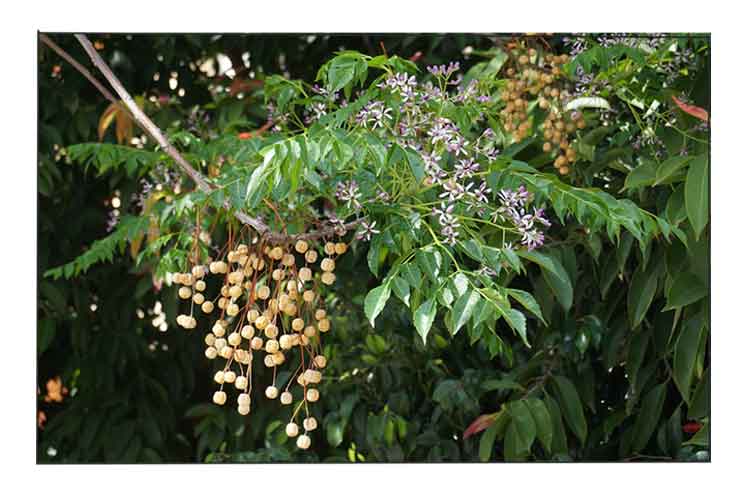
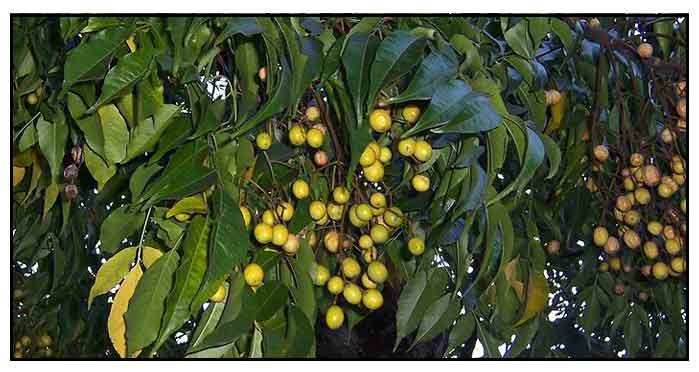
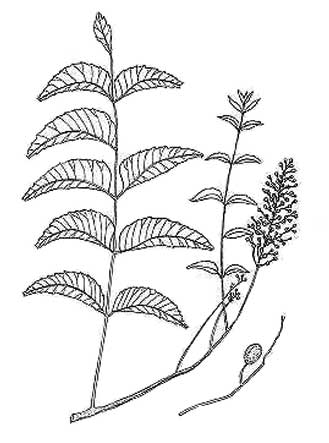
Paraiso is a shrub and small tree, usually not more than 3 or 4 meters in height. The leaves are bipinnate, ocassionally tripinnate, 20 to 40 cm long. The leaflets are numerous, oblong-ovate, toothed, and 4 to 7 cm long. The flowers are fragrant, 5-parted, and borne on panicles 10 to 20 cm long. The petals are about 1 cn long, oblong-spatulate, and pale lilac, while the staminal-tube is usually dark purple and about 7 mm long. The fruit is ovoid or subglobose, and about 1 cm in length. (Quisumbing)
 Distribution Distribution
- Native to the Philippines.
- Mention is made it was introduced in earlier times from China.
- Cultivated as ornamental for its fragrant flowers.
-
Along the seashore, and in thickets and secondary forests , etc., and inland, at low and medium altitudes.
- In Ilocos Norte, Quezon, Bulacan, Bataan, Rizal, and Camarines Provinces in Luzon; and in Mindoro, Negros, Cebu, Siquijor, Bohol, and Mindanao.
- Also native to Assam, Bangladesdh, Cambodis, China, Himalay, Hainan, India, Jawa, Laos, Lesser Sunda Is., Nepal, New Guinea, New South Wales, Northern Territory, Queensland, Sri Lanka, Sumatra, Taiwan, Thailand, Vietnam, Australia. (1)
- Also reported from India to tropical Africa, southern China and Taiwan, and through Malaya to tropical Australia.
Constituents
- Leaf extract yielded alkaloids, tannins, saponins, phenols, steroids, terpenoids, glycosides, and flavonoids. (27)
-
Bark yields a bitter substance, named margosin by Cornish, and azadarin by Piddington.
- Study isolated paraisine, an alkaloid from the bark of the roots, which was soluble in petrol ether, benzene and chloroform. (Bocquillon)
- Neem oil, Veepa oil or Margosa oil is a yellow fixed oil extracted from the seeds, its bitter disagreeable taste and alliaceous odor being due to the sulphur content.
- Study isolated an oil from the kernels, consisting of butyric and valeric acids 2.31%, stearic acid 21.38%, palmitic acid 12.62%, oleic acid 52.08%, linoleic acid 2.12%. arachidic and liquoceric acids 0.74%, and unsaturated resinous acids 2.76%. (Roy & Dott)
- Aqueous and ethanolic extracts of leaves yielded
alkaloids, carbohydrates, reducing sugars, flavanoids, glycoside, tannins, saponins, proteins and amino acids. (66)
- Aqueous and ethanolic extracts of leaves yielded
alkaloids, carbohydrates, reducing sugars, flavanoids, glycoside, tannins, saponins, proteins and amino acids. (31)
- Methanol extract of leaves yielded 48 bioactive compounds by GC-MS method. The major constituents were phytol (11.04%-diterpene), quercetin (16.47%-flavanoids), palmitic acid (15.49%-saturated fatty acid), 9,12,15-octadecatrienoic acid (3.43% - n-alkanoic acids). (37)
- Study of ethanolic extract of dried leaves yielded alkaloids, glycosides, tannins, saponins, and flavonoids. (see study below) (47)
 Properties Properties
- Fruit has a bitter, nauseous taste.
- Fruit considered purgative, emollient, vermifuge.
- Fruit has reported toxicity.
- Bark is bitter, tonic, astringent, and antiperiodic.
- Leaves are stringent and stomachic.
- Seeds are emetic, laxative, anthelmintic.
- In Unani medicine in Arab countries and Ayurvedic medicine in India, used as antioxidative, analgesic, anti-inflammatory, insecticidal, rodenticidal, antidiarrheal, deobstruent, diuretic, antidiabetic, cathartic, emetic, antirheumatic, and antihypertensive. (25)
- Studies have suggested antidiabetic, antimicrobial, antiviral, fungistatic, antioxidant, quorum sensing, anticancer, antiurolithiatic, mosquito larvicidal properties.
Toxicity concerns
- Reports on information regarding the toxic nature of the fruit of this plant is conflicting. However, several cases have been reported in South Africa, where the death of children is ascribed to poisoning by syringa fruit. Hogs, sheep, goats, rabbits, and guinea pigs are susceptible to the syringa poison, pigs being the most susceptible animals, and goats less so than sheep. Muscovy ducks were not killed even by relatively high doses of the plant material. Dogs vomited immediately after being drenched, and although they showed symptoms of poisoning, they recovered after several hours. The symptoms produced in the fatal cases are paralysis and narcosis. Death usually occurs through suffocation. Irritation of the gastro intestinal tract is also evident, even when the administration is subcutaneous. The toxic substance is thermostable. The pulp of the seeds is fatal to dogs.(Quisumbing)
-
Fruit is highly toxic to warm blooded animals. Ripe fruits are more toxic than green unripe ones. As few as six fruits can cause nausea, spasm, even fatalities in children. (Illustrated Flora of North Central Texas / Diggs, Lipscomb & O'Kennon / 1999) (21)
- All plant parts can cause gastric irritation and liver and kidney deterioration. (21)
- Despite reported medicinal use, many advise against eating of seeds
and caution on use of other plant parts. The bark and young flowers are reportedly less toxic than the berries. Some report the fresh leaves to be harmless.
-
Report on Human Poisoning:
Review of Chinese medical literature reports that human M. azedarach poisoning occur when 6 to 9 fruits, 30 to 40 seeds, or 400 g of bark are consumed. Symptoms occur within 4-6 hrs, or as short as 1/2 hour, consisting of weakness, myalgia, numbness and ptosis. M azedarach poisoning may result in gastrointestinal, cardiovascular, respiratory or neurological effects, and death in severe cases.
- Case Report on a Fatality:
There have been scattered reports of human fatalities and non-fatal toxicities: (1) A woman who died after a bark decoction of M azedarach was taken for dysmenorrhea. (2) A fatality from a bark decoction enema. (3) Illnesses from decoctions and infusions causing stomatitis, hematemesis, oliguria.
- Animals: Pulp of seeds reportedly fatal to dogs.
 Parts used Parts used
Fruit, leaves, stems, seeds.
Uses
Edibility
- Leaves are cooked; imparts a bitter flavor; used as pot-herb, in curries and soup. (Sturtevant's Edible Plants of the World / Hedrick UP / 1972) (see toxicity concerns above) (21)
Folkloric
- In India, the fruit, with its bitter and nauseous taste, is used for colic.
- Decoction of root bark used as cathartic and emetic.
- In India, before quinine, root bark used for malaria.
- Fruit and stem bark are anthelmintic.
- Seeds externally used as anti-rheumatic.
- In Indo-China,, seeds used to treat typhoid fever and urinary retention.
- Infusion of bark used as febrifuge especially for periodic fevers; also used for thirst and nausea.
- Bark used as antidiarrheal, deobstruent, diuretic. Used for treatment of nausea, vomiting, stomachache, loss of appetite, and debility
. Stems used for asthma. Roots are vulnerary, astringent, antiseptic, and antiperiodic. Leaves are antidiarrheal and insecticidal. Fruits are tonic. (76)
- Poultice of bark used in leprosy and scrofulous ulcers.
- Leaves used in a variety of forms, such as poultice, wash, ointment or liniment for external applications to ulcers and skin diseases.
- Internally, infusion of fresh leaves used as a bitter vegetable tonic and alterative. (The stools become a brilliant yellow after use.) Infusion also used for chronic malarial fevers; and as a powerful alterative for chronic syphilitic infections.
- Oil applied to erysipelas, scrofula, and various skkin diseases.
-
Decoction of leaves used for treatment of hernia and hysteria.
- Crushed leaves used as stimulant and antiseptic poultice for boils and sores.
- In Sindh, poultice of leaves used for treatment of sprains.
- Paste of flowers used for treatment of lice and scalp eruptions.
- Flower poultice used to relieve nervous headaches.
- In Concan, juice of green fruit mixed with sulfur and curds, heated in a copper pot, used as application for scabies and sores infested by maggots.
- In the Tamil, Nadu area, paste of berries applied in leprosy.
- Herbal combo of papaya leaf juice, malai vembu, and hill neem or common neem has been given to dengue patients, the decoction taken twice daily for a week. (12)
- Malai vembu juice also used for diabetes and chicken pox. (12)
- In the Tamil, Nadu, paste of leaves and seeds applied locally to treat small pox, rheumatism, and skin diseases. Young twigs used as toothbrush. (14)
- In Ayurveda: Grahi-inspissant, stomachic, digestive; Kasahara-removes cough; Pittahara-pacifies pitta dosha; Raktadoshahr-blood purifying. Bark used for asthma, hallucinations, malaria, nausea, piles, tumor, urinary diseases, vomiting, rat poisoning. (23)
- In Ayurveda, used for leprosy, inflammation, cardiac disorders and scrofula; as antihelmintic, antilithic, diuretic.
- Seeds are emetic, laxative and anthelmintic; in Indo-China, used for typhoid fever and urinary retention.
- Oil used for syphilitic sores and indolent ulcers; also, for leprosy, suppurating scrofulous glands and rheumatism.
- Oil used as application for erysipelas, scrofula, and various skin diseases; also, as parasiticide in various cutaneous affects as ringworm and scabies.
- Fruit used as purgative and emollient; useful for intestinal worms, urinary affections and piles.
- Paste of flowers used to destroy headlice and associated scalp eruptions. Also, used for prickly heat.
- In Sidh, poultice of leaves used for sprains.
- In Mauritius, the root bark is used as anthelmintic; in Algeria, as tonic and antipyretic; elsewhere, the heartwood is used to relieve asthma, as emetic or as emmenagogue.
- In India, seeds used for pile s;
bark used as gargle for mouth ulcers; leaves used as mouth wash for gingivitis; seed powder used for leucorrhea, menorrhagia, and intestinal parasites; bark decoction used as blood purifier; dried leaves, bark and seeds used for goiter; leaf decoction used as vaginal wash; boiled leaves applied topically for arthritic and gout pains. (72)
Others
- Wood: Timber is useful, durable but light and not resistant to white ants. in Java, used for outriggers of boats; In Java and Sumatra, for interiors of houses; in Tonkin, as uprights of houses. • Resembles mahogany; used to manufacture agricultural implements, furniture, boxes, tool handles, cabinetry. Known resistance to termites. (57)
- Fodder: Leaves lopped for fodder and are highly nutritious.
- Fuel / Illuminant: Used as fuelwood. Oil used as illuminant.
Poison / Insecticidal: Contains toxic components; aqueous and alcoholic extracts of leaves and seed use for insect, mites and nematode pest control.
- Insecticidal: Leaf extract has insecticidal property; repels insects in clothing. Powdered dust of fruit, crude extract of wood and bark are also insecticidal.
- Dye: Bark yields a red dye.
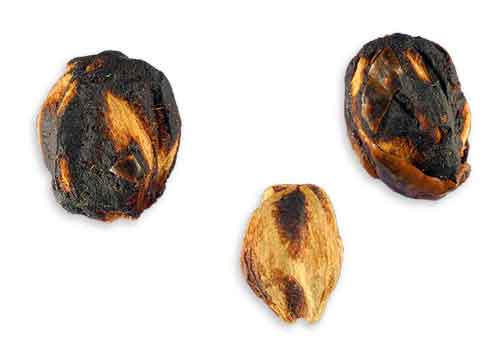
- Crafts / Ornamental: Fruit stones used as beads in making necklaces and rosaries. (57)
 Studies Studies
• Silver Nanoparticles / Enhanced Antibacterial Activity / Wound Healing /Antioxidant / Leaves: Study reports on the eco-friendly biosynthesis of silver nanoparticles using an aqueous leaf extract of M. azedarach. Phytoconstituents like polyphenols, flavonoids and terpenoids may have acted as reducing and capping agents. The NPs showed enhanced antibacterial activity against E. coli and B. subtilis, potential wound healing activity on cell scratch assay, high antidiabetic activity by a-amylase and a-glucosidase inhibition assays and antioxidant activity by DPPH and ABTS radical scavenging assays, (5)
• Antiulcer / Fruits: Study evaluated the antiulcer effect of some active ingredients present in the lipid part of the fruits of M. azedarach in male rats with acute ulcers induced by gipsing. Gastric juice analysis showed a significant decrease in free HCl (p<0.001) induced by total lipids; total HCl and total acidity were reduced only at 5 g/kg. The antiulcer effect was attributed to the lipid components in the phytosterol fraction. (6)
• Antiurolithiatic / Leaves: Study evaluated the anti-urolithiatic activity of aqueous and alcoholic extracts of M. azedarach leaves in calcium oxalate urolithiasis in male albino rats. Results showed increased oxalate and calcium excretion in urine (p<0.01) to 3.68 and 4.5 mg/24h, respectively. Extracts at doses of 250 mg/kg p..o. significantly (p<0.01) reduced elevated levels of calcium, oxalate and phosphate excretion in the urine. Results showed the aqueous and ethanol extracts of leaves have potent antiurolithiatic activity against ethylene glycol induced calcium oxalate urolithiasis in male albino rats. (7)
• Antibacterial / Bark / Leaves / Flowers / Fruits: Study of crude leaf extract of M. azedarach are effective against both gram positive and gram negative strains of bacteria. (27) Methanol extract of MA flowers showed potent antibacterial action in
rabbits with Staphylococcus aureus skin infection. Effects were comparable to neomycin. (29) Study evaluated the antibacterial effects of methanolic and aqueous extracts of M. azedarach fruit against various bacterial strains. P. aeruginosa, S. aureus, Proteus and Klebsiella sp. showed sensitivity to the aqueous extract. Pseudomonas aeruginosa and Proteus showed significant sensitivity to the alcohol extract. (53)
• Pesticidal, Insecticidal, Acaricidal Properties / Review:
Extracts of fruits, seeds and leaves of M. azedarach have shown pesticidal activities against several pathogenic pest organisms. Extracts of M. azedarach has shown efficacy against the tick Boophilus micoplus, the malarial vector Anopheles stephensi, the dengue vector, Aedes aegypti and the human lice Pediculus humanus capitis. Plant parts have also been shown to have potential as insecticidal, acaricidal, fungicidal and rodenticidal. (22)
• Cytotoxicity / Anticancer: Study evaluated the cytotoxic activity of crude extracts and fractions of M. azedarch and A. indica leaves, pulp, and seeds against HT-29, A-549, and HepG2 and MDBK cell lines. The seed kernel extract of M. azedarach exhibited highest cytotoxicity and selectivity to cancer cell lines with IC50 range of 8.18 to 60.10 g/mL). Phytochemical analysis isolated four flavonol 3-O-glycosides including rutin, kaempferaol-3-O-robinobioside, kaempferol-3-O-rutinoside and isoquercetin along with purin nucleoside, I2-adenosine. The methanol leaf fraction of M. azedarach seemed safer in terms of cytotoxicity. (24)
• Antifungal / Bark / Seed: Study investigated the antifungal potential of hexane and methanolic extracts of Melia azedarach bark against yeast-like fungi (Candida albicans, C. krusei, C. tropicalis, Cryptococcus marinus) as well as fungi (Aspergillus niger and Rhizopus oryzae). The n-hexane and methanolic extracts showed high inhibition against Candida krusei and better zones of inhibition against Rhizopus oryzae and Aspergillus niger. Candida tropicalis and C. albicans showed no response. (26) Extracts from different parts of MA exhibited fungistatic activity against
A flavus, D phaseolum, F oxysporum, F solani, among others. The ethanolic seed extract showed to be the most active. (32)
• Hepatoprotective / Leaf Extract / Simvastatin Hepatotoxicity:
Study evaluated the hepatoprotective activity of leaves extract against simvastatin induced hepatotoxicity. Results showed significant changes in biochemical parameters, restored towards normalization in M. azedarach treated animals. (28)
• Contraceptive / Antiimplantion: Ethanolic extract of MA roots prevented pregnancy in 60-75% of female
rats with decreased rate of implantation. (30)
• Antioxidant / Leaves: Study
showed the leaves of MA to possess an erythrocyte protective activity against drug-induced oxidative stress. (31)
• Anthelmintic / Drupe:
Drupe extracts of MA in Argentina showed better activity against tapeworm
than standard piperazine phosphate used for Cestodal infections. (33)
• Antiviral / H. simplex / Limonoid / Leaves: Extract
of leaves of MA isolated a limonoid which showed antiviral activity
against vesicular stomatitis and herpes simples virus. (34)
• Anti-lithiasis:
Study of aqueous extract of MA showed to be effective against ethylene
glycol-induced nephrolithiasis in albino rats. (35)
• Inhibition of Folliculogenesis / Seeds:
Study evaluated the quantitative aspects of follicular development in cyclic female albino rats using seed extracts of M. azedarach and M. indica. Results suggest the polar and non-polar fractions of A indica and M azedarach seed extracts significant reduced the number of follicles in rats, with maximum reduction occurring with the Azedarach extract. (36)
• Immunomodulatory / Leaves:
Leaf extract from M azedarach L. inhibited phagocytosis of opsonized sheep erythrocytes and the respiratory burst triggered by post-receptor stimuli in human monocytes. Â (37) Leaf extract from M azedarach L. inhibited phagocytosis of opsonized sheep erythrocytes and the respiratory burst triggered by post-receptor stimuli in human monocytes. (39)
• Hepatoprotective / Antioxidant / CCl4-Induced Toxicity:
Study of the antioxidant and antihepatotoxic activities of the biherbal ethanolic extracts of M azedarach and Piper longum showed potent antihepatotoxic activity against carbon tetrachloride-induced acute toxicity in rat liver. The effect was probably related to its marked antioxidant activity. (40)
• Mosquito Larvicidal:
Ethanolic extract of Melia azedarach showed effective larvicidal activity against Anopheles stephensi, Culex quinquefasciatus and Aedes aegypti. Results suggest a potential use as larvicidal agent to control mosquito populations. (41)
• Hepatoprotective / Paracetamol / Carbon Tetrachloride:
Study of a methanolic leaf extract of Melia azedarach against paracetamol-induced hepatic damage in rats showed significant hepatoprotective activity. (42) Study of leaf extract of M. azedarach showed significant hepatoprotective activity against carbon tetrachloride (CCl4) induced hepatotoxicity. (43)
• Anti-Ulcer:
Study of aqueous extract of leaves of Melia azedarach on anti-ulcer activity in aspirin-induced and pylorus-ligated rate showed antiulcer effects comparable to the standard drug Omeprazole. (44)
• Anti-Fertility / Potential for Rodent Control:
Study of Melia azedarach seed extract in adult cyclic Wistar rats showed a reduction in fertility index and average number of embryos in mated rats with associated histological changes. Results suggest the plant extract has a potential use in a rodent control program. (45)
• Antiproliferative Potential / Anticancer:
Study investigated the anti-cancer activity of Melia azedarach in comparison to A. indica on cancer lines HT-29, A-549, MCF-7 and HepG-2 and MDBK cell lines. Results showed the seed kernel extract of M azedarach had the highest cytotoxic activity and selectivity to cancer cell lines. The methanol leaf fraction of M. azedarach seems to be safer in terms of cytotoxicity. Study showed an abundance of flavonols in the leaves. (46)
• Antimicrobial / Leaves:
Study evaluated various leaf extracts of Melia azedarach for antimicrobial efficacy against eight human pathogens. The alcoholic extract showed maximum zone of inhibition and minimum inhibitory concentration against all the microorganisms. (47)
• Antidiabetic / Gastric Emptying Inhibitory Effect / Leaves: Study evaluated the antidiabetic effect of leaf extracts inT2 diabetic experimental animals. Results showed the leaf extract elicits diabetic activity through a multitargeted effect, primarily an increased insulin-sensitizing effect resulting in blood glucose reduction and improved peripheral disposal, together with reduced gastric emptying and decreased insulin demand. (48)
• Inhibition of α-Glucosidase Activity / Antidiabetic / Leaves: Study evaluated the α-glucosidase activity of an ethanolic leaf extract of M. azedarach. The crude ethanolic leaf extract showed α-glucosidase inhibitory activity. Although it showed less inhibitory activity than acarbose, results suggest a potential candidate for development of anti-hyperglycemic formulation. (49)
• Insecticidal / Fruit: Study evaluated M. azaderach extracts and limonoid fraction for insecticidal activity against beet armyworm Spodoptera exigua. Results showed the extract disturbed development of S. exigua. (50)
• Anticancer / Combination of M. azedarach, Doxorubicin and Cyclophosphamide / Breast Cancer: Previous studies have shown M. azedarach has potent cytotoxicity effect on MCF-7 via induction of apoptosis and cell cycle arrest. Study evaluated the anticancer activity of MA, doxorubicin, and cyclophosphaide combination. The combination can decrease the volume of adenocarcinoma mammary tumors in CH3 mice via increase in BAX expression and decrease AgNOR expression. (51)
• Analgesic / Antioxidant / Leaves: Study evaluated the potential analgesic and antioxidant activity of ethanolic extract of M. azedarach dried leaves. Results showed analgesic activity with significant (p<0.001) inhibition of writhing reflex in mice. The ethanolic extract showed free radical scavenging activity in DPPH assay with IC50 of 95µg/mL, comparable to ascorbic acid. (see constituents above)  (52)
• Antibacterial / Fruit: Study evaluated the antibacterial effects of methanolic and aqueous extracts of M. azedarach fruit against various bacterial strains. P. aeruginosa, S. aureus, Proteus and Klebsiella sp. showed sensitivity to the aqueous extract. Pseudomonas aeruginosa and Proteus showed significant sensitivity to the alcohol extract. (53)
• Hematological Changes / Fruits: Study evaluated the clinical and hematological changes in rabbits exposed to M. azedarach fruits under experimental conditions. Results showed increase in body temperature and heart rate, decrease in body weight, prolongation of bleeding time and clotting time. Hematologic changes included decrease in erythrocyte count, Hb and MCV values, increase in heterophils and monocyte percentages, and decrease in lymphocytic and eosinophil percentage. (54)
• Anti-Viral Against Human Cytomegalovirus: The aqueous extracts of three medicinal plants, Carissa edulis, Prunus africana, and Melia azedarach showed significant reduction in the replication of human CMV in human embryonic lung (HEL) fibroblasts cells in vitro. Using the plaque inhibition assay, results showed potential anti-viral activities of the three plant extracts. (55)
• Toxicological Studies / Mild CNS Sedative Effect:
Toxicological evaluation of M. azedarach in rats and mice showed the aqueous and alcoholic extracts to be non-toxic until a dose of 1500 mg/kg orally. Intravenously, the aqueous extract had an LD50 of 395,580 mg/kg (flowers) and 700,925 mg/kg (berries) respectively in mice and rats. Aqueous and ethanolic extracts also showed mild CNS sedative effect. Â (56)
• Antileishmanial / Larvicidal / Antioxidant / Cytotoxic / Fruit:
Study compared the potential of aqueous extracts of green and ripened fruits for antileishmanial, larvicidal, antioxidant and brine shrimp cytotoxicity assay. Green fruit showed significant activity against L. tropica and excellent larvicidal activity against Cx. quinquefasciatus. On cytotoxicity assay, green and ripe fruits showed LD50 of 18.07 µg/mL and 530.2 µg/mL, respectively. Green fruit showed antioxidant potential (IC50 232.23 µg/mL) with total phenolic contents of 10.54 mg/g DW. The green fruit yielded more active compounds than ripe fruits. (58)
• Zinc Oxide Nanoparticles: Study reports on the inexpensive, single-step, and eco-friendly bioproduction of zinc oxide nanoparticles (ZnO NPs) from aqueous extracts of leaves, stems, roots, flowers, and fruits of M. azedarach. (59)
• Larvicidal / Culex quinquefasciatus:
Various concentrations of aqueous extracts of leaves, fruits, and bark were tested for larvicidal activity against C. quinquefasciatus. The aqueous extract of bark showed to be more toxic and efficient. Results suggest a good source of preparations for pest control, especially mosquito control. (60) Acetone extract of both Melia azedarach and Carica papaya showed highest mortality rate and larvicidal activity against Culex quinquefasciatus. (61) Study evaluated the larvicidal activity of aqueous extracts of different parts of M. azedarach against Culex quinquefasciatus. Among the aqueous extracts of fruits, leaves, and bark, the bark extract showed to be more toxic and efficient against Cx. quinquefasciatus, with 17.60 ± 7.3% mortality and LC50 of 368.3 ppm. Results suggests the bark as a potential good source of preparations for mosquito control. (64)
• Antipyretic / Leaves: Study of a hydroalcoholic extract of M. azedarach leaves showed significant (p<0.05) reduction of yeast induced temperature in rabbits at 500 mg/kg as compared to standard drug paracetamol. (62)
• Antihyperglycemic / Leaves: Study of an ethanolic extract of leaves in alloxan induced diabetic rats showed marked decrease in blood glucose level and significant reduction of blood glucose in the glucose tolerance test. (63)
• Effects of Various Fractions on Biochemical Parameters / Fruits: Study evaluated various fractions of a methanolic extract of M. azedarach fruits on various biochemical parameters. All extracts significantly decreased serum glucose, cholesterol, triglycerides and LDL concentrations with elevation of HDL levels. However, only the aqueous extract was considered safe, as the other extracts showed significant alterations in serum levels of GTP, ALP, and creatinine. (65)
• Radical Scavenging / DNA Protective in Cultured Lymphocytes:
Study of an ethanol leaf extract showed significant dose-dependent inhibition on in vitro radical scavenging assays and protection against H2O2-induced DNA damage in cultured lymphocytes. Results suggest a potential for an effective antioxidant during oxidative stress. (67)
• Antiparasitic:
Antiparasitic activity of drupe extracts of M. azedarach growing in Argentina was tested against a tapeworm and earthworm. Results showed better activity against tapeworms than the standard piperazine phosphate, which is used for Cestoda infections. (69)
• Antibacterial / Cream Formulation / Flowers: A formulated cream contain Melia azedarach flowers showed a strong potential to cure bacterial infections in young children, comparable to neomycin skin ointment. (70)
• Antioxidant / Leaves: Study showed the extract of Melia azedarach, which contains the highest amount of phenolic compounds, exhibited the greatest anti-oxidant activity compared to A. indica. (71)
• Silver Nanoparticles / Antioxidant / Antidiabetic / Wound Healing / Leaves: Study reports on the biosynthesis of silver nanoparticles using aqueous leaf extract of Melia azederach. Constituents like polyphenols, flavonoids, and terpenoids may have acted as reducing and capping agents. The AgNPs showed larger zone of inhibition than the MA extract in disc diffusion assay for human pathogenic gram positive bacteria Bacillus cereus and gram negative E. coli. Cell scratch assay on human dermal fibroblast revealed potential wound healing ativity. The AbNPs also demonstrated high antidiabetic efficacy byh a-amylase and a-glucosidase inhibition assays. Antioxidant activity was demonstrated using DPPH and ABTS radical scavenging assays. (73)
• Antidiabetic / Leaves: Study evaluated the antidiabetic effect of Himalayan medicinal plants viz. Melia azedarach,Zanthoxylum alatum and Tanacetum nubigenum using in vivo and in vitro methods. All prepared extracts contained polyphenolics, flavonoids, terpenoids, anthraquinones and saponins. In STZ-induced Sprague-Dawley rats, M. azedarach ethanol extract showed significant 14.8% (p<-.01). decrease in blood glucose level. (74)
• Inhibition of Oral Cavity Biofilm-Forming Bacteria: Biofilms are complex, multi-species bacterial communities that colonize the oral cavity in the form of plaque that are known to cause dental caries and periodontal disease. Study demonstrated the potential of three selected medicinal plants against isolated dental biofilm forming strains. Antimicrobial activity of three medicinal plant extracts viz. Acacia arabica, Tamarix aphylla, and Melia azedarach was tested against the highest biofilm forming bacteria. The selected plants demonstrated significant inhibition of their growth. Results suggest the medicinal plants could be used for protection against pathogenic dental biofilm causing bacteria with potntial i the pharmaceutical industry as dental care products. (75)
Availability
Wild-crafted. |