 General info General info
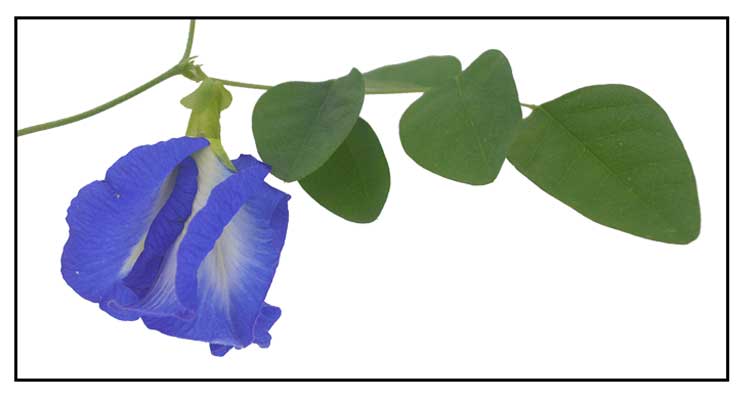
- If you stare long enough and let your mind stray, you might appreciate how both scientific and common names derived from the flower's similarity to the female external genitalia: clitoria from clitoris and pukingan, Tagalog variant for vagina. (Also see: Butterfly pea, Centrosema pubescens)
- The genus was named after the female clitoris, the flowers resembling the vulva. The first described species of the genus was made in 1678 by Jakob Breyne, a Polish naturalist, who described it as Flos clitoridis ternatensibus, meaning 'Ternatean flower of the clitoris'. The vulvar analogy drew sharp censure. However, less explicit alternatives failed to prosper, and Clitoria survived as the genus name. Many vernacular names, likewise, are similarly based on references to the female external genitalia. (72)
- In September 2, 2021, the US Food and Drug administration declared the additive "butterfly pea flower extract" to be exempt from certification and safe for use. (99) It may be safely used for coloring alcoholic beverages, sport and energy drinks, flavored or carbonated water, fruit drinks, carbonated soft drinks, fruit juices, chewing gum, teas, dairy desserts, ice cream, candies, etc. (100)
 Botany Botany
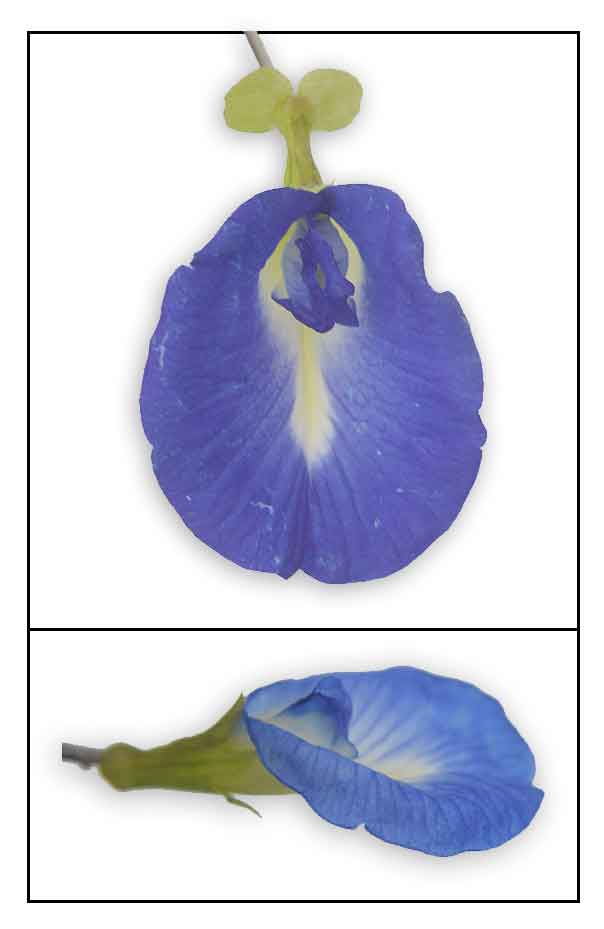
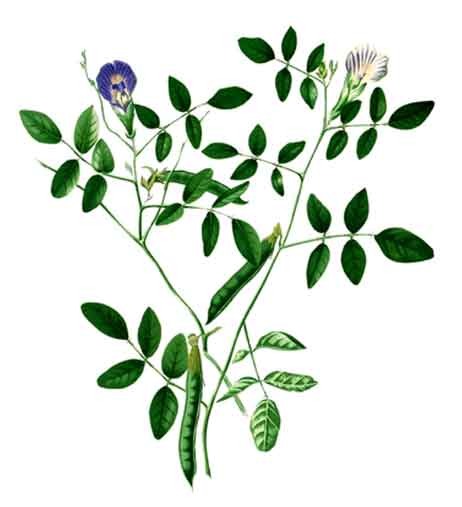
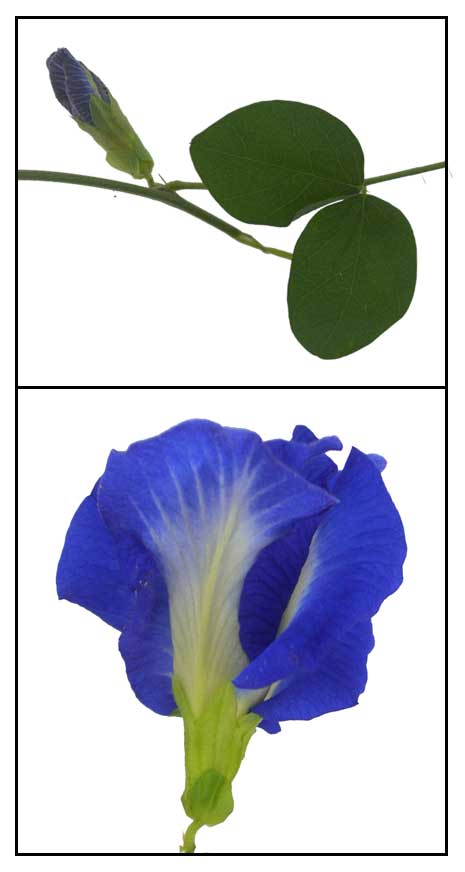
Pukiñgan is a twining herb or climbing vine with cylindrical and slender
stems, sometimes up to 1 centimeter in diameter.
Leaflets are 5 to 7, elliptic to oblong, 3 to 7 centimeters
in length. Stipes are small and acicular. Flower is solitary. Calyx is green, about 1.5 centimeters long. Corolla is 3.5 to 4 centimeters long,
with the standard deep blue with a white, yellowish, or pale-blue center. Pods are 5 to 10 centimeters long, flat, with 6 to 10 seeds.
Distribution
- Introduce to the Philippines.
-
Throughout the Philippines, in thickets in settled areas at low
and medium altitudes.
-
Cultivated for its conspicuous blue flowers.
- Now pantropic.
Constituents
• Studies have isolated triterpenoids, flavonol glycosides, anthocyanins and steroids.
• Root-bark contains starch, tannin and resins.
• The seeds contain a fixed oil, bitter acid resin (the active principle), tannic acid, glucose, and 6%
ash. Testa of the seed is brittle and contains a cotyledon which is full of granular starch.
• The seed is reported to contain a toxic alkaloid.
• Phytochemical screening has yielded tannins, resins, taraxerol and ternatins.
• Screening of petals of CT yielded three flavonol glycosides - kaempferol 3-O-(2″-O-α-rhamnosyl-6″-O-malonyl)-β-glucoside, quercetin 3-O-(2″-O-α-rhamnosyl-6″-O-malonyl)-β-glucoside, and myricetin 3-O-(2″,6″-di-O-α-rhamnosyl)-β-glucoside - together with 11 known flavonol glycosides.
* Leaves of blue and white varieties of Clitoria ternatea showed significant amount of crude protein, crude fiber, ash, carbohydrates and minerals such as potassium and iron.
(35)
• Phytochemical screening of ethanolic extract of leaves yielded alkaloids, flavonoids, free amino acids, glycosides, phenols, proteins, reducing sugars, steroids, and tannins. Quantitative analysis yielded flavonoids 20.48±0.96 mgRE/g extract, tannins 78.75 ±2.09 mgTAE/g extract, total phenols 245.14 ±6.97 mgTAE/g extract, vitamin C 118.83 ±0.47 mg/g extract, total carbohydrate 176.03 ±1.19 mg/g extract, and total protein 3110 ±18.02 mg/g extract. (47)
• Study of the bromatological and mineral composition of both varieties of C. ternatea (blue and white) leaves yielded significant amount of crude protein, crude fiber, ash, carbohydrates and minerals such as potassium and iron. (48)
• GC-MS analysis of water extract of flowers showed five peaks that represented components namely inositol (38.7%) and pentanal (14.3%). The methanol extract yielded fifteen chemical components with major chemical constituents of mome inositol (33.6%, cyclohexen, 1-methyl-4-(1-methylethylidene)- (7.1%), acetic acid, cyano- (6.5%), and hirsutene (5.7%). (see study below) (51)
• A total of 6.23 g of hydromethanolic extract from 50 g of leaves had a percent yield of 12.46%. The extract yielded carbohydrates, tannins, saponins, flavonoids, alkaloids, steroids, phenols, and glycosides.
Phytochemical screening of roots have yielded ternatins, alkaloids, flavonoids, saponins, tannins, carbohydrates, proteins, resins, starch, taraxerol and tarxerone. Flower yields delphnidin-3, 5-diglucoside, delphinidin-3ß-glucoside, malvidin-3ß-glucoside, kaempferol, and p-coumarin acid. Roots have yielded ß-carotene, stigmas-4-ene-3,6,diene, taraxerol and teraxerone, starch, tannins, and resins. (52)
• HPTLC analysis of C. ternatea stems, leaves, and seeds for alkaloid profile yielded 26 different types of alkaloids with 21 different Rf values with range of 0.02 to 0.93.
The seeds yielded 10 alkaloids, followed by 9 in the leaves. Of the ten alkaloids in the seeds, seven were unique to the seeds. (56)
• In a study of 15 red- and blue-flowered plants for anthocyanin content (Vankar and Srivastava), Clitoria ternatea ranked 3rd with 227.42 mg/kg, behind
Mirabilis jalapa (magenta, 338.61 mg/kg) and Impatiens balsamina (red, 336.56 mg/kg). (see study below) (62)
• Study of CT flower petal extract for total phenolics, flavonoids, and total anthocyanins yielded 53 ± 0.34 mg gallic acid equivalents/g dried extract, 11.2 ± 0.33 mg catechin equivalents/g dried extract, and 1.46 ± 0.04 mg cyanidin-3-glucoside equivalents/g dried extract, respectively. (see study below) (73)
Properties
• Roots considered laxative, diuretic, anti-inflammatory and anthelmintic.
• The roots taken as purgative, have been reported to be toxic and narcotic,
causing irritability, loss of memory or unconsciousness.
• The roots and seeds are considered emetic, diuretic and emmenagogue.
• Roots considered vomitive and laxative. An alcoholic extract is used as a cathartic.
• Studies have suggested antimicrobial,
antipyretic, anti-inflammatory, analgesic, diuretic, anesthetic,
insecticidal, vascular smooth-muscle relaxing, platelet-aggregation
inhibiting , wound healing, immunomodulatory, antiproliferative properties.
Color spectrum
• Popularly used in cocktails and punch preparations for its blue color. The peculiar property is of color changes color from pH changes. The deep blue changes to purple on addition of lemon juice, into deeper shades as more is added. Mixed with fuchsia roselle hibiscus leaves, the tea will turn to bright red. (99)
Parts
utilized
Roots, leaves, flowers, seeds.
 Uses Uses
Edibility / Culinary
• In the Philippines, young shoots, leaves, flowers, and delicate pods are used as vegetable.
•
In Southeast Asia, flower pigment is used for food coloring.
• Flowers used in coloring desserts and in making blue-colored tea.
Used as garnish for salads and soups.
• In Southeast Asian countries, brewed as tea for centuries.
• In Thailand, an indigo-blue drink, nam dok anchan, is prepared with butterfly pea flowers, honey, and sugar syrup.
• Flowers are dipped in batter and fried.
• Flowers added to pot while cooking rice to give a bluish tint.
Folkloric
• In the Philippines poultices of leaves used for swollen joints.
• Infusion of leaves is used for eruptions.
• Warm leaf juice mixed with common salt is applied around the
ears for earache.
• Seeds are mildly laxative and purgative; also, anthelmintic.
• In India,
the white flowered species is considered superior to the blue variety.
• The roots of the blue flowered variety is used for piles. For
earaches, the juice of the blue variety is used.
• The roots, in soup, used to remove phlegm in chronic bronchitis and to induce nausea and vomiting when necessary. (Note toxicity above.)
• Root-bark infusion used as demulcent for bladder and urethral irritation. Alcoholic extract has been used as a cathartic.
• For hiccups, the seeds are burned for fume inhalation; same also
used for asthma.
• Also used for throat, eye infections, skin diseases.
• To hasten delivery twinning branches of the white flowered variety
are wrapped around the waist.
• Root ash is used for facial care.
• Root powder is used for jaundice.
• Roots used to treat mental disorders and to relieve stress.
• For renal stones, the roots used with boiled rice.
• Roots and seeds used as diuretic and emmenagogue; also to induce vomiting.
• Used by women as aphrodisiac or sexual enhancer.
• Juice of leaves mixed with green ginger used in cases of sweating in hectic fever.
• Juice of leaves mixed with common salt is applied warm around the ear for earaches, especially when accompanied by swelling of the surrounding glands.
• Root juice, applied in the nose for migraine.
• For painful boils, mix the root juice with vinegar and apply
to the boils.
• A traditional Ayurveda
medicine as a brain tonic, memory and intelligence enhancer, antidepressant,
anti-stress, anxiolytic, sedative, anti-arthritic, and anticonvulsant. Powdered flower mixed with honey for bleeding uterine disorders.
• Roots used to induce abortion and its paste use to treat abdominal swellings, sore throat and nervous disorders. (37)
• In India, reported to be used by women for sexually stimulative effect. (77)
• In South Travancore, India,
leaf juice taken twice daily for 6 days for scabies. source
• In West Bengal,
root juice used for fevers.
• Old Hindi writing reports on the ground root of black bala (Sida cordifolia)
and the root of white girigarni (Clitoria ternatea) placed on the vulva (the external opening of the vagina) to facilitate women in difficult labor. (84)
• In West Bengal, India, a teaspoon of root paste with black pepper is mixed in water and taken for leucorrhea. (85) In Vederanyam taluk of South India, roots used for leucorrhea and to increase urination. (86) In Tamil Nadu, root juice mixed with milk and taken orally to treat gonorrhea and cold. Paste nuts used to treat leprosy and enlargement of the limbs. Root infusion used as antidote against snake bites. Leaf extracts used to treat catarrh and headache. (87)
• In Bangladesh, leaves and roots used by the Tripura tribe for urinary tract infections, lack of urination, and frequent urination. Also used for treatment of edema, pain, snake bites, tumor, and indigestion. (88) In Madhupur, reported tribal used of root decoction for fever, tuberculosis, and constipation. (89)
Others
• Food Coloring: In some parts of SE Asia, used for food coloring.
• Cosmetics: In Thailand, flower extracts are used as component of cosmetics.
 Studies Studies
• Acetylcholine / Memory: Root extract of CT significantly increased the ACh content
in rat hippocampi. ACh
content in the hippocampus may be the neurochemical basis for improved memory and
learning. (3)
• Anthelmintic: Study showed
the alcoholic extracts of CT with significant anthelmintic activity. (5) A methanolic extract showed dose dependent anthelmintic activity against Pheretima posthuma, with piperazine citrate as positive control. (34)
• Antipyretic: The methanol
extract of CT showed dose-dependent antipyretic effect comparable to that of paracetamol. (6)
• CNS Effects: The methanol
extract study on the CNS showed it to possesses nootropic, anxiolytic,
antidepressant, anticonvulsant and antistress activity. (7)
• Cytotoxic Activity: Methanol crude extract of leaves and 3 fractions (n-hexane, di-chlormethane, methanol) demonstrated promising cytotoxic activity. (8)
• Antifungal / Leaves: Leaf extract exhibited considerable antifungal activity against filamentous fungi in a dose-dependent manner. (9)
• Larvicidal: Screening of natural products for mosquito larvicidal activity against Aedes aegypti, Culex quinquefasciatus and Anopheles stephensi was done with three potential plant extracts. Of the three, C ternatea showed the most promising mosquito larvicidal activity. Phytochemical analysis of the seed extract showed carbohydrates, saponins, terpenoids, tannins and proteins. (10)
• Hypoglycemic / Leaf and Flower: Study evaluated the effects of aqueous extract of Clitorea ternatea leaf and flower extracts on alloxan-induced diabetes in rats. The aqueous extracts significantly (p<0.05) reduced serum glucose, glycosylated hemoglobin, and activities of glyconeogenic enzyme, glucose-6-phosphatase. There was increase in serum insulin, liver and skeletal muscle glycogen and activity of glycolytic enzyme, glycokinase. (11)
• Antihyperglycemic / Antihyperlipidemic / Leaves and Flowers: Study suggests the C ternatea leaves and flower extracts showed antihyperglycemic and antihyperlipidemic effects and may alleviate liver and renal damage associated with alloxan-induced diabetes in rats. (12)
• Antihistaminic Activity / Roots: Clonidine, an a-2 adrenoreceptor agonist induces dose-dependent catalepsy in mice and releases histamine from mast cells responsible for asthmatic conditions. Study results suggest antihistaminic activity of C. ternatea ethanol extract of root as shown by significant inhibition of clonidine-induced catalepsy in mice. (14)
• Wound Healing: Study showed seed and root extracts significantly improved wound healing in excision, incision and dead-space models, both orally by gavage and as ointment. The activity in animal models was attributed to flavonol glycoside and phenolic compounds through alterations in the inflammatory and immune components of wound healing. (15)
• Cytotoxicity / Dalton's Lymphomas Ascites: Study evaluating the the petroleum ether and ethanolic extracts of CT in short term in vitro cytotoxicity using Dalton's Lymphoma ascites cells showed both the extract poses significant cell cytotoxic activity. Phytochemical screening of PEE yielded steroids, triterpenoids, tannins, and saponins, while the EE yielded flavanoids. (16) Study evaluated the anticancer activity of C. ternatea in Dalton's lymphoma (DLA) bearing mice. MECT effect was assessed using in vitro cytotoxicity, survival time, peritoneal cell count, hematological studies and antioxidant parameters. MECT treatment decreased tumor volume, PCV, and viable count. Results suggest MECT exhibited significant antitumor effects in DLA bearing mice. (61)
• Antiasthmatic / Roots: Study of ethanol extract of C. ternatea roots showed antiasthmatic activity which may be due to the presence of flavonoids or saponins.
• Antidiabetic Effect: Chronic administration of plant extracts for 14 days reduced the blood glucose levels of the diabetes-induced animals compared to the diabetic control group. The antidiabetic effect was comparable to the standard antidiabetic drug Glibenclamide. (18)
• Anti-Inflammatory / Analgesic / Flowers: Study of a petroleum ether flower extract of C. ternatea exhibited significant anti-inflammatory and analgesic properties. On acute toxicity study, it was safe even at doses of 2000 mg/KBW. Phytochemical screening yielded taraxerol, a pentacyclic triterpenoid, which may be responsible for the pharmacologic activity. (22)
• Antioxidant: Study evaluated the antioxidant effects of leaf extracts Clitoria ternatea and Alternanthea sessilis in treated yeast cells DNA. The leaf extracts effectively decreased the extent of DNA damage. DPPH scavenging activity was highly elicited by the methanol extracts of Clitoria ternatea. (23)
• Juvenile Diabetes / Hippocampal Area Ca 3 Effect: Encepalopathy is a major complication in juvenile diabetes mellitus that can cripple physiomorphological growth and development in childhood. Study of an alcoholic root extract of C. ternatea showed significant gross impact in preventing possible complications to brain hippocampal area CA3 and pancreatic tissue in juvenile diabetic rat models. (24)
• Hypoglycemic Effects / Leaves: Study of a methanol extract of leaves showed significant reduction of blood glucose in alloxan-induced diabetic rats twelve hours after administration. (25)
• Nootropic Effects / Leaves: A methanolic extract of leaves showed promising nootropic effect in scopolamine induced amnesia in rats. (26)
• Antibacterial / Leaves: Various extracts of leaves were tested against Bacillus cereus, Staphylococcus aureus, Klebsiella pneumonia, Proteus vulgaris and Salmonella typhi. A methanol extract showed the most potent inhibitory effect. (27)
• Antiasthmatic / Roots: Study evaluated the bronchodilator activity of an alcoholic extract of roots on histamine-induced bronchospasm in wistar rats. Results showed a bronchospasmolytic activity, with 47.45% protection against histamine-induced bronchoconstriction. (28)
• Hepatoprotective / Paracetamol Toxicity / Leaves: Study evaluated the hepatoprotective and antioxidant activity of C. ternatea leaf extract against liver injury induced by paracetamol in mice. Treated mice showed significant decrease in ALT, AST, and bilirubin, together with protection against histopathological alterations. Hepatoprotection was attributed to potent antioxidative activity. (29)
• Synergistic Antidiabetic Effect / Clitoria ternatea and Tricosanthes dioica: Study evaluated the antidiabetic effect of combined leaf extracts of T. dioica and C. ternatea on STZ induced diabetic Wistar rats. The extent of reversal of hyperglycemia in the combined extract treated animals compared well with the glibenclamide treated group. (30)
• Neuroprotective and Nootropic Activity / Diabetic Induced Cognitive Decline / Leaves: An ethanol extract showed nootropic and neuroprotective activity in diabetes-induced cognitive decline rat model. (31)
• Phenolic Compounds / Radical Scavenging Activity: Study evaluated the total phenolic compounds and DPPH scavenging activity in flowers and leaves of Clitoria ternatea and Vitex negundo. Results showed antioxidant activity in both leaves and flowers of CT and VN and suggest a potential alternative source of natural antioxidants. (32)
• Anti-Compulsive Effect: Plants used to treat anxiety and depression suggest a potential therapeutic strategy for treatment of OCD (obsessive compulsive disorder). To evaluated this possibility, study evaluated an ethanolic extract of Clitoria ternatea on marble-burying behavior in mice. Study showed reduction of marble burying behavior, comparable to that of fluoxetine. Results showed EECT can modulate obsessive compulsive behavior and also potentiate the effect of fluoxetine, with a potential as an herbal treatment for OCD. (33)
• Anti-Ulcer / Leaves: Various extracts of leaves were evaluated for gastroprotective activity on pylorus ligation induced ulcer and ethanol induced ulcer models. Results showed a protective effect on the ulcer induced models when compared to standard drug Omeprazole. Activity could be due to an antisecretory mechanism attributed to cytroprotective and free radical scavenging antioxidant activities. (36) Study of chloroform and methanol leaf extracts of C. ternatea leaves showed protection against indomethacin induced ulcer through inhibition of the COX pathway which is helpful in the formation of mucus membrane. The methanol extract showed better activity at lower dose than the chloroform extract at higher dose. (64)
• Antidepressant / Motor Coordination and Locomotor Effects / Roots: Study of ethanolic root extract showed significant antidepressant activity, mild reduction in locomotor and motor coordination activity. Results suggest a potential resource for natural psychotherapeutic agent against depression and mood disorders. (37)
• Neurogenic Potential / Roots: Study of Clitoria ternatea root extract showed growth promoting neurogenic effect on aSVZ (anterior subventricular zone) NSC (neural stem cells and their survival similar to neurotrophic factors like Survivin, Neuregulin 1, FGF-2, BDNF possible the basis for enhanced learning and memory. (38)
• Antipyretic / Purgative / Leaves: Study using albino rats showed significant antipyretic and purgative activities of ethanol and acetone extracts of leaves. The antipyretic activity was higher than than standard drug paracetamol; the purgative activity was higher than standard sodium picosulphate. (40)
• Immunomodulatory / Seed and Roots: Study investigated the immunomodulatory activity of C. ternatea seed and root extracts. Results showed significant immunosuppressive effects which may be attributed to decreased immune cell sensitization, immune cell presentation and phagocytosis. Antioxidant and anti-inflammatory properties of the plant could be playing a major role in the immunomodulatory activity. (41)
• Chemosensitizing Cyclotides: Cyclotides have been shown to have antitumor effects and cause cell death by membrane permeabilization. Study showed cytotoxicity and chemosensitizing activities of certain cyclotides from C. ternatea against paclitaxel-resistant lung cancer cell, and suggests a potential in chemosensitization application. (42)
• Inhibitory Effects on Protein Glycation: Accumulation of advanced glycation end products in body tissues lead to degenerations, atherosclerosis and diabetic complications. Results showed CT extract significantly and dose-dependently inhibited formation of AGEs, markedly reduced fructosamine and amyloid cross ß-structure formation. Results suggest a potential for a new natural product for prevention of AGE-mediated diabetic complications. (43)
• Corrosion Inhibitor / Flower: Study evaluated the corrosion inhibitive action of flower extracts of Clitoria ternatea on mild steel corrosion. Results showed extracts functioned as good inhibitors in 0.5 M H2SO4 solution, with inhibition increasing with extract concentration. (44)
• Amelioration of STZ Induced Cognitive Impairment: A hydroalcoholic extract prevented STZ-induced cognitive impairment dose dependently by reducing oxidative stress, cholinesterase activity, and ROCK II expression. (45)
• Protective Activity on Testicular Damage Caused by Ketoconazole / Antioxidant / Flower: Ketoconazole (KET) has been reported to have adverse effects on the male reproductive system. Study investigated the protective effects of Clitoria ternatea flower extracts on male reproductive system including sperm concentration, serum testosterone level, histopathology of testis, and testicular tyrosine phosphorylation levels in rats induced with KET. The CT flower extracts showed DPPH scavenging and high reducing power. CT flower extracts protected from testicular damage induced by KET in rats. At 100 mg/kbw, the extract showed no toxic effects on the male reproductive system. (49)
• Wound Healing / Hyaluronidase and Matrix-Metalloproteinase-1 Inhibitory Activity / Leaves: Study evaluated the wound healing potential of C. ternatea methanol extract and fractions in terms of different enzymatic models associated with skin wound. Results showed significant (p<0.001) hyaluronidase (IC50 18.08 ± 0..46 µg/ml) and MMP-1 (p<0.05) inhibition. Elastase inhibition was insignificant. Among the fractions, the EA fractions showed significant hyaluronidase (p<0.001) and MMP-1 (p<0.01) inhibitory activity. HPLC analysis showed the ME and EA fractions are enriched with taraxerol. Results suggest CT may be recommended for treatment of different skin wound types, where taraxerol may be a biomarker. (50)
• Antiproliferative / Flowers: Study evaluated aqueous and methanol extracts of flowers of Clitorea ternatea for cytotoxic effect on six types of normal and cancer cell lines. The water extract of CT exhibited significant effects (p<0.05) against MCF-7 (hormone dependent breast cancer cell line) with IC50 of 175.35 µg/ml. (see constituents above) (51)
• Review / Antimicrobial / Leaf, Flower, Stem, and Root: All parts of Clitoria ternatea viz. leaf, flower, stem and root have potential antimicrobial activity against S. aureus, B. cereus, E. coli, P. aeruginosa, K. pneumonia, S. agalactiae and A. hydrophila. (53)
• Nootropic / Protective Effect Against Stress Induced Amnesia / Antioxidant / Roots: Study evaluated the protective effect of an ethanolic extract of Clitoria ternatea roots against stress induced amnesia in rats. Antioxidant evaluation showed significant dose-dependent inhibition against DPPH and nitric oxide radicals. Daily administration of C. ternatea enhanced cognition in a dose dependent manner in normal rats and fast retrieval was observed in extract treated stress induced rats. Results suggest a protective effect of CT against stress induced amnesia and potential for use in combating stress induced CNS disorders. (55)
• Antianxiety / Stems and Leaves: Study evaluated a methanol extract of stems and leaves of the blue variety of CT for antianxiety activity. The stem extract at 200 mg/kg and leaf extract at 100 or 200 mg/kg exhibited significant antianxiety activity. The decreased locomotor activity may be due to central nervous system depressant activity. The IC50 values of ascorbic acid, blue variety of stem and leaf extract were 20.01, 254.32 and 251.13 µg/ml, respectively. (57)
• Antioxidant / Flower Petals / Eye Gel: Study evaluated the potential antioxidant activity of various C. ternatea extracts and an extract containing eye gel formulation.
Aqueous extracts showed higher antioxidant activity as measured by DPPH scavenging activity than ethanol extracts (IC50 of 1 mg/mL and 4 mg/mL, respectively. Aqueous extract incorporated in an eye gel formulation were shown to retain this activity, although significantly less than a commercial anti-wrinkle cream for comparison Total phenolic content was 1.9 mg/g extract as gallic acid equivalents. (58)
• Spectrum of Activity of Clitoria ternatea on the Central Nervous System: Study evaluated a methanol extract of Clitoria ternatea on the CNS by its effects on cognitive behavior, anxiety, depression, stress, and convulsions induced by PTZ and MES. The extract was found to possess nootropic, anxiolytic, antidepressant, anticonvulsant, and antistress activity. Studies are suggested to isolate the active principles responsible for the activities and its mode of action. (59)
• Monoamine Oxidase (MAO) Inhibitor Against Neurodegenerative Diseases: Study presents extricated phytocompounds from C. ternatea as new potent and selective MAO-inhibitor. Two compounds viz. (Z)-9-17-octadecadienal and n-hexadecanoic acid are potential lead molecules for developing selective MAO-A inhibitor which can confer herbal remedy in the treatment of psychiatric disorders such as depression, anxiety, and cognitive impairments in Alzheimer's and Parkinson's diseases. (•) GC-MS assay and molecular docking evaluated C. ternatea as a remedy for neurodegenerative diseases and depression. In silico assay yielded a major compound (Z)-9,17-octadecadienal with elevated retention time and minimum binding affinity every value against MAO A and B. Study affirms the phytocompounds of C. ternatea as MAO-inhibitors. (60)
• Extraction of Anthocyanin Using Spray Dryer / Flower: Study reports on the extraction of anthocyanin from Clitoria ternatea using water. The anthocyanin extract was encapsulated by spray dry method, a technique preferred because transformation of difficulty in transforming the juices into dry powders due to high sugar and acid contents. (see constituents above) (62)
• Green Nanoparticles / Antibacterial / Leaves: Study reports on the simple, rapid, and eco-friendly synthesis of silver nanoparticles using leaf extracts if Clitoria ternatea and Solanum nigrum. The silver nanoparticles showed excellent activity against nosocomial pathogens, with the AgNPs of C. ternatea showing high activity than the AgNPs of Solanum nigrum. The prepared NPs can be used as bactericidal in wound healing and water purification and various other applications in the field of medicine. (63)
• Analgesic / Leaves: Study evaluated C. ternatea leaves for analgesic properties using hotplate and tail immersion method with mice. A petroleum ether extract of leaves showed significant activity compared to pentazocin which was used as standard. (65)
• Antinociceptive / Leaves and Roots: Study evaluated leaf and root extracts of C. ternatea for antinociceptive activity using various antinociception models viz. hot plate, tail-flick, and formalin tests along with naloxone (a non-selective opioid antagonist). Results showed antinociceptive activity that may be mediated at both central and peripheral levels. (66)
• Antinociceptive / Antioxidant / Roots: Study evaluated methanol extracts of various parts (flowers, leaves, stems, seeds, and roots) of C. ternatea for analgesic and antioxidant activity. Hot plate method and tail immersion methods were used for evaluation of central analgesic activity while acetic acid induced writhing was used for evaluation of peripheral analgesic activity. In-vitro antioxidant activity was evaluated using DPPH, reducing power assay, lipid peroxidation and NO scavenging models. A methanolic extract of roots exhibited more significant antinociceptive and antioxidant activities. (67)
• Thermal Degradation Behavior of Blue Anthocyanin Extract / Commercial Applications / Flower: Study evaluated the thermal degradation behavior of anthocyanin extract of C. ternatea flower (CTAE) at 5-160º, along with the effect of benzoic acid and light on its stability at storage temperature. Results demonstrated that blue CTAE has great thermal stability and capability to withstand high temperature for a duration longer than normal high processing temperature for certain food and cosmetic products. Its antioxidant properties give it good potential as functional blue colorant in food, cosmetics and pharmaceutical products. it has a pleasant taste makes it a better natural blue colorant and present a good replacement for synthetic blue colorant such as indigiotine, E132, FD&C Blue No. 2, and Brilliant blue FCF E133 or FD&C Blue No 1. (68)
• Sero-X Insecticide: This PUBLIC RELEASE SUMMARY reports on the registration of Sero-X Insecticide, containing 400 g/L Clitoria ternatea extract, for the control or suppression of various insect pests in cotton. The APVMA concludes the proposed used of the product is unlikely to have unintended effects harmful to animals, plants, or the environment. (69)
• Brain Drug Across the Blood Brain Barrier / Leaves: GC-MS analysis of aqueous extract of leaves extracted 17 different compounds. The phytocompounds hexanoic acid-4-hexadecyl ester and 9,12,15-octadecatrien-1-ol (Z,Z,Z) furnished a least binding energy affinity with the efflux protein P-Gp and has potential as lead molecule in the development of an efficient brain drug that can surpass the BBB. Results suggest Clitoria ternatea is a competent brain drug across the blood brain barrier at par with the established European folk medicinal plant Hypericum perforatum L. (St. John's wort). (70)
• Pancreatic Regeneration Potential / Antidiabetic and Antihyperlipidemic / Aerial Parts: Study
evaluated the pancreatic regeneration potential of different fractions of ethanol extract of C. ternatea in STZ-induced diabetic rats. An ethanol extract and butanol soluble fraction exhibited the most significant pancreatic regenerative activity, antidiabetic and antihyperlipidemic activity. The newly generated islets may have formed from ductal precursor cells. Reduced oxidative stress may have helped in restoration of ß-cell function. (71)
• Inhibitory Effect on Fructose-Induced Protein Glycation and Oxidation-Dependent Damages to Albumin / Flowers: The accumulation of AGEs (advanced glycation end products) in body tissues is implication in the progression of age-related diseases. Inhibition of AGE formation is an important approach for the alleviation of diabetic complications. This study evaluated the inhibitory effect of CTE on fructose induced formation of AGEs and protein oxidation. The CTE inhibited the formations of AGEs in a concentration dependent manner. DPPH radical scavenging activity assay showed an IC50 of 0.47 ± 0.01 mg/ml. Results showed CT extract has strong antiglycation and antioxidant properties and may have therapeutic potential in the prevention of AGE-mediated diabetic complications. (see constituents above) (73)
• Acute Glycemic and Antioxidant Response
/ Flowers / Randomized Crossover Trial: Clitoria ternatea, a natural food colorant containing anthocyanin, has demonstrated antioxidant and antihyperglycemic activity. This randomized,, crossover trial evaluated the effects of CT flower extract on postprandial plasma glycemia response and antioxidant status in 15 healthy men. Findings suggested acute ingestion of CTE increased plasma antioxidant capacity with hypoglycemia in the fasting state. It also improved postprandial glucose, insulin and antioxidant status when consumed with sucrose. (74)
• Antianxiety / Antioxidant / Roots of Blue and White Flower Varieties: Study compared blue and white variety of C. ternatea for antianxiety activity using elevated plus maze method and antioxidant activity using DPPH assay. Root of blue and white variety showed best antianxiety activity at dose of 100 mg/kg. Maximum in vitro antioxidant activity was observed in the blue variety root with IC50 of 193.07 µg/ml, with the white variety at IC50 of 220.66 µg/ml. While both varieties exhibited biological activity, the blue variety showed more potent antioxidant and antianxiety activities. (75)
• Invention / Memory Enhancer / Clitorienolactones: Invention relates to the isolation and characterization of a new series of chemical compounds, which enhance learning and memory in normal and memory deficient mammals Study isolated compounds named clitorienolactones, with biological activity on the central nervous system, especially memory-enhancing and acetylcholinesterase inhibitory activity. (76)
• Reproductive Stimuli and Fertility Effect / Sexual Stimulate Test / Female Genital Tract: Study evaluated the reproductive stimuli and fertility effect of raw extract of C. ternatea (RECT) administered orally at doses of 250 mg/kbw to female rats for a period of 30 days. RECT treated female rat group vigorously mated with male when allowed on estrus phase as observed in vaginal smears. Serum estradiol level was significantly (p<0.05) increased. RECT showed no toxic effects. Results suggested dose dependent reproductive stimuli and fertility effect on adult female rat. The increase in estradiol level may be due to regulation of steroid genesis and stimulation of FHS. (77)
• Hepatoprotective / Antioxidant / Acetaminophen Toxicity / Flowers: Study evaluated the hepatoprotective and antioxidant activity of C. ternatea flower extract against acetaminophen induced liver toxicity. Total phenolics and flavonoids were estimated at 105.40 ± 2.47 mg/g gallic acid equivalent, and 72.21 ± 0.05 mg/g catechin equivalent, respectively. Antioxidant activity was 68.9% at concentration of 1 mg/mL with IC50 of 327.00 µg/mL. Results showed hepatoprotective effect as evidenced by histopathological alterations and supporting biochemical findings. (78)
• Acute Oral Toxicity / Root Extract: Study evaluated the acute oral toxicity of extracts of roots in DDY-mice using OECD guidelines. Single doses of 2500, 5000, 10,000 and 15,000 mg/kbw were used. Signs of toxicity and mortality were noted 1, 4, and 24 h after administration of the extract for 14 days. The highest dose, 15,000 mg/kbw, produced the highest mortality rate. The LD50 is 32118.533 mg/kg based on Probit Analysis. Histopathology indicated hepato- and nephrotoxicity. (79)
• Ternatin Anthocyanins and Quercetin Glycosides / Protective against LPS-Induced Inflammation in Macrophage Cells / Blue Flower Petals: Study of blue flowers yielded twelve phenolic metabolites (nine ternatin anthocyanins and three glycosylated quercetins), C. ternatea polyphenols showed anti-inflammatory properties in lipopolysaccharide (LPS)-induced inflammation in RAW 264.7 macrophage cells. Flavonols (F3) showed strong inhibition of COX-2 activity and partial ROS suppression. Results suggest quercetin glycosides and ternatin anthocyanins from the blue flower petals of C. ternatea may be useful in drug or neutraceutical development for protection against chronic inflammatory diseases by suppressing excessive production of pro-inflammatory mediators from macrophage cells. (80)
• No Effect on Denture Retainer Component / Flower Juice: Study evaluated the effects of flower juice on the elasticity, roughness, and pore components of partial denture retainer (stainless steel wire). Retainer wire components were soaked in juice (1 g/mL) for 4, 6, and 8 hours at room temperature. Results showed the flower juice did not cause alteration in the retainer components in terms of elasticity, texture, and pore. (81)
• Incorporation into Hard Candy: Hard candies with natural colorant and high medicinal property are rarely found. Study evaluated the replacement of synthetic colorants widely used in food products like cake toppings, ice cream, candies, etc. C. ternate's blue flower contains high amount of polyphenol compounds, which are a source of free radical scavenging. Qualitative phytochemical analysis yielded
flavanoids, phlobatannins, reducing sugars, proteins, and carbohydrates. Sensory evaluation of extract based candy was based on taste, color, flavor, and appearance. The color of candy without preservative was blue with very slight flavor of the flower. Sensory evaluation of the candy without preservative was done and 30 days of shelf life was found. Study suggests that edible-natural colorants can be used in any food compounds to replace synthetic colorants in terns of color, taste, and cost economy. (82)
• Influence on In Vitro Enzymatic Digestibility of Starch / Bread Application / Flowers: Study of C. ternatea flower extract showed 1% and 2% CTE inhibited pancreatic a-amylase activity with flours as substrate. CTE also significantly reduced glucose release, hydrolysis index and predicted glycemic index in flour. Results suggest CTE can reduce starch digestibility, the hydrolysis index, and predicted glycemic index of flour through inhibition of carbohydrate digestive enzymes. Study suggest the CTE may be a potent ingredient for reduced glycemic index of flours. (83)
• Effect of Drying on Storage Stability / Encapsulated Anthocyanins Powder / Flowers: The processing, storage, and stability of anthocyanin pigments extract from butterfly pea flower has been known to be difficult to maintain. Study evaluated the suitable drying treatment and encapsulating agent to produce a stable anthocyanin powder. The acidic extractant of flower was encapsulated and dried into powder using freeze drying (FD) and vacuum oven drying (VD). Maltodextrin, arabic gum, and a combination of both were used to encapsulate the pigments. Results showed the VD was better, producing low moisture content, long shelf life, and smaller changes in color. For half-life study, maltodextrin encapsulation showed longest half-life (19.03 months) for FD powder samples, while the combination of maltodextrin and gum showed longest half-life (40.69 months) for VD powder samples. Results suggest VD treatment and the combination encapsulation by maltodextrin and Arabic gum was effective in producing anthocyanin colorant during room temperature storage. (90)
• Preparation and Stability of Color Extract / Microparticles by Spray Drying: Butterfly pea is one of the most interesting sources of natural color used in food and cosmetics. Anthocyanins are the main coloring compounds in the petals. The pH of medium, temperature, and light affect the stability of color aqueous extracts from petals. Alkalinity and acidity of solvents affected color stability and changed the shade of the color. The color was most stable at pH 4 solution under darkness and least stable in pH 7 under UV light. To improve color stability, study evaluated a microparticulated system by spray drying technique. Gelatin microparticulated system offered better protection against UV light than HPMC microparticulated system. However, no protection against thermal degradation was observed from both. (91)
• Bioactivity / Antioxidant / Potential as Health Drink / Flower Extract: Evaluation of anti-aging drinks have often fallen short of promise, below-standard, failing to meet bioactivity requirements. This Thai study evaluated the bioactivity qualities, active ingredients, and total phenolic contents of 40% and 50% ethyl alcohol extracts obtained by ultrasonification extraction and maceration using DPPH, FRAP antioxidant power, ABTS assay, total phenolic compound, and active ingredients by HPLC. Results showed the flower extract drink contained high amounts of gallic acid and rutin, with no toxicity as a in white Wistar rats. Study suggests a potential as a health drink.(92)
• Anthocyanins / Attenuation of Food-Borne Pathogen / Potential as Food Biopreservative: Study evaluated the antimicrobial activity of C. ternatea extract on food borne microorganisms and its antifungal effect on Penicillium expansum. Extract showed significant antimicrobial activity. The fungicidal activity was concentration dependent. The germination by P. expansum conidia was completely inhibited and conidial development totally suppressed, suggesting an anthocyanin effect. The extract also exhibited a 5.0-log suppression of microbial growth relative to control in the rice model. Results suggest potential use of the C. ternatea anthocyanin as food preservative. (93)
• Inhibition of Alpha-Amylase
During In-Vitro Starch Digestion / Potential Glucose Lowering Effect / Flower: Study evaluated the inhibitory effect of C. ternatea flower extract against a-amylase during simulated in vitro wheat starch digestion. The aqueous extract of flower containing anthocyanin was a competitive inhibitor against a-amylase with IC50 (concentration required to reduce enzyme activity by half) and inhibition constant, K1, of 0.91 mg/mL and 0.75 mg/mL, respectively. Results showed potential lead for the development of functional food/drink for controlling postprandial blood glucose level. (94)
• Anti-Aging / Anti-Wrinkle Effect / Leaves: Study showed high potential of C. ternatea leaf in vitro enzyme inhibitory activity against skin aging-induced biological damages. Results suggest the possible use of C. ternatea leaf as a natural, non-toxic protector against photosensitization-induced biological damages. In this study the extract and fractions of C. ternatea showed inhibitory activity against hyaluronidase, elastase, and MMP-1, and taraxerol was identified as a potential anti-wrinkle agent present in C. ternatea leaf. (95)
• Protective Effect of Flower Extract on Human Keratinocytes against Hydrogen Peroxide Induced Cytotoxicity and UV-Induced mDNA Damage: Study investigated the protective effect of flower water extract against H2O2-induced cytotoxicity and UV-induced mitochondrial DNA (mDNA) damage in human keratinocytes. The CTW reduced cytotoxicity effects of H2O2 and also significantly reduced mDNA damage in UV-exposed HaCaT. Main compounds detected were anthocyanins derived from delphinidin, including polyacylated ternatins, and flavonol glycosides derived from quercetin and kaempferol. Results suggest some explanation for the putative traditional and cosmetic uses of C. ternatea flower against skin aging. (97)
• Whitening and Moisturizing Effects / Cosmetic Potential / Flower: Study of a butterfly pea flower fermentation solution exhibited free radical scavenging ability, high reducing power, and promoted moisture retention and whitening effect. The effects increased as concentration increased. Results suggest a potential for the flowers as raw material for natural beauty care products. (98)
• Extraction Methods of Butterfly Pea / Review: Paper reviews recent advances in extraction and biological activities of phytochemicals from C. ternatea flowers. Maceration or ultrasound assisted extraction greatly increased the yield (16-247% of increase) of phytochemicals from flowers. Kaempferol, quercetin and myricetin glycosides as well as anthocyanins have been isolated from the flowers. Flower extracts have been found to possess antimicrobial, antioxidant, anti-inflammatory, cytotoxic, and antidiabetic activities that are beneficial to human health. Clitorea ternatea is a promising candidate for functional food applications with a wide range of pharmacotherapeutic properties, safety, and effectiveness. (100)
• Anticancer / Flower / Review: Review analyzed recent articles on phytochemical activities of C. ternatea flower extract as anticancer agent, searching main databases from 2011 to 2021. Various extracts of C. ternatea flower displayed moderate cytotoxic (IC50 21 µg/ml - 200 µg/ml) activity against many cancer cell lines, such as MCF-7, MDA-MB-231, CaoV-3, Hep-G2 in aquadest extract and DLA cell line in petroleum ether extract. Bioactive anticancer compounds include tematins, delphinidin, kaempferol, quercetin, sitosterol, and tocopherols. Studies have suggested the extract is active on multi-molecular targets, with the most conclusive effect on polymerase enzymes, whose inhibition is essential in treating hyperproliferation of cell cancer. (101)
• Potential Implementation in Food Matrix / Flower / Review: Review highlights the literature and information on the plant and its valuable flower, applications, the functional attributes of the pea flower, its Ayurvedic uses, benefits in the food matrix, and commercially existing products. (102)
• Prevention of Dental Caries / Inhibition of Strep. mutans / Quorum Sensing: Study evaluated the efficacy of ethanolic extract of C. ternatea in preventing dental caries through antibacterial and antiquorum sensing activities toward oral pathogen Streptococcus mutans in vitro using disc diffusion agar and microdilution assays. The extract at 1 mg/mL showed significant inhibition of >90% against S. mutans. At quorum sensing testing, the extract at lowest concentration of 0.25 mg/mL significantly inhibited up to 68% of violacein produced by Chromobacterium violaceum bacteria. Results suggest the extract may act as natural oral functional food with antibacterial and antiquorum sensing activities for the prevention of dental caries. (103)
• In Vivo Antidiabetic Activity / Flower: Study evaluated the antidiabetic activity of 96% ethanol extract of C. ternatea flower using doses of 200, 400, and 600 mg/kbw. Results showed decrease in blood sugar up to 48.2, 31.2, and 43 mg/dl, respectively. Positive control glibenclamide at 5 mg dose showed decrease of blood sugar levels up to 48.6 mg/dl. (104)
• Potential Herbal Medicine for Covid-19: Study evaluated 44 compounds isolated from Blue Butterfly pea flower, which have potential as main protease inhibitor of Sars-Cov-2 based on drug-likeness, toxicity properties and in-silico study. Seven compounds viz. myrcetin, kaempferol, quercetin, baicalein, luteolin, apigenin, and epicatechin will interact with SARS-CoV-2-MPro receptor. The original re-validated ligand-receptor RMSD value was 2.3 and binding energy value was -4.2. The seven compounds have better binding energy values than original ligands. The best secondary metabolite, baicalein, has biding energy of about -8.5. Study suggests potential preventive measure against COVID-19 as Sars-Cov-2 Main Protease inhibitors due to similar drug properties. (105)
• Cholesterol Lowering / Flower: Study evaluated the effect of flower extract on reducing total cholesterol in Rattus norvegicus hypercholesterolemia model. Results showed administration of ethanol extract can reduce total cholesterol levels. (106)
• Antiobesity / Flower / Review: Review describes the benefits of butterfly pea flower as antiobesity. The study focuses on publication period from 2012 to 2022. The literature review concluded that administration of Clitorea ternatea extracts can be an alternative antiobesity treatment by inhibition of weight gain, increase of adipose lipolysis, and decrease expression of adipogenic and lipogenic proteins. (107)
Availability
- Wild-crafted.
- Flowers, tea, powder extracts in the cybermarket.
|