Gen info
Genus name derives from the Greek god Tithonus, a favorite of Aurora, goddess of dawn.
Botany
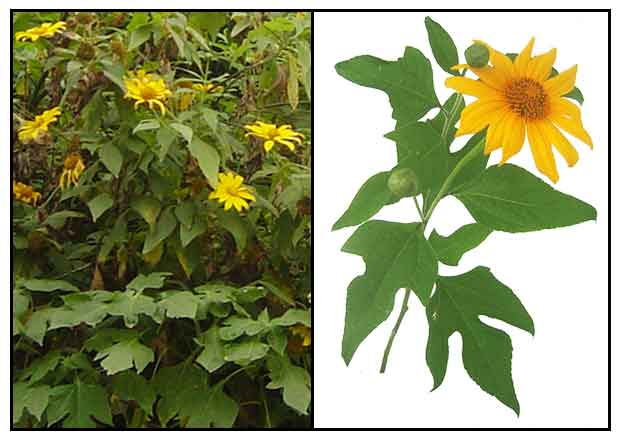
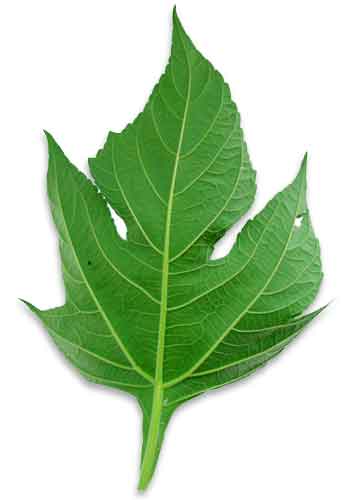
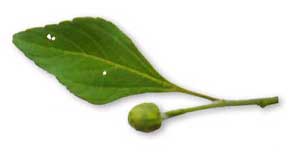
Wild sunflower is a robust herbaceous and bushy perennial that grows up to 3 meters tall. Branches are stout, almost glabrous. Stems are hollow, slightly ridged. Leaves are grayish green, alternate, petioled, membranaceous, ovate to orbicular, 2 to 10 centimeters long, entire or 3- to 5-lobed, finely hairy, with toothed margins. Flower heads are yellow, large, daisy-like, on peduncles 7 to 30 centimeters long. Petals are 7 to 15, bright yellow, 4 to 7 centimeters long and 9 to 16 millimeters wide, with three small teeth at the tips. Center of the flower heads have about 80 to 120 tiny tubular florets surrounded by several rows of green bracts. Seeds are 4 to 8 millimeters long and topped with a ring of scales and two awns, blackish in color, and somewhat four-angled.
Distribution
Introduced to the Philippines as an ornamental.
Has escaped cultivation to become a weed in waste places.
 Constituents Constituents
- Leaf oil showed an abundance of a-pinene (32.9%), b-caryophyllene (20.8%), germacrene D (12.6%), b-pinene (10.9%), and 1,8-cineole (9.1%).
- Flower oil yielded germacrene D (20.3%), b-caryophyllene (20.1%) and bicyclogermacrene (8%).
- Study of essential oil of flowers yielded forty-five components. The major constituents were α- pinene, β-caryophyllene, β-pinene, germacrene D and 1,8-cineole, 34.42%, 22.34%, 11.14%, 11.13% and 8.76% respectively.
(18)
- Phytochemical screening of flowers yielded phenolic compounds (tannins, flavonoids, and total phenols), with no alkaloids and saponins. (see study below) (23)
- Study isolated two new monterpenes 1S,2R,3R,5S)-2-hydroxymethyl-6,6-dimethylbicyclo[3.1.1]heptane-2,3- diol (1) and (3R)-6,6-dimethyl-4-methylenebicyclo [3.1.1]heptane-1,3-diol-3-O-β-D-glucopyranoside (2) together with three known compounds, namely, sobrerol (3), (1R,2S,5S)-2,8-p-menth-diol (4) and (lR,5S)-10- hydroxyverbenon (5). (see study below)
(26)
- Hydrodistillation study and GC-MS characterization of flowers for essential oil yielded
45 compounds with major constituents of α-pinene (34.42%), β-caryophyllene (22.34%), β-pinene (11.14%), germacrene D (11.13%), and 1-8-cineole (8.76%). (see study below) (30)
- Phytochemical screening of leaf extracts yielded phenolics +++, flavonoids +++, tannins +++, alkaloids +, and saponins ++. UPLC/MS analysis of active fractions yielded tagitinin A (molecular weight at 369.19 M+H+) as a major compound. (35)
- Phytochemical screening of stems yielded saponins ++. tannins ++, flavnoids +, cardiac glycosides ++. with absence of alkaloids and anthraquinones. (36)
- Proximate analysis of stems yielded moisture 20.6%, total ash 6.55%, acid insoluble ash 0.33%,
and sulphated ash 14.0%. Nutrition analysis yielded protein 9.62%, fat 4.21%, fiber 15.82%, and carbohydrate 70.35%. (36)
- Study of aerial parts isolated three new sesquiterpenoids – 2a-hydroxytirotundin (1), tithofolinolide (2), and 3a-acetoxydiversifolol (3), along with 8 known sesquiterpene lactones, along with eight known sesquiterpene lactones, 3β-acetoxy-8β-isobutyryloxyreynosin (4), tagitinin C (5), 1β,2α-epoxytagitinin C (6), 4α,10α-dihydroxy-3-oxo-8β-isobutyryloxyguaia-11(13)-en-12,6α-olide (7), 3α-acetoxy-4α-hydroxy-11(13)-eudesmen-12-oic acid methyl ester (8), 17,20-dihydroxygeranylnerol (9), tagitinin A (10), and tirotundin (11). (see study below) (7)
Properties
- Considered pesticidal, antimalarial, analgesic, anti-inflammatory, anti-diarrheal, anti-spasmodic, vasorelaxant, chemopreventive.
- Studies have suggested antimicrobial, analgesic, anti-inflammatory, antidiabetic, chemopreventive, hepatoprotective, repellent, antimalarial, anti-diarrheal, antiemetic, radical scavenging, phytoremediative, biolarvicidal properties.
Parts used
Leaves
Uses
Folkloric
- No reported folkloric medicinal use in the Philippines.
- In Central America, leaf extracts are used externally for the treatment of wounds and hematomas.
- Used for treatment of abscesses, infections, snake bites, malaria, and diabetes.
- In Africa, infusion used for constipation, indigestion, sore throat.
- In Venezuela, used for treatment of abscess. In Mexico, used for treatment of malaria, hematomas, and muscular pain. In Taiwan, used for diabetes. In Kenya, used for malaria and as antidote for snake bite and to treat ectoparasites in cattle. (35)
Others
- Pesticide: In Uganda, used by farmers for field and storage pest management. (13)
- Fodder: Leaves, soft branches, and flowers considered to have high nutritive-quality index. (13) Study evaluated the potential of T. diversifolia as feed supplement in dairy cows. (see study below) (41)
- Fuel: Used as firewood.
- Pulp and papermaking potential: See study below. (41)
Studies
• Analgesic / Anti-Inflammatory: Study of methanol extract of dried leaves of TD produced dose-related inhibition of carrageenan-induced paw edema and cotton pellet-induced granuloma in rats. The analgesic effect was observed with hot plate latency assays. Results confirm the traditional use of TD for the treatment of painful inflammatory conditions. (1)
• Toxicity Studies:. Study results on the aqueous extracts of TD leaves suggest it may have adverse effects on the functions of the liver, heart and kidney. (3) Study of a 70% methanol extract showed a dose- and time-dependent toxic effect. Used in mice to reduce parasitemia with Plasmodium, the observed kidney and liver toxicity at the lowest dose tested, although reversible, raises concern over the safety of the use of the plant extract against malaria
 • Sesquiterpene Lactones / Anti-Inflammatory / Antibacterial: The main sesquiterpene lactones of species growing in Costa Rica – diversifolin, diversifolin methyl ester and tirotundin – were studied for their anti-inflammatory activity. Results showed inhibitory activity of the 3 compounds, attributed to aklation of cysteine residues. Diversifolin was also found to have antibacterial activity, moderately active against B subtilis. • Sesquiterpene Lactones / Anti-Inflammatory / Antibacterial: The main sesquiterpene lactones of species growing in Costa Rica – diversifolin, diversifolin methyl ester and tirotundin – were studied for their anti-inflammatory activity. Results showed inhibitory activity of the 3 compounds, attributed to aklation of cysteine residues. Diversifolin was also found to have antibacterial activity, moderately active against B subtilis.
(2)
• Antimicrobial / Leaves: Chemical analysis of the leaf of Tithonia yielded sesquiterpene lactones, e.g. Tagitinin which possess insecticidal properties. Study showed it possessed antimicrobial activity, active against both gram-positive and gram-negative bacteria, with activity against S aureus, E coli and P aeruginosa, suggesting they can be used in treating gastrointestinal infections, skin diseases and urinary tract infections in man. (5)
• Anti-Diabetic: Study on an 80% ethanol extract of TD showed reduction of blood glucose in KK-ay mice 3 weeks after a single oral dose, also significantly lowering plasma insulin, decreasing blood glucose in an insulin tolerance test. Results suggest it may be useful for the treatment of type2 diabetes. (6) Study yielded two new monoterpenes along with three known compounds. Compounds 1 and 3 significantly increased glucose uptake in 3T3-L1 adipocytes without significant toxic effects in vitro. (see constituents above) (26) Antihyperglycemic studies showed significant activity in reducing levels of blood glucose, total cholesterol, triglyceride and LDL and increasing HDL cholesterol in alloxan-induced diabetic mice. Phytochemical studies identified three sesquiterpenes and two monoterpenes that significantly increased glucose uptake in 3T3-L1 adipocytes without toxic effects in vitro. (33)
• Sesquiterpenoids / Potential Cancer Chemopreventive / Aerial Parts: Study of aerial parts isolated three new sesquiterpenoids – 2a-hydroxytirotundin, tithofolinolide, and 3a-acetoxydiversifolol, along with 8 known sesquiterpene lactones. Among the isolates, 2 compounds showed significant antiproliferative activity, 3 compounds induced HL-60 cellular differentiation, one significantly inhibited lesion formation in the mouse mammary organ culture assay. (see constituents above) (7)
• Antimicrobial / Germacranolide-type Sesquiterpene Lactone / Leaves: Results indicate the non-polar leaf extract of T diversifolia could be useful in the treatment of some disease conditions and the sesquiterpene lactone is a potential candidate as a phytotherapeutic agent against some bacterial infections. (8)
• Anti-Inflammatory / Hepatoprotective: Results indicate the treatment with a water extract of the aerial part of T diversifolia decreased paw edema induced by carrageenan, with reduction of the elevated liver enzymes, with improvement in the pathologic hepatic changes caused by carbon tetrachloride. (9)
• Anti-Malarial / Repellant: The aqueous and methanolic extracts had 50% and 74% clearing of parasites respectively, compared to 100% for chloroquine, more effective when administered at the onset of infection, suggesting a time-dependency of the anti-malarial effects. On mosquitocidal repellency, although the volatile oil extract showed higher repellent effect on Anapholes gambiae, its repellant and protective effects on all the other species of mosquito can not be underestimated. (11)
• Repeated-Dose Toxicological Studies: Study evaluated an aqueous extract of leaves for repeated-dose toxicity. The AE is composed of both STLs (sesquiterpene lactones) and CAs (chlorogenic acid derivatives). Results showed alterations in hematological parameters and few alterations in biochemical parameters. Although relatively safe in lower doses (100 mg/kg), the polar extract and extract rich in STL exhibited several adverse effects in the liver and kidneys. (14)
• Anti-Diarrheal / Acute Toxicity Study / Leaves: Study of an aqueous extract of T. diversifolia leaves in rats showed remarkable anti-diarrheal effect in castor oil-induced diarrhea model, castor oil-induced enteropooling and gastrointestinal transit time models in rats. On acute toxicity study, the aqueous extract of leaves may be regarded as safe with a remote risk of acute intoxication and sedation at high doses between 5,000 mg/kg and 10,000 mg/kbw. (Toxicity study results are in contrast with study on aerial parts that showed kidney and liver toxicity at lowest dose. Elufioye et al., 2009) (15)
• Radical Scavenging / Adipogenesis of Mesenchymal Cells: Study provided evidence that T. diversifolia had health promoting properties, resulting both from free radical scavenging activity and induction of protective cellular systems involved in cellular stress defenses and in adipogenesis of mesenchymal cells. (16)
• Potential as Organic Foliar Fertilizer: Study evaluated the potential of T. diversifolia as organic foliar fertilizer using pechay as experimental plant. Results showed a mixture ration of 1.5 kg leaves: 1L H2O yielded the highest pechay plant weight. Findings suggest a potential to test it as foliar fertilizer in other plants. (17)
• Antibacterial / Isolates from Wound Infections: Study of various extracts of T. diversifolia leaf on bacterial isolates from wound infections, including S. aureus, non-coagulase Staphylococcus, Pseudomonas, Proteus and Mirabilis sp, showed promising broad spectrum antibacterial effect on human pathogens. (19)
• Biosorption of Nickel: Study investigated T. diversifolia as a novel biosorbent for nickel from solutions. Results showed an unmodified biomass removed over 70% of the nickel content of a solution, whereas NaOH modification increased the adsorption to over 77%. (20)
• Phytotoxins: Reports suggest tat T. diversifolia produces allelochemicals that interfere with the development of surrounding plants. Study was conducted to identify compounds that have phytotoxic activity in TD extracts. Various extracts of leaves, stems, and roots showed significant inhibition of wheat coleoptile growth and a leaf extract showed inhibitory effects to a commercial herbicide. Study isolated fourteen compounds, 12 of which were sesquiterpene lactones. 1ß-methoxydiversifolin (compound 6), tagitinin A (7), and tagitinin C (8) were major products. (21)
• Antibacterial Soap: Study evaluated Tithonia diversifolia, Aloe secundiflora, and Azadirachta indica in the making of herbal soaps, and tested for growth inhibition of E. coli and Candida albicans. Tithonia diversifolia exhibited the highest inhibitory effect on the test bacterial strain, but least inhibition against C. albicans. (22)
• Antioxidant / Flowers: Study evaluated the antioxidant activity of extracts of dried flowers of T. diversifolia. Phytochemical screening yielded phenolic compounds: tannins, flavonoids and total phenols. Results showed strong antioxidant activity. (23)
• Antifibrotic Effect on Keloid Fibroblasts: Keloid formation is abnormal wound healing characterized by massive fibroblast proliferation and excessive collagen accumulation. Study evaluated the potential of TD as an antifibrotic agent. Results showed concentration and time dependent inhibition of keloid fibroblast culture proliferation and inhibition of collagen deposition. (24)
• Antiemetic / Leaves: Study evaluated the antiemetic effect of methanolic extract of leaves using chick emesis model. Results showed significant antiemetic effect, compared with reference drug chlorpromazine. (25)
• Larvicidal / Culex sp Larvae / Leaves: Culex sp. is a mosquito vector that can cause filariasis. Study evaluated the larvicidal effects of Tithonia diversifolia water extract against Culex larvae. Results showed a larvicidal effect on Culex sp larvae, although not as effective as Abate™. The leaf presents as a potential alternative larvicide. (27)
• Biolarvicidal / Myiasis / Leaves: Myiasis or "belatungan" is the infestation of live human and vertebrate animal tissue with dipterous larvae, Chrysomya bezziana. Study evaluated a methanol extract of leaves against various stages of C. bezziana larvae. Results showed a 1% extract was the most effective concentration able to kill the larvae and decrease the pupae weight. Authors suggest an in vivo evaluation in infested livestock. (28)
• Biosorption / Lead Binding: Study evaluated the adsorption capacity, pH-profile and time-dependency studies using biomass of T. diversifolia. Results showed good adsorption capacity, with 96% of lead content of water adsorbed in the first five minutes of interaction. (29)
• Antimicrobial / Essential Oil / Flowers: Study extracted essential oil from flowers by hydrodistillation and evaluated for antibacterial and antifungal activities. Results showed antibacterial activity in the order of E. coli > P. mirabilis > B. megaterium > K. pneumonia > B. cereus > S. pyogenes. The EO inhibited growth of all three tested fungal species i.e., Cochliolobus lunatus, Fusarium solani, and F. lateritum. (see constituents above) (30)
• Antioxidant / Antiadipogenic Activity / Leaves : Study evaluated the total phenolic, flavonoid contents, and free radical scavenging activity by in vitro plasma lipid peroxidation of aqueous, methanol, and dichlormethane extracts of leaves. The aqueous extract showed highest total phenolic content and total flavonoid content (52 mM gallic acid and 59 mM catechin, respectively). Results showed health promoting properties attributed to its free radical scavenging activity and induction of protective cellular enzyme systems involved in cellular stress defenses and in adipogenesis of mesenchymal cells. The ability to inhibit adipocyte differentiation may be due to activation of AMPK. Study suggests intake of natural preparations of T. diversifolia might lower risk of atherosclerosis, inflammation, ageing, ischemic reperfusion injury and neurodegenerative diseases. (31)
• No Anthelmintic Activity / No Cytotoxicity: Study evaluated the anthelmintic effects of T. diversifolia against adult Haemonchus contortus worms. Results showed T. diversifolia was not effective against adult Haemonchus contortus worms based on egg count and postmortem worm counts reduction tests. On brine shrimp toxicity study, the plants did not show acute toxicity with a high LC50 of 585 ug/ml. (Acute toxicity to biological systems would be C50 values of not more than 20 ug/ml.) (32)
• Antiflea Activity / Toxicity Study / Flower: Study evaluated the antiflea activity and safety of Tithonia diversifolia and Senna didymobotrya. Activity was compared with those of pyrethrum flowers. Antiflea activity was evaluated using fleas from dogs. Tithonia diversifolia flower extract showed antiflea activity (93.3%) which was similar to that of pyrethrum flowers. Acute toxicity study using OECD guidelines showed it was only slightly toxic with LD50 above 10,000 mg/kbw. Results suggest further studies and potential for the control of Tunga penetrans infestation in humans. (34)
• In Vitro Cytotoxicity: Cytotoxicity testing of solvent extracts was done against Vero monkey kidney cells using MTT colorimetric assay. In the study, extracts with selectivity index (LC50/MIC) above 10 were regarded as non-toxic, between 1 and 9 as less toxic and more active, and below 1 as toxic. Results showed all extracts of T. diversifolia were toxic with IC50 values far lower than 0.1 mg/ml, except for the hot water extract with LC50 of 0.275 mg/ml. (35)
• Genotoxicity Test: In the Ames test, a sample is considered mutagenic or genotoxic if revertant colonies of the test sample double the colonies of negative control, or if there is dose dependent increase in the number of colonies with the sample. Genotoxicity testing on T. diversifolia samples using the Ames test did not show genotoxic effect. Although it showed toxic effects on cytotoxicity study, it was not mutagenic in the Ames test. (35)
• Hypoglycemic / Antioxidant / Leaves: Study evaluated the antioxidant and anti-hyperglycemic properties of Tithonia diversifolia aqueous extract of leaves in alloxan-induced diabetic mice. Results showed a total phenolic content and total antioxidant capacity of 55.92 GAE mg/g dw and 93.00 uM TEAC/mg dw, respectively. At 500 mg/kbw, the extract significantly reduced blood glucose level on OGTT in normal mice and significantly decreased glucose levels, TC, triglycerides, LDL and increased HDL cholesterol in alloxan induced diabetic mice. (37)
• Antiscabies / Leaves: Study evaluated the fresh leaf extract from Tithonia diversifolia for antiscabies effect in rabbits. A water extract of fresh leaves at highest concentration (300 g fresh leaves in 100 ml water) gave the best results in treating scabies. The results were similar to that achieved with Ivermectin. (39)
• Anti-Trypanosomal / Leaves: Study evaluated an ethanol leaf extract of Tithonia diversifolia for in-vitro and in-vivo activity against Trypanosoma brucei brucei in albino rats. The LD50 of the plant extract was equal to or greater than 5000 mg/kbw. The ethanol extracts showed high invitro and invivo antitrypanosomal activity compared to the reference drug. (40)
• Pulping and Paper Making Potentials / Stems: Study evaluated the pulping and paper making potential of matured stems from T. diversifolia. Fibers measured on parameters of Runkel ration, flexibility coefficient, and slenderness ratio/felting powers yielded 0.85, 54.75, and 46.86, respectively. Results suggested mature stems can be harnessed as an alternative sourc3e of raw material for pulp and paper production. Study suggested controlled and large scale cultivation of the plant to meet the demand of pulp and paper making industry. (41)
• Supplementary Feed for Dairy Cows: Study evaluated the effects of Tithonia diversifolia as supplementary forage on dairy cow performance and methane production. The replacement of up to 20.8% of sugarcane and up to 11.4% of concentrates (DM basis) with T. diversifolia had no effect on DMI, milk production or composition, N balance, or CH4 production. Study suggests T. diversifolia can be sued as a suitable feed ingredient by replacing forage and concentrates without negative effects on performance and methane production in dairy cows under these experimental conditions. (42)
• Anti-Ulcer / Tagitinin C: Study evaluated the gastroprotective activity of T. diversifolia in an ethanol-induced gastric ulcer in male Wistar rats. Results showed gastroprotective activity, with the dichlormethane extract exhibiting highest activity (90% at doses between 10 to 100 mg/kg). The compound tagitinin C, isolated from the extract, was the main gastroprotective agent. Study suggests the gastroprotective mechanism does the involve NO, sulfhydryl groups, or prostaglandin. (43)
Availability
Wild-crafted. |