|
 Gen info Gen info
- The family Arecaceae includes 181 genera and 2,600 species with a high diversity in physical characteristics. Of these, Areca catechu is the most studied species.
- Areca is a genus of 51 species of palms in the family Arecaceae, found in the humid tropical forests of the Philippines and Malaysia, and across Southeast - The family Arecaceae includes 181 genera and 2,600 species with a high diversity in physical characteristics. Of these, catechu is the most studied species.
- Areca is a genus of 51 species of palms in the family Arecaceae, found in the humid tropical forests of the Philippines and Malaysia, and across Southeast Asia to Melanesia.
The best known species in the genus is A. catechu, the areca nut palm. (19)
-
Areca nut is the fourth most commonly used psychoactive stimulant substance in the world, chewed regularly by more than 600 million, with high prevalences in South and Southeast Asia.
- Malaysia, India, and Bangladesh are the world's largest annual producers.
- Ancient: As traditional medicine, areca nut is ancient: used as early as about A.D. 25-220. It has recorded use as anti-parasitic medicine in Chinese book YaoLu in AD 220-265, for miasma in HelinYulu, AD 1127-1279.
- Etymology: Areca derives from Dravidian languages, cognates of which are: Malayalam, romanized - ataykka; Kannada, romanized - adike; tamil, romanized - adaikkay.
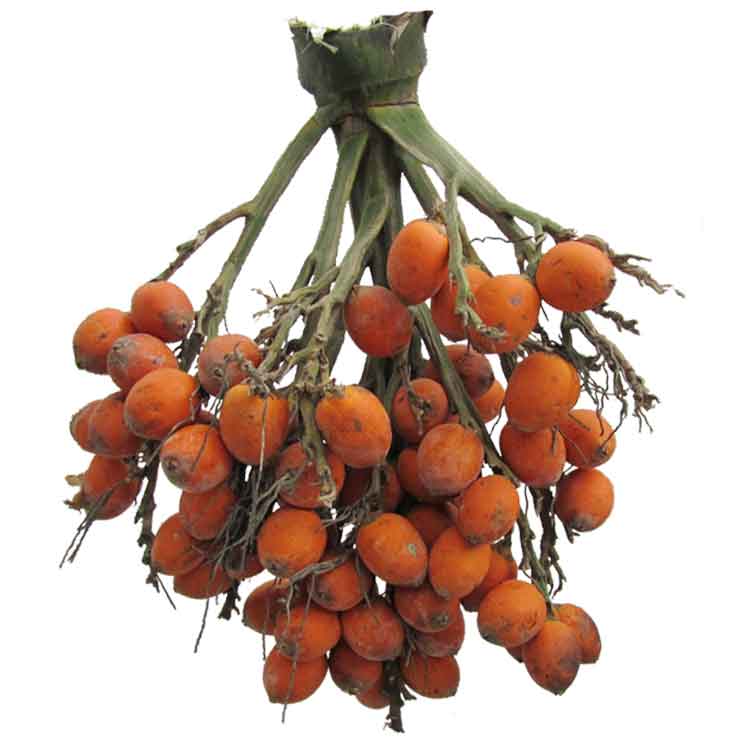
- The areca nut is not a true nut, but rather the seed of the fruit categorized as a berry, and is sold in dried, cured, and fresh forms. When the husk of the fresh fruit is green, the nut is soft enough to cut with a knife; when the fruit is ripe, the hust is yellow or orange, and the fruit hardens to a wood-like consistency that is sliceable. (74)
Botany
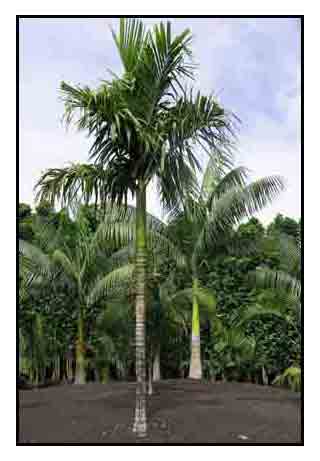
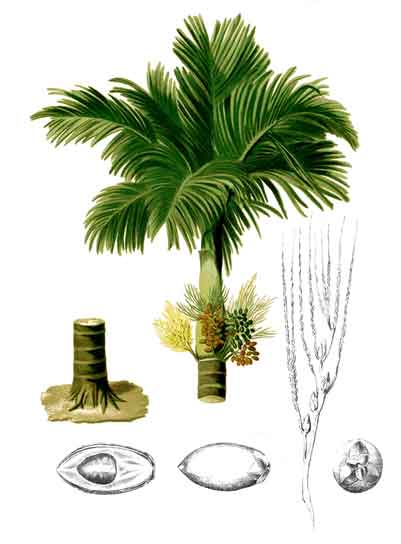
• Bunga is an erect, solitary
tree growing to 25 meters high, and marked with annular scars. Leaves about
3 to 4 meters long with numerous leaflets, 60 to 90 centimeters long, the upper ones confluent. Spadix
is much branched and compressed, with the branches filiform above, bearing very numerous, somewhat distichous male flowers which are yellow and about 5 millimeters long. Female flowers are at the base of the branches and in axils, about 1 centimeter long or more. Fruits are ovoid, smooth, orange
or red when ripe; 4 to 6 centimeters long, with a somewhat fleshy pericarp and fibrous
mesocarp.
Distribution
- Native to the Philippines.
-
Cultivated throughout
the settled areas of the Philippines.
-
Spontaneous in some places.
- Introduced into Andaman Is., Assam, Bangladesh, Bismarck Archipelago, Borneo, Cambodia, Caroline Is., China South-Central, Comoros, Dominican Republic, East Himalaya, Fiji, Guinea, Hainan, Haiti, India, Jamaica, Jawa, Laos, Leeward Is., Lesser Sunda Is., Malaya, Maldives, Maluku, Marianas, New Guinea, Nicobar Is., Puerto Rico, Santa Cruz Is., Society Is., Solomon Is., Sri Lanka, Sulawesi, Sumatera, Taiwan, Thailand, Trinidad-Tobago, Vanuatu, Vietnam
 Constituents Constituents
• First seed analysis was reported to have been performed in 1886 by Bombelon, who isolated a liquid volatile alkaloid given the name arecaine.
• Alkaloids - arecaine,
0.1%, arecoline, 0.2%, arecaidine, arecolidine, guvacoline, guvacine,
isoguvacine; tannin, 15%; red fat, 14%; resin; choline; catechu.
• An analysis of Philippine betel nuts reported the tannin to be located almost entirely in the kernel; the husk containing only traces. As the green nut ripens, the amount of tannin in the kernel decreases.
• The kernel yields gallic acid and a gum.
• Fruit flesh on seed contains the alkaloid arecoline with psychoactive
properties and chewing produces euphoria, increased alertness, sweating,
salivation.
• Contains a large quantity of tannin. Also contains gallic acid,
a fixed oil gum, a little volatile oil and lignin.
• Study yielded arecholine, choline, arecaine, aricaidine, catechu, guavacin and α-catechin.
• The tannin is located almost entirely in the kernel which decreases
as the nut ripens.
• Four alkaloids: arecoline, arecain, guracaine and another in very small
amounts.
• Arecoline resembles pilocarpine and muscarine in its effect.
• Other alkaloids in betel nut are arecaine, guvacoline and guvacine.
• Also contains phenolic compounds: hydroxychavicol and saffrole 12,
tannin, resin, cholic and catechu.
• Phenolics are mainly distributed in the roots, followed by fresh unripe fruits, leaves, spikes, and veins, while alkaloids are in the oder of roots, fresh unripe fruits, spikes, leaves and veins. (56)
* Study of 95% ethanol extract of fruit yielded 13 compounds: isorhamnetin (1), quercetin (2), liquiritigenin (3), 5,7,4'-dihydroxy-3'5'-dimethoxyflavanone (4), (+)-catechin (5), resveratrol (6), ferulic acid (7), vanilic acid (8), 5,8-epidioxiergosta-6,22-dien-3beta-ol (9), stigmasta-4-en-3-one (10), beta-sitosterol (11), cycloartenol (12), and de-O-methyllasiodiplodin (13).
(66)
 Properties Properties
• Saliva-stimulating, digestive.
•
Young seeds are laxative.
• Vermifuge mature seeds for expelling tapeworms.
• Young nuts astringent from the tannic and gallic acids.
• Young nut is succulent and sweet-tasting; the mature one, bitter and savory.
• Effect may be stimulating, described by some as similar to a mild amphetamine dose.
• Fresh nut is somewhat intoxicating and produces giddiness in some persons. This was reported as early as 1563 in Malacca by Garcia de Orta.
• Dried nut is stimulant, euphoriant, astringent, taeniafuge, antibacterial, antioxidant, antiseptic, wound healing, antifertility, abortifacient, hypoglycemic, hepatoprotective.
• Increases the flow of saliva, sweetens the breath, strengthens the gums and produces mild exhilaration.
• Aromatic, cooling, emmenagogue, purgative, digestive, diuretic, laxative,
astringent, antifungal, antibacterial, anti-inflammatory, antioxidant.
• Considered anticonvulsant, oxytoxic, antifertility, anthelmintic, antiviral, antiulcer.
• Arecholine is a highly toxic substance, and its pharmacologic action resembles that of muscarine, pelletierine and pilocarpine. It violently stimulates the peristaltic movements of the intestine, produces constriction of the bronchial muscles which can be overcome by adrenaline or atropine. It is a powerful sialagogue and stimulates sweat secretion.
• Arecholine considered to have wound healing activity; also considered anthelmintic.
• After years of use, betel chewers may develop a red stain of the mouth, teeth, and gums. (see: Nga-nga)
• Studies have suggested antioxidant, salivary-stimulating, wound healing, anti-aging, antioxidant, anti-inflammatory, analgesic, hepatoprotective, colonic motility, anti-fatigue, abortifacient, molluscicidal, appetite-inducing, anthelmintic, antimicrobial, ocular pressure-reducing properties.
Parts
used
Kernel, fruit, bark, shoots.
 Uses Uses
Edibility
· Cabbage (ubod)
is edible, raw as salad or cooked.
· The fruit is the main ingredient of betel quid.
Folkloric
· In the Philippines, the buyo is regarded as tonic and general stimulant, but harmful with excessive use which can cause loss of appetite, salivation, and general degeneration of the organism.
· Fruit in decoction considered abortifacient, the nut as an emmenagogue.
· Tender seeds used as purgative; grated ripened ones as vermifuge. Externally used as astringent.
· Sprains, bruises,
contusions - Crush leaves, mix with a little coconut oil, warm and apply
on affected area.
· Tooth whitener: Carbonize and powder a kernel and rub on teeth.
· Tapeworm infestation: 1 glassful of 5% decoction as enema to
be retained for one hour. Also, decoction of kernels boiled 20-30 minutes;
for less than 12 years of age, 6 kernels (30 g); over 12 years old,
10-12 kernels (50-60 g); for adults, 16-18 kernels (80-90 g). The bunga
may be mixed with kalabasa, boil for 1 hour, maintaining 2-glass volume
for oral intake.
· In excess, nuts can cause vomiting and diarrhea; intoxicating
to some.
· Young nut is useful in bowel complaints. Tincture used as astringent gargle, and when diluted with water, useful for bleeding gums and may be used for stopping water discharges from the vagina. It is also used for stopping the pyrosis (heartburn) of pregnancy.
· Dried nut is stimulant, astringent and taeniafuge. It increases the flow of saliva; sweetens the breath, strengthens the gums and produces mild exhilaration.
· Fruit in decoction considered abortifacient.
· In Ayurvedic medicine, the nut
is used for headaches, fever and rheumatism.
· In China, used to treat parasitic infection. Also, used for dyspepsia, constipation, beriberi and edema. The bark is used for choleraic affections, for flatulence, dropsical and obstructive diseases of the digestive tract.
 · Ointment made from finely powdered catechu and lard used for chronic ulcerations. · Ointment made from finely powdered catechu and lard used for chronic ulcerations.
· In southern India, dried fruits are powdered and heated with coconut oil and applied topically on burns.
· Fruit mixed with juice of Commelina benghalensis and stem juice of Canna indica and applied topically on wounds
· In Malaya, young green shoots are used as abortifacient in early pregnancy.
· In India, juice of young leaves mixed with oil is used externally for lumbago. Also used for urinary disorders and reported to have aphrodisiac properties.
· In traditional medicine n India, nut used in treating skin ulcers.
· In Keral and Tamil Nadu states of India, nut extract is a popular remedy for migraine headaches.
· In the rural areas of Dakshima, Kannada, husk fibers are used for cleaning teeth.
· In India and China the areca nut has been used as anthelmintic since time immemorial.
· In the Materia Medica of ancient China, the betel nut is considered masticatory, dentrifice, and vermifuge.
· In Indo-China, Punjab, and Cashmere, the kernel of the fruit is one of the constituents of the general masticatory of the East - the "betel" or pan.
· In India powdered dried fruit heated in coconut oil applied topically to burns. Fruits of A. catechu mixed with juice from stems of Canna indica and applied for wound healing. (71)
Others
· Betel chewing: In the Philippines, as well as in Indo-Malayan and Polynesian regions, the Areca nut is extensively used for chewing with lime and ikmo leaves (Piper betel) or litlit (Piper
retrofactum). Betel nut chewing is addictive due to the presence of the stimulant arecoline. (see: nga-nga) (see concerns below)
· Poison: In the Dutch East Indies the root is shredded, steeped in water and pounded to extract the juice, and used as poison in food or drink.
· Religion and social rituals: Areca nuts are traditionally used in religious rituals and social ceremonies. In Thailand, trays of sliced tender areca nut and betel leaves are sold in markets and used as offerings in Buddhist shrines. In Hindu weddings, they are exchanged during the ceremony and symbolize long-lasting marriage. In various Asian cultures, areca nuts are offered to guests as sign of respect and hospitality. In some parts of India, the nut paired with with betel leaves symbolize love, and also used in love potions. (19) (74)
Studies
• Antioxidant: It has been long believed that the areca seed is a carcinogen causing
buccal cancer, an effect that comes from N-nitrosoamine from chewing.
The study also showed the seed has strong radical-scavenging antioxidant
benefit. The water and methanol extracts of the seeds in various ages show a higher % tannin and total phenols than other parts of the tree extracts. (2)
• Wound Healing: Study on different wound models in
Wistar rats showed
the alkaloid and polyphenols could be used to enhance healing of skin
graft surgery, leg ulcers and burn wounds. (3)
• Anti-Aging / CC-516 Extract: A study showed that Areca catechu extract (CC-516)
had anti-aging effects – improving skin hydration, skin elasticity
and skin wrinkles suggesting a potential use for cosmetics. (4)
• Anti-Schizophrenic Effects:(1) Study results indicate that betel chewing may exert a beneficial effect
on the primary symptoms of schizophrenia, attributed to the pharmacologic
effect of the abundant betel nut alkaloid, arecoline. (2) Study results indicate betel chewing is associated with less severe symptoms of schizophrenia. (5)
• Effects on Symptoms of Schizophrenic: Male high-consumption betel chewers had significantly milder positive symptoms than low-consumption chewers over 1 year. Betel chewing was associated with tobacco use but not with cannabis or alcohol. It was not associated with global health, social functioning or movement disorders. (12)
• Betel Quid Effects: (1) Areca alkaloids act as competitive inhibitors of g-aminobutyric acid receptors in the brain, cardiovascular system and pancreas, possibly increasing the appetite or altering insulin secretion. (2) BQ components induce keratinocytes to secrete tumor necrosis factor-a (TNF-α) and interleukin-6 which may provoke chronic inflammation. The muscarinic action of arecoline, the most abundant betel nut alkaloid, is the most promising pharmacologic explanation for the beneficial effect.
• Nitrosated Compounds / Arecal Alkaloids / Diabetogenic / Metabolic Effects: Nitrosated derivatives of arecal alkaloid, proven carcinogens in animals, also increase the risk of tumors in man. Nitrosated compounds are also diabetogenic in mice producing type2 diabetes with central obesity with increases in markers of inflammation and cardiovascular damage.
• Metabolic Syndrome Association: Report shows BQ chewing has detrimental effects on selected components of the metabolic syndrome and induction of inflammatory cytokines and factors, possibly increasing the risks for the development of the metabolic syndrome. Study showed a higher incidence of central obesity, hypertriglyceridemia, dysglycemia and metabolic syndrome among betel quid chewers than non-chewers. (6)
• Anti-Inflammatory / Analgesic / Free Radical Scavenging Activity: Study on A. catechu showed an anti-inflammatory effect on carrageenan-induced edema in mice and rats. On analgesic activity, the crude extract showed a dose-dependent inhibitory effect on formalin-induced nociception in mice and acetic acid-induced writhing in rats, similar to aspirin. In DPPH assay, it showed free radical scavenging activity. (10)
• Reducing Power / Antiradical Activity: In the study, the methanolic extract of A. catechu exhibited strong antiradical activities and reducing power. The extract yielded a significant amount of phenols and flavonoids.
• Cirrhosis and Hepatocellular Cancer Risk in Betel Chewers: Study showed an increased risk of cirrhosis and hepatocellular cancer among betel chewers free of hepatitis B/C infections. Risks were synergistically additive to those of hepatitis B/C infections. (13)
• Hepatoprotective / Antioxidant: Study showed aqueous extracts from seeds of A. catechu and nutgalls of Quercus infectoria exhibited potent antioxidant and anti-inflammatory activities. Treatment of rats reversed oxidative damage in hepatic tissues induced by CCl4.
• Anti-Fatigue Effects: Study showed the water and methanol extracts of A. catechu and betel quid could prolong swimming time of mice, decrease the concentration of serum nitrogen and lactic acid, increase the liver glycogen content of mice after swimming.
• Arecoline / Colonic Motility Effects: Study showed arecoline enhanced the contraction of the longitudinal smooth muscle rat colon in a dose-dependent manner. Results suggest that arecoline increases colonic motility via the M3 receptor, which depends on the influx of Ca2+.
• Anovulatory / Abortifacient Effects: Study of ethanol extract of A. catechu showed a significant decrease in the duration of estrus and a significant increase in proestrus. In the evaluation of its abortifacient effect, the mean percentage of abortion was significantly increased.(17)
• Molluscicidal: Studies have shown strong molluscicidal activity against harmful snails for control of fascioliasis. (21)
• Suppression Effects on Naloxone-Precipitated Morphine Withdrawal: Study showed the dichlormethane fraction was effective in alleviating withdrawal jumping in morphine-dependent mice, one of the most common signs used to assess the severity of morphine withdrawal. The fraction also inhibited MAO-A and acted as anti-depressant, increasing bioavailability and enhanced neurotransmission of monoaminergic, serotonergic and noradrenergic systems in the brain. Activation of these systems reduce the severity of opiate withdrawal. (18)
• Antioxidant / Seeds: Study showed the antioxidant activities of water and methanolic extracts of seeds using DPPH assay showed greater inhibition than root and adventitious root. The methanolic extract of unripe seeds showed higher phenolic and total flavonoid content than other parts. Results showed areca nut extracts to have the potential to prevent oxidative damage in normal cells.(23)
• Memory and Learning Benefits / Arecoline: Study evaluated the effect of wet and dry A. catechu extracts on learning and memory in rats. Wet A. catechu extract showed greater increase in spatial memory and learning. The effect was attributed to a higher amount of arecoline in the wet extract.(24)
• Burn Wound Healing / Ointment Formulation / Kernel : An ethanolic extract of kernel was prepared into a 2% ointment form and evaluated in a rat model with induced burn wounds. Results showed significant increase in wound contraction rate. (25)
• Antifertility Effect: Study evaluated the antifertility effect of an alcoholic A. catechu in male albino rats. Results showed dose-dependent 50% to 100% reduction in fertility at 300 to 600 mg/kg bw doses respectively.. Testes histology showed reduction in secondary spermatocytes and spermatids, reduction in Leydig cells and increase in diameter of seminiferous tubules. (26)
• Antifungal / Oral Cleansing: Study evaluated husk fibers for antimicrobial properties against common oral pathogens. An alcoholic extract of husk fibers showed dose-dependent inhibitory effect against Candida albicans. Alcoholic and aqueous extracts did not show significant antibacterial activity. The practice of using husk for routine oral care probably improves oral health through mechanical cleansing rather than an antimicrobial effect. (27)
• Anti-Migraine Potential: Study showed a nut extract exhibited significant inhibition of iNOS, possibly the mechanism for its anti-migraine activity, giving some support for its folkloric use. (28)
• Antidepressant Activity: Study evaluated the antidepressant activity of A. catechu nut ethanol extra ct. The nut extract and aqueous fractions exhibited antidepressant activity in both acute and sub-chronic forced swim tests. Saponins of the areca nut was considered the active component for the antidepressant action. Sub-chronic treatment with extract caused toxic effects, whereas active aqueous fractions causes no toxicity, Results conclude the nut possesses potential antidepressant effect through elevation of serotonin and adrenaline. (29)
• Anti-Diabetic Activity: Study evaluated several extracts of A. catechu leaf in Wistar rats with streptozotocin-induced diabetes. All the extracts significant exhibited anti-diabetic activity; the methanol extract was the most active. (30)
• Airborne Areca Catechu Pollen and Asthma: Study showed A. catechu pollen to be a significant contributor to the aeroallergen load in India. Its partially purified IgE-reactive fraction could be useful in treatment. The nut extract showed remarkable cross-reactivity with the pollen. (31)
• Long-Term GI Effects: Study in rats showed prolonged chewing of areca nut caused significant alterations in intestinal epithelial cell line functions and could lead to malabsorption of nutrients. (32)
• Cytotoxicity: Study evaluated the cytotoxicity of various parts of medicinal plants using MCF-7 and Vero cell line. Results showed the methanol extract of Agave americana and aqueous extract of Areca catechu are potent cytotoxics. (33)
• Dichlormethane Fraction / Anti-Depressant / MAO-A Inhibition: Study suggested the dichlormethane fraction from A. catechu possesses antidepressant property via MAO-A inhibition. Study showed significant reduction of immobility time similar to moclobemide (a selective inhibitor of MAO-A). (34)
• Catechin / Seeds: In the study, accelerated water extraction method was used to extract catechin from A. catechu seeds. Catechin in known for its antioxidant, antihypertensive, and anticancer properties. (35)
• Removal of Lead from Water / Heartwood: Study investigated the removal of Pb(II) from water by using A. catechu heartwood charcoal. Results showed HCAC has the potential to remove Pb(II) from water. (36)
• Anti-Diabetic / Leaves: Study evaluated various extracts of A. catechu leaf in Wistar rats. All extracts at 200 mg/k orally significantly exhibited anti-diabetic activity in STZ-induced rats. The methanol extract was most active. Glibenclamide was used as reference drug. (37)
• Comparative Antioxidant Activity / Seeds and Plant Parts: Study evaluated the antioxidant activity of seed and various plant parts. The water and methanol extract of seeds yielded higher antioxidant activities that other parts (leaves, crownshafts, fruits shells, roots). (38)
• Antimicrobial / Anthelmintic / Antioxidant / Roots:: An ethanolic extract produced significant dose-dependent anti-bacterial, anti-fungal, and anthelmintic properties. It also showed antioxidant activity in the DPPH free radical scavenging assay and super oxide anion scavenging assay. (39)
• Cytoprotective / Phenolic Content:: Betel quid has a higher TPC (total phenolic content), antioxidant, and cytoprotective activities than betel quid with calcium hydroxide. The quinic acid in betel quid may play an important role in oral health protection. (40)
• Antihyperglycemic / Flowers: Study evaluated the antidiabetic effect of A. catechu flower extracts in alloxan induced diabetic rats. Results showed significant antidiabetic efficacy of ethanol and aqueous extracts attributed to high phenolic constituents. (41)
• Copper in Betel Nut Products and Oral Submucous Fibrosis: Areca nut has been causally linked to oral submucous fibrosis, a potentially malignant condition of the mouth, pharynx, and esophagus. Daily intake of copper in American diets average 1.0 mg per day, 60% of which is absorbed. Study indicated an adult Indian chewing areca daily will consume about 5 mg of copper daily, with a substantial but unknown quantity to be absorbed. Study suggests investigation of the role of copper in areca products in the pathogenesis of oral sumucous fibrosis. (42)
• Aphrodisiac Effect: Study evaluated the aphrodisiac effect of A. catechu along with another plant, Pedalium murex, used in herbal aphrodisiac formulations. In the rat study, there as significant increase in mounting frequency, intromission frequency and latency, and significant reduction in mounting latency and post-ejaculatory interval. Results suggest an aphrodisiac effect, with no conspicuous adverse effects. (43)
• Drug Interaction Concerns: Moderate interaction concerns with: (1) Drying medications like atropine and scopolamine, antihistamines, and antidepressants. Areca may decrease the effects of these medicines. (2) Procyclidine (Areca may decrease the effectiveness of procyclidine.) (3) Drugs for glaucoma and Alzheimer's disease (may increase the side effects of these medicines). (45)|
• Acute Oral Toxicity: Study evaluated the acute oral toxicity of an A. catechu nuts extract in rats. Results showed an LD50 of >15,000 mg/kg body weight. There was significant weight increase (p<0.05). No mortality was observed in a 14-day study period, with no alterations in activity parameter. Results suggest safety for consideration in pharmaceutical formulations. (46)
• Enhancement of Ethanol Induced Gastric Ulcers: Study evaluated the enhancement of ulcerogenic activity of ethanol extract from nuts in ethanol-induced gastric mucosal injury in rats. Results suggest the A. catechu nut extract showed dose dependent enhanced ulcer production as evidenced increased ulcer size, along with histological evidence of increase ulcer size, increased edema and leucocyte infiltration of submucosal layers. (47)
• Protective Effects on Cognition in a Cuprizone-Induced Demyelination Model: Study evaluated the protective effects of Areca catechu nut extract (ANE) on a cuprizone-induced demyelination mouse mode. ANE treatment not only significantly enhanced cognitive ability and social activity, but also protected myelin against cuprizone toxicity by promoting oligodendrocyte precursor cell (OPC) differentiation. ANE also demonstrated significant dephosphorylation of AMPka, indicating a regulatory role for ANE in schizophrenia. (48)
• Independent Risk Factor for Oral Cancer: Study reports on areca nut use as an independent risk factor for oral cancer. It is used by an estimated 200-400 million people, mainly Indo-Asians and Chinese. An increased risk in the development of oral malignancy in "areca nut only users" is reported. While adding tobacco to the quid is common, there are some populations such as the Taiwanese who do not add tobacco to the betel and areca quid. In Taiwan, the reported relative risk for oral cancer who chew area exclusively is 58.4 (95% confidence interval 7.6 to 447.6). The addition of tobacco further increases the likelihood for oral cancer, along with duration and daily frequency use. (49)
• Enhancement of Ethanol Induced Gastric Ulcers: Study evaluated antimicrobial studies on Areca catechu. Almost all parts of the areca palm including the nuts, leaves, and roots have shown antibacterial properties. A hot water extract has shown activity against both gram negative and gram positive bacteria. The Chogaru liquid waste from boiled nuts have been reported to have activity against E. aerogenes, S. aureus, E. coli and B. subtilis. An ethanol extract of root was found highly effective against P. aeruginosa, more effective than chloramphenicol. Anaerobic bacteria such as Enterococcus faecalis has been found susceptible to the areca nut extract. Husk extracts have been shown to have antifungal activity. A butanol fraction of nut extract has shown potent activity against P. falcifarum with LC50 of 18 µg/ml. (50)
• Diabetogenic / Areca Nut Chewing: Study
assessed the diabetogenicity of areca nut (Areca catechu or betel nut) in Taiwanese men where the habit has become recently established. Results showed the habit of chewing areca nut independently contributes to the risk of both hyperglycemia and type 2 diabetes. The association is dose-dependent with respect to duration of nut use and amount of nuts chewed per day. (51)
• Antioxidant / Human Hepatocarcinoma HepG2 Cell Lines: Study evaluated the effect of aqueous and various organic extracts of different parts of Areca catechu on oxidative DNA damage in human hepatocarcinoma HepG2 cells. Among the different parts of the plant tested, the nut husk was the only consistent part that exhibited antioxidant activity. The antioxidant constituents from A. catechu nut husk may contribute in improving age-related diseases. (52)
• Phenolic and Alkaloid Content During Maturation / Fruit: Study reported on the measurements of phenolics and alkaloids in A. catechu. Phenolics were mainly distributed in the root, followed by fresh unripe fruit, leaf, spike, and vein, while alkaloids were in the order of root, fresh unripe fruit, spike, leaf and vein. Phenolic content correlated with length and maturation, while alkaloids only correlated with maturation. Fruit growing upward, in contrast to normal growing downward fruit, yields much higher amount of arecaidine (4 mg/g fresh weight) than normal fresh unripe fruit (1.5 mg/g fresh weight). (9)
• Antilipidemic
/ Nuts: The extracts of nuts and leaves have been reported to decrease plasma cholesterol and triglyceride levels by inhibiting their small intestinal absorption. An areca nut extract was reported antilipidemic at dose of 100 mg/kg or more. (Chewing betel quid [betel leaf or inflorescence, slaked lime, catechu, tobacco] has been reported to increase cholesterol and obesity in humans.) A leaf extract has also been reported to reduce cholesterol in Sprague-Dawley rats. (53)
• In-Silico Study / Drug-Like Properties / Seven Pyridine-Type Alkaloids: Study investigated the drug-like properties of seven alkaloids (arecoline, arecaidine, guvacine, guvacoline, isoguvacine, arecolidine and homoareccoline). MW of each were <500. In silico study showed three of the alkaloids viz. arecoline, guvacoline, and homoarecoline, were predicted to possess good drug-like properties, with good oral absorption and bioavailability. (54)
• Areca Nut Extract vs Chlorhexidine Gargle / Gingivitis: Study compared the difference between gargling with betel nut seed extract and chlorhexidine 0.2% solution in the healing of chronic gingivitis in 30 subjects with grade 2 gingivitis. Mean gingival index decreased significantly in both groups, and when compared to each other there was no significant difference in the healing time of chronic gingivitis in both areca seed extract and chlorhexidine gargle groups. (57)
• Mobilization of Calcium and Pro-Inflammatory Cytokines: Study showed whole Areca nut extract is capable of mobilizing Ca2+ in various immune cell lines. None of the four major alkaloids or other known constituents were able to induce Ca2+ signals sugge4sting the active components may be novel or so far unappreciated chemical structures. The calcium mobilizing molecules were exclusively present in the aqueous extract. The calcium signals were associated with activation of several immune cell lines as evidenced by release of pro-inflammatory cytokines and increased cell proliferation. Study suggests these molecules in the aqueous fraction may critically contribute to inflammatory disorders affecting betel nut chewers. (58)
• Systemic Conditions Associated with Areca Nut Chewing / Review: Study reviewed28 articles for systemic conditions associated with AN usage. Seven studies showed AN chewing associated with cardiovascular disorders; 3 related the habit with cerebrovascular disorders; 8 studies related with obesity, hyperglycemia, metabolic syndromes and type 3 diabetes; 5 related with development of hepatic disorders; 2 were associated with esophageal inflammation and fibrosis; 3 with respiratory discomfort; 2 with renal disorders, and 2 with adverse effect on birth outcome. Results suggest AN chewing adversely affects systemic health by damaging vital organs. (59)
• Areca Nut Chewing and Smoking / Dependency Syndrome: Areca nut is sometimes mixed with other substances like tobacco and flavoring agents, which has raised concerns about dependency symptoms. Study investigated dependency syndrome among areca nut users with or without tobacco additives and compared it with dependency associated with cigarette smoking in a male Pakistani population. Results showed areca nut use with or without tobacco additives was significantly associate3d with dependency syndrome. Compared to exclusive nut users, smokers were eight times more likely to develop dependence while areca nut users with tobacco additives were also significantly more likely to suffer from dependence. (61)
• Burn Wound Healing / Kernel : Study evaluated the effect of orally administered ethanolic extract of A, catechu kernel in a burn wound model in rats. Rats with burn wound received either vehicle (gum acacia, oral), standard drug (topical silver sulfadiazine) or test drug ( 100 and 300 mg/kg extract) treated with dexamethasone to delay wound healing. Extract treatment showed significant enhancement of wound contraction, hastened period of epithelization and reversal of dexamethasone suppressed wound healing. (62)
• Decreased Alzheimer's Disease Symptoms: Alzheimer;s disease (AD) is a common old age neurodegenerative disorder characterized by memory loss and depression. Review compiles the available literature on the role of Areca nut in the management of Alzheimer's disease. Studies have confirmed that arecoline, the major alkaloid of areca nut significantly increased acetylcholine by inhibition of acetylcholine esterase, the enzyme responsible for breaking down ACh in the brain. (63)
• Antinociceptive / Stems and Leaves: Study evaluated the antinociceptive effect f crude methanol extract of stems and leaves of Area catechu in acetic acid-induced pain writhing model in Swiss albino mice. Aspirin was used as standard drug. Results showed a significant dose-dependent inhibition of writhings with the leaf extract showing higher antinociceptive activity than the stem extract. The lowest dose of 50 mg/kbw of extract was comparable to 400 mg/kbw of aspirin. (64)
• Silver Nanoparticles / Microwave Assisted Rapid Synthesis / Dried Nut: Study reports on the rapid microwave assisted synthesis of silver nanoparticles using dried areca nut, The approach was amenable for large scale commercial production. Also, the biologically synthesized AgNPs are known for their potential antibacterial activity. (65)
• Betel Nut and Schizophrenia / A Longitudinal Study: Arecoline, a partial muscarinic agonist, has been hypothesized to have beneficial effects on both positive and negative symptoms of schizophrenia. Study evaluated the associations between betel use and symptoms of schizophrenia in a 4-month longitudinal study of 60 Nepali patients with schizophrenia, using Social Adaptation Self-Evaluation Scale and Positive and Negative Syndrome Scale. In social functioning, there was a significantly higher proportion of betel users holding jobs. There was also significantly lower betel chewers taking anti-cholinergic medications, which may indicate a potential therapeutic role for partial muscarinic agonists in the treatment of medication-induced movement disorders. (67)
• Comparative Antimicrobial Activity / Oral Cavity Bacteria & Dental Caries / Nut Extracts: Study compared the antibacterial activity of n-hexane, ethanol, and water extracts of A. catechu nut, Antibacterial effect was only observed in the ethanol and water extract, and only against gram positive bacteria. Results suggest a potential source of antibacterial agents against gram positive bacteria commonly found in human oral cavity causing dental caries. (68)
• 13-Week Repeated Dose Oral Toxicity Study: Study evaluated the potential toxicity of A. catechu water extract after 13-week repeated oral dose administration of 0, 166.7, 500. and 1,500 mg/kg/day in rats. At 500 mg/kbw there was increased incidence of abnormal clinical signs including diarrhea and soiled perineal region. Target organs were liver, kidney, and female reproductive systems. The no-observed effect level was 166.7 mg/kbw in rats. (69)
• Anti-Ulcerogenic Effect / Ethanol Induced Model: Study evaluated the anti-ulcerogenic activity of aqueous extract of A. catechu in ethanol induced ulcer model in Sprague Dawley rats. Results showed potential anti-ulcerogenic effect compared to ranitidine, a standard gastric anti-secretory drug. The anti-ulcer activity may be due to antioxidant activity and cytoprotection of gastric mucosa by tannins. (70)
• Abuse and Dependence / Review: Review presents these highlights: (1) Areca catechu nut betel quid (ANcBQ) substance use is an orphan disease. (2) Abuse and dependence occur in subsets of tobacco free ANcBQ (TFANcBQ) chewers. (3) Compounds in ANcBQ can influence acetylcholine (ACh), gamma aminobutyric acid (GABA), dopamine and serotonin transmission. (4) TFANcBQ dependence involves altered brain morphology, neurochemistry and function. (5) Addiction, social acceptance and no drug therapy limit quitting of ANcBQ chewing. (72)
• Anti-Inflammatory / Anti-Melanogenesis: Study of A. catechu ethanol extract showed potent anti-oxidative, free radical scavenging, and anti-hyaluronidase activity. Antioxidative effect was lower than butylated hydroxytoluene, but similar to tocopherol and higher than ascorbic acid. It showed high free radical scavenging activity and effectively inhibited hyaluronidase activity, and showed in vivo inhibition of delayed hypersensitivity as well as croton oil induced ear edema in mice. Results suggest the extract has anti-allergic and anti-cytotoxicity activity. Whitening effect was evidenced by inhibition of mushroom tyrosinase activity and melanin synthesis in B16 melanoma cells. Study suggests anti-inflammatory and anti-melanogenesis effects with potential for cosmetic applications. (73)
• Enhanced Wound Healing / Seed Ointment: Study evaluated the antibacterial activity and wound healing efficacy of A. catechu seed ointment formulation on grade IIA burns in rats. The seed extract ointment formulation with concentration of 5.0% showed better wound healing effect than the 2.5% formulation in measures of wound diameter, decrease inflammatory cell infiltration and coagulation necrosis and increase in neo-vascularization and collagen formation.
The5 .0% formulation showed better antibacterial activity evidenced by wider diameter of inhibition against Pseudomonas aeruginosa, Acinetobacter baumannii, Escherichia coli, Streptococcus pyogenes and Staphylococcus. aureus. (75)
• Decreased Intraocular Pressure: Study evaluated the effect of Areca catechu (betel nut or bunga) in reducing intraocular pressure 20 8-month old rabbits, half receiving the test drug, half as control. Results showed a 32% difference in ocular pressures. (76)
• Toxicological Effects: (1) Bronchoconstriction: in vitro trials has showed arecoline to stimulate the parasympathetic nerves and caused bronchial smooth muscle contraction, equivalent to a tenth of acetylmethylcholine. In a trial of four Bangladesh asthmatic patients, one showed a 30% decrease in FEV1 with associated chest tightness150 minutes after chewing. (2) Central nervous system toxicity and addiction: Neuroleptic drugs combined with betel nut can aggravate extrapyramidal effects. Betel nut with trifluorothiotons and propylene cycling can cause stiffness, dyskinesia, and mandibular tremor. Withdrawal syndrome can also occur after long-term consumption, with mood swings, anxiety, irritation, inattention, sleep disorders and increased appetite. (3) Reproductive toxicity: Betel nut and arecoline can cause a decline in sperm count in rats, azoospermatism, sperm morphological abnormalities. Betel nut extract has been reported to reduce human sperm motility. (4) Cytotoxicity and genotoxicity: Study on cytotoxicity of arecoline showed increase in cytochrome C release and activation of cysteine aspartate-specific protease related signaling pathway, inducing neuronal death. Arecoline has been found to inhibit AMPK, and AMP-dependent protein kinase, inducing intracellular ROS and cell apoptosis. (5) Carcinogenicity: Arecoline is regarded as a possible carcinogen. It can increase the incidence of malignant tumors of the tongue and esophagus. Betel chewing can induce oral leukoplakia and oral submucosal fibrosis (OSF), a precancerous lesion. Arecoline may also contribute to other cancers ie., esophageal, liver, and lung, and increase the risk for hepatitis B and C. (6) Nephrotoxicity: Betel chewing also brings a higher risk for chronic kidney disease. (77)
• Areca Nut Controversial Role: Medicine or Toxin: Study summarized the use of AN from ancient years, the dual pharmacological and toxicological effects. perspective and trends, the suggestion of tolerable toxicity to humans, and the possibility of removing or modifying toxic compounds for the enhancement of pharmacological activity to treat various diseases in the future, and the potential of volatile compounds for development of cosmetic, pharmaceutical and clinical applications. (78)
• Amelioration of Demyelination / Amelioration of Depression and Cognitive Decline: Study evaluated the effect of A. catechu treatment on depressive symptoms and cognitive decline by facilitating myelination process in the prefrontal cortex. A mouse model of cuprizone-induced demyelination was used to mimic demyelinating disease. A. catechu nut extract (ANE: 1% and 2%) were administered in the diet for 8 weeks. Depressive symptoms and cognition-associated behaviors were measured by locomotor activity, tail suspension, and forced swimming; spatial memory by Y-maze. ANE treatment might ameliorate depressive symptoms and cognitive decline by facilitating myelination processes in prefrontal cortex via induction of BDNF-CREB activation. (79)
 Concerns Concerns
Betel nut chewing is addictive due to the presence of arecoline, and causes adverse health effects.
• Cancer
-
Risks of mouth cancer
in chronic chewers.
- Chewing with additional tobacco (gutka), increases the risk of cancer, especially oral and oropharyngeal cancer, heart disease, strokes, and other adverse reproductive effects.
-
Studies have suggested concerns for the development of OSF (oral submucous fibrosis) and oral submucous cell carcinoma.
- Habitual chewing also increases the risk of cirrhosis, hepatocellular carcinoma, and oral submucous fibrosis which may progress to mouth cancer. (74)
• Pregnancy
-
Not recommended during pregnancy and breastfeeding.
- Risk of spontaneous abortion, stillbirth, premature birth, and low birth weight.
• Others
-
Quid has been associated with destruction of teeth, problems with oral hygiene, and bronchial asthma.
- Long term use also has been associated with decreased sperm count, betel quid dependence, uterine and esophageal cancers.
Availability
- Wildcrafted.
- Nuts and seeds in the cybermarket. (TI)
|