|  Gen info Gen info
- Lagerstroemia, commonly known as crape myrtle, is a genus of about 50 species of deciduous and evergreen trees, belong to the family Lythraceae, also known as the loosestrife family. (57)
- Etymology: The genus Lagerstroemia was first described by Carl Linnaeus, which honors the Swedish merchant Magnus von Lagerström, a director of the Swedish East India Company, who supplied Linnaeus with plants and specimens from the east.
(57) The specific epithet speciosa means showy or spectacular.
- The name "Queen's flower" derives from the specific epithets 'reginae' or 'flosreginae', meaning
"imperial or flower of the queen". "Crape myrtle" refers to flowers that look like delicate crape paper.
Botany
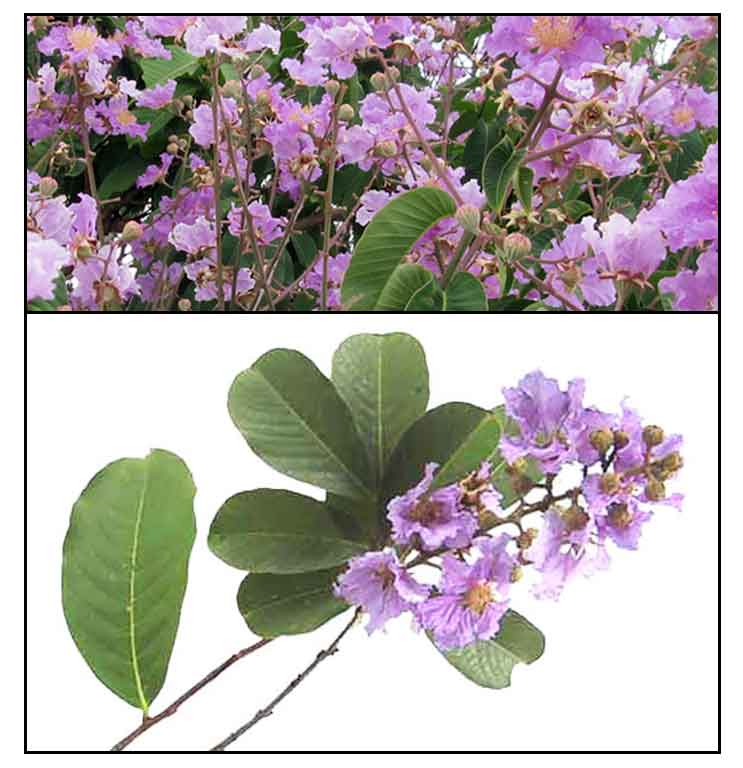
• Banaba is a deciduous tropical flowering tree, 5
to 10 meters high, sometimes growing to a height of 20 meters. Bark is smooth, gray to cream-colored, and peels off in irregular flakes. Leaves are smooth, large,
spatulate, oblong to elliptic-ovate, 4 to 8 centimeters in width, 12 to 25 centimeters
in length, shedding its leaves the
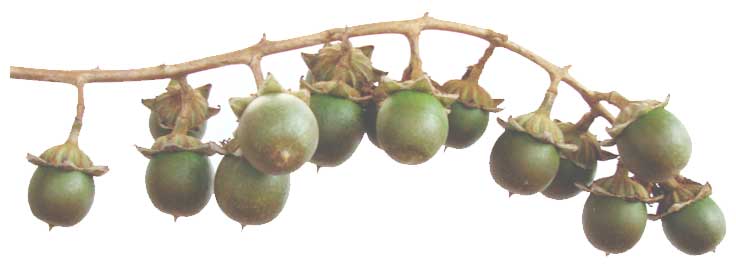
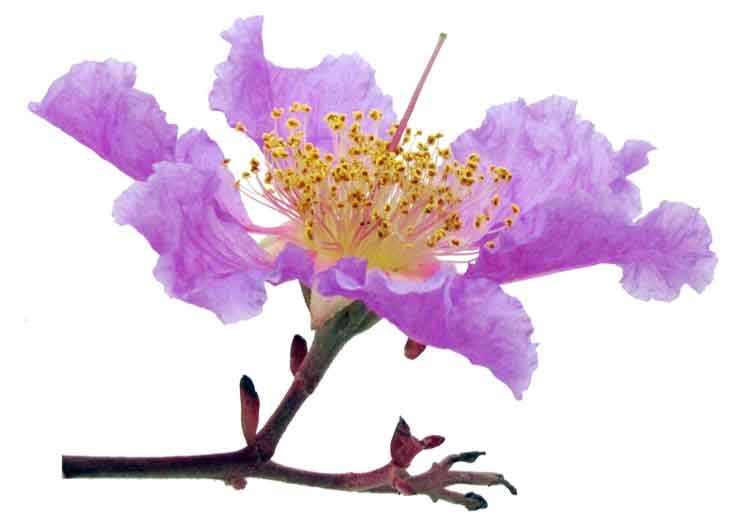
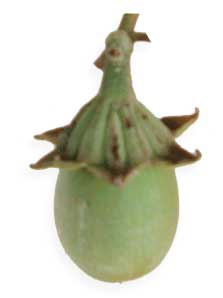
first months of the year. Flowers are 6-parted, purplish lilac or mauve-pink, rarely pink, 5 to 7.5 centimeters across, and borne in large, terminal panicles up to 40 centimeters in length. Petals are oblong-obovate or obovate, shortly clawed, and 3 to 3.5 centimeters long; the margins are undulate and hardly fimbriate. Fruit is a large nut-like capsule, obovoid or ellipsoid, and 2 to 3.5 centimeters long. Seed is pale brown, with a wing 12 to 18 millimeters long.
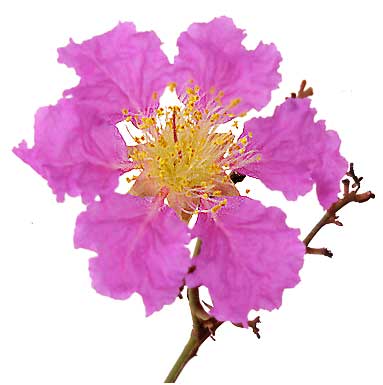 • Small tree or big shrub, usually up to 30 m. Crown dense, broadly conical when young; becoming rounded, relatively low and pendulous in older trees, as terminal branch growth is halted by every blooming episode. Greater tree heights attained under more forested conditions, where blooming is delayed as a result of more abundant moisture. Trunk: Often fluted, bark creamy-brown to light grey, smooth and peeling in papery flakes; inner bark pale brown and fibrous. Foliage: SImple, opposite, broadly ovate to oblong, somewhat leathery, with prominent abaxial veins. Young leaves emerge glossy red, turning to pinkish and then finally green. Old leaves wither to orange-red before being shed. Tree is drought-deciduous, shedding leaves over a few days or gradually over a few months, depending on severity of dry period. Flowers: Conspicuous, 5-7 cm across; 6 petals, papery-wrinkled and crepe-like, pinkish-purple, fading white and shed 2-3 days later; central disc of stamens numerous, light yellow; pollinated by large bees. Flowers held in elongated panicle inflorescence, 30-40 cm long, sticking out from crown, with individual flowers opening progressively from bottom to top of panicle. Fairly free-blooming in Singapore, occurring several times per year, with flowers appearing with new shoots. Blooming often more spectacular in climates with distinct dry-cool weather, taking place from late summer to autumn. Fruits: Woody dehiscent capsules, globose, around 2 cm across, seated on persistent woody calyx, maturing from green to brown, splitting radially into 6 parts when ripe. Only larger flowers in cluster set fruits. Seeds numerous, small (165,000-235,000 dry seeds/kg), triangular, flattened and apically winged, dispersed by wind. First few leaves of seedlings alternate, becoming sub-opposite, before attaining opposite leaf arrangement of adult form. (65) • Small tree or big shrub, usually up to 30 m. Crown dense, broadly conical when young; becoming rounded, relatively low and pendulous in older trees, as terminal branch growth is halted by every blooming episode. Greater tree heights attained under more forested conditions, where blooming is delayed as a result of more abundant moisture. Trunk: Often fluted, bark creamy-brown to light grey, smooth and peeling in papery flakes; inner bark pale brown and fibrous. Foliage: SImple, opposite, broadly ovate to oblong, somewhat leathery, with prominent abaxial veins. Young leaves emerge glossy red, turning to pinkish and then finally green. Old leaves wither to orange-red before being shed. Tree is drought-deciduous, shedding leaves over a few days or gradually over a few months, depending on severity of dry period. Flowers: Conspicuous, 5-7 cm across; 6 petals, papery-wrinkled and crepe-like, pinkish-purple, fading white and shed 2-3 days later; central disc of stamens numerous, light yellow; pollinated by large bees. Flowers held in elongated panicle inflorescence, 30-40 cm long, sticking out from crown, with individual flowers opening progressively from bottom to top of panicle. Fairly free-blooming in Singapore, occurring several times per year, with flowers appearing with new shoots. Blooming often more spectacular in climates with distinct dry-cool weather, taking place from late summer to autumn. Fruits: Woody dehiscent capsules, globose, around 2 cm across, seated on persistent woody calyx, maturing from green to brown, splitting radially into 6 parts when ripe. Only larger flowers in cluster set fruits. Seeds numerous, small (165,000-235,000 dry seeds/kg), triangular, flattened and apically winged, dispersed by wind. First few leaves of seedlings alternate, becoming sub-opposite, before attaining opposite leaf arrangement of adult form. (65)
Distribution
- Native to the Philippines.
-
In most or all islands and provinces, chiefly in secondary forests at low and medium altitudes.
- Found in the Batan Islands and northern Luzon to Palawan, Mindanao and the Sulu Archipelago.
- Ornamental cultivation.
- Makes an excellent avenue tree; cultivated in Manila for its beautiful flowers.
- Also native to Assam, Bangladesh, Borneo, Cambodia, China, Himalaya, India, Jawa, Laos, Lesser Sunda Is., Malaya, Maluku, Myanmar, New Guinea, Sri Lanka, Sulawesi, Sumatera, Thailand, Vietnam. (30)
Constituents
- Phytochemical screening yielded phenolic compounds, flavonoids, and saponins.
-
Rich in tannin: fruit, 14 to 17 %; leaves
13 %; bark, 10%.
- Studies have isolated: (1) corosolic acid (2) ellagitannin Lagerstroemin (3) gallotannins.
- Penta-O-galloyl-glucopyranose (PPG) – identified as the most potent of the gallotannins, with a higher glucose transport stimulatory activity than Lagerstroemin. In addition to stimulating glucose uptake in fat cells, it also has anti-adipogenic properties.
- Phytochemical studies on leaves have yielded
glycosides, sugars, tannins, proteins, steroids, anthraquinone glycosides, flavonoids, saponins.
- Phytochemical screening of leaf and fruit yielded steroids, terpenoids, glycosides, phenolic compounds, α-amino acids, saponins, starch, alkaloids, carbohydrates, organic acids, flavonoids, reducing sugars, tannins and other metabolites.
(51)
- Phytochemical screening of methanol crude extract of roots yielded alkaloids, flavonoids, saponins, tannins, and reducing sugar. (see study below) (37)
- Study of metal content of leaves yielded (concentration mg/1L) cadmium BDL (below detection limit), chromium 0.425, iron 2.422, mercury BDL, magnesium 32.64, zinc 0.837, lead BDL. (see study below) (32)
- GC-MS hydrodistillation analysis of essential oils from L. speciosa flowers yielded 0.085% with 45 compounds. Major volatiles in the flowers were α-terpineol (12.76), α-pinene (10.38), ß-pinene (8.45), myrcene (6.76), αß-bisabolene (5.97), α-bisabolol (3.14), limonene (2.60), Cis-ß-ocimene (1.33), trans-ß-ocimene (2.12), linalool (1.22), among others. (see study below) (45)
- Hydrodistillation and GC-MS study of fruits for essential oil yielded mostly hydrocarbons. Methyl cyclohexane (60.9%), methyl benzene (18.2%), i-xylene (3.04%) represented 82.14% of total essential oil.
(see study below) (55)
- Nutritional and elemental analysis of leaves and fruits revealed presence of alkaloids, flavonoids,
α-amino acid, carbohydrates, starch, organic acids, phenolic compounds, saponin, glycosides, reducing sugar, tannin, steroids, and tepenoids. Samples showed relatively high Ca, K, P and S. Proximate analysis of dried leaf and fruit samples revealed 10.75 and 14.77% moisture, 3.36 and 0.26% crude fat, 11.14 and 2.88% protein, 13.76 and 38.39% dietary fiber, 51.20 and 42.48% carbohydrate, 9.69 and 2.4% ash, and 275 and 183 kcal/100g. (see study below) (63)
 Properties Properties
- Before shedding, the leaves are bright orange
or red during which time it is thought to contain higher levels of corosolic
acid.
- Old leaves and ripe fruit are considered to yield the greatest amount of an insulin-like principle. Twenty grams of old leaves or fruit, dried from one to two weeks, in the form of 100 cc of 20% decoction was found to have activity equivalent to 6 to 7.7 units of insulin.
- Mature leaves, young leaves and flowers have an activity that ranged from 4.4 to 5.4 units of insulin per 100 cc of 20% decoction, or equivalent to around 70% of the activity of the leaves or fruit.
- Study of the wood yielded no insulin-like principle; the bark and roots yielded a very small amount.
- Leaves are considered purgative, deobstructive, diuretic.
- Roots are considered astringent, stimulant, febrifuge.
- Bark considered stimulant and febrifuge.
- Studies have suggested antioxidant, antihypertensive, antidiabetic, antimicrobial, hepatoprotective, xanthine oxidase inhibitory, glucose-uptake stimulatory, antiobesity, HIV-inhibitory, neuroprotective, anti-obesity, quorum-sensing modulatory, antiviral, antidiarrheal, analgesic, diuretic, hepatoprotective, cytoprotective, anti-arthritic, DPP-IV inhibitory properties.
Parts utilized
Leaves, fruits, flowers and bark.
 Uses Uses
Edibility
- Dried leaves and fruits used in making herbal teas.
- Flowers used for garnishing dishes, and as ingredients in salads, soups, desserts, and drinks.
- In Vietnam, young leaves used as vegetable.
Folkloric
- Decoction of leaves of all ages used for diabetes mellitus. Some physicians believe the dried fruit decoction to be better.
-
Roots have been
used for a variety of stomach ailments. Leaf decoction for diabetes;
also use as a diuretic and purgative.
- Decoction of old leaves and dried fruit (dried from one to two weeks),
50 gms to a pint of boiling water, 4 to 6 cups daily has been used for
diabetes. Old leaves and ripe fruit are preferred, believed to have
greater glucose lowering effect. Young leaves and flowers have a similar
effect, though only 70% that of matures leaves and fruits. The wood
has no known glucose lowering effect; the bark, a very small amount.
A decoction of 20 gms of old leaves or dried fruit in 100 cc of water
was found to have the equivalent effect to that of 6 to 7.7 units of
insulin.
- In Pahang decoction of bark has been used for the treatment of diarrhea.
- Infusion of bark used for diarrhea.
- The bark, flowers and leaves used to facilitate bowel movements.
- Decoction of fruits or roots gargled for aphthous stomatitis.
- Decoction of leaves and flowers used for fevers and as diuretic.
- Leaf decoction or infusion used for bladder and kidney inflammation,
dysuria, and other urinary dysfunctions.
- Seeds considered to have narcotic properties; also employed against aphthae.
Others
- Wood: Banaba makes a useful timber tree.(•) Hardwood has a density of 505-510 kg/cu m at 15% moisture content. Timber is resistant to termites. (56)
- Fuel: Wood yields a gross energy value of 18,855 to 19,320 kJ/kg. (56)
- Tannin / Dyestuff: Bark and fruit 14-17% tannin, while leaves contain 12-13%.
(56)
- Agroforestry: In Java, used in forestation of degraded hills. (56)
- Mythology: In Hindu mythology, worshiping the Lord Brahma is believed to result in blossoming of the flowers of Giant Crape Myrtle and Banaba tree, which brings prosperity to the house.
In Theravada Buddhism, the tree is used for achieving enlightenment, or Bodhi by the eleventh Buddha, and twelfth Buddha. (65)
Studies
• Corosolic Acid / Lagerstroemin / Gallotannins: Studies have identified several compounds as responsible for its anti-diabetic activity. (1) corosolic acid (2) Lagerstroemin, an ellagitannin (3) gallotannins, of which PPG – penta-O-galloyl-glucopyranose–was identified as the most potent, with a higher glucose transport stimulatory activity than Lagerstroemin. In addition to stimulating glucose uptake in fat cells, it also has anti-adipogenic properties.
• Inhibition of TNF-induced Activation: Diabetes leads to cardiomyocyte hypertrophy in association with upregulation of vasoactive factors and activation of nuclear factor (NF)-kappaB and activating protein-1. Study results indicate L speciosa can inhibit DNA-binding of NF-kappaB which may explain its possible inhibition of diabetes-induced cardiomyocyte hypertrophy. (8)
• Ellagitannins / Insulin-like Glucose Uptake Stimulatory / Adipocyte Differentiation-Inhibitory Activity: Study yielded seven ellagitannins, including lagerstroemin from the leaves of L speciosa. The ellagitannins exhibited strong activities in both stimulating insulin-like glucose uptake and inhibiting adipocyte differentiation . Also, ellagic acid derivatives showed inhibitory effect on glucose transport. (5)
• Glucose Transport Activators: Screening has identified lagerstroemin, flosin, and reginin A as activators of glucose transport in rat fat cells.
• Diabetes: (1) Banaba has been extensively studied for its application
in the treatment of diabetes. Early on, Its ability to lower blood sugar was attributed
to corosolic acid, a triterpenoid glycoside, believed to facilitate
glucose-transport into cells. (2) Studied with abutra,
akapulko, makabuhay
for anti-diabetic activity through activation of glucose transporter activity. One of the active principles from Banaba was the triterpene, corosolic
acid.
• Weight loss: Studies in mice suggest an antiobesity effect.
It is becoming a common ingredient in weight-loss supplements / products
as a metabolic enhancer.
• Hypertension: It is also being studied for its use in the
treatment of blood pressure, renal and immune system benefits.
•
Lipid-lowering: Studies in mice suggest
a lipid lowering effect, decreasing triglyceride and total cholesterol
levels. To date, no toxicity has been identified.
• Hypoglycemic Activity of Irradiated Banaba
Leaves: Study showed irradiated banaba leaf extract mixed with insulin was found to have a higher hypoglycemic activity compared with mixtures of BLE and insulin. Results may suggest the potential of reducing the cost of insulin management by lessening the dependence on recombinant insulin. (3)
• Xanthine oxidase inhibitors from the leaves
of Lagerstroemia speciosa: Xanthine oxidase is a key
enzyme involved with hyperuricemia, catalyzing the oxidation of hypoxanthine
to xanthine to uric acid. Bioassay-guided fractionation isolated two active compounds from the aqueous extracts of L. speciosa leaves viz. valoneic acid dilactone (VAD) and ellagic acid (EA). XOD (xanthine oxidase)-inhibitory activity of VAD was greater than allopurinol, a drug used as XODi. The study supports the dietary use of the
aqueous extracts from Banaba leaves for the prevention and treatment
of hyperuricemia. (4)
• Antidiabetic Activity / Leaves: Study showed a significant reduction
of blood glucose levels with the soft gel formulation showing better
bioavailability than a dry-powder formulation. (•) Study evaluated the effect of leaves on fasting blood glucose in alloxan-induced diabetic rabbits. Results showed significant decrease in blood glucose at doses of 400 and 800 mg/kg. The 800 mg/kg dose was comparable to metformin 62.5 mg/kg. Results suggest favorable effects in protecting alloxan induced hyperglycemia. (34)
• Other studies report potential uses:
(1) antibacterial effects from seed extracts (2) significant protection
of HIV-infected cells by ellagic acid constituents (3) antioxidative
activity of a water extract (4) inhibition of xanthine oxidase by aqueous
extract, 31 and anti-inflammatory activity in mice.
• Anti-Inflammatory / Free Radical Scavenging: Study showed antioxidant and anti-inflammatory activities from the ethyl acetate and ethanol extracts of Lagerstroemia speciosa. (9)
• Antioxidant / Leaves: A hydroalcoholic extract of leaves of L. speciosa demonstrated antioxidant activity in the nitric oxide model. (10)
• Hypoglycemic Activity / Mechanism of Action: Study of a hot water extract of leaves of L. speciosa showed hypoglycemic activity on experimental diabetic rats through suppression of gluconeogenesis and stimulation of glucose oxidation using the pentose phosphate pathway. (11)
• Hepatoprotective / Roots: L. speciosa roots showed hepatoprotective activity protecting hepatocytes from CCl4-induced liver damages due to antioxidant effect on hepatocytes. (12)
• Pharmacognostic Evaluation of Leaves: Study provided important information for the correct identification and herbal standardization of L. speciosa leaves. Phytochemical screening yielded alkaloids, tannins, flavonoids, triterpenoids, sterol, and saponins. Study suggests the season of collection and storage conditions may lead to fluctuations in the corosolic acid content. (13)
• Antimicrobial / Quorum Sensing Modulation: Study showed a fruit extract caused down-regulation of the quorum sensing related genes and respective signaling molecules, without affecting P. aeruginosa growth. Results suggest a possible role for quorum sensing mechanisms and the potential source of QS-based antibacterial drugs. (15)
• Review / Antiobesity Therapeutics and Mechanisms: A review of natural products with anti-obesity activity included Lagerstroemia speciosa: (1) a crude aqueous extract promoting lipid metabolism; a 3% decrease in body weight, through PPARs (peroxisome-proliferator activated receptor) agonistic activity (2) Ellagitannins via inhibition of GPDH activity by 20%. (18)
• Antiobesity and Antiobesity Polyherbal Formulation: A polyherbal formulation for obesity containing G. sylvestre, G. cambogia, and Lagerstroemia speciosa was studied in normal and obese STZ-induced diabetic rats. Results showed an antidiabetic and antiobesity effect similar to that observed with glibenclamide and sibutramine. (19)
• Safety of Banaba and Corosolic Acid: The hypoglycemic effect of banaba has been attributed to corosolic acid and elligatannins. Corosolic acid also exhibited antihyperlipidemic, antioxidant, anti-inflammatory, antifungal, antiviral, antineoplastic, and osteoblastic activities. Its antidiabetic and lipid effects involve multiple mechanisms, including enhanced cellular uptake of glucose, impaired hydrolysis of starches and sucrose, plus other signal transduction factors. No adverse effects were observed in animal studies or controlled human clinical trials. (20)
• Antibacterial / Phytochemicals / Leaves: A methanolic extract of leaves yielded anthraquinones, flavonoids, saponins, and tannins. The extract exhibited high antibacterial activity against three of the test bacteria: E. coli > S. aureus > P. aeruginosa. It showed no activity against Salmonella typhimurium. (21)
• Ellagitanins / Activators of Glucose Transport in Fat Cells: Bioassay fractionation of aqueous acetone extra t yielded three active ellagitannins: lagerstroemin, flosin B and reginin A. The compounds increased glucose uptake of rat adipocytes. Results suggest the insulin like action of ellagitannins or their metabolites is responsible for the hypoglycemic effect of banaba extract in vivo. (22)
• Metals in Leaves: Study confirmed the presence of essential metals i.e., magnesium, zinc, and iron in Lagerstroemia speciosa. Heavy metals like cadmium, chromium, mercury, and lead were below detectable limit. Magnesium and zinc were used in the treatment of type II diabetes. Study supports the anti-diabetic activity of the species. (23)
• Hypoglycemic: Study evaluated the hypoglycemic effect of aqueous extract of L. speciosa in STZ-nicotinamide induced type 2 diabetic male albino Wistar rats. Results showed significant decrease in fasting serum glucose levels, accompanied by decreased glycosylated hemoglobin and lipid profile. (24)
• Effect of Extract on Hyperglycemia and Obesity: Study showed a unique combination of a glucose uptake stimulatory activity and effective inhibition of adipocyte differentiation induced by IS-IBMX-DEX in 3T3-L1 cells suggesting use in prevention and treatment of hyperglycemia and obesity in type II diabetes. (25)
• Antinociceptive / Antidiarrheal / Cytotoxic / Dried Fruits: Study evaluated of extract of dried fruits for antinociceptive, antidiarrheal, and cytotoxic activities in animal models. Results showed significant writhing inhibition in acetic acid-induced writhing in mice, antidiarrheal activity on castor oil induced diarrhea, and prominent cytotoxic activity against brine shrimp Artemia salina. (26)
• Ellagic acid & Gallic Acid / Inhibition of HIV-1 through Inhibition of HIV-1 Protease and Reverse Transcriptase Activity / Leaves and Stems: Gallic acid and ellagic acid from extracts of leaves and stems of banaba showed novel anti-HIV activity through inhibition of reverse transcriptase and HIV-protease, suggesting promising candidates for development of topical anti-HIV1 agents. (27)
• Cytoprotective Effects / Leaves: Study evaluated the cytoprotective effects of hot water extracts from L. speciosa leaves on 3-morpholinosydnonimine (SIN-1)-induced oxidative damage in Syrian hamster pancreatic insulinoma HIT-T15 cells. Results showed a cytoprotective effect through inhibition of lipid peroxidation, a decrease in ROS levels and an increase in antioxidant enzyme activity. (28)
• Acute Toxicity Study / Non-Toxic: Study evaluated the toxicity impact of ethanol concentrates of banaba in 30 make grown-up Sprague Dawley rats. Results showed the crude ethanol extract is non-toxic and well tolerated at tested dose levels (500, 1000, 2000, and 3000 mg/kg). (31)
• Metals Content / Leaves: Study dealt with the detection of metals present in leaves of L. speciosa. Essential metals like sodium, potassium, iron, magnesium and zinc were found to be predominant, while heavy metals like cadmium, mercury, and lead were found below detectable limit. It has been clinically proven that essential metals like magnesium and zinc were used in the treatment of type 2 diabetes. (see constituents above) (32)
• Inhibition of TNF-Induced Activation of NF-kappaB in Cardiomyocyte H9c2 Cells: Diabetes leads to cardiomyocyte hypertrophy in association with an up-regulation of vasoactive factors and activation of nuclear factor (NF)-kappaB and activating protein-1. Lagerstroemia speciosa completely blocked the activation of NF-kappaB by TNF in a dose- and time-dependent manner in H9c2 cells. This may explain the possible inhibition of diabetes-induced cardiomyocyte hypertrophy. (33)
• Neuroprotective / STZ-Induced Painful Neuropathy: Study evaluated the neuroprotective of L. speciosa on painful diabetic neuropathy. Results showed neuroprotective property with dose-dependent reduction in pain threshold tested by mechanical, cold and thermal hyperalgesia. (35)
• Anti-Diabetes / Gallotannins and Elligatannins: Study suggests that tannin molecules are responsible for the insulin-like glucose transport stimulatory activity of the banaba extract. Gallotannins such as PGG (penta-O-galloyl-glucopyranose) seems to be more potent and efficacious than ellagitanins such as Lagerstroemin in IR binding, IR activation and glucose transport induction. Also, corosolic acid does not possess insulin-like transport stimulatory activity; its antidiabetic activity, if confirmed, may be through a non-insulin-like indirect mechanism. (7)
• Hypoglycemic Effect /
Leaves: Study of spray-dried powder and decoction of leaves significantly reduced blood (p<0.01) and urinary glucose (p<0.05) levels in alloxan induced diabetic mice. (36)
• Analgesic / Antidiarrheal / Roots: Study evaluated a methanolic crude extract of roots for possible analgesic and anti-diarrheal activity in experimental animal models. Extract showed anti-diarrheal activity in a castor oil-induced diarrhea model. Analgesic activity was evaluated using acetic acid induced writhing inhibition in Swiss albino mice. At 200 and 400 mg/kbw dose, extract produced 35.38% and 53.85% (p<0.001) of writhing inhibition. (37)
• Antiviral
/ Human Rhinoviruses / Ellagic Acid: Study evaluated the cytotoxic and antiviral activities of tannin ellagic acid from leaves of L. speciosa toward HeLa cells and rhinoviruses HRV-3, -3, and -4. Results suggest ellagic acid does not interact with HRV-4 particles and may directly interact with human cells in the early stage of HRV infections to protect the cells from viral destruction. Ellagic acid also strongly inhibited RNA replication of HRV-4 in HeLa cells suggesting inhibition of viral replication via targeting of cellular molecules, rather than viral molecules. (38)
• Cytoprotective on Pancreatic-Cells / Anti-Diabetic / Leaves: Reactive oxygen species (ROS)-induced pancreatic ß-cell death affects insulin secretion. Study evaluated the cytoprotective effect of L. speciosa on pancreatic ß-cells. Study showed hot water extracts from leaves has a cytoprotective effect against SIN-1-induced oxidative stress in HIT-T15 cells through inhibition of lipid peroxidation, a decrease in ROS levels and an increase in antioxidant enzyme activity, together with an increase in insulin secretion. Results suggest a potential for LWE in the treatment of diabetes. (39)
• Diuretic Effect
/ Leaves: Study evaluated various extracts of leaves for diuretic activity in rat models. Extracts were administered at doses of 250 mg/kbw. The aqueous extract showed the best diuretic effect with a higher Na/K ratio followed by ethanol, EA and methanol extracts. (40)
• Hepatoprotective / CCl4 Toxicity / Flowers: Study of ethanol extracts of petals showed in vitro antioxidant and in vivo hepatoprotective properties against carbon tetrachloride induced liver toxicity in Swiss albino mice. The antioxidant activities of the flower extract were higher than curcumin or ascorbic acid. Results suggest L. speciosa flowers is a reservoir of antioxidant and hepatoprotective components. (41)
• Banaba and Coroslic Acid in the Management of Diabetes and Its Complications: There is a growing body of evidence from animal and human studies as well as in vitro systems that banaba leaf extracts exert antidiabetic and antiobesity effects. Strong evidence indicate both corosolic acid and ellagitanins are responsible for these effects. No adverse effects have been reported in animals or in controlled human clinical trials. However, no animal studies have specifically addressed toxicity or LD50 values for corosolic acid and Banaba extracts standardized to specific concentrations of corosolic acid. Additional human efficacy and safety studies are warranted, as well as additional acute and subchronic animal safety studies. (2012) (42)
• Interaction with Antidiabetic Medications: Banaba interacts with antidiabetic medications. It can lower blood sugar and may cause blood sugar to go too low when taken together with antidiabetic medications. These medications include glimepiride (Amaryl), glyburide (Micronase), insulin, glipizide (glucotrol) among others. (43)
• Antibacterial / Cytotoxicity / Bark: Study evaluated a bark extract of L. speciosa for antibacterial activity by time-kill curves assay and cytotoxicity by brine shrimp lethality assay on eukaryotic cells. Extract showed concentration dependent killing for both B. spizizenii and A. anitratus. Extract was nontoxic during short term (acute) exposure but was toxic during prolonged (chronic) exposure with LC50 of 3422.68 and 35.30 µg/ml, respectively. (44)
• Essential Oil / Cytotoxic Effect / Flowers: GC-MS hydrodistillation analysis of essential oils from L. speciosa flowers yielded 0.085% with 45 compounds. Major volatiles in the flowers were α-terpineol (12.76), α-pinene (10.38), ß-pinene (8.45), myrcene (6.76), αß-bisabolene (5.97), α-bisabolol (3.14), among others. Cytoxicity assay of essential oil by Dalton's Lymphoma Ascites cells (DLA) and Ehrlich Ascites Carcinoma cells (EAC) at 50 µL/mL concentration produced 13.33% and 31% cytotoxicity, respectively. (45)
• Corosolic Acid / Glucose Uptake-Stimulatory Potential: Review focused on discussing the mechanisms associated with the anti-diabetic potential of corosolic acid. Studies have shown corosolic acid is beneficial for obesity and in maintaining blood sugar levels. Corosolic acid works as "insulin sensitizer" that may activate the IRS and other adapter proteins intracellularly for transmitting signals to P13K/AKT and MAPK/ERK pathways. (46)
• DPP-IV Inhibitory Activity / Antioxidant: The Krom Luang Chomphon folk recipe is used as alternative anti-diabetes recipe. Study evaluated 14 selected medicinal herb extracts from this recipe for their DPP-IV inhibitory activity, antioxidant property, and phytochemical compositions. While all extracts exhibited DPP-IV inhibitory activity, the highest inhibitory activity at 50 µg/mL, were detected in L. speciosa (71.07 ±0.07) and Terminalia catappa (69-89 ±0.43%), while standard diprotin A gave 90.07 ±0.39 inhibition. All extracts exhibited antioxidant activity at varying levels. (47)
• Insulin Sensitizers in Pre-Diabetes / DLBS3233 / Cinnamomum burmanii and Lagerstroemia speciosa: Study evaluated the efficacy and safety of DLBS3233, a novel bioactive fraction derived from Cinnamomum burmanii and Lagerstroemia speciosa, in improving insulin resistance and preserving ß-cell performance in patients with impaired glucose tolerance (IGT). Study showed DLBS3233 at 50-100 mg once daily was well tolerated and showed promising efficaciousness in improving insulin sensitivity and preserving ß-cell function in patients with IGT. (48)
• Antioxidant / Phenolic Content / Seeds: Study evaluated a methanolic extract of dried seeds of L. speciosa for total phenol content and antioxidant activity. Results showed an appreciable quantity of phenolic content (325±0.01 µg GAE/mg extract). Antioxidant oxidant activity by radical scavenging in DPPH assay was dose dependent with IC50 value of 9.63±0.20 mL. There was dose-dependent reducing activity. Activity was attributed to the presence of phenolic compounds. (49)
• Quercetin-7-Glucoside / Anti-Human Rhinovirus 2 Activity: HRVs are a major cause of the common cold, with no registered clinically effective antiviral for its treatment. Study evaluated the antiviral activity of Q7G (quercetin 7-glucoside) from L. speciosa against HRV2 (human rhinovirus 2 using a cytopathic effect (CPE) reduction method. Results suggest Q7G exerted an anti-HRV2 effect via the inhibition of virus replication in the early stage. (50)
• Biologic Activities / Flowers: Study evaluated the antioxidant, cytotoxic, thrombolytic, membrane stabilizing, antimicrobial, analgesic, hypoglycemic and CNS depressant activities of crude methanol extract and fractions of flowers. A chloroform fraction showed highest antioxidant activity while a hexane soluble fraction sowed most prominent cytotoxic activity. A carbon tetrachloride soluble fraction induced clot lysis (64.80 ± 0.27%) and prevented heat induced hemolysis to a maximum extent, and showed largest zone of inhibition against S. aureus. Extract also showed 16.68^ inhibition of writhing in peripheral analgesic activity assay, and reduced blood sugar by 12% at 400 mg/kg dose. In CNS depressant assay, the sample group slept for shorter period of time. (52)
• Inhibitory Activity against Carbohydrate-Digesting Enzymes / Antidiabetic / Leaves: Study investigated the effects of L. speciosa aqueous and ethanolic leaf extracts on in-vitro carbohydrate- digesting enzyme activities and enzyme kinetics. Both extracts inhibited a-amylase activity in a mixed inhibition manner while aqueous extract showed mixed inhibitory activity against α-glycosidase enzyme. Results suggest a potential use of the extracts fr control of postprandial plasma glucose. (53)
• Anti-Arthritic / Leaf Essential Oil: Study evaluated the chemical composition and in-vitro anti-arthritic activity of essential oils from fresh and dry leaves of L. speciosa. GC-MS analysis of essential oil yielded 38 and 35 components from fresh and dry leaves, respectively. Hentriacontane and (4,5,8-tri-ter-butyl-9-oxa-tricyclo deca-2,4,6-trient-1-yl)-methanol were the major chemical components of fresh and dry leaves, respectively. Results showed significant in-vitro anti-arthritic activity, and suggests that the higher proportions of long chain-hydrocarbon is responsible for the anti-arthritic activity. (54)
• Cytotoxic Effect / Essential Oil of Fruits: GC-MS study of fruits for essential oil yielded mostly hydrocarbons. Methyl cyclohexane (60.9%), methyl benzene (18.2%), i-xylene (3.04%) represented 82.14% of total essential oil. Cytotoxicity testing using brine shrimp lethality assay showed the oil is toxic, with LC50 value of 1.701 µg/ml. (55)
• Acute and Sub-Acute Toxicity Studies / Leaves: Study evaluated the acute and sub-acute oral toxicity of L. speciosa in Sprague-Dawley rats. Acute toxicity was tested by a single oral dose of 2000 mg/kg, and subacute toxicity with 200 mg/kg for 28 days. Measured indices studied were body weight, organ weight, food and water intake, biochemical and hematological parameters and histopathology. Results showed no mortality or morbidity in rats studies. (58)
• Attenuation of Lung Tumorigenesis / Antioxidative, Anti-inflammatory, Apoptotic / Leaves: Study evaluated the cytotoxicity of aqueous ethanolic extract of leaves on human lung adenocarcinoma cells (A549), its invivo antitumor effect on lung tumorigenesis in a mice model. Mice were orally administered B(a)P (50 mg/kbw), one of the main constituents of tobacco smoke, which plays a key role in lung carcinogenesis. B(a)P caused an increase in serum levels of tumor marker enzymes and inflammatory mediator NF-kB and decreased total antioxidant capacity, upregulated expression of COX-2 gene, pro-inflammatory cytokines and down-regulated pro-apoptotic genes. The extract exhibited cytotoxic activity against the A549 cell line. Pre- and post-treatment attenuated all the abnormalities. Histopathological exam verified the protective effect of the extract. Results confirmed the potent antitumor effect of L. speciosa leaves against lung tumorigenesis. (59)
• Effect on Metabolic Syndrome, Insulin Secretion and Sensitivity / Clinical Trial: A randomized, double-blind, placebo-controlled clinical trial on 24 patients diagnosed with MetS evaluated the effect of banaba on metabolic syndrome, insulin sensitivity and insulin secretion. Twelve patients were given Banaba 500 mg twice daily, before breakfast and before dinner for 12 weeks. Treatment resulted in significant decrease in systolic blood pressure, fasting glucose, triglycerides, AUC of insulin, and insulinogenic index. Eight patients (67%) showed remission of MetS. (60)
• Antibiofilm / Quorum Sensing Inhibition / Leaves: Study evaluated the antibiofilm and quorum sensing inhibitory potential of Lagerstroemia speciosa leaves extract. Using agar well diffusion and crystal violet assay, the methanolic extract showed highest antimicrobial activity against E. faecalis and antibiofilm activity against K. pneumonia (77.42%). Quorum sensing inhibition activity against Chromobacterium pseudoviolaceum showed dose-dependent inhibition in violacein production by different concentration of the methanol extract. Results suggest L. speciosa leaves are an excellent source of phytochemicals with potent antibiofilm and quorum sensing inhibition potential. (61)
• Apoptosis and Cell Cycle Arrest / HepG2 / Hepatocellular Carcinoma / Leaves: Study evaluated the cytotoxic potentials of ethanolic extract of banaba leaves (EBLE) against human hepatocellular carcinoma (HepG2) cell line. Results suggest EBLE induces G1-phase of cell cycle arrest and apoptosis in HepG2 cells. EBLE has potential as therapeutic agent against hepatocellular carcinoma. (62)
• α- Glucosidase Inhibitory Effect / Antioxidant / Leaf and Fruit: Enzymatic α-glucosidase inhibitory assay, results were in order of EtOH leaf > aqueous leaf > EtOH fruit > aqueous fruit. In vitro antioxidant activity by DPPH assay radical scavenging assay showed IC50s of 4.29 and 9.16 µg/mL for H2O extracts and 2.64 and 6.17 µg/mL for 95% EtOH extracts of L. speciosa leaf and fruit. Results suggest potential for treatment of disease related to α-glucosidase inhibitory and antioxidant activities. (see constituents above) (63)
• Herbosome / Alternative Delivery System: Developing drugs as amphiphilic lipid complexes is a potential approach for improving therapeutic efficacy of drugs by increasing solubiility, reducing drug cystallinity, modifying dissolution behavior and improving bioavailability. For L. speciosa (banaba), a major limitation is poor solubility, and dissolution restrains its bioavailability. Lagerstroemia speciosa (HAELS)-phospholipid complex (Herbosome) was developed and subjected to various pharmaceutical studies, including thermal analysis, crystallography, surface morphology, spectroscopy, and solubility, dissolution and stability studies. Results suggest the phytosome my be considered a promising drug delivery system for improving overall absorption and bioavailability of the L. speciosa molecule for the treatment of diabetes. (64)
Availability
- Wildcrafted.
- Cultivated for flowers.
- Tablets, leaf extracts, seeds, capsules, powder and tea in local commerce and the cybermarket. |